

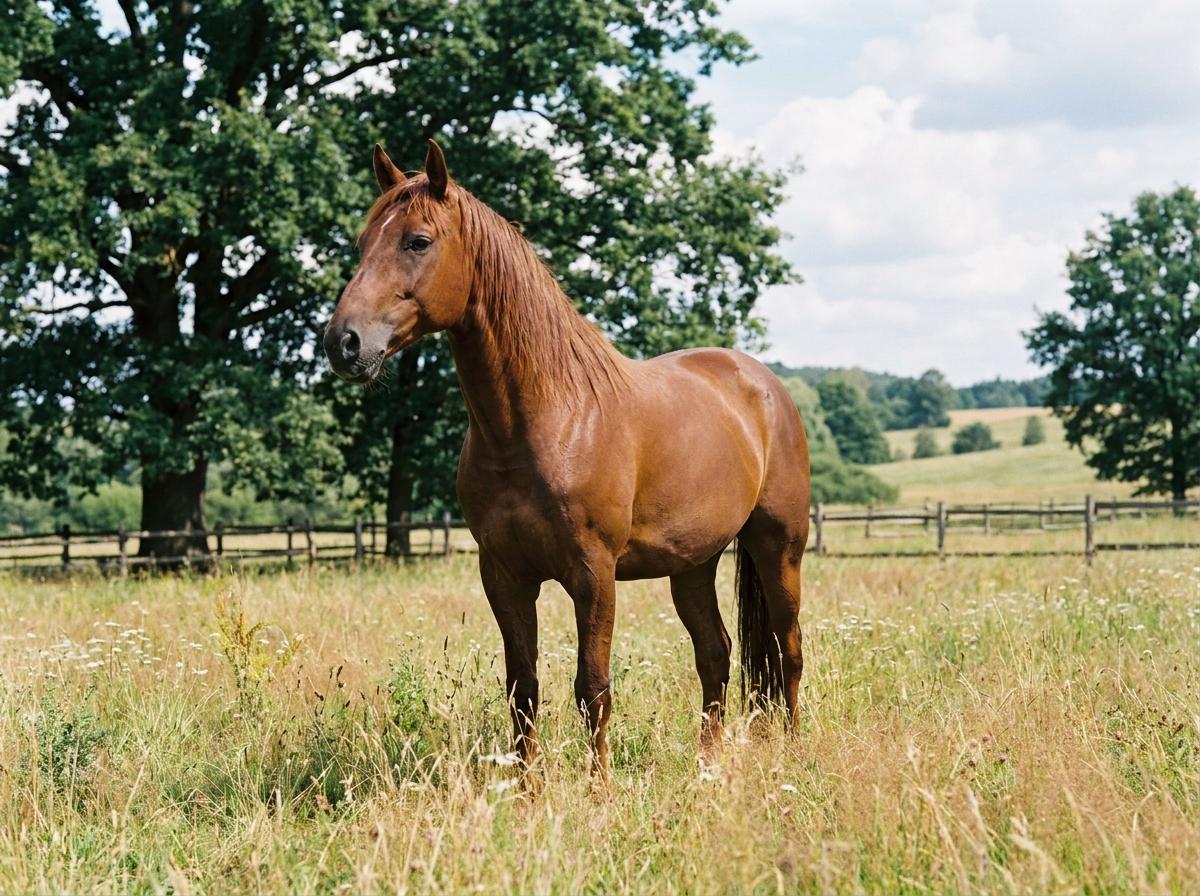
Wielkopolski
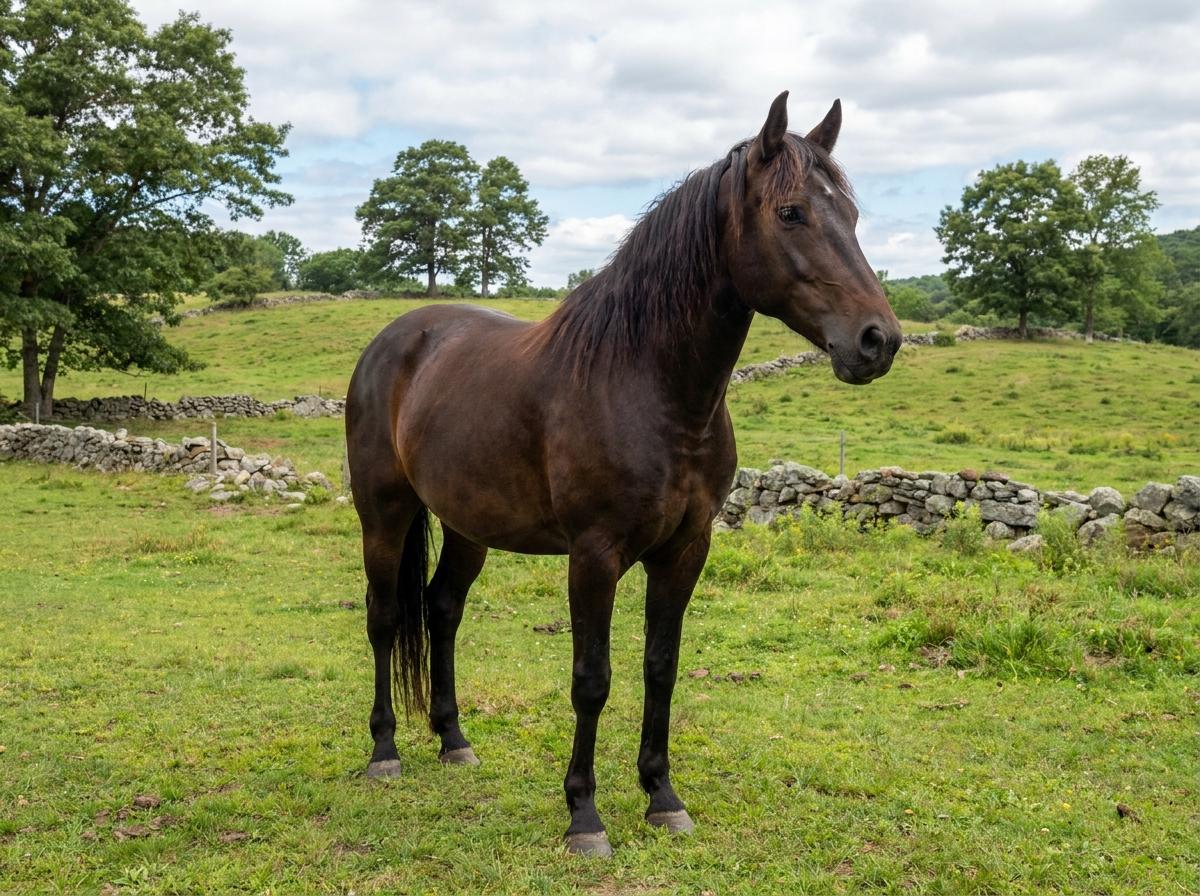
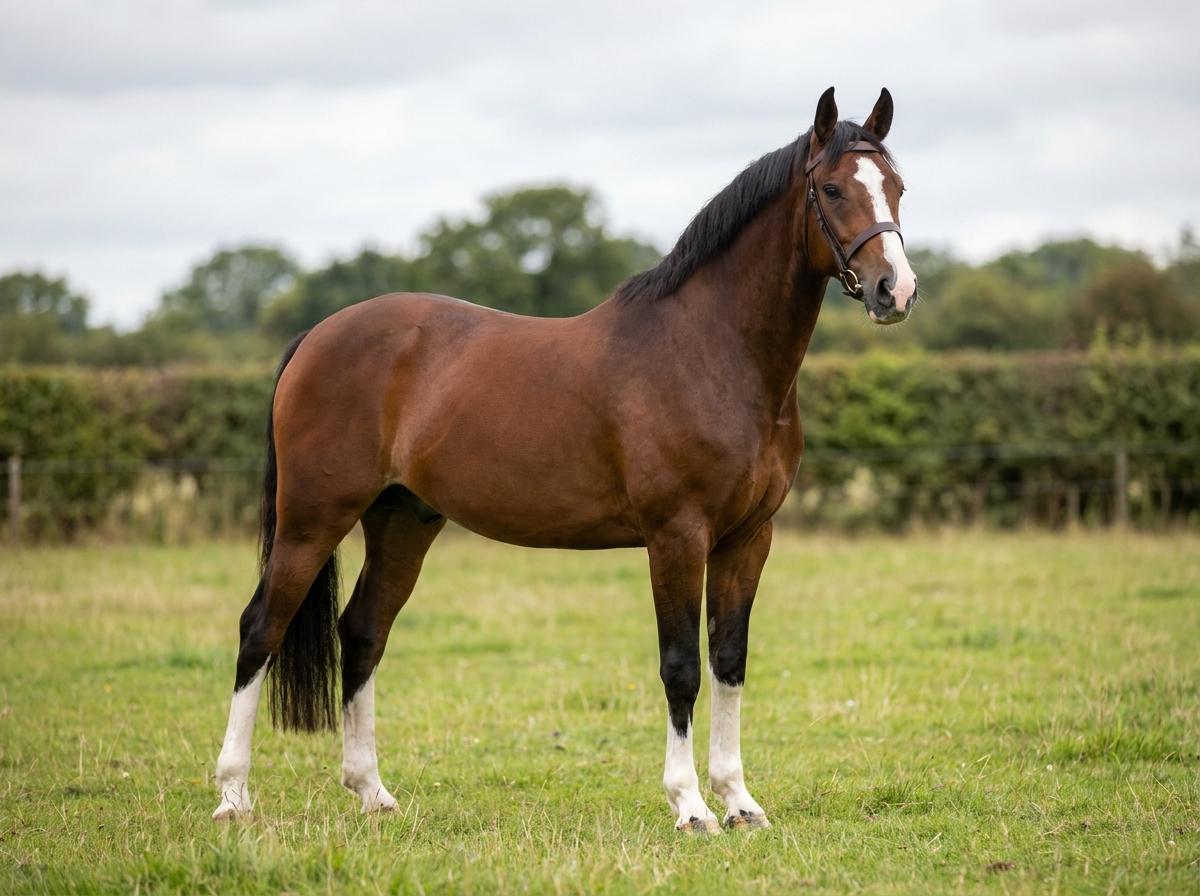
The Wielkopolski, or Greater Poland horse, is a Polish warmblood from the Wielkopolska region of western Poland. It developed during the twentieth century from regional Poznan and Mazury horses, with influence from Trakehner, East Prussian, Thoroughbred, Arabian, and other riding-horse blood. The result was a versatile middleweight horse suitable for cavalry remounts, farm work, carriage use, and later modern sport. Wielkopolskis are typically balanced, active movers with sufficient bone, a sensible outlook, and more stamina than sheer bulk, making them useful beyond a single specialized discipline.
Today the breed is seen in riding, driving, eventing, dressage, and general recreation, though numbers are smaller than those of the largest western European warmblood registries. Polish breeding programs place value on conformation, performance ability, soundness, and preservation of recognizable local families. Owners manage them much like other warmbloods, with steady turnout, forage-based feeding, good farrier work, and conditioning matched to the horse's workload. Buyers outside Poland may encounter them under broader Polish warmblood descriptions, so documented pedigree and an individual veterinary exam are helpful. For conservation-minded breeders, maintaining diversity matters as older regional lines become less common.
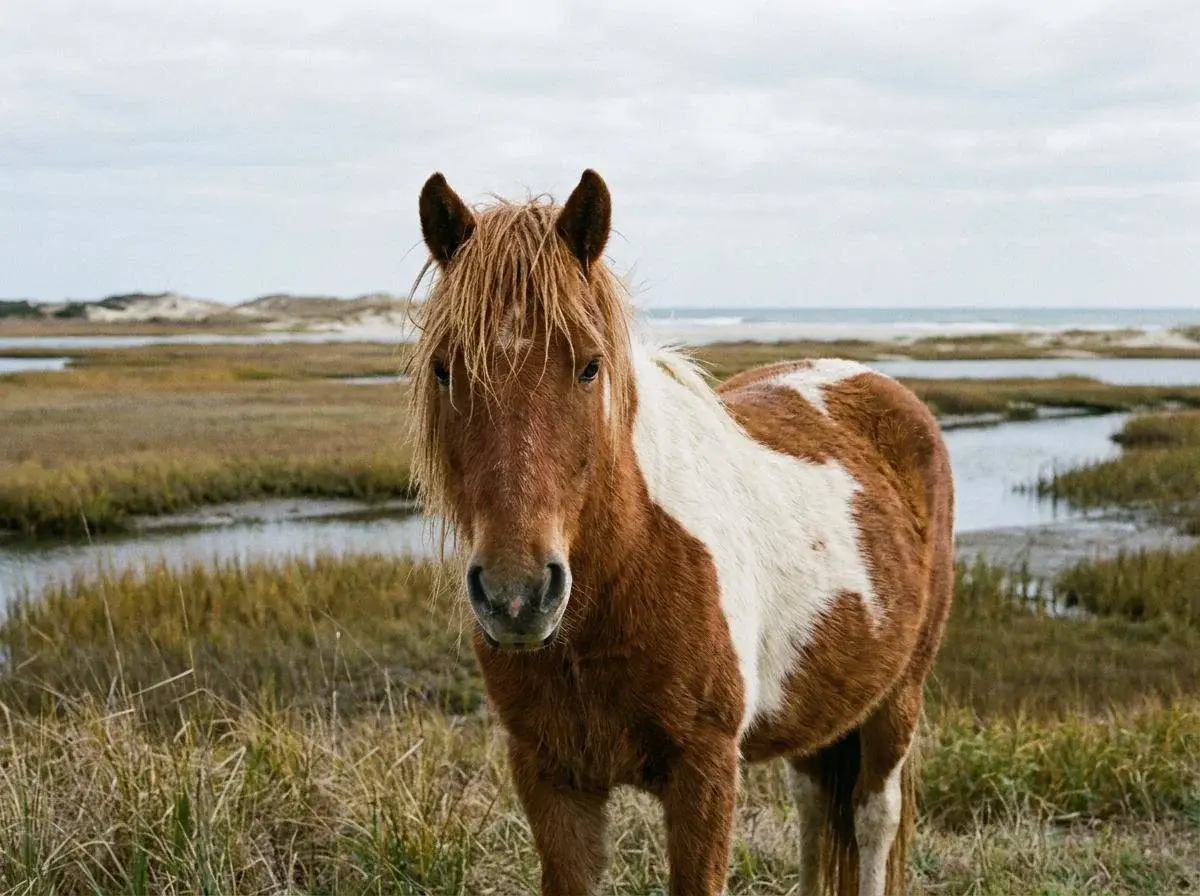
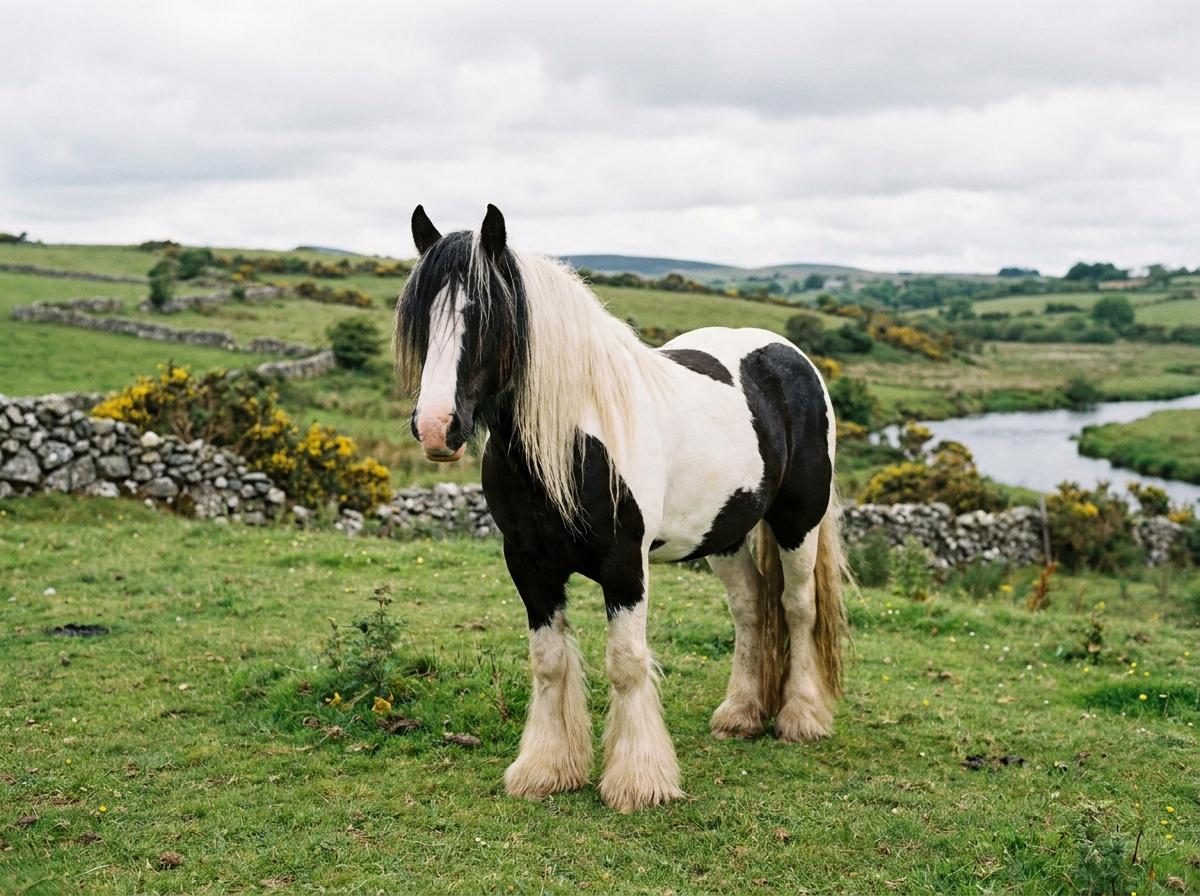
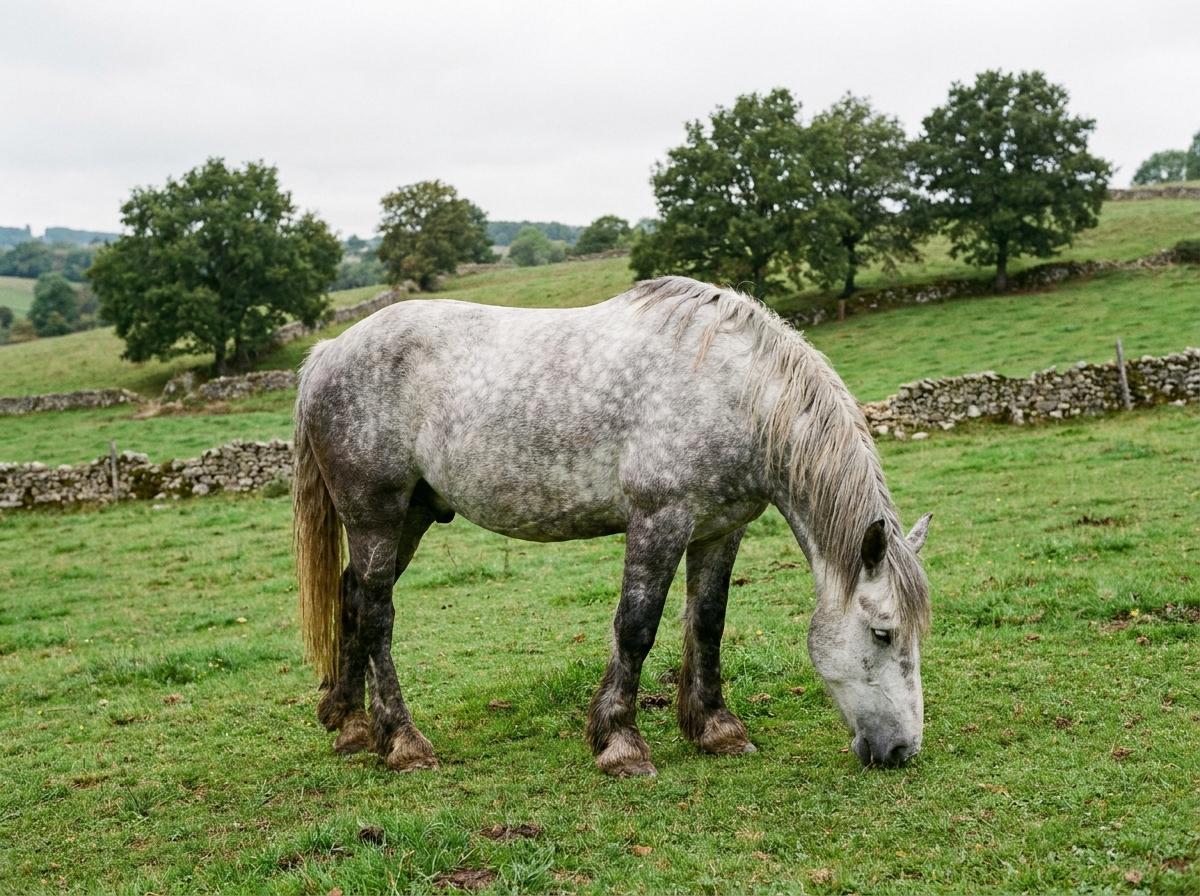
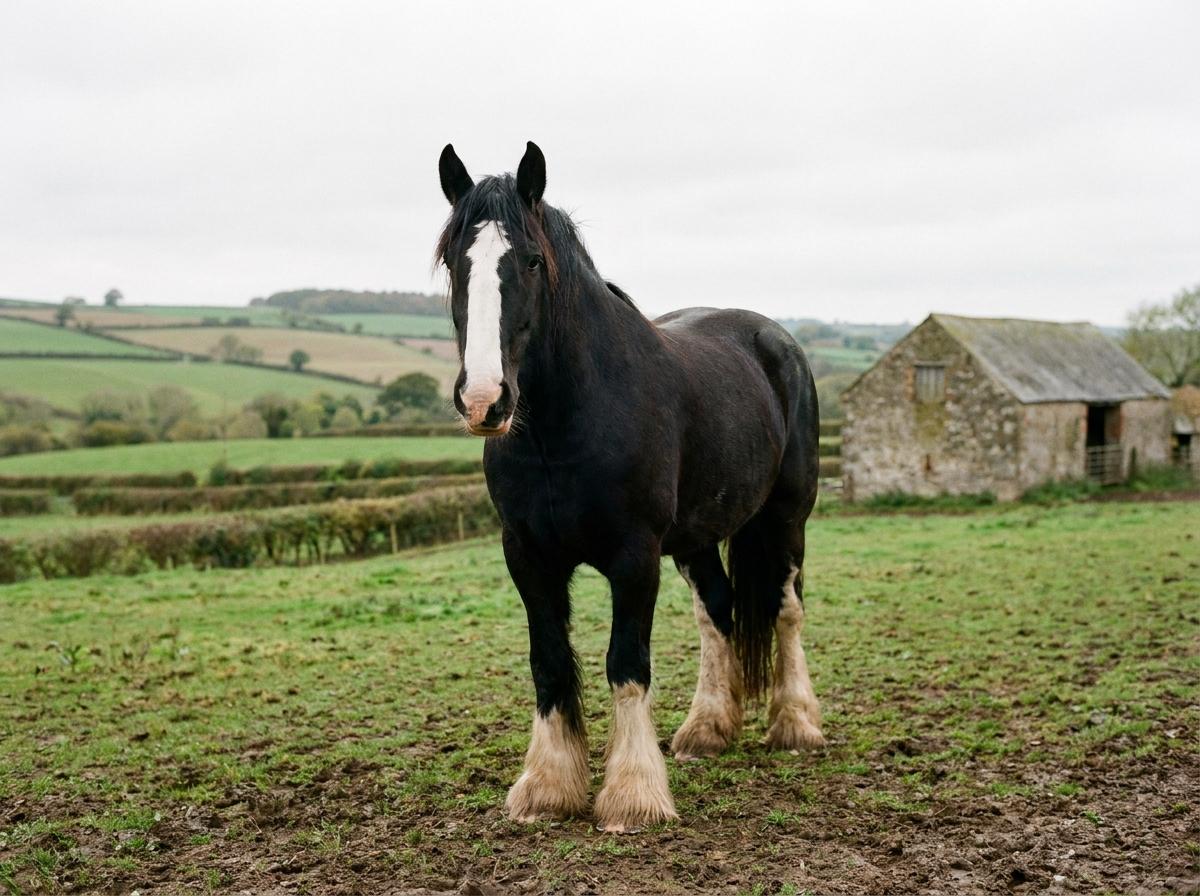
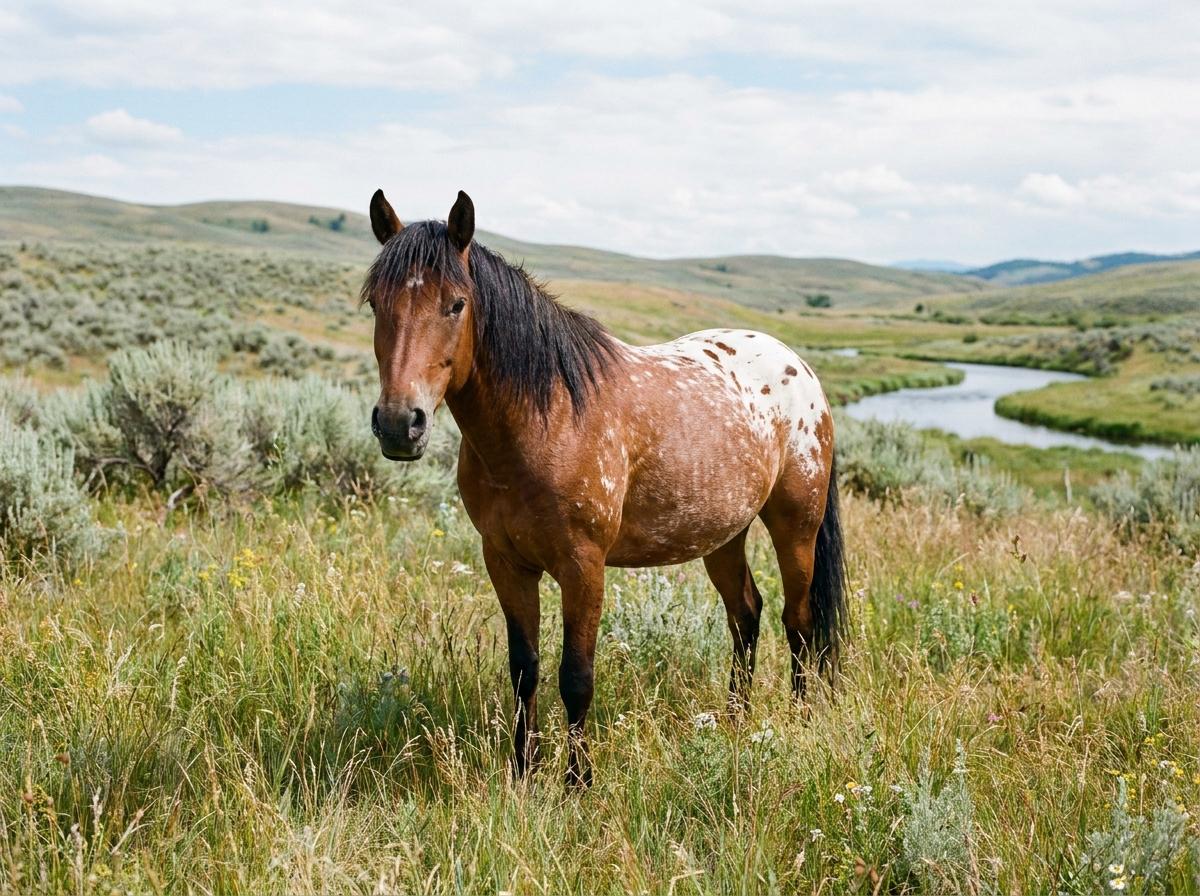
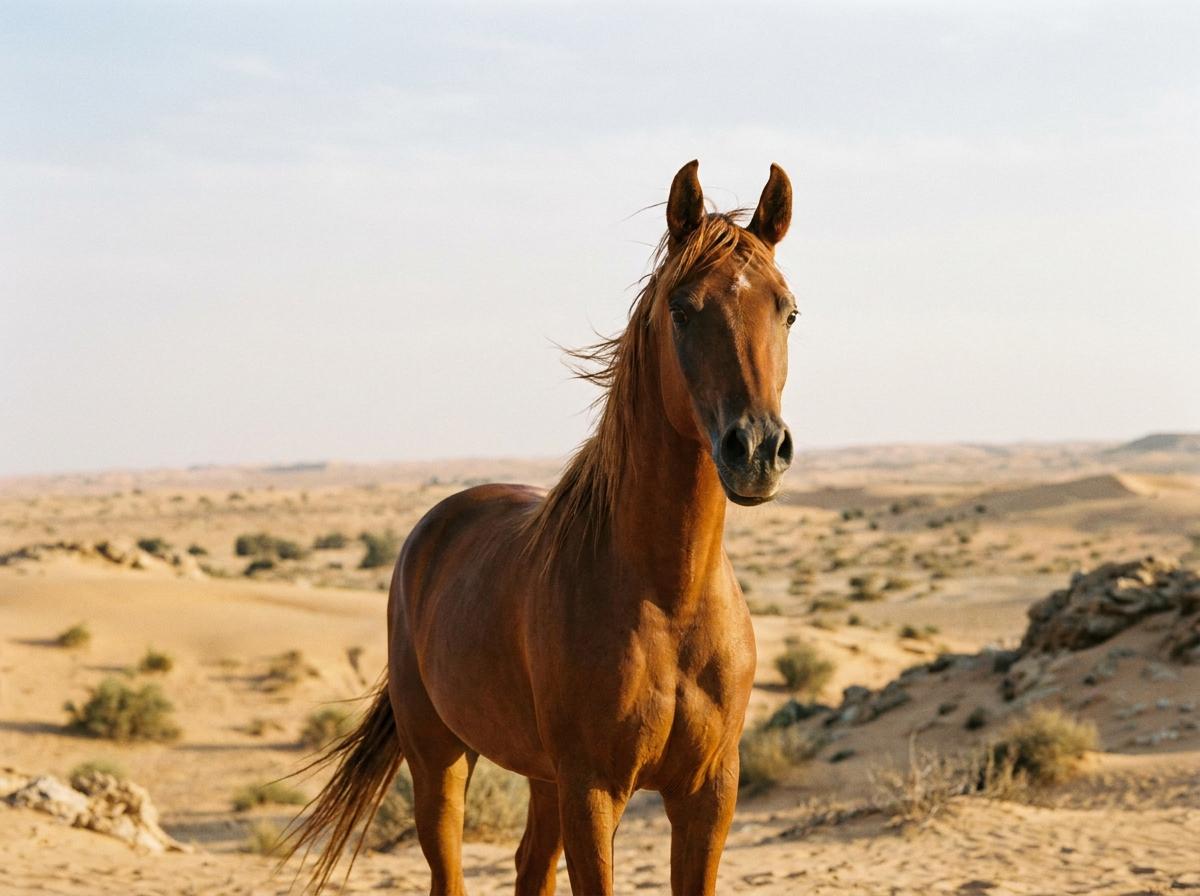
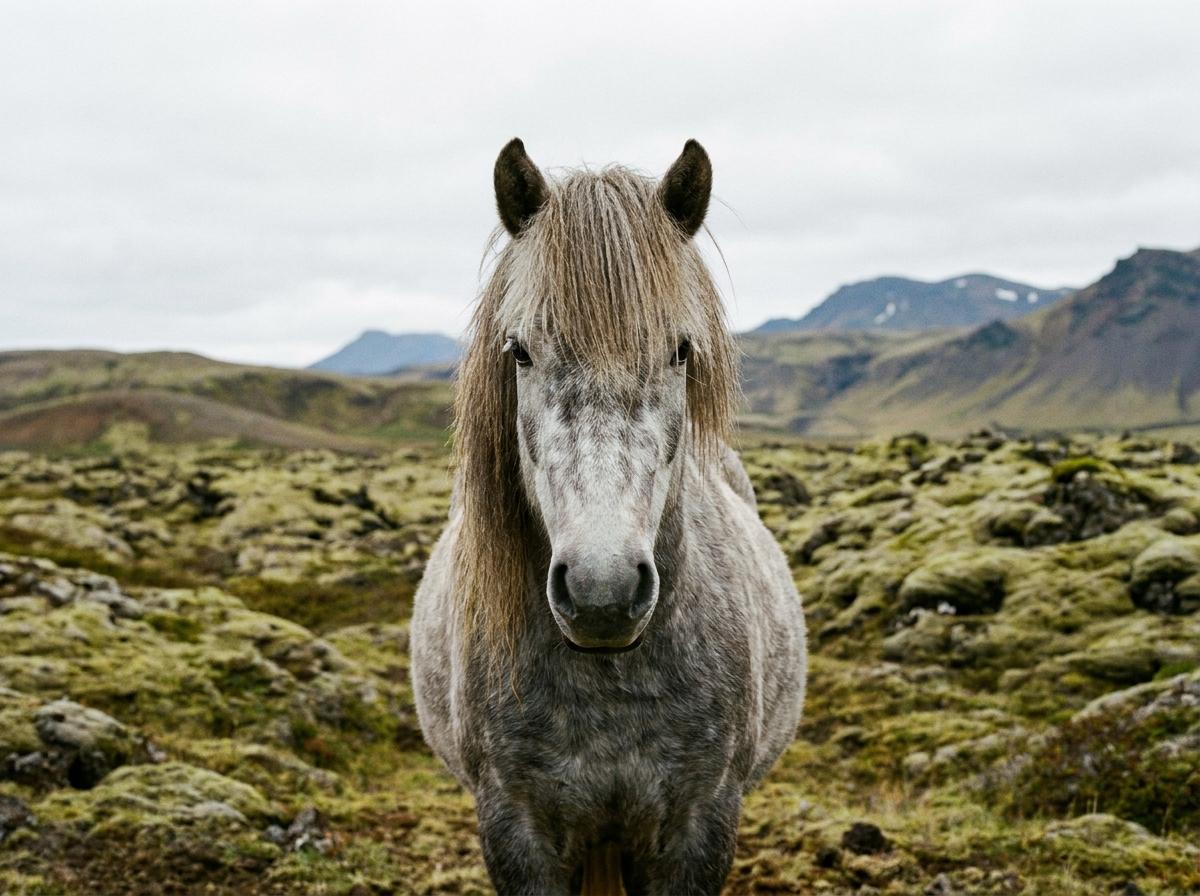
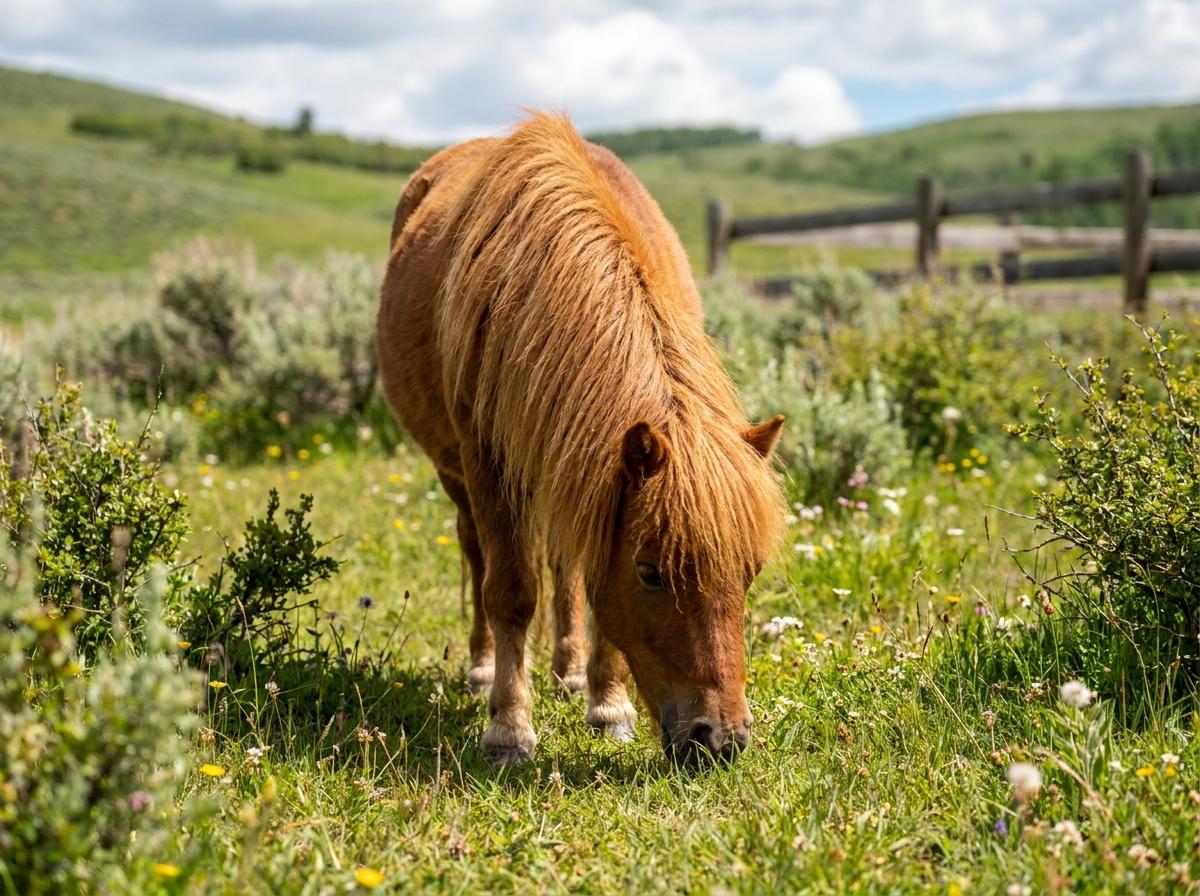
Colors: Amber Champagne, Bay, Bay Dun, Bay Roan, Black, Blanket Appaloosa, Blue Roan, Brown, Buckskin, Champagne, Chestnut, Classic Champagne, Cremello, Dun, Dun Roan, Fewspot Appaloosa, Flaxen Chestnut, Frame Overo, Gold Champagne, Gray, Grey, Grullo, Leopard Appaloosa, Liver Chestnut, Overo, Palomino, Perlino, Piebald, Pinto, Rabicano, Red Dun, Red Roan, Roan, Sabino, Seal Bay, Silver Dapple, Skewbald, Smoky Black, Smoky Cream, Snowcap Appaloosa, Sorrel, Splash White, Tobiano, Tovero, Varnish Roan, White