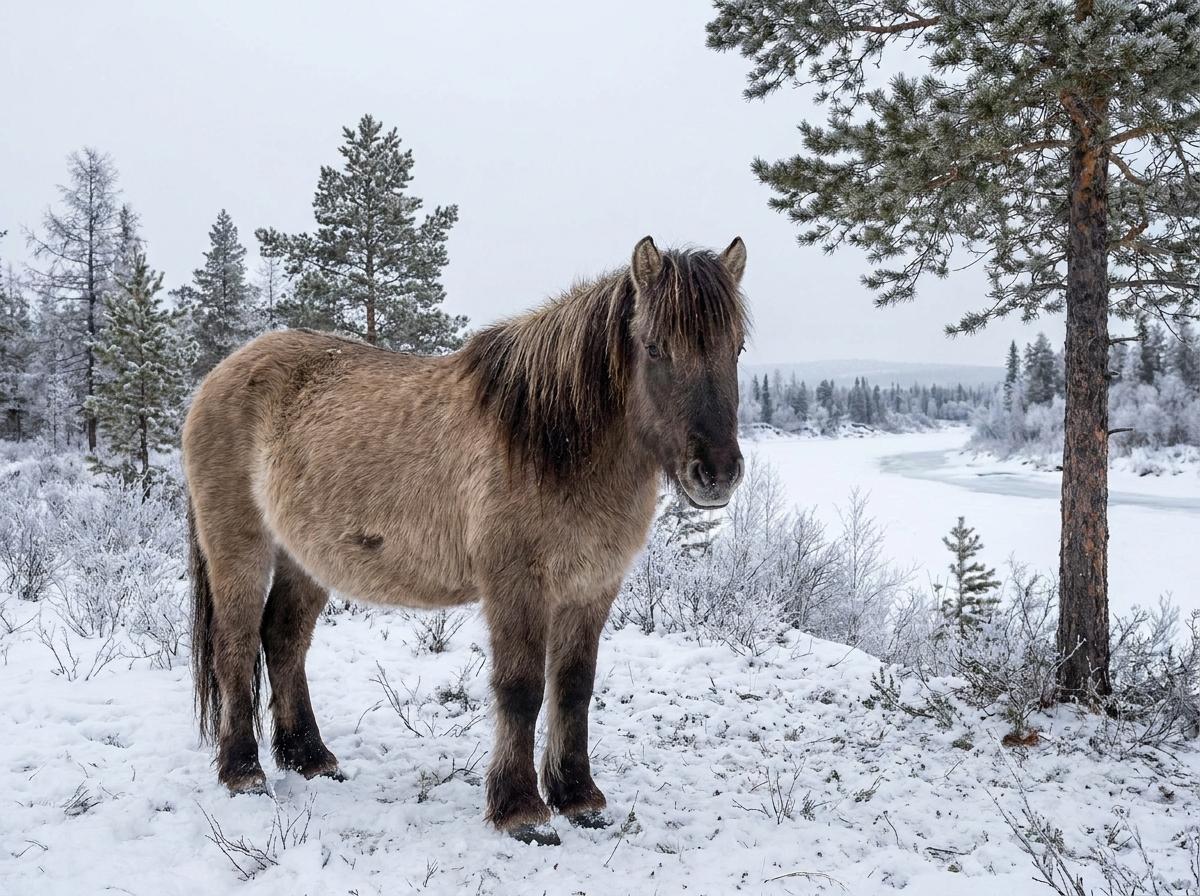
Yakutian Horse
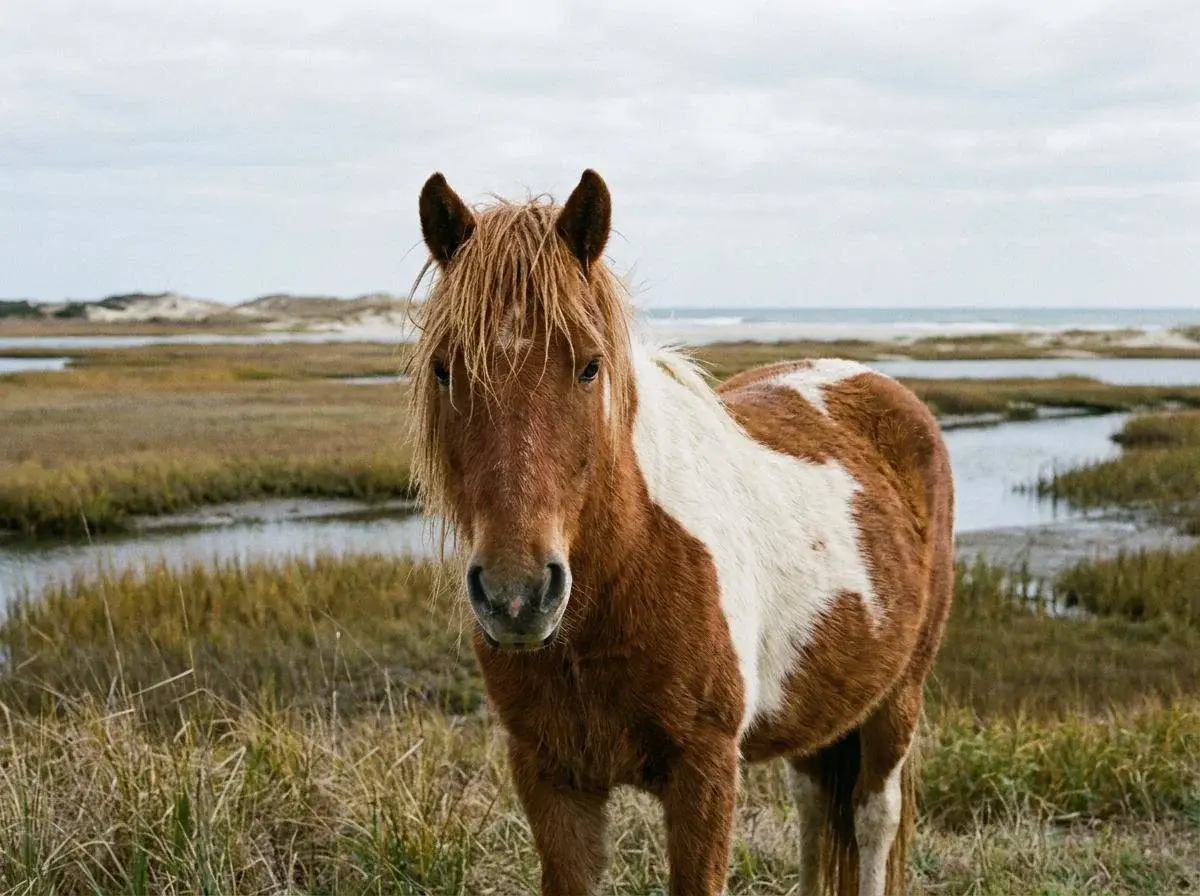
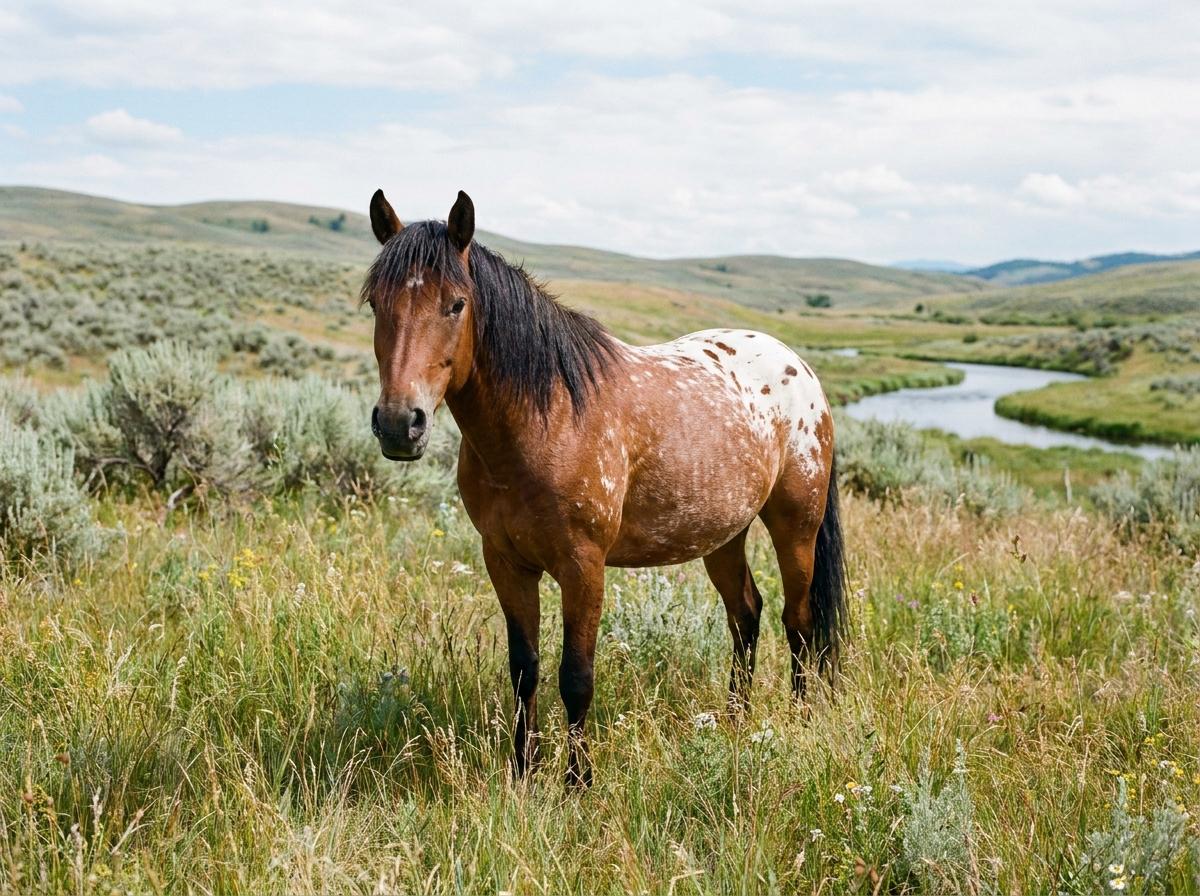
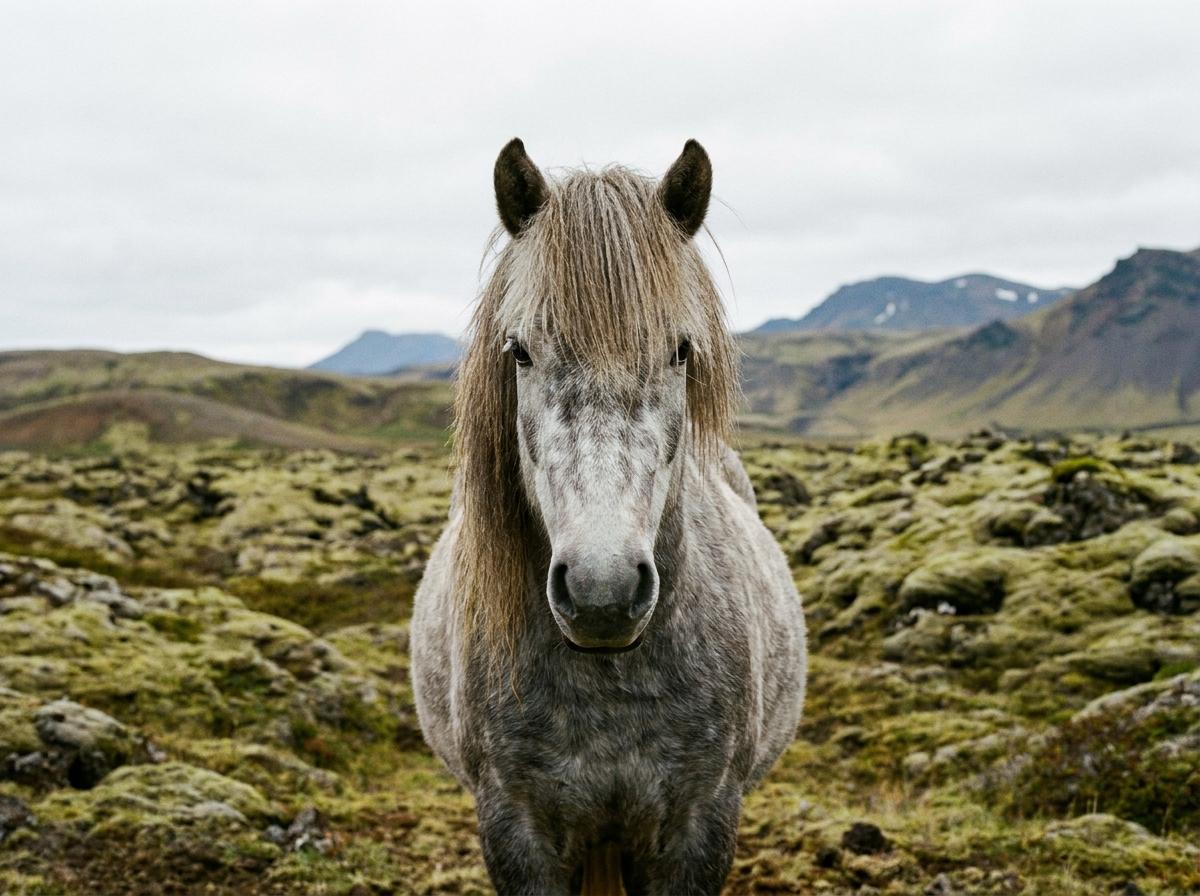
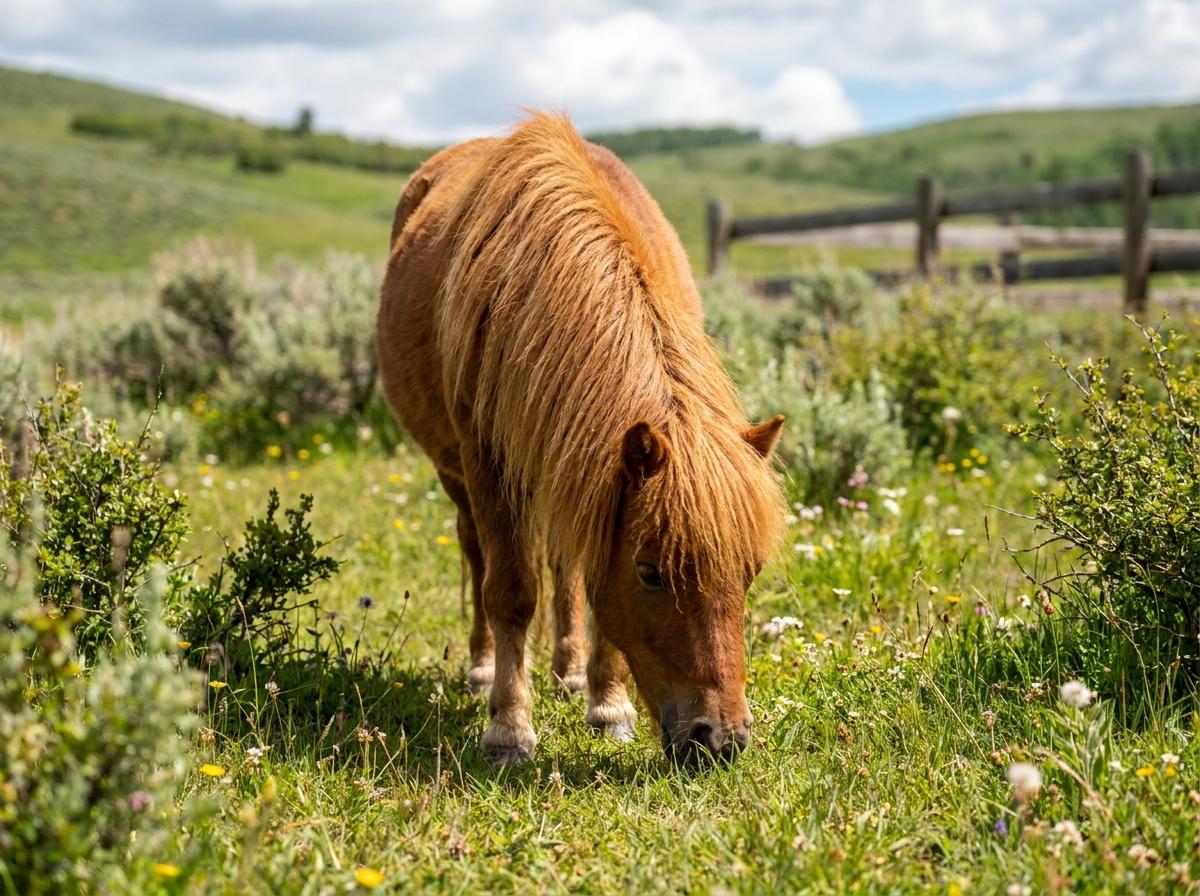
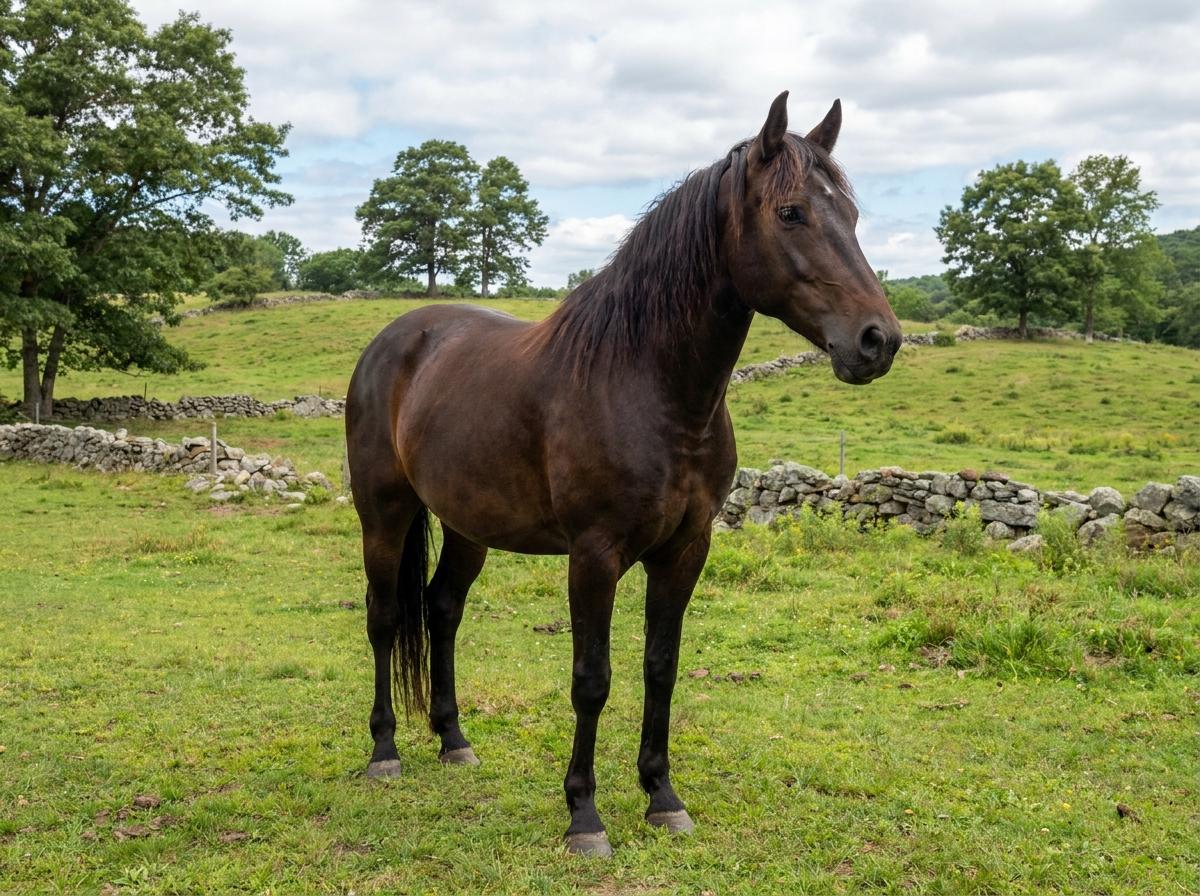
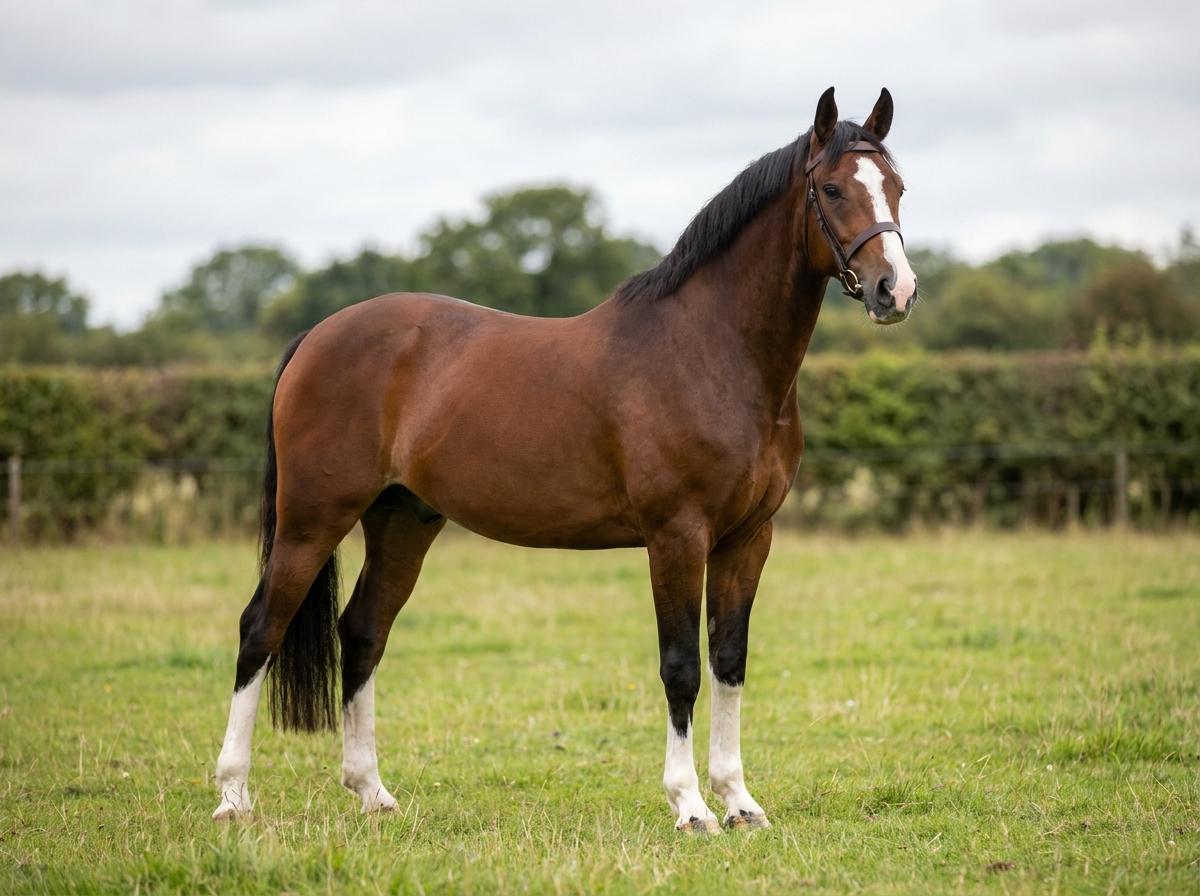
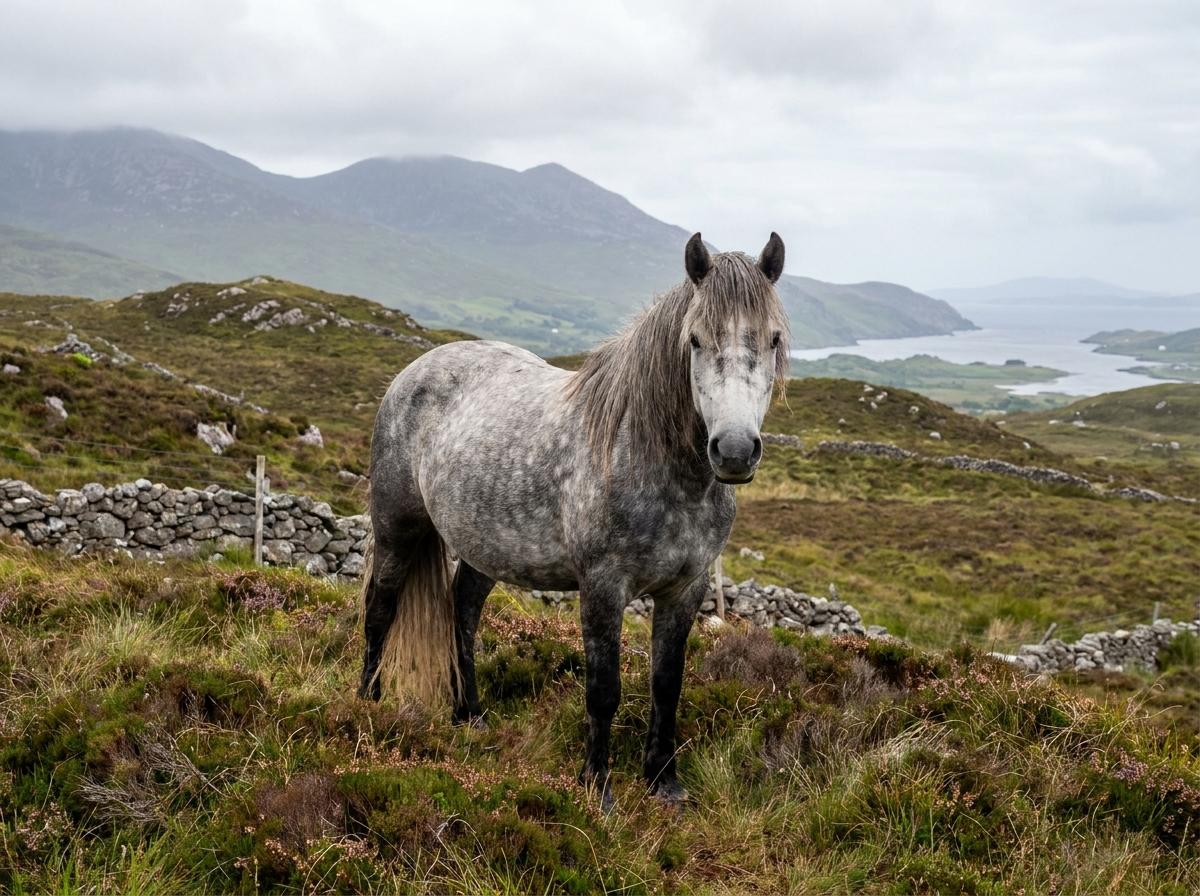
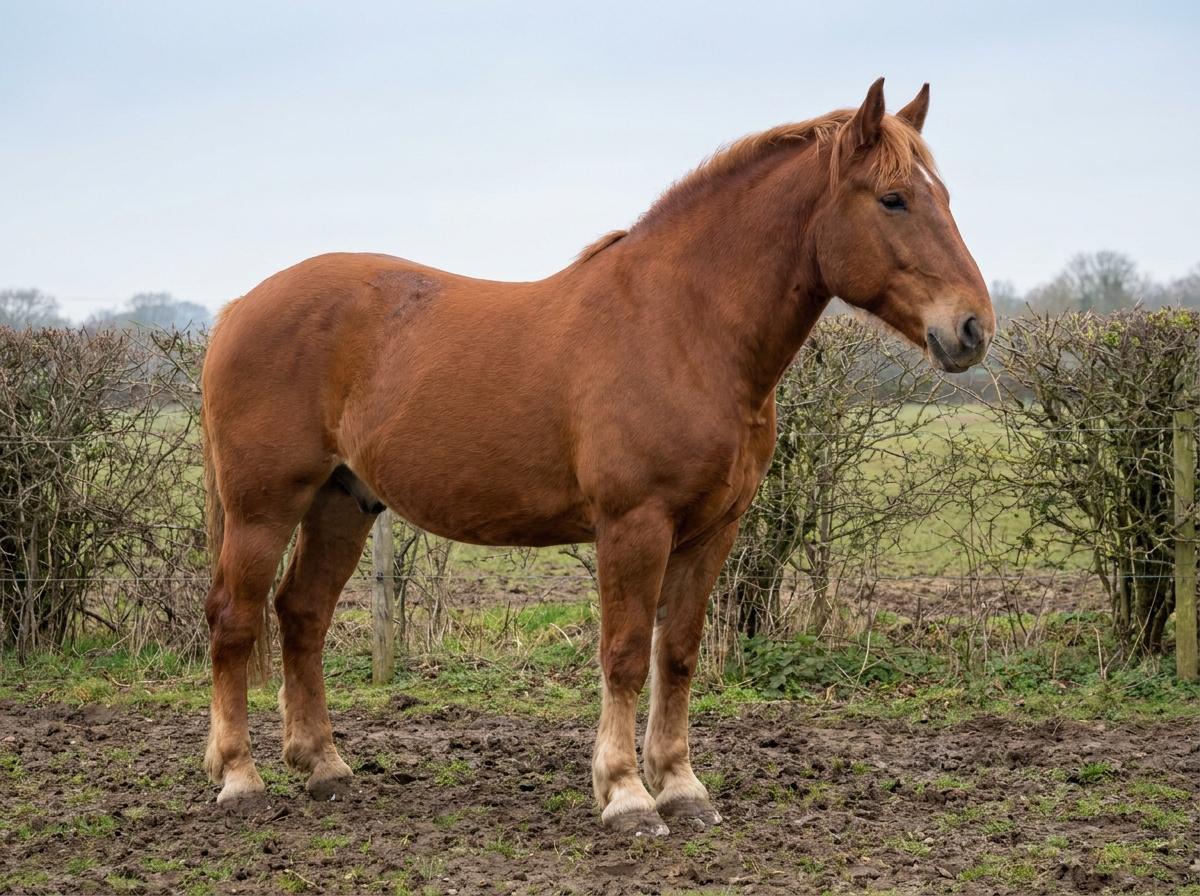
The Yakutian horse, also called the Yakut or Sakha horse, is a northern landrace from the Sakha Republic in Siberia. It is one of the most cold-adapted domestic horse populations, with a compact body, short sturdy legs, a thick mane and tail, and an extremely dense winter coat. Many live outdoors through severe winters, digging through snow for forage and storing fat for the season. The breed is smaller and rougher than most modern riding horses because it was shaped by Arctic and subarctic conditions.
For Sakha communities, Yakutian horses have supplied meat, mare's milk, hides, transport, and cultural continuity. Management commonly involves semi-free-ranging herds, seasonal gathering, and selection for mares that can foal and raise young in harsh climates. In zoos, research herds, or private collections outside the north, heat stress is a real concern; shade, ventilation, and moderate feeding matter more than heavy stabling. The breed also interests geneticists and conservation planners because its cold adaptation developed while remaining tied to traditional pastoral use.
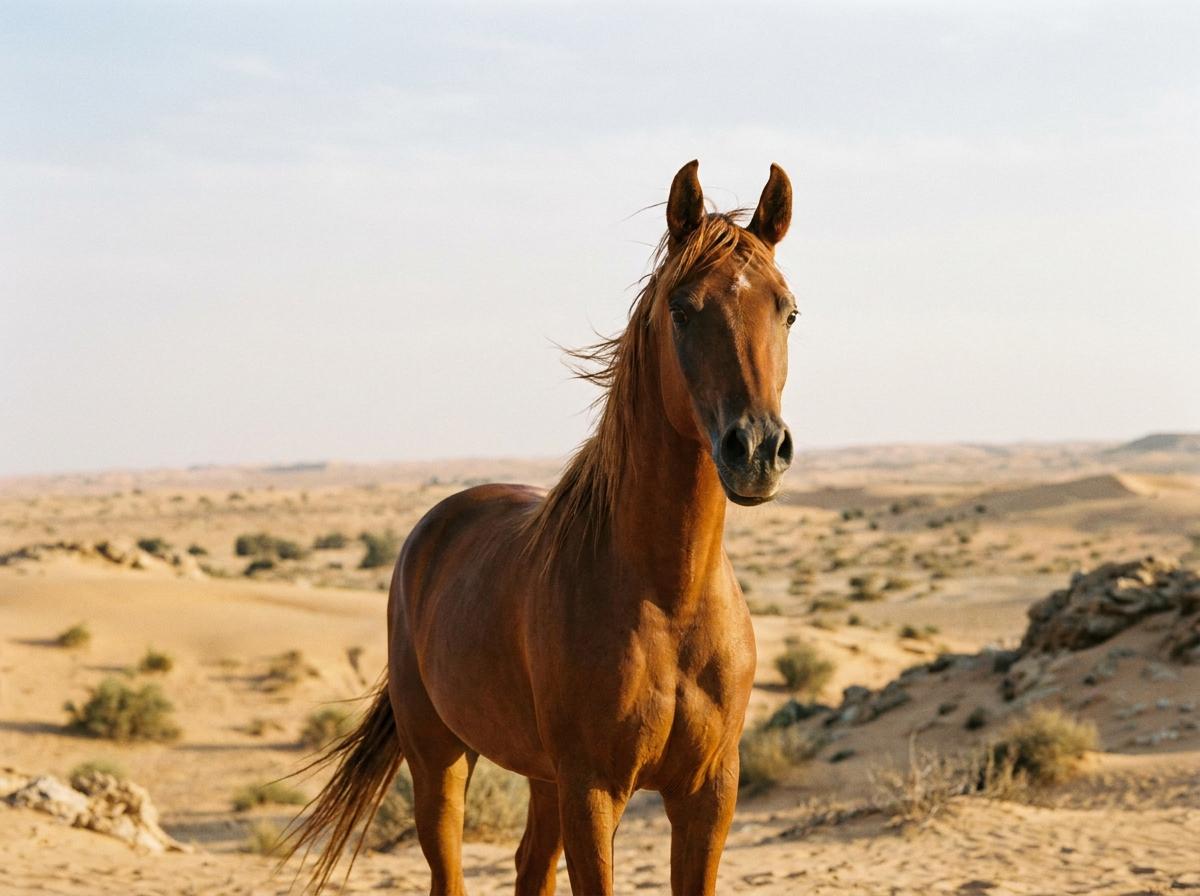
Colors: Amber Champagne, Bay, Bay Dun, Bay Roan, Black, Blanket Appaloosa, Blue Roan, Brown, Buckskin, Champagne, Chestnut, Classic Champagne, Cremello, Dun, Dun Roan, Fewspot Appaloosa, Flaxen Chestnut, Frame Overo, Gold Champagne, Gray, Grey, Grullo, Leopard Appaloosa, Liver Chestnut, Overo, Palomino, Perlino, Piebald, Pinto, Rabicano, Red Dun, Red Roan, Roan, Sabino, Seal Bay, Silver Dapple, Skewbald, Smoky Black, Smoky Cream, Snowcap Appaloosa, Sorrel, Splash White, Tobiano, Tovero, Varnish Roan, White