Yili Horse
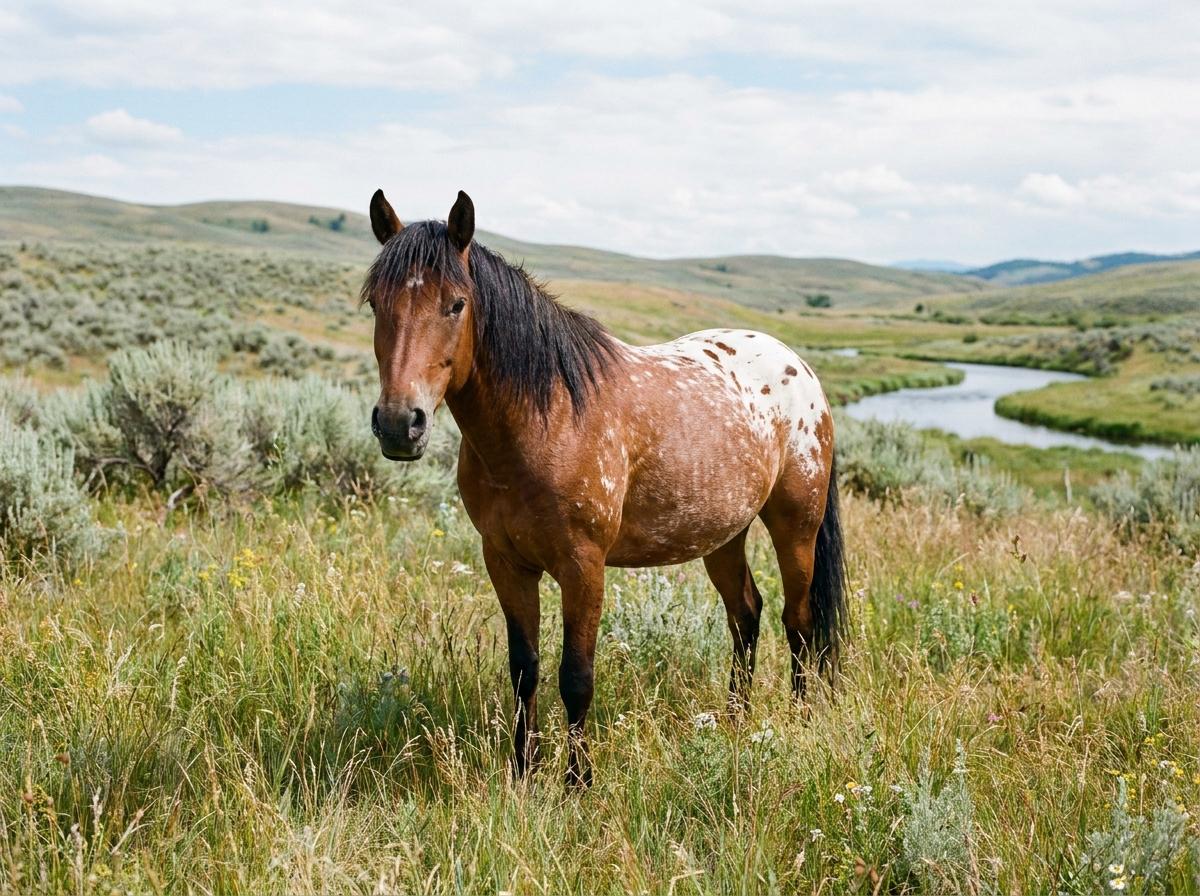
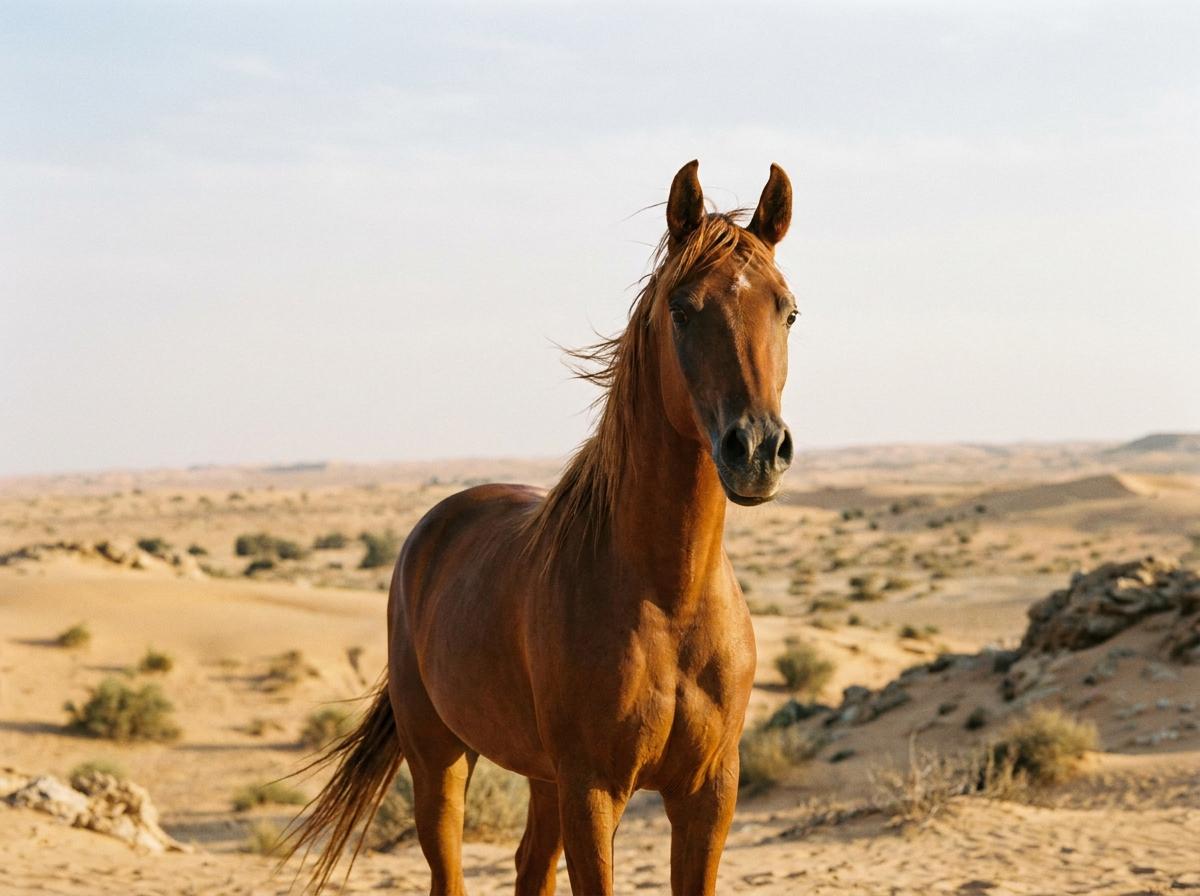
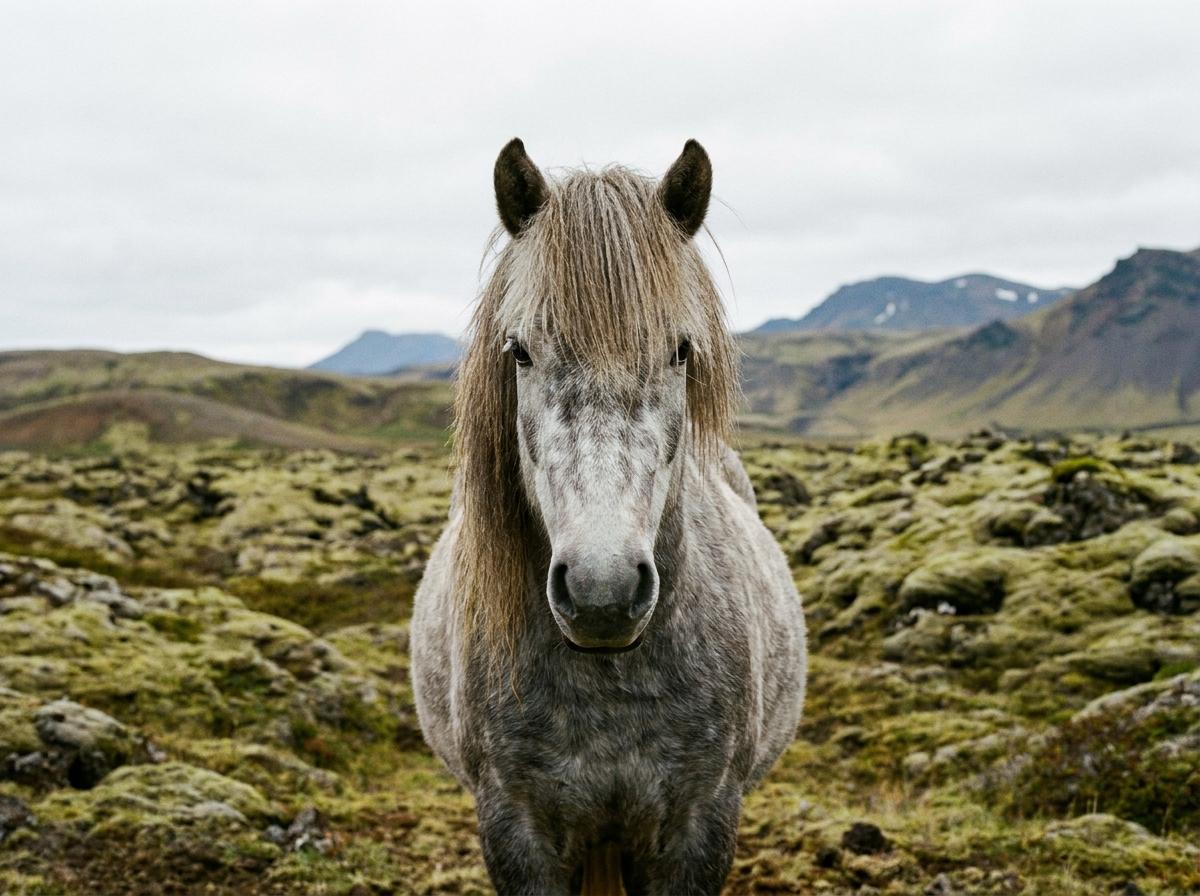
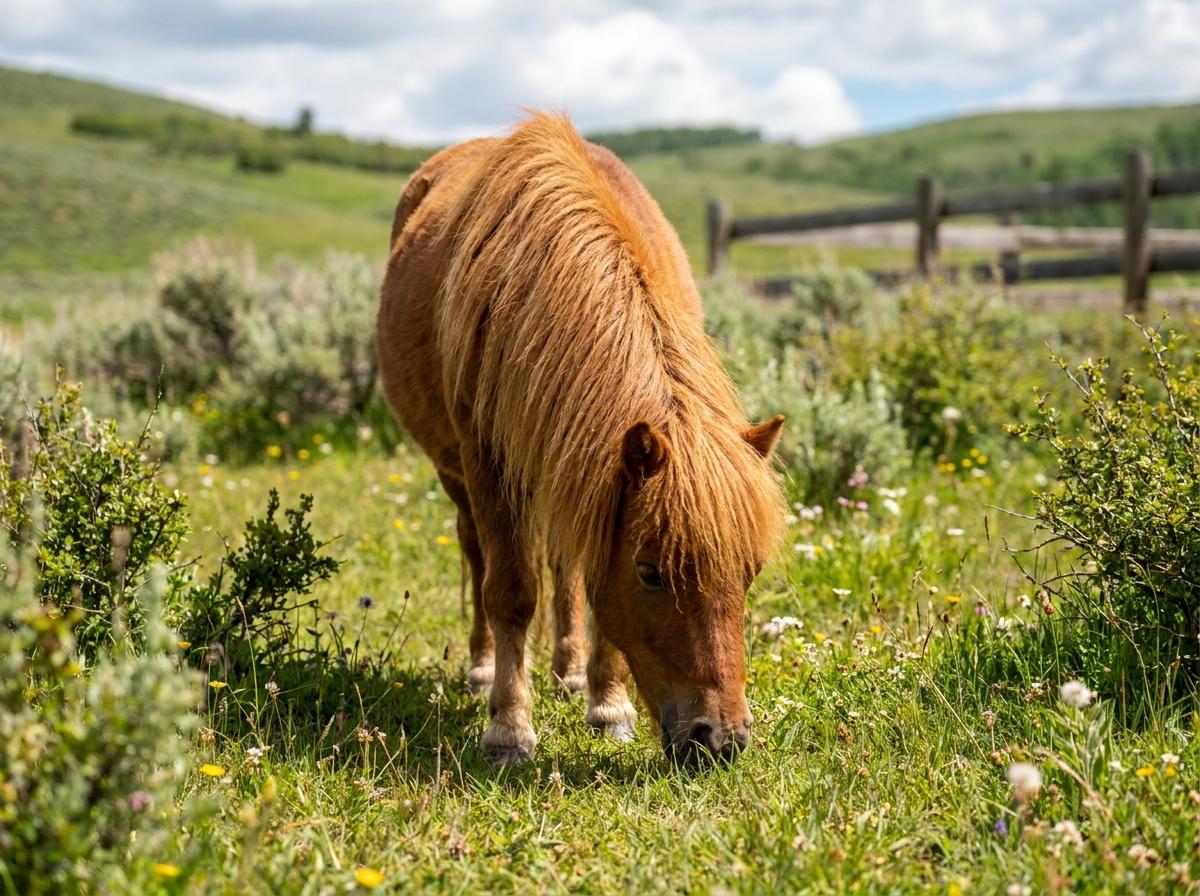
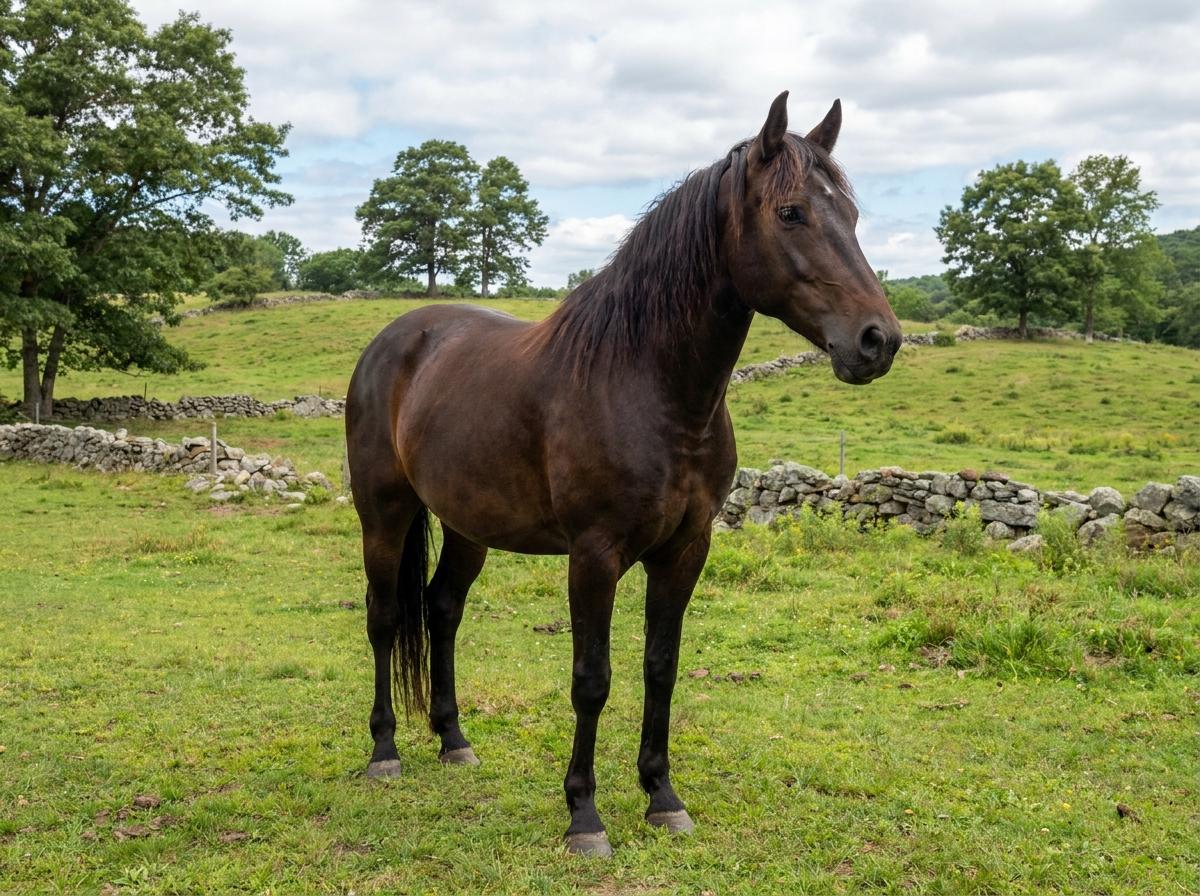
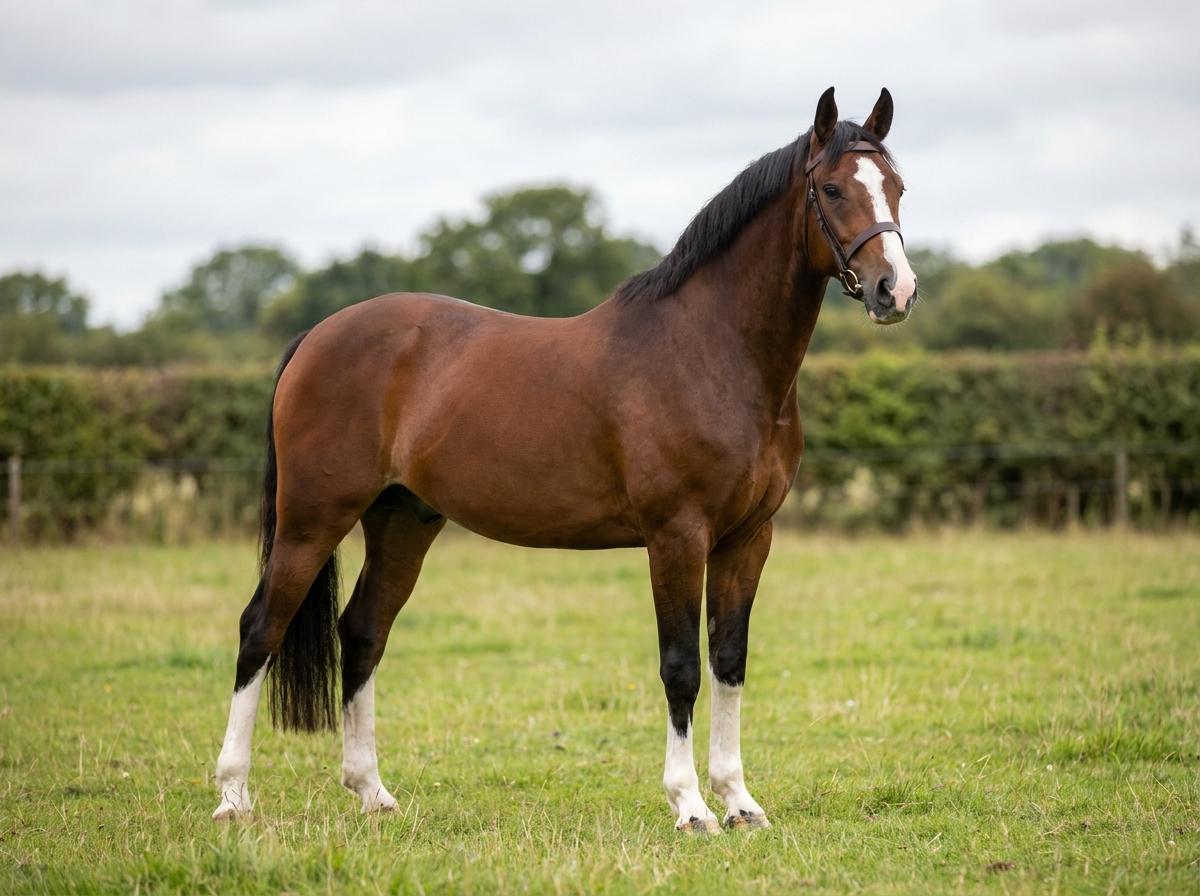
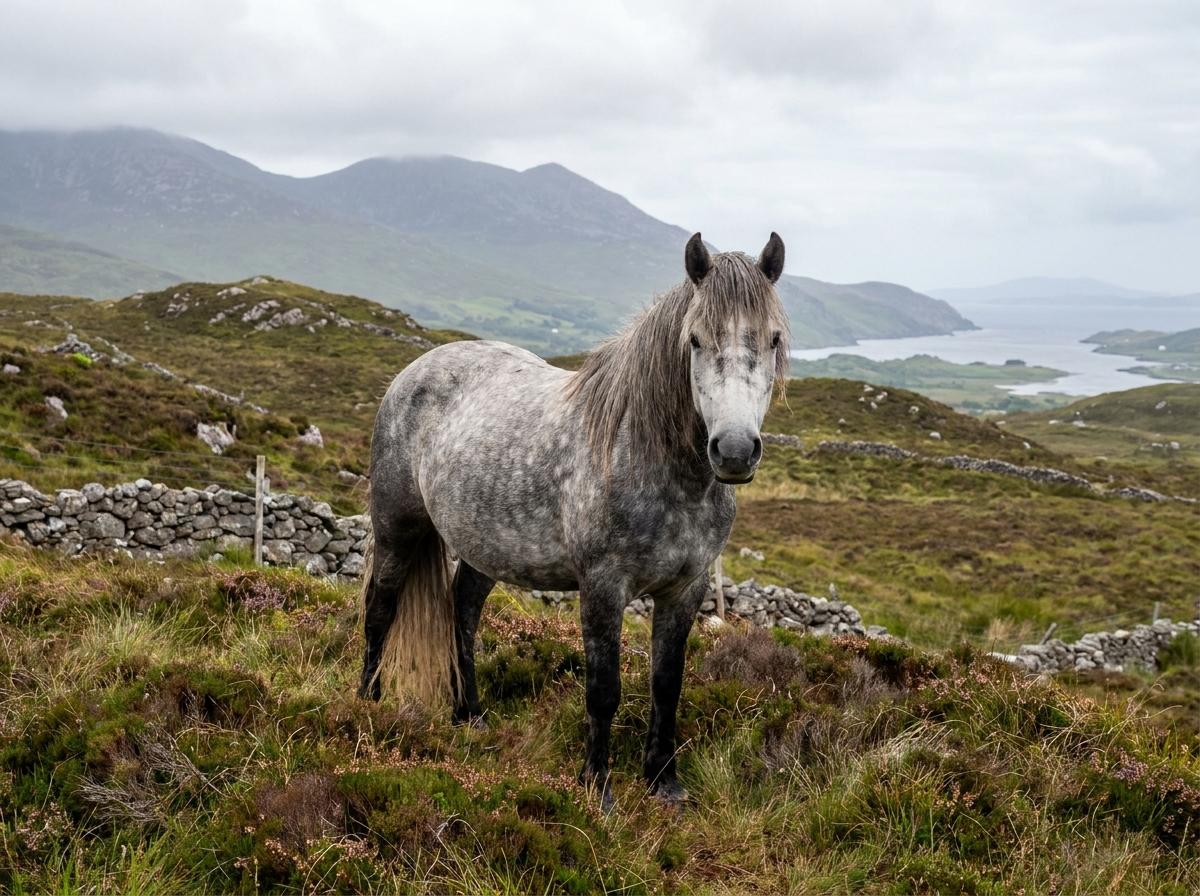
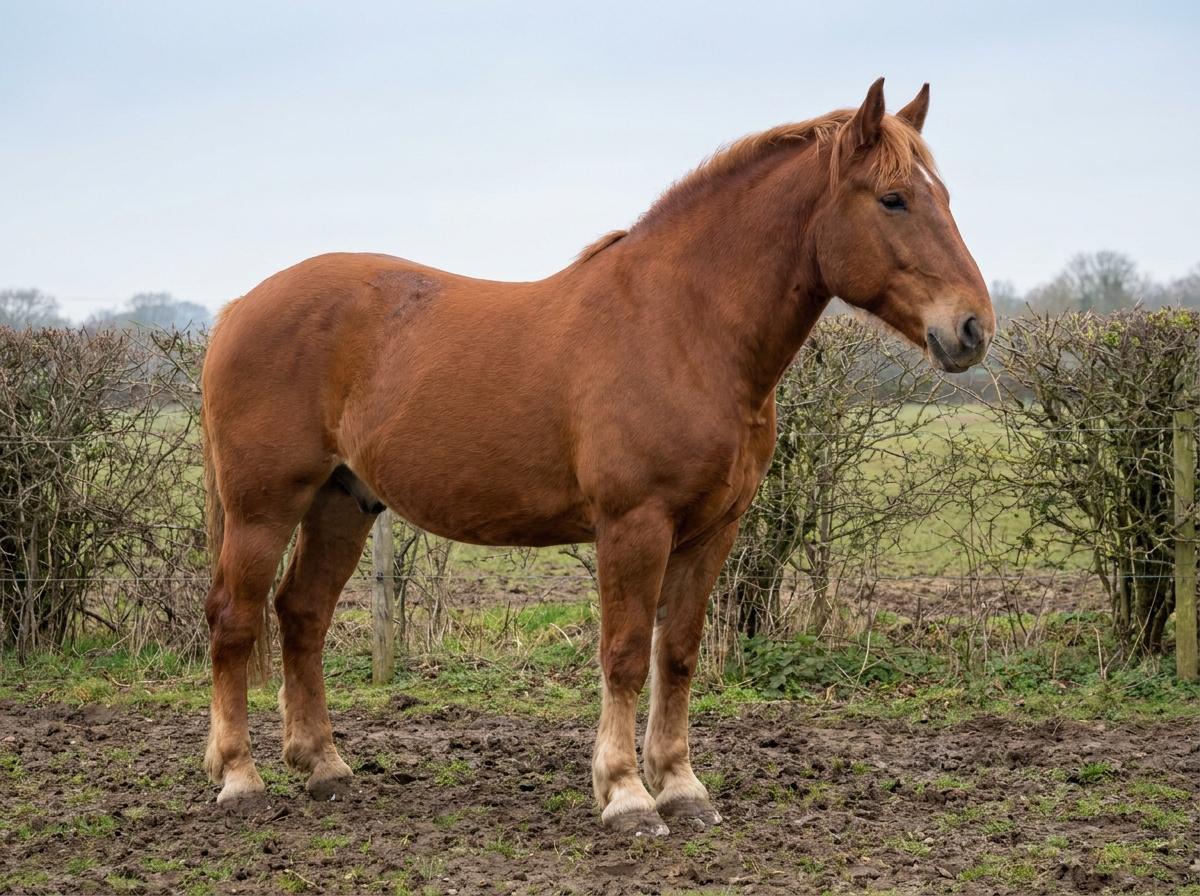
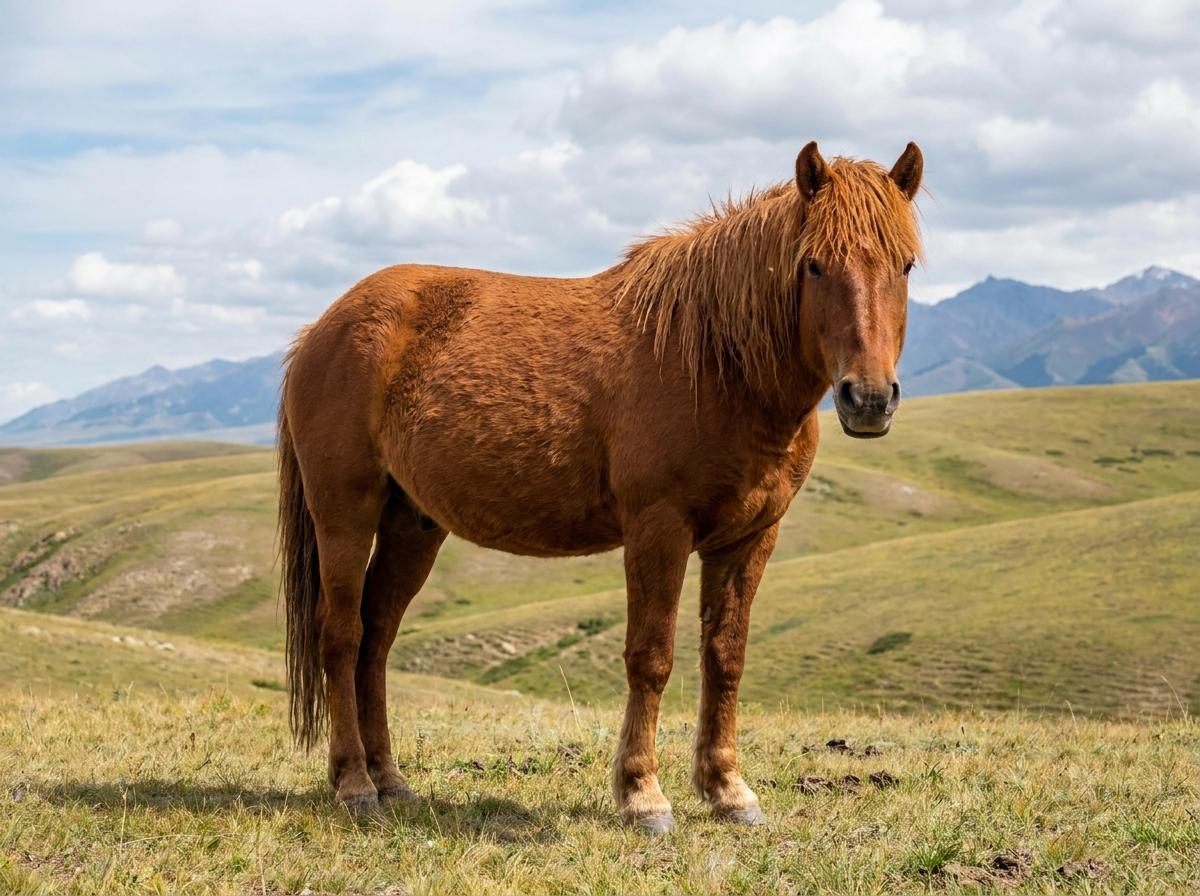
The Yili horse comes from the Ili River valley and surrounding areas of Xinjiang in northwestern China. It is a developed regional riding and light draft horse, based on local Kazakh and Mongolian-type stock with influence from imported breeds used to add size, speed, and harness ability. Yili horses are generally medium-sized, deeper-bodied than many steppe ponies, and suited to mountain and grassland travel. Bay, chestnut, black, and grey are among the colors associated with the population.
These horses are linked to pastoral life, transport, local sport, and farm work in a region where horses still have practical value. A good Yili horse should be hardy, sensible, and able to cover ground under saddle, but individual quality depends heavily on breeding and handling. Buyers or researchers should distinguish the Yili horse from the broader mix of horses found in Xinjiang, since names may be used loosely outside formal surveys. Care is much like that for other active light horses: turnout, forage, hoof care for hard ground, and gradual conditioning for distance work.
Colors: Amber Champagne, Bay, Bay Dun, Bay Roan, Black, Blanket Appaloosa, Blue Roan, Brown, Buckskin, Champagne, Chestnut, Classic Champagne, Cremello, Dun, Dun Roan, Fewspot Appaloosa, Flaxen Chestnut, Frame Overo, Gold Champagne, Gray, Grey, Grullo, Leopard Appaloosa, Liver Chestnut, Overo, Palomino, Perlino, Piebald, Pinto, Rabicano, Red Dun, Red Roan, Roan, Sabino, Seal Bay, Silver Dapple, Skewbald, Smoky Black, Smoky Cream, Snowcap Appaloosa, Sorrel, Splash White, Tobiano, Tovero, Varnish Roan, White