

Yonaguni Horse
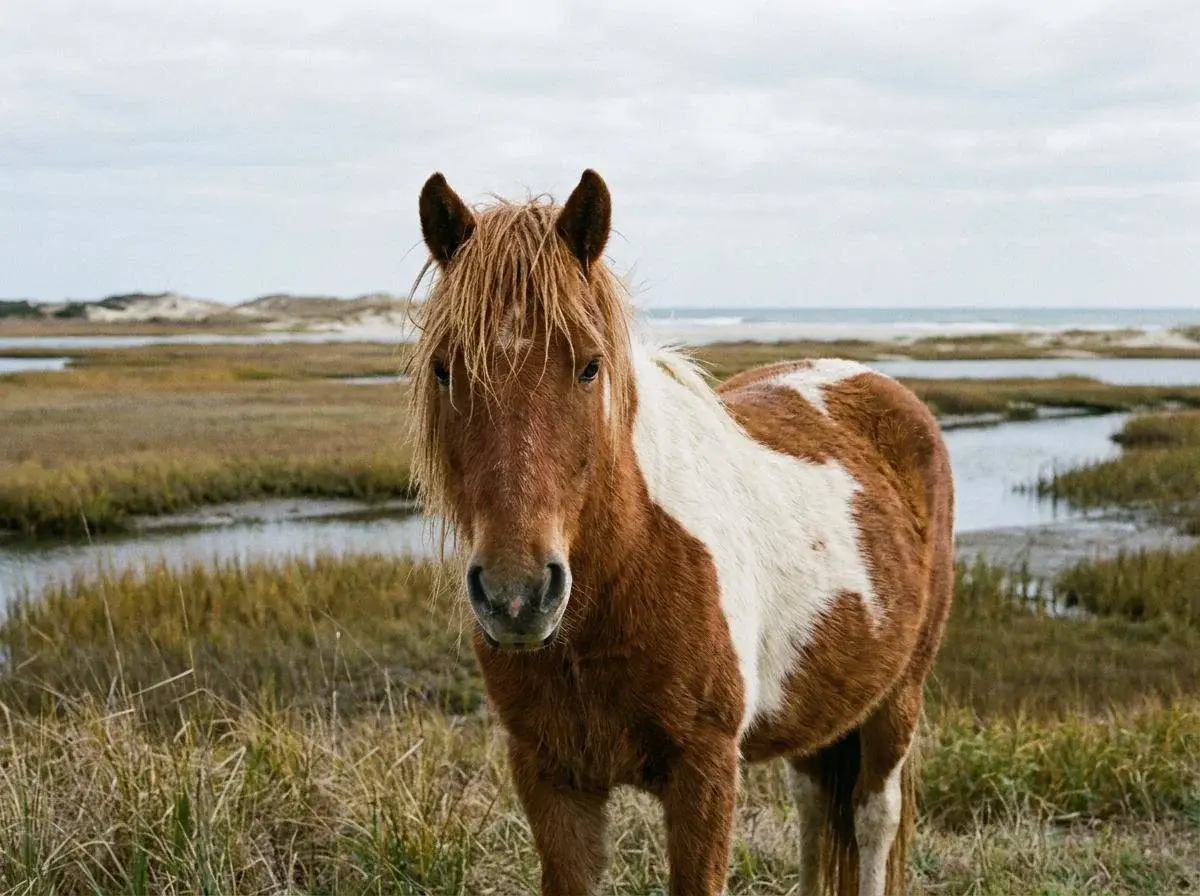
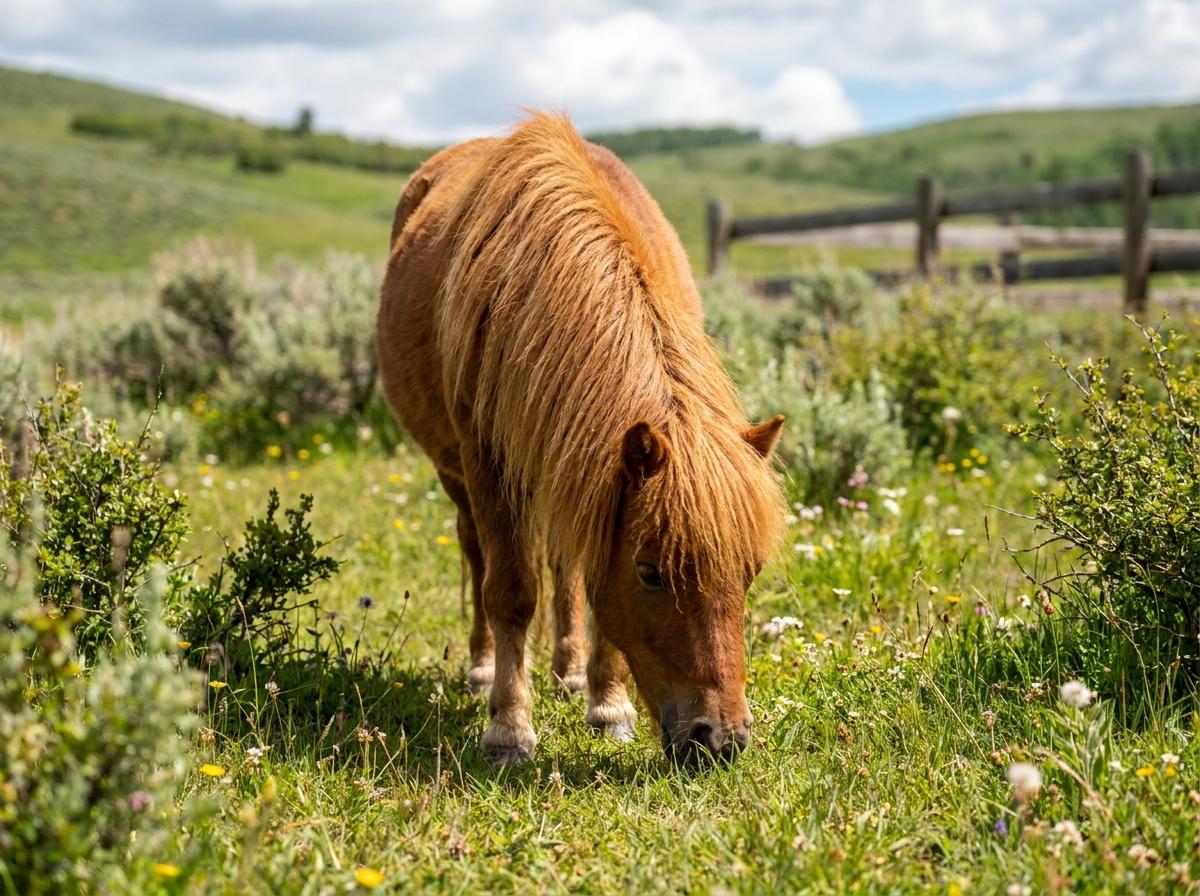
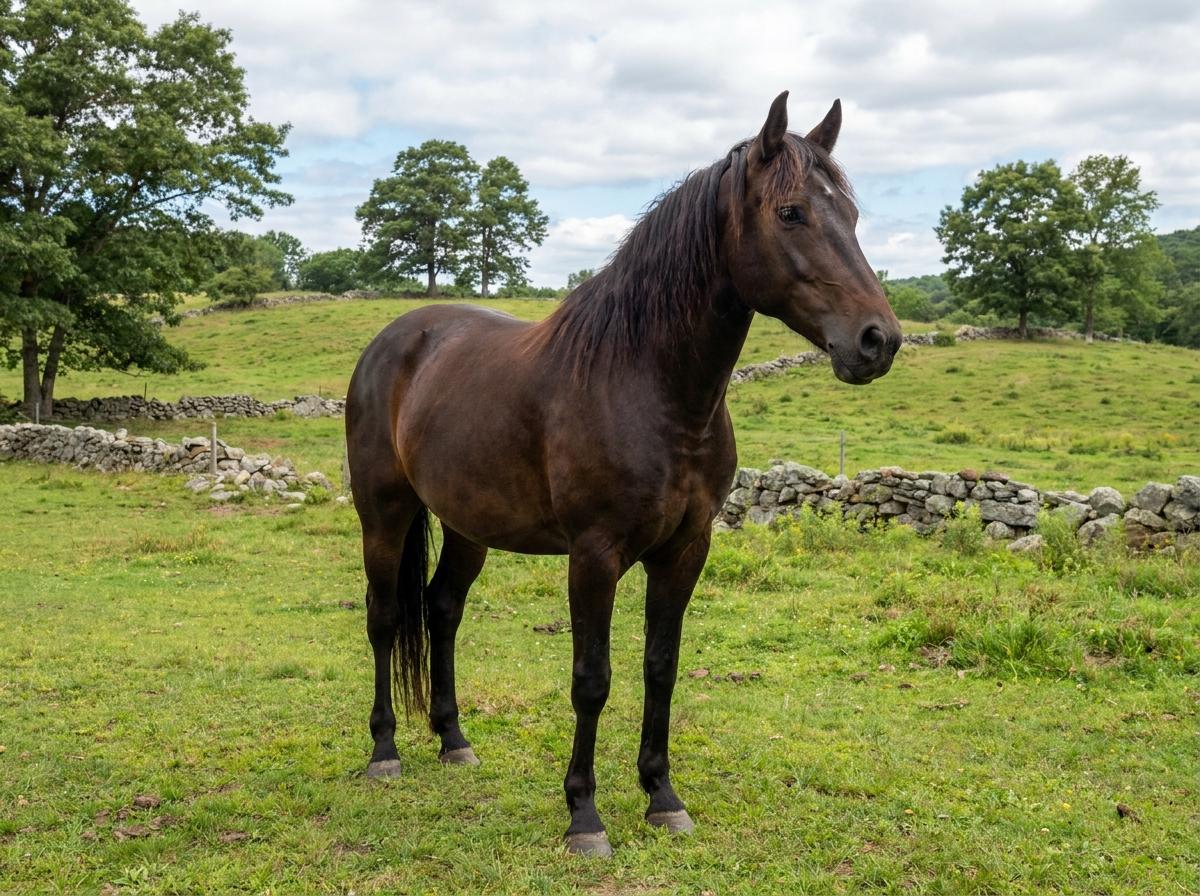
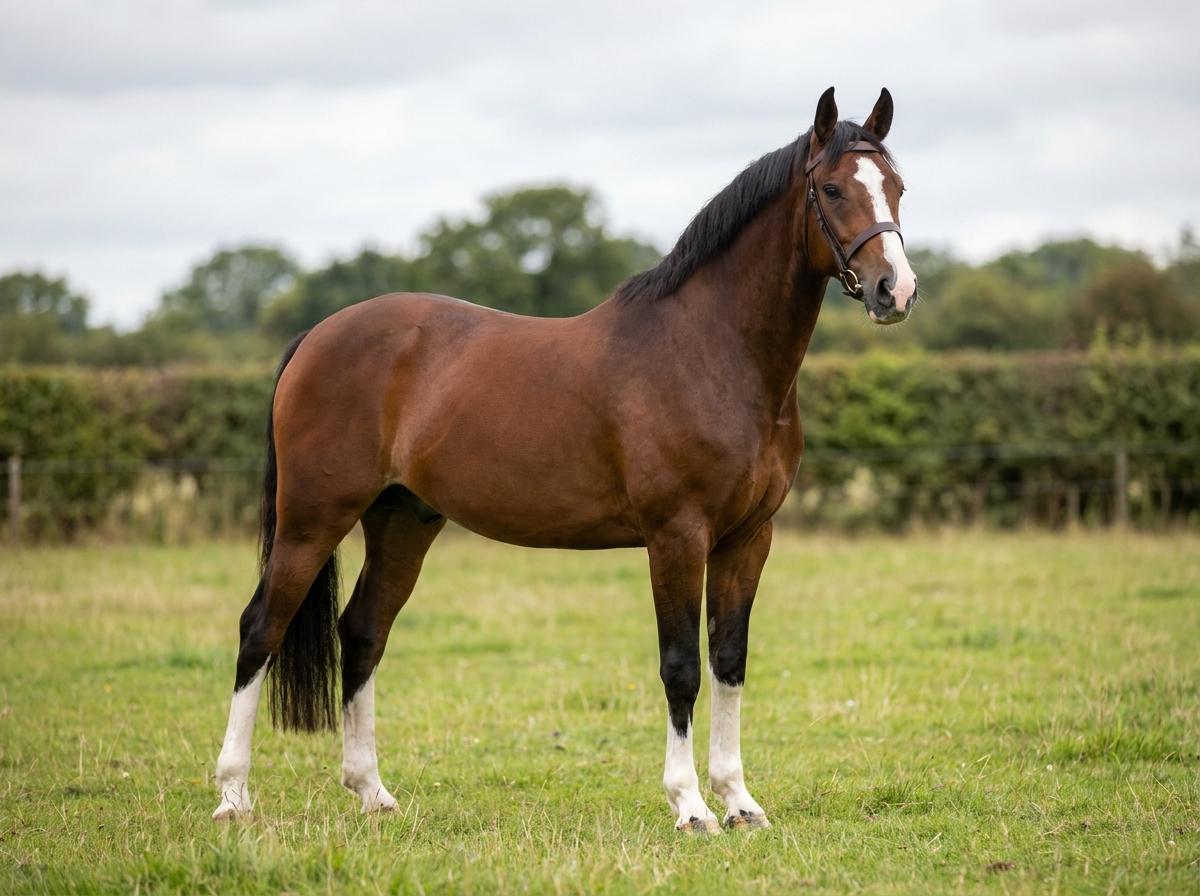
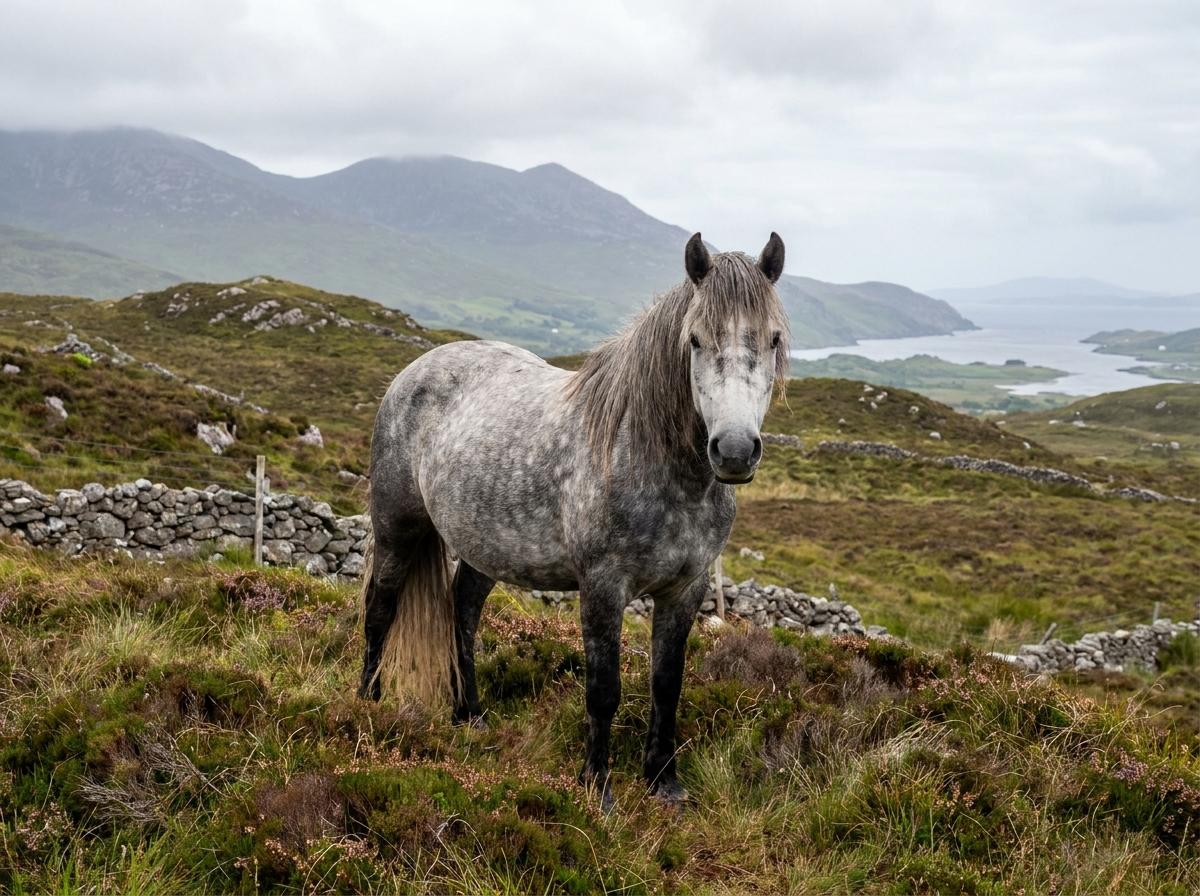
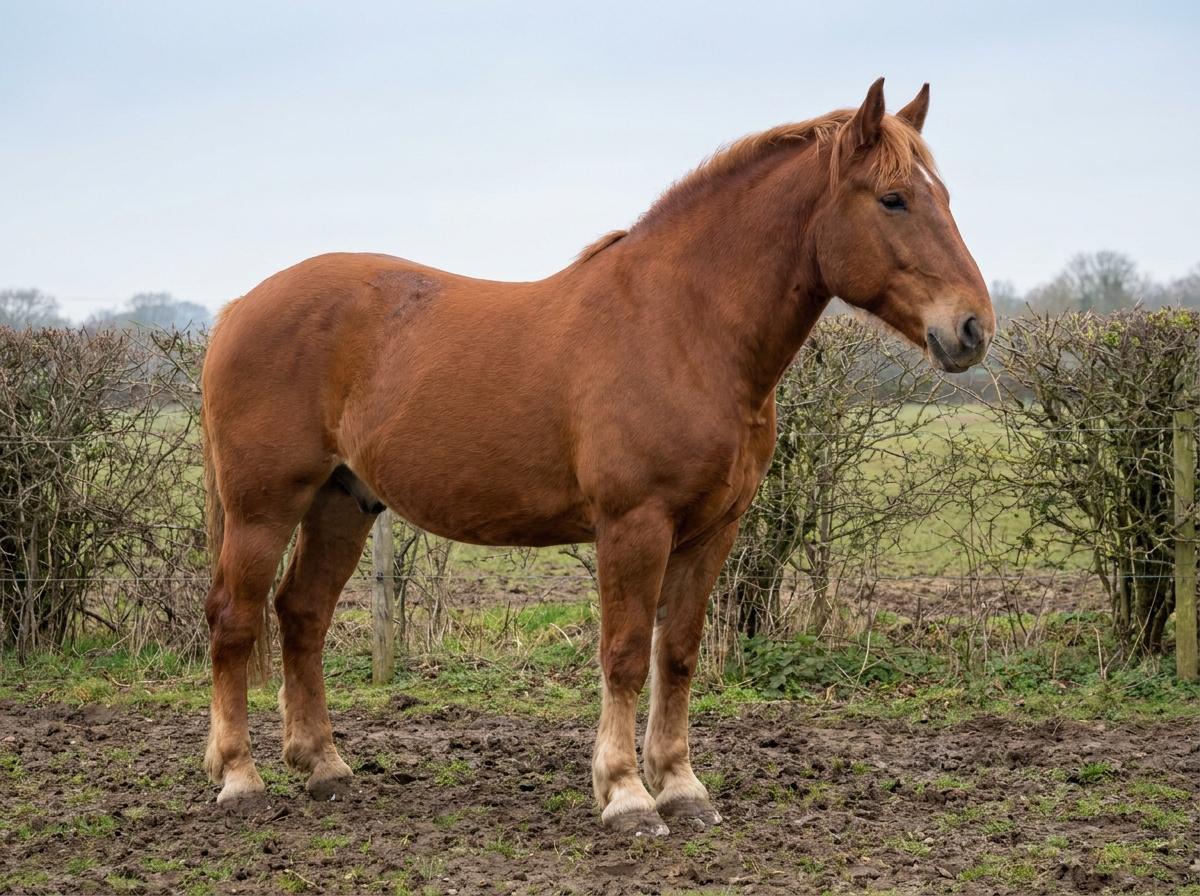
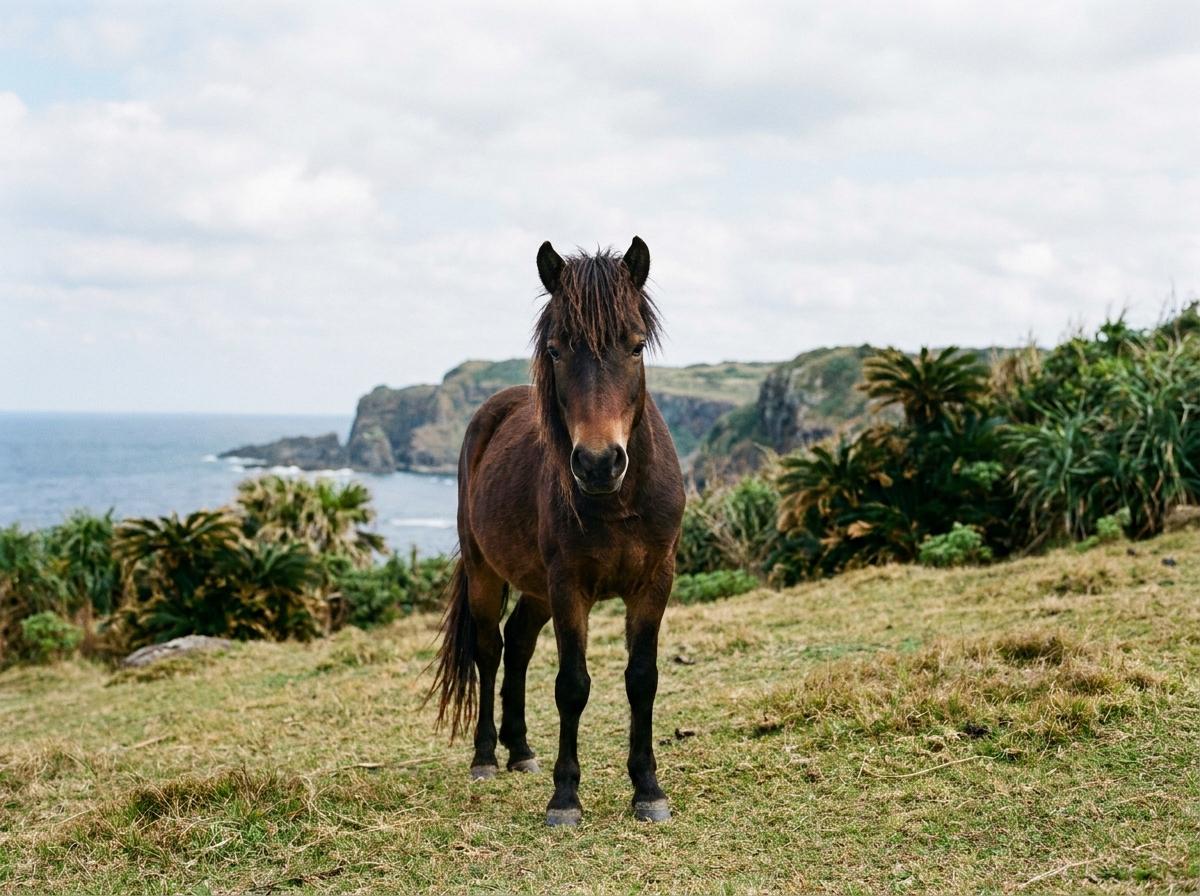
The Yonaguni horse is a small native Japanese horse from Yonaguni Island in Okinawa Prefecture, near Taiwan. It is one of Japan's recognized native horse populations and is often described as a pony-sized island horse, usually around 11 to 12 hands. The type is compact, sturdy, and plain in outline, with hard feet and a practical build shaped by farm work, carrying loads, and living on rough subtropical grazing. Most are solid-colored, commonly bay or brown, though color is less important than maintaining the island type.
Modern Yonaguni horses are kept mainly through conservation herds, local management, education, and limited riding or tourism use. Small population size makes breeding decisions important, so preserving genetic diversity can matter as much as producing a showy individual. Their care is not complicated, but the island climate brings its own needs: parasite control, mineral balance, hoof trimming, and shelter during severe weather are all part of responsible management. Anyone seeking one outside Japan should expect limited availability and should verify the animal's background, since true Yonaguni horses are a rare regional resource.
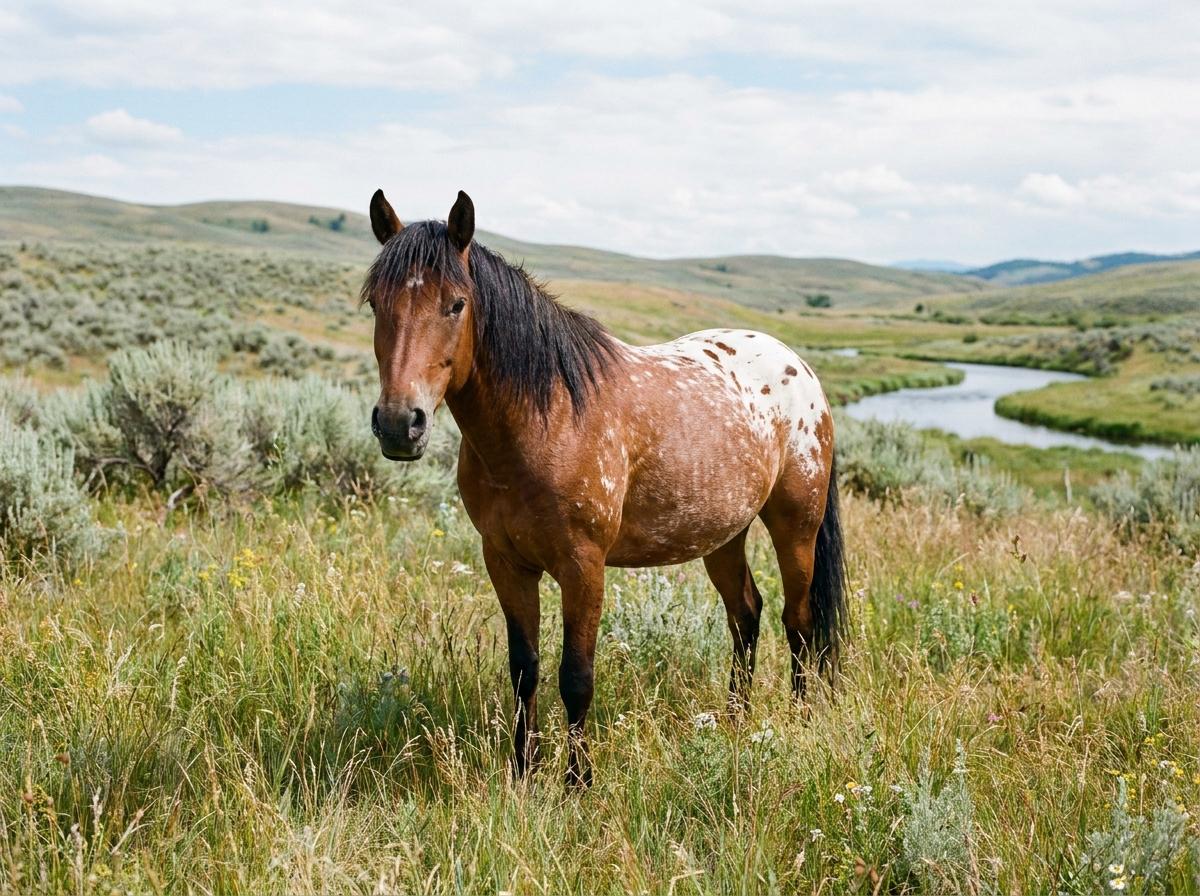
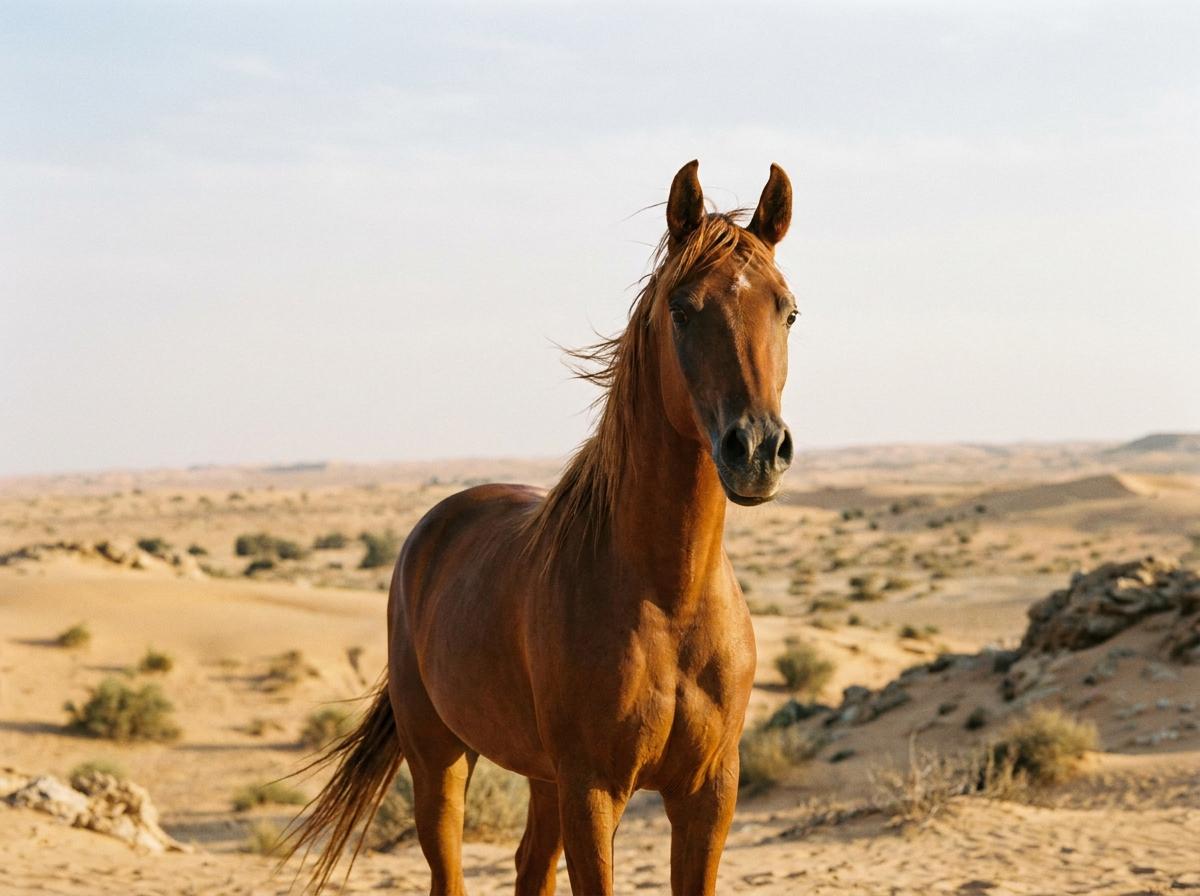
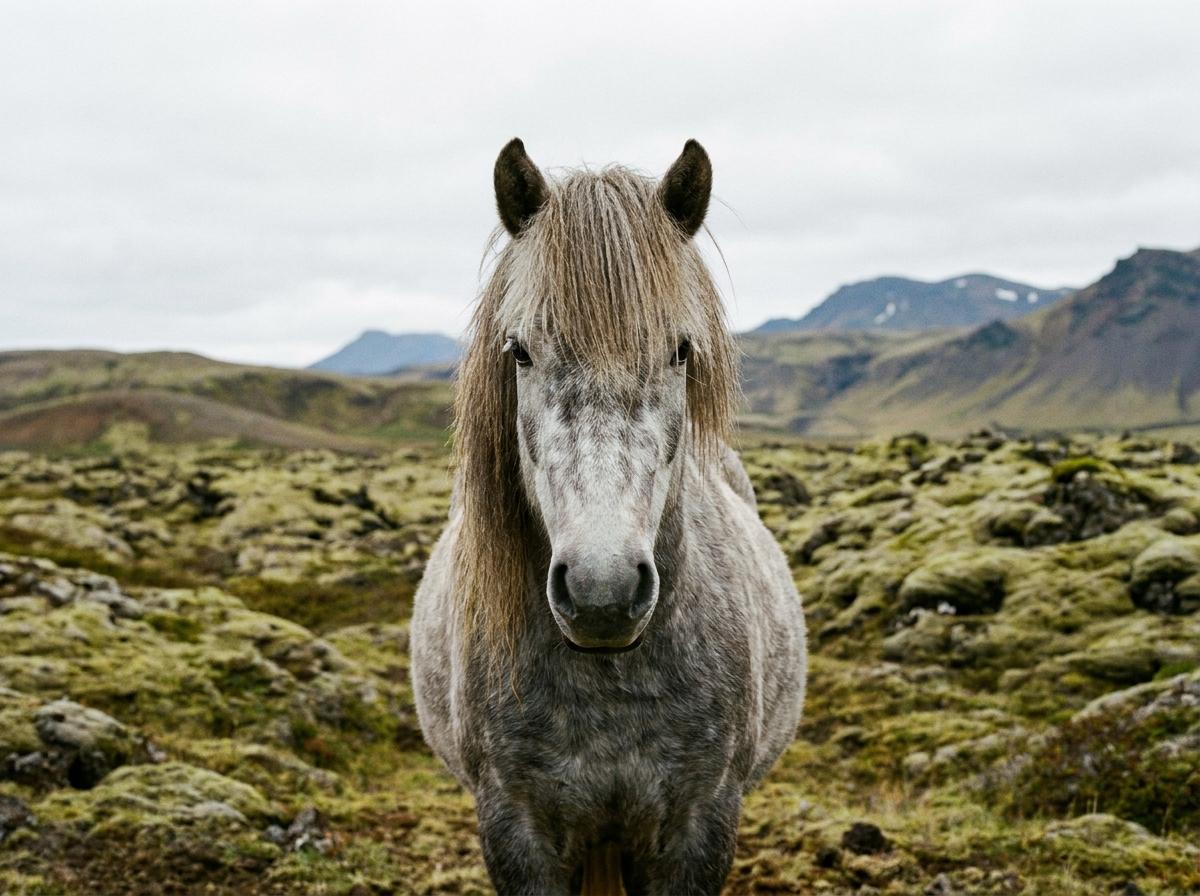
Colors: Amber Champagne, Bay, Bay Dun, Bay Roan, Black, Blanket Appaloosa, Blue Roan, Brown, Buckskin, Champagne, Chestnut, Classic Champagne, Cremello, Dun, Dun Roan, Fewspot Appaloosa, Flaxen Chestnut, Frame Overo, Gold Champagne, Gray, Grey, Grullo, Leopard Appaloosa, Liver Chestnut, Overo, Palomino, Perlino, Piebald, Pinto, Rabicano, Red Dun, Red Roan, Roan, Sabino, Seal Bay, Silver Dapple, Skewbald, Smoky Black, Smoky Cream, Snowcap Appaloosa, Sorrel, Splash White, Tobiano, Tovero, Varnish Roan, White