


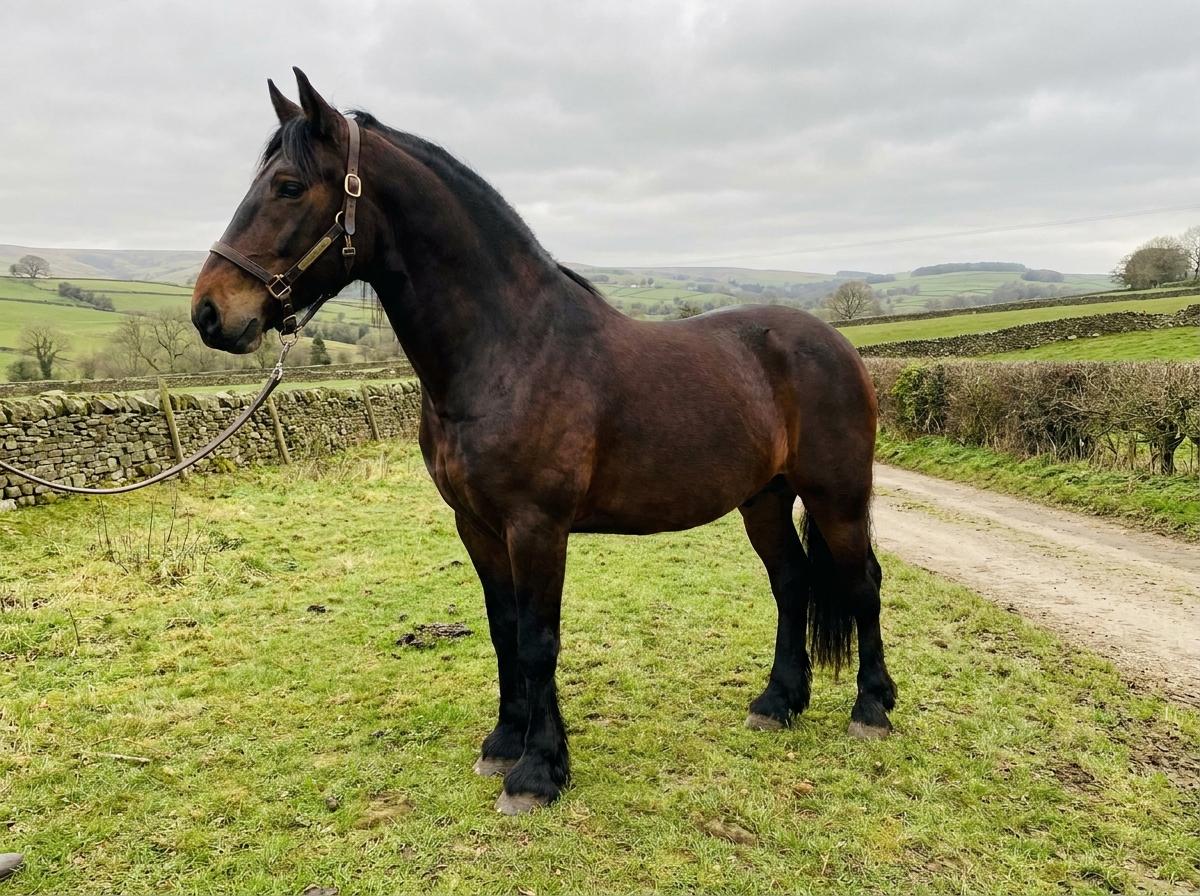
Yorkshire Coach Horse
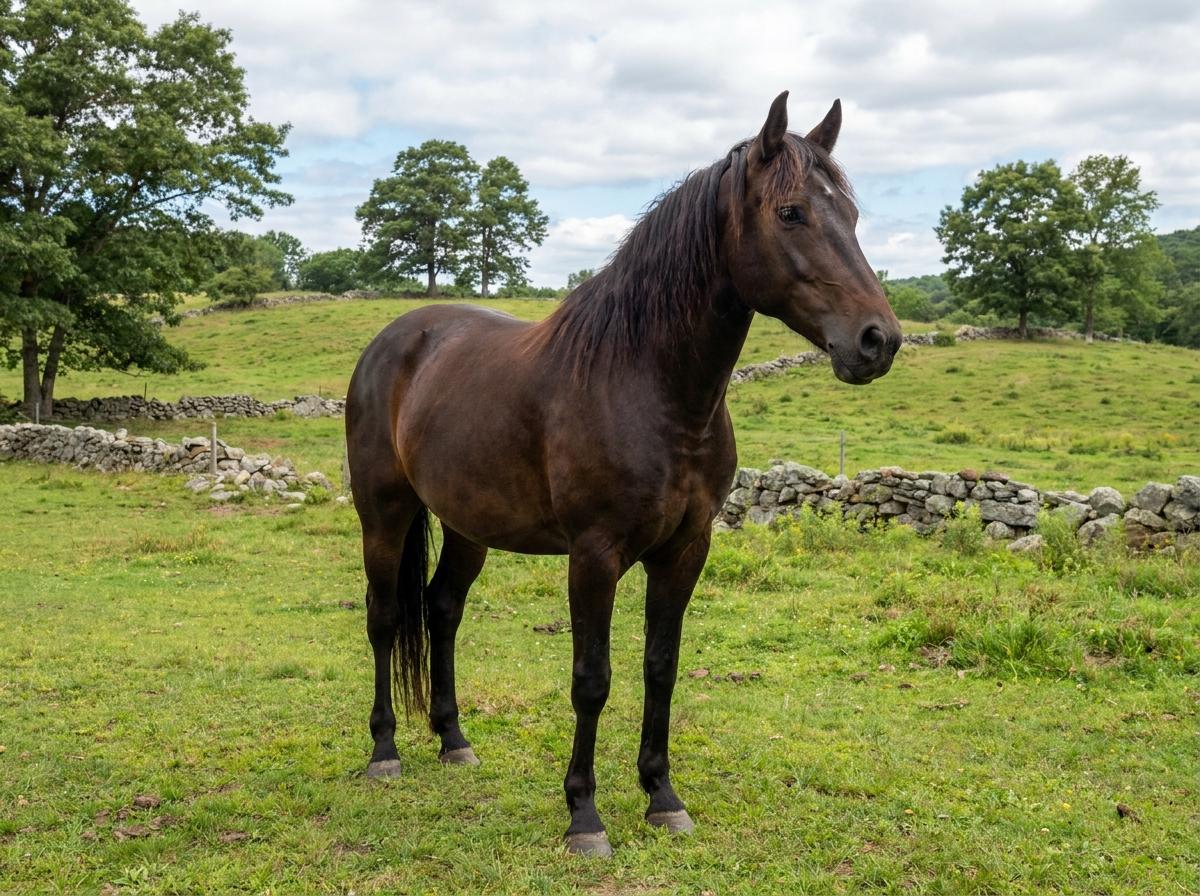
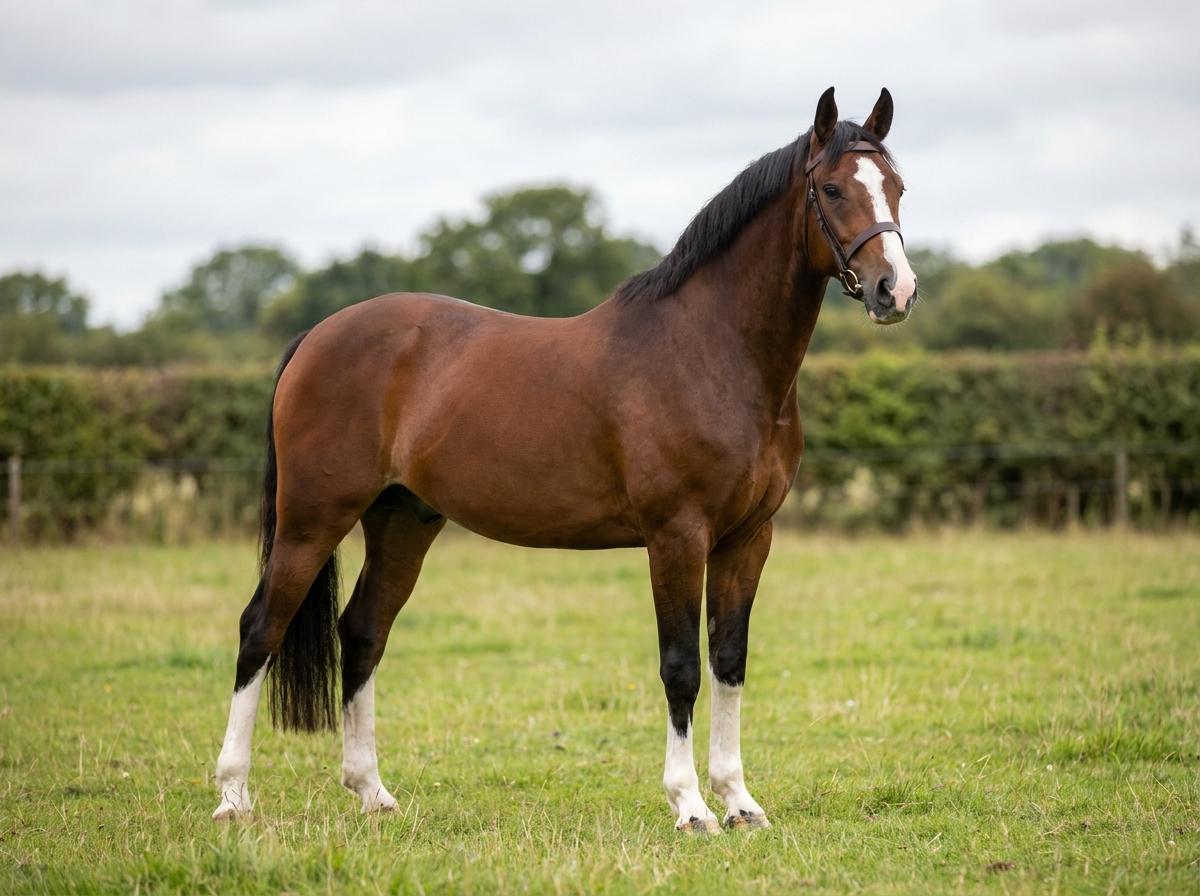
The Yorkshire coach horse was a historical English carriage horse developed mainly in Yorkshire during the coach and early rail eras. It drew heavily on Cleveland Bay foundations, with Thoroughbred and other road-horse influence used to add speed, height, and elegance. The result was a tall, active bay horse suited to private carriages, mail work, and stylish harness teams. It was valued for substance, clean action, and the ability to travel at a smart pace, but it was a type created for a transport system that disappeared quickly once motor vehicles took over.
The Yorkshire coach horse is generally regarded as extinct as a distinct breed, so there is no practical market for verified living animals. Its importance today is historical and genealogical, especially for people studying British carriage horses, Cleveland Bay development, and the ancestry of some European harness and warmblood lines. Claims of revival or pure Yorkshire Coach Horse breeding should be treated carefully unless backed by credible records. For museums, writers, and breed conservation groups, the breed is a useful reminder that many horse populations were shaped by specific human jobs and vanished when those jobs changed.
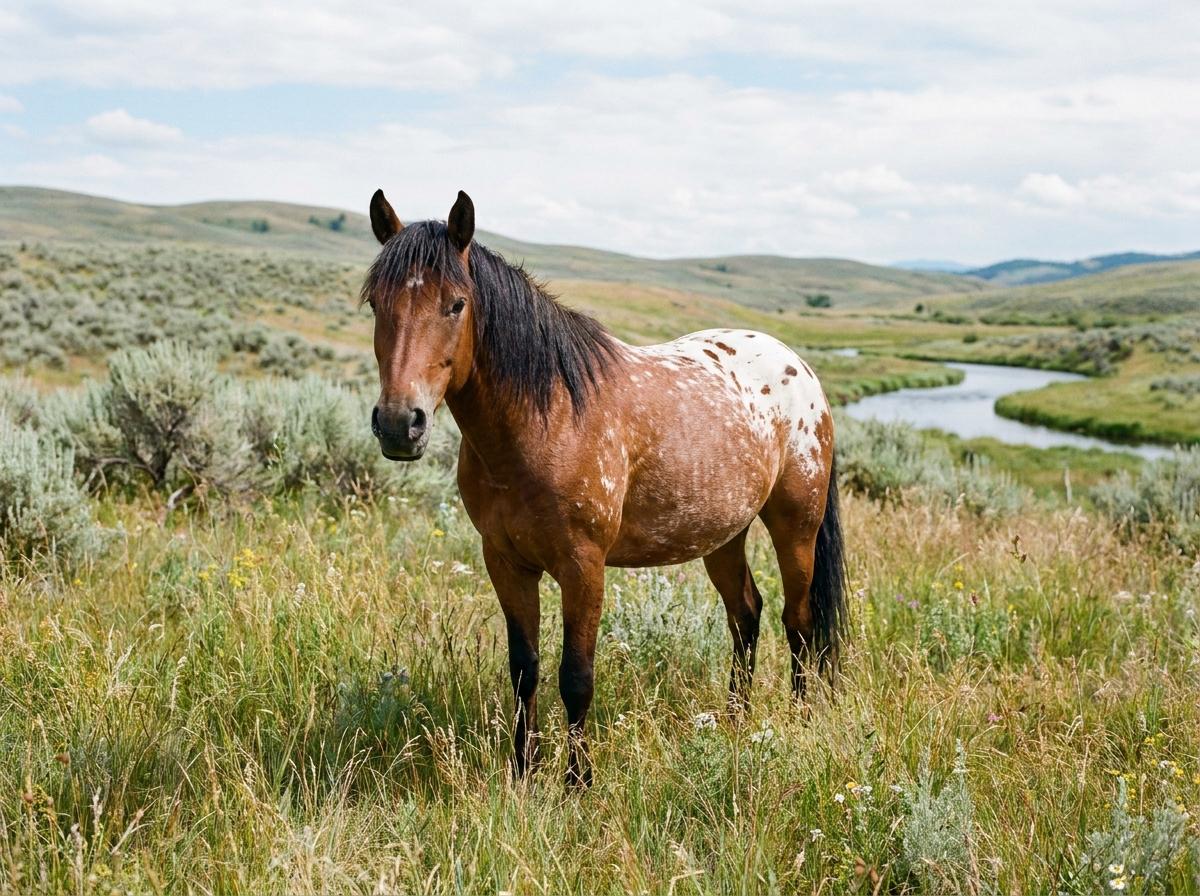
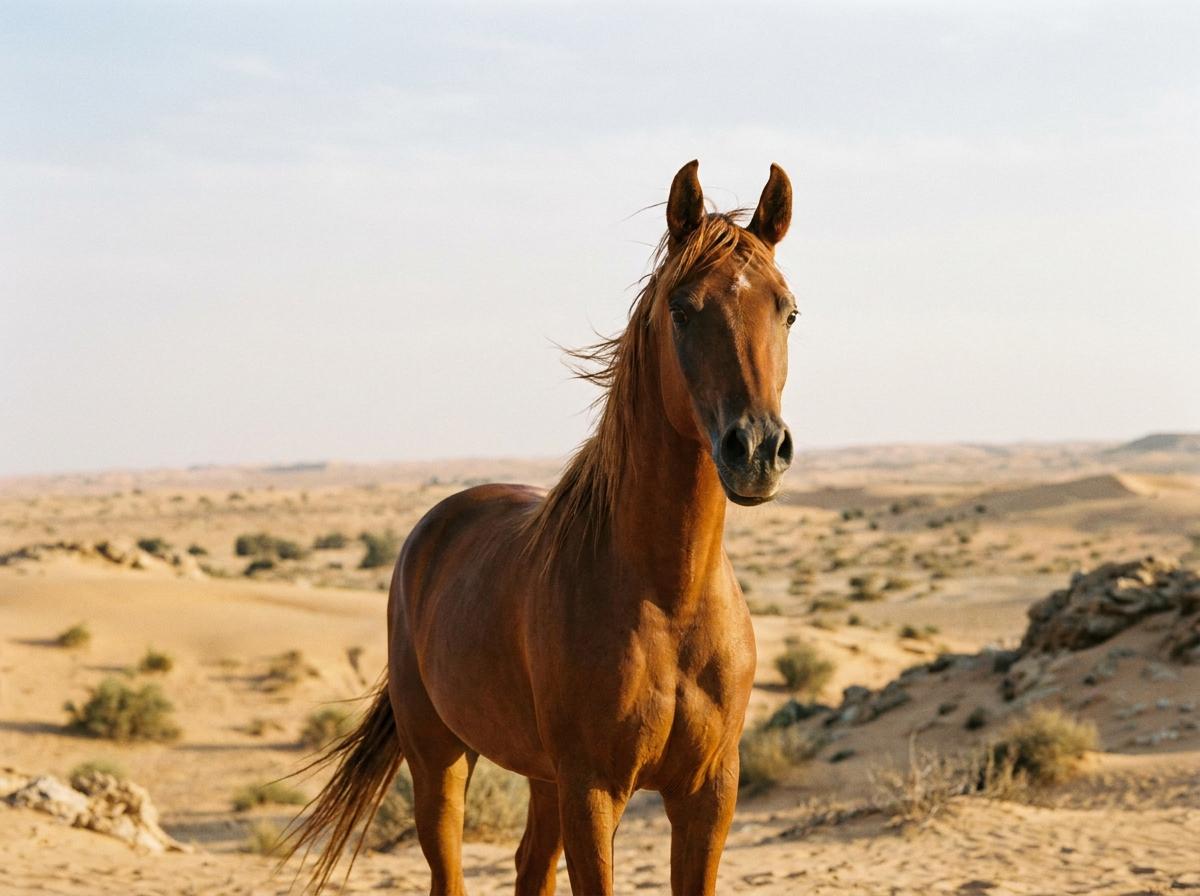
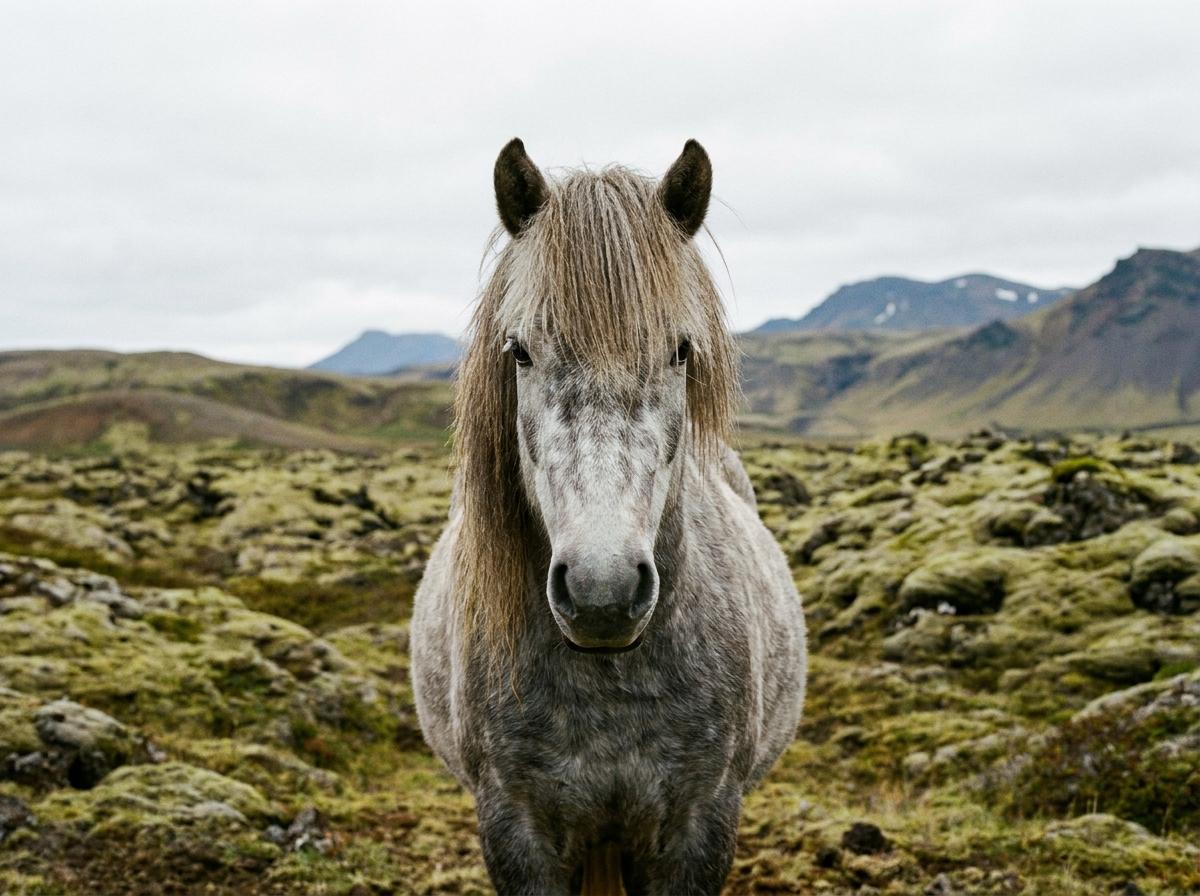
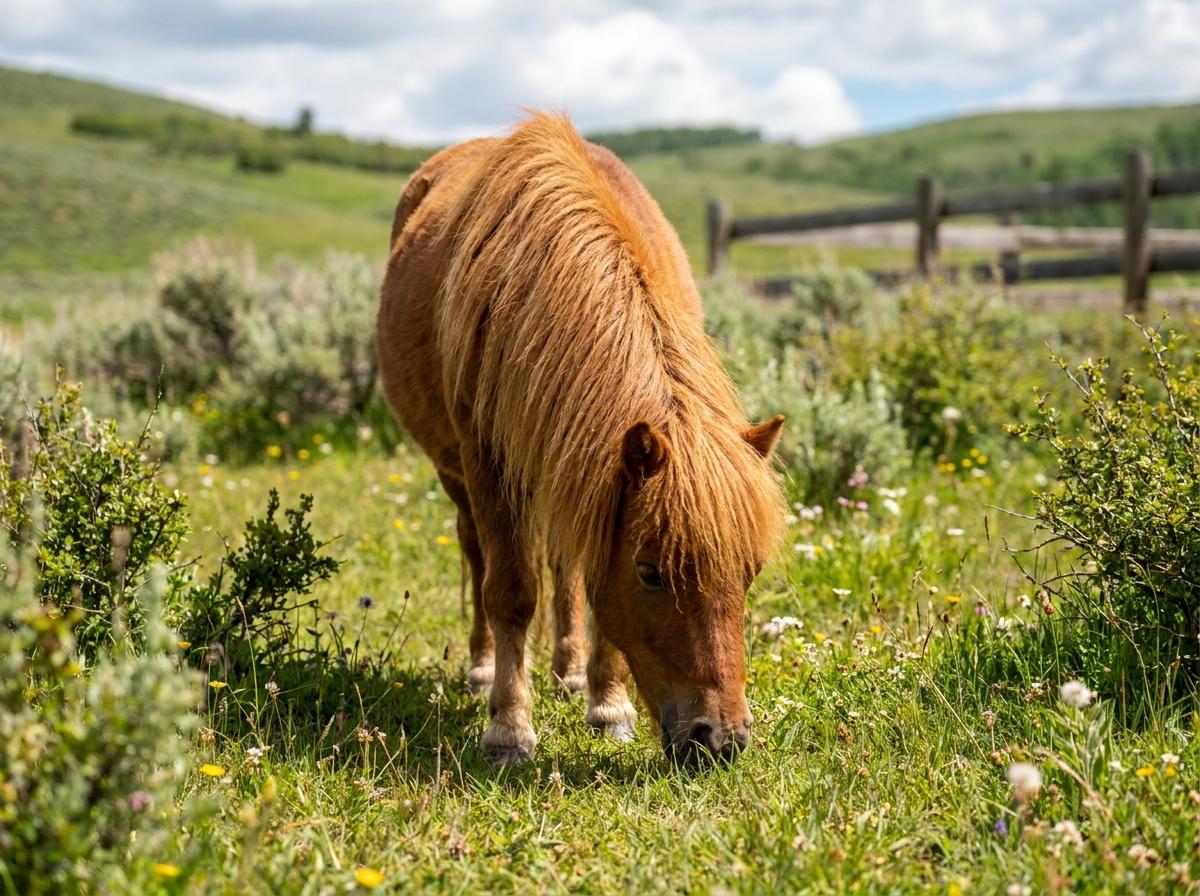
Colors: Amber Champagne, Bay, Bay Dun, Bay Roan, Black, Blanket Appaloosa, Blue Roan, Brown, Buckskin, Champagne, Chestnut, Classic Champagne, Cremello, Dun, Dun Roan, Fewspot Appaloosa, Flaxen Chestnut, Frame Overo, Gold Champagne, Gray, Grey, Grullo, Leopard Appaloosa, Liver Chestnut, Overo, Palomino, Perlino, Piebald, Pinto, Rabicano, Red Dun, Red Roan, Roan, Sabino, Seal Bay, Silver Dapple, Skewbald, Smoky Black, Smoky Cream, Snowcap Appaloosa, Sorrel, Splash White, Tobiano, Tovero, Varnish Roan, White