


Laboratory Medaka
Oryzias latipes
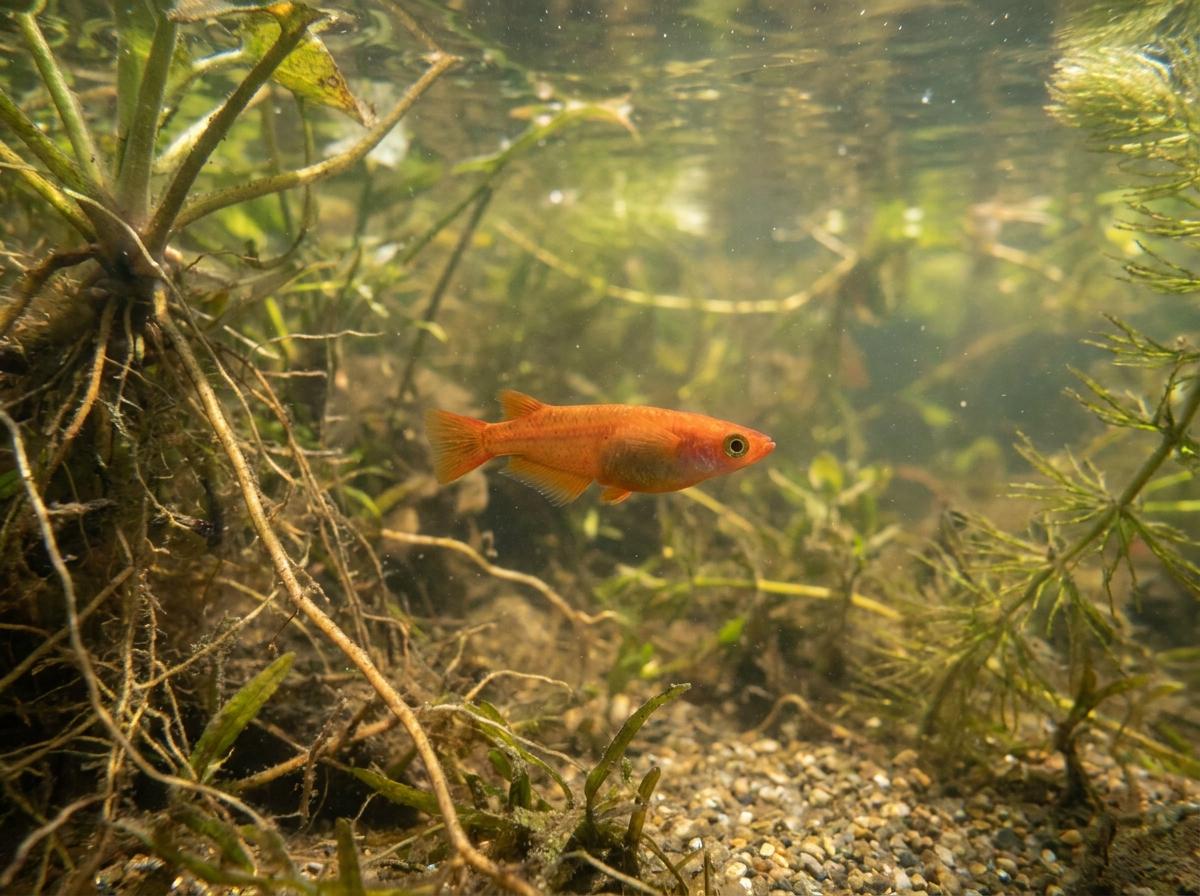
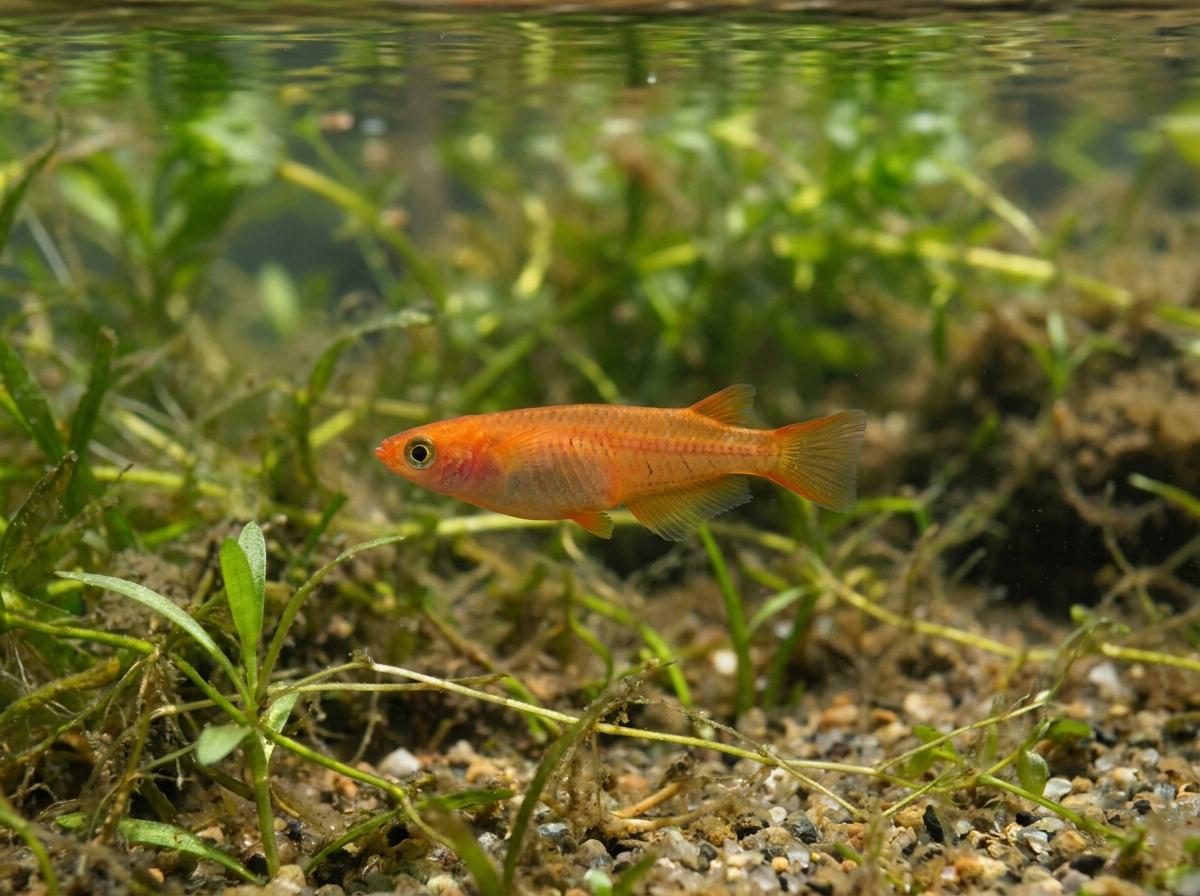
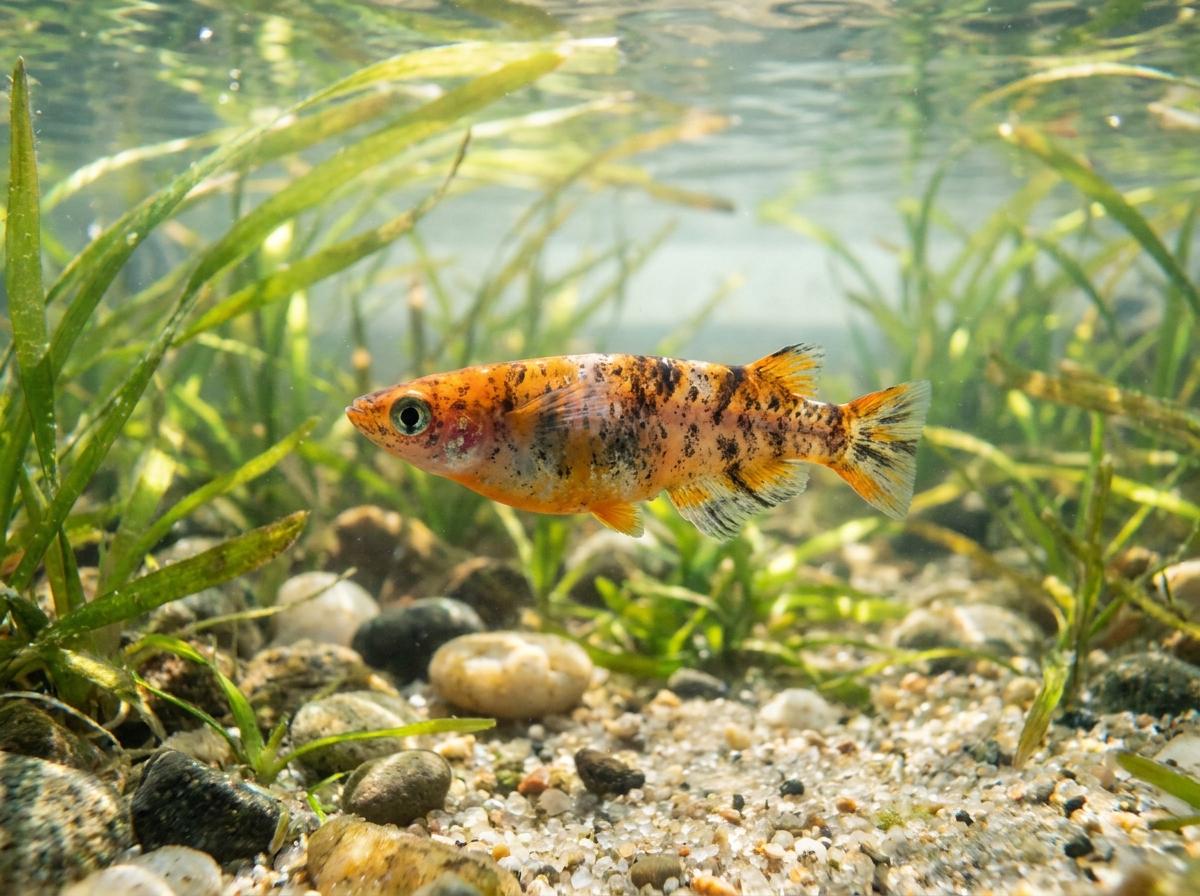
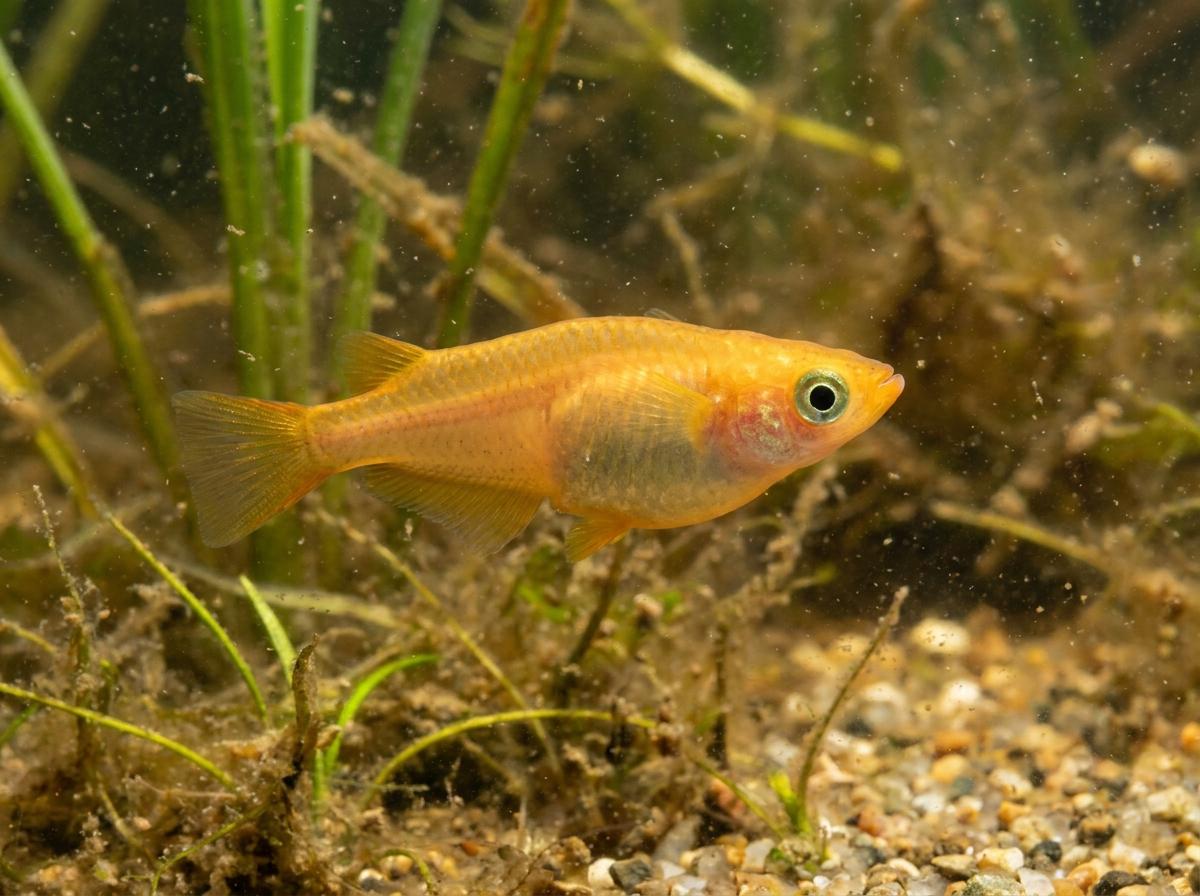
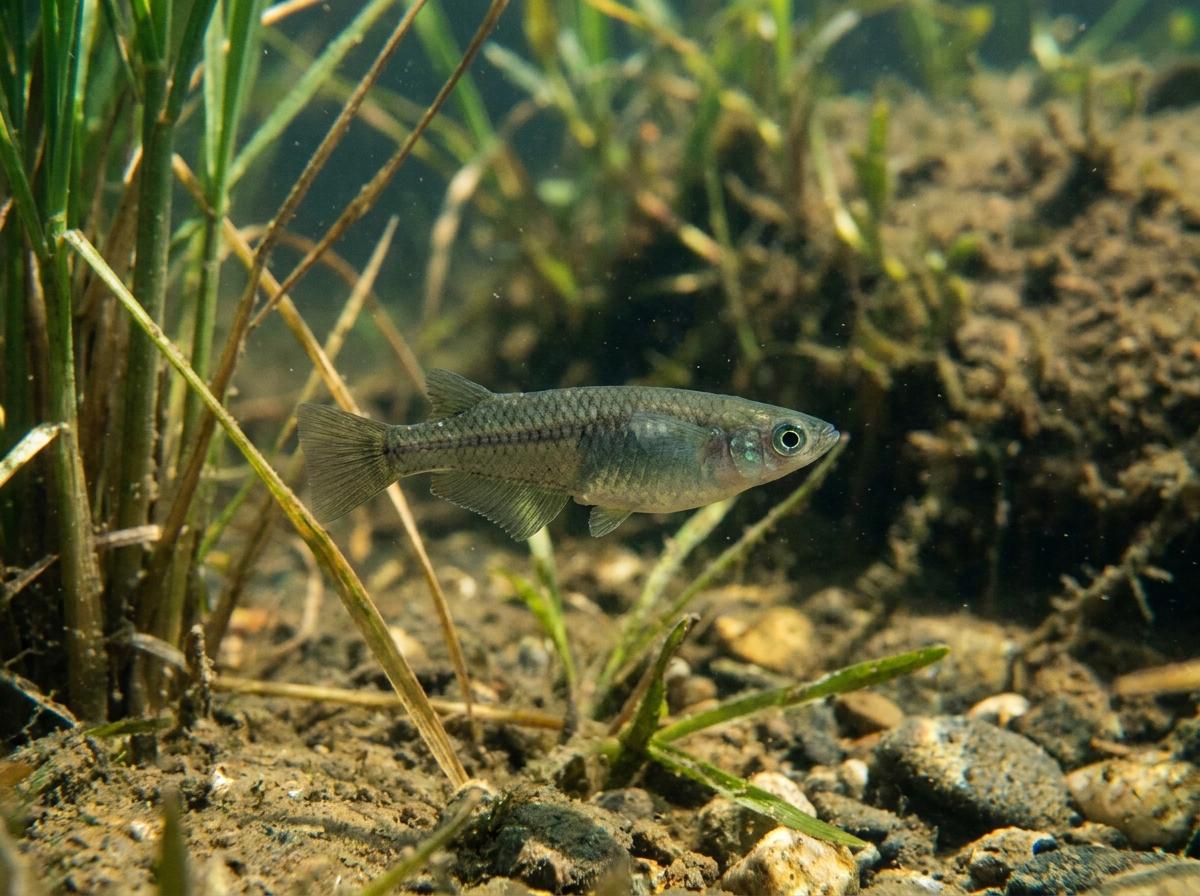
The laboratory medaka, Oryzias latipes, is the Japanese rice fish, a small egg-laying fish native to rice paddies, ditches, ponds, and slow waters of East Asia. Wild fish are usually olive brown and only a few centimeters long, with an upturned mouth for surface feeding. Domestic and laboratory lines include orange, white, transparent, inbred, and genetically modified strains. Medaka became a model vertebrate because its embryos develop outside the body, tolerate observation well, and show clear stages from fertilization to hatching.
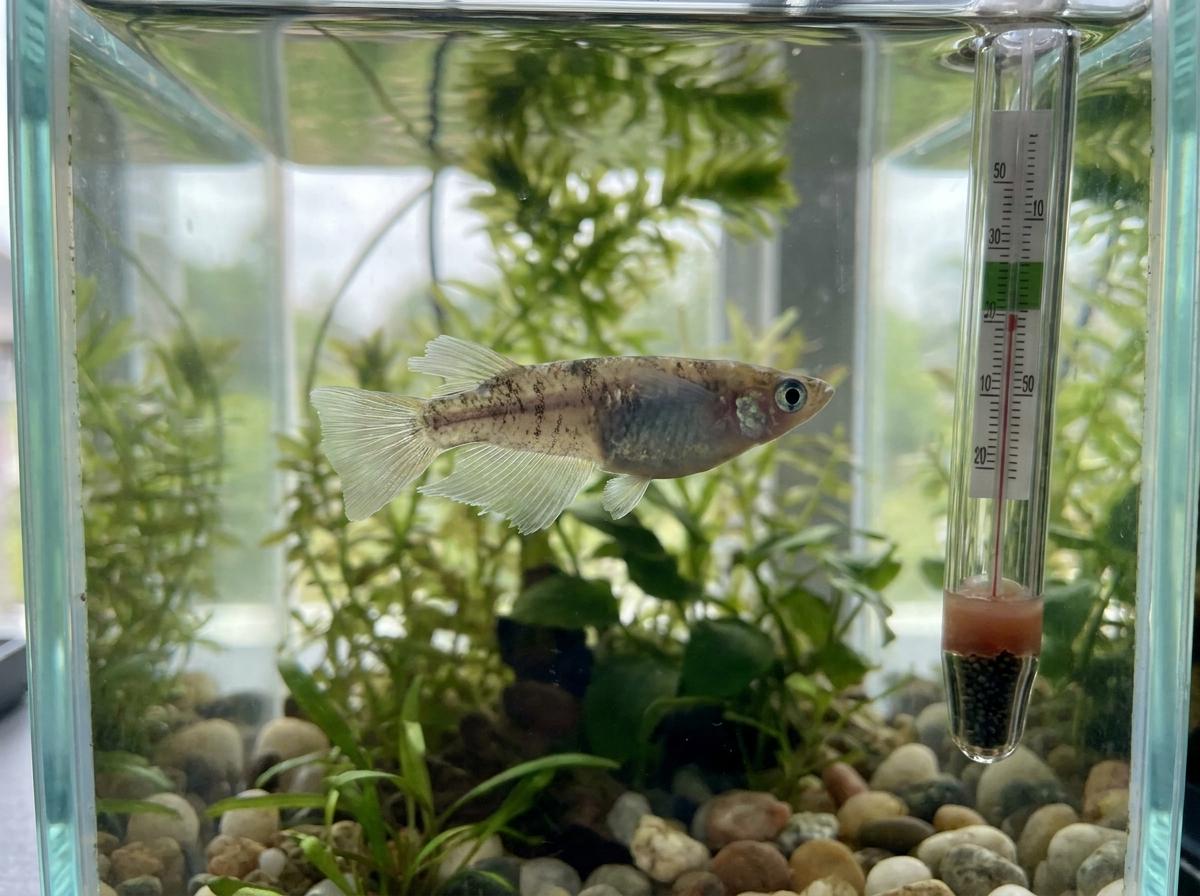
Research colonies are kept in small aquaria or recirculating systems with stable water quality, controlled photoperiod, and strain separation. Females often carry a cluster of adhesive eggs at the vent after morning spawning; eggs can be removed to dishes or mops for incubation and study. The fish accept fine dry diets and small live or frozen foods, but breeding groups need consistent feeding without fouling the water. Medaka also appear in the ornamental pond hobby, especially hardy Japanese lines, though laboratory strains and transgenic fish require secure containment and appropriate approvals before movement or sale.