





Laboratory Rat
Rattus norvegicus
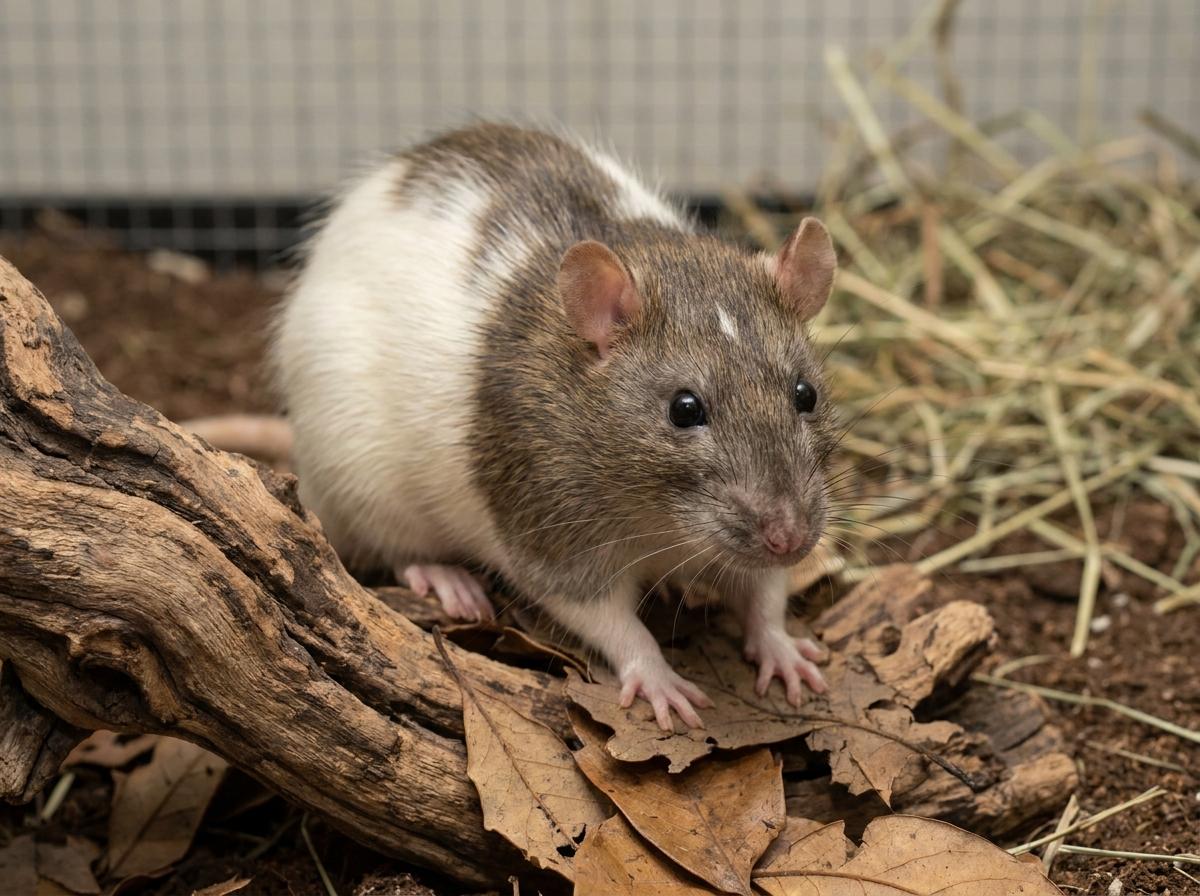
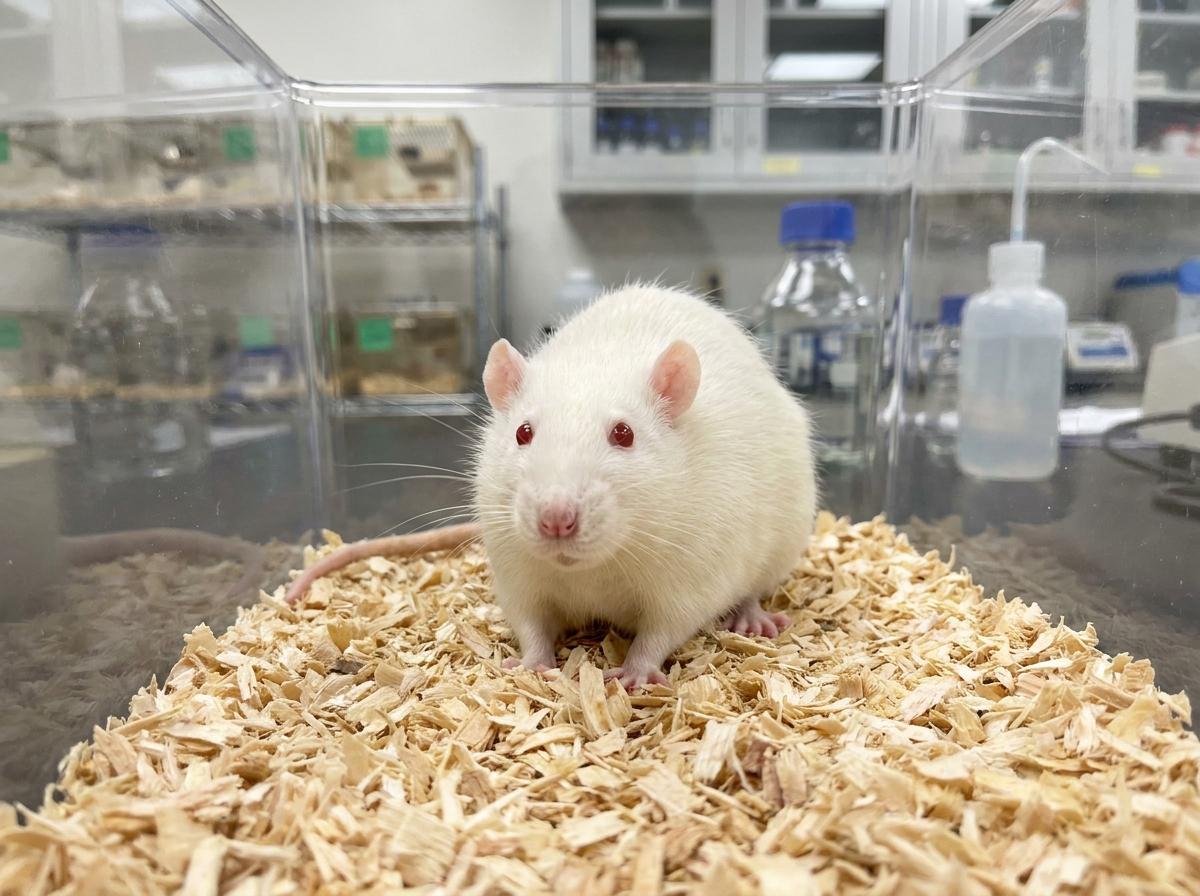
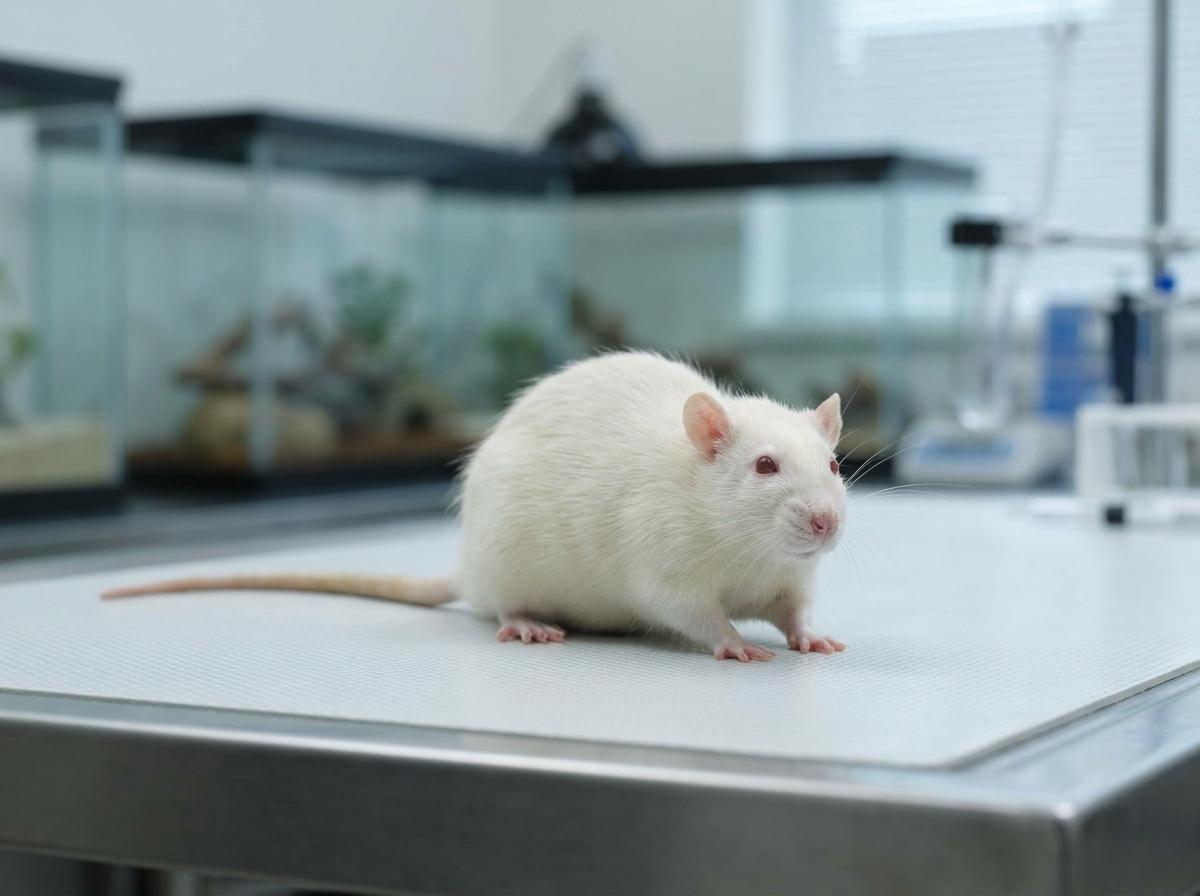
The laboratory rat, Rattus norvegicus, is the domesticated research form of the Norway rat. Larger and longer-lived than a mouse, it is valued for its body size, social behavior, learning ability, and physiology. Well-known stocks and strains include Wistar, Sprague Dawley, Long-Evans, spontaneously hypertensive rats, and many inbred or genome-edited lines. Coat color, hooding, and eye color may help identify a line visually, but research animals are defined more by genetics, health status, and breeding history than by appearance.
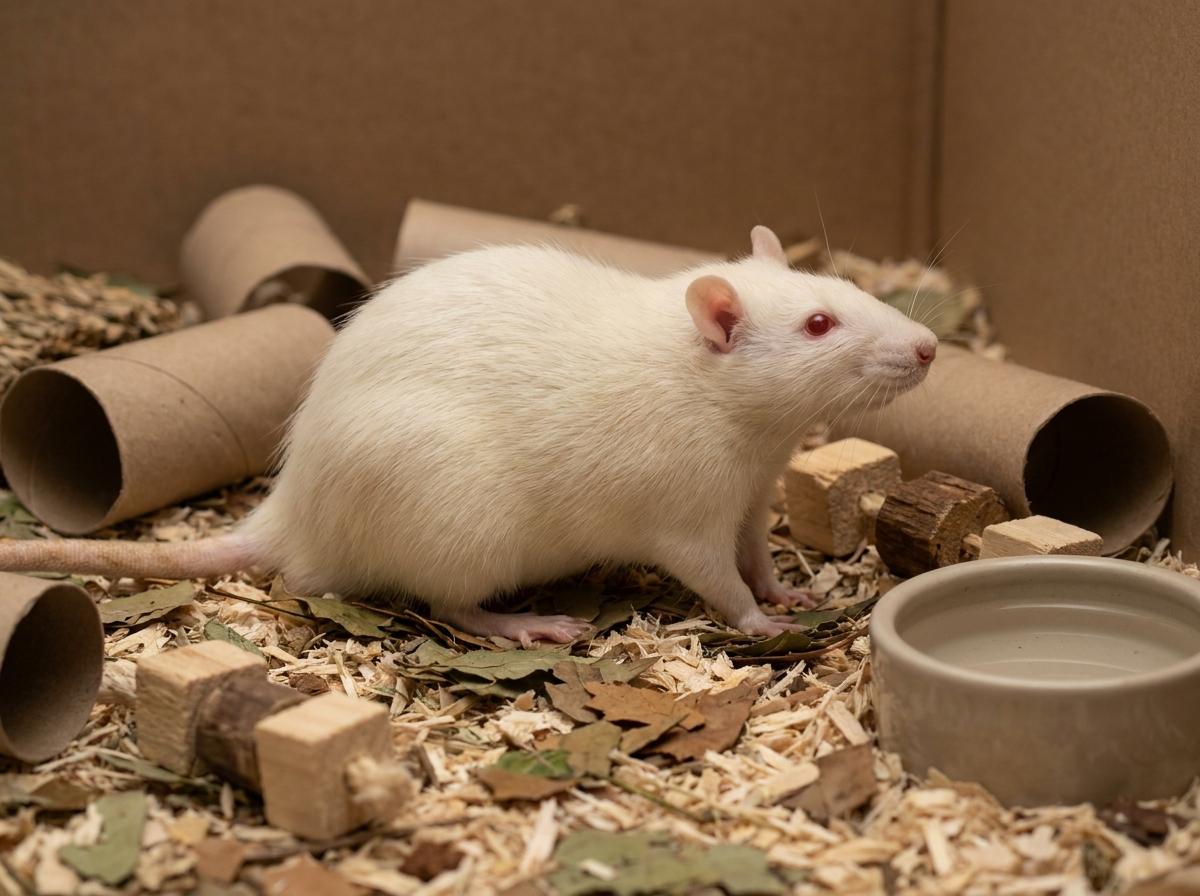
Rats in managed colonies need secure housing, good ventilation, absorbent bedding, gnawing material, shelters, and enough space for upright posture and social interaction. They respond well to calm handling and training, which reduces stress during weighing, dosing, imaging, or behavioral testing. Health programs watch closely for respiratory disease, parasites, and pathogens that can spread quietly through a room. Pet rats and lab rats share the same species, yet laboratory colonies operate under welfare review, documented pedigrees or stock records, and strain-specific breeding plans. Their intelligence makes enrichment and humane endpoints especially important in research settings.