



Long-Haired
The long-haired mouse is not a separate kind of mouse. It is a coat variety of the fancy mouse, the domesticated pet and show form of Mus musculus, defined by a single feature: a coat that is noticeably longer and softer than the standard short, sleek fur most pet mice carry. Instead of lying flat and glossy, the hair grows out into a longer, silky, slightly shaggy coat that is most obvious over the flanks and rump, and it can appear in any color or marking. That long coat is not a grooming effect or a mix of other varieties. It comes from a single recessive gene, and it is recognized as its own variety by both the National Mouse Club in the UK and the American Fancy Rat and Mouse Association (AFRMA) in the United States. This page explains what a long-haired mouse actually is, the gene behind the coat, why males often grow longer fur than females, how show clubs standardize the variety, and how to care for a fancy mouse day to day, because the coat changes nothing about the animal’s needs.

Browse listings, public profiles, breeders, or add your animal.
What is a long-haired mouse?
A long-haired mouse is a fancy mouse that carries the long-coat gene. Everything else about it, its body, size, behavior, diet, and lifespan, is identical to a normal pet mouse. “Long-haired” describes the coat, the same way “black,” “fawn,” “satin,” or “rex” describes a coat, and it can be layered onto any color you like. If you are comparing coat and color varieties or deciding what to keep, the broader Creatures mouse species page is a good place to start.
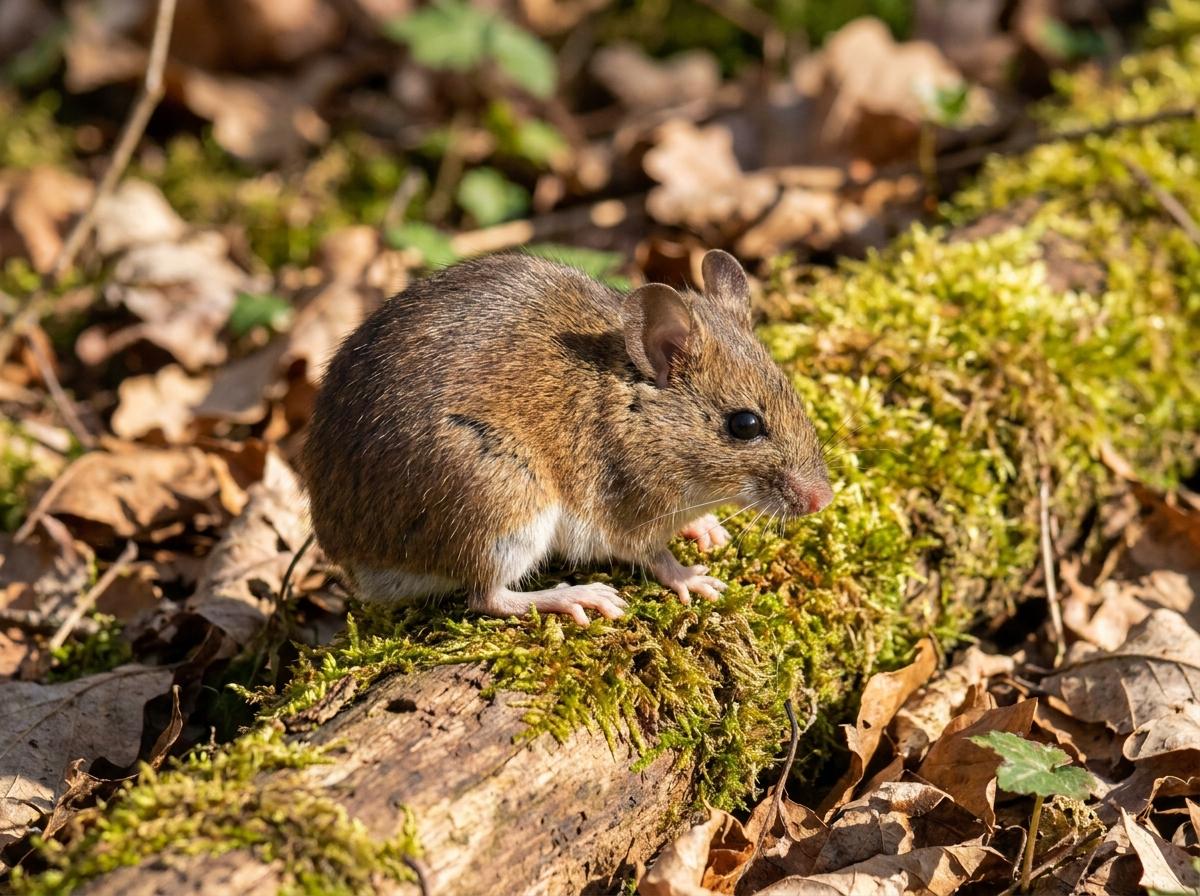
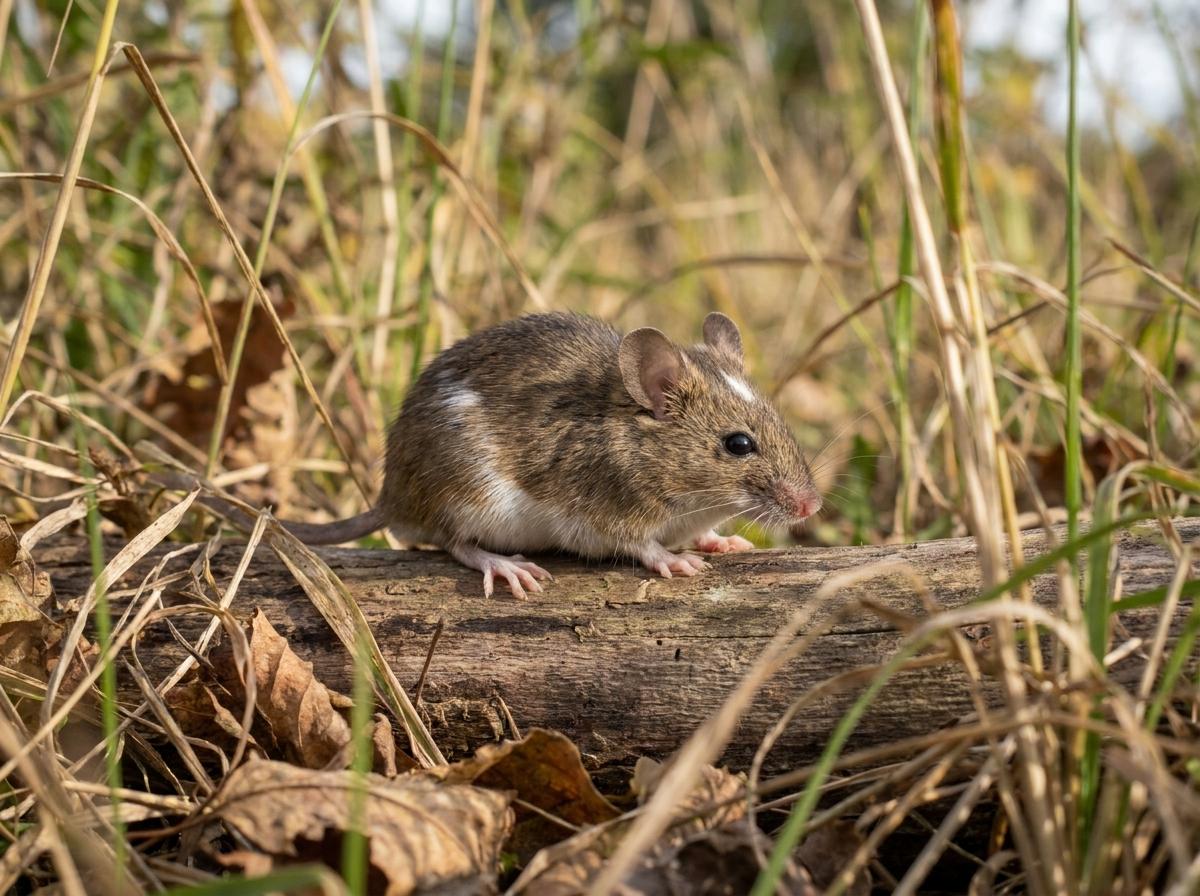
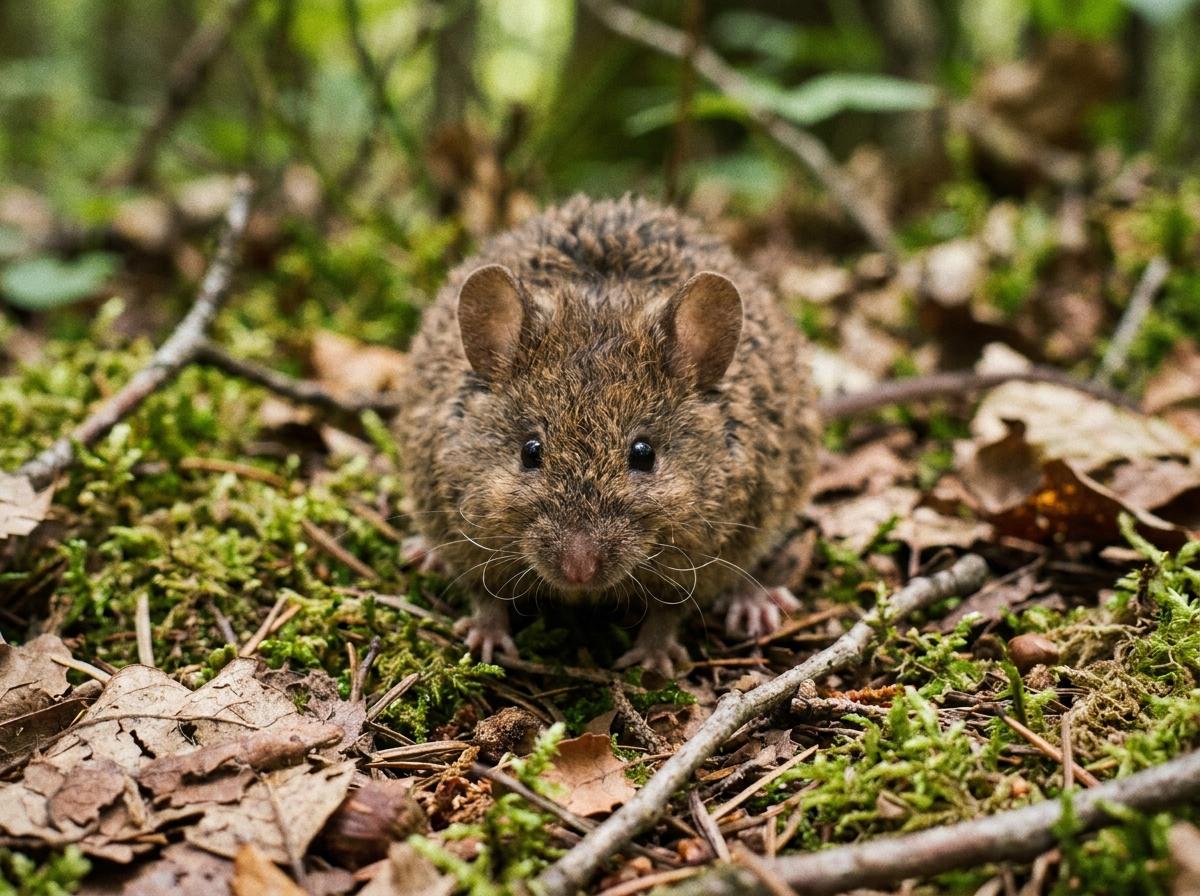
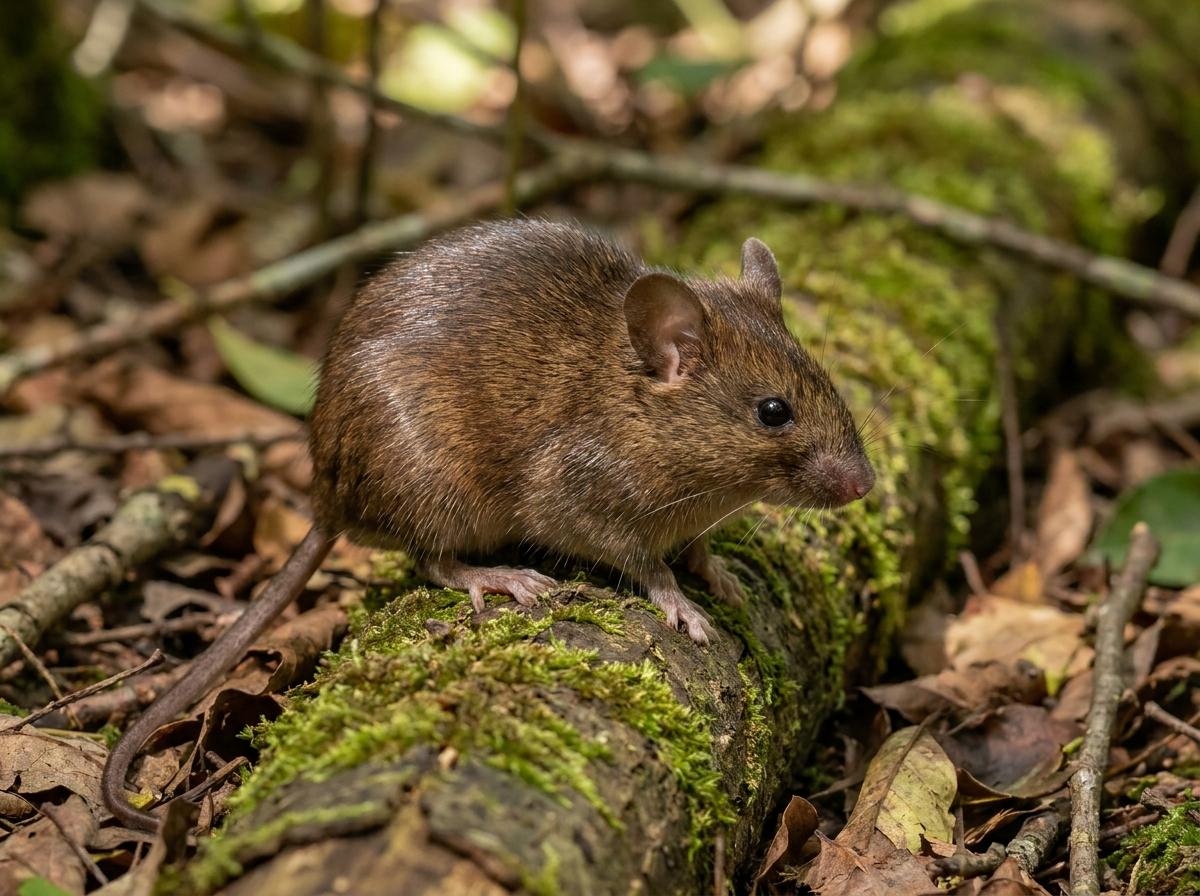
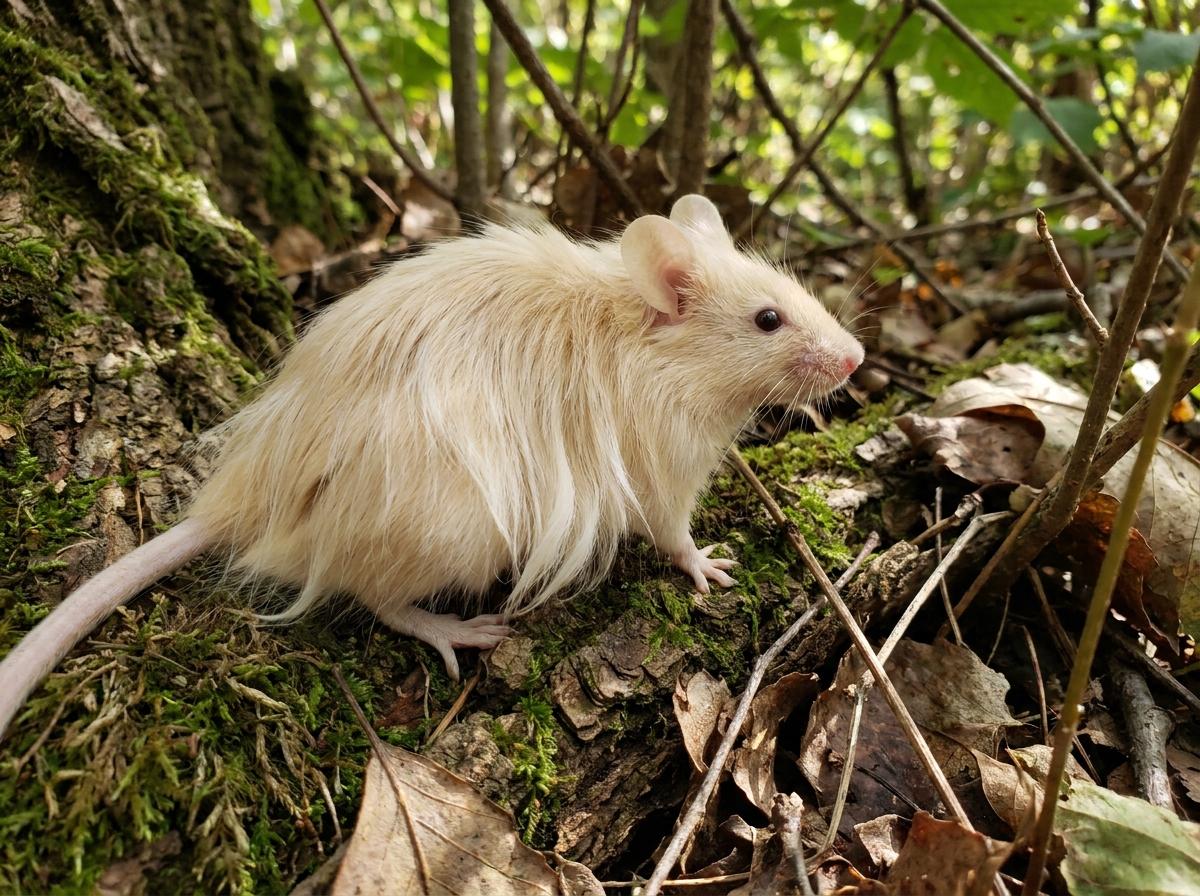
The giveaway of a long-haired mouse is simply the length and texture of the fur. A standard fancy mouse has a short coat that is smooth, glossy, and close to the body. A long-haired mouse instead grows a coat that is visibly longer and softer, so it stands away from the body and gives the animal a slightly fluffy, tousled outline rather than a sleek one. The extra length shows up most on the sides and rear, and a good long-haired mouse combines that length with density (a full coat, not a thin scattering of long hairs) and a fine, silky texture.
The fancy mouse hobby is an old and well-organized one, and the long-haired coat has a formal place in it. The National Mouse Club in the UK, founded in 1895, maintains written breed standards for coat and color varieties, and its standard for the long-haired mouse states that “the longhaired mouse shall have a coat as long as possible combined with density and to be silky in texture,” adding that “the colour may be that of any standard variety.” AFRMA in the United States recognizes both Long Hair and Long Hair Satin as varieties, with a matching description: the coat “should be as long as possible, but combined with density, and is to be fine and silky in texture,” and the mouse “may be shown in any recognized color or markings.” In other words, two established registries independently define this as a real, judged variety, not an informal label.
The gene behind the coat
The long coat comes from a single gene, and it is worth being precise about which one, because the fancy has more than one name for it. In fancy mouse circles the long-coat mutation is usually called angora, written with the allele symbol go, and long-haired and angora are generally used for the same variety. Geneticists know the same gene as Fgf5, or fibroblast growth factor 5, which sits on mouse chromosome 5.
Fgf5 acts as a brake on hair growth. In a normal mouse it helps end the active growth phase of each hair, so hairs stop lengthening at the usual short-coat length. When the gene is disrupted by the angora mutation, that brake is weakened, the growth phase runs longer, and the hair simply grows out further, which is what produces the long coat. This is a well-studied piece of mouse biology: the original work identifying Fgf5 as a regulator of the hair cycle and the cause of the spontaneous angora mutation was published in the journal Cell in 1994, and the same gene is behind long hair in several other species, including Angora rabbits and long-coated cats and dogs.
The trait is recessive, which matters for anyone breeding mice. A mouse needs two copies of the long-coat allele to actually grow a long coat, so both parents must carry the gene (either as visible long-haired animals themselves or as short-coated carriers) for long-haired pups to appear. You cannot create the long coat by combining other varieties. It is a specific gene, and if it is not present in two copies, the mouse will have a normal short coat no matter what colors are in the pedigree.

Why males often have longer coats
One quirk of the long-haired mouse is genuinely useful to know before you pick one. Bucks (males) usually grow longer coats than does (females), a difference long recognized by hobbyists and now backed by controlled research. A 2022 study that produced long-haired mice with disrupted Fgf5 function measured the difference directly and found males had significantly longer hair than females (roughly 26 mm versus 22 mm in that line), a difference the authors linked to androgen (male hormone) signaling in the hair follicle, though they were careful to note the exact mechanism is not fully worked out.
The practical takeaway is simple: if you want the most dramatic, flowing coat, a buck will usually show it best. That has to be weighed against the other realities of keeping a male mouse, covered in the care section below, because the coat is only one part of the decision.
A second thing to expect is that the coat changes with age. Long-haired mice tend to look their most impressive when young, and the coat often gets a little shorter with each molt as the mouse matures. This is normal, not a health problem, and it is part of why show breeders value the coat on younger animals.
How the coat is judged
For anyone curious about the show side of the hobby, the long-haired mouse is judged on the quality of the coat rather than on any change to body type. Both the National Mouse Club and AFRMA ask for the same three things: length (as long as possible), density (a full, thick coat rather than a few stray long hairs), and a fine, silky texture. Color and markings are open, so a long-haired mouse can be shown as a self (a single solid color), a tan, a marked variety, or almost any other recognized color, and the long coat is assessed on top of that.
There is also a Long Hair Satin combination, which layers the long coat onto the satin coat’s glossy sheen, so the hair is both long and unusually shiny. This is a good illustration of how fancy mouse coat genes stack: satin, rex, long hair, and the various color genes are largely independent, and breeders combine them deliberately. If you want to see how a different coat-texture gene looks and behaves, the Rex mouse page covers the curly-coated variety, and this long-haired page has a natural sister in the satin mouse, whose defining feature is coat sheen rather than length.
Caring for a long-haired mouse
The long coat needs no special care. A long-haired mouse is housed, fed, and handled exactly like any other fancy mouse. It does not require grooming, trimming, or bathing, and you should not manipulate its environment to change the coat. Below is the practical care picture for a fancy mouse. Defer any medical decision to an exotics veterinarian who can examine the animal.
Housing, ventilation, and bedding
Mice need a secure, well-ventilated enclosure with deep, absorbent bedding they can burrow into, plus a hide, a wheel, and things to climb and chew. Good airflow is not optional. Mice have delicate respiratory systems, and the biggest everyday threat to them is ammonia building up from urine in soiled bedding. The Merck Veterinary Manual is explicit that cages need wire-mesh tops for ventilation and warns that poor environmental quality, including high ammonia levels and poor bedding, raises the risk of respiratory infection. That is why regular spot-cleaning and a full change of bedding matter so much, and why solid, non-porous enclosures beat wooden ones (wood soaks up urine and holds ammonia).
Bedding choice feeds into the same airway concern. Avoid cedar, and avoid raw, untreated pine: the aromatic oils in these softwoods are linked to respiratory irritation in rodents. Paper-based bedding or kiln-dried, dust-extracted aspen are safer, and both help control odor and ammonia. Keep mice in a stable, comfortable room temperature and out of drafts and direct sun.

Social life and the male question
Fancy mice are social and generally do better with company than alone, but how you keep them depends on sex, and this is where mice differ from rats or gerbils. Females usually live happily in same-sex groups, and the Merck Veterinary Manual notes that unrelated female mice can normally be housed together without trouble. Adult males are the catch. Entire (unneutered) bucks commonly fight when housed together, sometimes seriously, so they are often best kept singly unless they were raised together and stay peaceful. Housing a male with females means breeding, which is a separate commitment, so it is not a casual way to give a lone male company.
There is also a smell difference worth knowing before you choose a buck. An entire male’s urine has a notably strong, musky odor from scent-marking, stronger than a female’s. Combined with the fact that a buck grows the longer, showier coat, this is the classic trade-off of the long-haired mouse: the animal with the most impressive fur is also the one that usually has to live alone and smells stronger. Sexing matters early, because mice reach sexual maturity quickly (by roughly six to eight weeks), so mixed-sex youngsters can breed sooner than new owners expect. So: keep does in small groups, keep bucks singly unless proven compatible, and never mix sexes unless you intend to breed.
Diet
A good base diet is a quality rodent pellet or lab block that provides complete nutrition, offered so the mouse can graze, with fresh water always available. Mice will happily eat seed mixes and treats, but seed-heavy diets fed without limit tend to be high in fat and cause obesity, so keep grains, vegetables, fruit, and treats to a small share of the overall diet. Adult mice eat only a few grams of food a day, so a little goes a long way. Eating their own droppings (coprophagy) is normal and healthy in mice, not a sign of illness.
Health and lifespan
Fancy mice are short-lived. Common care references put the average pet mouse lifespan at roughly 1.5 to 2.5 years, and while many mice do live past two years, that is not a guarantee, so plan for a short, intense companion animal rather than a long-term one. The long coat has no bearing on lifespan.
The most common health problems in pet mice are respiratory infections, skin conditions (often from mites), and tumors. A mouse making a clicking or chattering sound when it breathes, sitting hunched, or wearing a ruffled, dull coat may be showing respiratory illness and should see a vet. Mammary tumors are common in mice and are frequently malignant, so any new lump warrants a prompt veterinary opinion. Because mice hide weakness and their warning signs are subtle, a daily check of breathing, coat, weight, and behavior is the single most useful thing an owner can do, and keeping written records of weights and any symptoms makes it far easier to catch a problem early and give a vet a clear history. None of these risks are specific to the long-haired coat.

Is a long-haired mouse right for you?
A long-haired fancy mouse suits someone who wants an active, inquisitive, low-cost small pet, likes the soft shaggy coat, and is comfortable with a short lifespan and the reality that mice are better watched than constantly handled. The coat itself adds no extra work and no health risk specific to the variety. The honest trade-offs are the ones common to all fancy mice: the roughly one-and-a-half to two-and-a-half year lifespan, the need to keep females in carefully managed same-sex groups, and the male-odor and male-aggression issue that comes with keeping a buck (the same buck that grows the best coat). Good ventilation and the right bedding genuinely matter for their delicate airways. If those fit your situation, a long-haired mouse is a charming, easy-to-house pet.
If you like comparing coat varieties, the satin mouse is the natural companion to this page (sheen rather than length), the Rex mouse shows what a curly-coated mouse looks like, and the satin rat shows how a coat gene plays out in a larger rodent. You can also compare the pointed color pattern on the Siamese mouse page.
Frequently asked questions
Is a long-haired mouse a different breed or species?
No. It is a coat variety of the ordinary fancy mouse (Mus musculus). The only difference from a plain mouse is the longer, silky coat, caused by a single recessive gene.
What causes the long coat?
A recessive mutation in the Fgf5 gene, known in the fancy as the angora allele (go). Fgf5 normally helps stop hair growth at the short-coat length, so when it is disrupted, the hair grows out longer. A mouse needs two copies of the gene to show the long coat.
Why do male long-haired mice have longer fur than females?
Bucks generally grow longer coats than does, a difference hobbyists have long observed and that a 2022 study measured directly, linking it to male-hormone (androgen) signaling in the hair follicle. If you want the most dramatic coat, a male usually shows it best, though males also carry a stronger odor and usually need to live alone.
Do long-haired mice need special grooming or care?
No. A long-haired mouse is housed, fed, and handled exactly like any other fancy mouse. The coat needs no brushing, trimming, or bathing, and its care is identical to a short-coat mouse.
Can you breed long-haired mice from short-haired ones?
Only if both short-haired parents carry the recessive long-coat gene. You cannot create the long coat by combining other varieties. It is a specific gene, and both parents must carry it for long-haired babies to appear.
Does the coat change over time?
Yes. Long-haired mice usually look their most impressive when young, and the coat often gets a little shorter with each molt as the mouse ages. This is normal.
How long do long-haired mice live?
About 1.5 to 2.5 years on average, the same as any fancy mouse. The coat has no effect on lifespan.
Do this next on Creatures
Whether you are researching the long-haired coat, looking for one, or already keeping mice, Creatures is the records, marketplace, and directory layer to do it in one place.
Add your mouse. Already keeping a long-haired mouse? Create a free animal profile in a couple of minutes. No account needed to start. The step-by-step is in adding an animal to Creatures, and you can see what each part of the profile does in your animal’s profile page.
Track weight and health. Mice are short-lived and hide illness, so a simple weight and symptom log helps you catch problems early. Add a health or weight record. The record sheet opens for any visitor to look around, and a free account saves what you enter. See adding a record and health and medical records for the full how-to.
Find a mouse. Browse long-haired mice on the marketplace and search trusted breeders in the Creatures directory. Long-haired mice can be uncommon, so set a free long-haired mouse listing alert and we will tell you when one is posted. No account needed to start, and you can manage it from saving searches and using your watchlist.
Breed or rehome mice? List your mousery or rescue on Creatures so people looking for long-haired fancy mice can find you. No account needed to start.
Comparing coat varieties? See the sister guide to the satin mouse, compare coat and color types on the Creatures mouse species page and the Rex mouse page, and see the same idea in a larger rodent on the satin rat page.