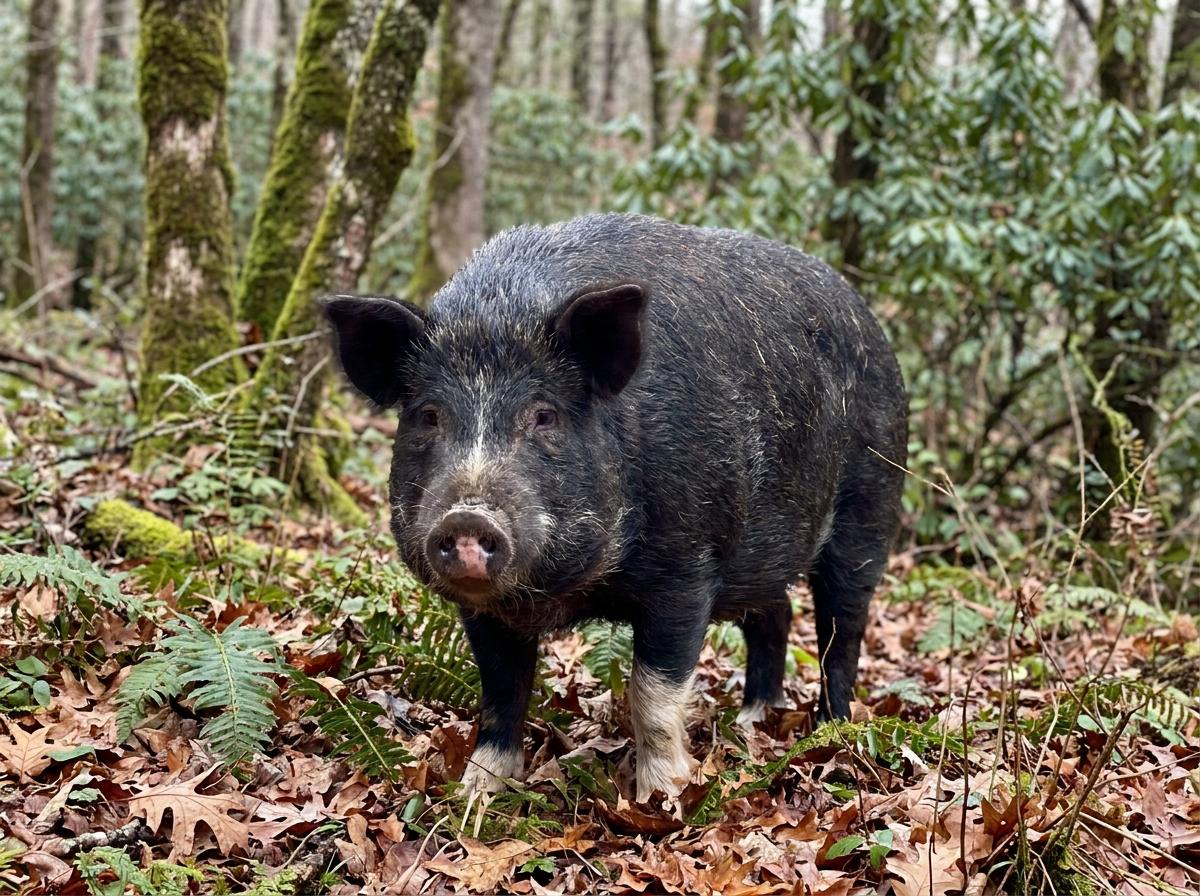
Appalachian English
The Appalachian English pig is a rare American heritage or landrace name associated with English-derived hogs kept in the Appalachian region. It is not commonly encountered as a standardized modern registry breed, and descriptions are much thinner than for Yorkshire, Duroc, or Berkshire pigs. The type is generally understood as a practical farm pig selected for foraging ability, hardiness, and meat production in hill-country conditions, with more variation in color, size, and ear carriage than a show-ring breed would allow.
Where animals are maintained under this name, they are best treated as conservation livestock. Pasture or woodland lots need strong fencing, dry shelters, parasite control, and supplemental feed during poor forage seasons. Breeders and researchers should document sources carefully, because rare regional pigs can be confused with crosses or feral hogs. The main value of the Appalachian English label is its connection to local farm history and potentially useful genetics, not uniform appearance.
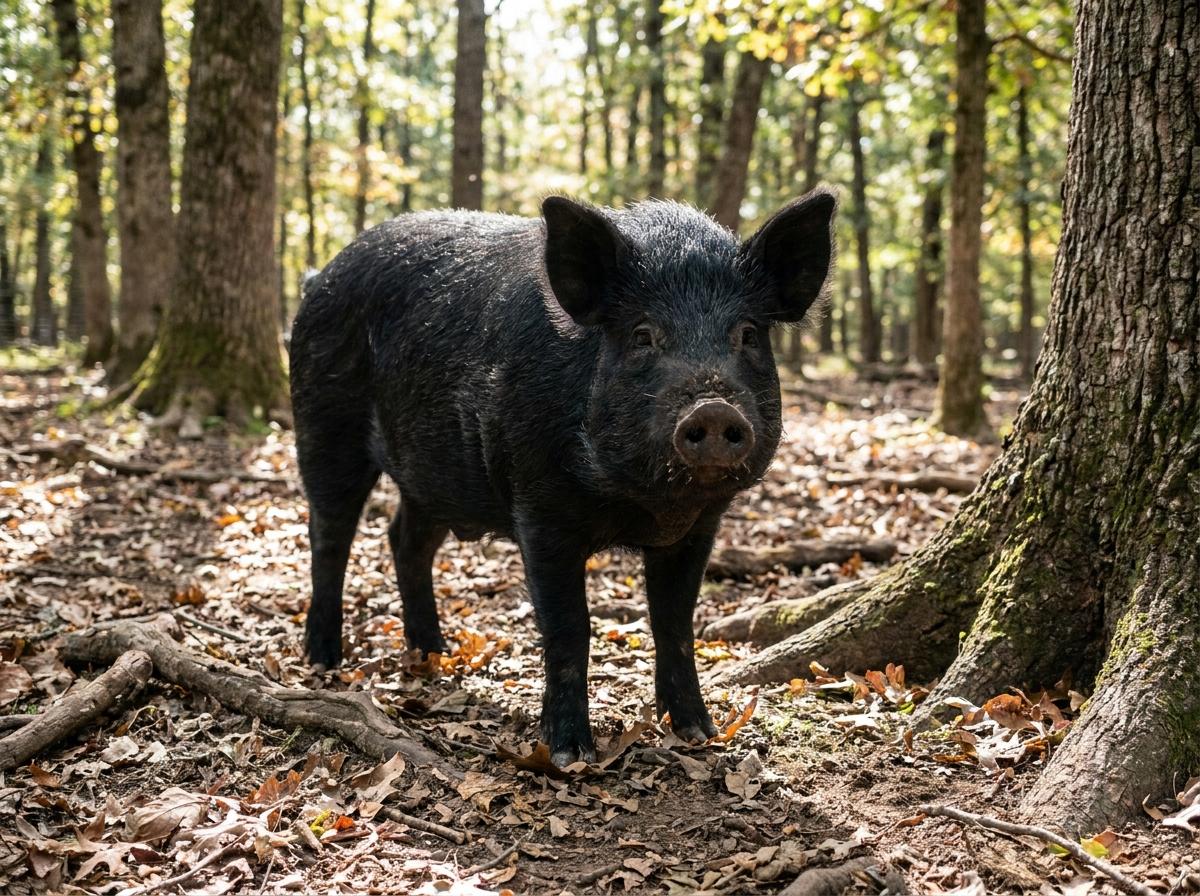
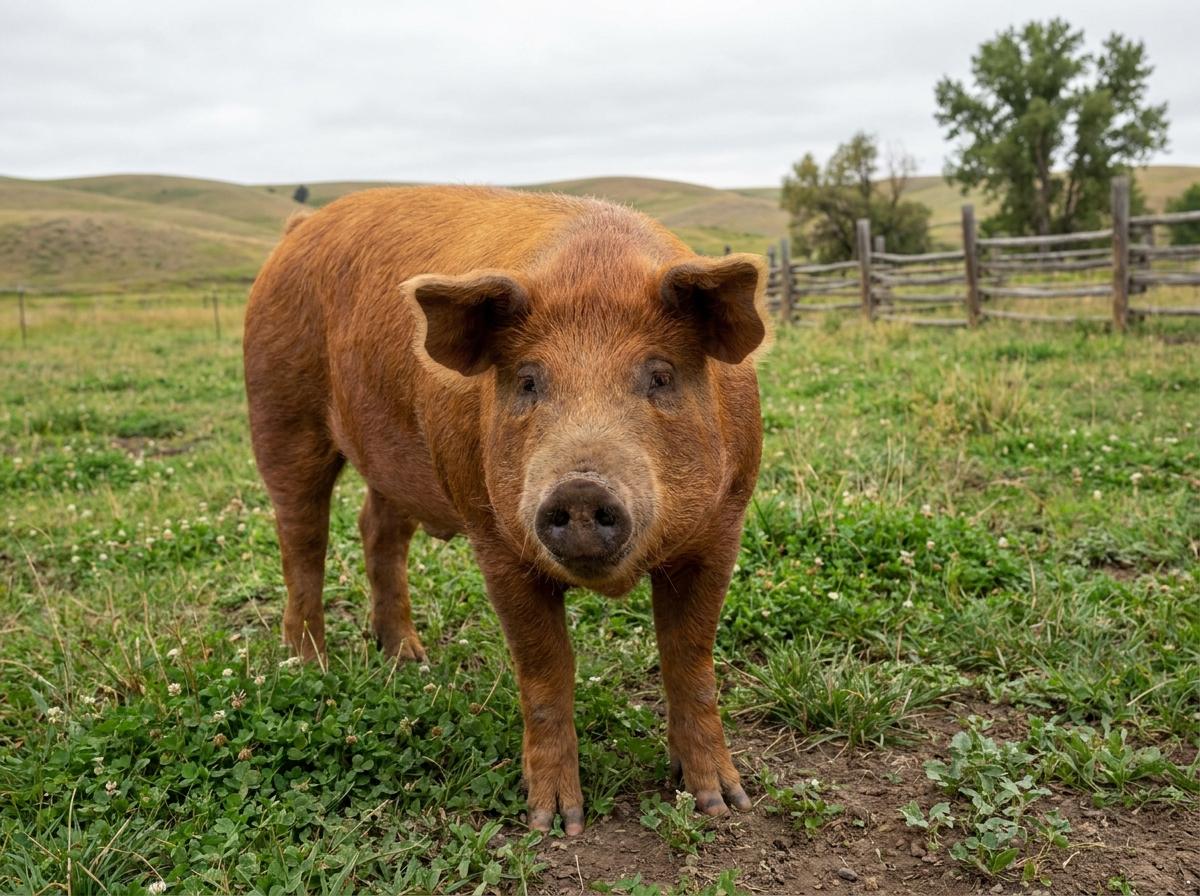
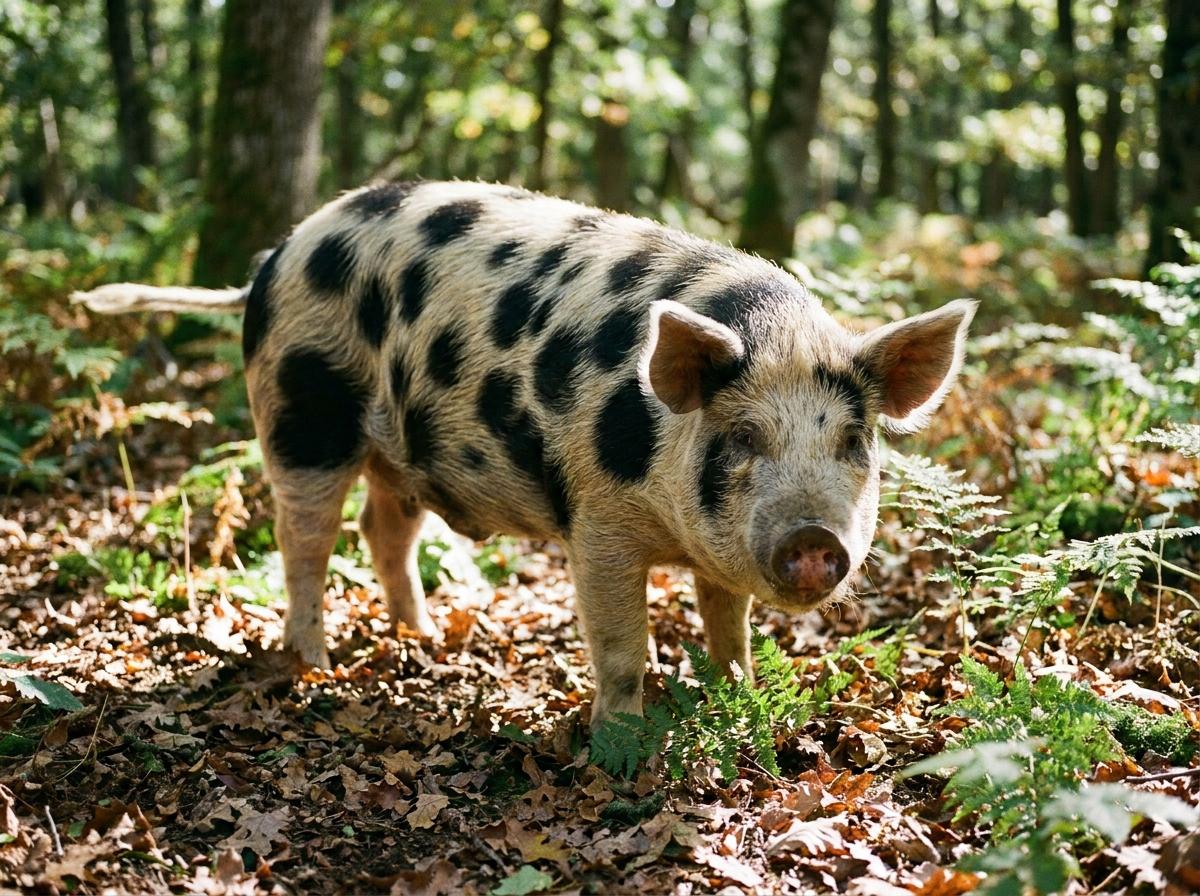
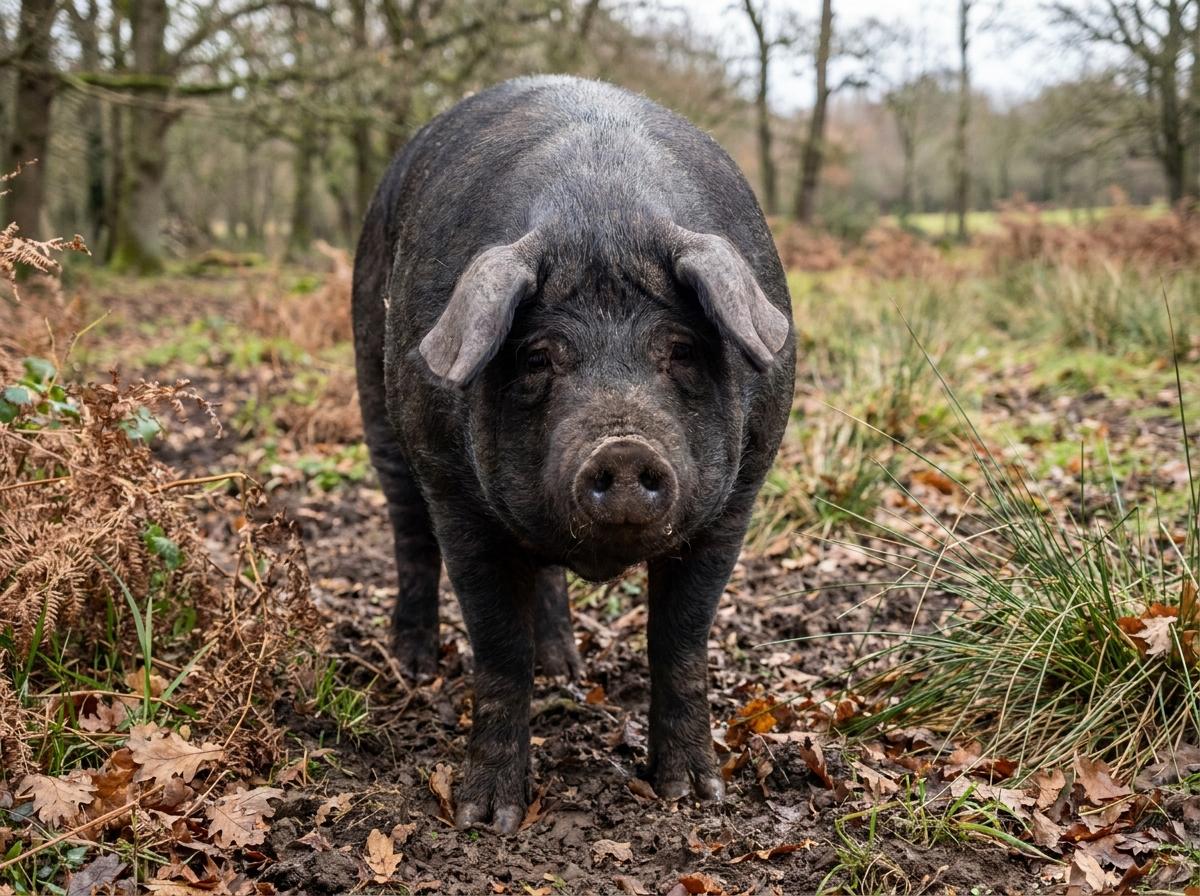
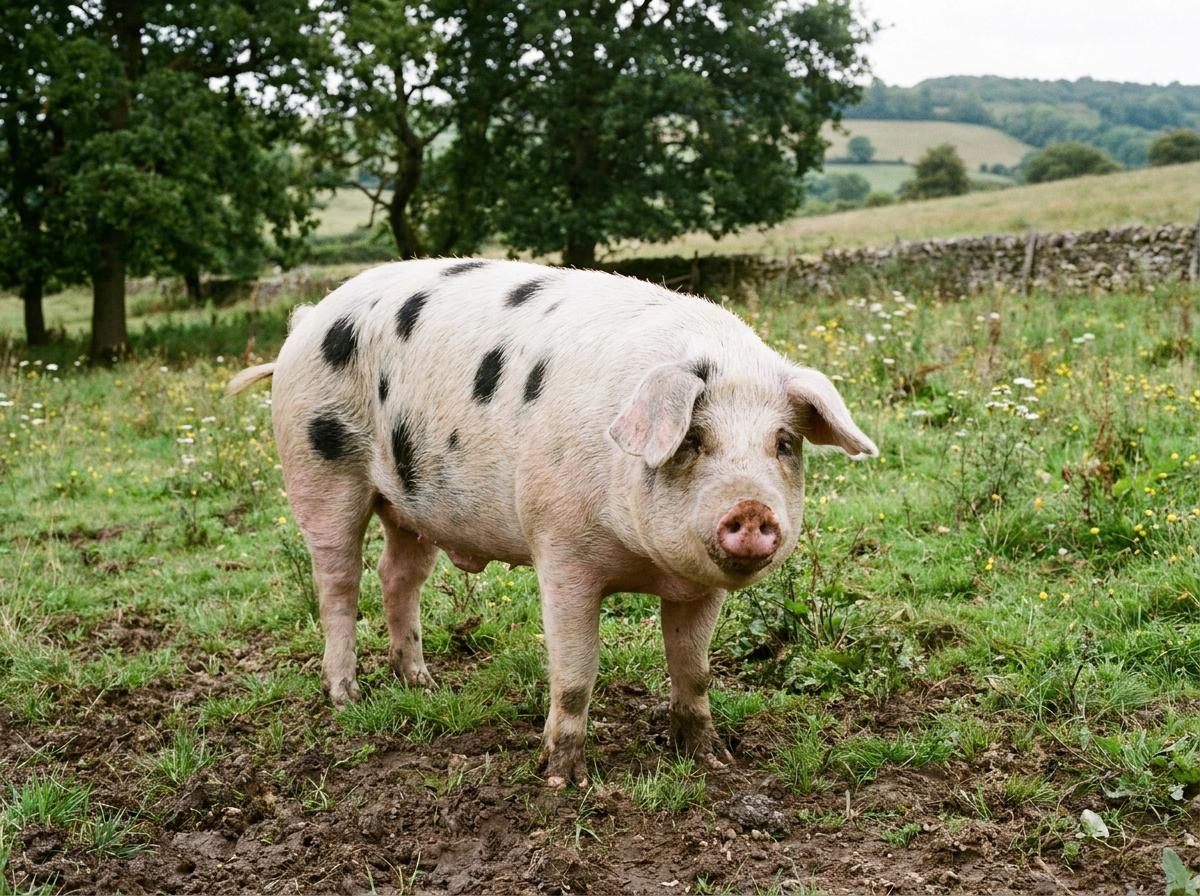
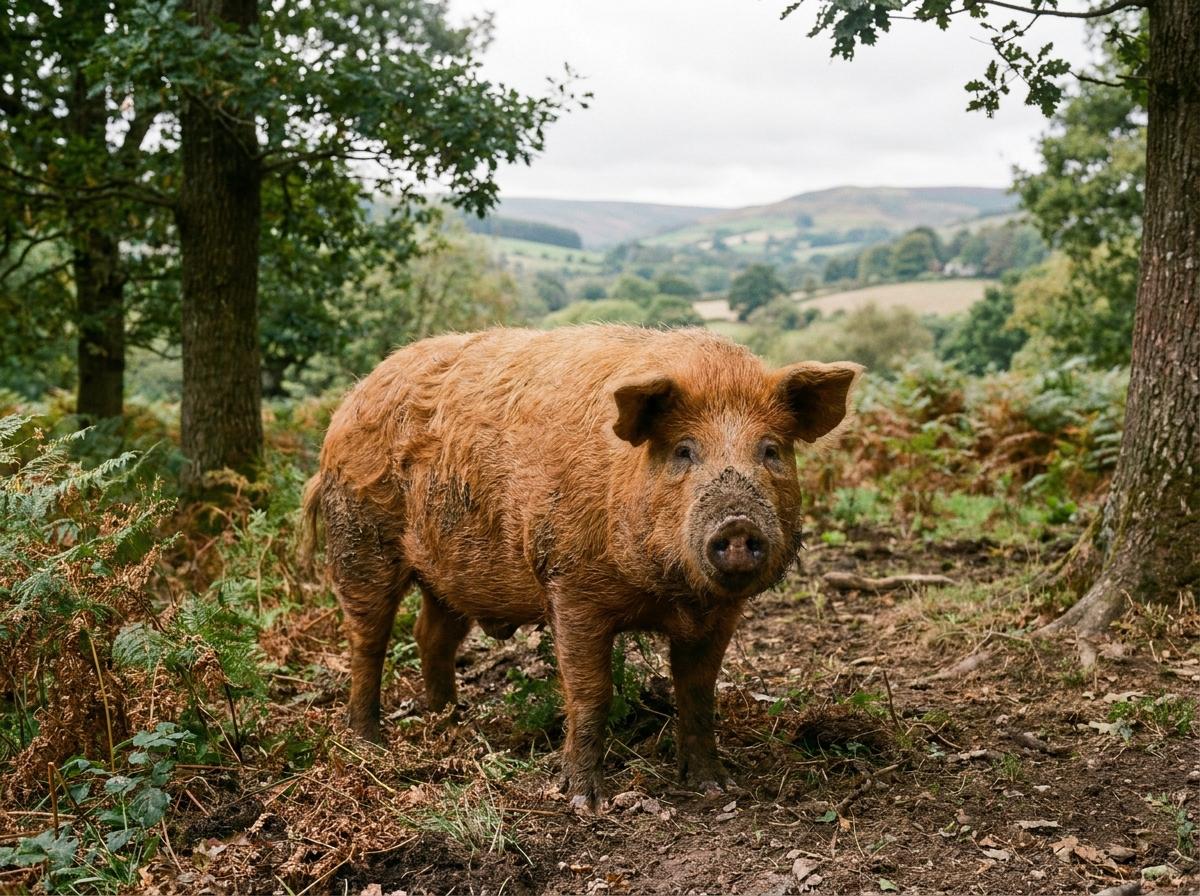
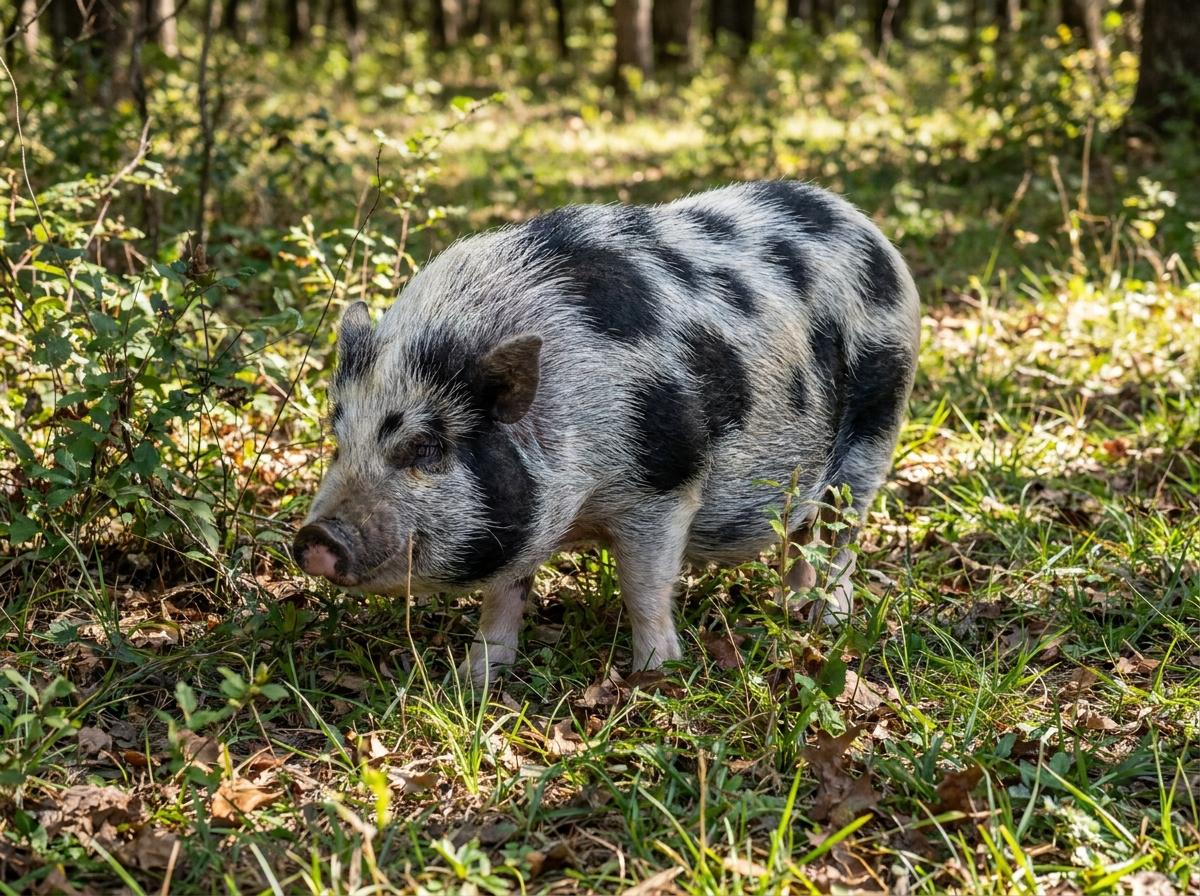
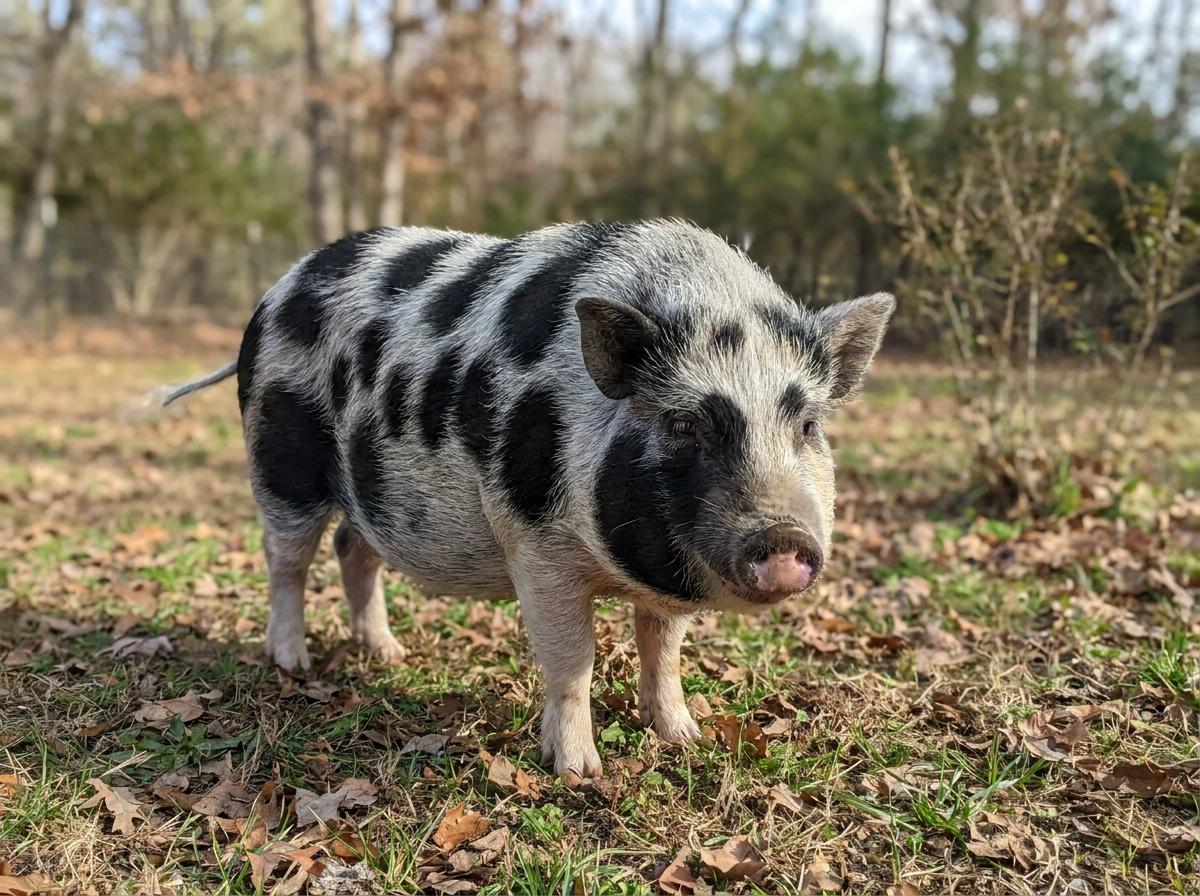
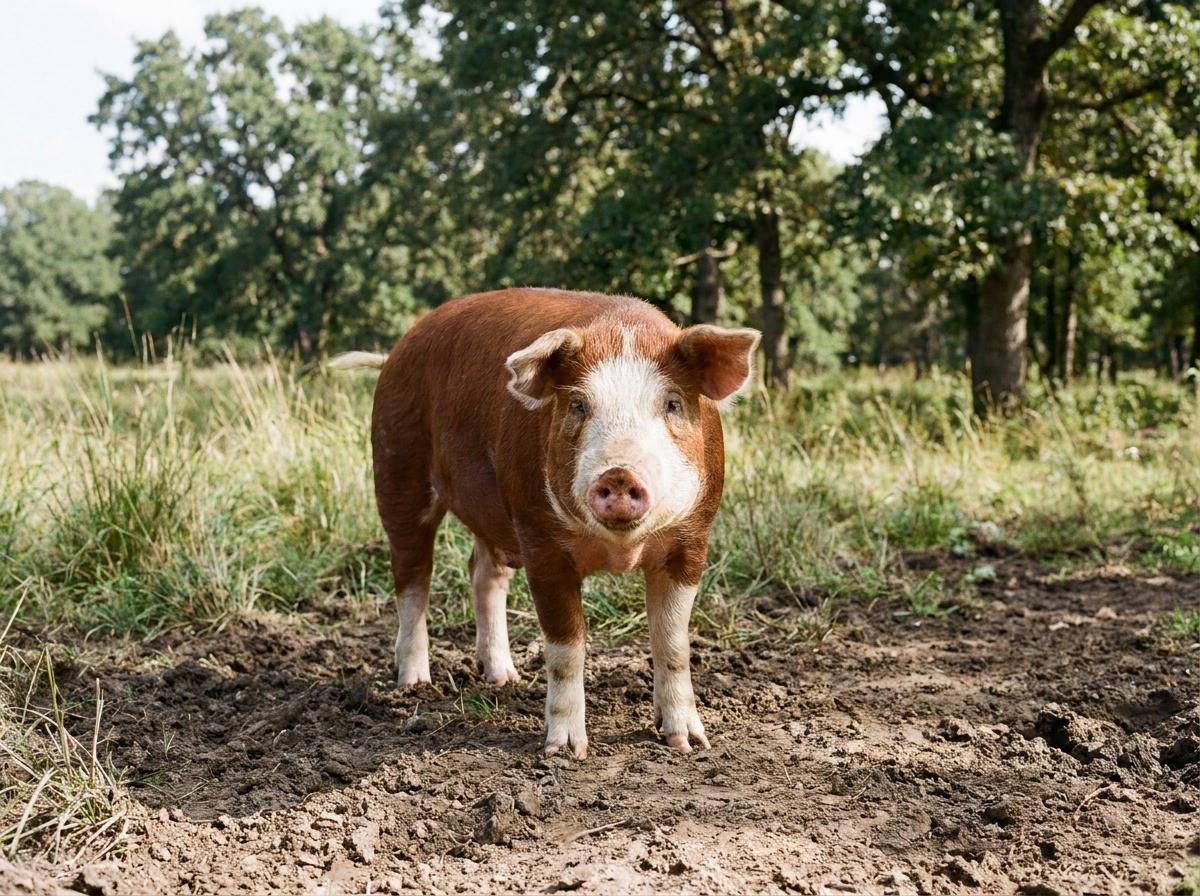
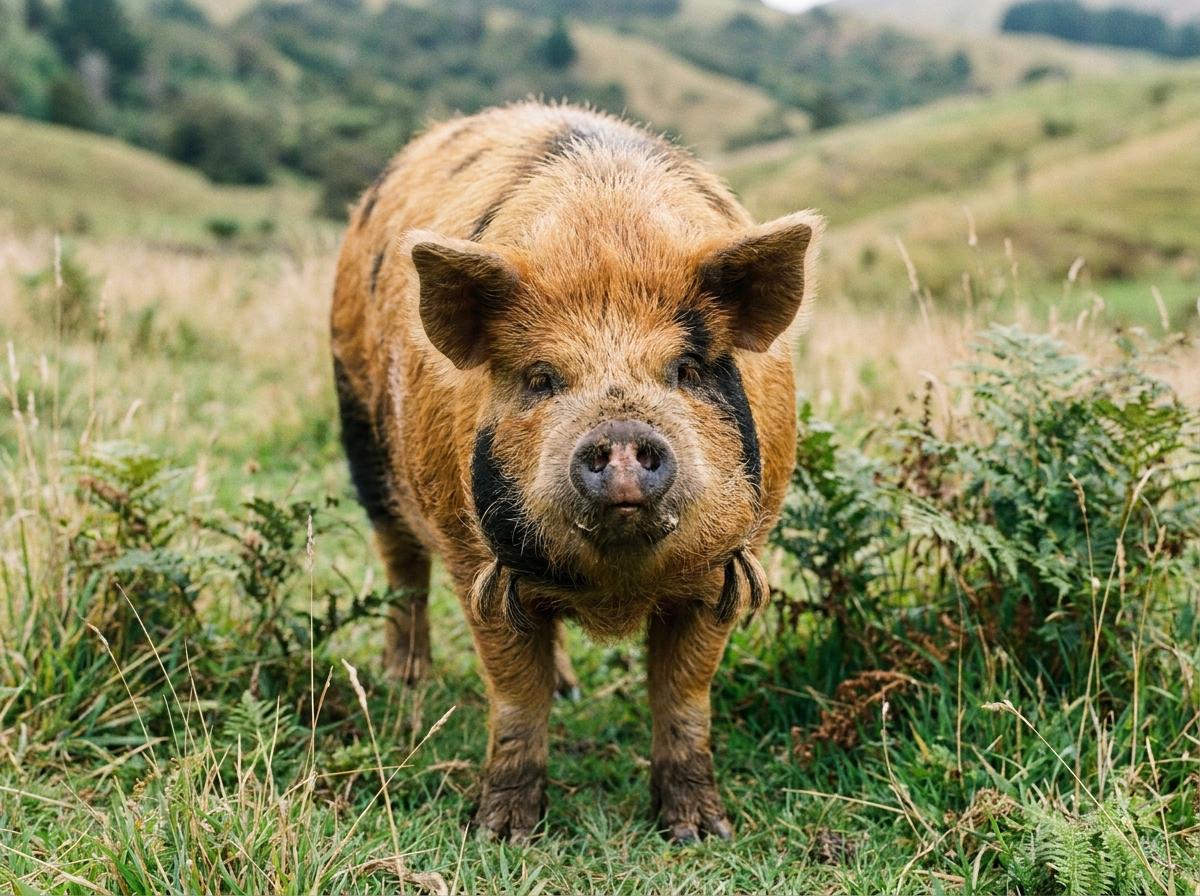
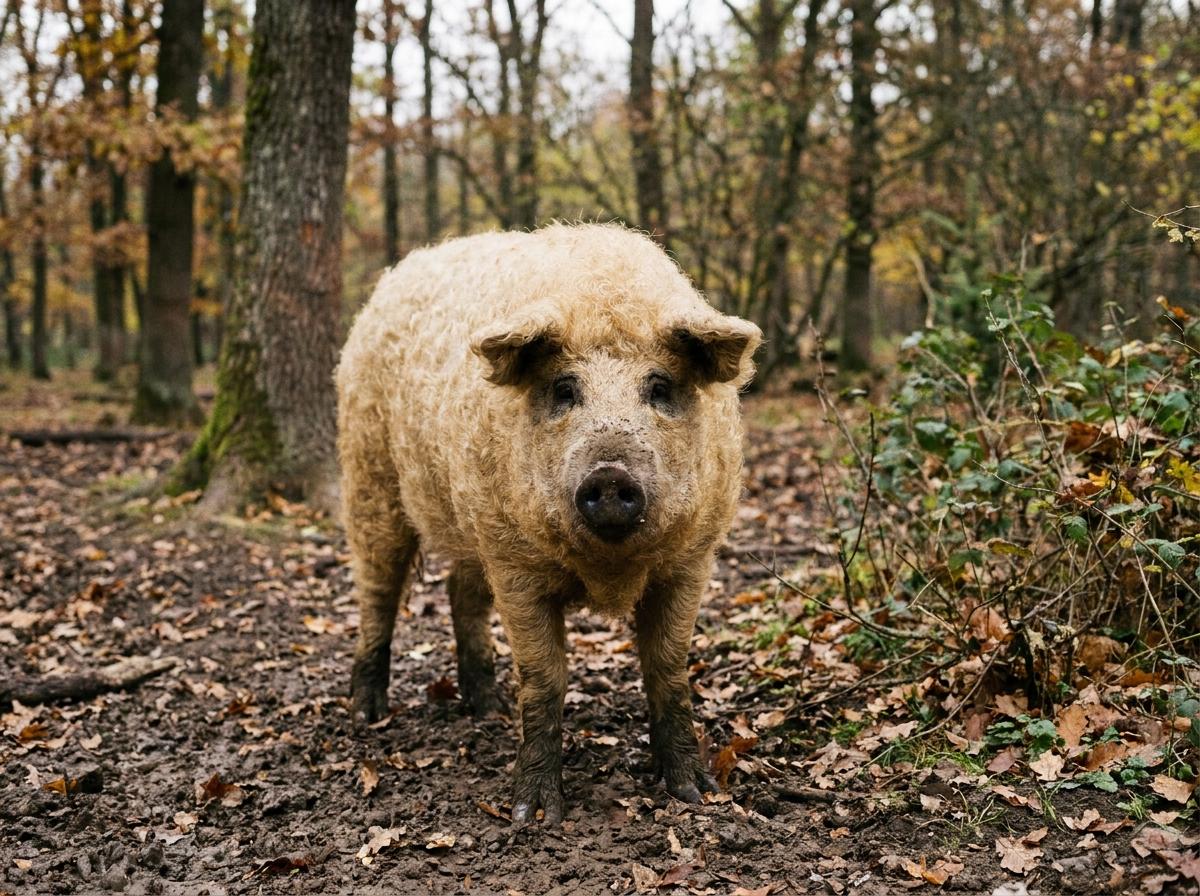
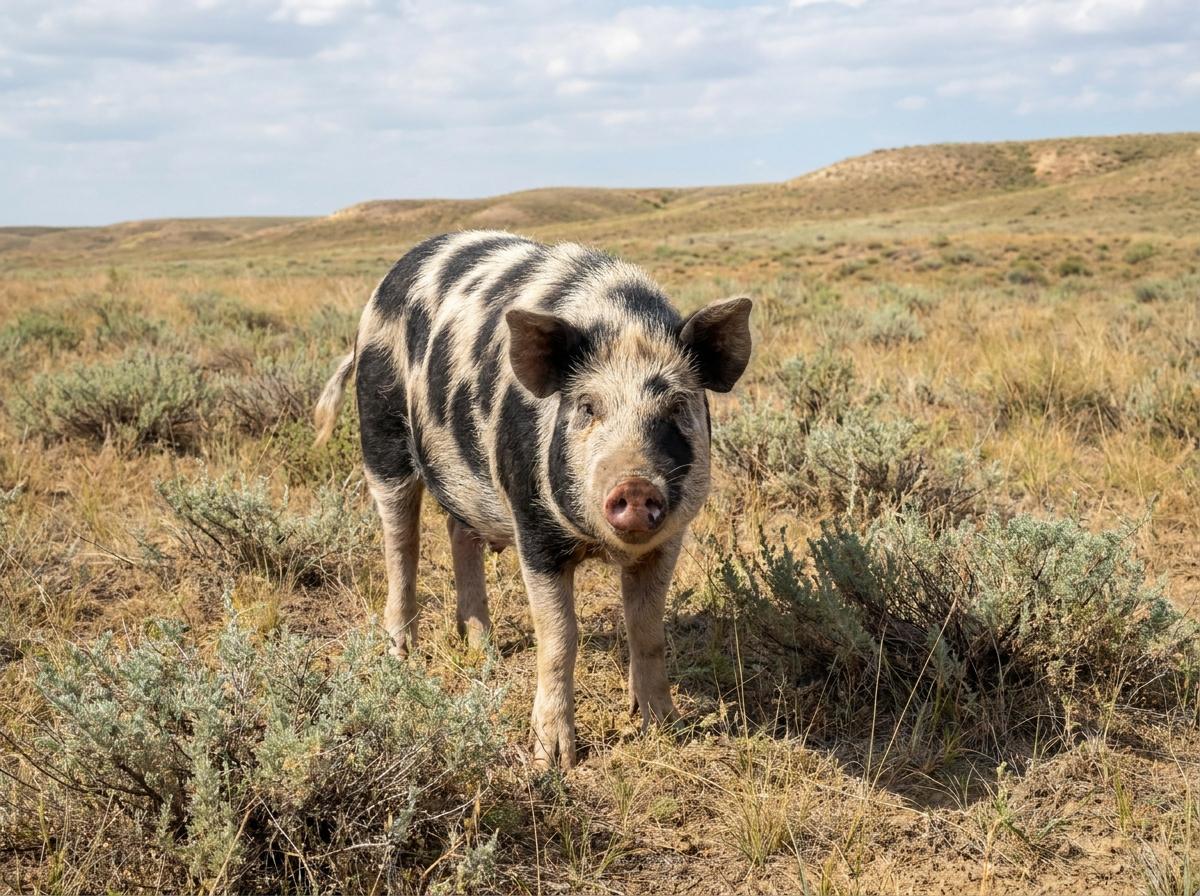
Colors: Belted, Black, Black and White, Blonde, Brown, Cream, Ginger, Ginger and Black, Pied, Red, Red and Black, Sandy, Solid Black, Solid White, Spotted, Swallow Belly, White