

Babi Kampung
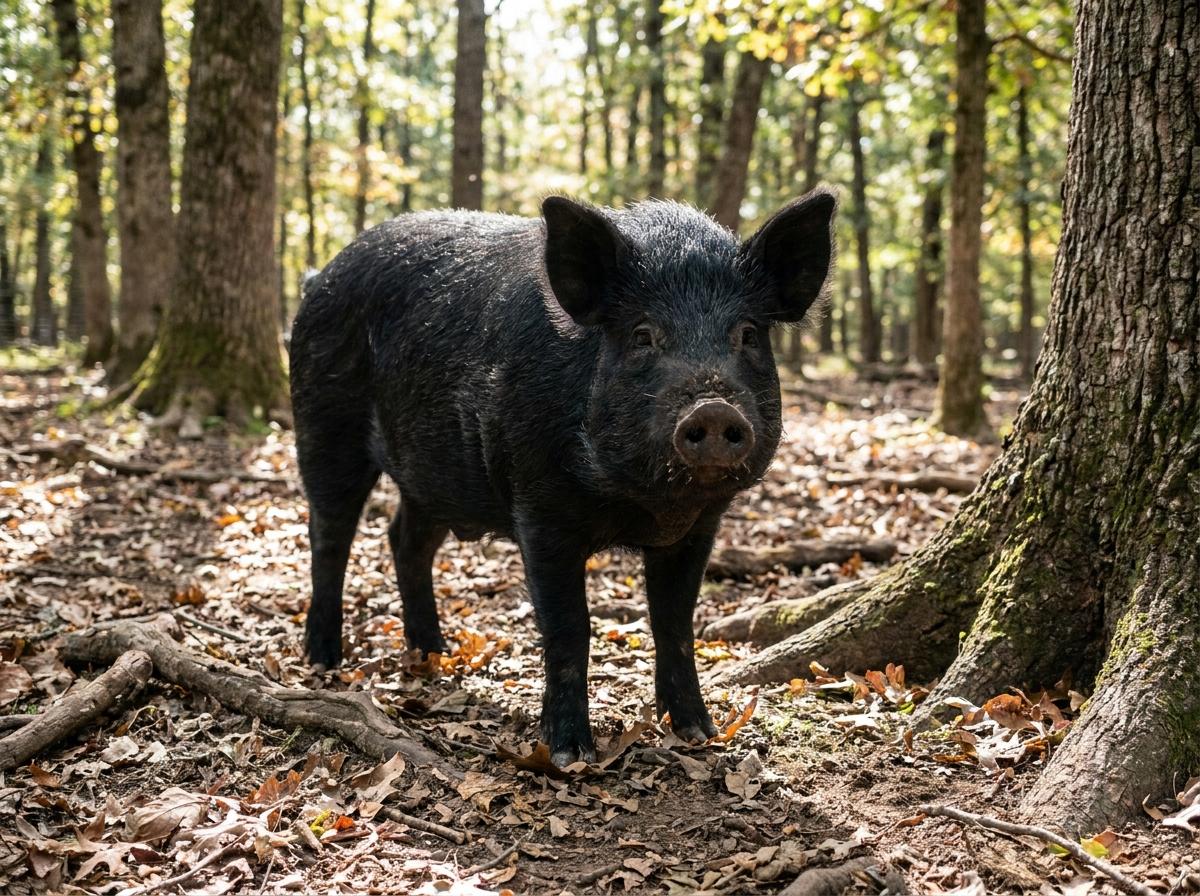
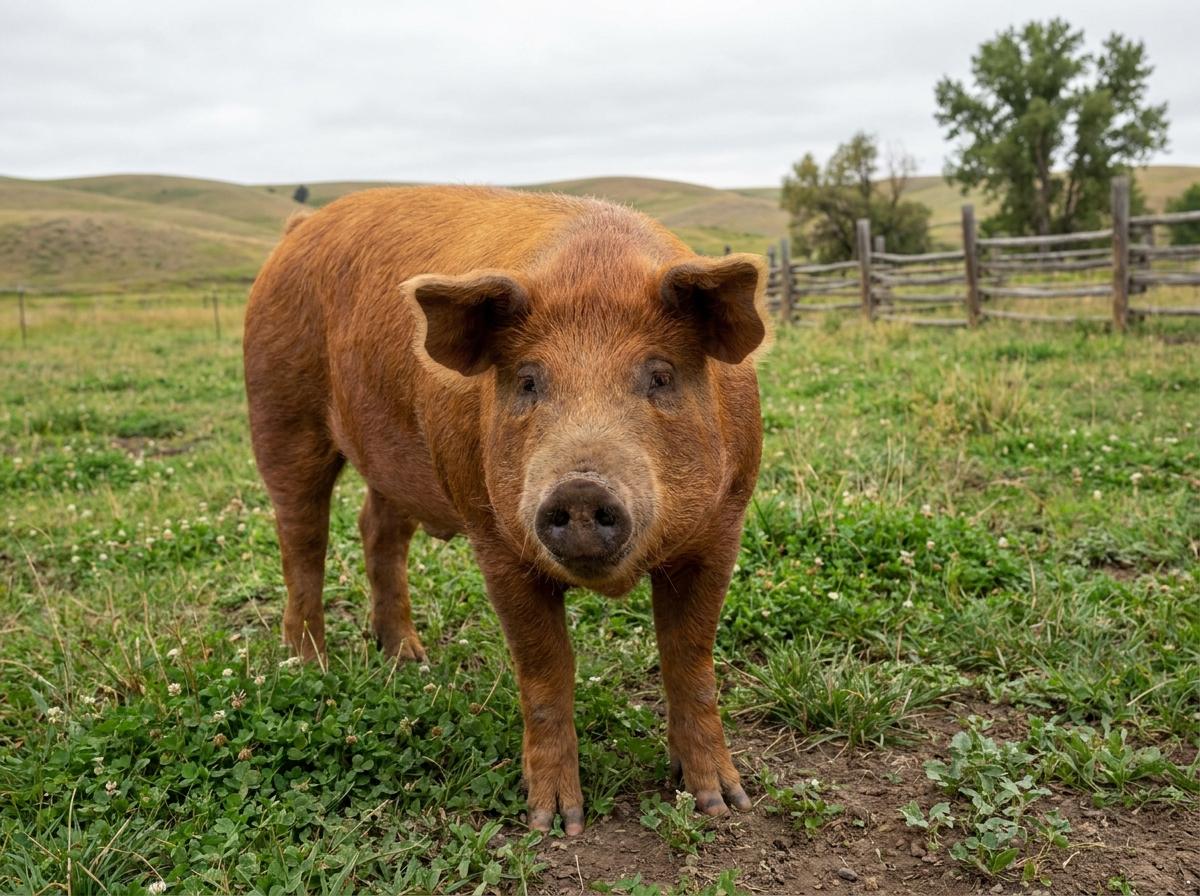
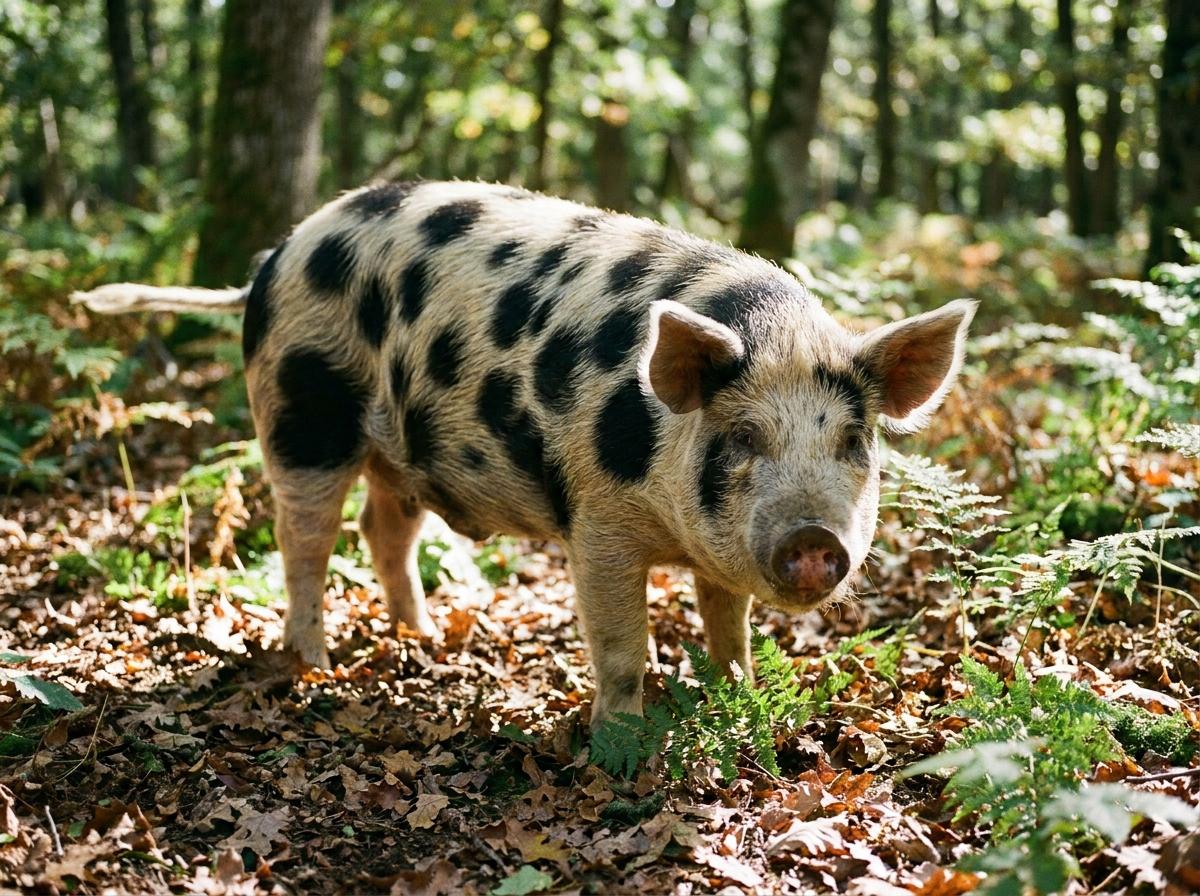
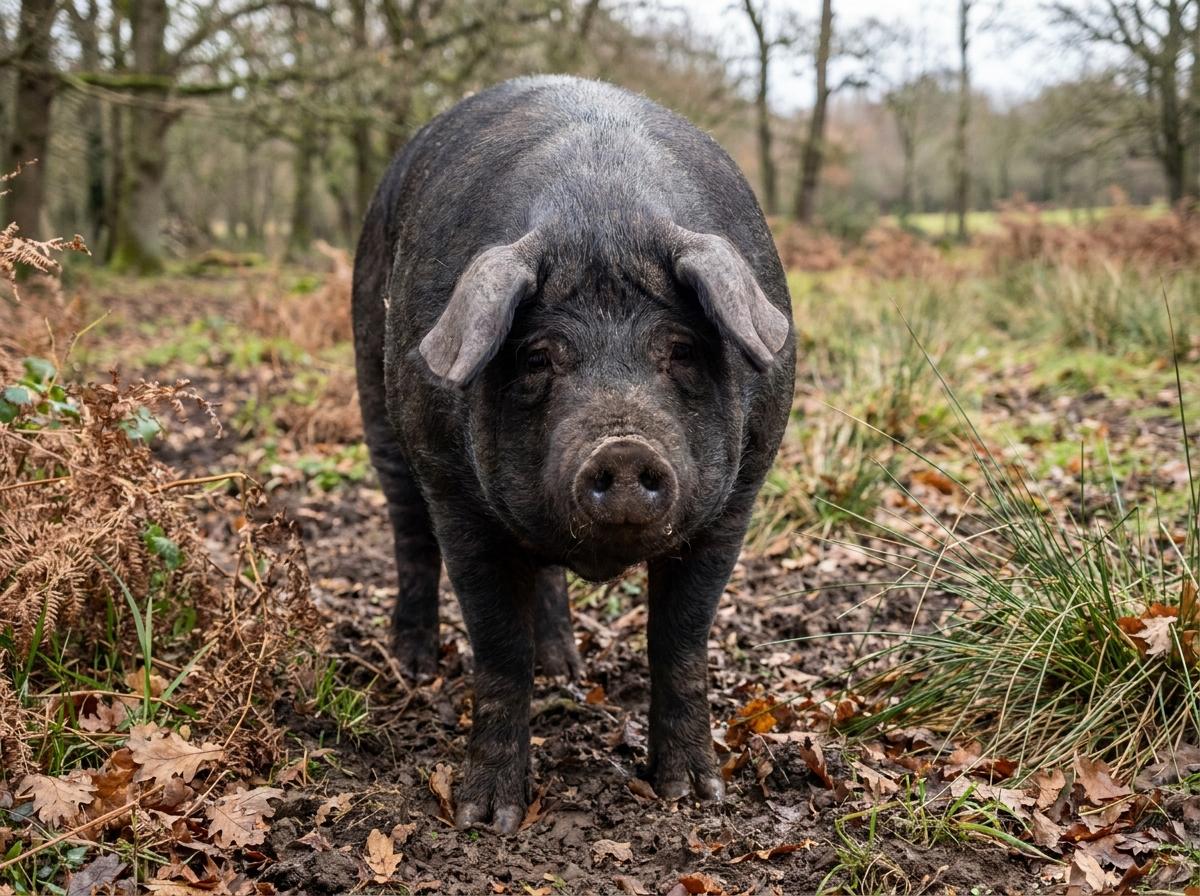
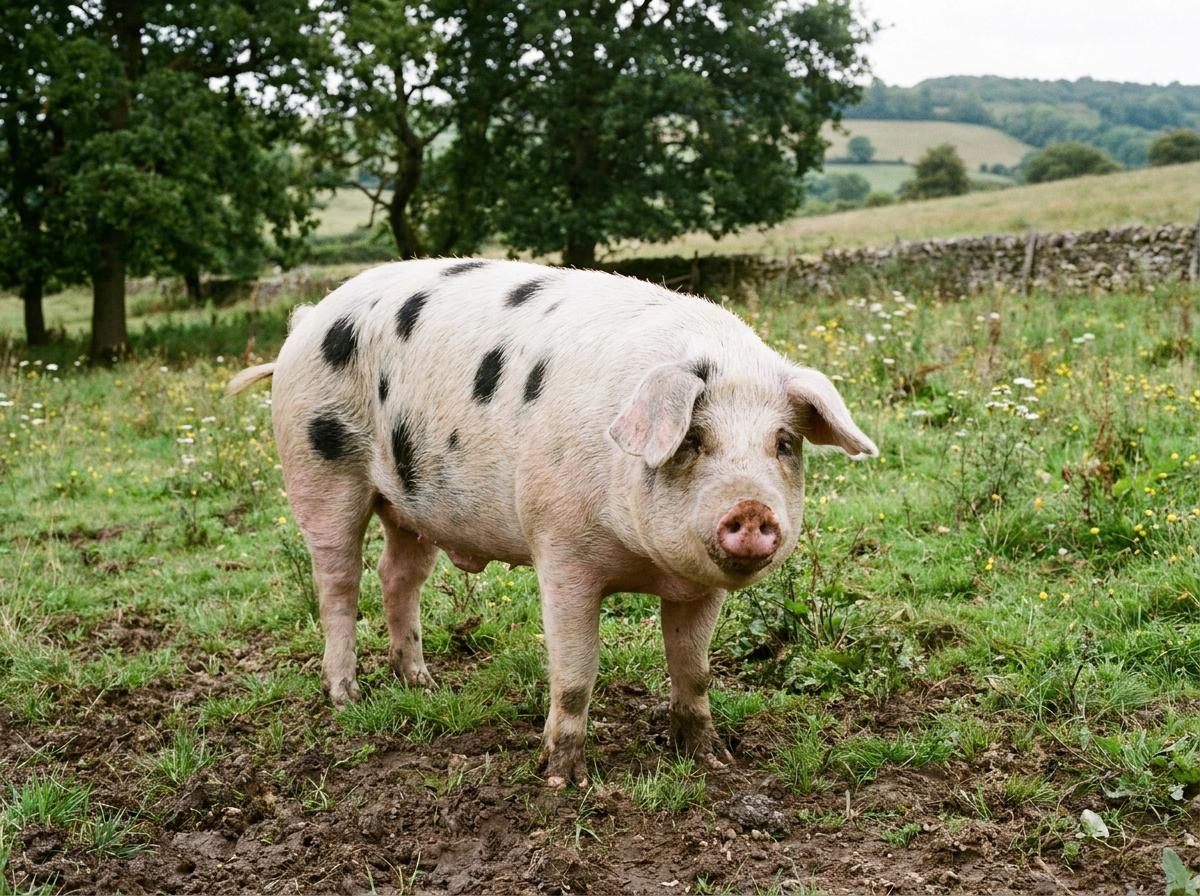
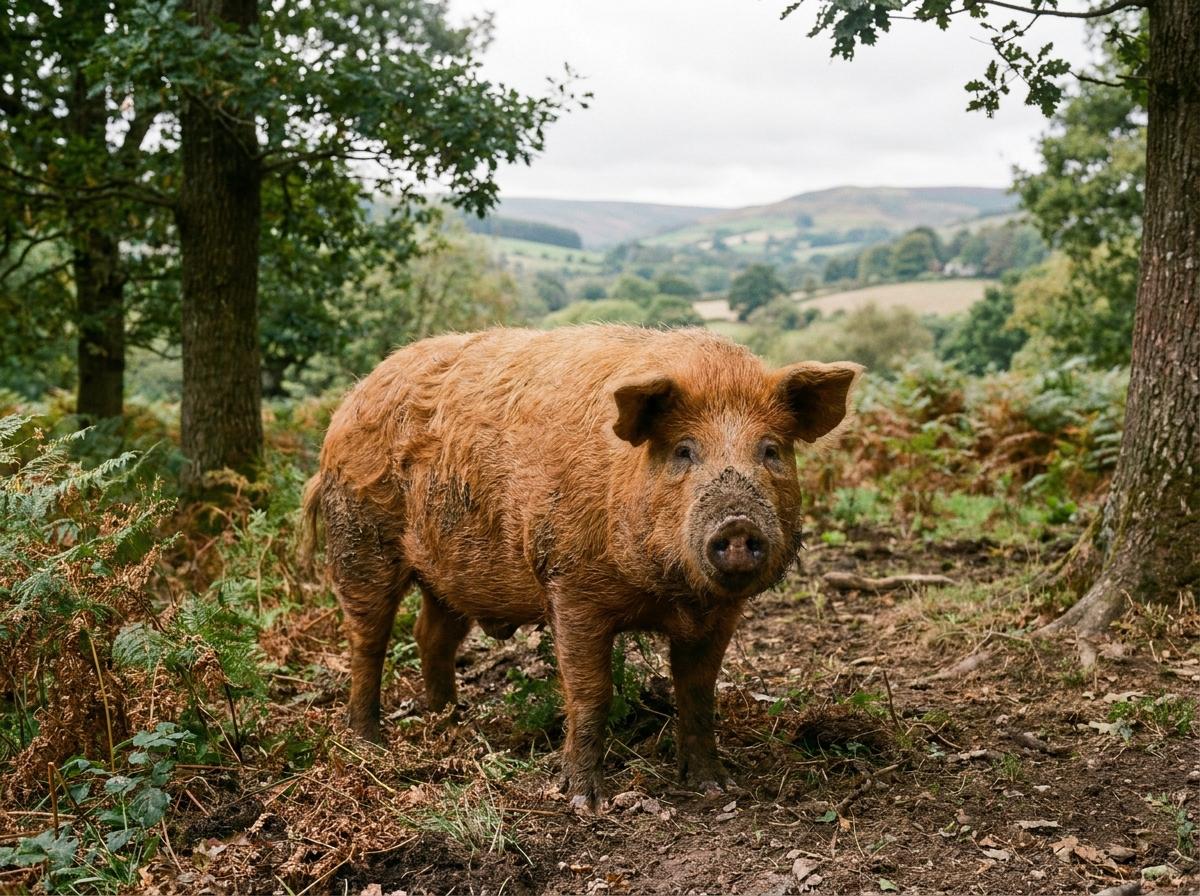
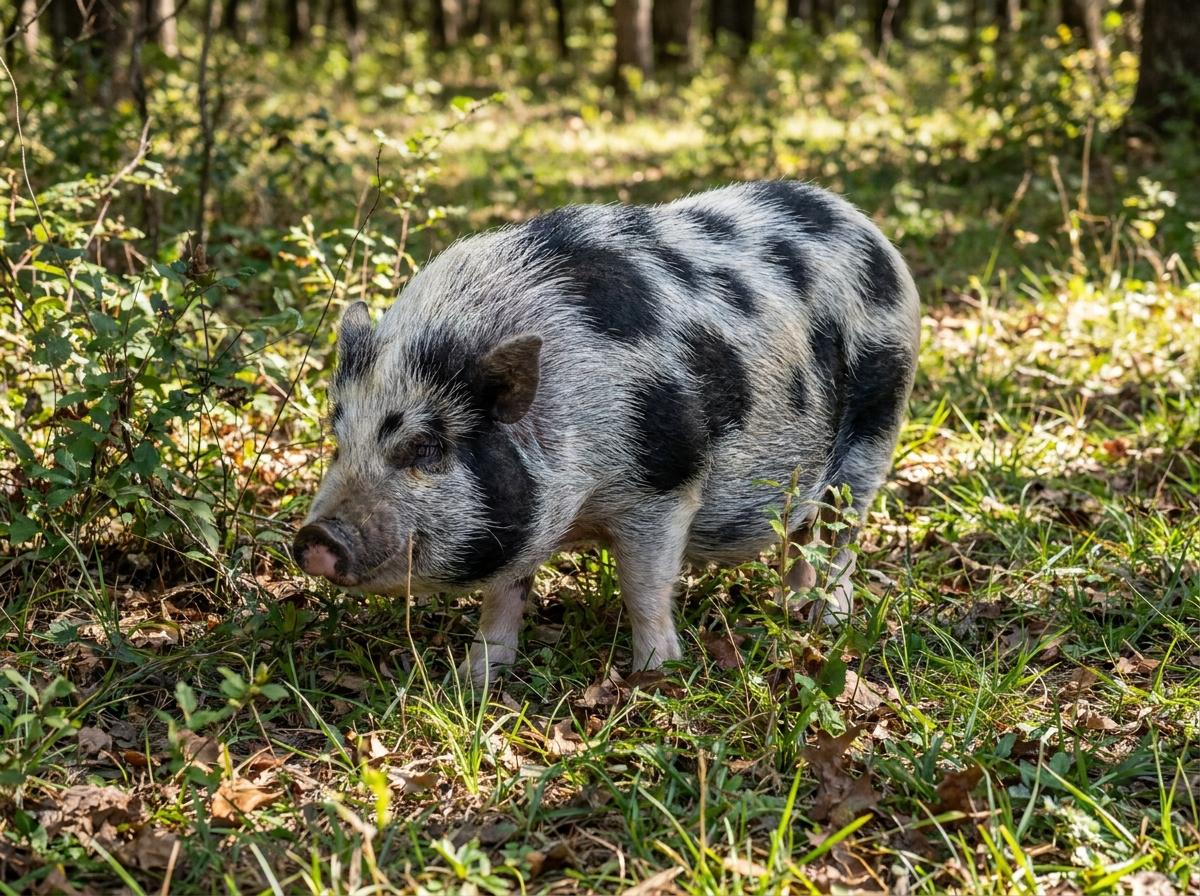
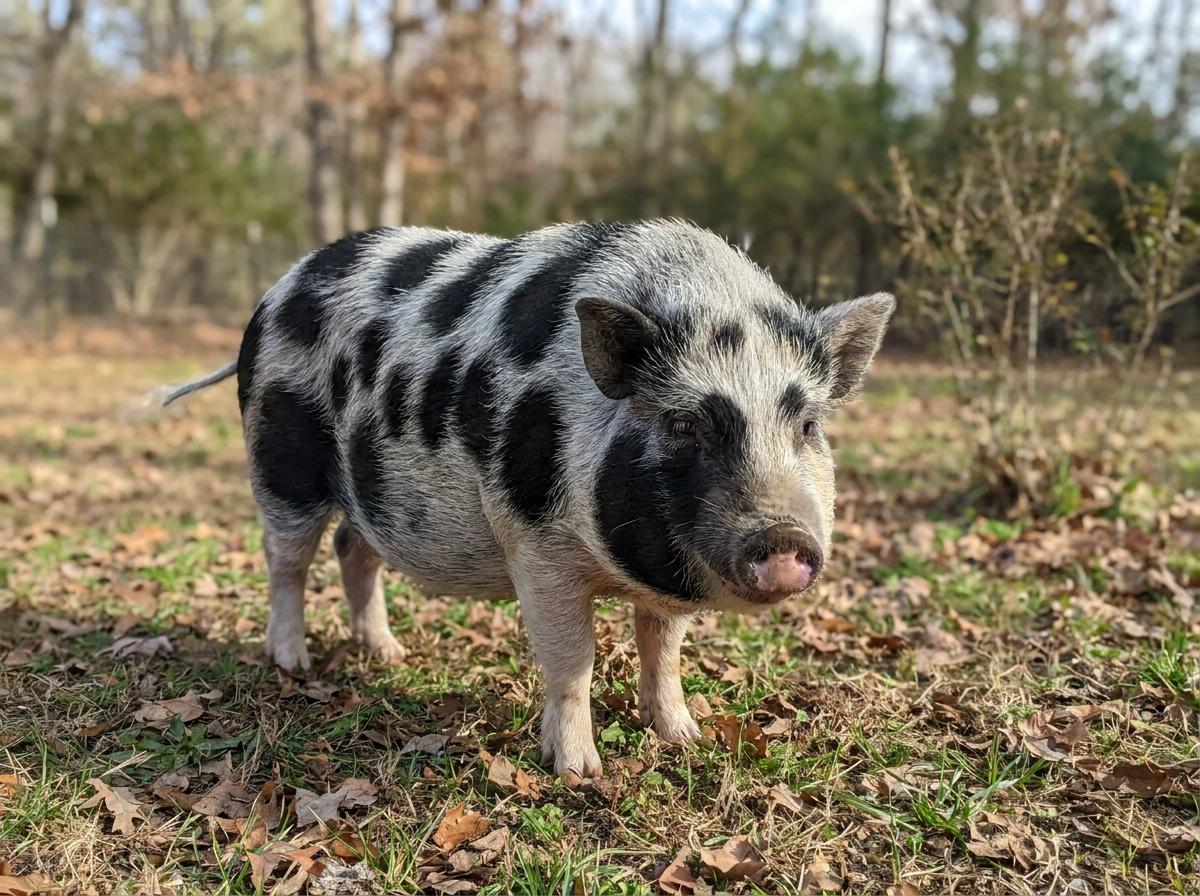
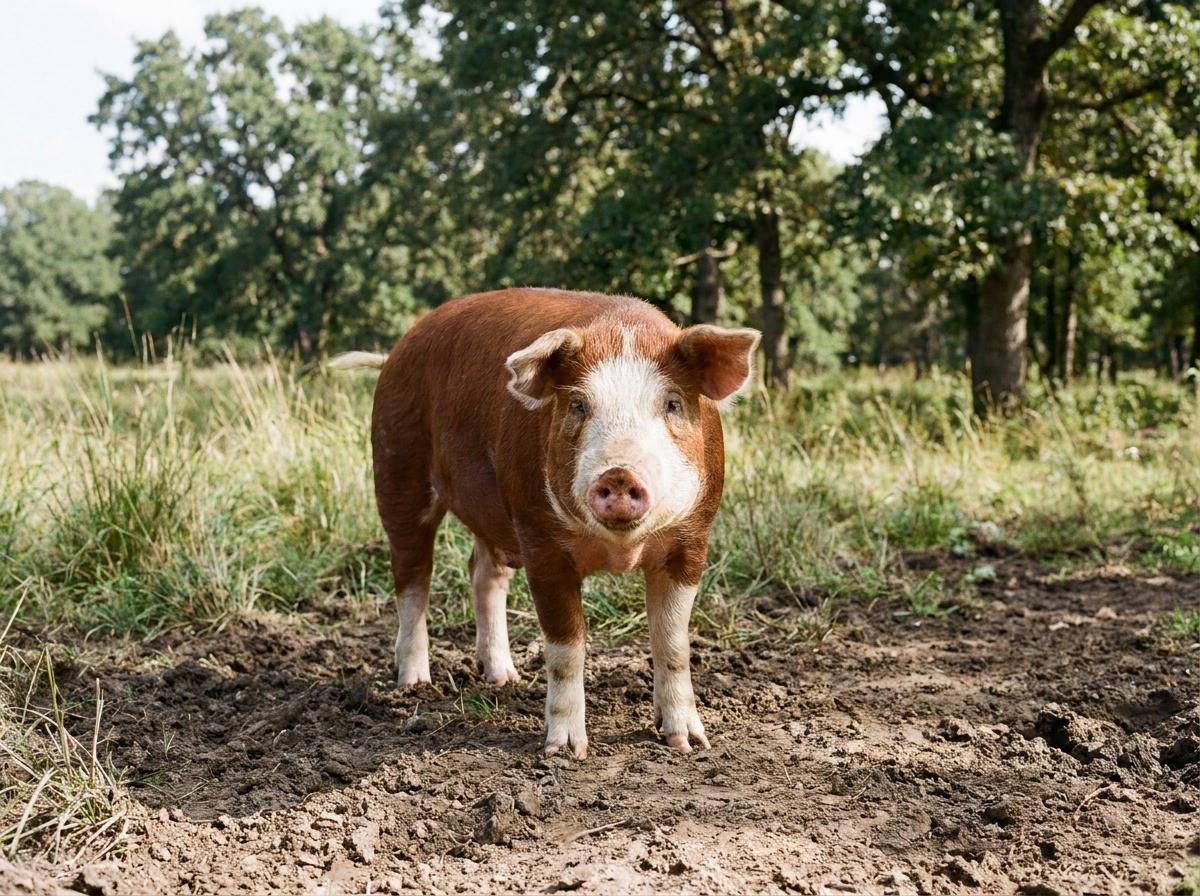
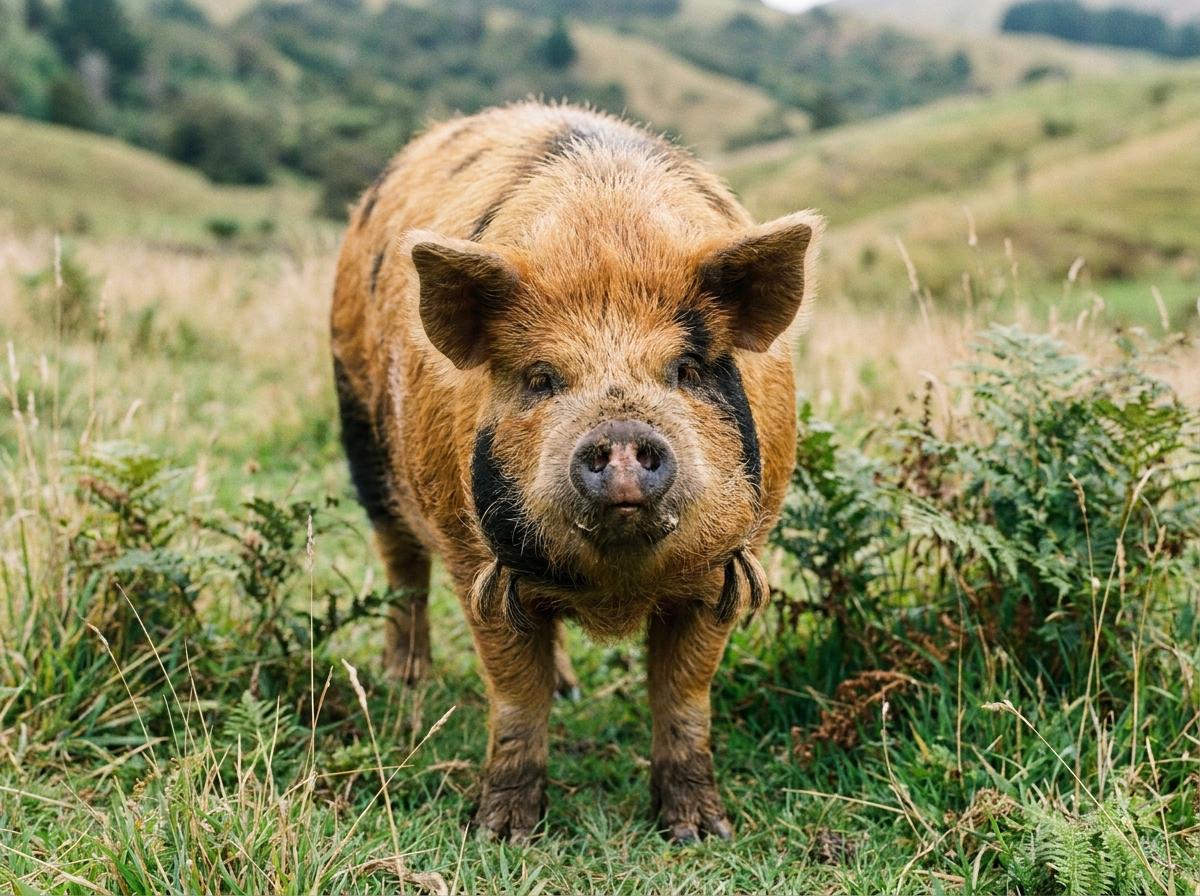
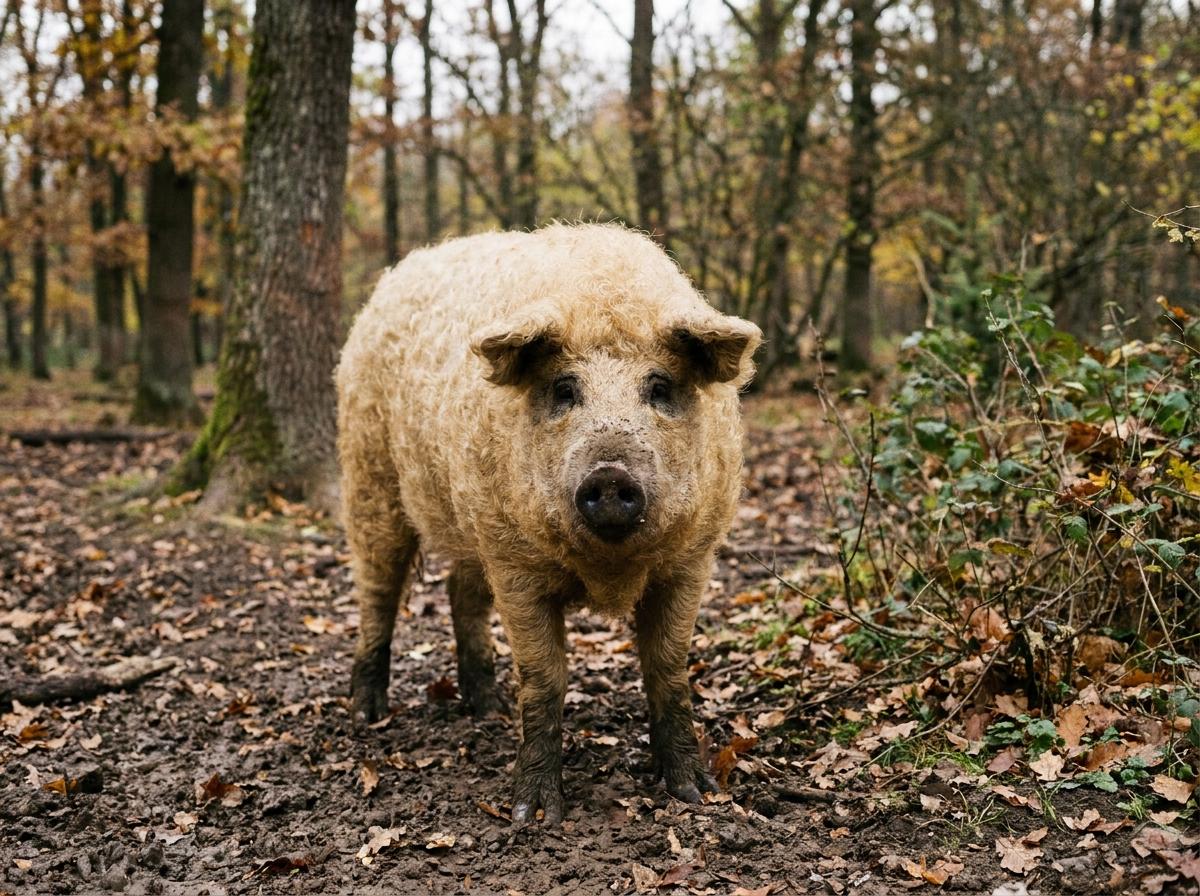
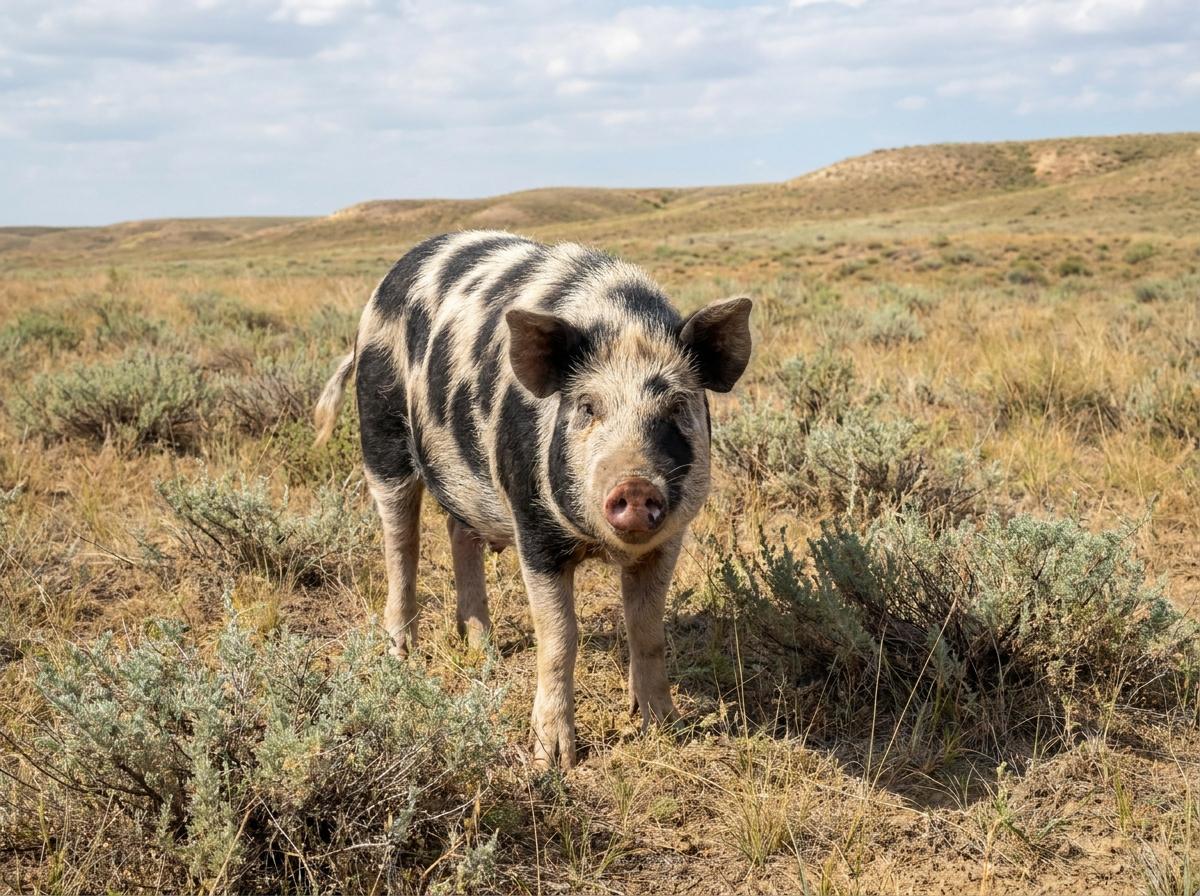
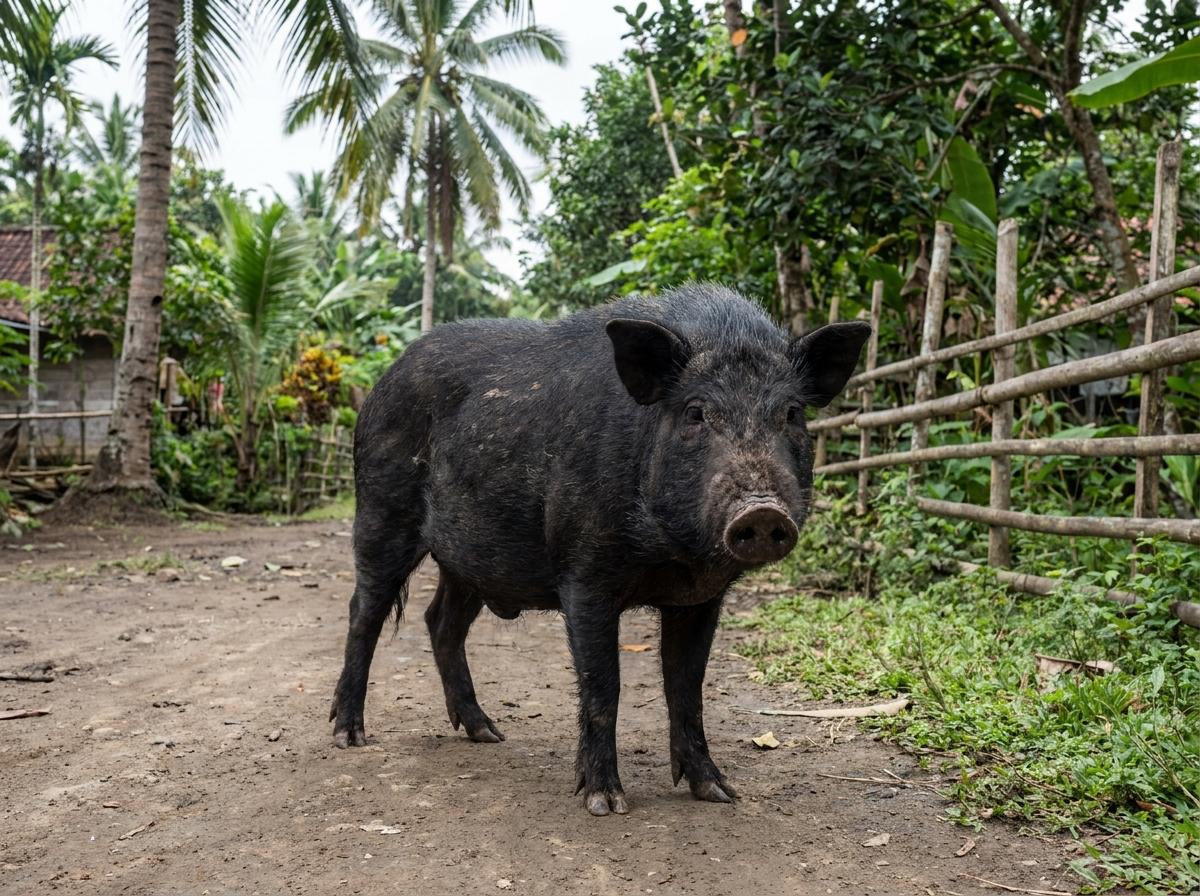
Babi Kampung, literally village pig in Malay and Indonesian usage, refers to local domestic pigs kept in Southeast Asian village systems rather than a single closed studbook breed. Animals sold or described under the name can vary by island or community, but they are usually small to medium framed, alert, and hardy, with black, brown, ginger, sandy, belted, or pied coats. Many lines carry ancestry from older local pigs mixed with introduced commercial breeds, so ear set, body length, and growth rate are not uniform.
These pigs are valued by smallholders for using local feeds, crop byproducts, and household leftovers, especially in humid tropical areas where simple sheds and shaded pens are common. Practical management centers on fencing, clean water, parasite control, and separating pigs from waste streams that could spread disease. Buyers should ask about the source herd and whether the pigs are true village stock or commercial crosses, since that affects mature size, meat fatness, temperament, and breeding performance.
Colors: Belted, Black, Black and White, Blonde, Brown, Cream, Ginger, Ginger and Black, Pied, Red, Red and Black, Sandy, Solid Black, Solid White, Spotted, Swallow Belly, White