


Bantu
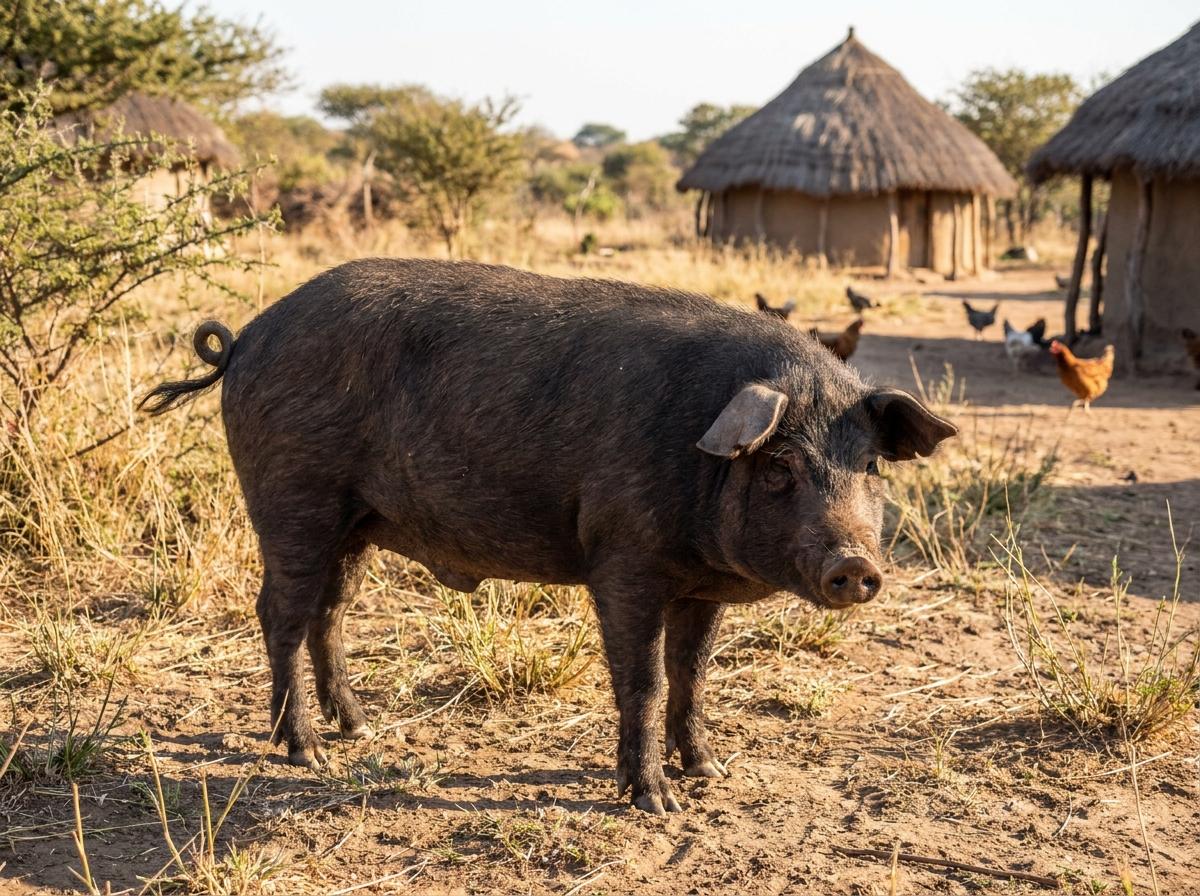
The Bantu pig is usually treated as an African village pig type or historical breed name rather than a tightly defined modern registry breed. The name has been applied to hardy domestic pigs kept by Bantu-speaking farming communities in parts of eastern, central, and southern Africa. Animals described this way are commonly small to medium sized, variable in color, and shaped by scavenging or low-input household management more than by formal selection for a standard appearance.
These pigs are important in local meat production because they can survive on crop residues, foraged foods, and simple shelters, but that hardiness does not replace basic care. Secure pens help reduce crop damage, theft, mating with feral pigs, and disease exposure. In conservation or research work, Bantu-type pigs are best documented by location, owner history, and physical measurements, since the label can cover several local populations with different growth rates, parasite tolerance, and body size.
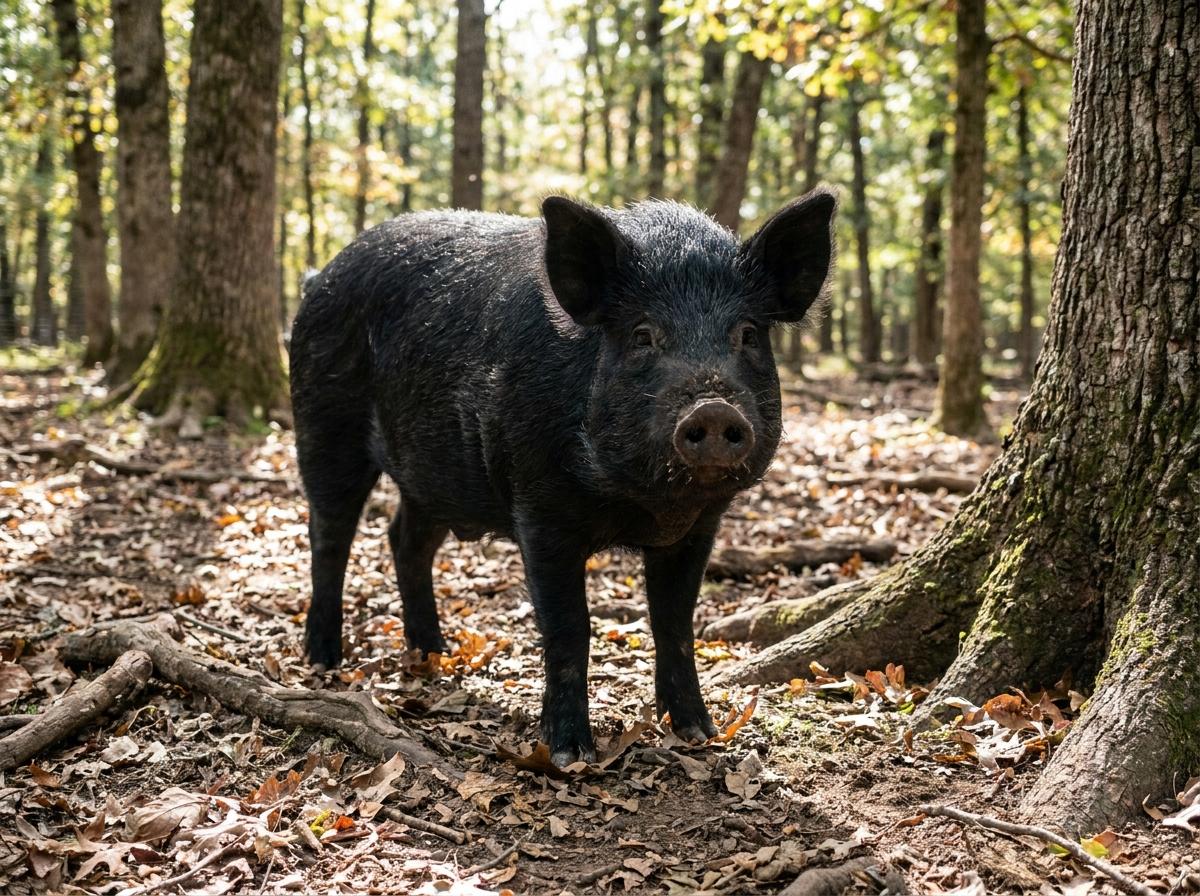
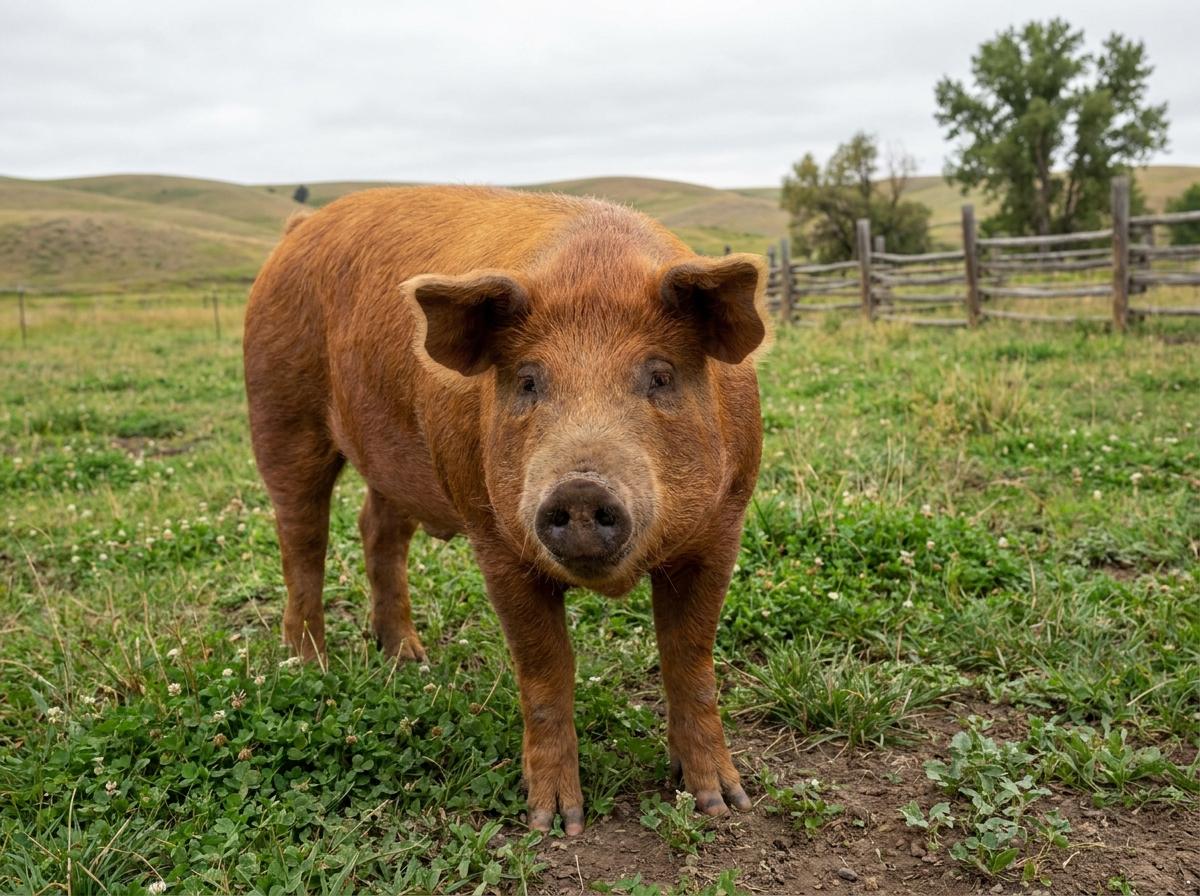
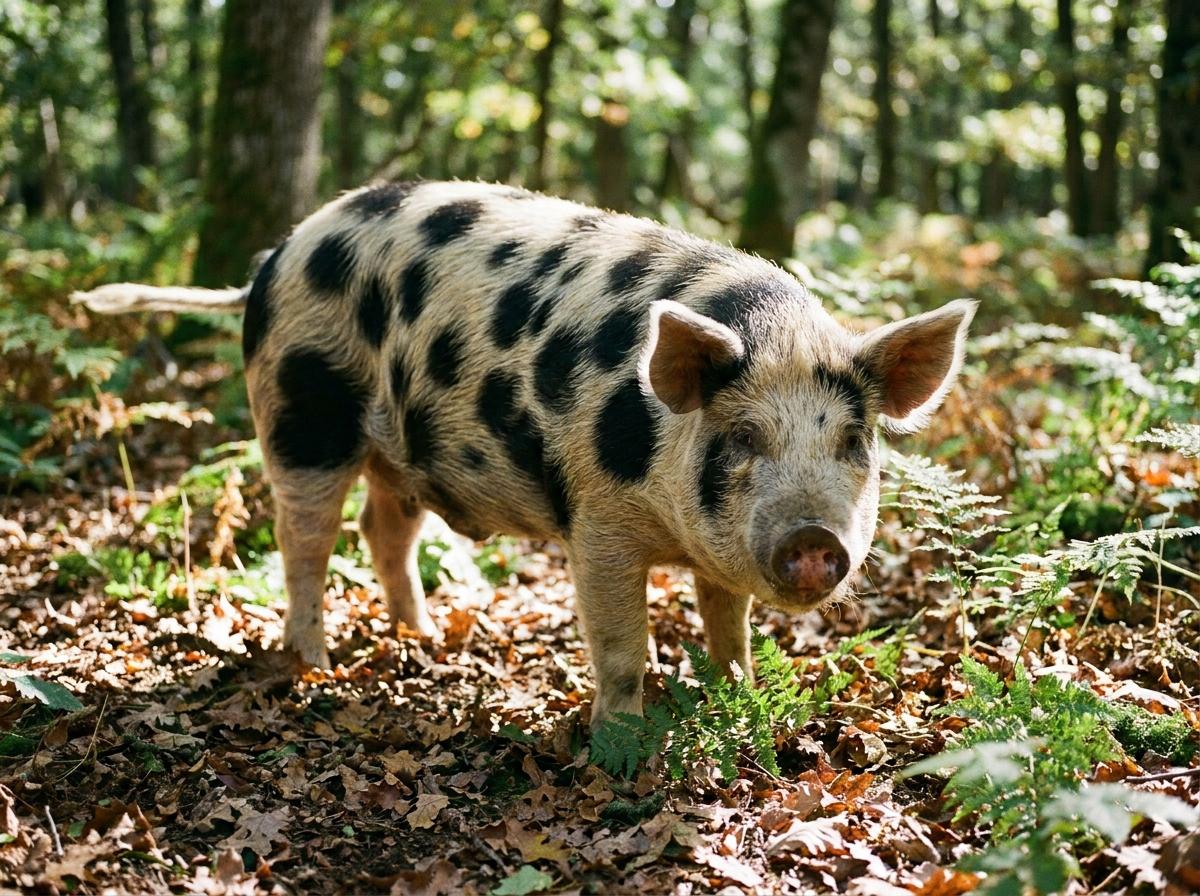
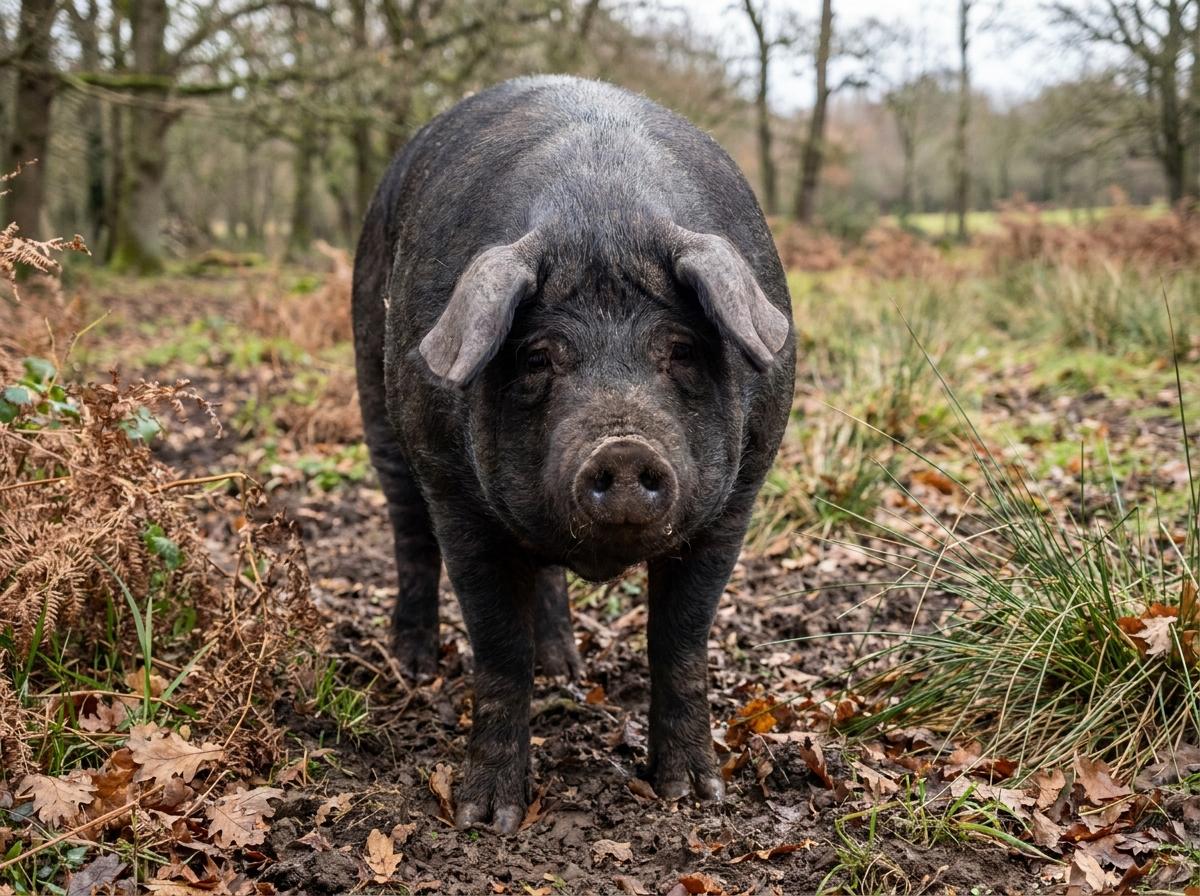
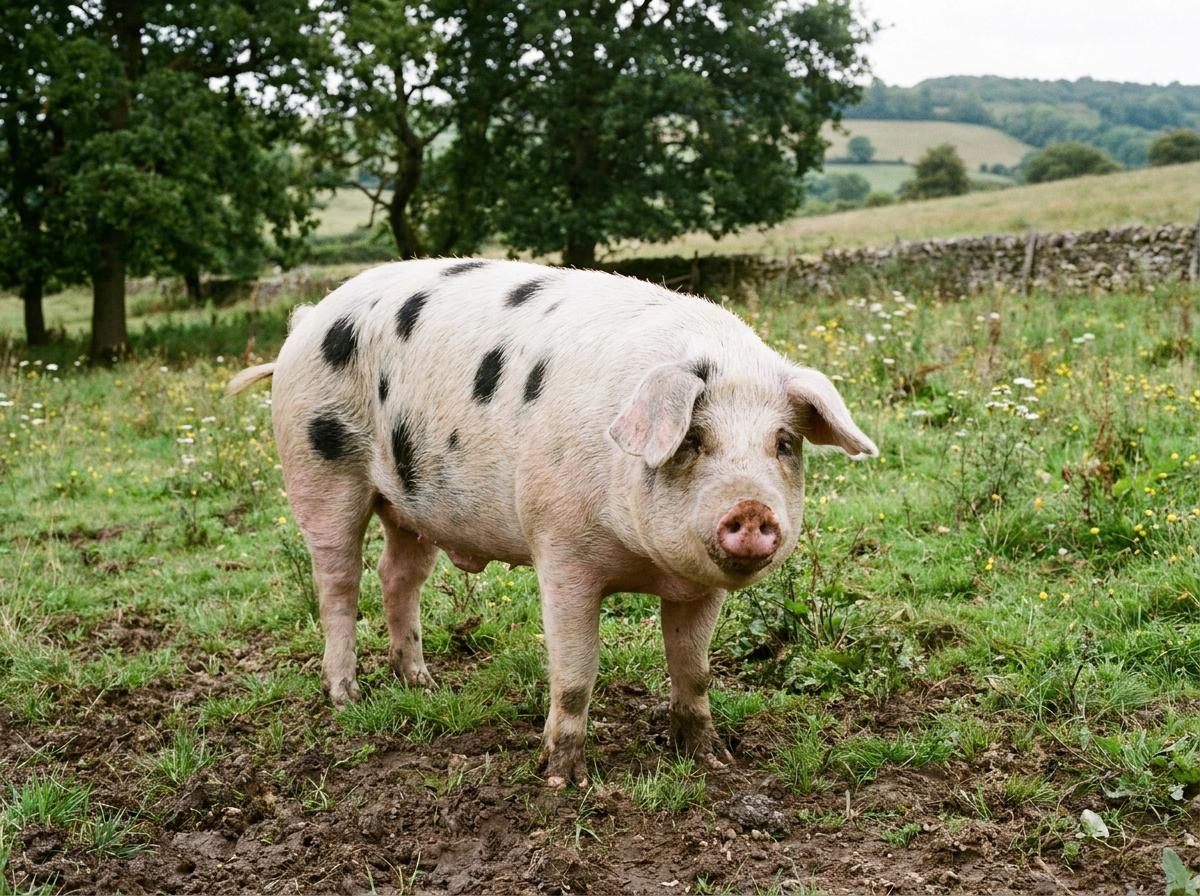
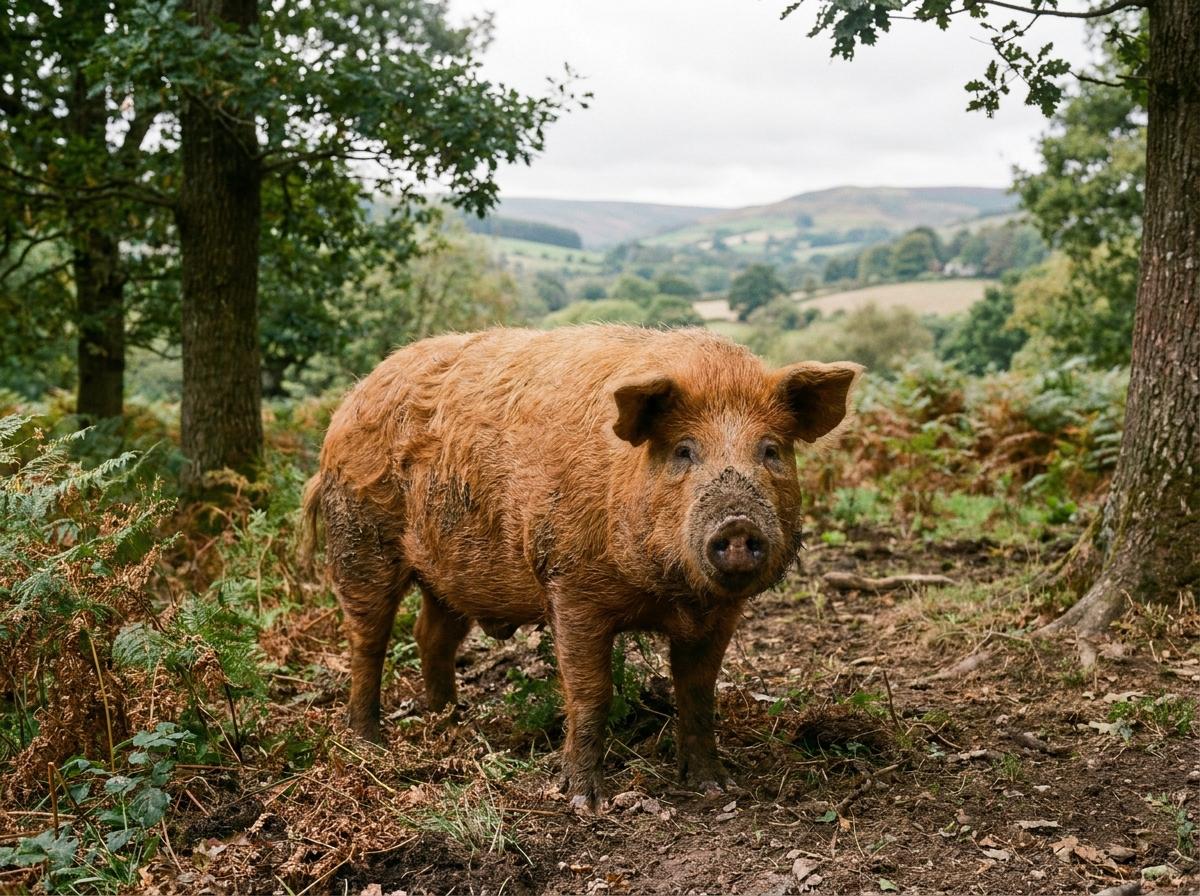
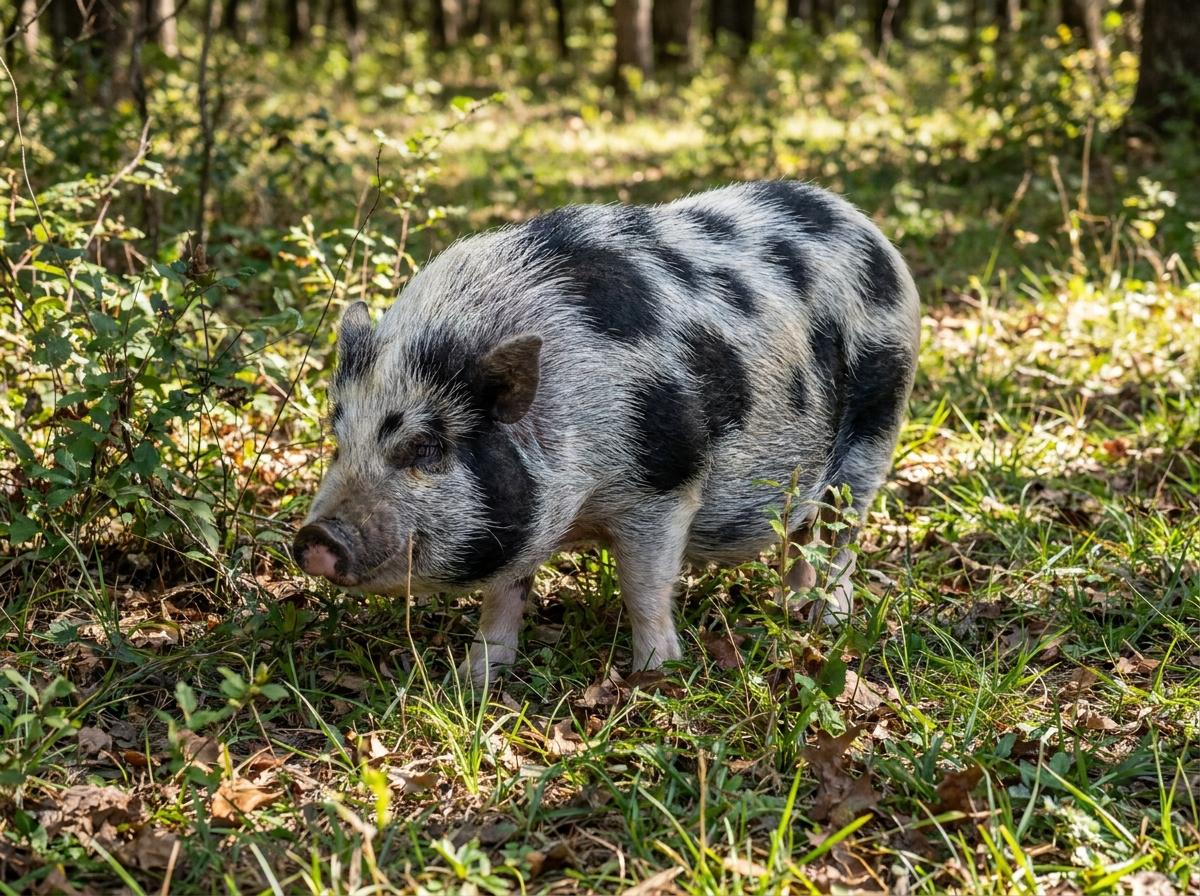
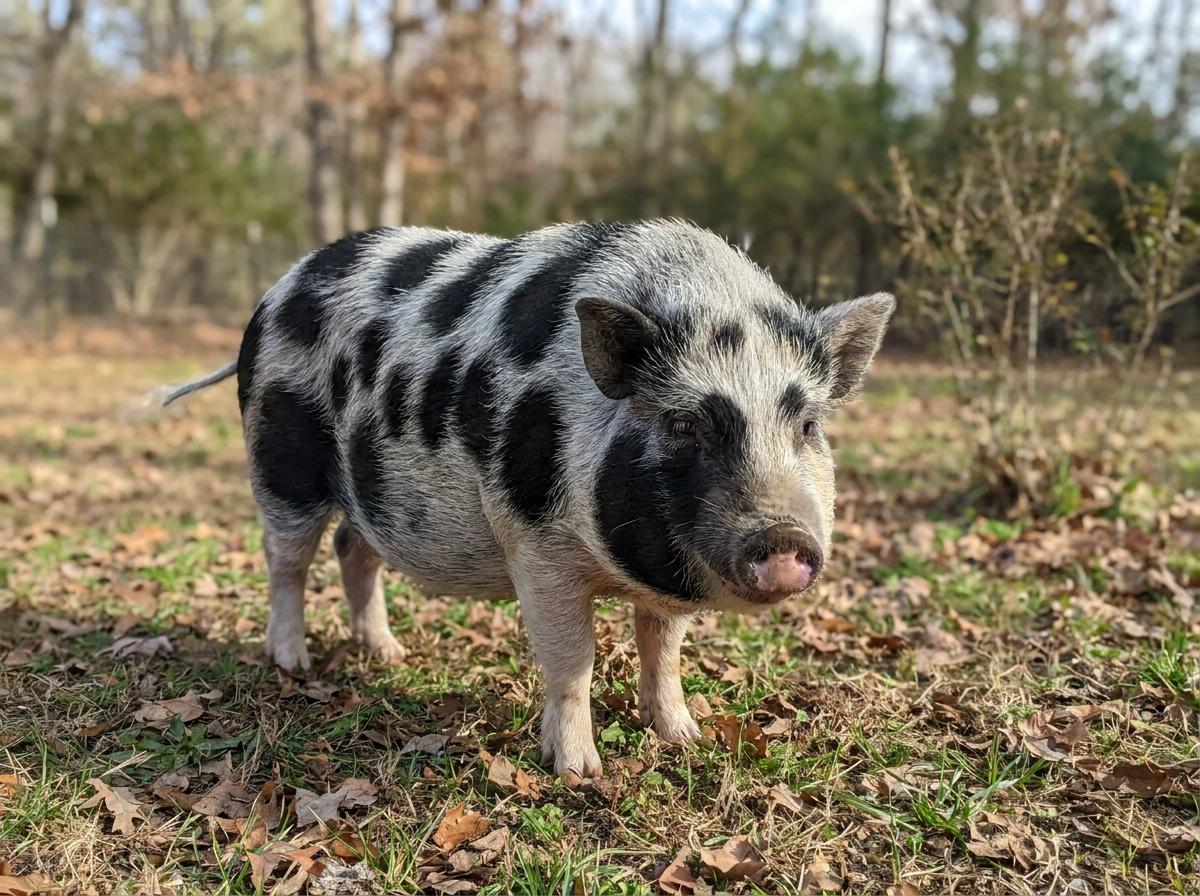
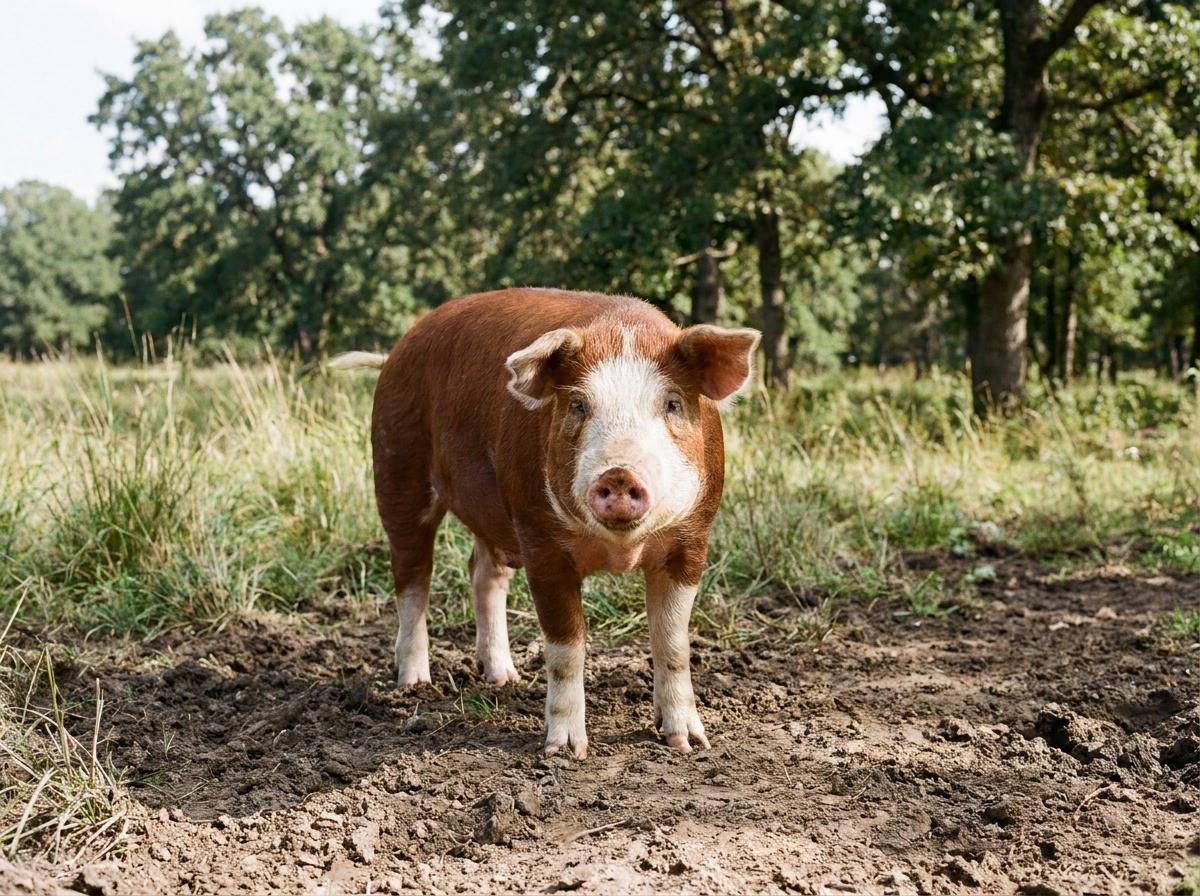
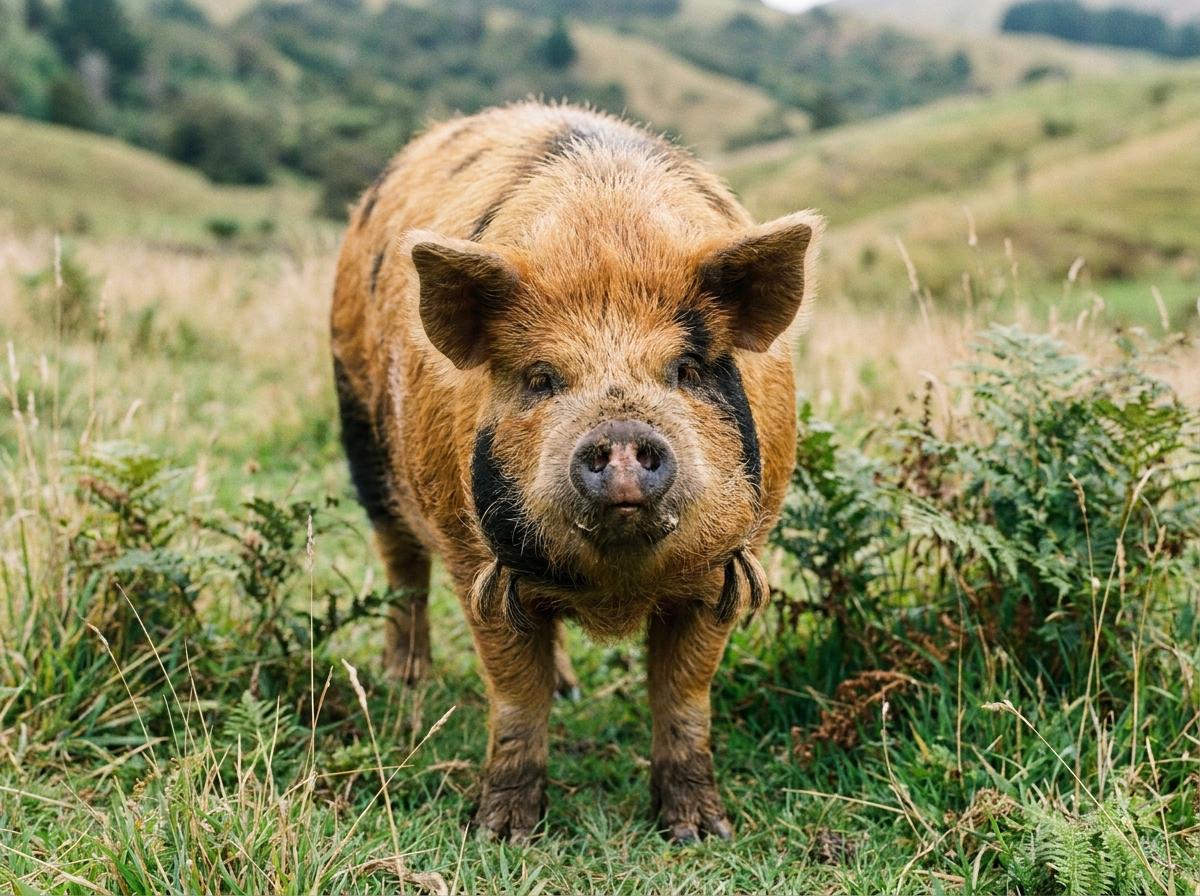
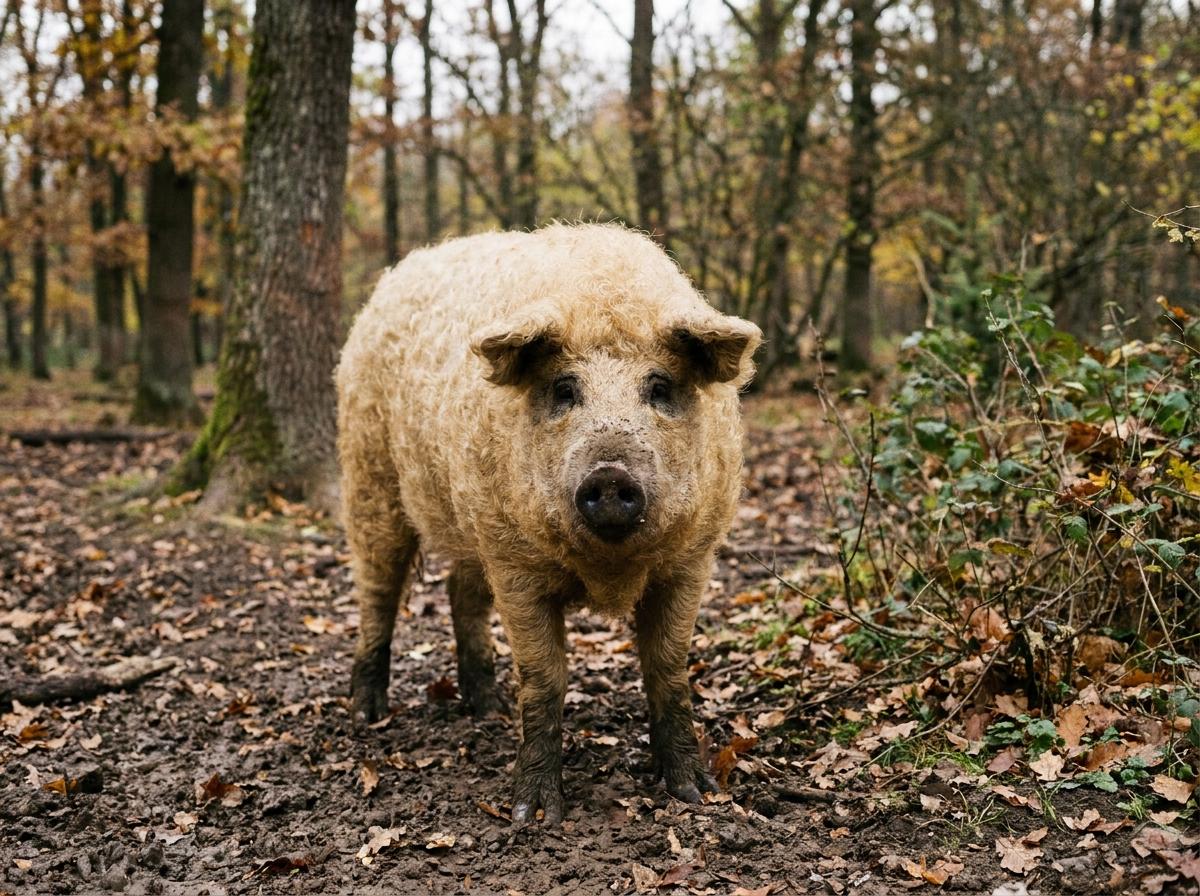
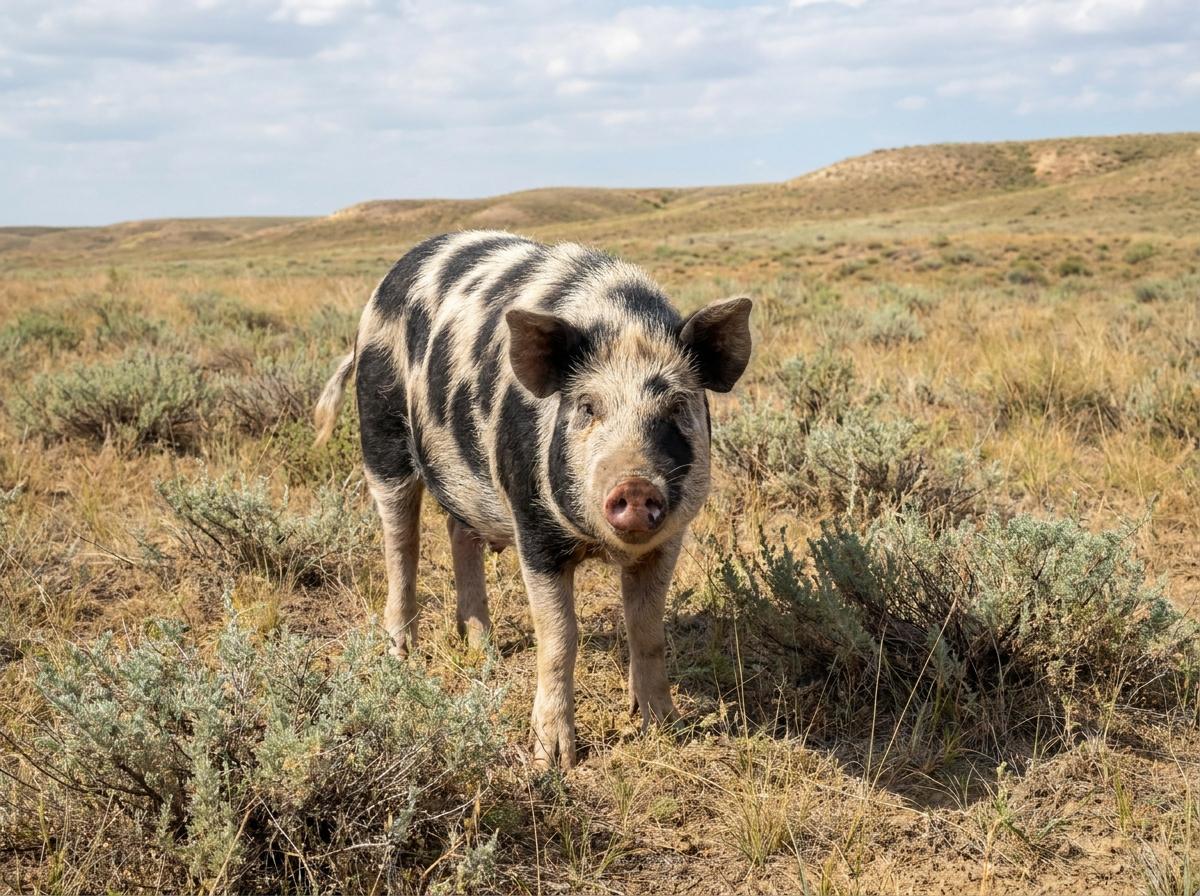
Colors: Belted, Black, Black and White, Blonde, Brown, Cream, Ginger, Ginger and Black, Pied, Red, Red and Black, Sandy, Solid Black, Solid White, Spotted, Swallow Belly, White