

Bisaro
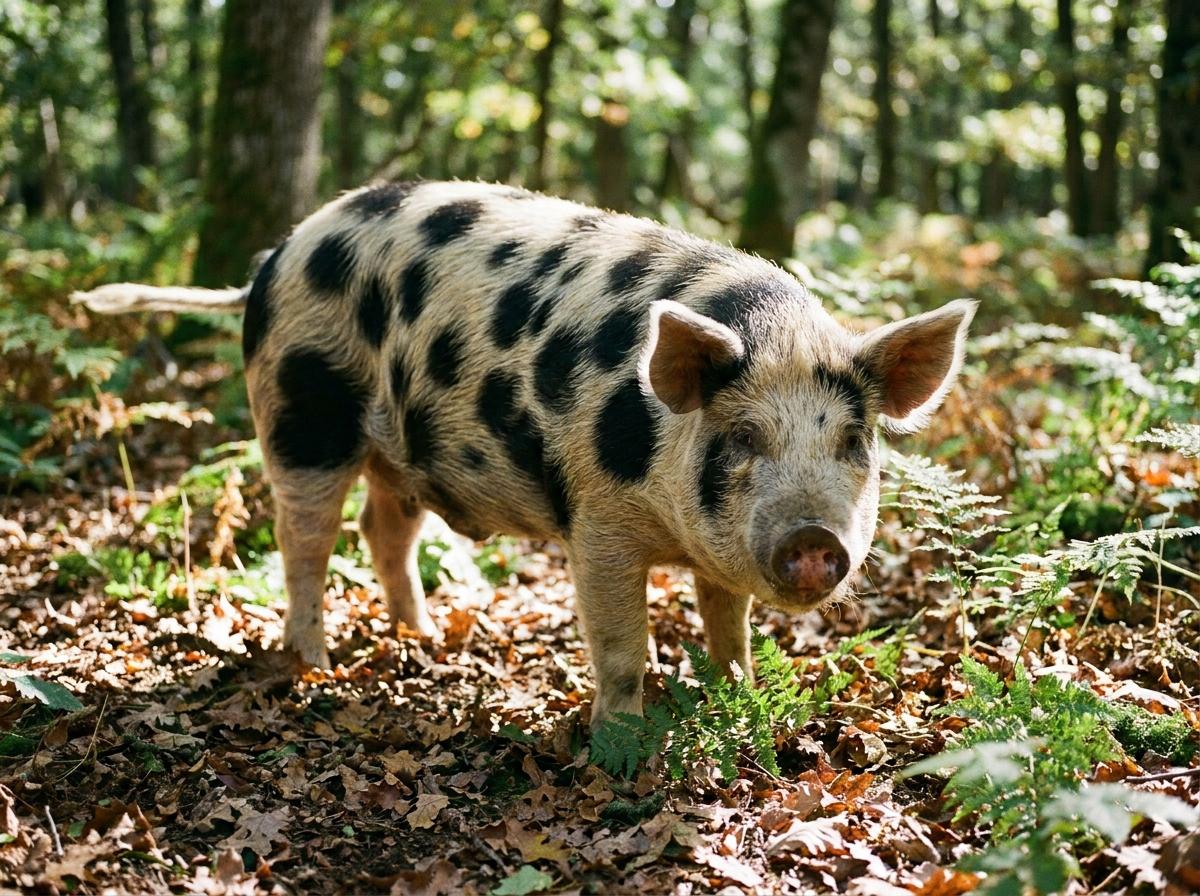
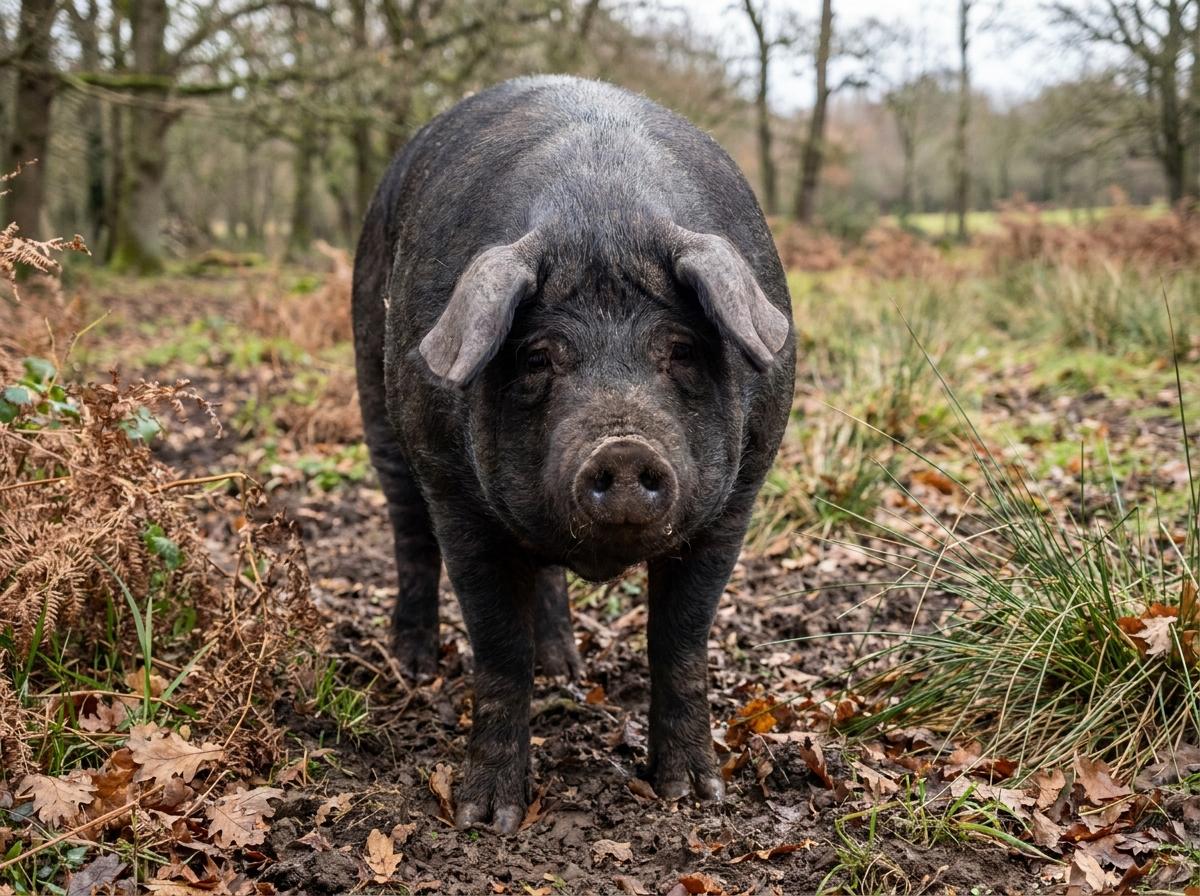
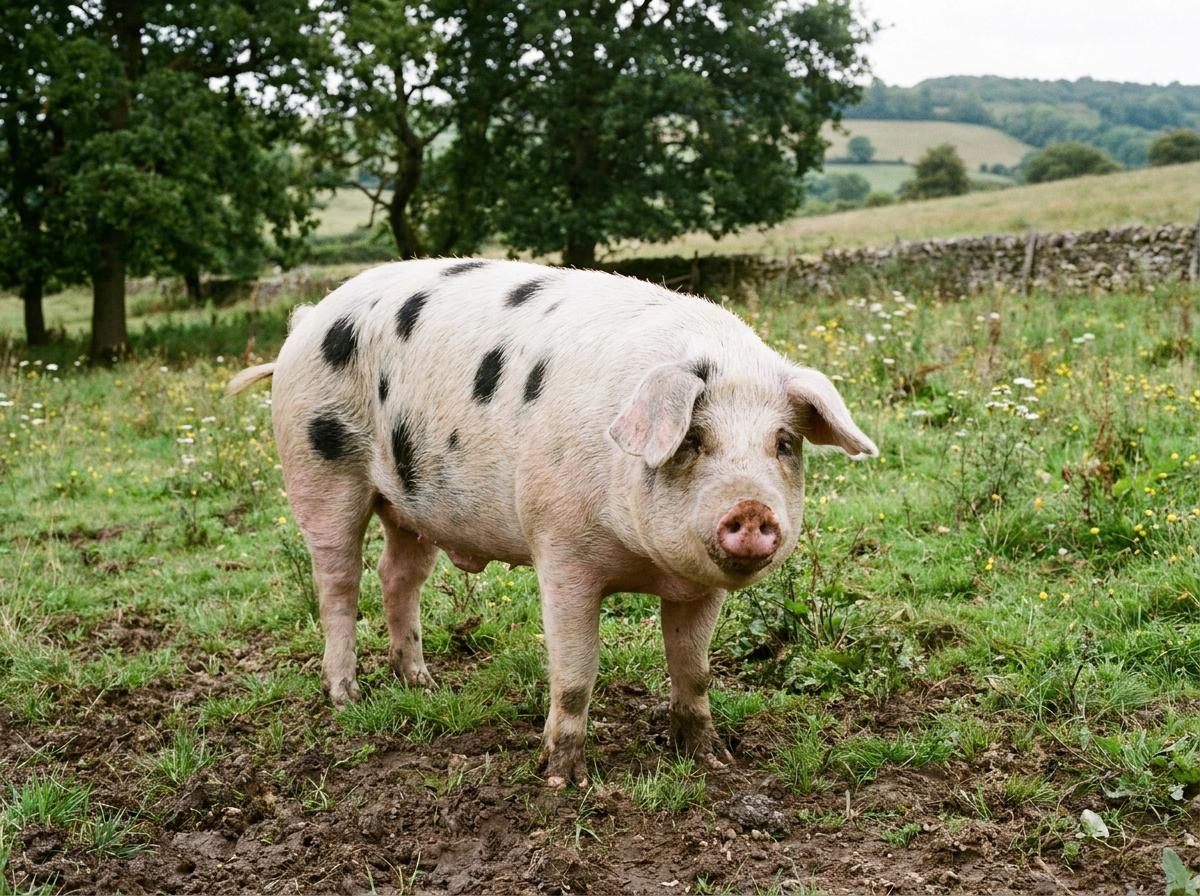
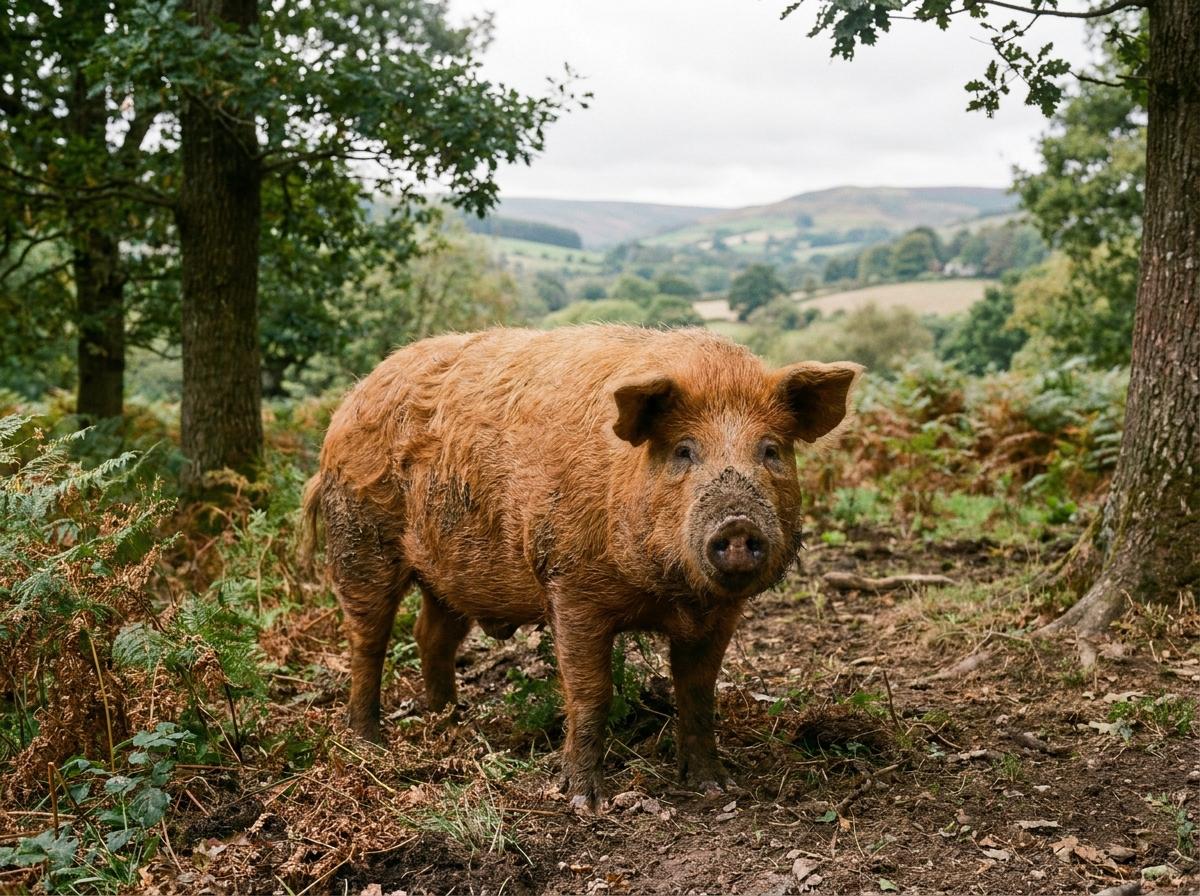
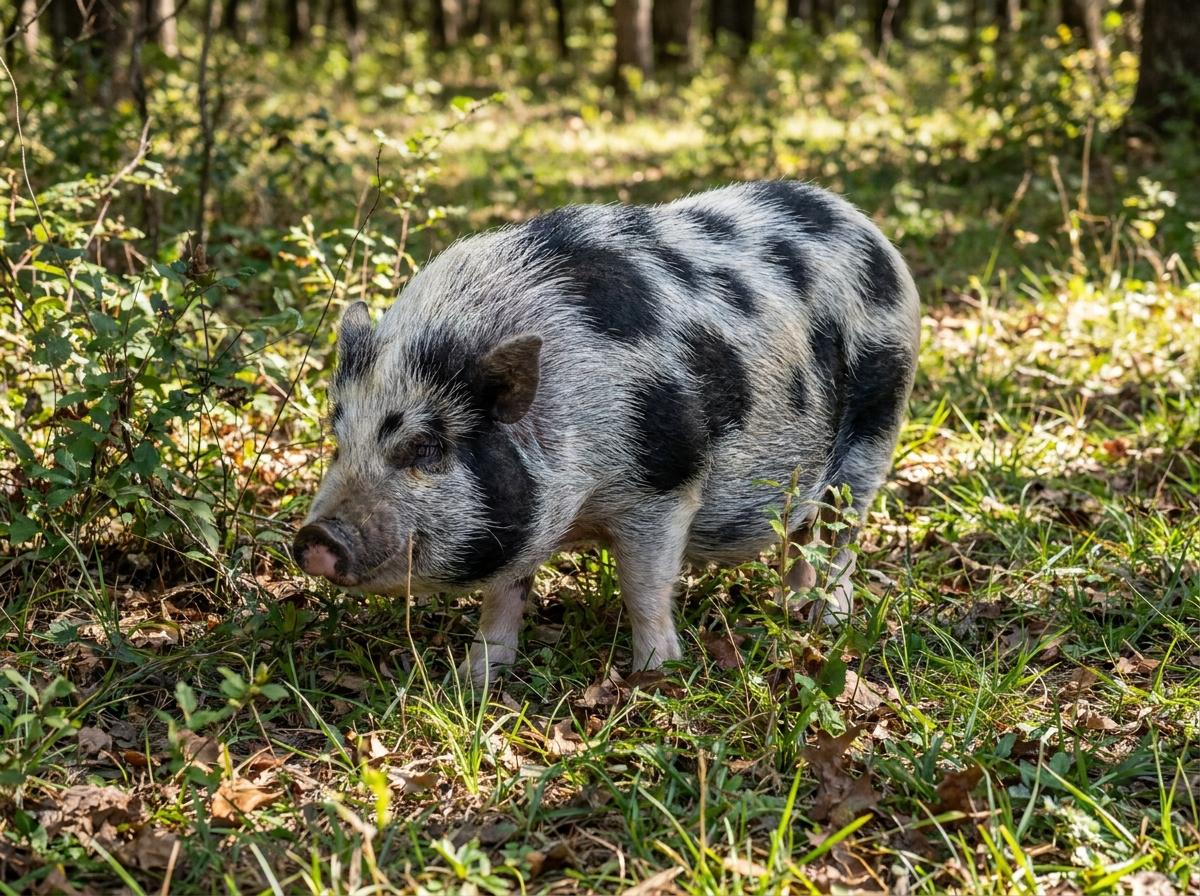
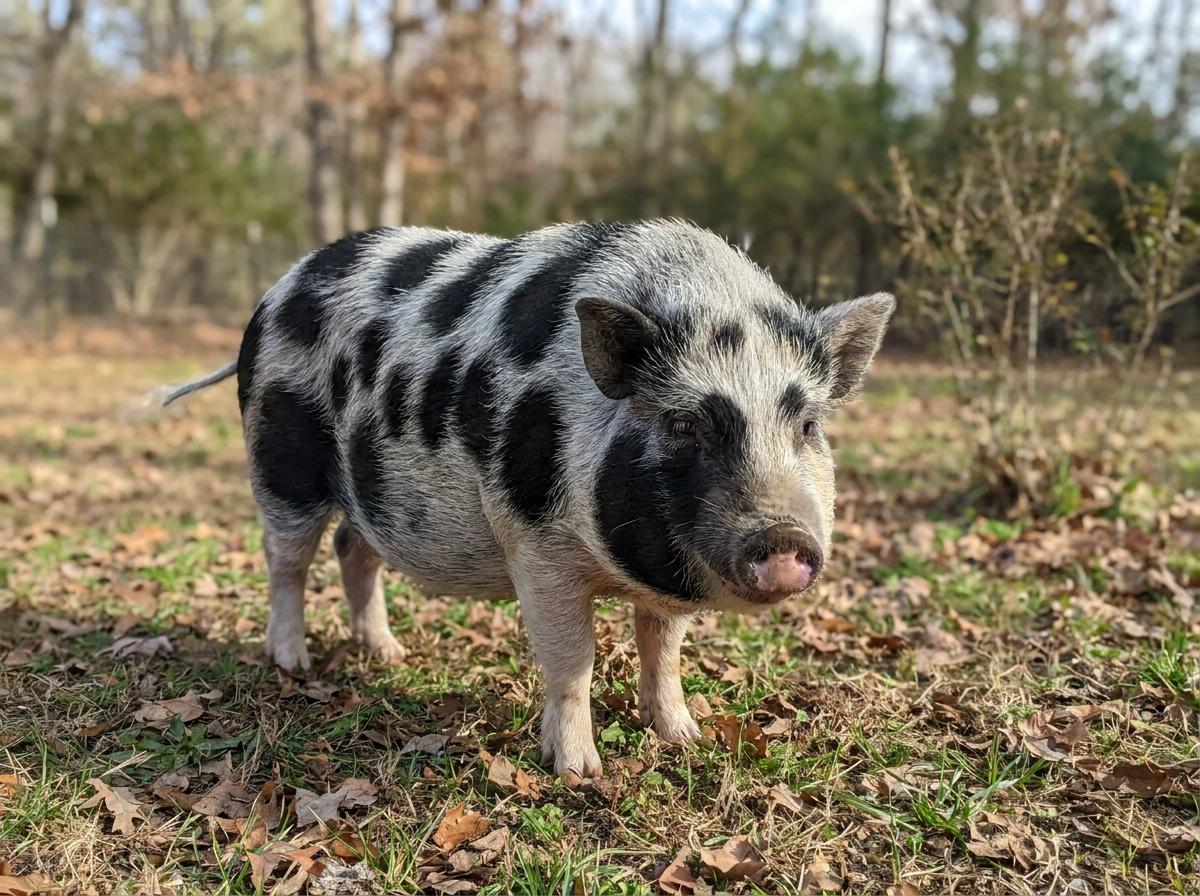
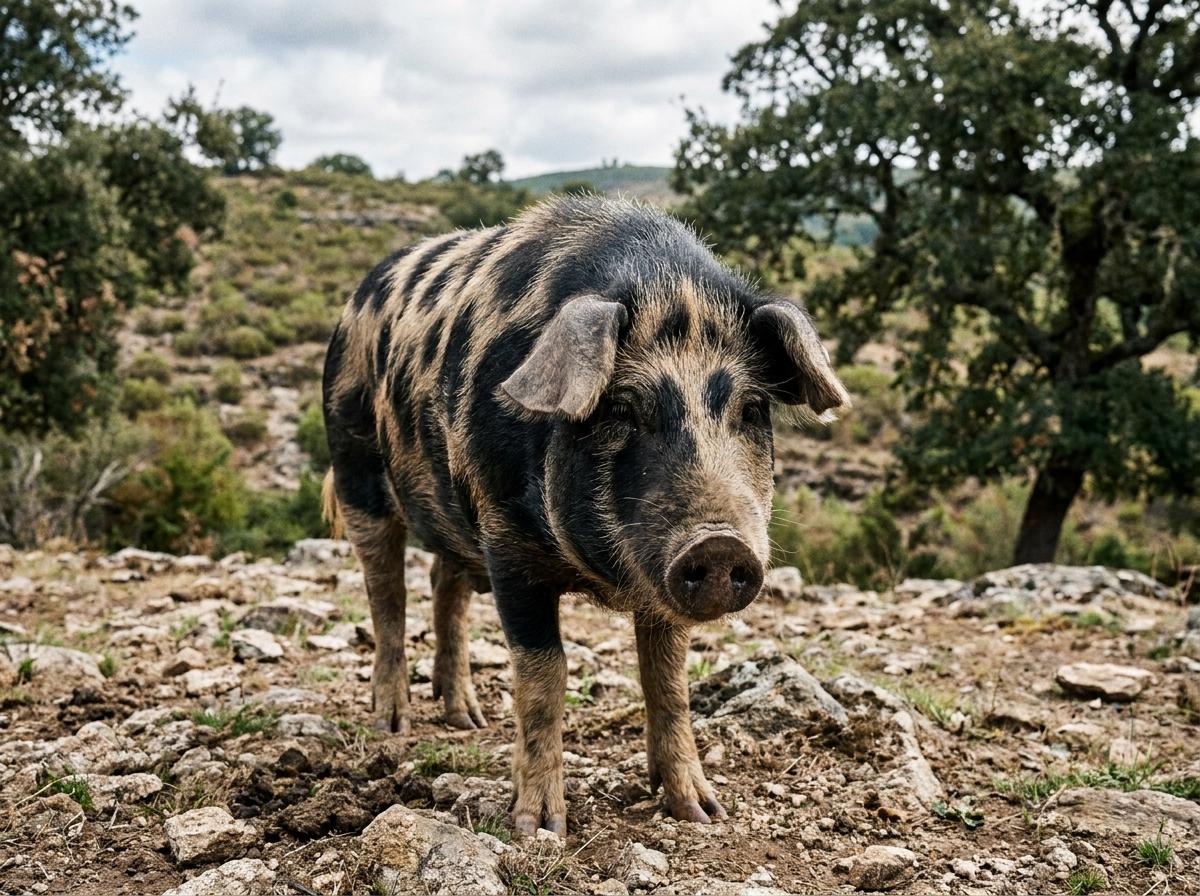
Bisaro, often written Bisaro in Portuguese contexts, is a traditional pig breed of northern Portugal, especially the Tras-os-Montes and Minho regions. It is usually classed with the old Celtic-type pigs of western Iberia: tall, long-bodied animals with a convex profile, large drooping ears, and black, white, or spotted coats depending on the line. The breed was shaped for small farms where pigs converted potatoes, chestnuts, garden produce, and other local feeds into pork for fresh meat and cured regional products.
Bisaro pigs are slower growing and fatter than many modern lean commercial hybrids, but that is part of their value in extensive and traditional production. They are often kept outdoors or in simple mixed-farm systems with shelter from wet winter weather and enough space to root without damaging sensitive ground. Conservation work in Portugal has helped maintain herdbooks and market identity, so breeding animals are best sourced from keepers who can explain the line and its registration status. Feeding too hard can make mature pigs overfat, while underfeeding young stock reduces frame.
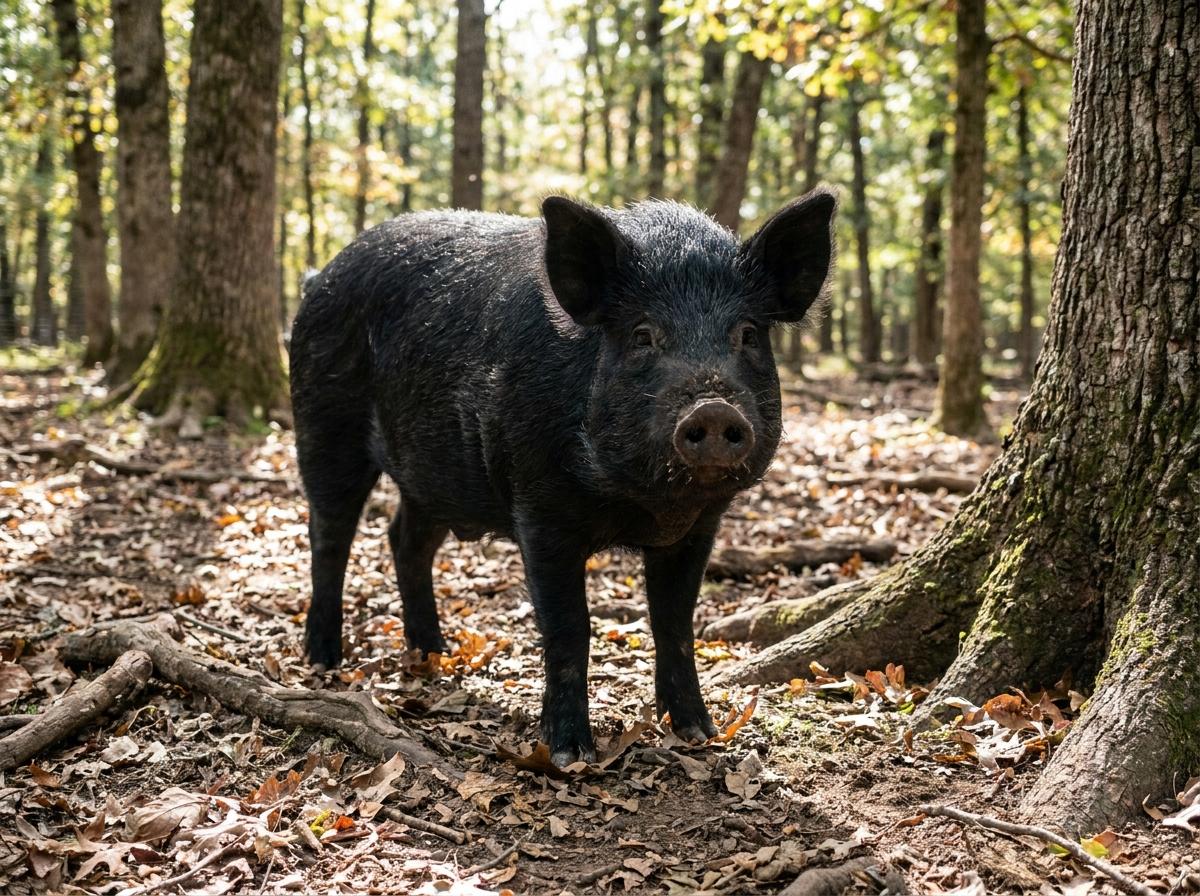
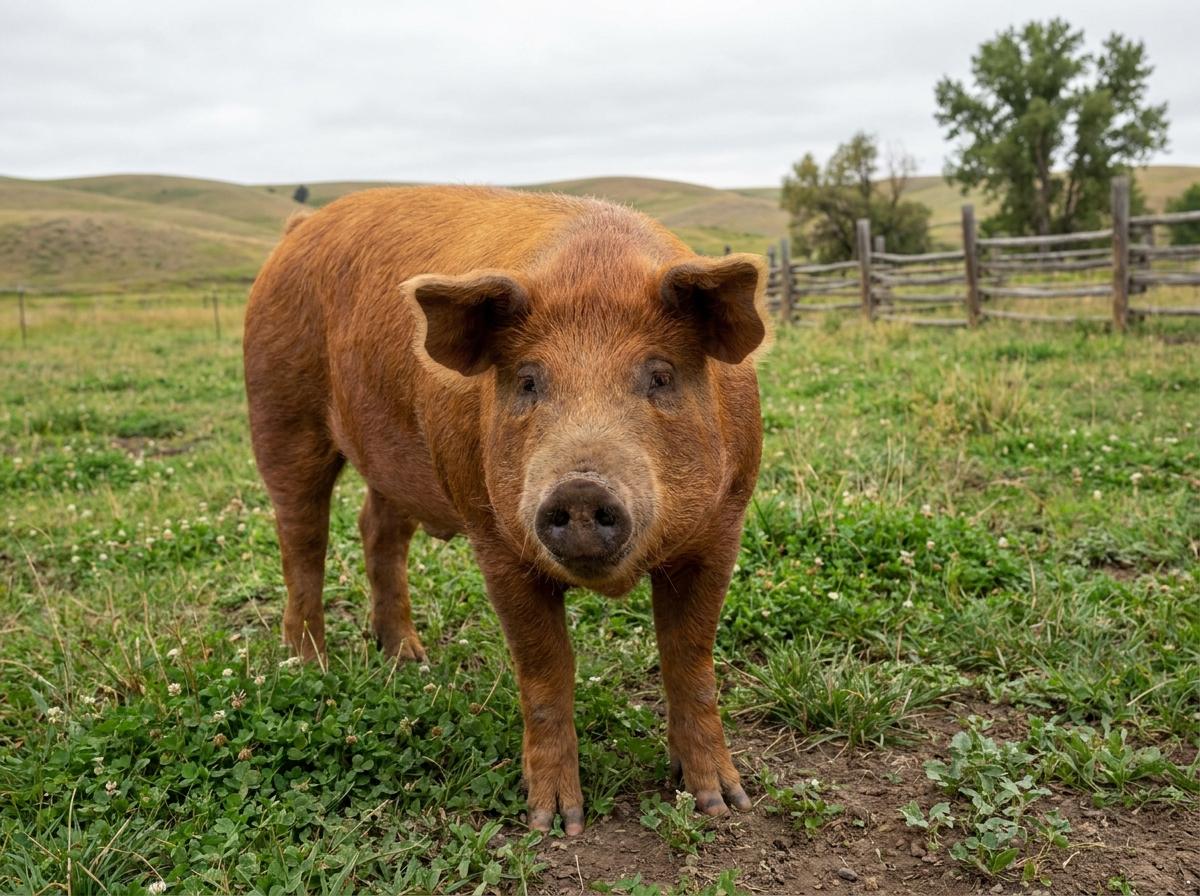
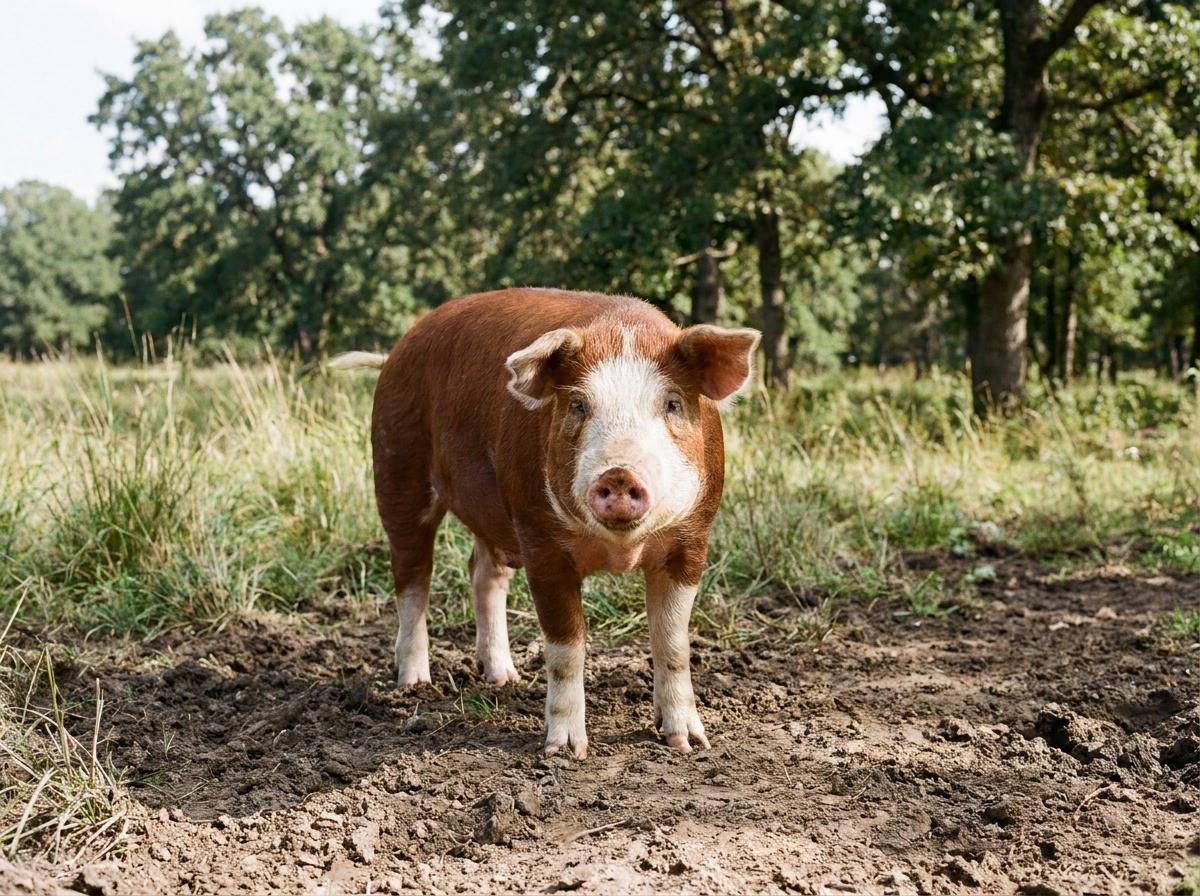
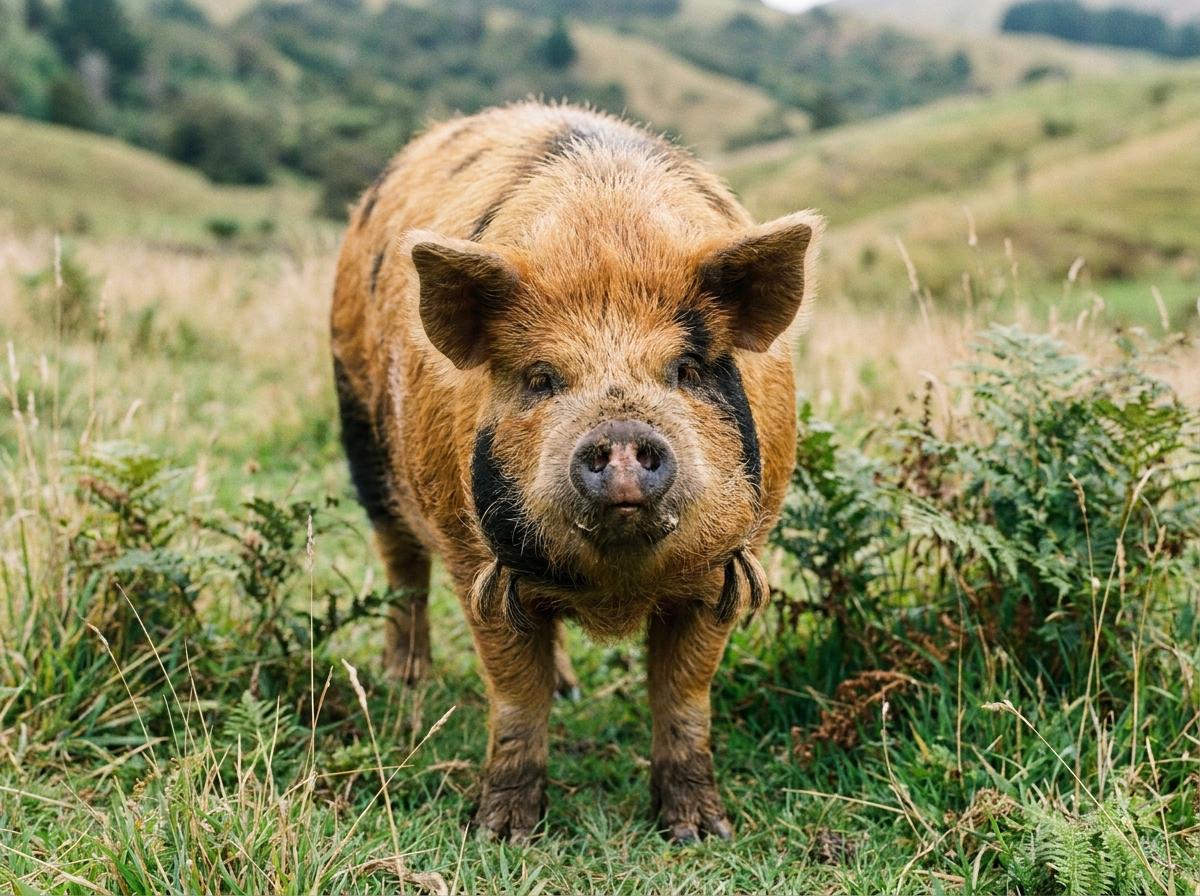
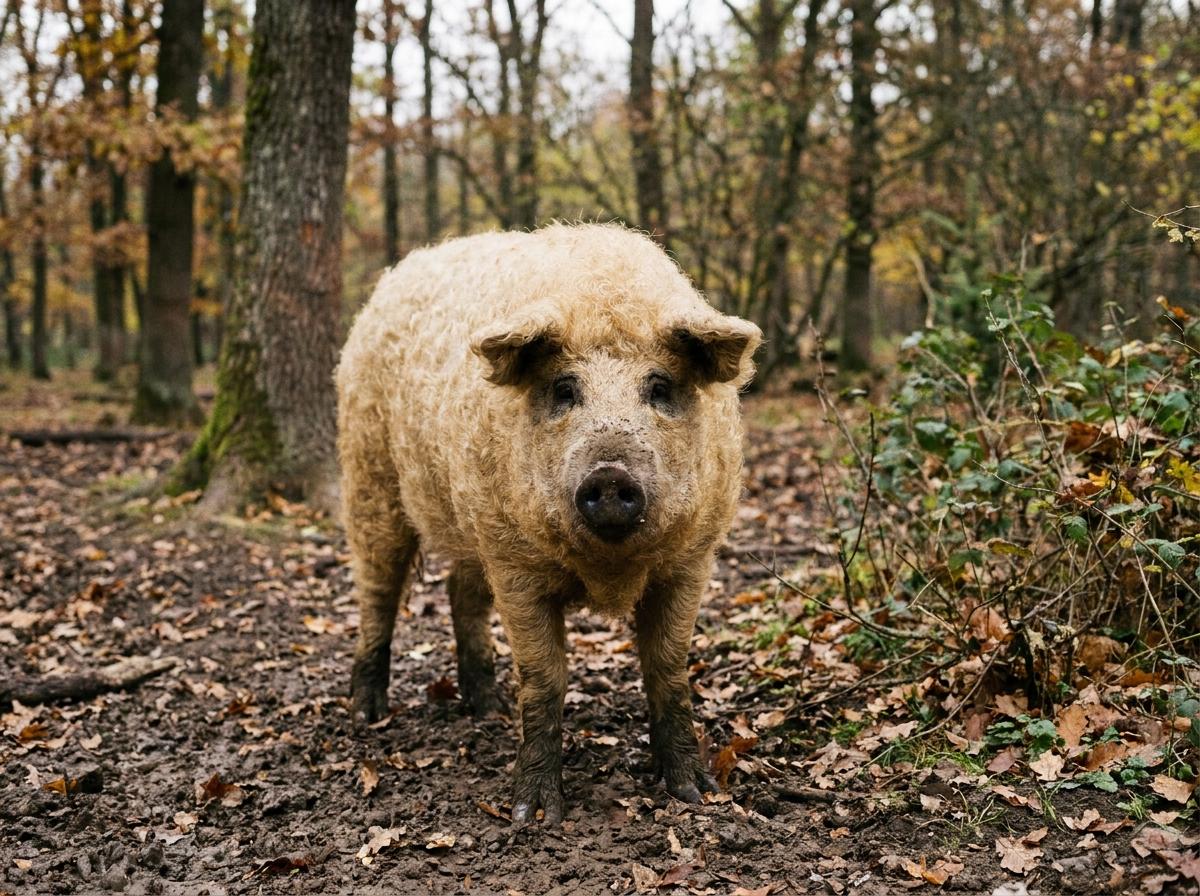
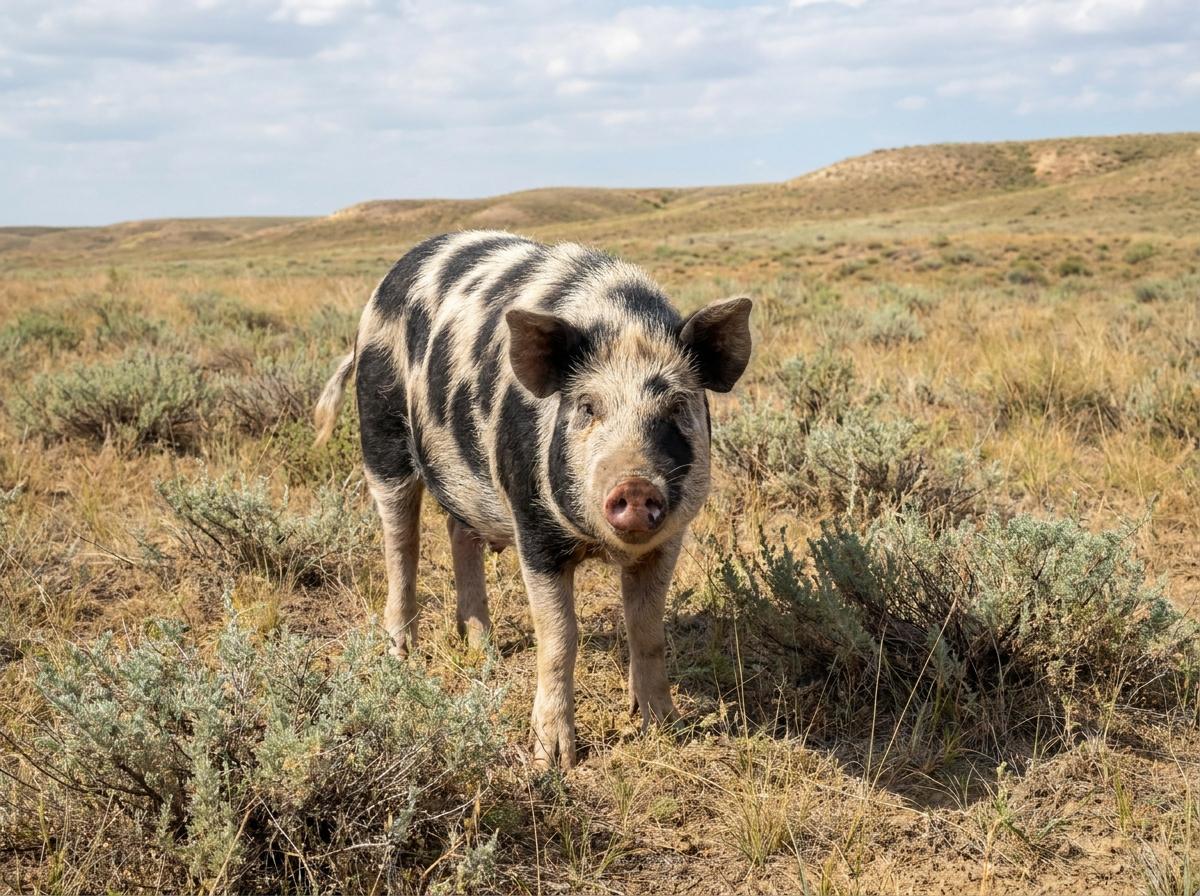
Colors: Belted, Black, Black and White, Blonde, Brown, Cream, Ginger, Ginger and Black, Pied, Red, Red and Black, Sandy, Solid Black, Solid White, Spotted, Swallow Belly, White