Choctaw Hog
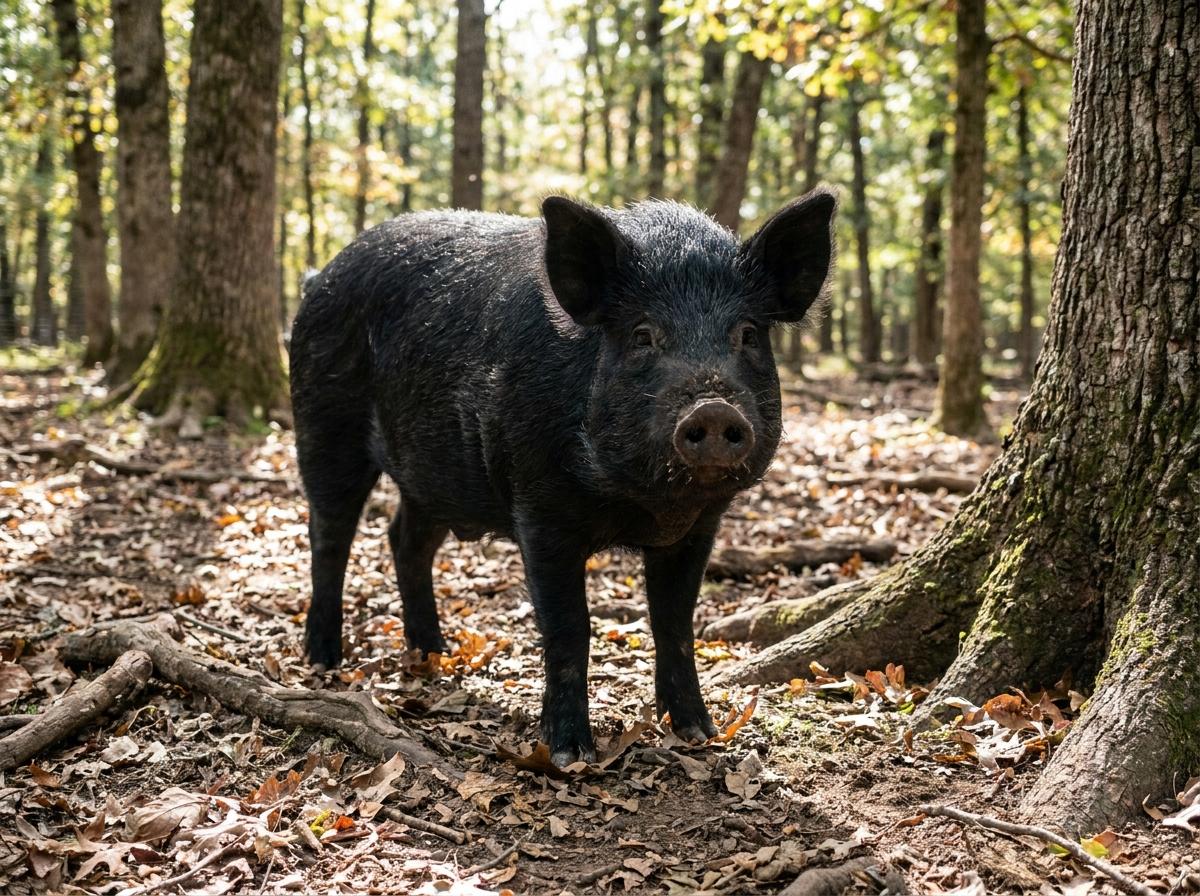
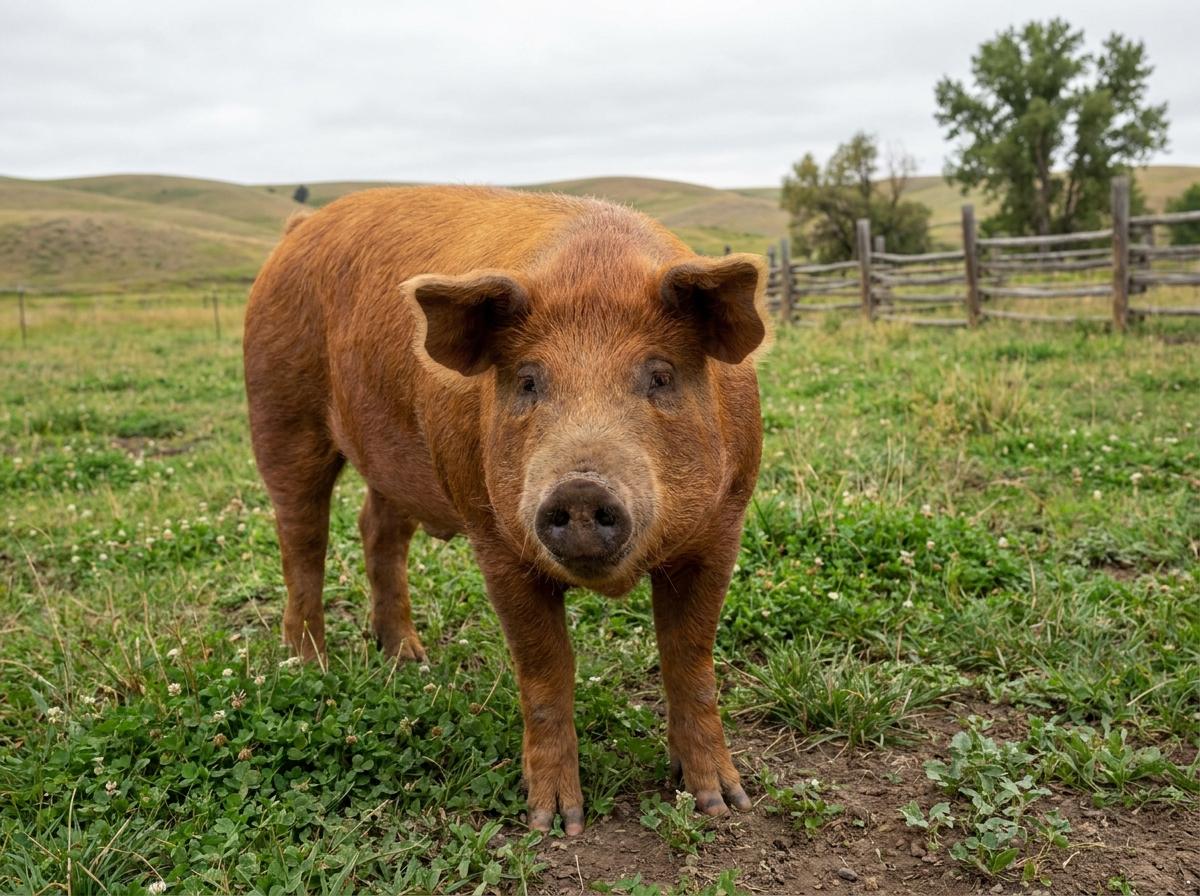
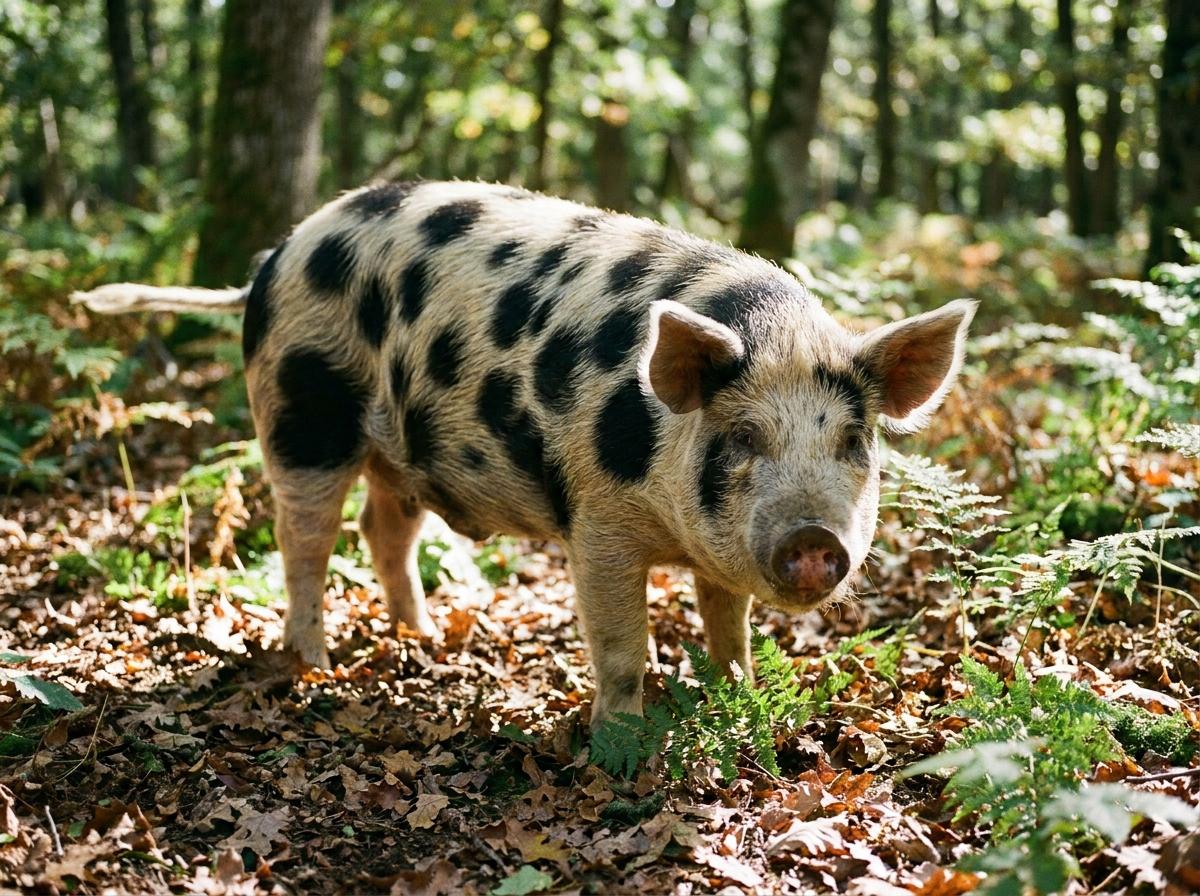
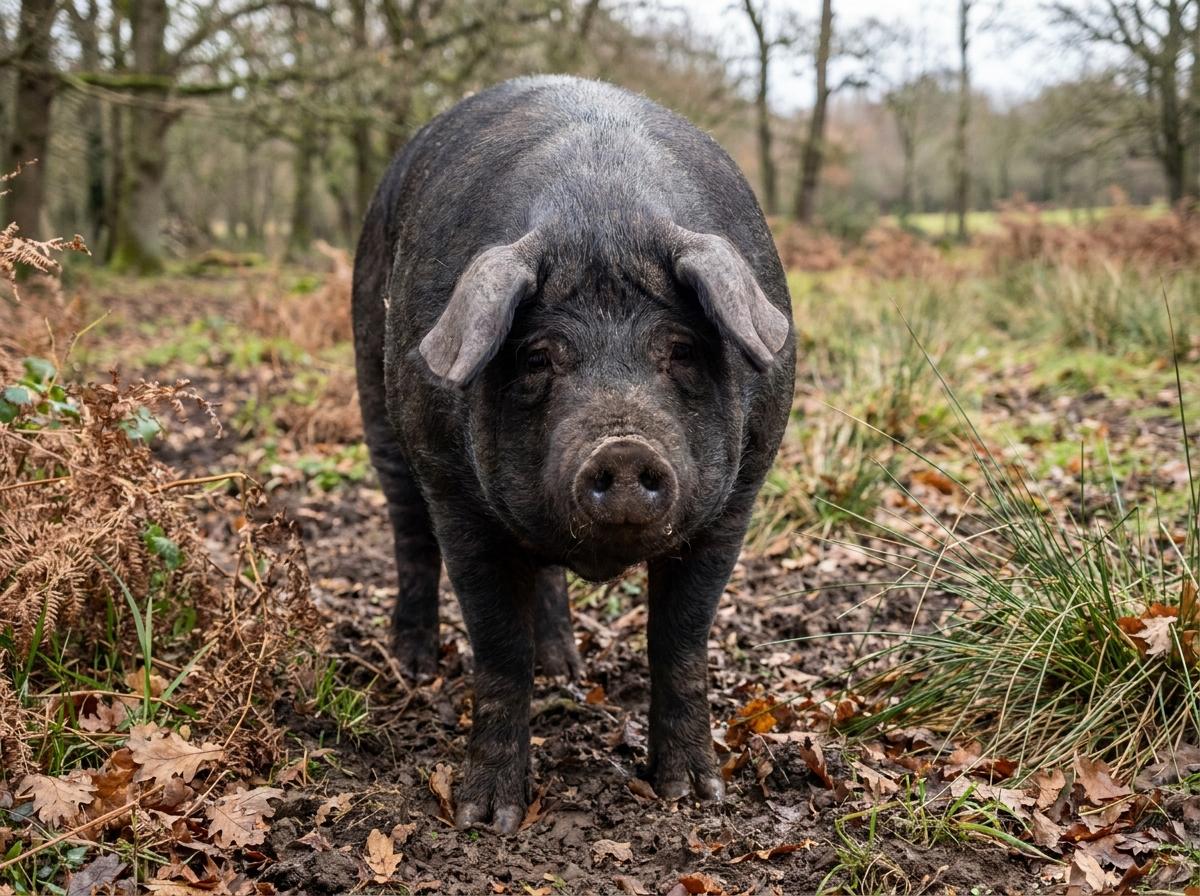
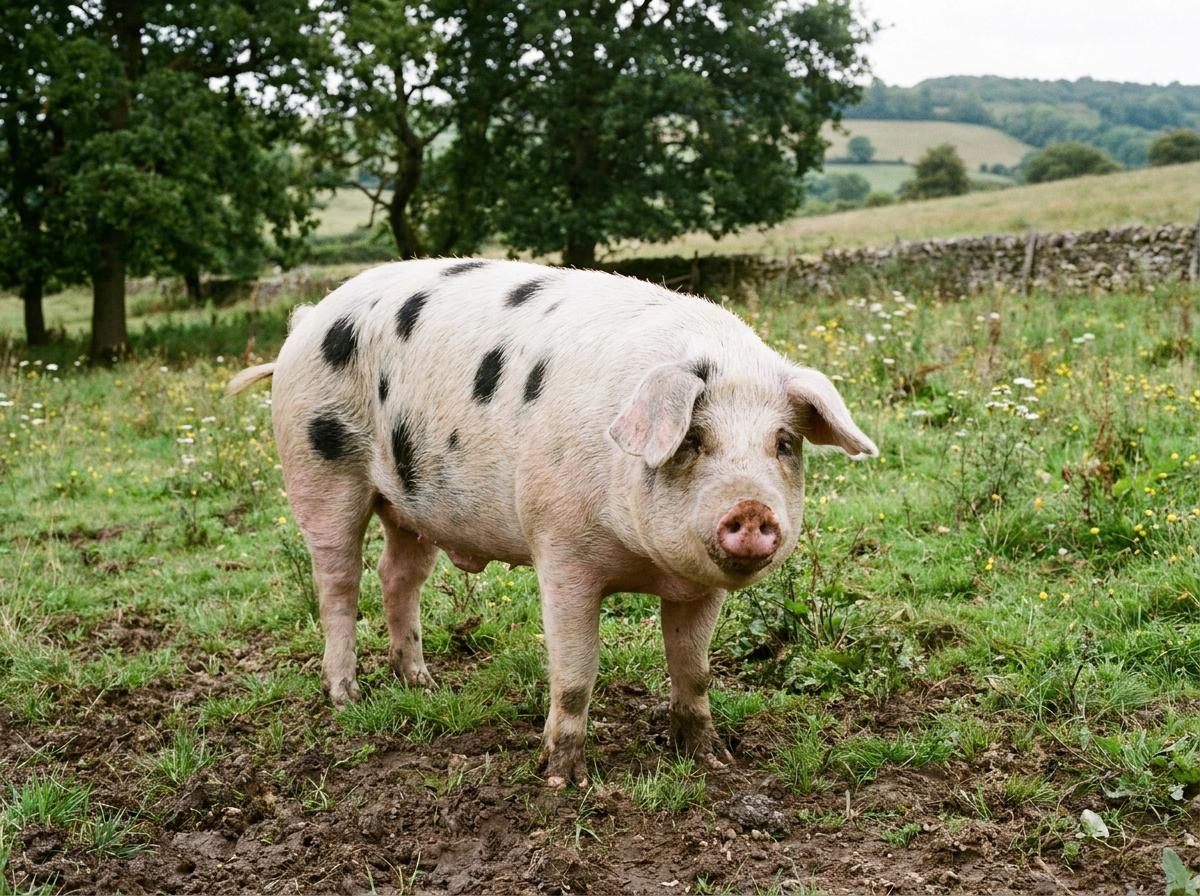
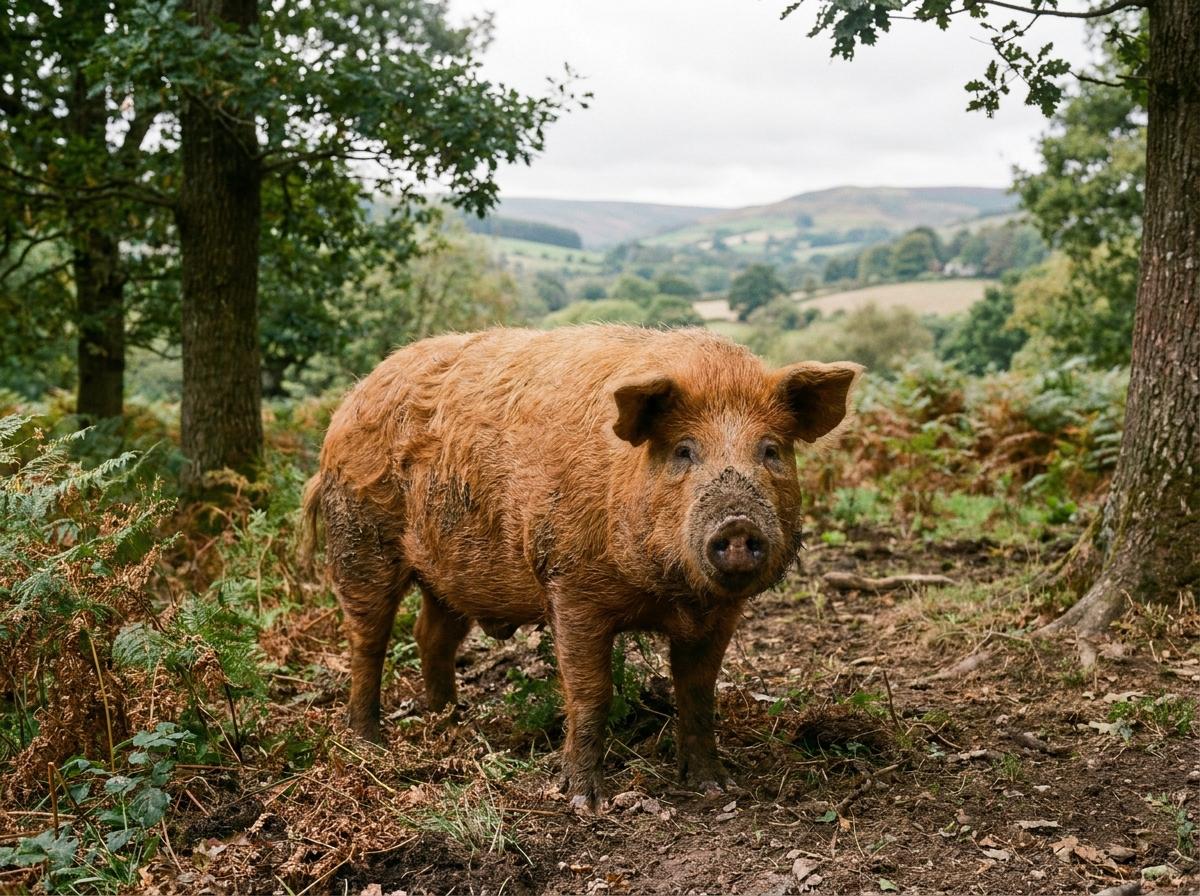
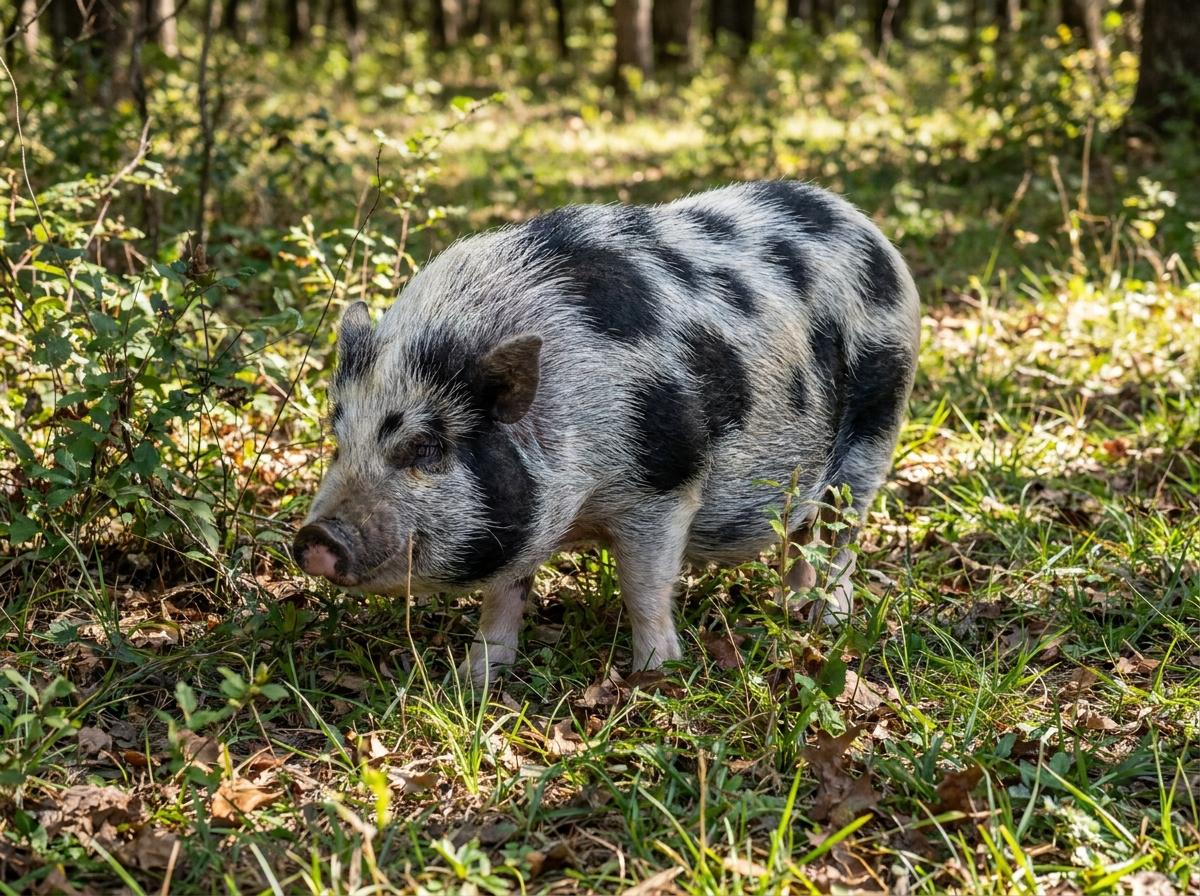
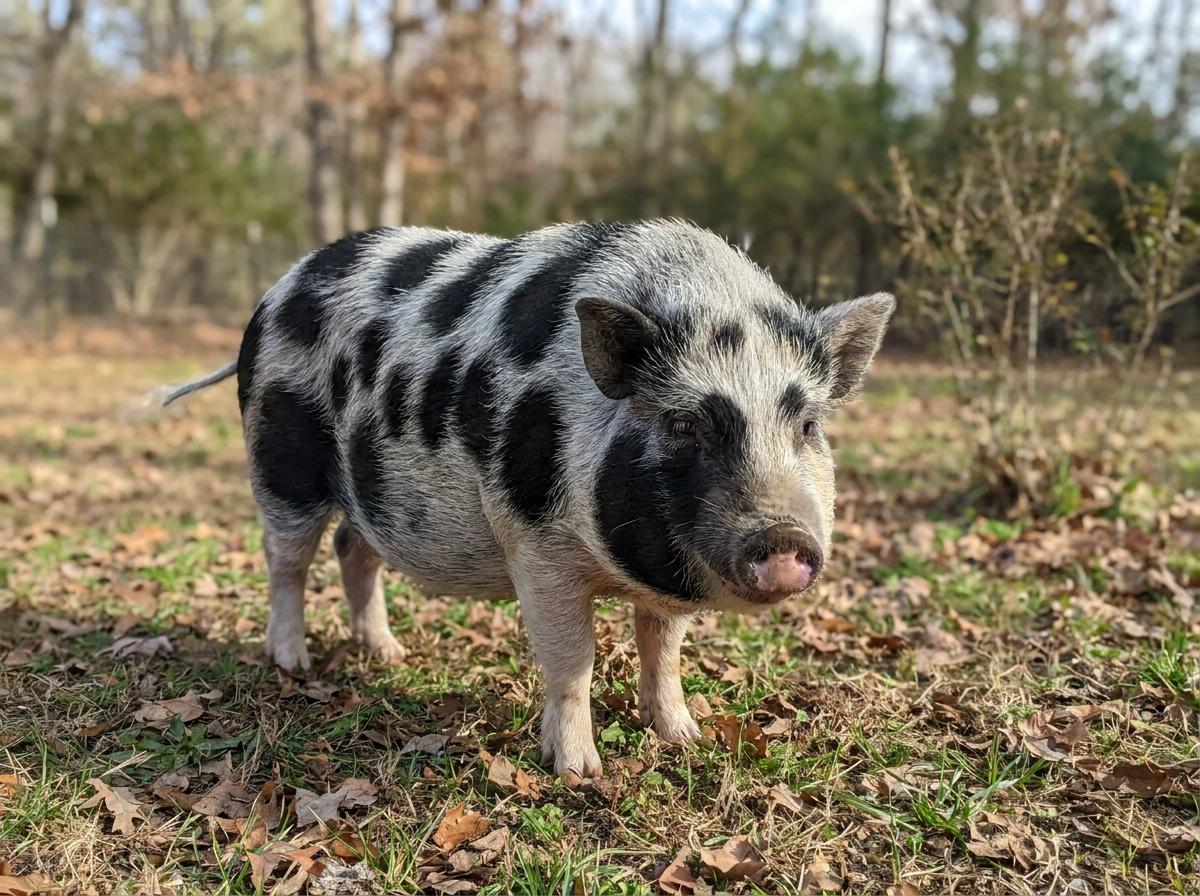
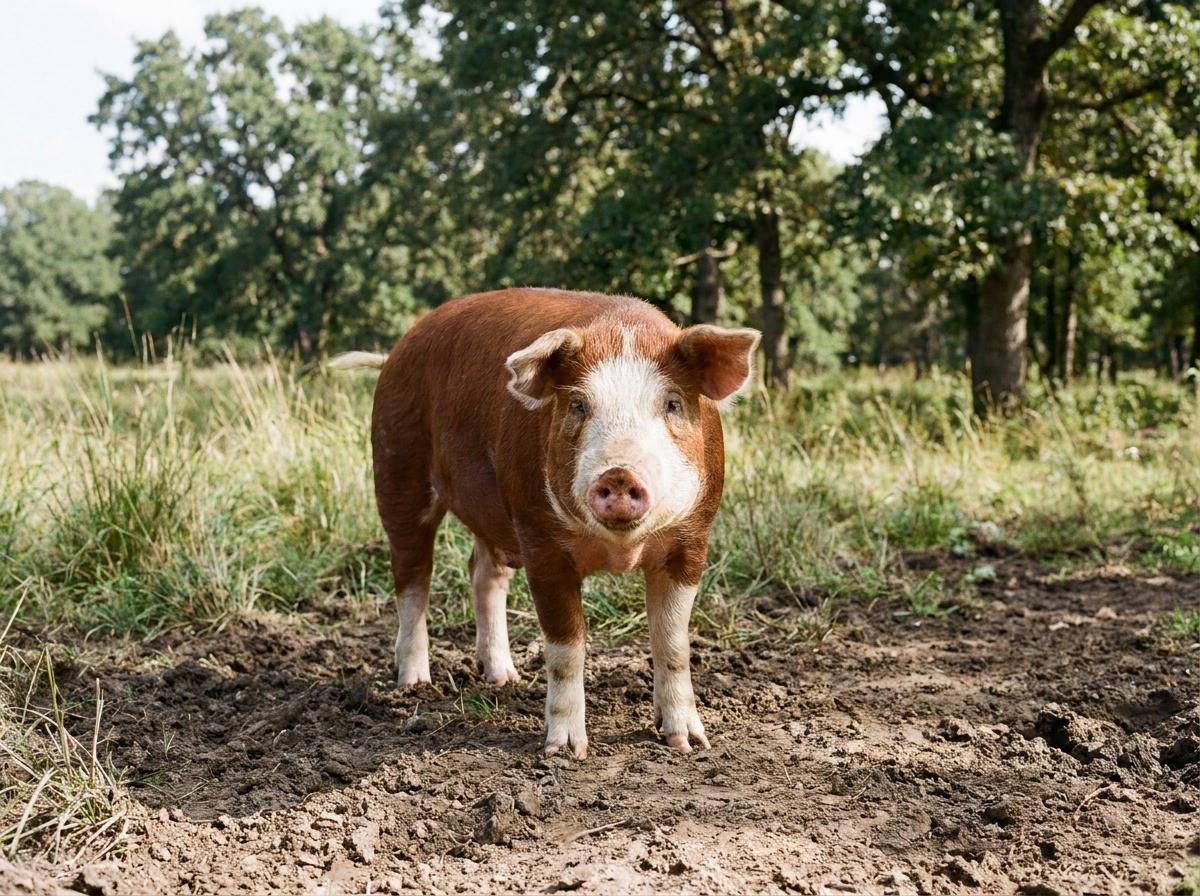
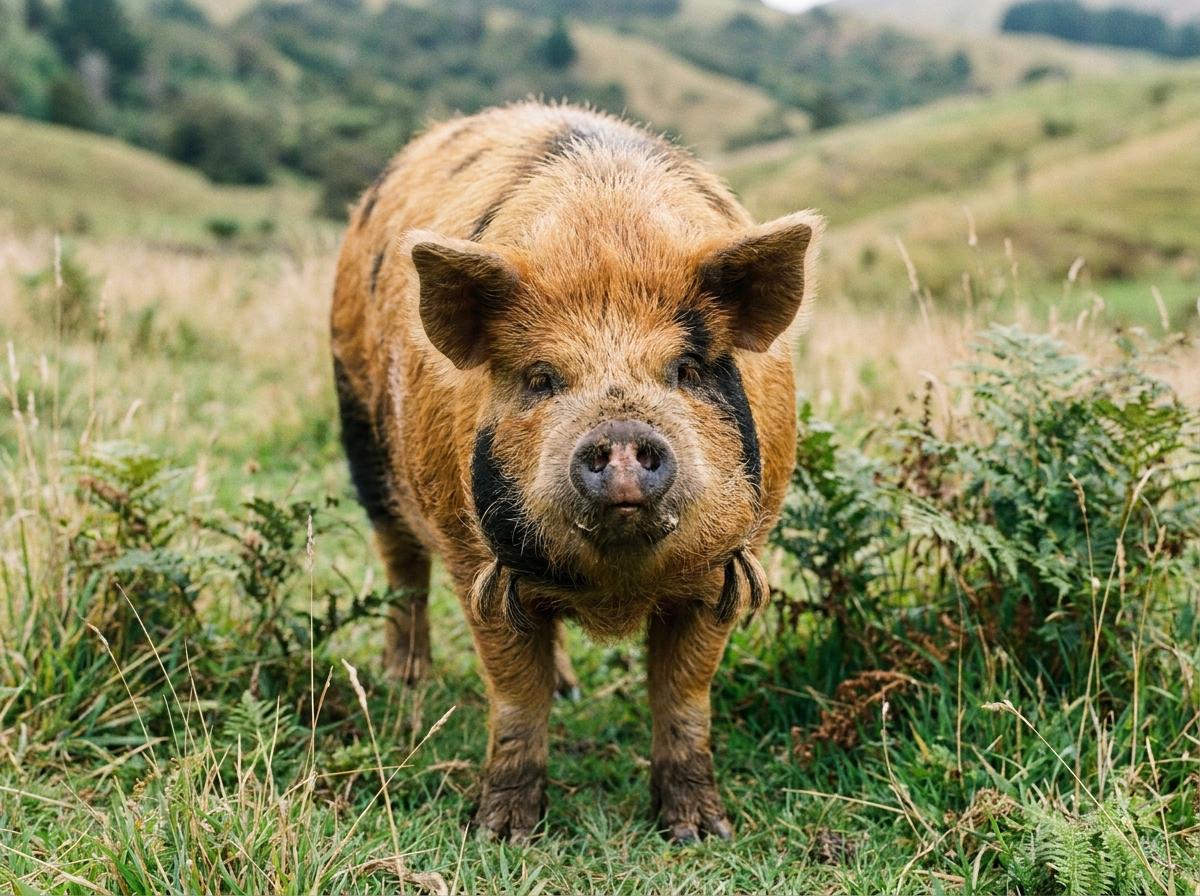
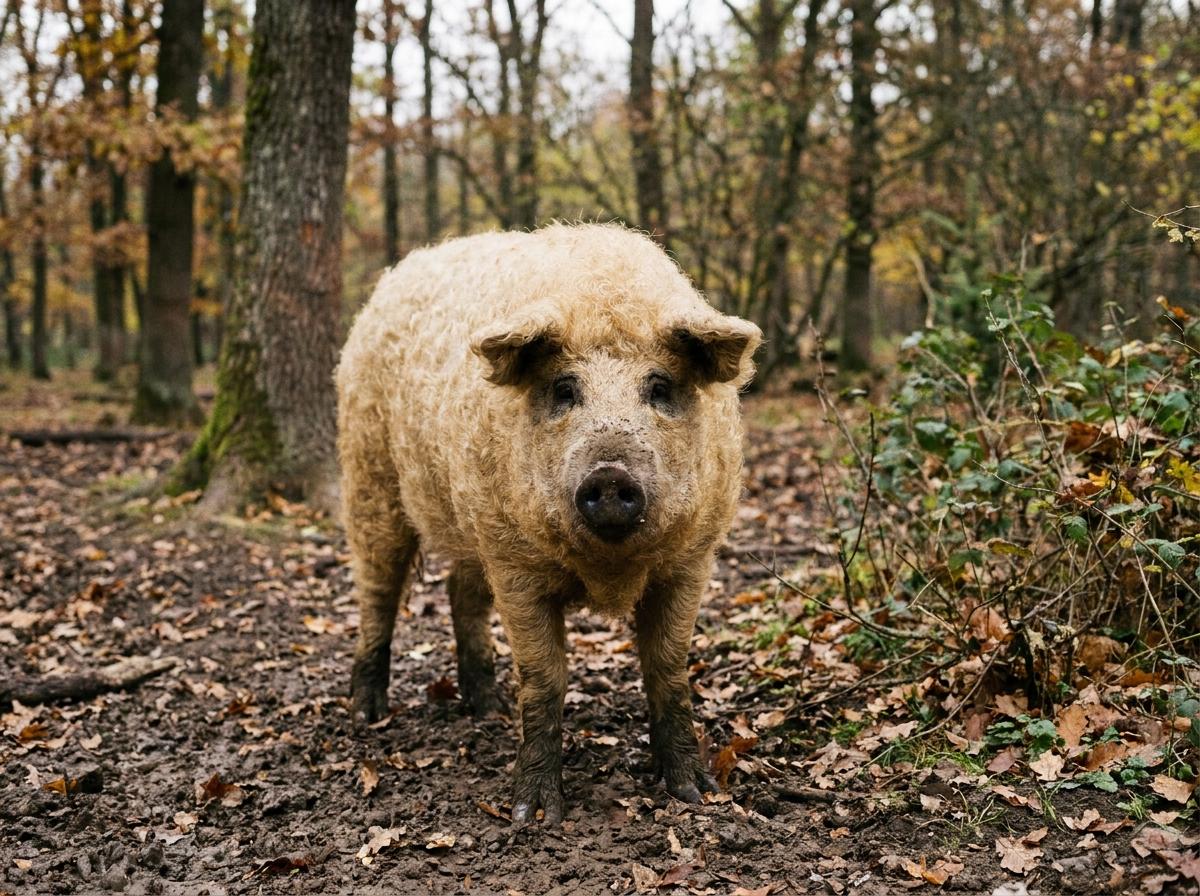
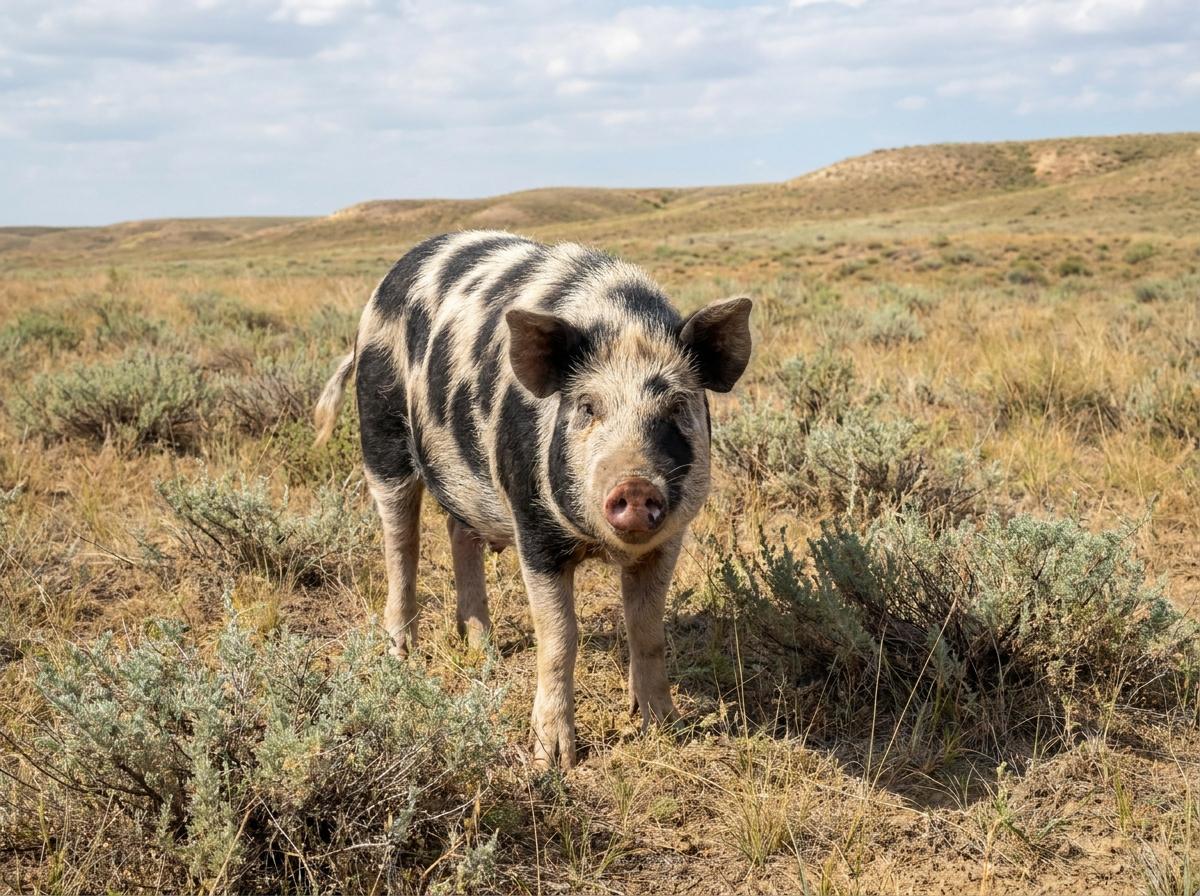
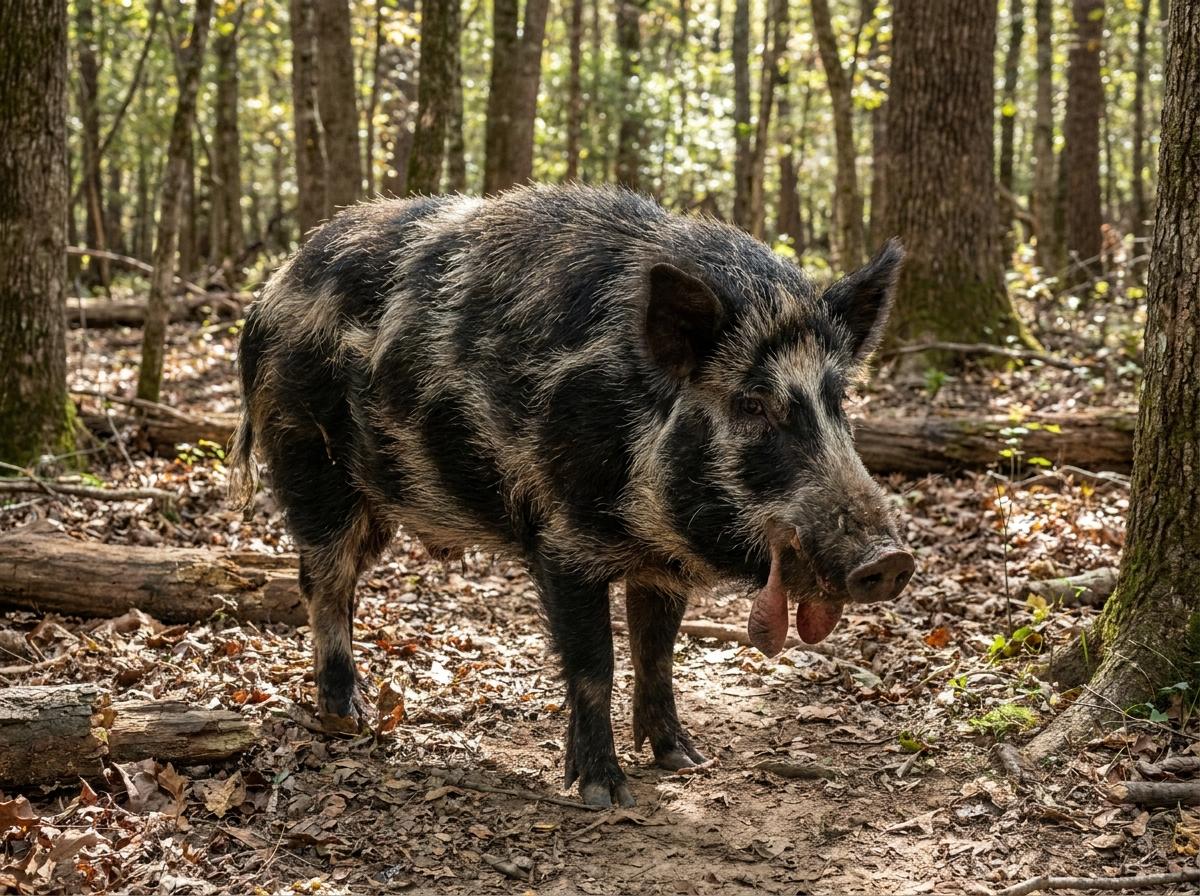
The Choctaw hog is a rare American landrace pig associated with the Choctaw people and the forested Southeast. It is usually described as descending from Iberian and colonial pigs that were managed for generations in free-ranging or semi-wild conditions, then shaped by Native and rural husbandry rather than by a formal show standard. Choctaw hogs tend to be smaller, narrower and more athletic than commercial meat pigs, with long legs, alert temperaments and variable coloring that may include black, red, sandy or spotted patterns. Their value lies in hardiness, foraging ability and the history carried in a distinct regional bloodline.
Keeping Choctaw hogs is mostly a conservation and homestead undertaking. They can do well in wooded pastures where they have room to root and browse, but they are strong, intelligent pigs that require serious fencing and careful handling. Growth is slower and carcasses are less uniform than commodity crossbreds, so meat plans should fit a heritage animal rather than an industrial schedule. Breeding stock should be sourced from documented conservation herds whenever possible, and crossing with feral or commercial pigs quickly erodes the traits people are trying to preserve.
Colors: Belted, Black, Black and White, Blonde, Brown, Cream, Ginger, Ginger and Black, Pied, Red, Red and Black, Sandy, Solid Black, Solid White, Spotted, Swallow Belly, White