

Commercial Crossbred
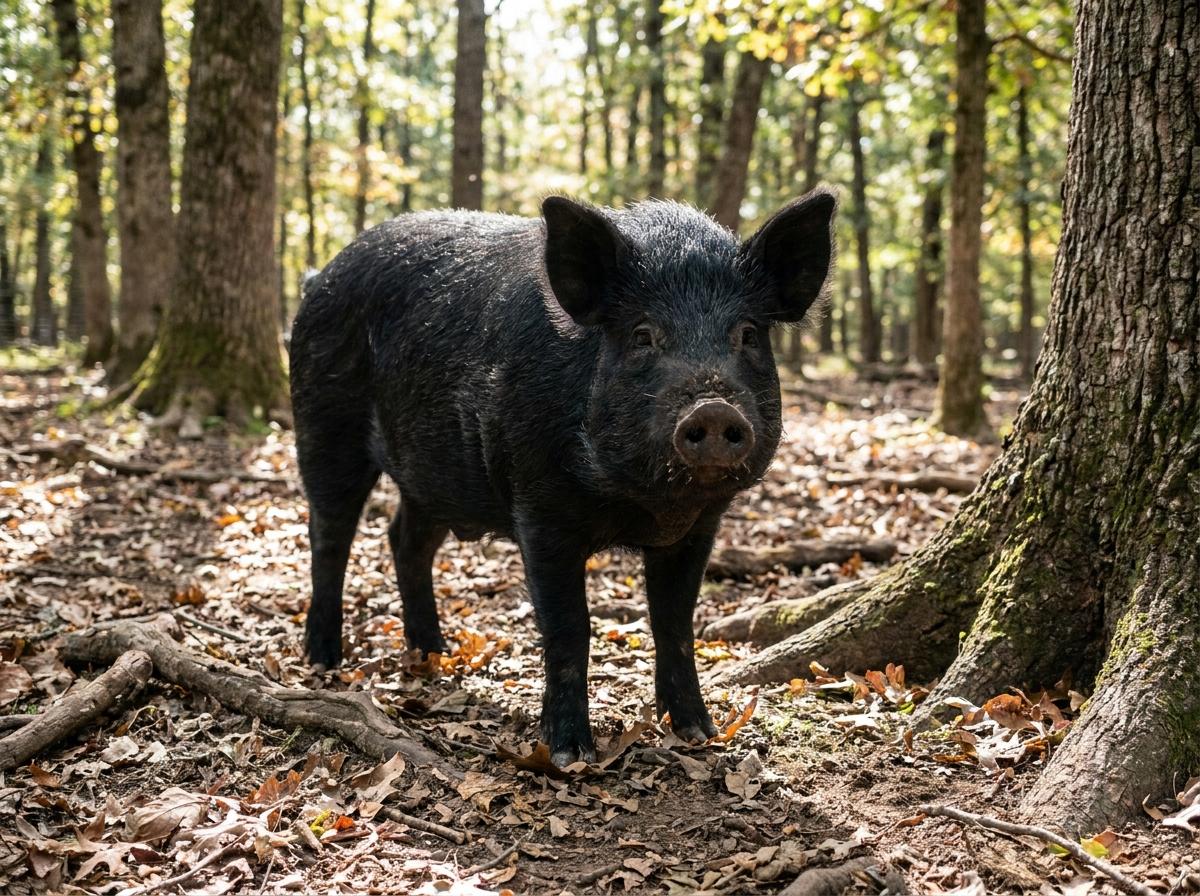
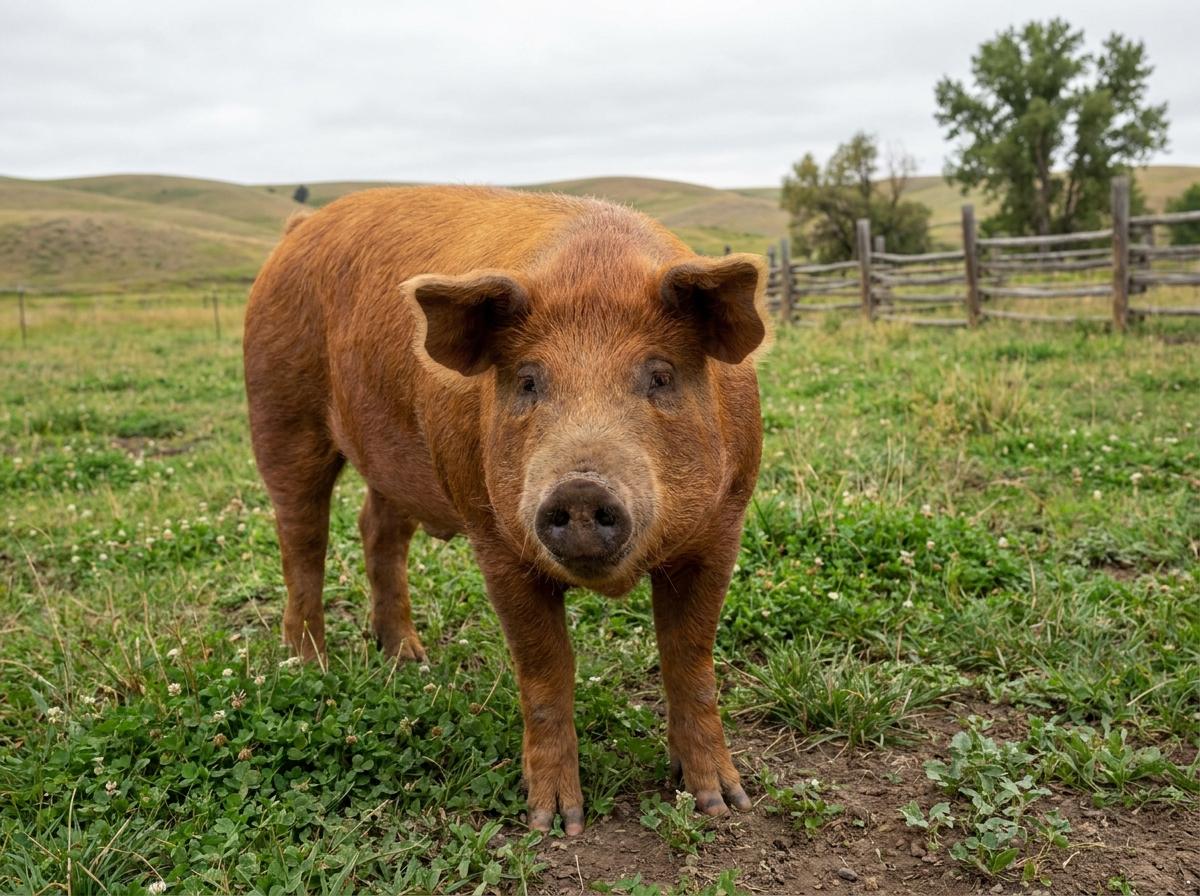
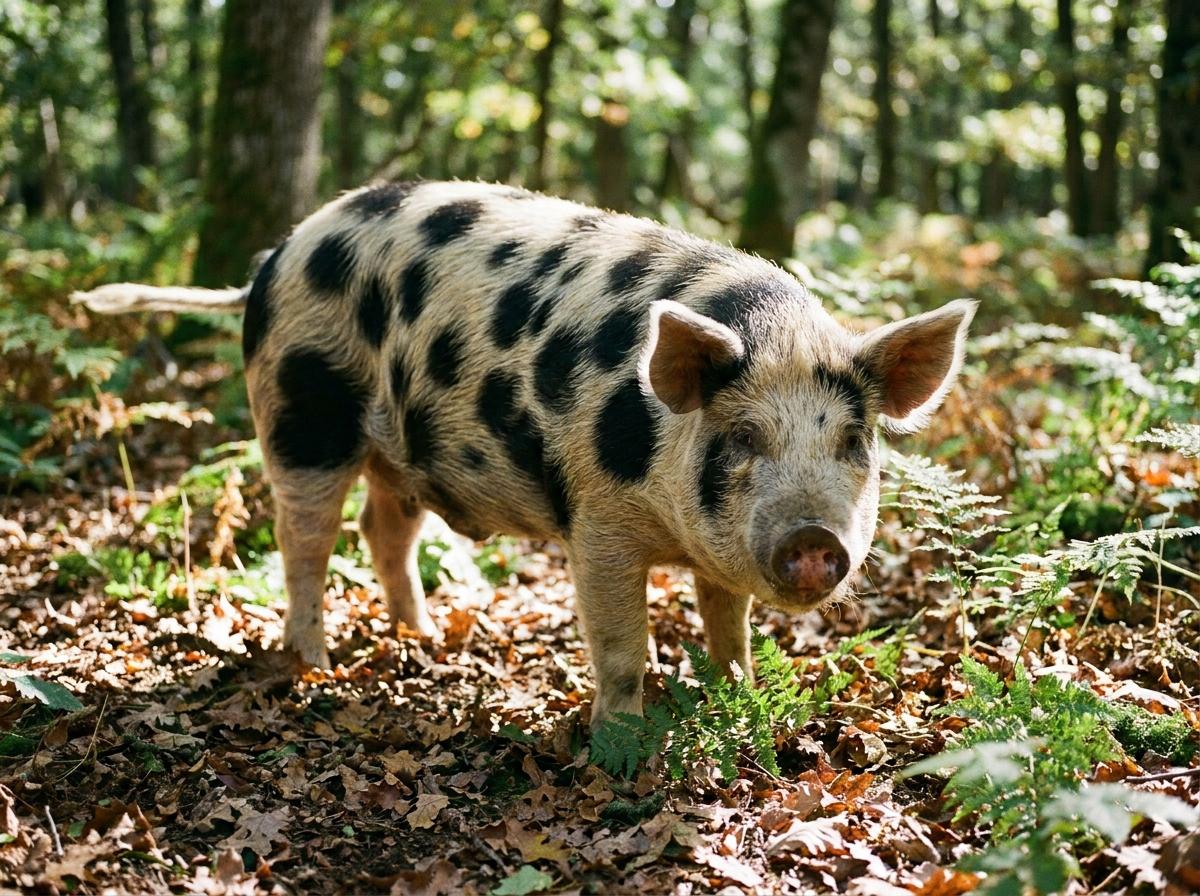
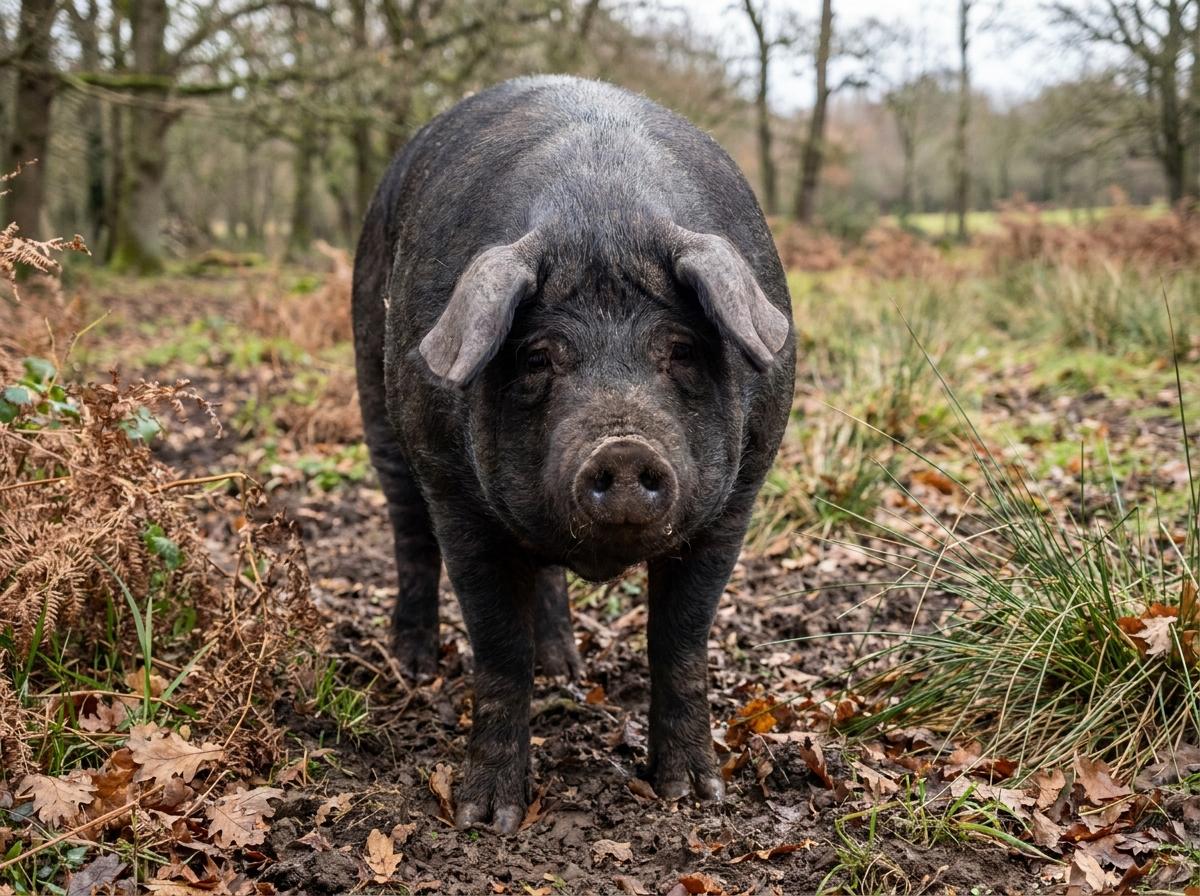
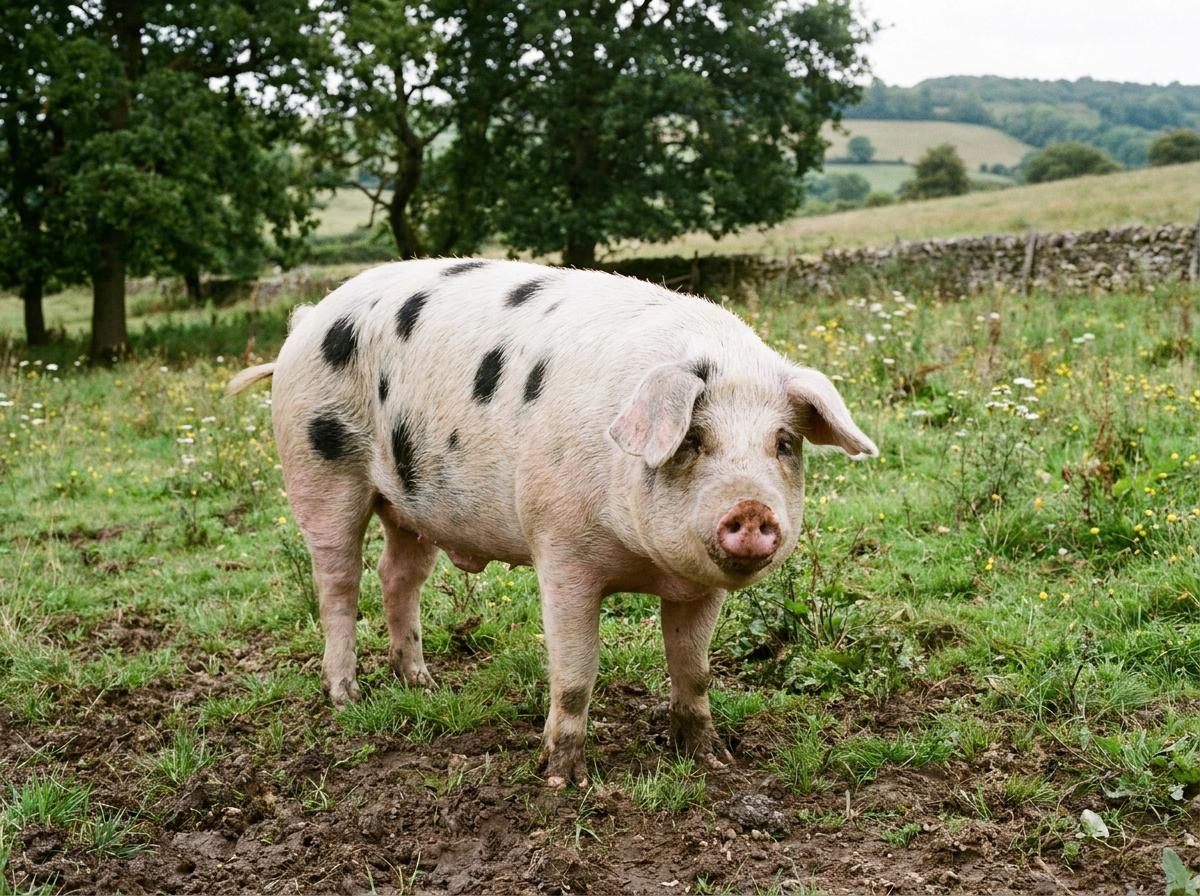
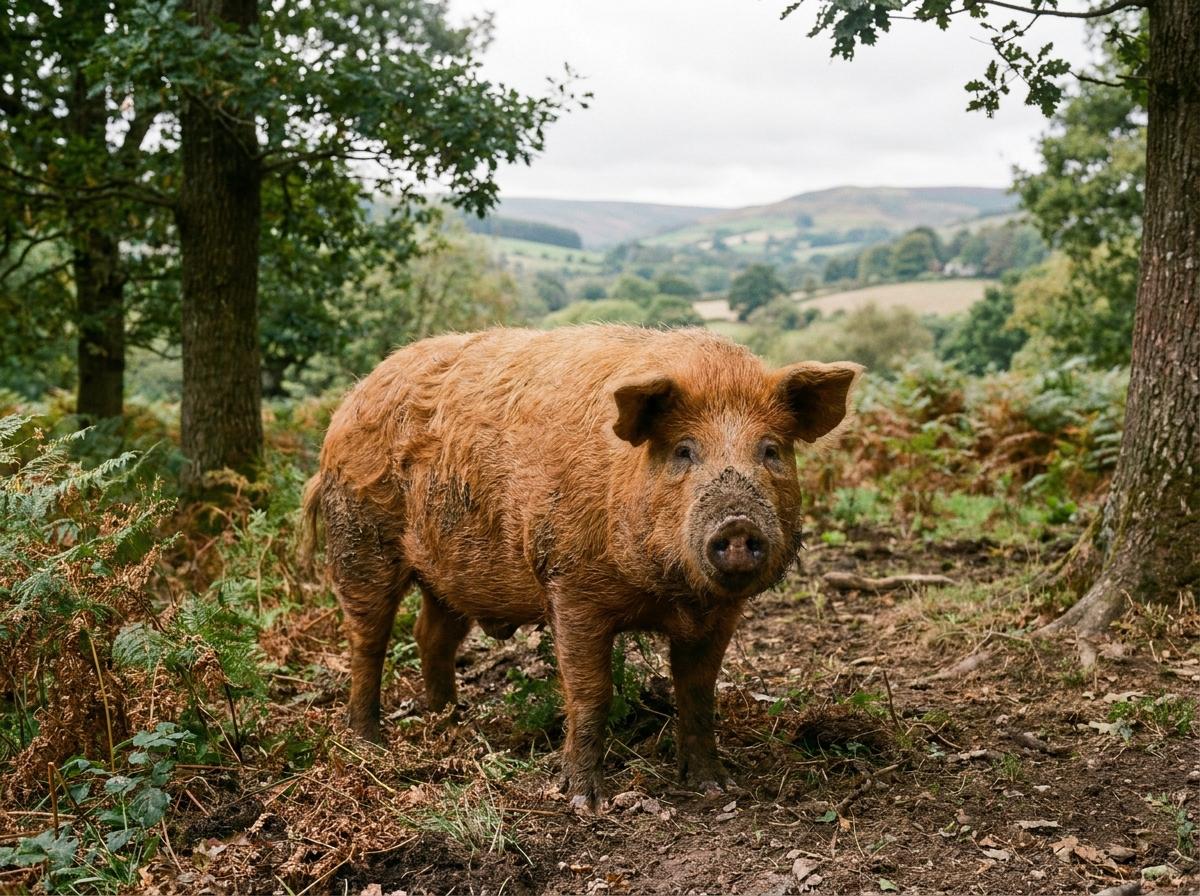
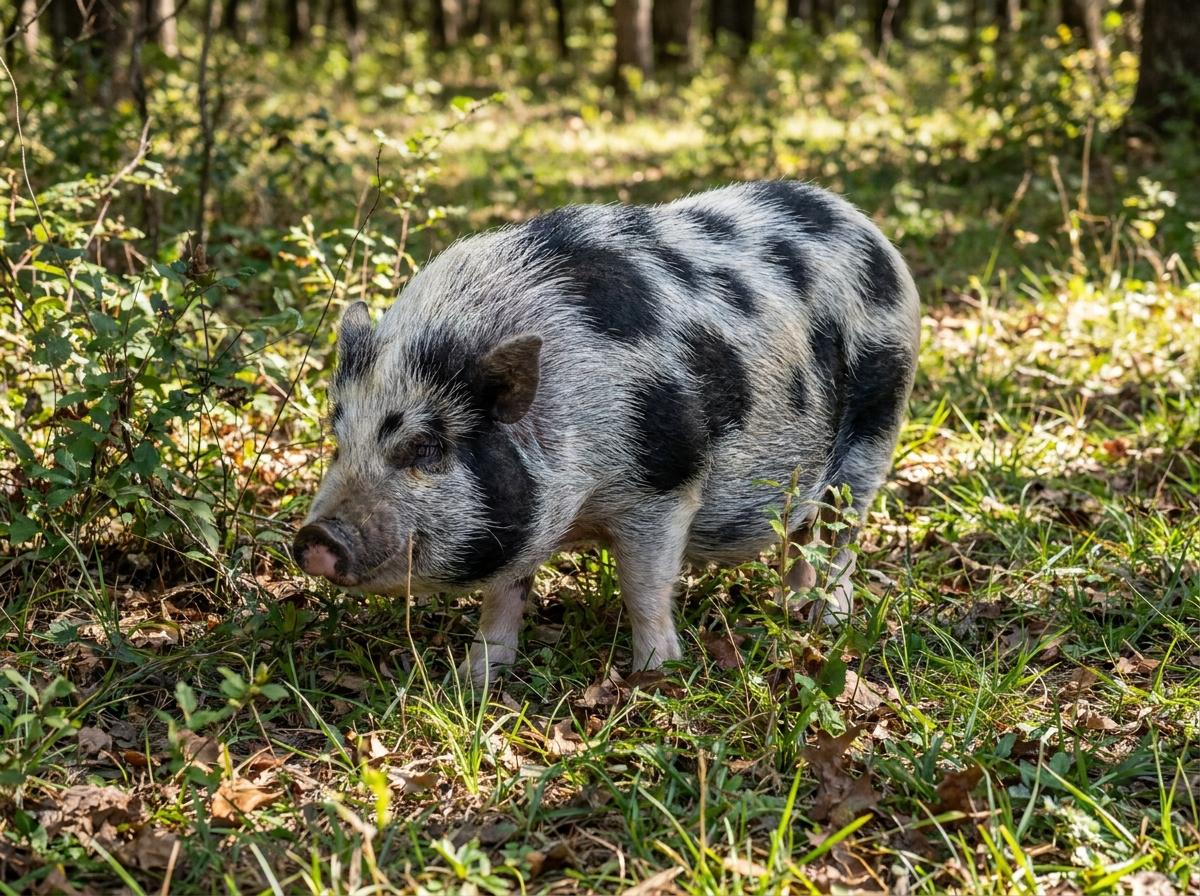
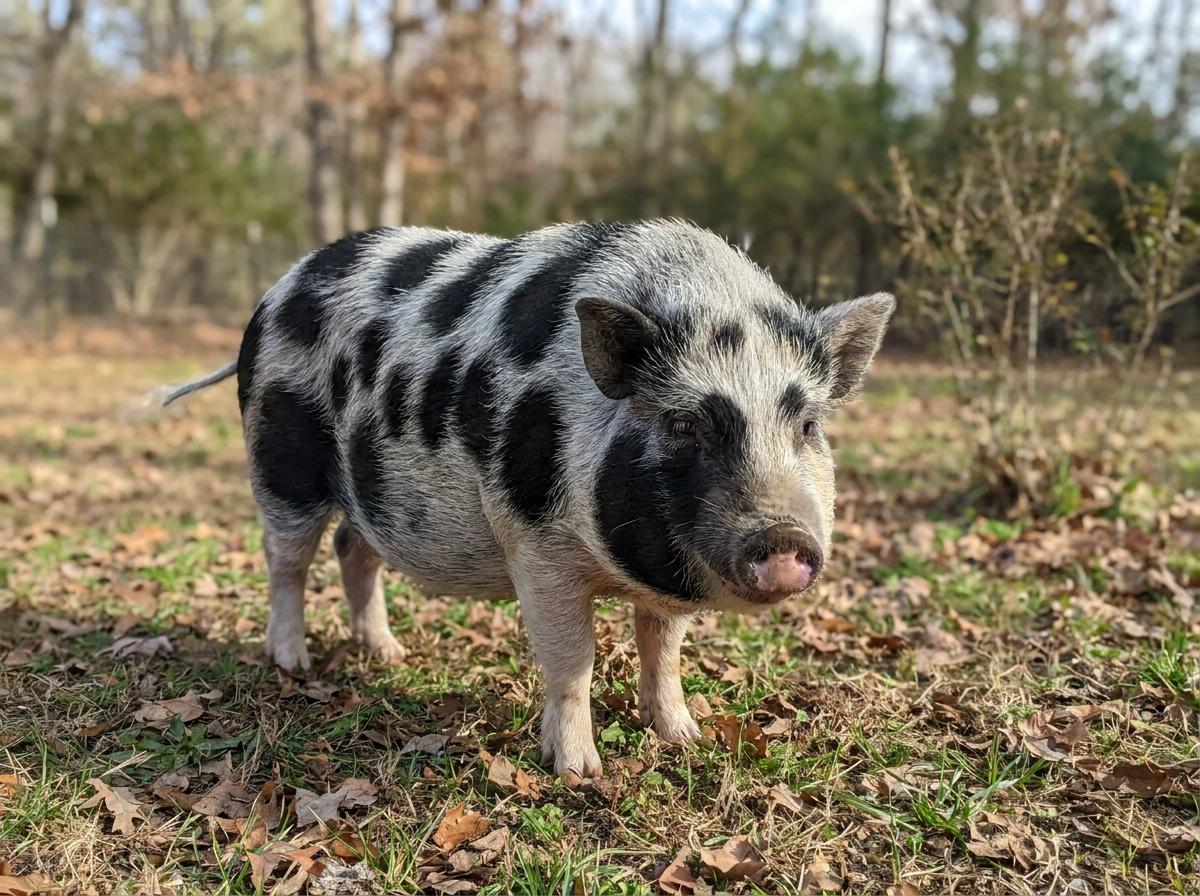
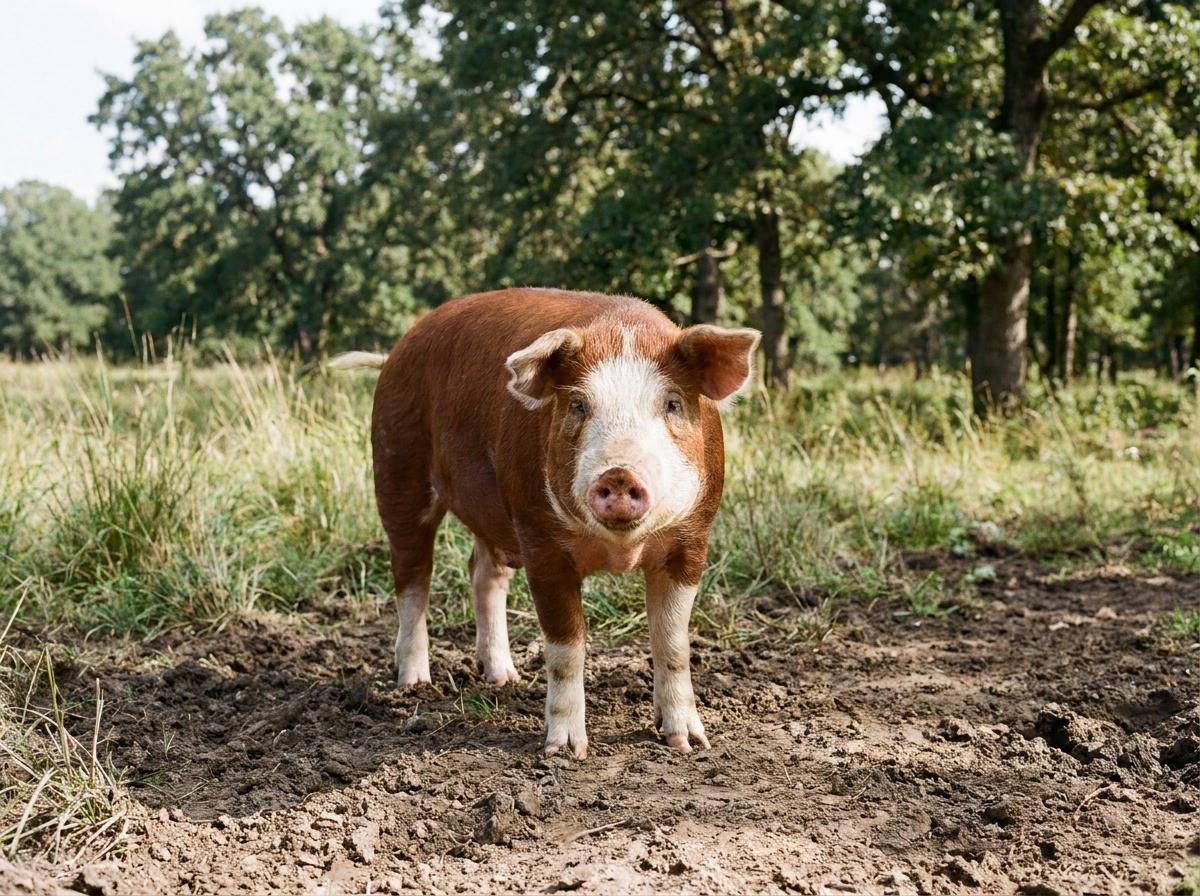
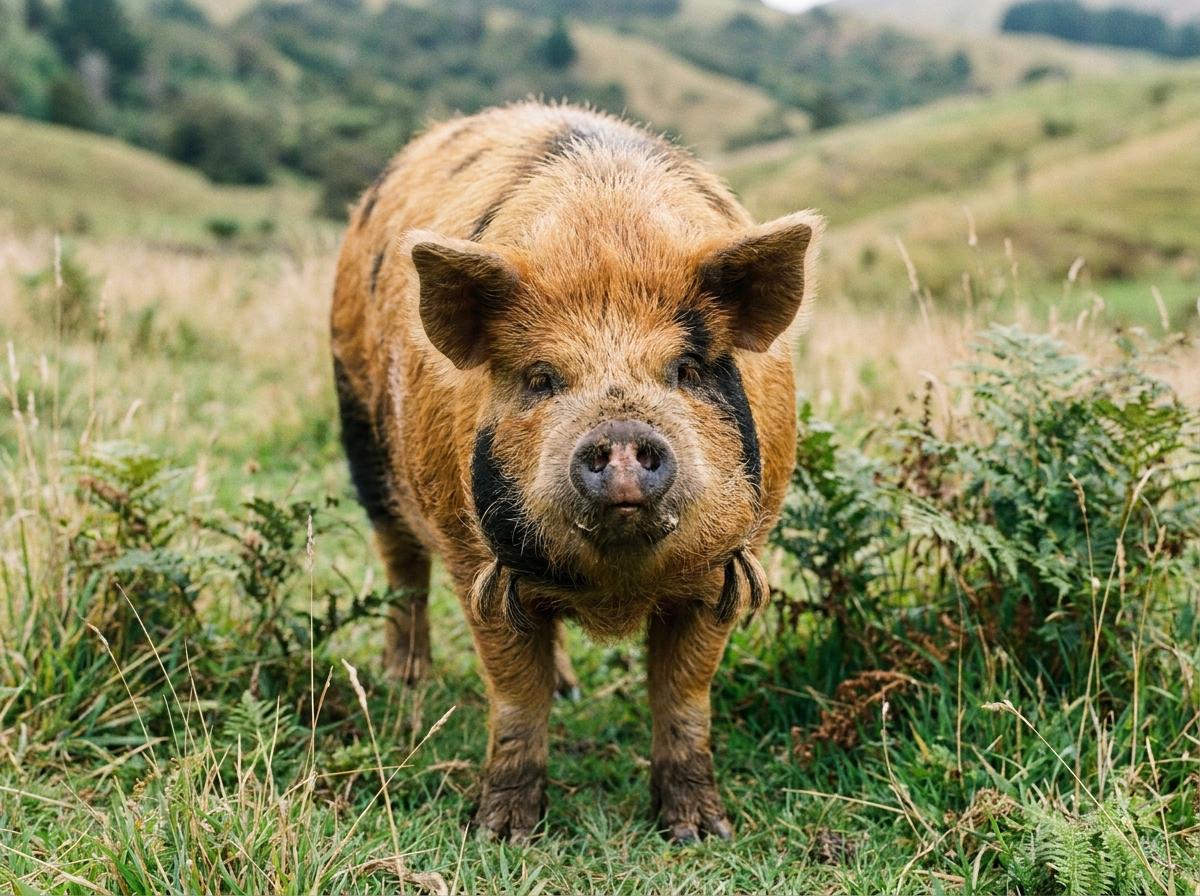
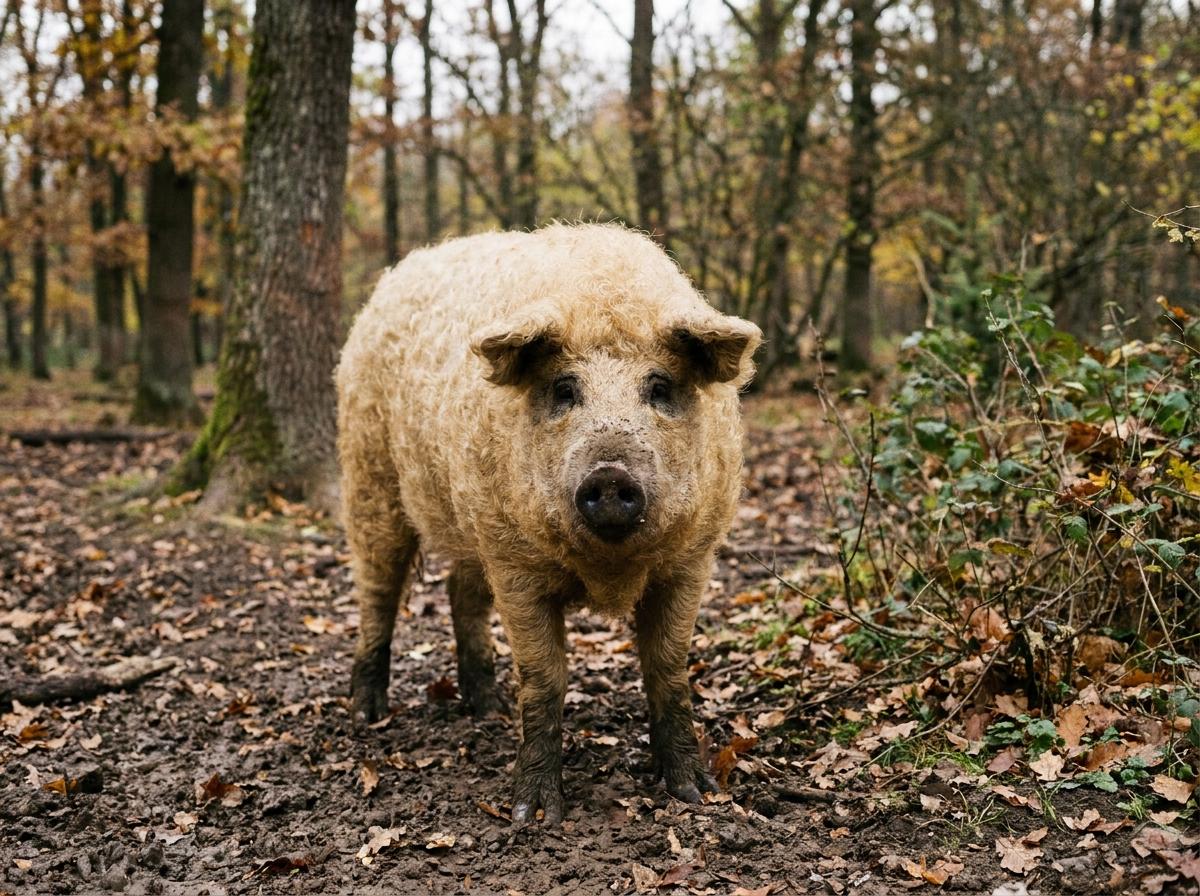
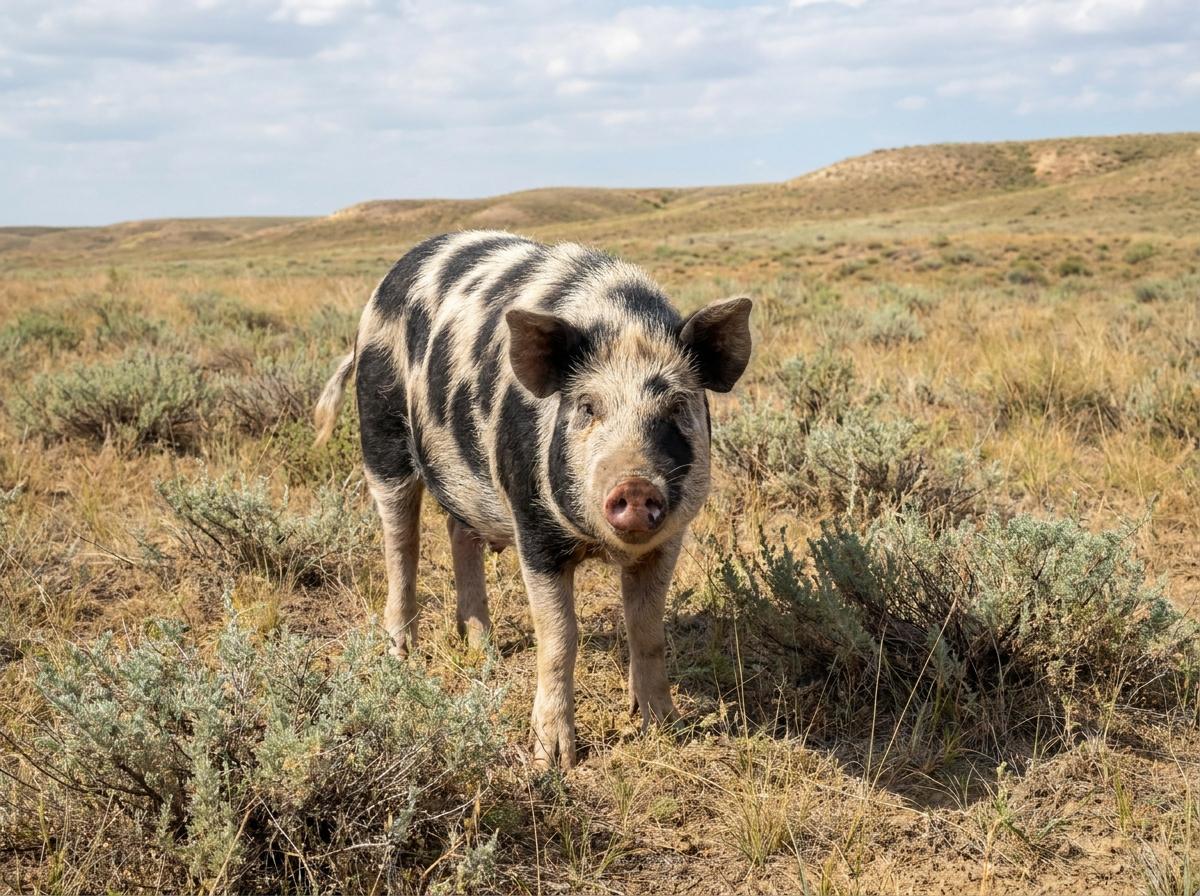
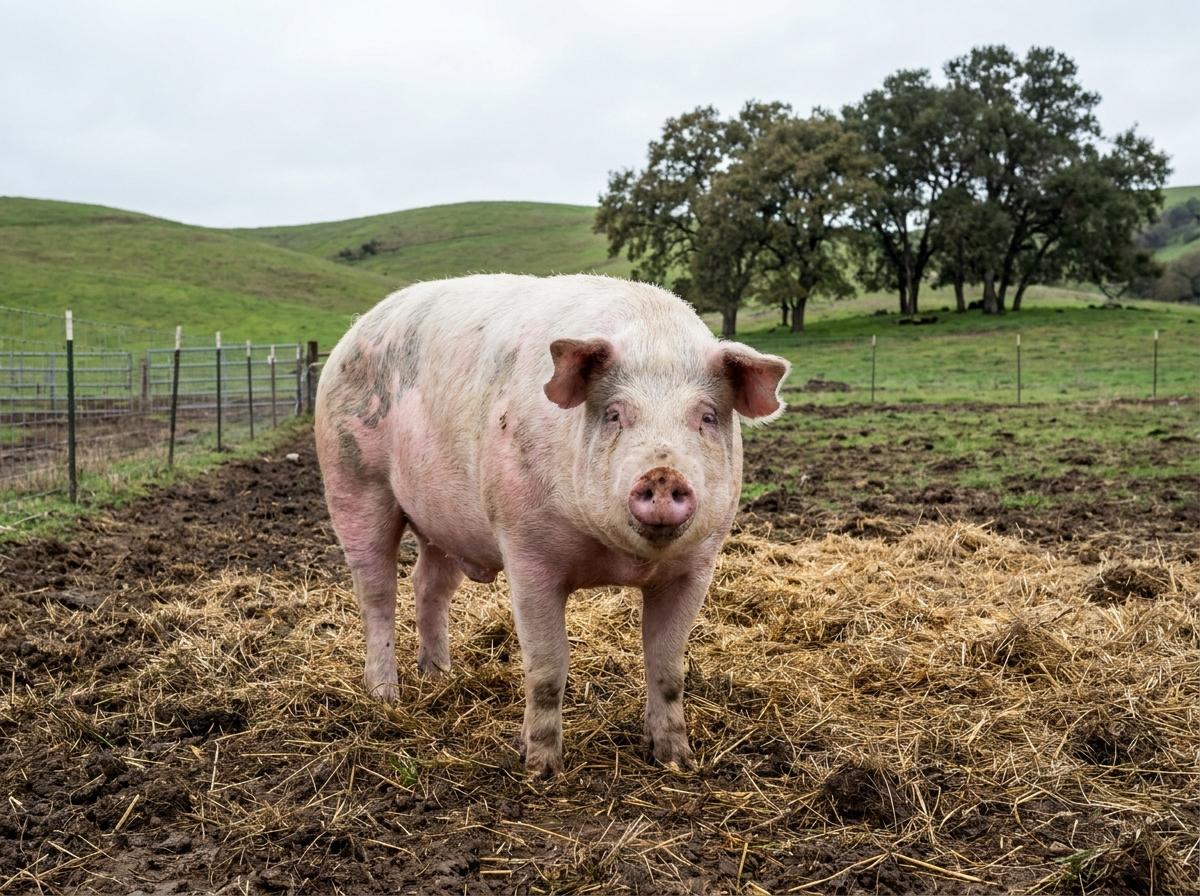
A commercial crossbred pig is a planned hybrid domestic pig bred for pork production, not a breed in the traditional sense. Producers combine maternal lines such as Large White or Yorkshire and Landrace with terminal sire lines that may include Duroc, Hampshire, Pietrain or other selected genetics. The goal is heterosis: stronger growth, larger litters, better feed conversion and more uniform market hogs than would usually come from maintaining one closed breed. Coat color can be white, black, belted, red, spotted or mixed, depending on the parent lines, so appearance alone says little about performance.
These pigs dominate modern pork systems and also appear on small farms because they are readily available, fast growing and predictable when sourced from a good herd. Management should match the genetics: high-growth pigs need balanced rations, ventilation, cooling, clean water and enough space to prevent injury and stress. Crossbred gilts can be productive mothers, but offspring will not reproduce the same uniform package unless the breeding plan is repeated. Buyers should ask about parent breeds, health status, vaccination history and whether the animal is intended as a feeder pig, replacement gilt or terminal market hog.
Colors: Belted, Black, Black and Ginger, Black and Tan Spotted, Black and White, Black and White Spotted, Black/White, Black with White Belt, Black with White Points, Blonde, Brown, Brown and White, Brown/White, Cream, Ginger, Ginger and Black, Ginger/Black, Ginger/Cream, Gold, Gray, Gray with Black Spots, Pied, Red, Red and Black, Red and White, Red and White Spotted, Red with White Face, Sandy, Sandy-Brown with Black Spots, Silver, Silver and White Spotted, Solid Black, Solid White, Spotted, Spotted Black and White, Swallow-Bellied, Swallow Belly, Tri-Colored, White, White with Black Spots