


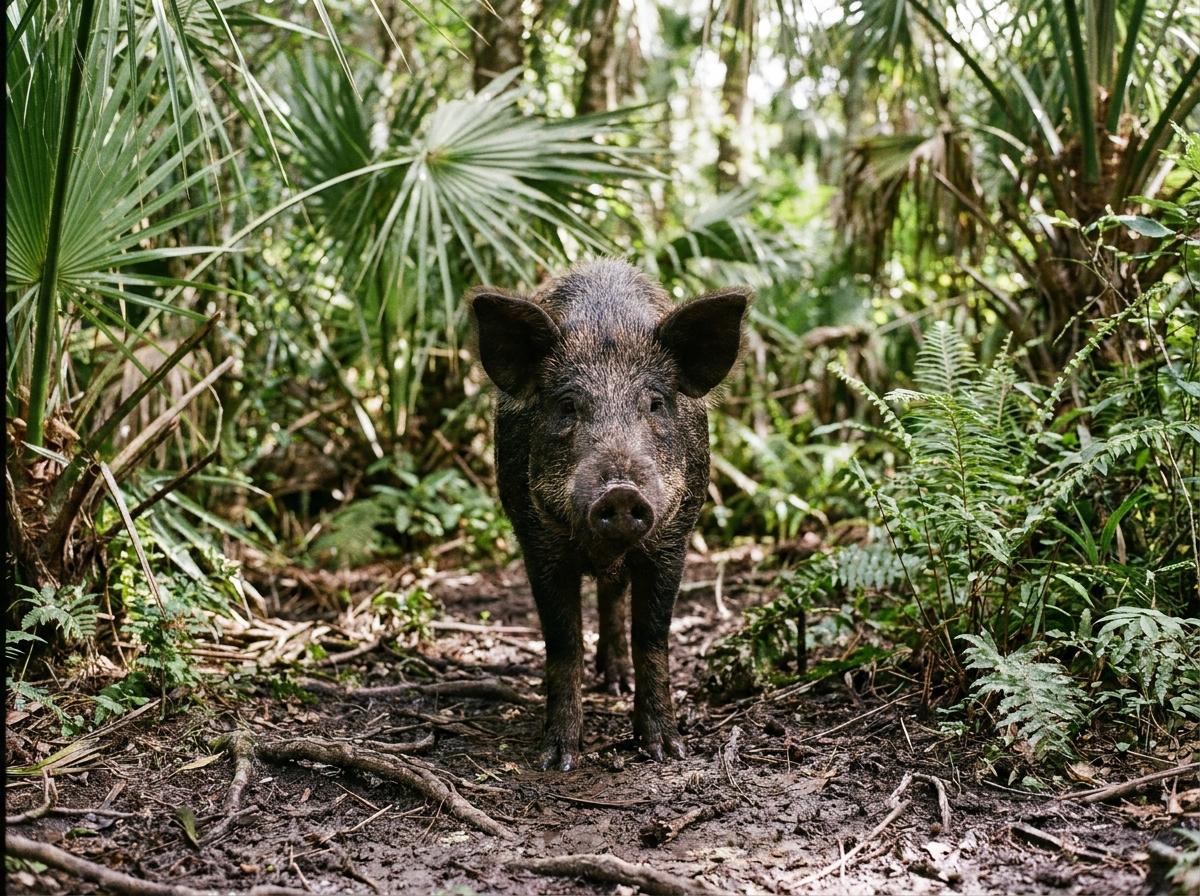
Creole Pig
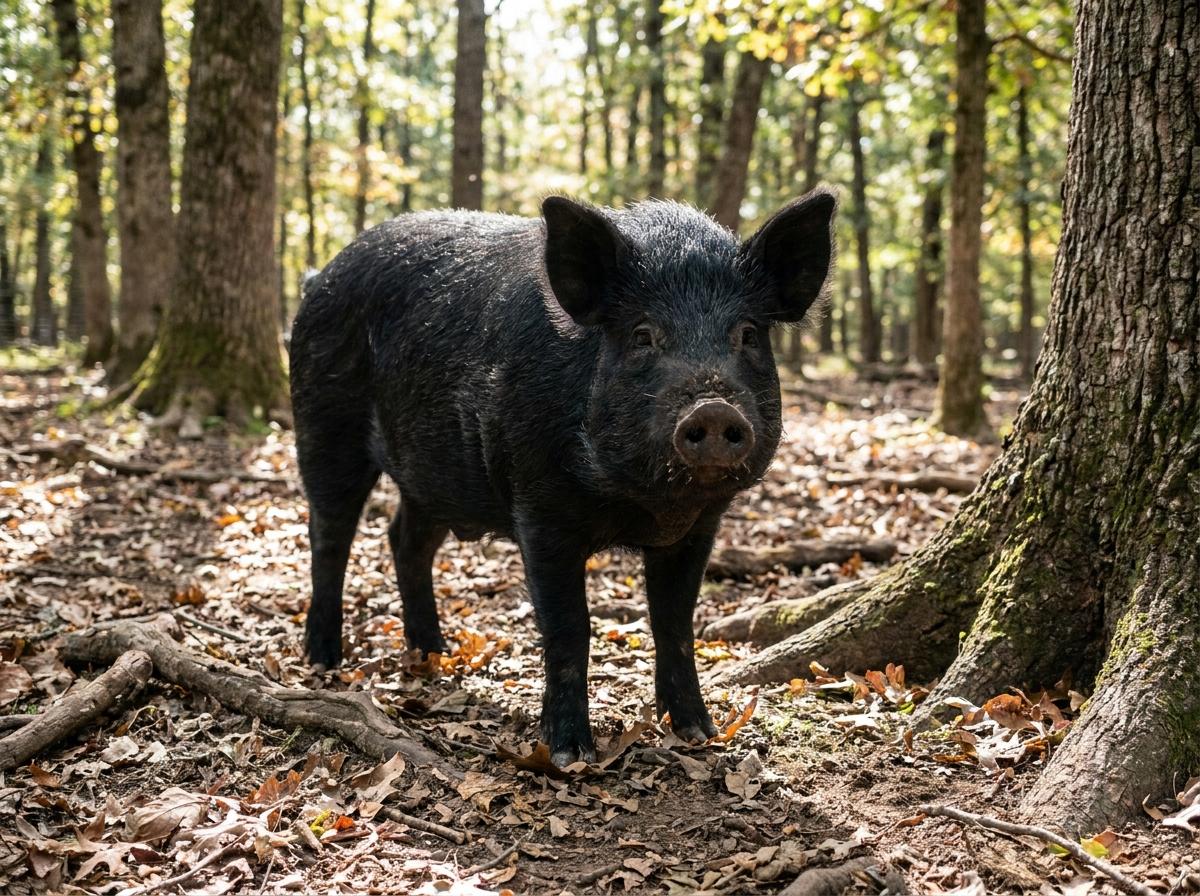
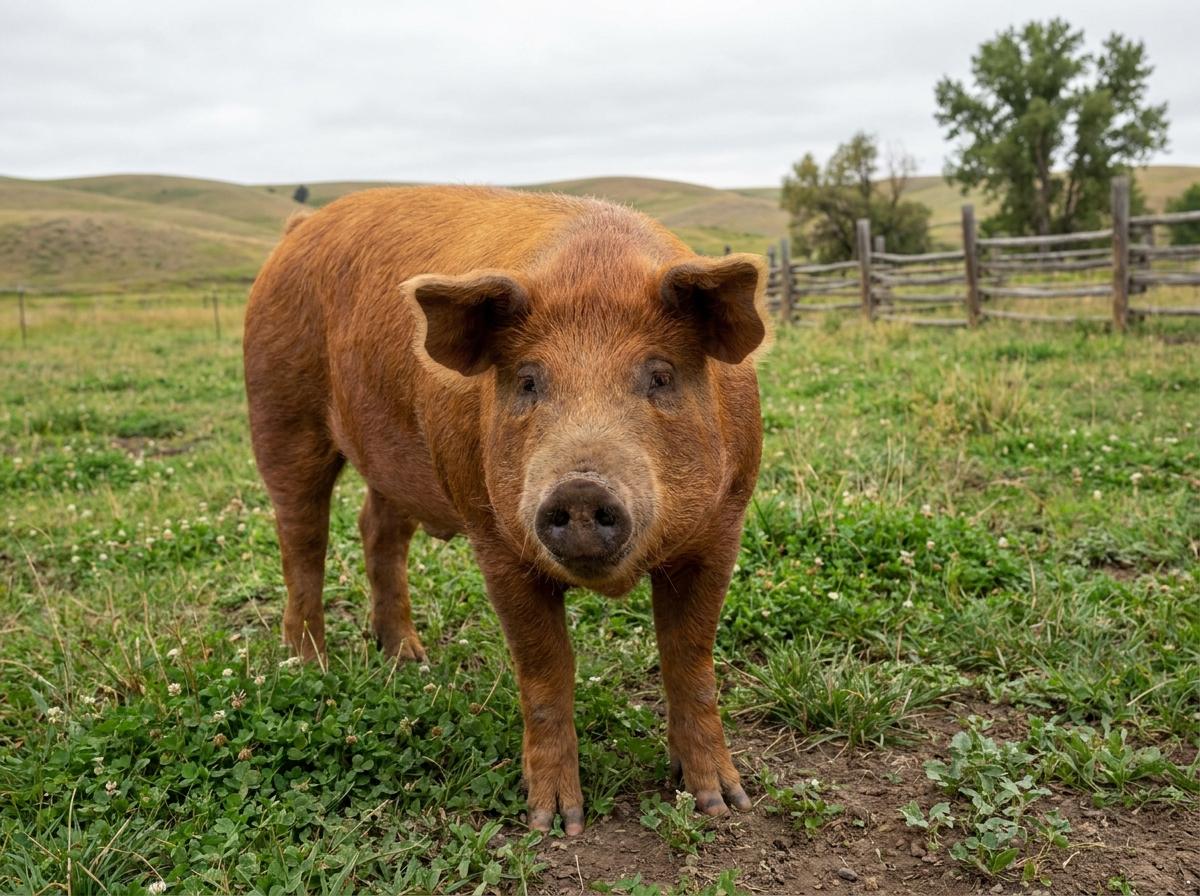
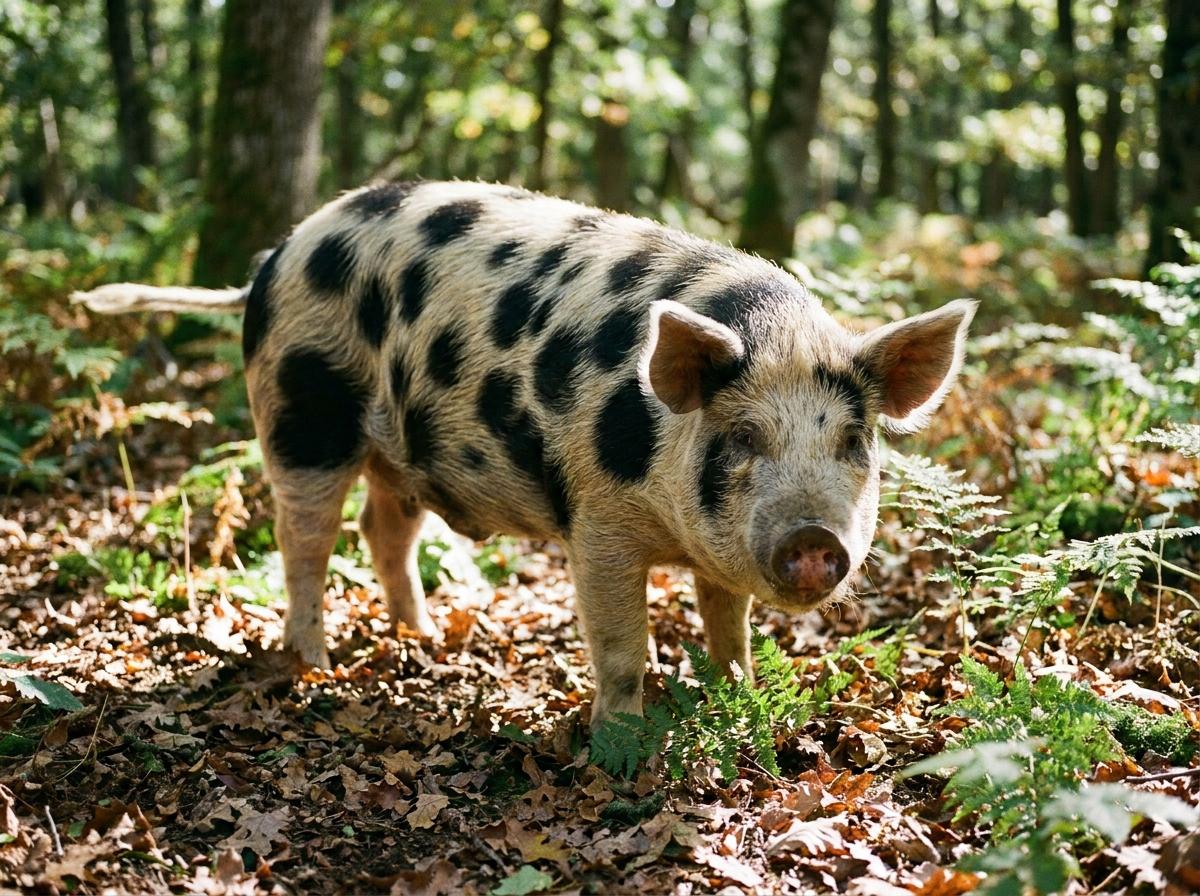
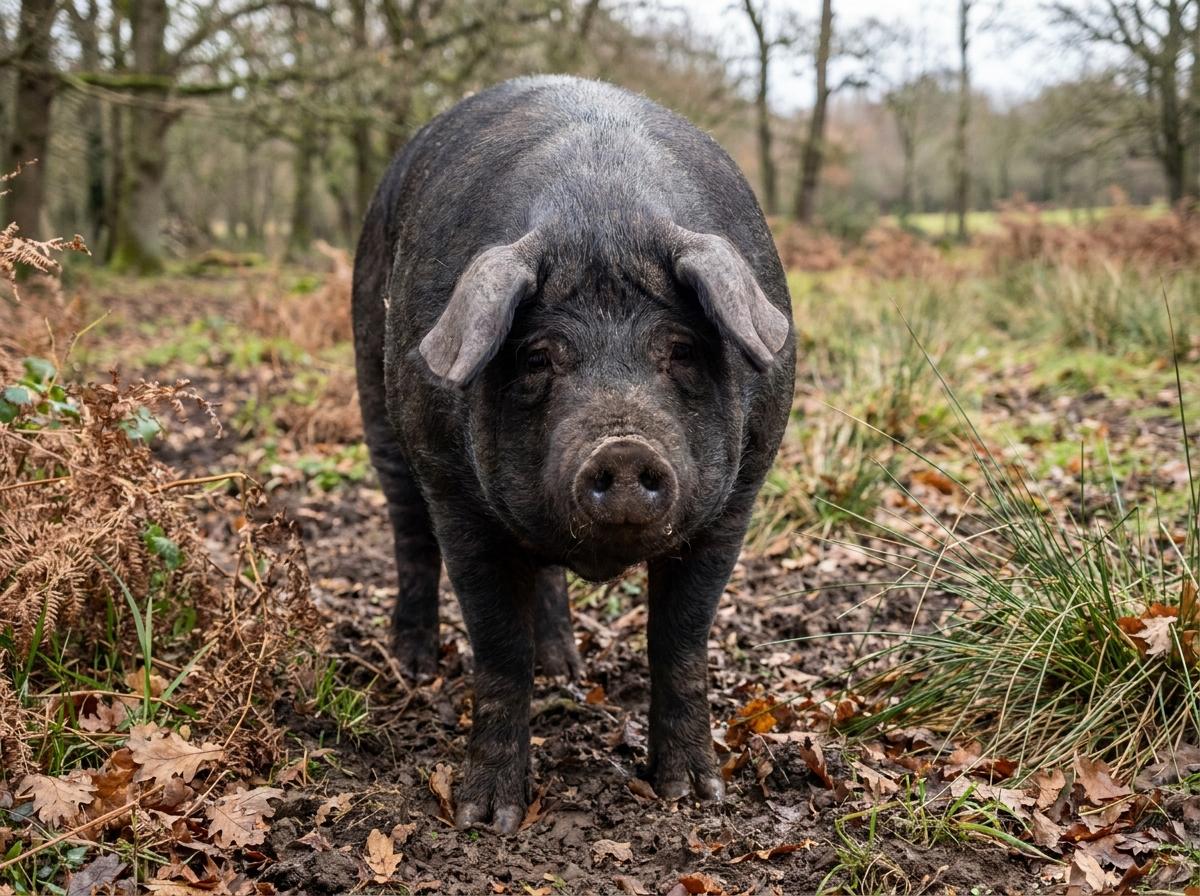
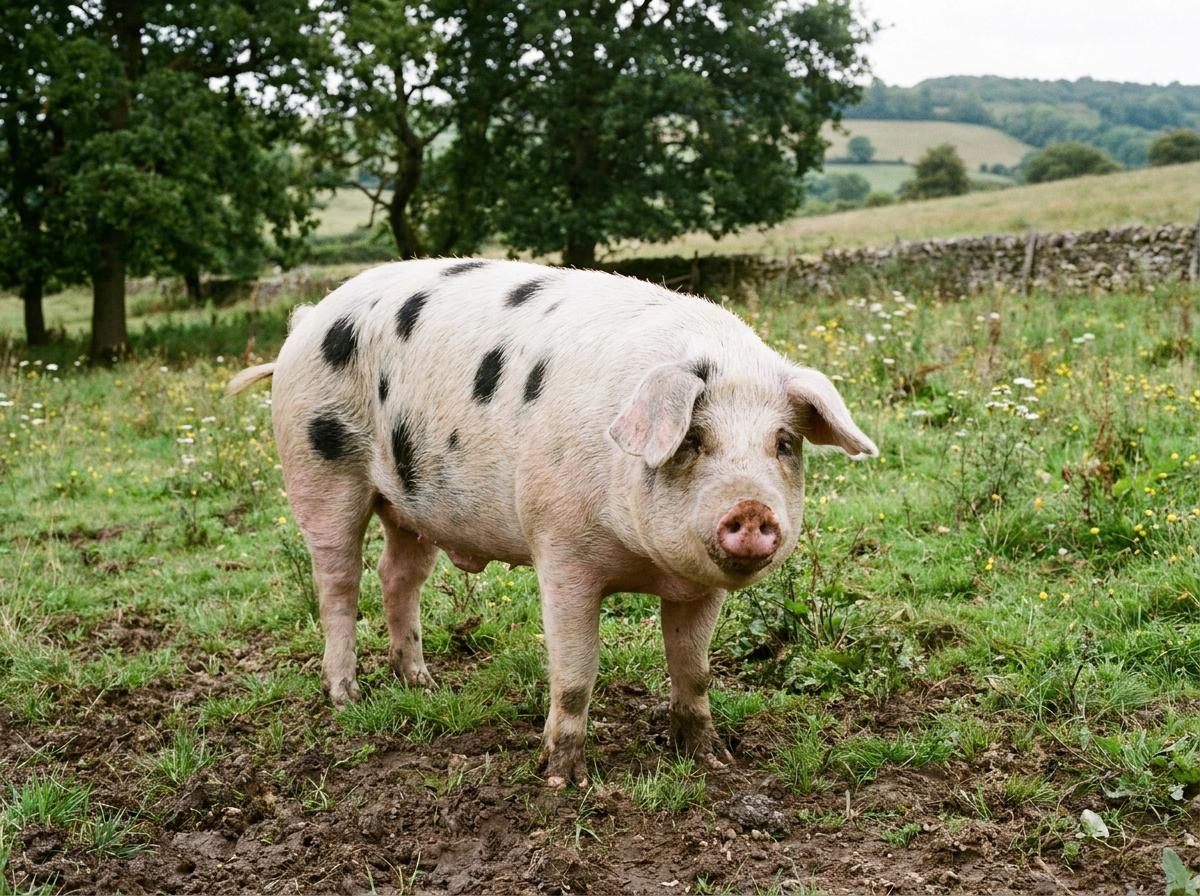
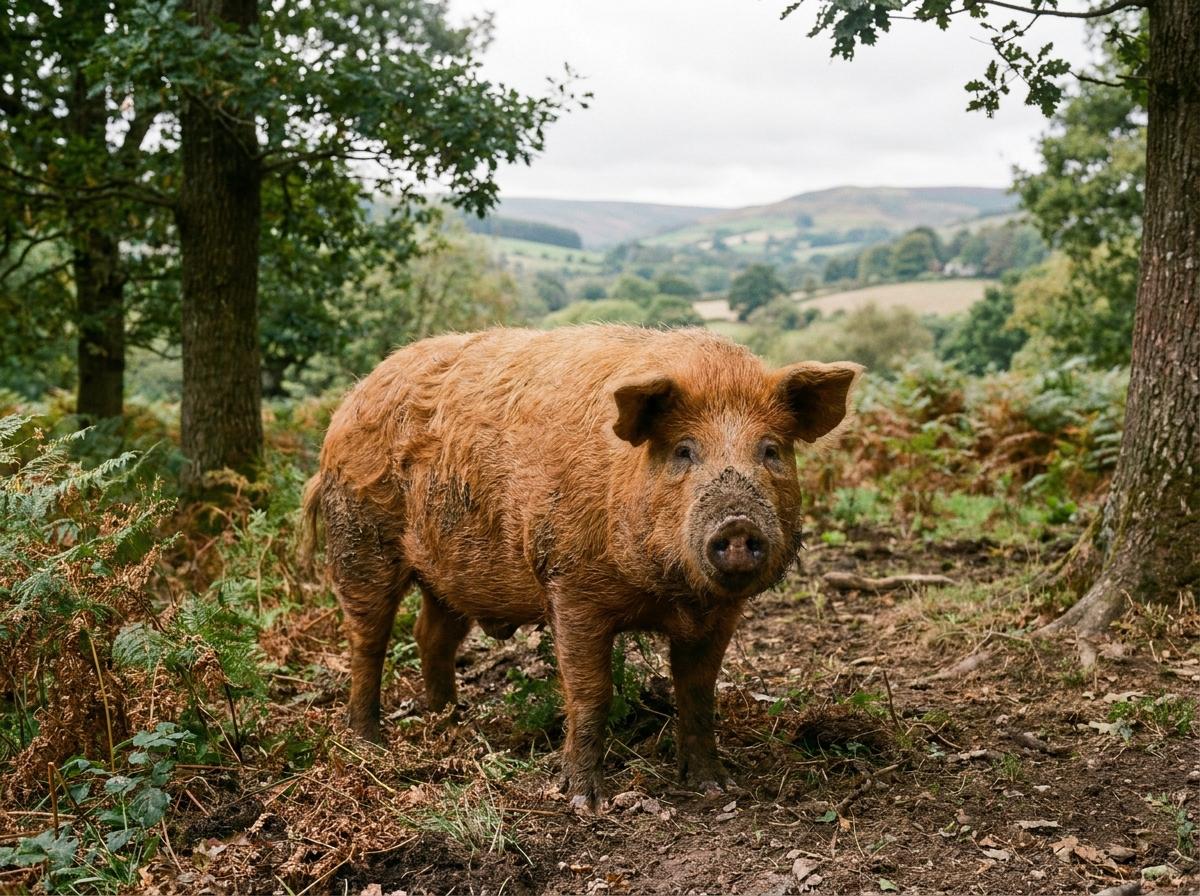
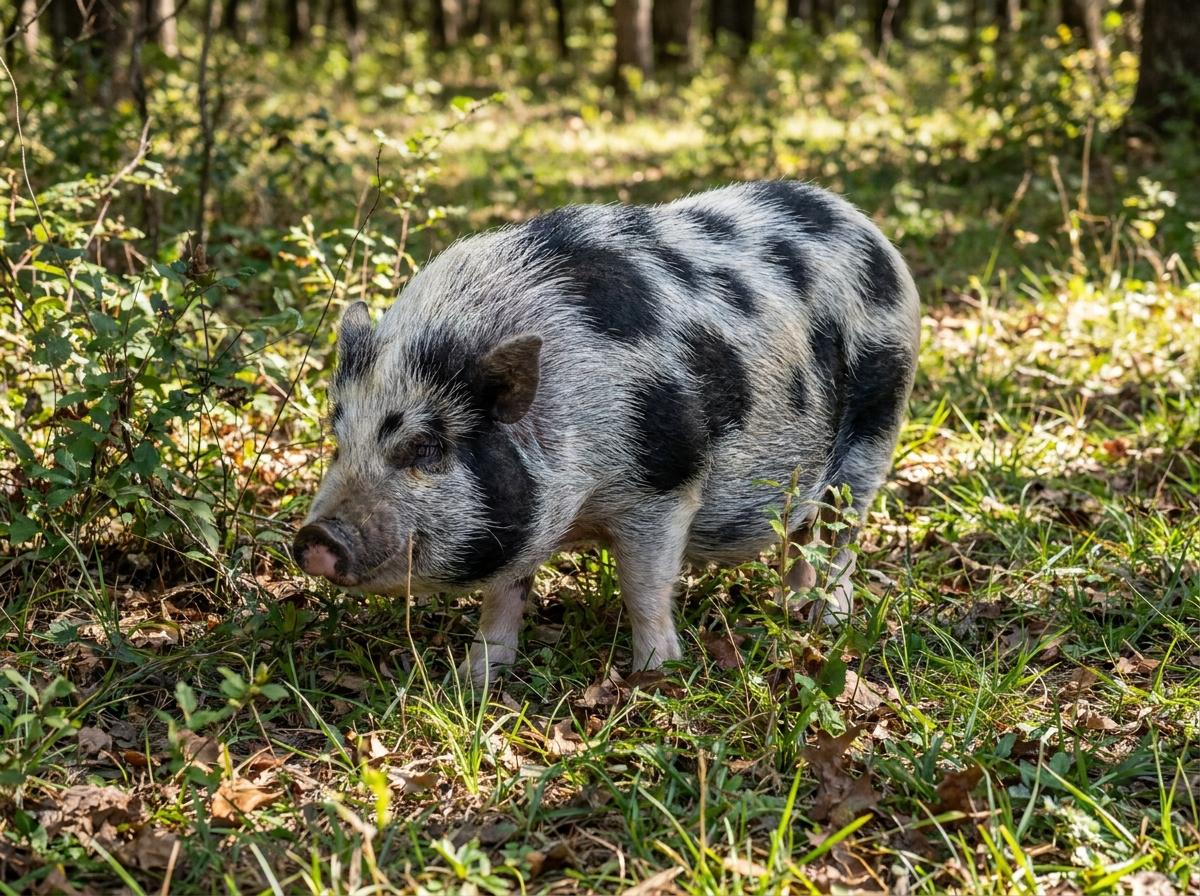
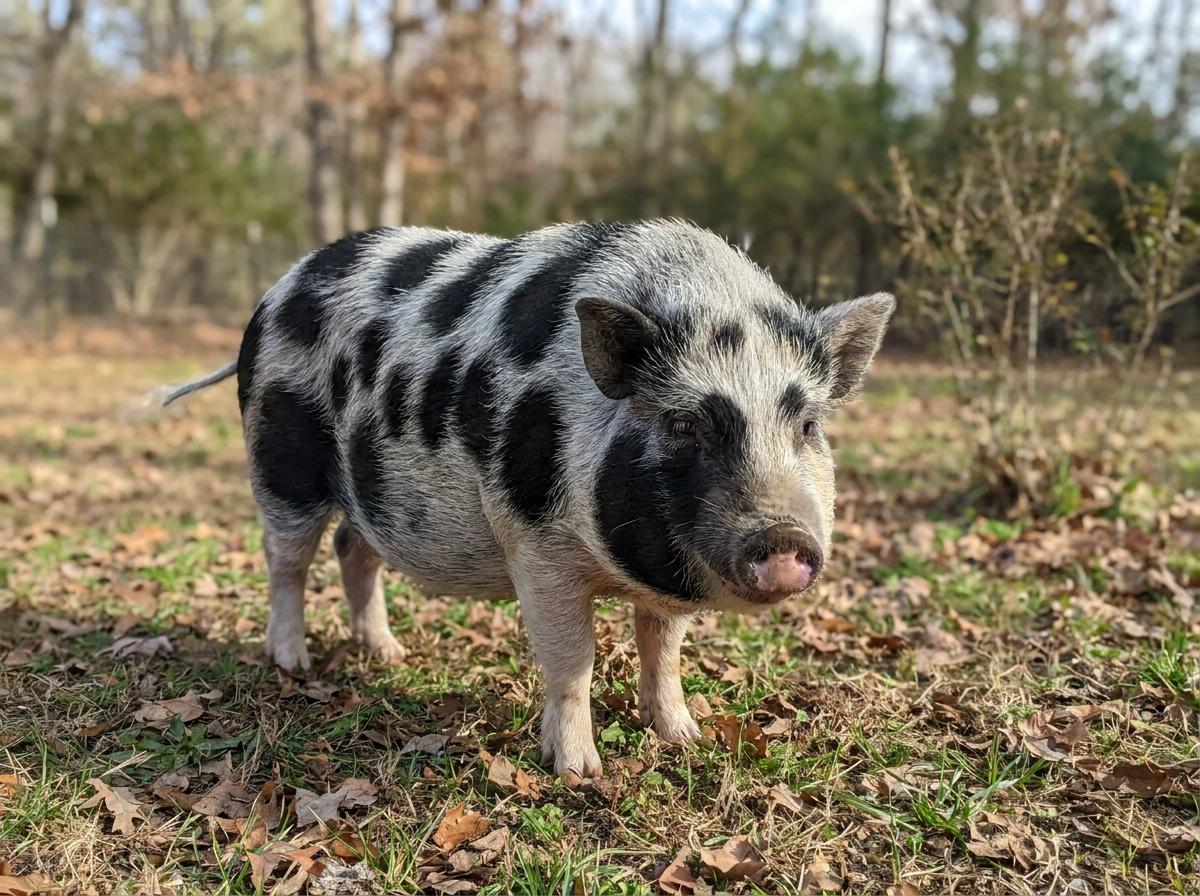
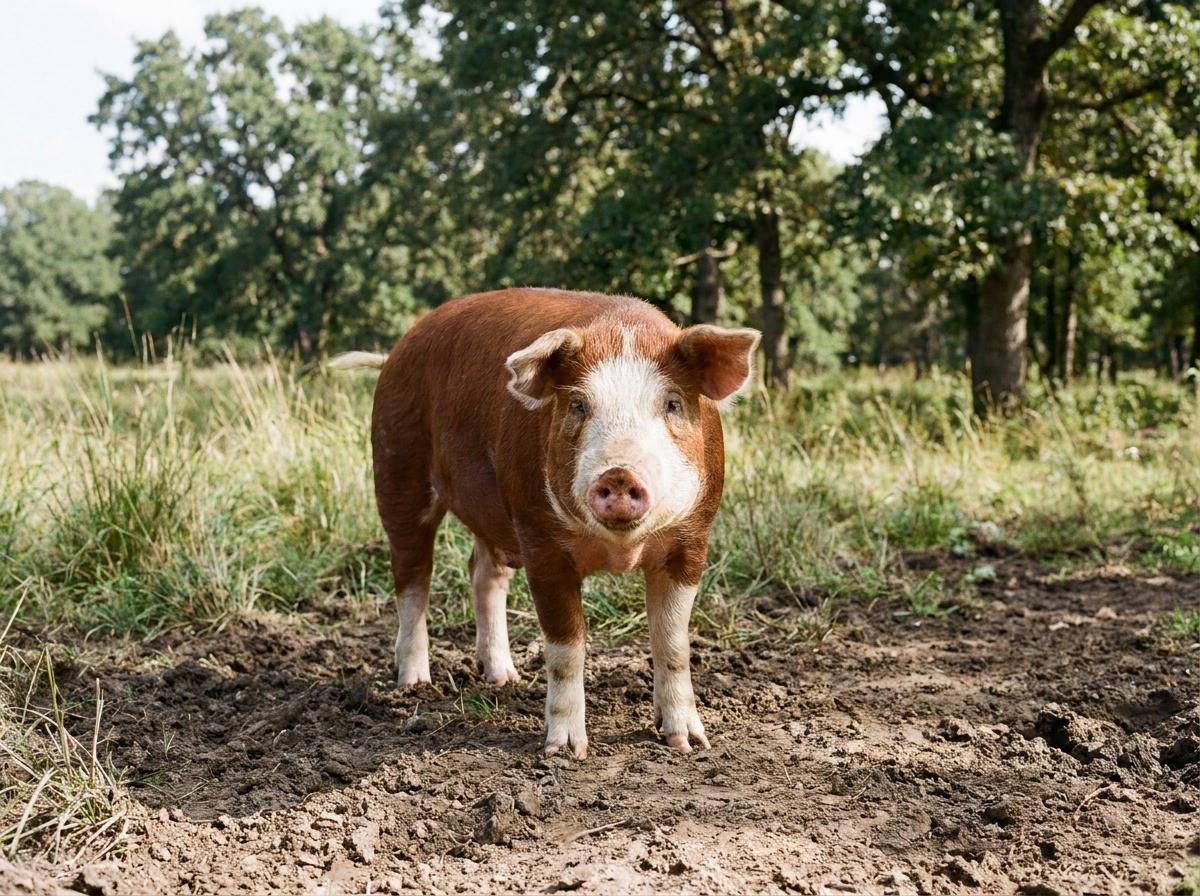
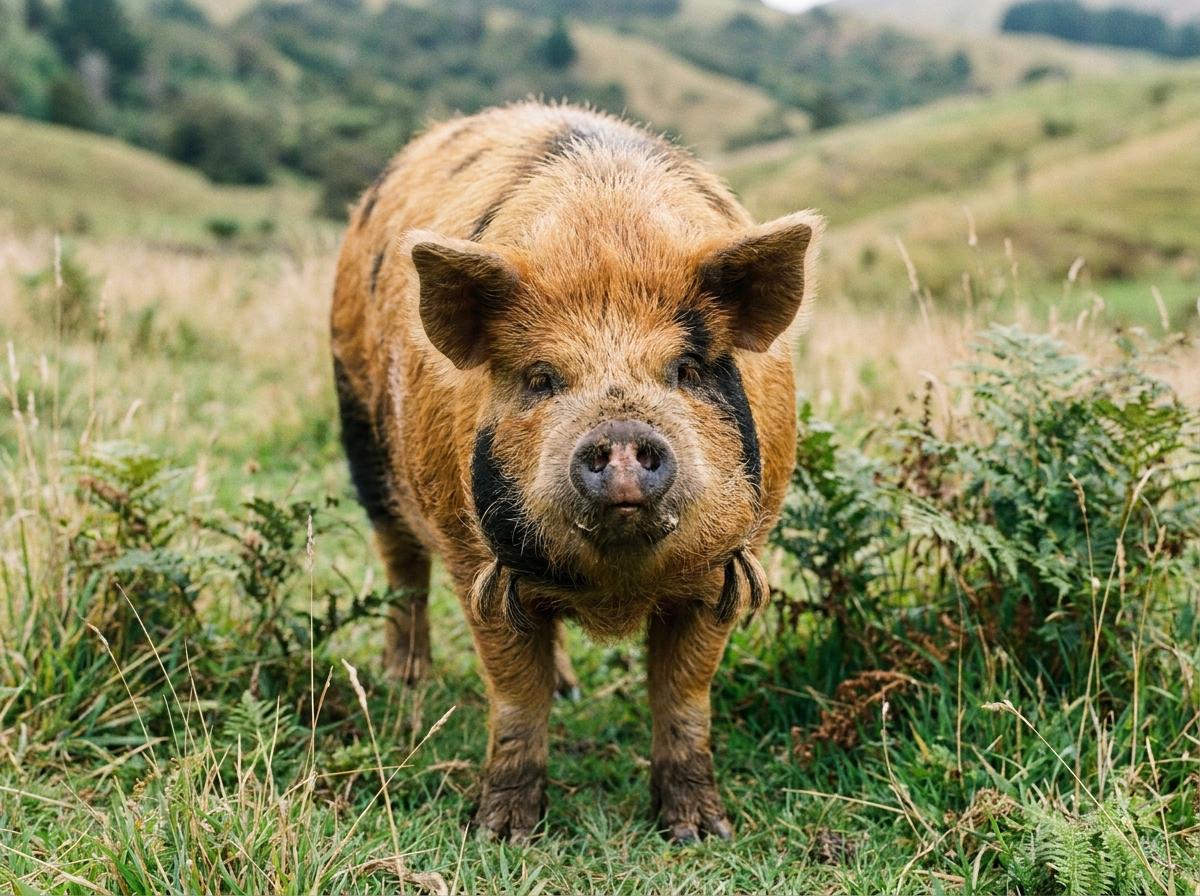
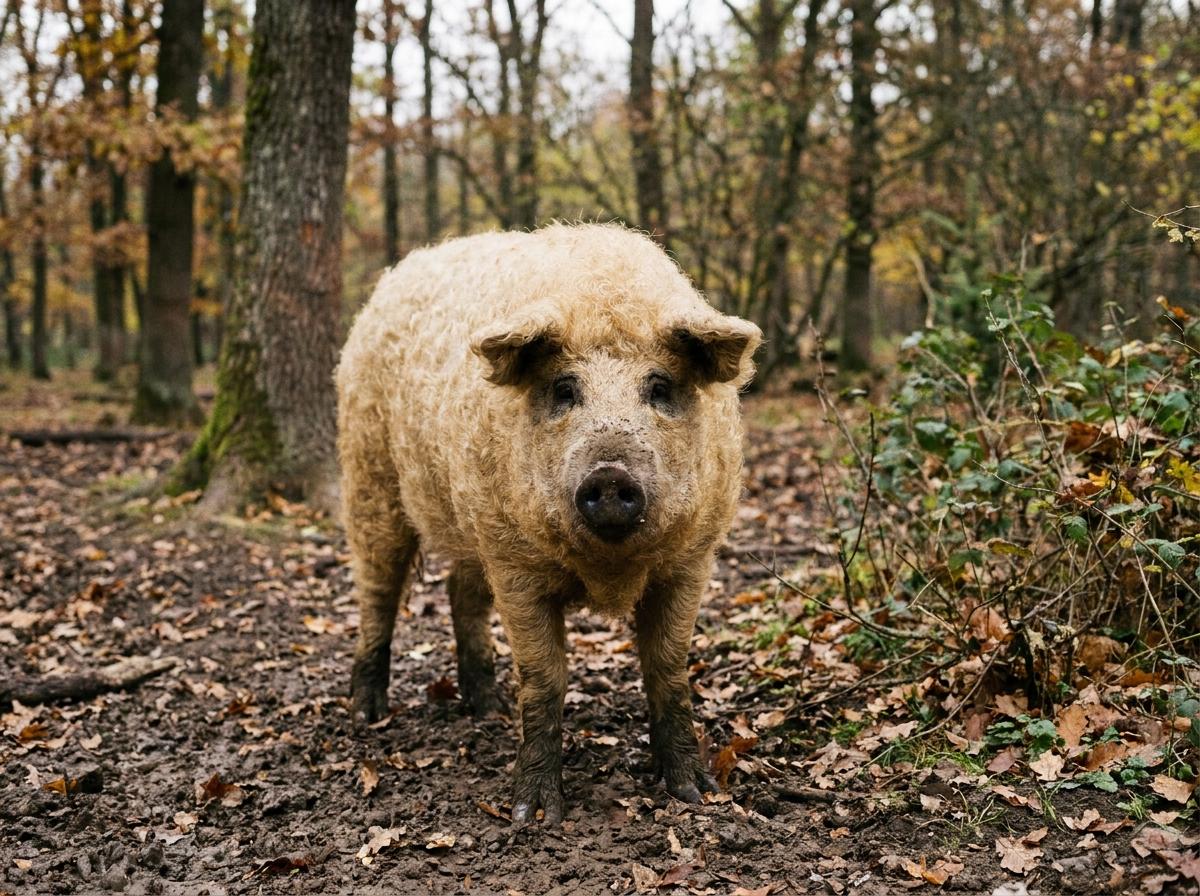
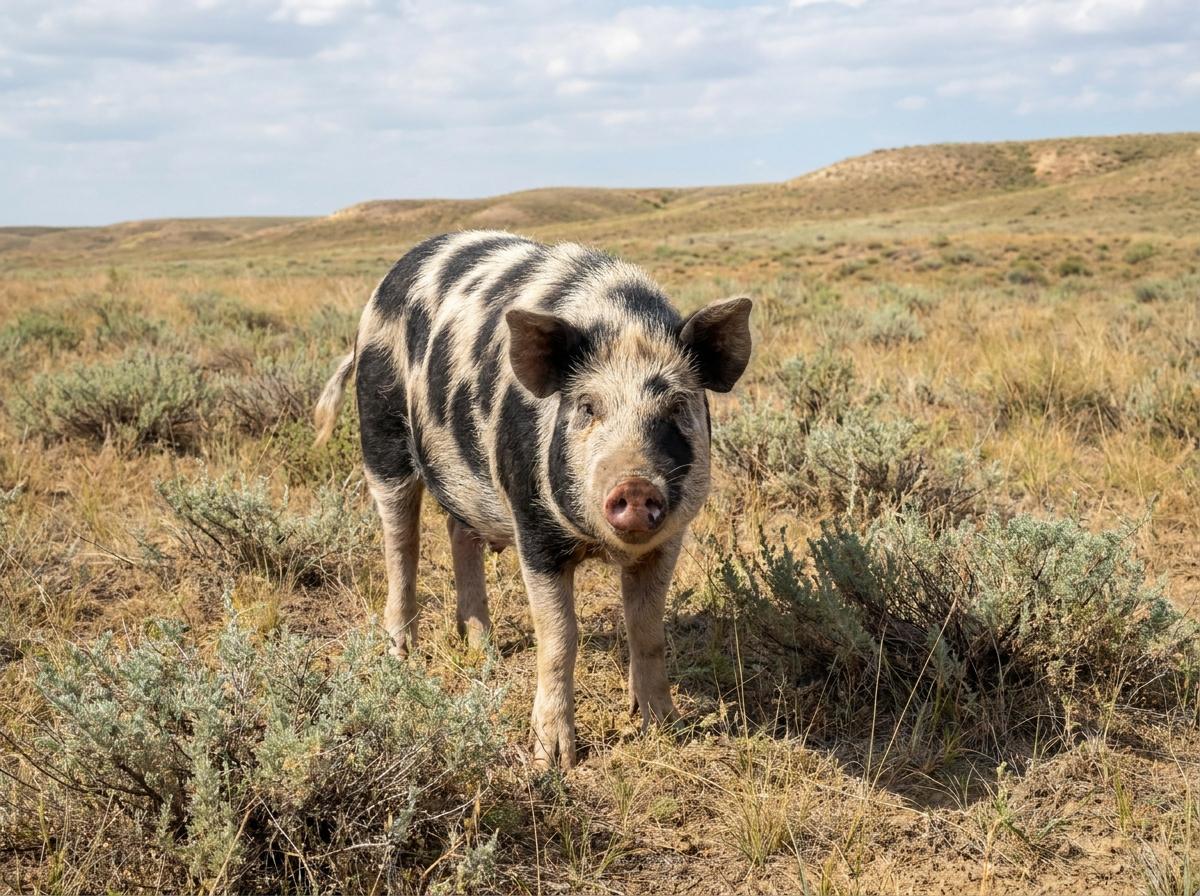
The Creole pig is a broad name for regional landrace pigs in the Caribbean and Latin America, descended largely from Iberian pigs brought during the colonial period and later mingled with other European, African, or Asian stock. It is not a single standardized breed. Creole pigs tend to be small to medium, active foragers with variable coats, including black, red, sandy, pied, and sometimes belted patterns. Many lines are noted for strong legs, long snouts, and tolerance of hot, humid conditions.
They are mostly kept in smallholder, village, or free-range systems where the ability to use crop residues, fallen fruit, and rough grazing can matter as much as rapid growth. Management still needs secure fencing, shade, cooling, parasite control, and protection of sows and piglets. Conservation programs in parts of the Caribbean and mainland Latin America treat surviving Creole lines as locally adapted genetic resources; buyers should ask which regional population an animal comes from rather than relying on the name alone.
Colors: Belted, Black, Black and White, Blonde, Brown, Cream, Ginger, Ginger and Black, Pied, Red, Red and Black, Sandy, Solid Black, Solid White, Spotted, Swallow Belly, White