

Crossbred
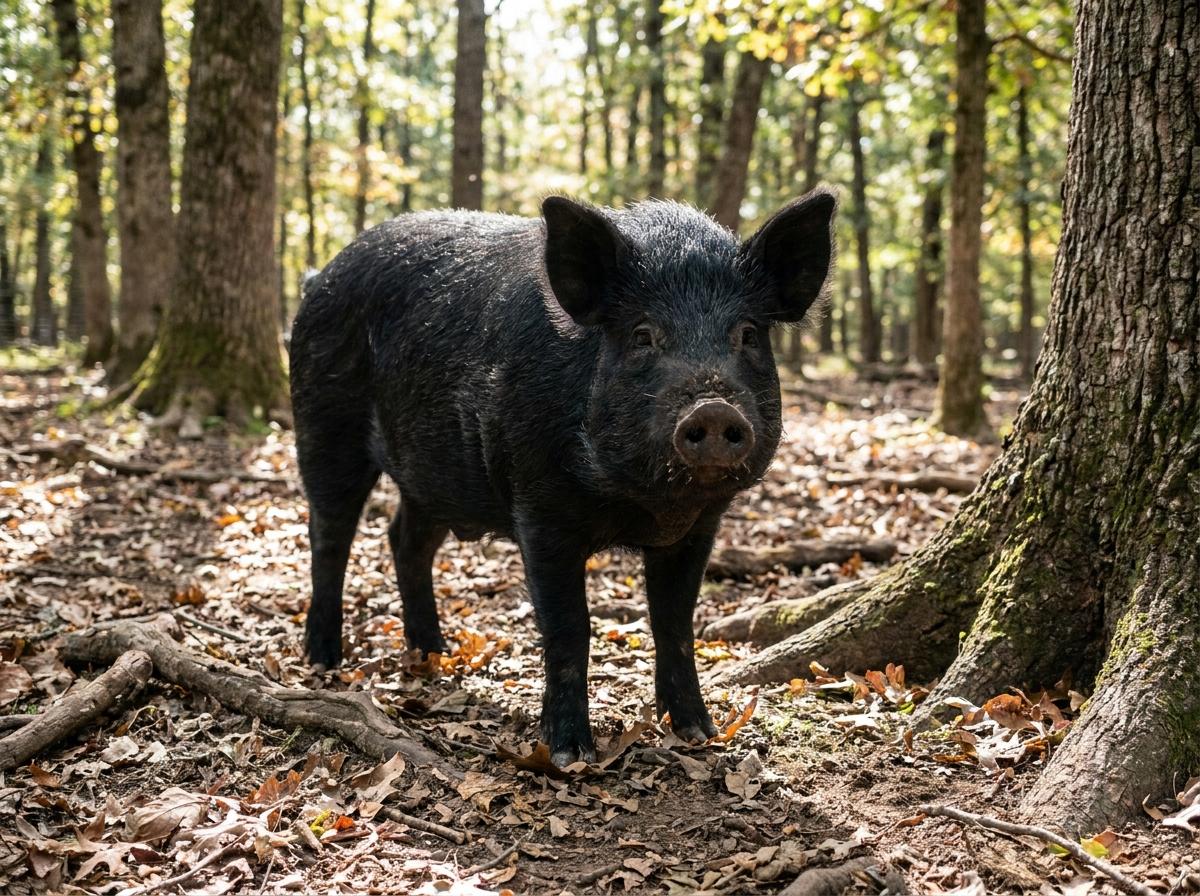
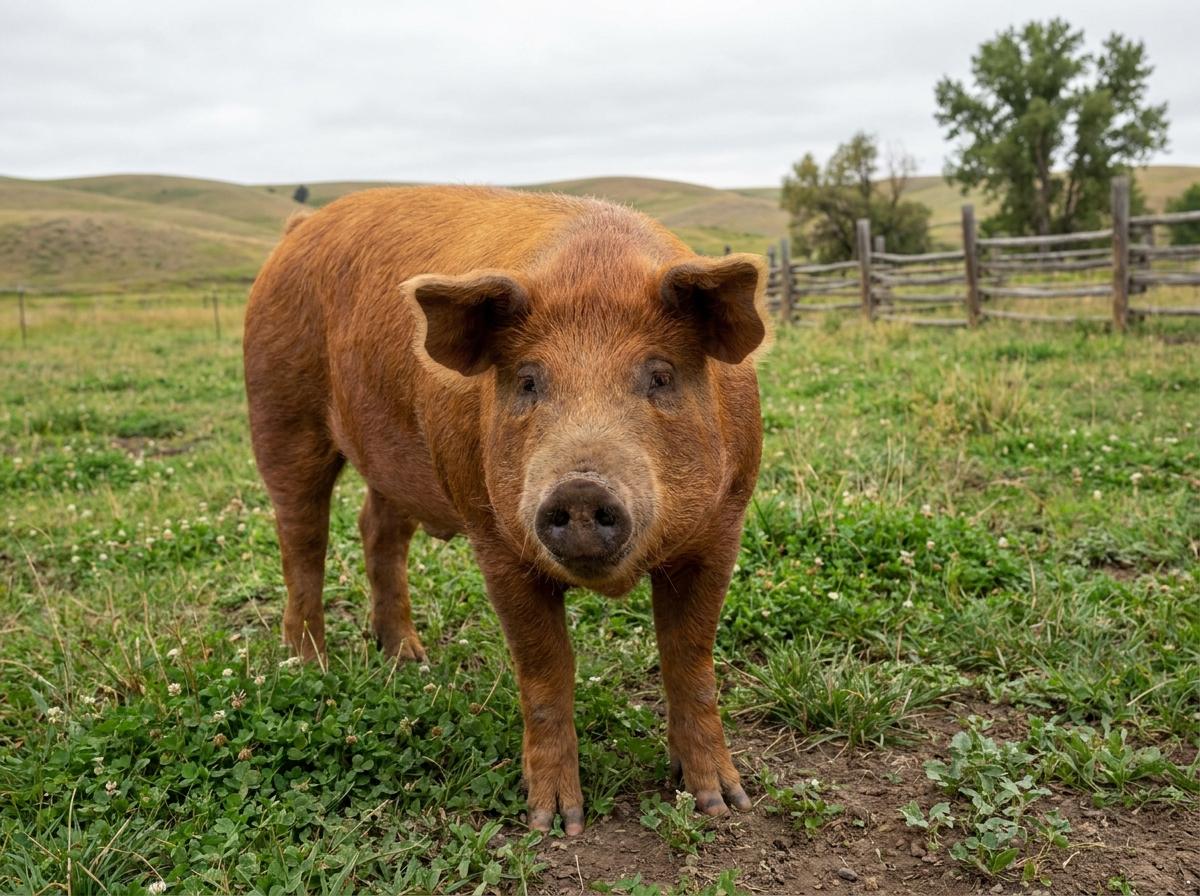
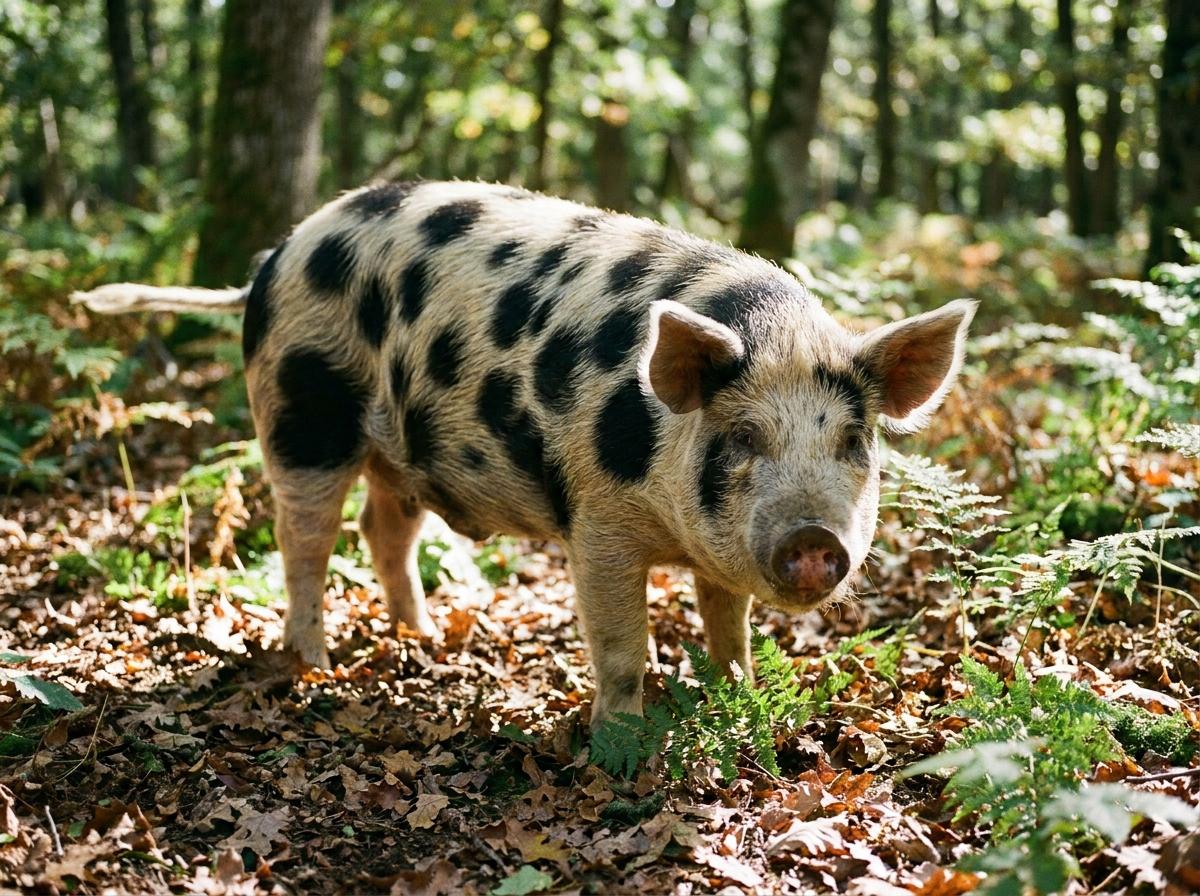
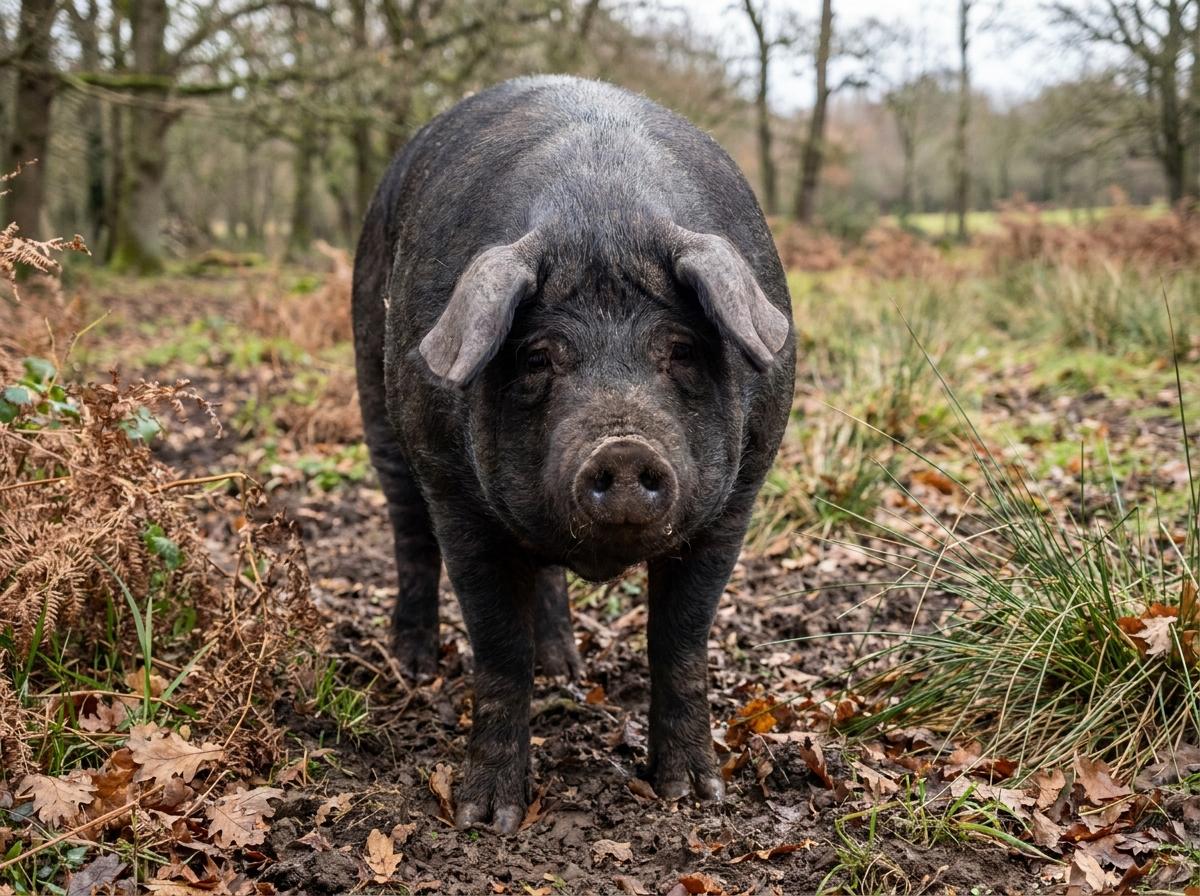
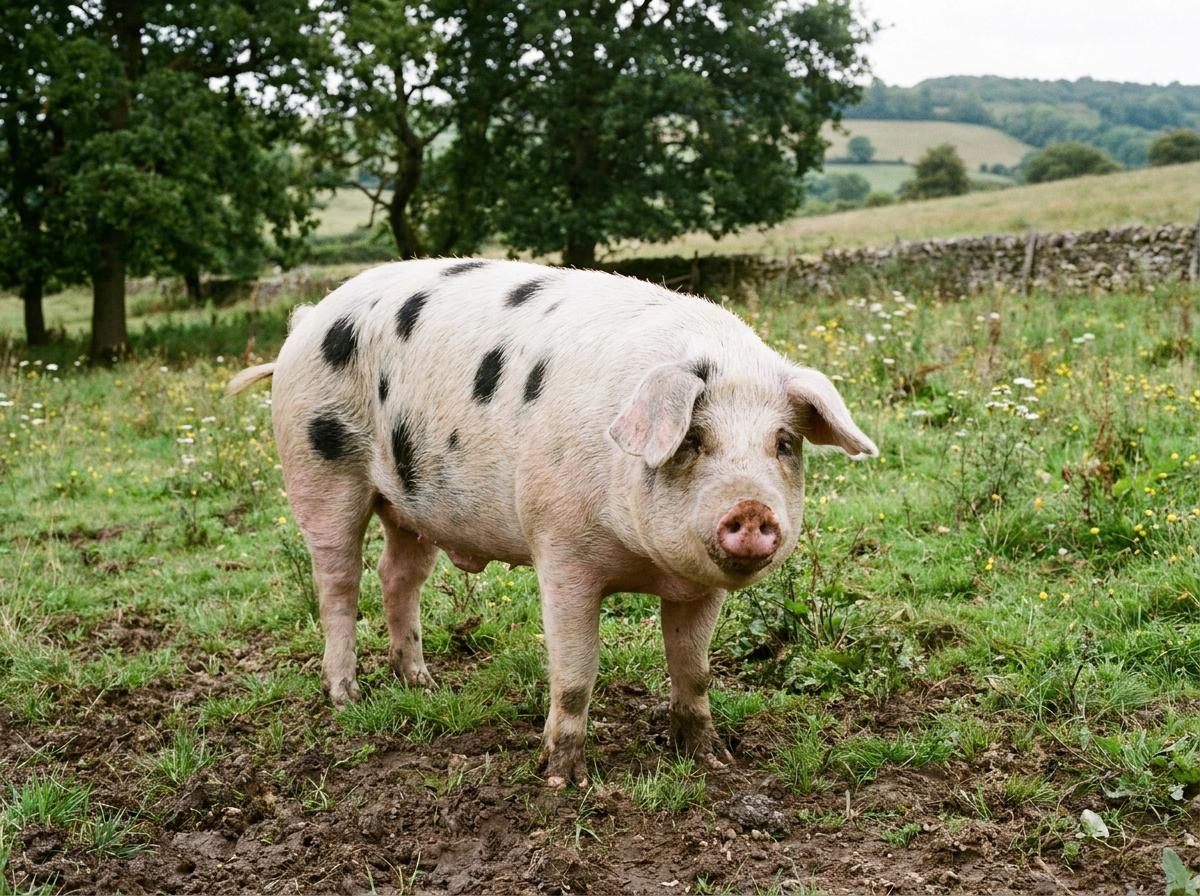
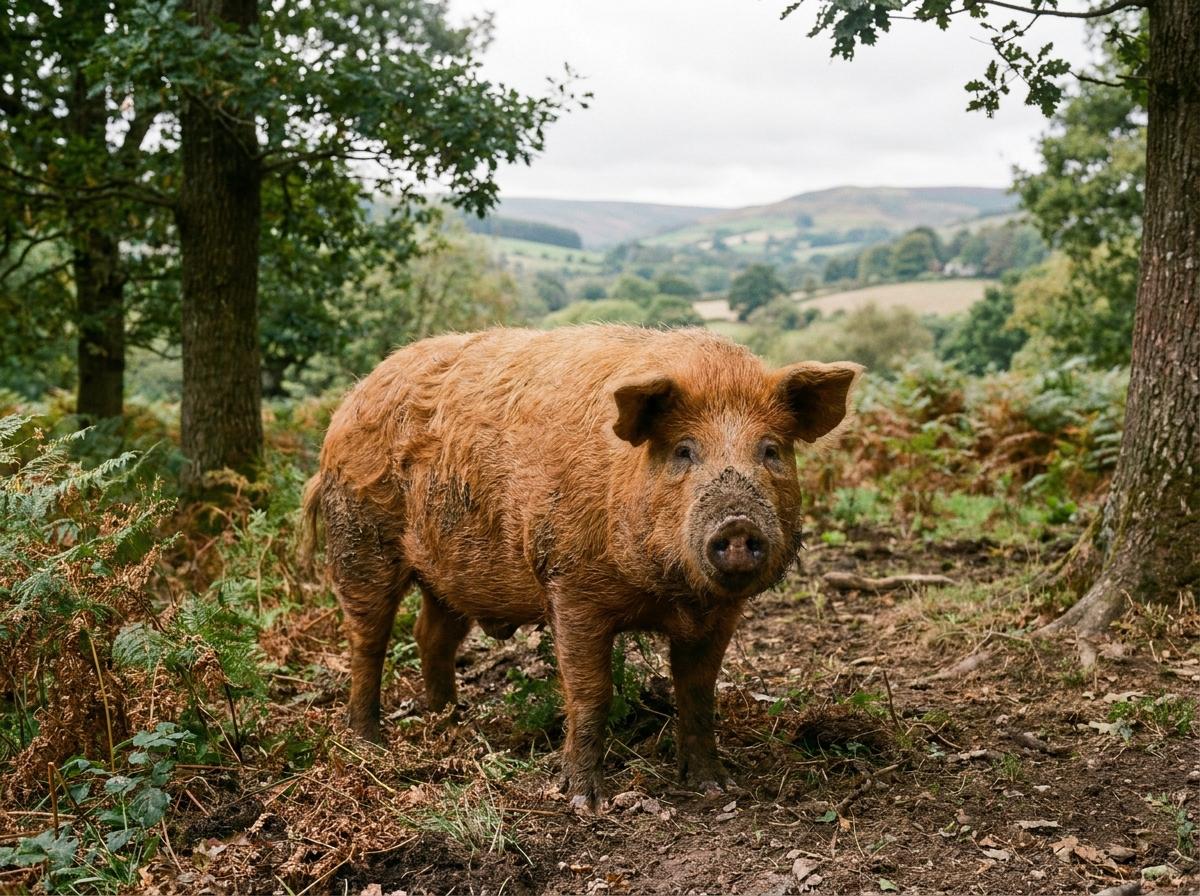
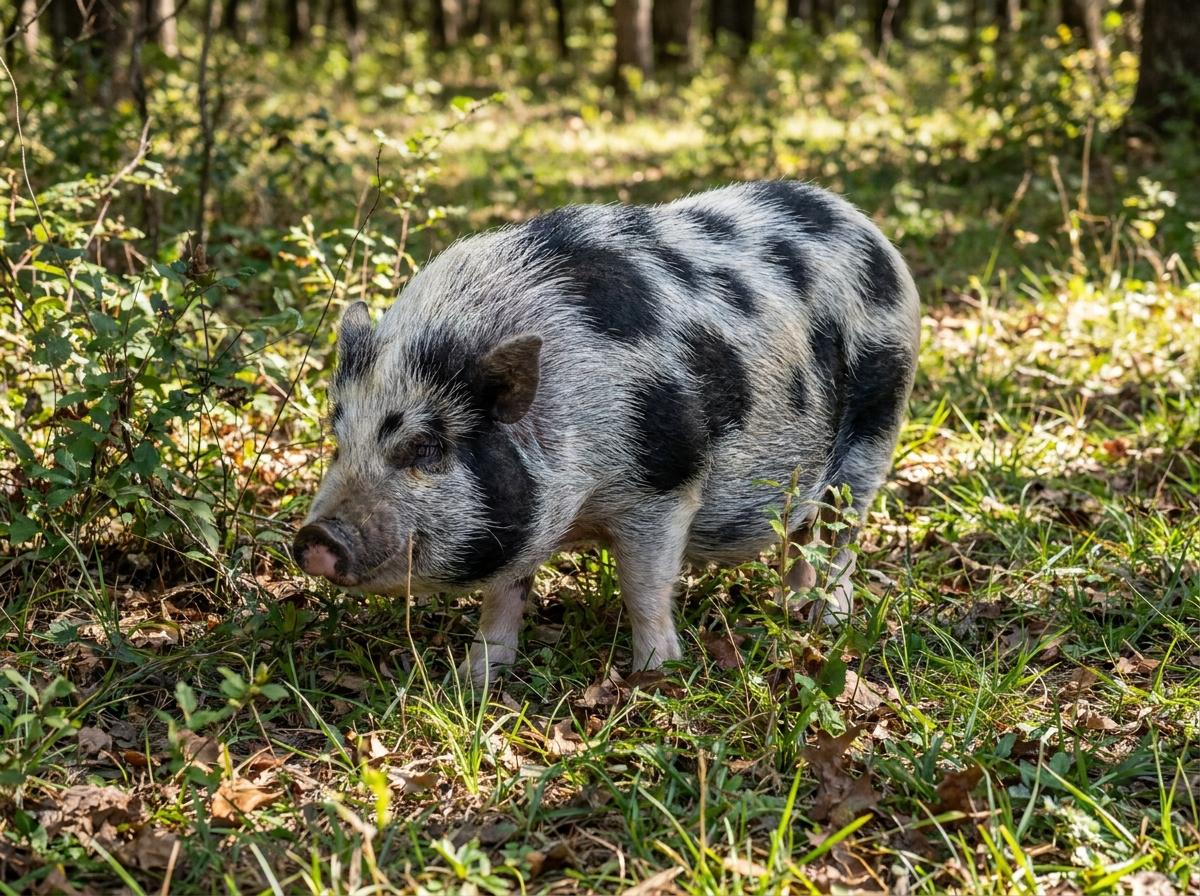
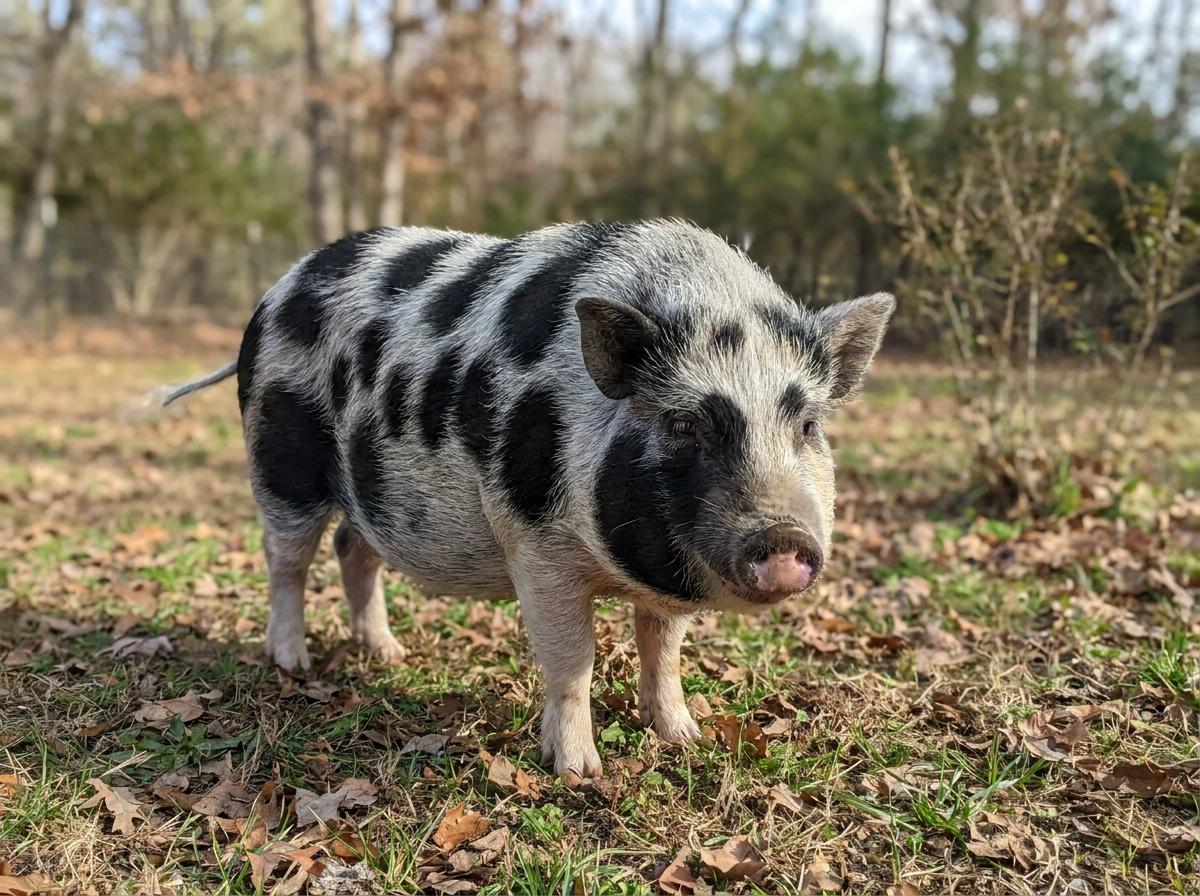
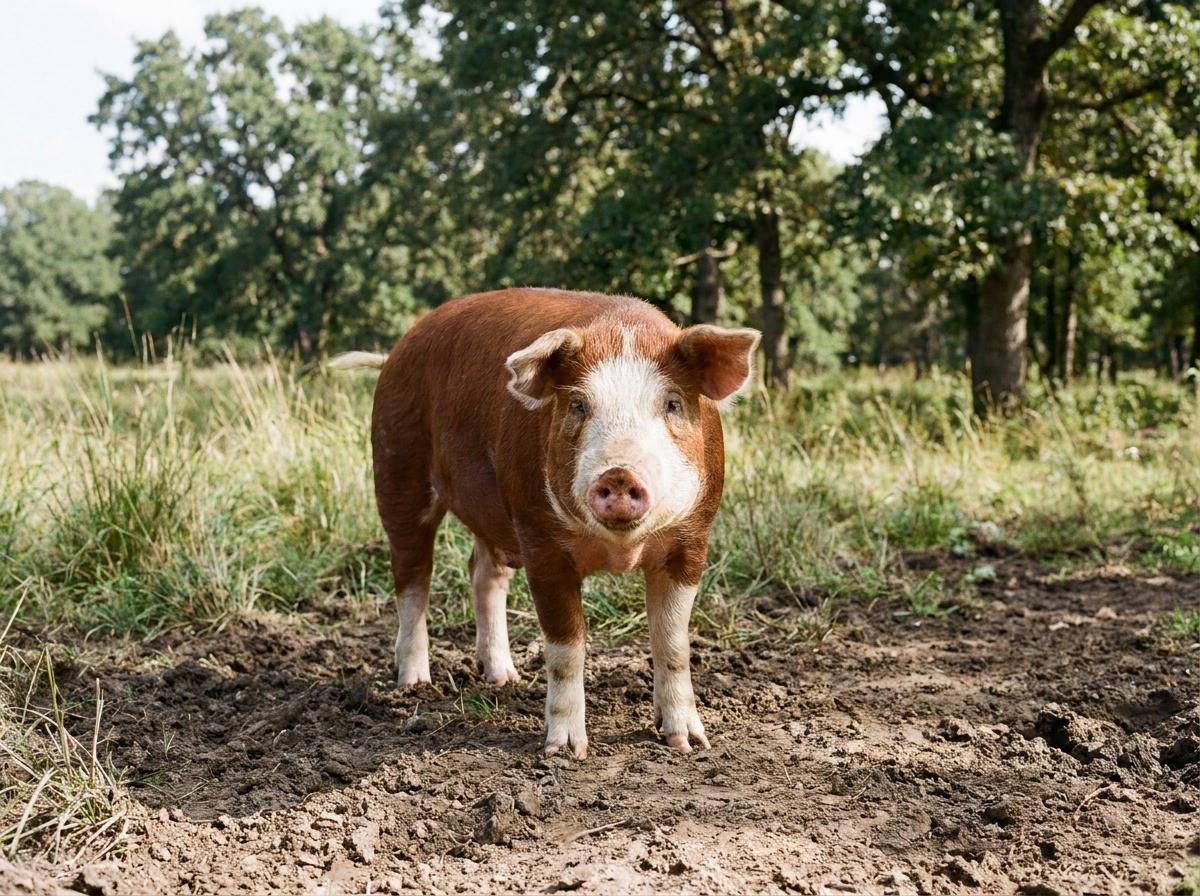
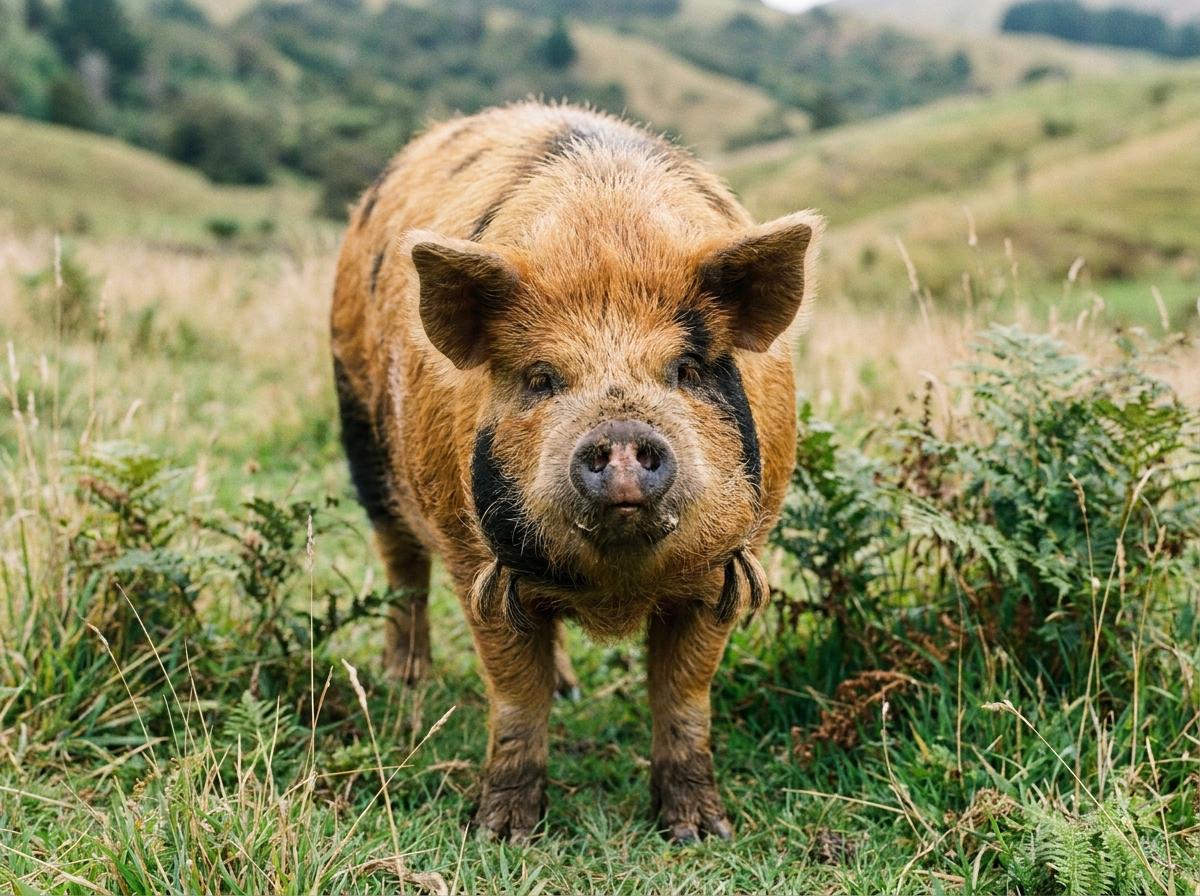
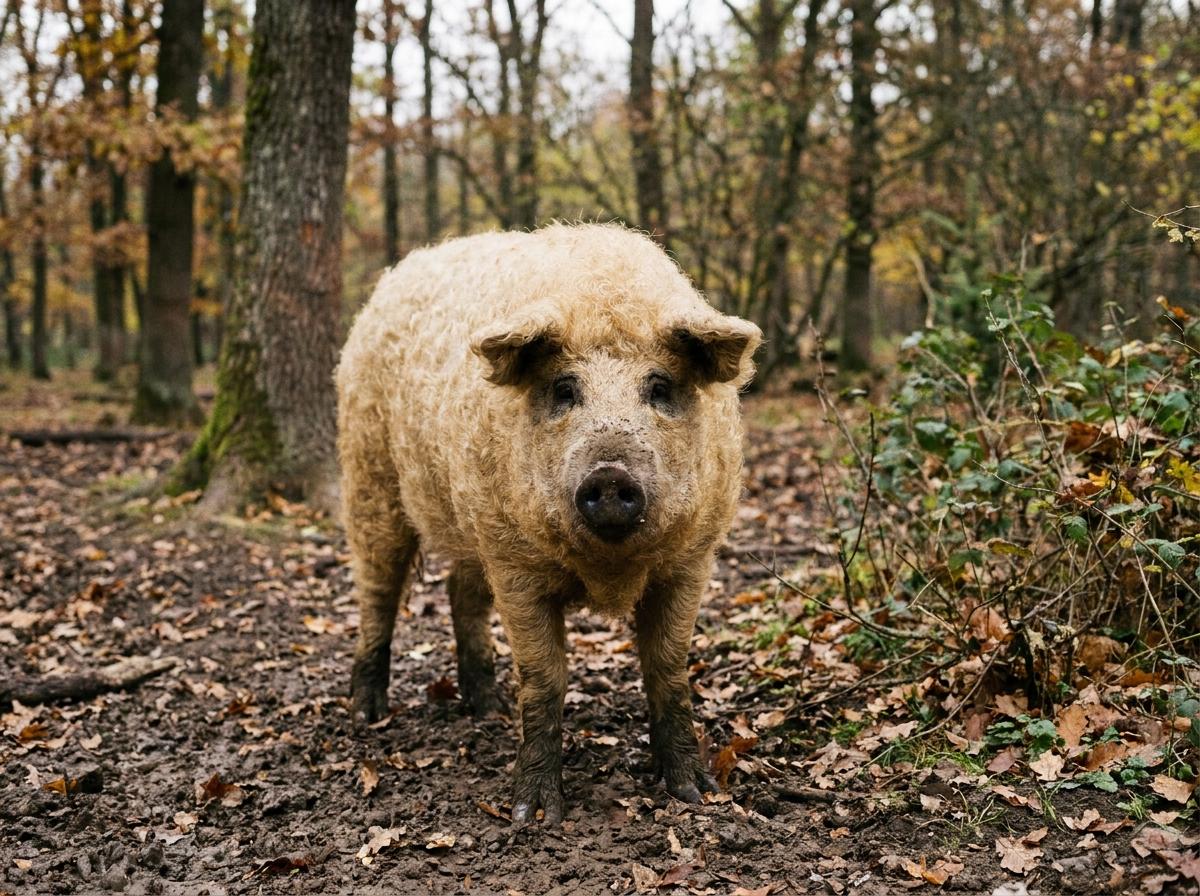
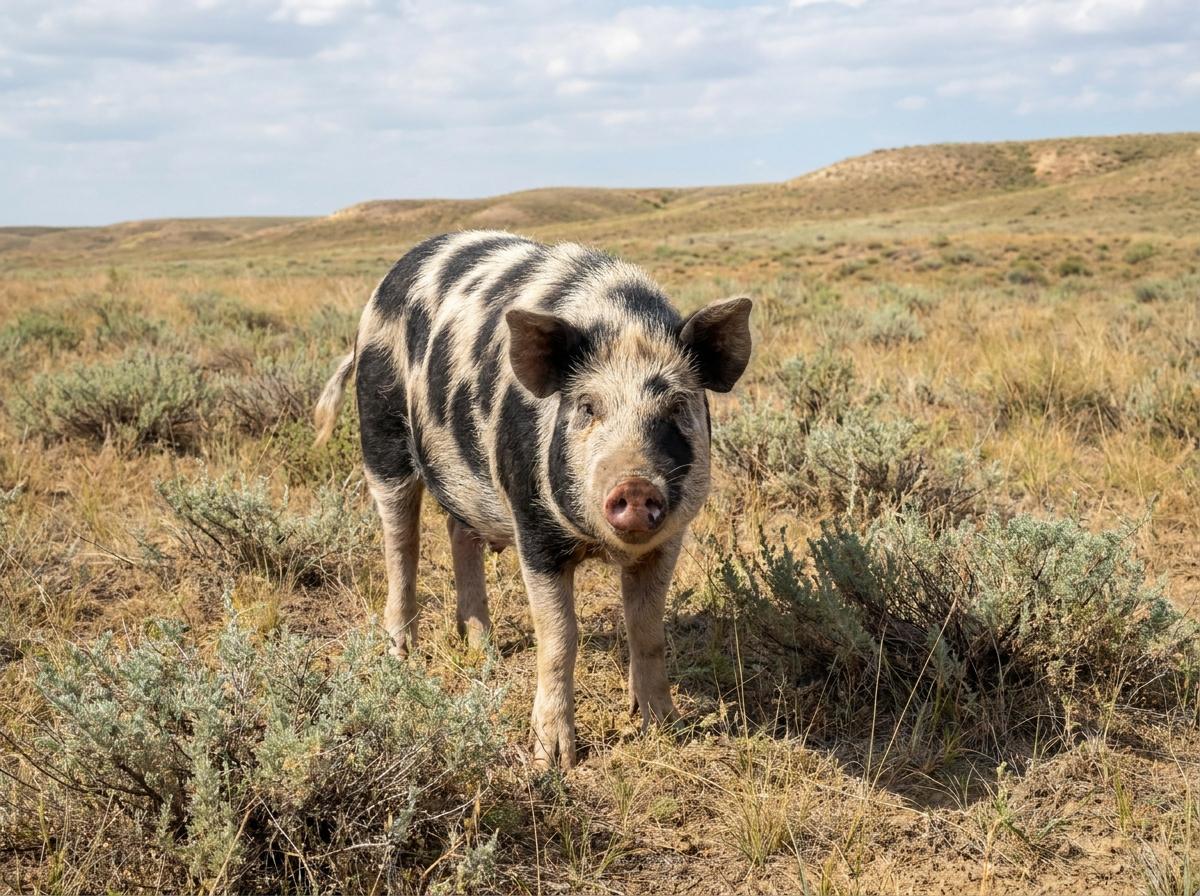
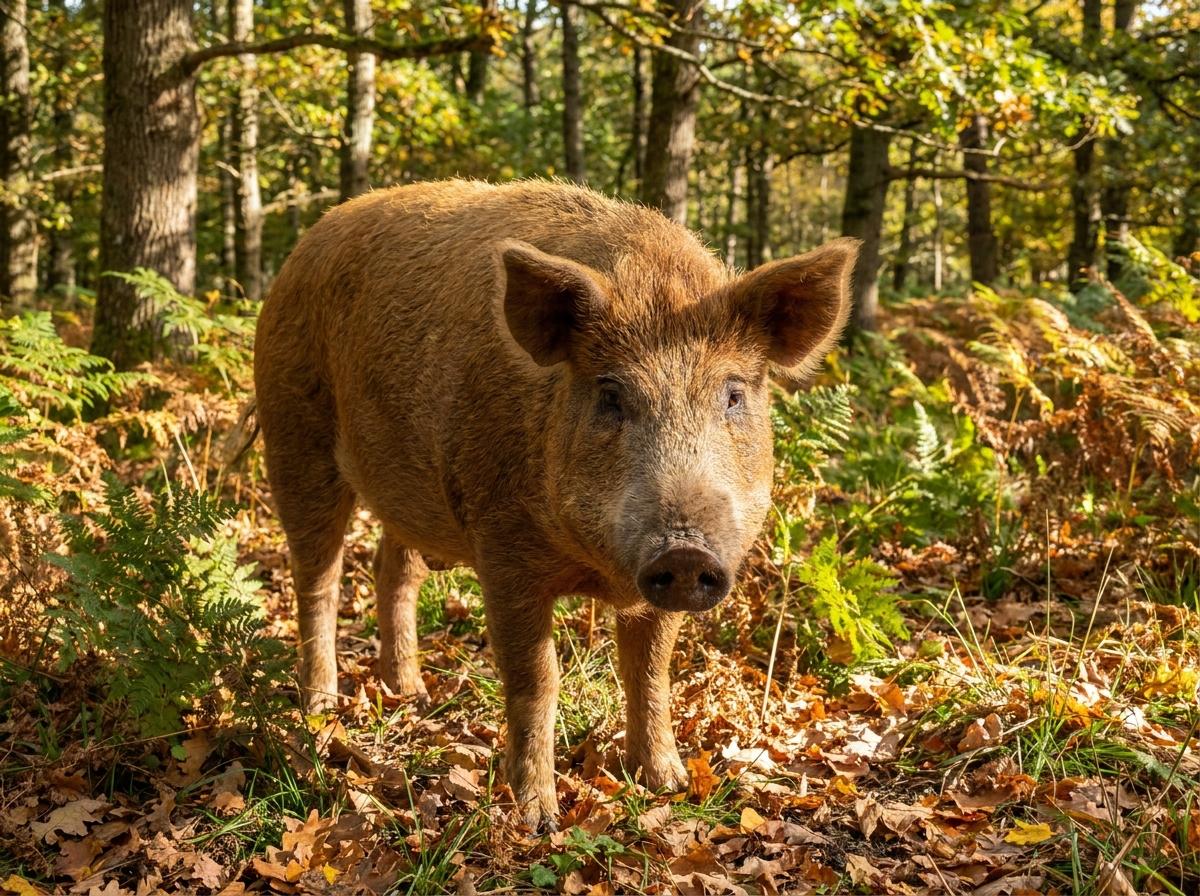
A crossbred pig is any domestic pig produced from parents of different breeds or breed lines rather than a recognized pure breed. Commercial examples may combine Landrace or Large White maternal lines with Duroc, Hampshire, Pietrain, Berkshire, or other terminal sires, while small farms often use practical local crosses. Appearance is highly variable: crossbred pigs may be white, black, red, spotted, belted, or any mixture carried by the parent stock. Their value lies in the planned combination, not in a fixed color or breed standard.
Crossbreeding is used to capture hybrid vigor, improve litter size, strengthen growth rate, or match pigs to a particular pork market. The results are best when the breeder knows the role of each parent line and avoids keeping random replacements from terminal crosses that were meant only for finishing. Buyers should ask about parent breeds, health status, age, and expected market weight. For homesteads and farms, housing and feed plans should be based on the pig's size and growth potential rather than the label crossbred.
Colors: Belted, Black, Black and Ginger, Black and Tan Spotted, Black and White, Black and White Spotted, Black/White, Black with White Belt, Black with White Points, Blonde, Brown, Brown and White, Brown/White, Cream, Ginger, Ginger and Black, Ginger/Black, Ginger/Cream, Gold, Gray, Gray with Black Spots, Pied, Red, Red and Black, Red and White, Red and White Spotted, Red with White Face, Sandy, Sandy-Brown with Black Spots, Silver, Silver and White Spotted, Solid Black, Solid White, Spotted, Spotted Black and White, Swallow-Bellied, Swallow Belly, Tri-Colored, White, White with Black Spots