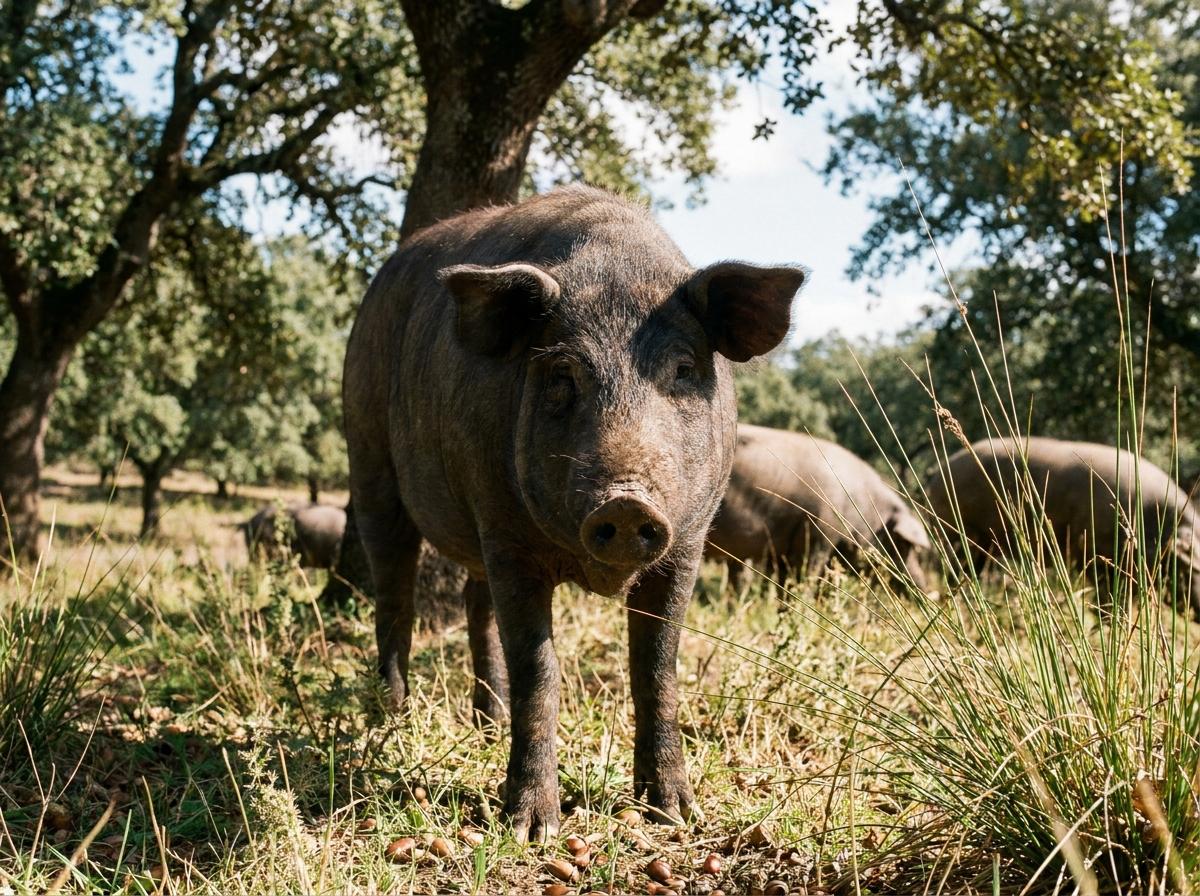
Iberian
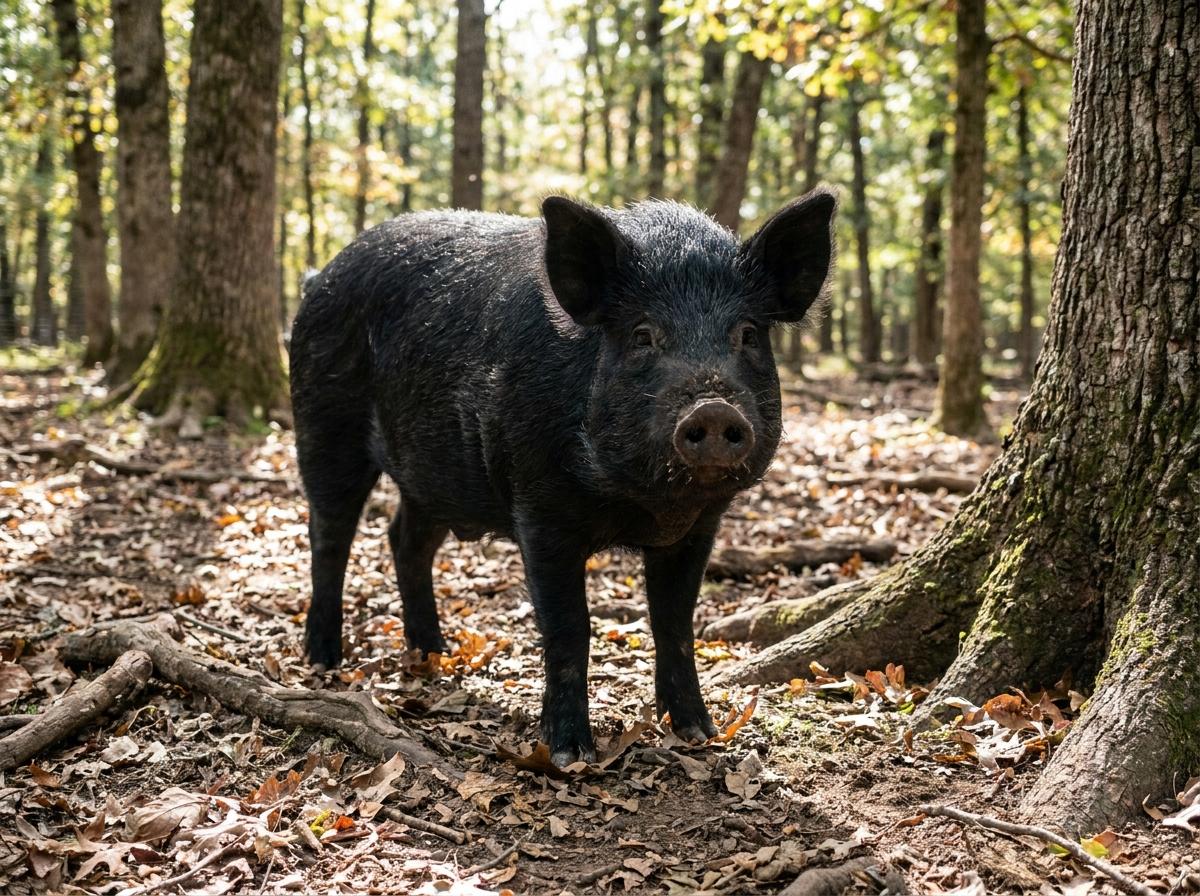
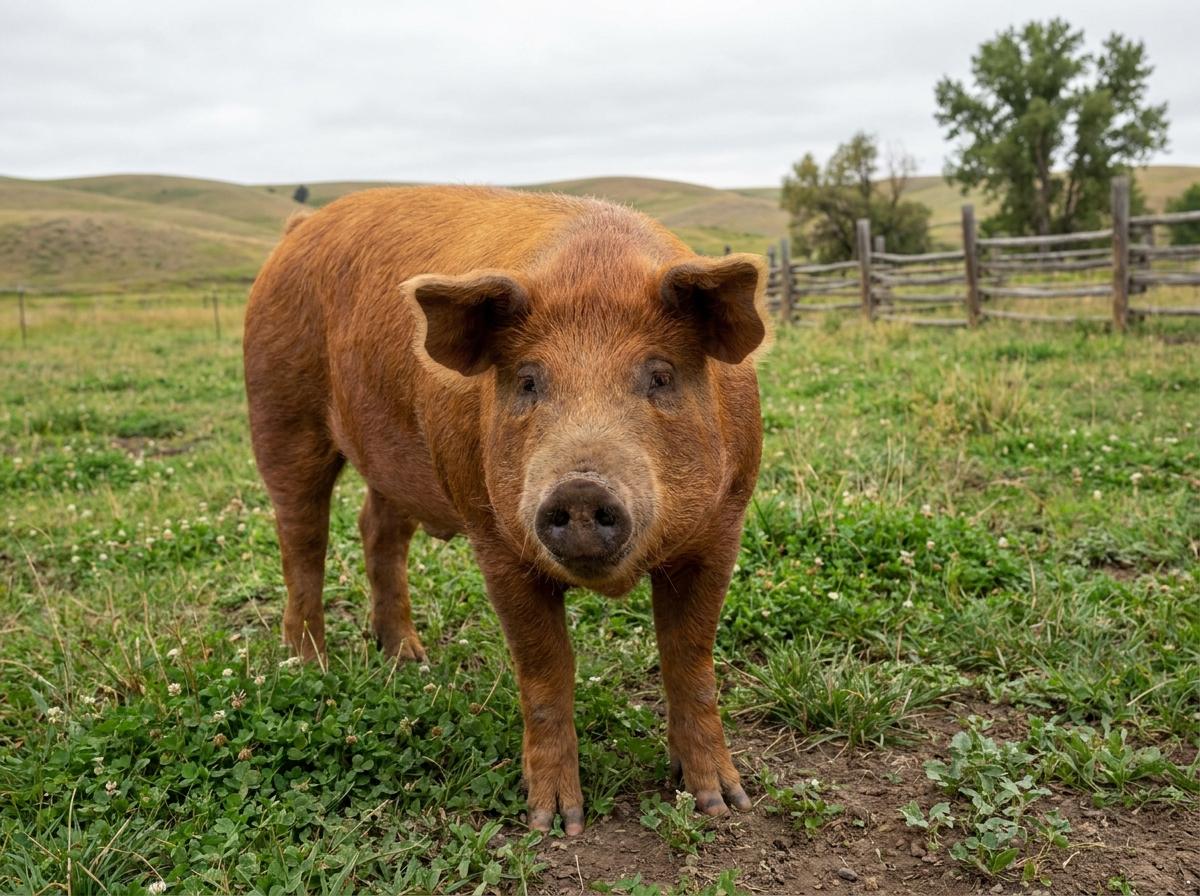
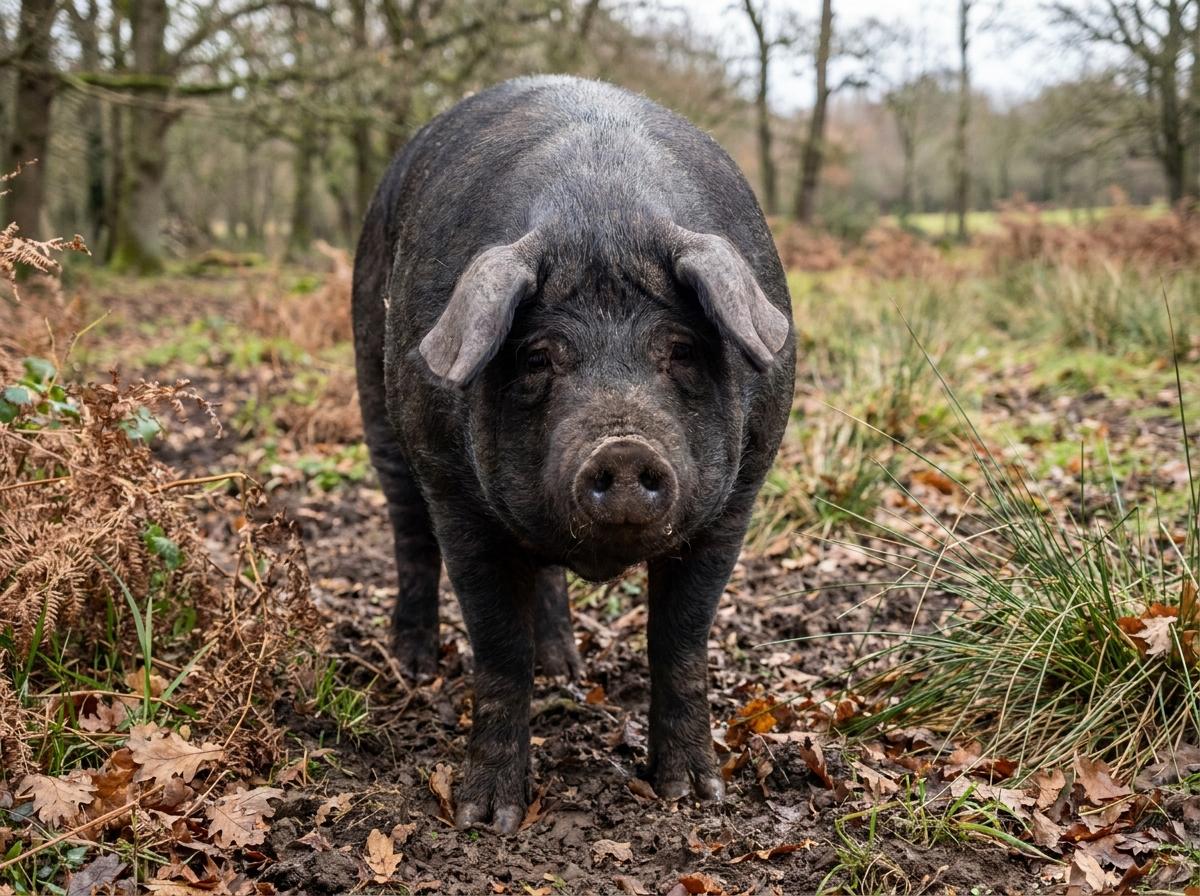
The Iberian pig, or cerdo iberico, is the traditional pig of the Iberian Peninsula, especially western and southern Spain and parts of Portugal. It includes black and red or retinto lines, with dark skin, slender legs, a long snout, and a strong ability to forage. Many people know the type through jamon iberico, including acorn-finished bellota hams, but the animal behind those products is a slow-maturing pasture and woodland pig adapted to the dehesa and montado oak landscapes.
Keeping Iberian pigs well means respecting that foraging system. They use space actively, gain condition on seasonal acorns, grasses, roots, and browse, and still require water, minerals, shelter, and supplemental feed when pasture is short or animals are growing, nursing, or being finished. Purebred status, percentage of Iberian ancestry, and finishing method can affect both breeding value and meat labeling, so clear records matter. On smaller farms, the main challenges are fencing large ranges, preventing overstocking under oaks, and allowing enough time for the breed's slower growth and fat deposition.
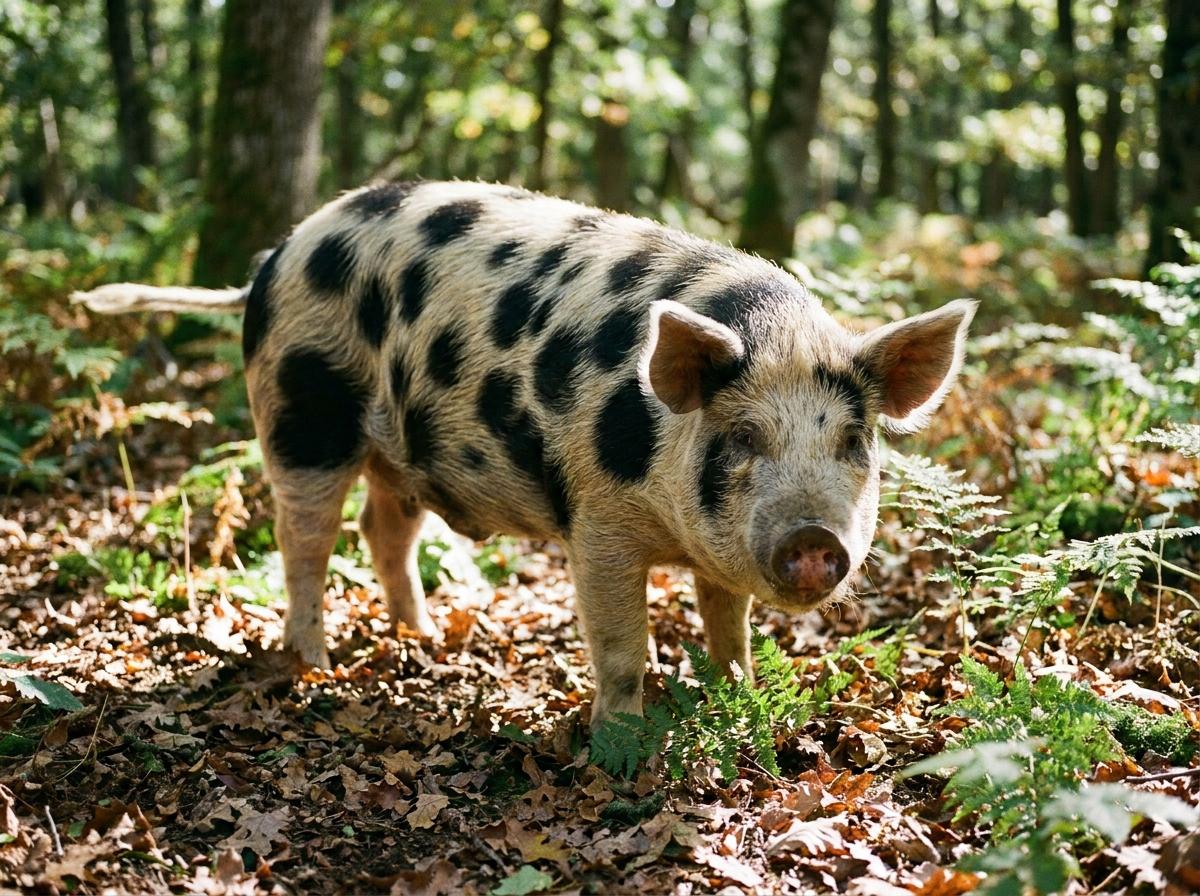
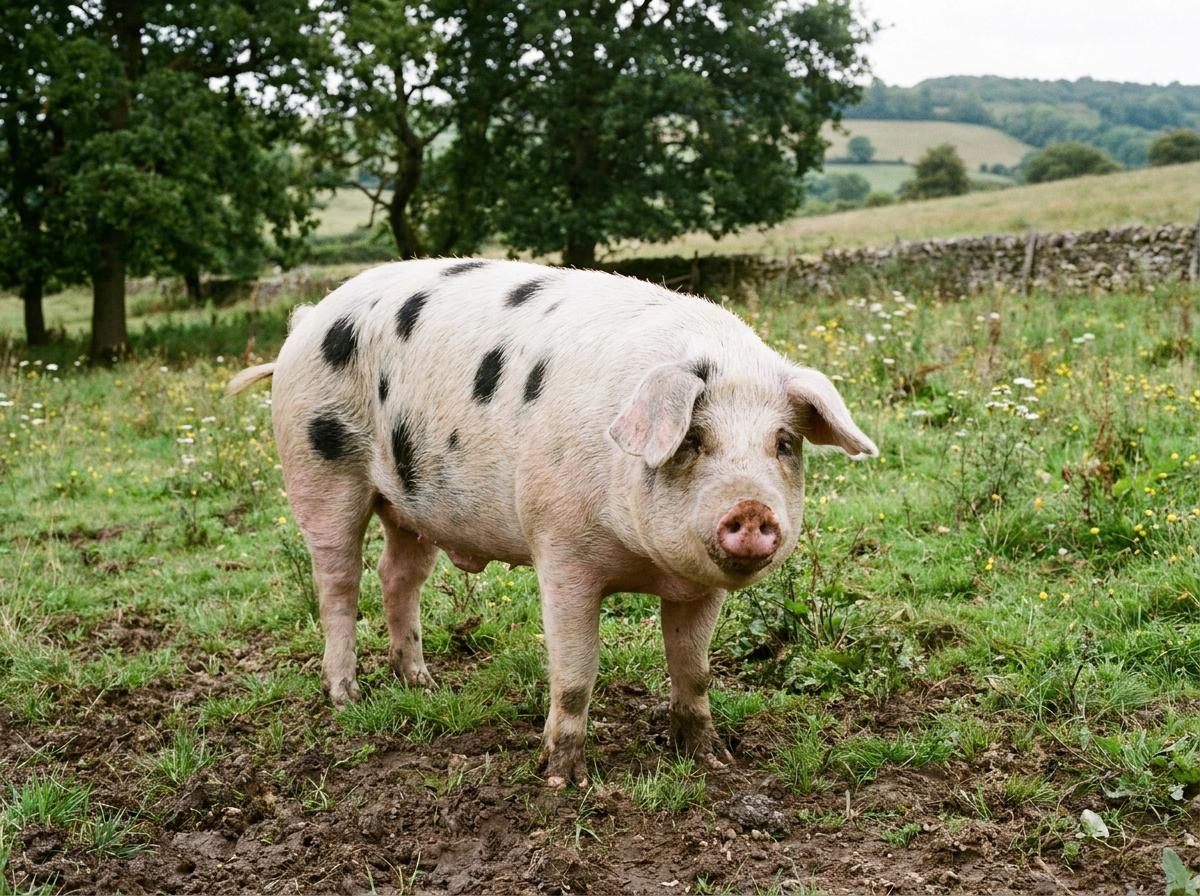
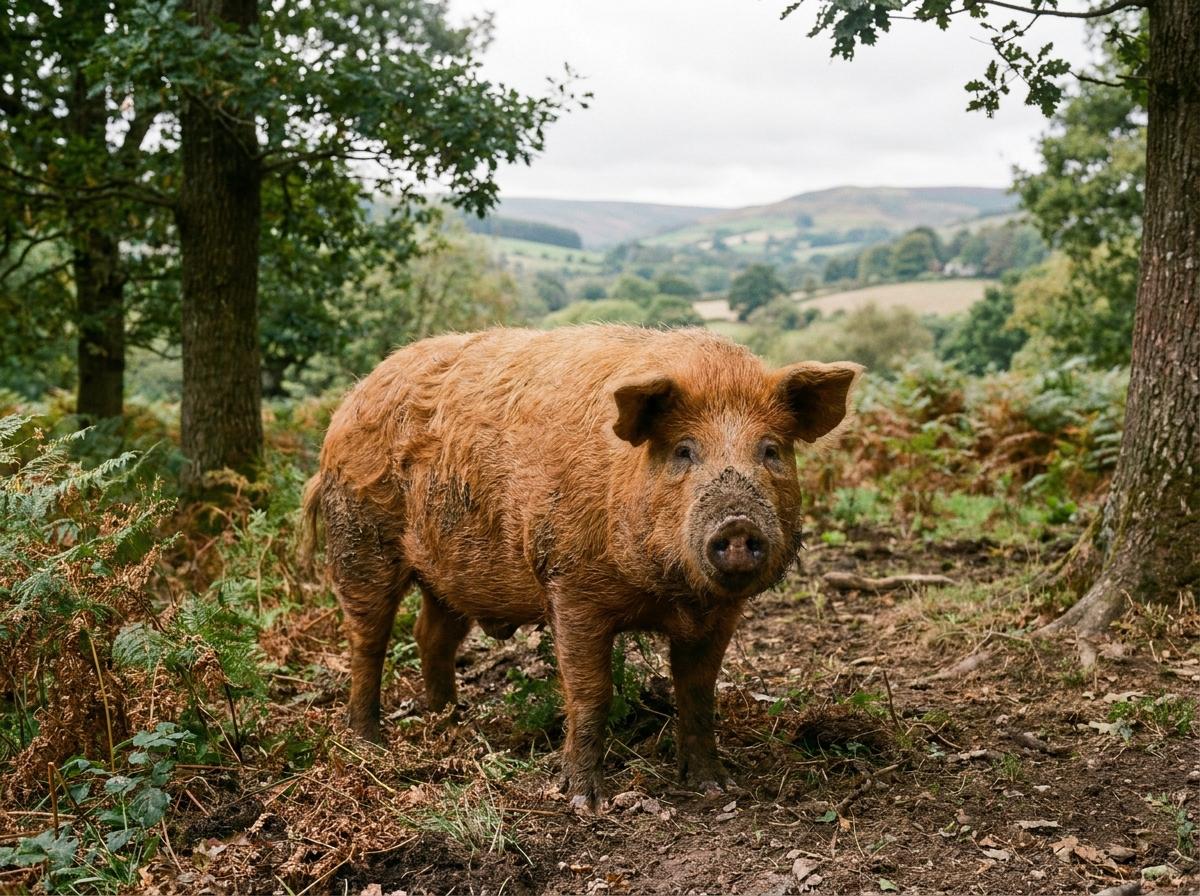
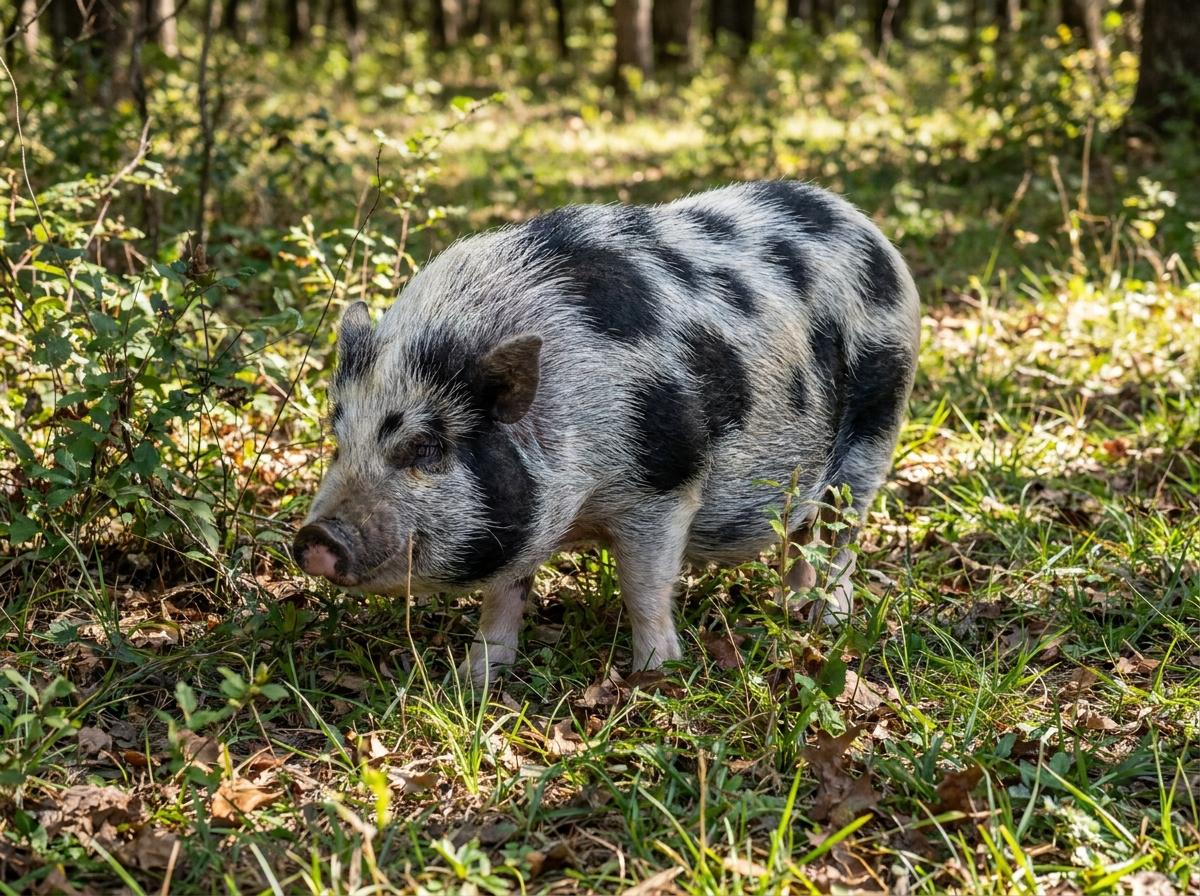
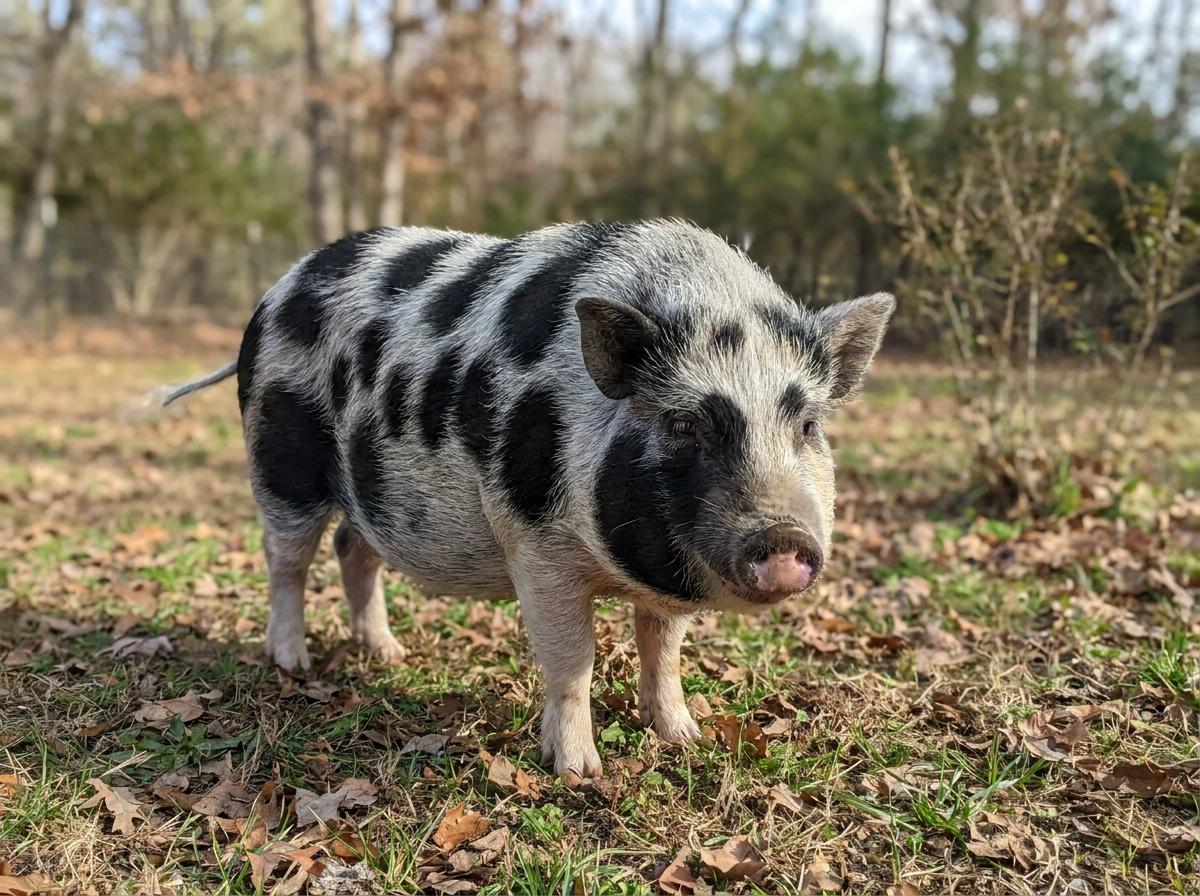
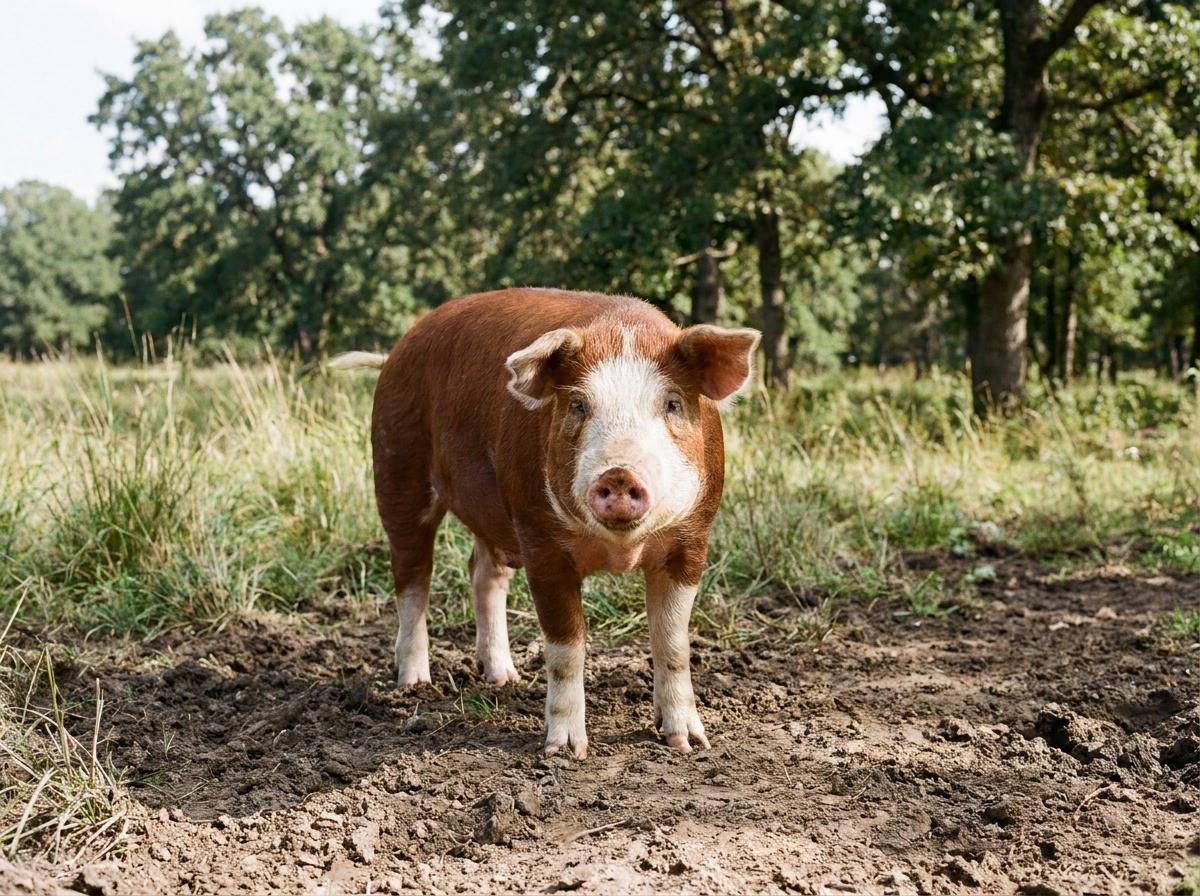
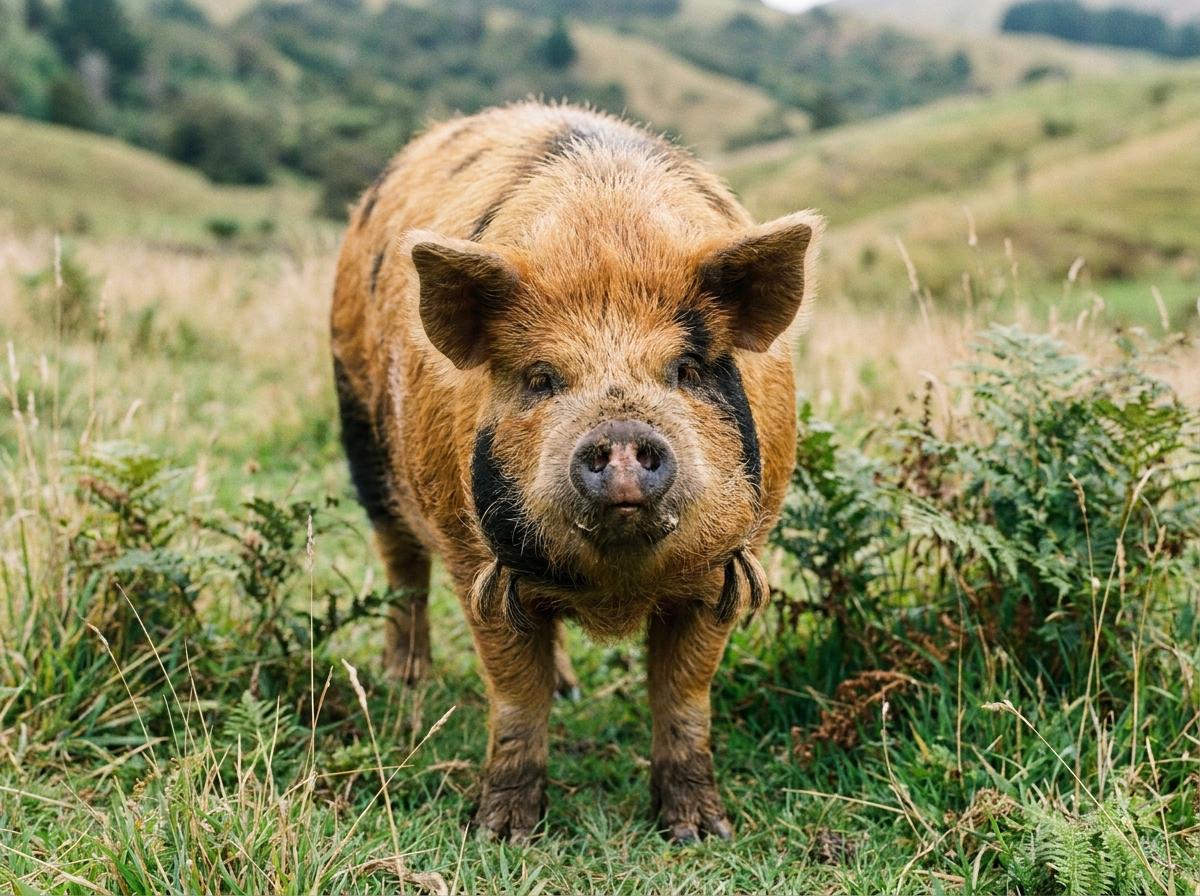
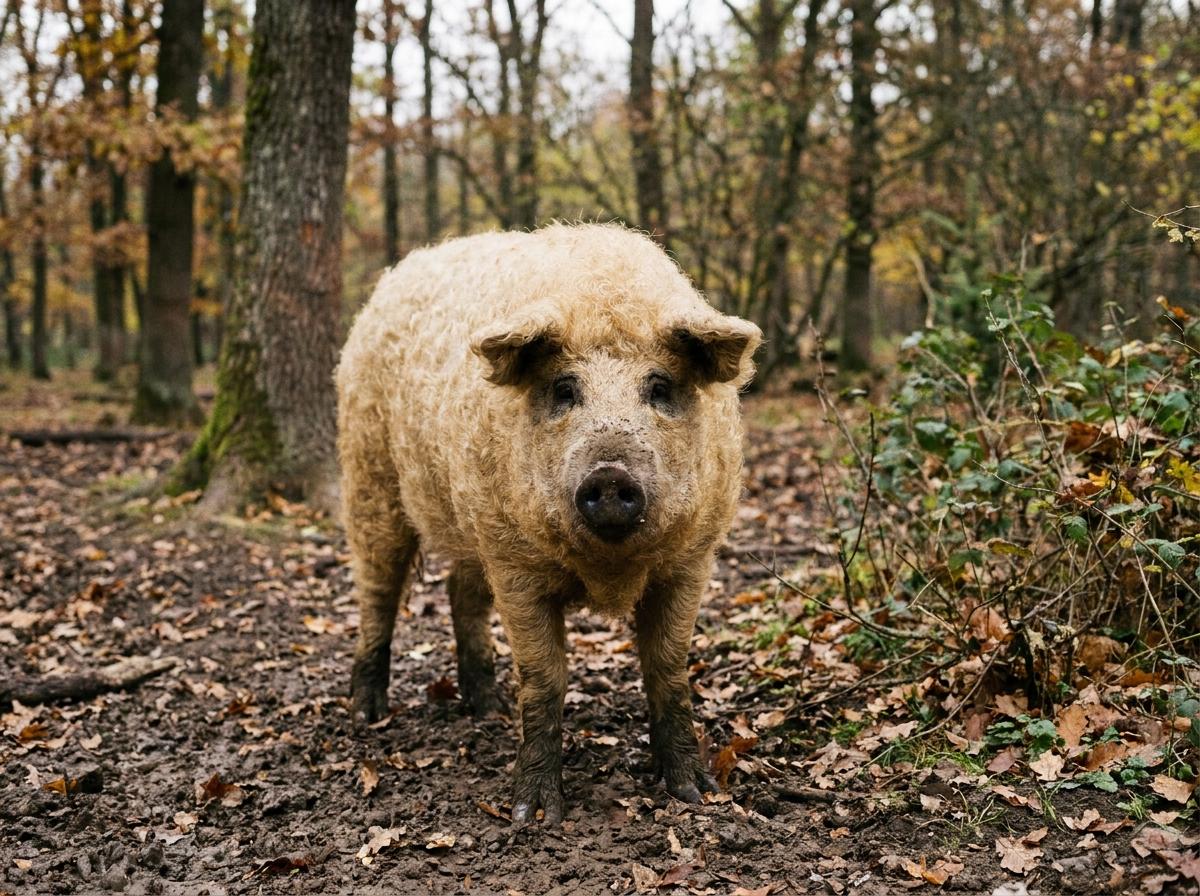
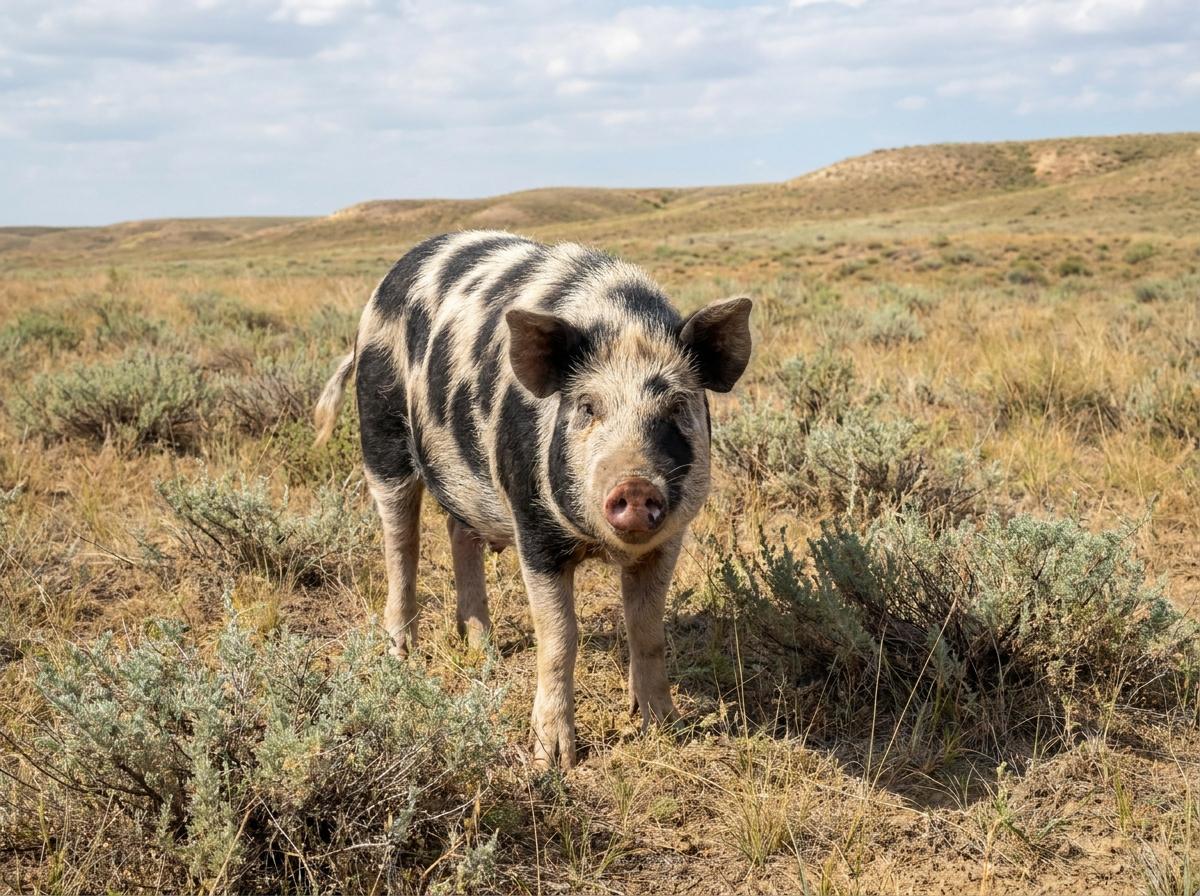
Colors: Belted, Black, Black and White, Blonde, Brown, Cream, Ginger, Ginger and Black, Pied, Red, Red and Black, Sandy, Solid Black, Solid White, Spotted, Swallow Belly, White