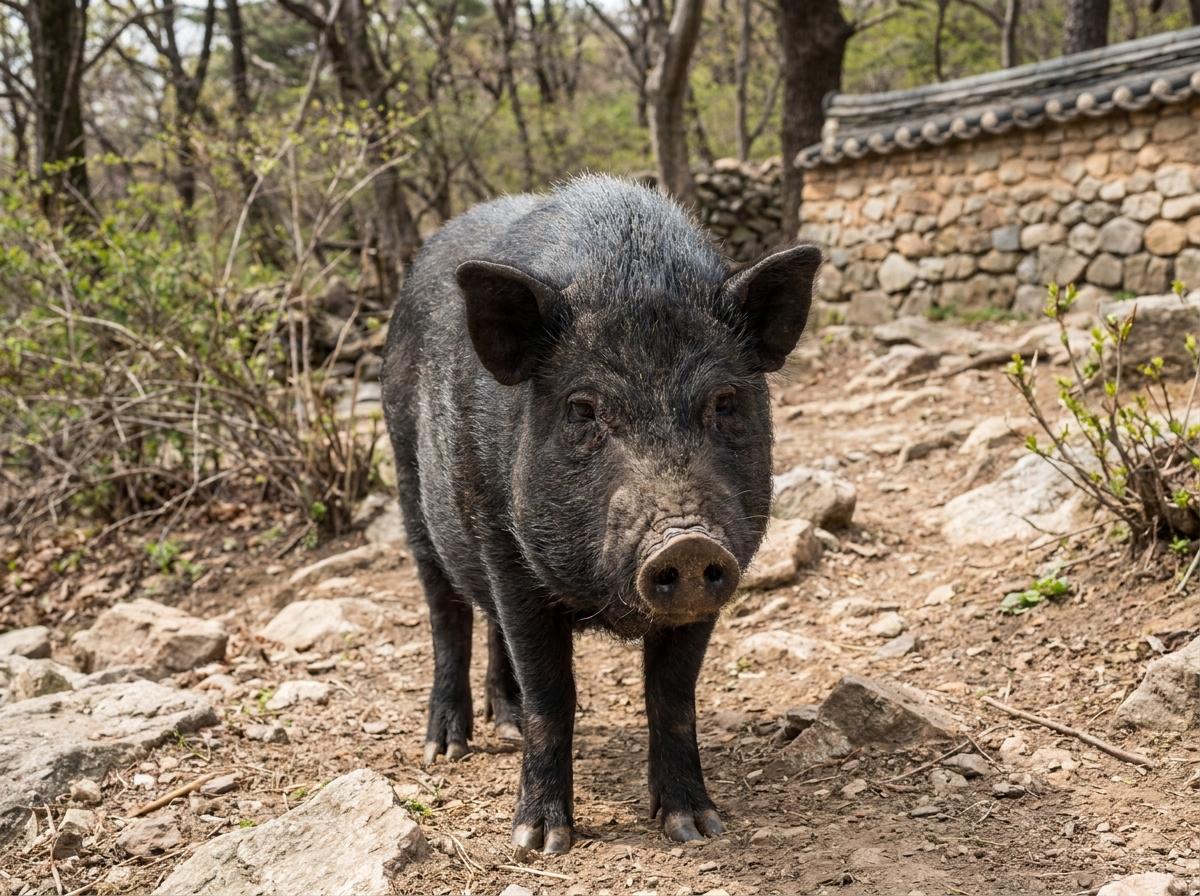
Korean Native
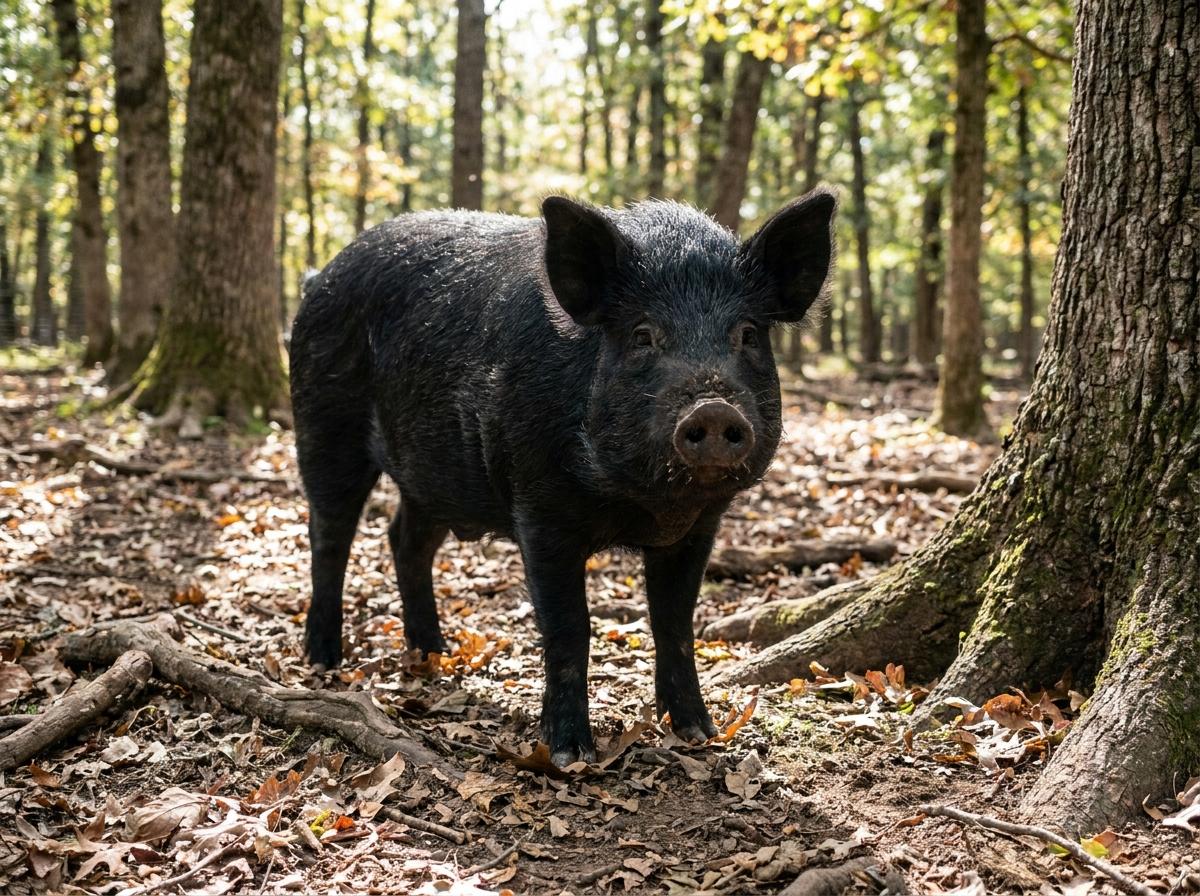
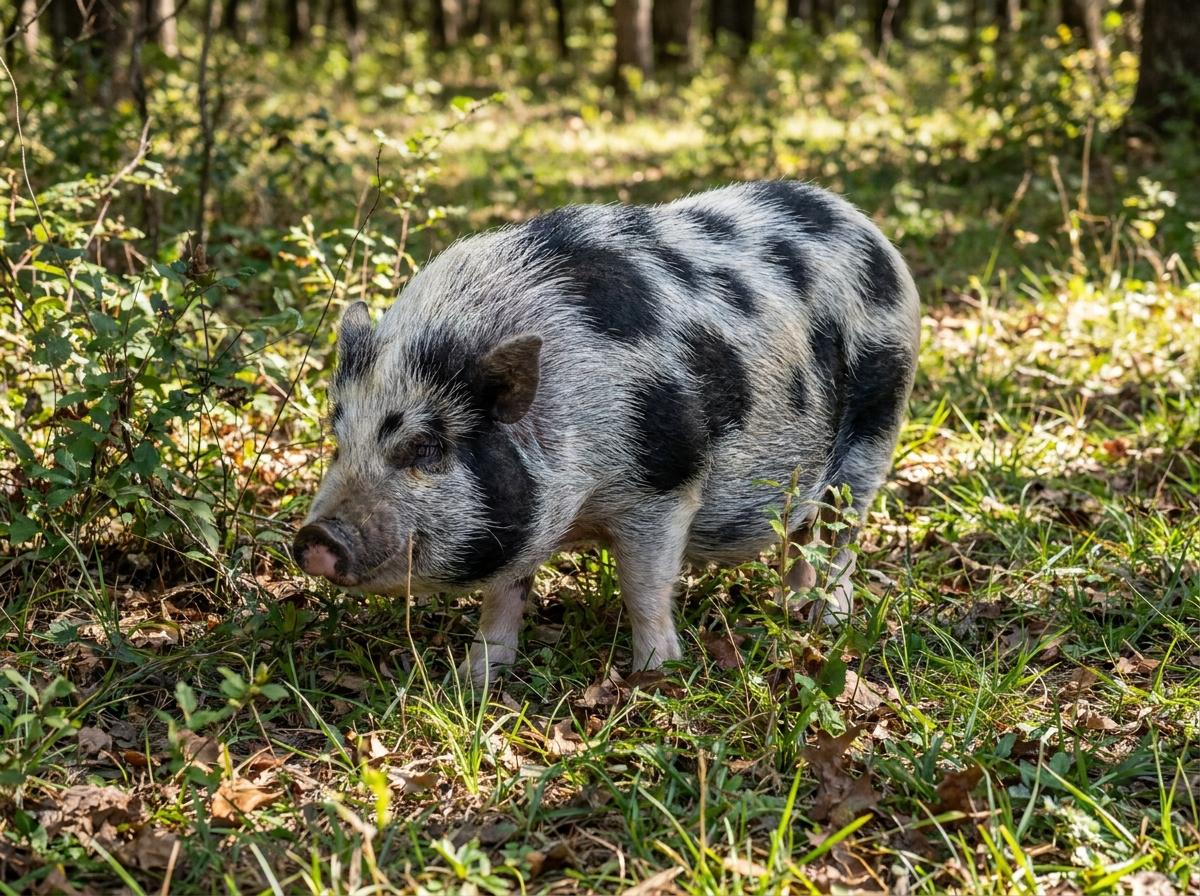
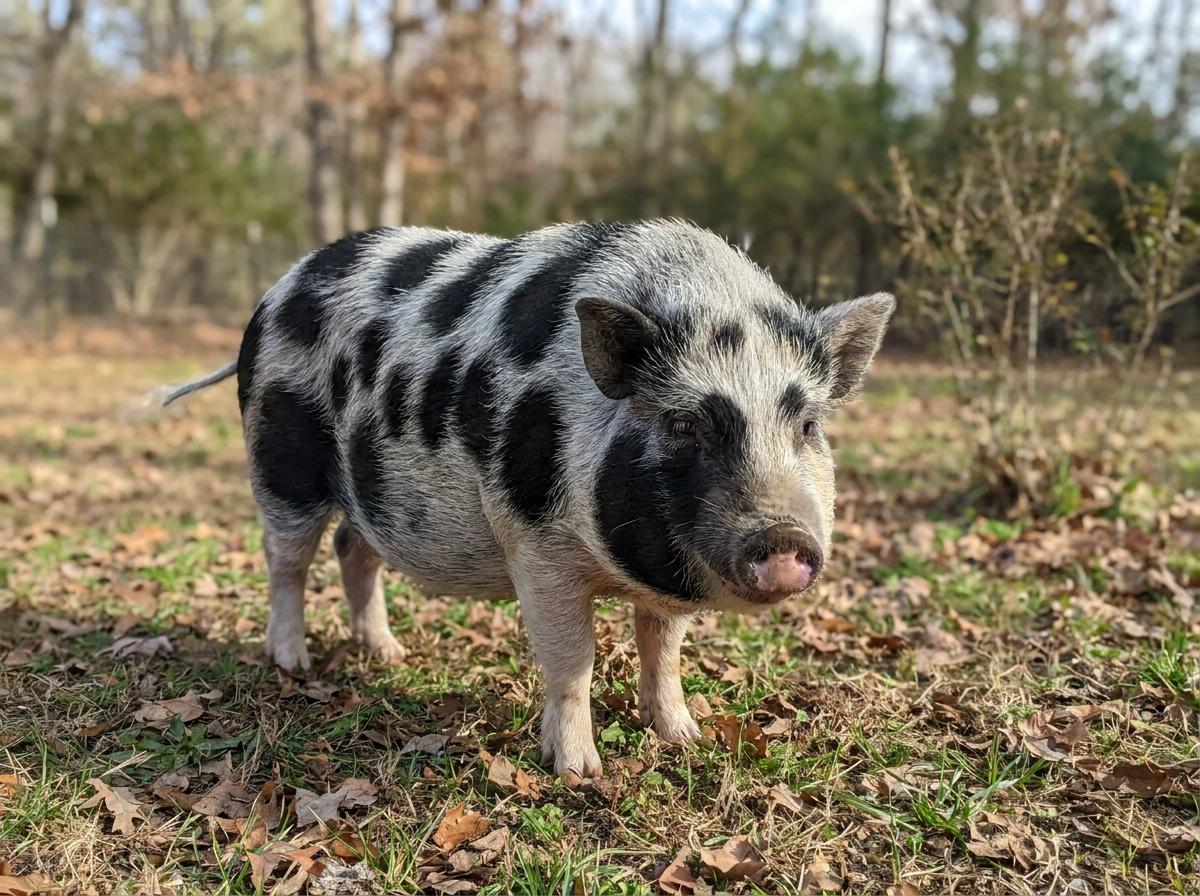
The Korean native pig is a small to medium landrace type from Korea, most often associated with black coats, strong legs, and slower growth than modern commercial white pigs. It comes from long local selection rather than a single closed industrial strain, so size, body depth, ear carriage, and performance can differ by herd. The breed is valued for adaptation to Korean farm conditions and for meat quality in local food traditions, especially where flavor and heritage identity matter more than rapid finishing.
People keeping Korean native pigs usually manage them as a heritage or specialty production animal rather than a high-output commercial terminal line. They benefit from careful rationing, shade, clean wallows, and fencing that respects their active foraging behavior. Breeders working with conservation or branded pork programs should keep ancestry and herd records clear, because crossbreeding can improve growth but quickly blurs the identity that makes the native pig useful.
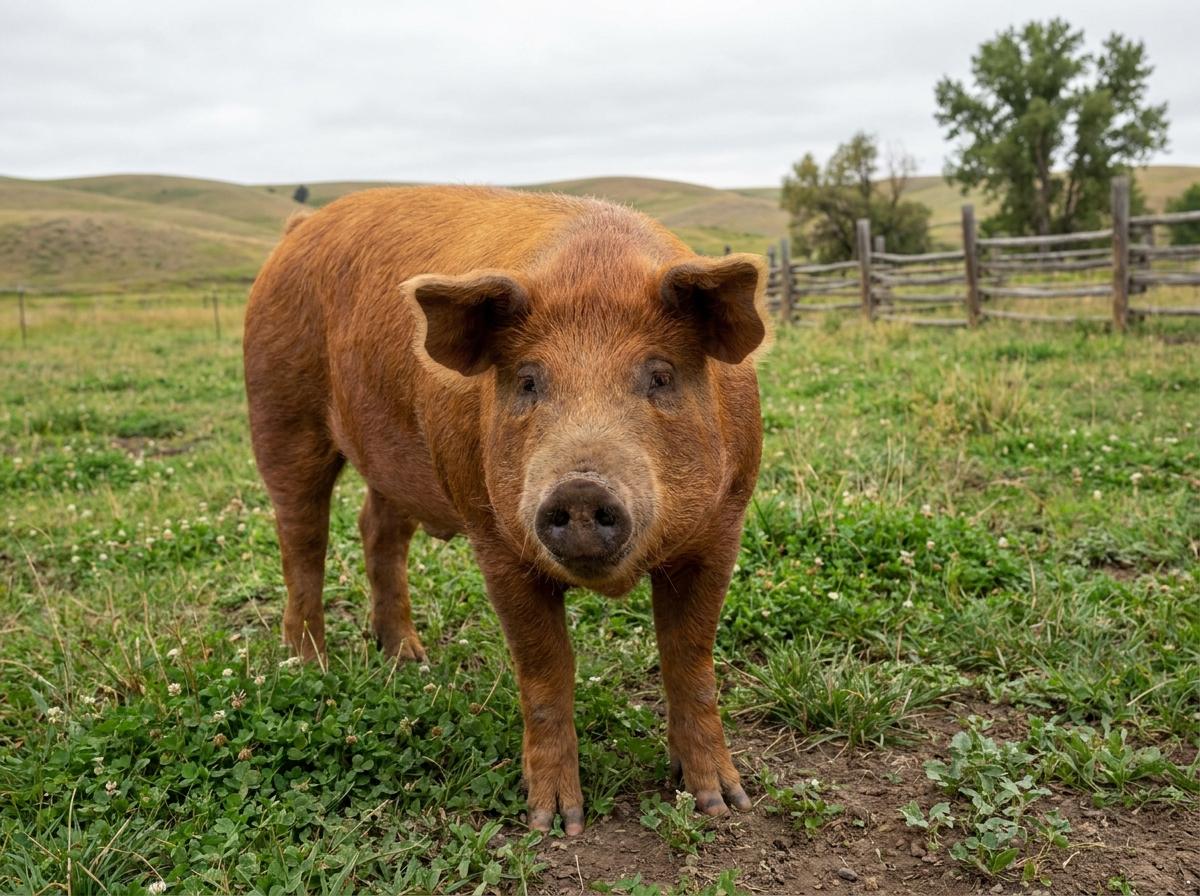
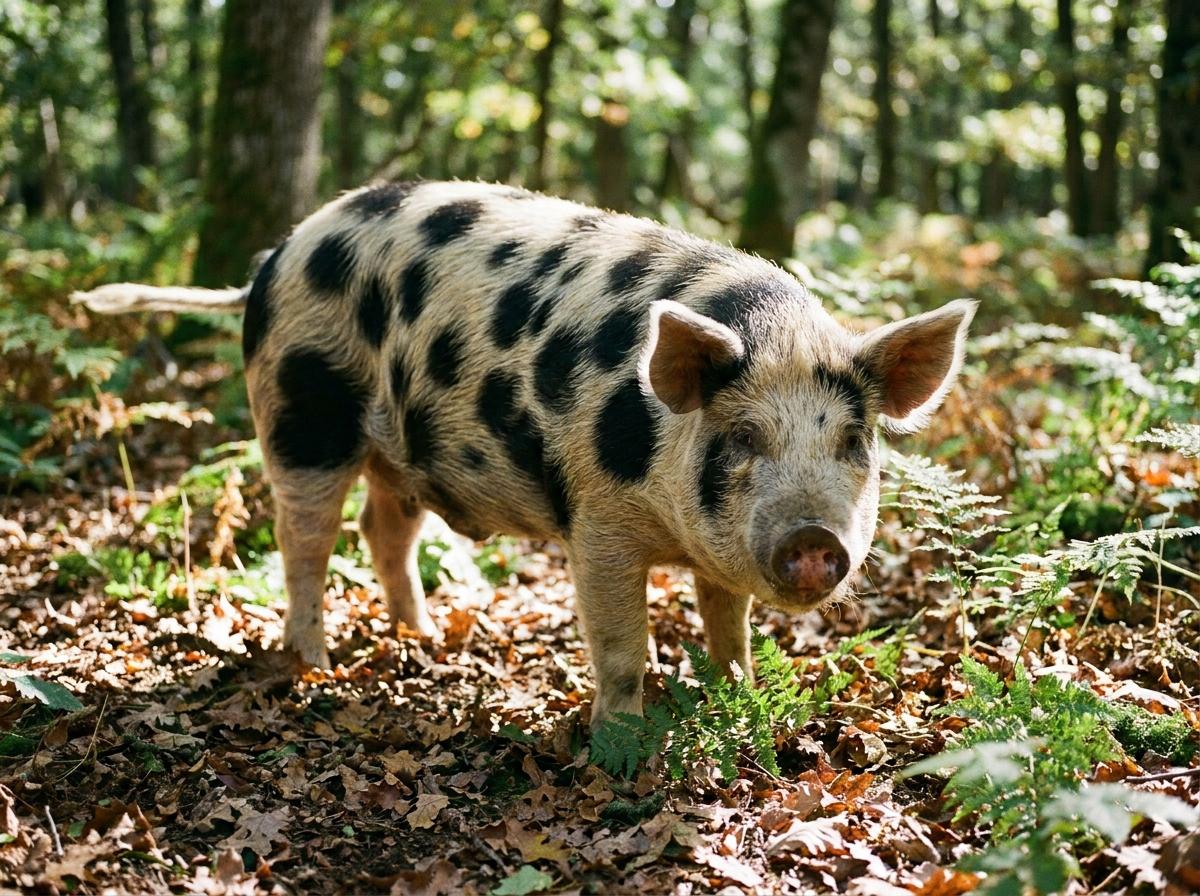
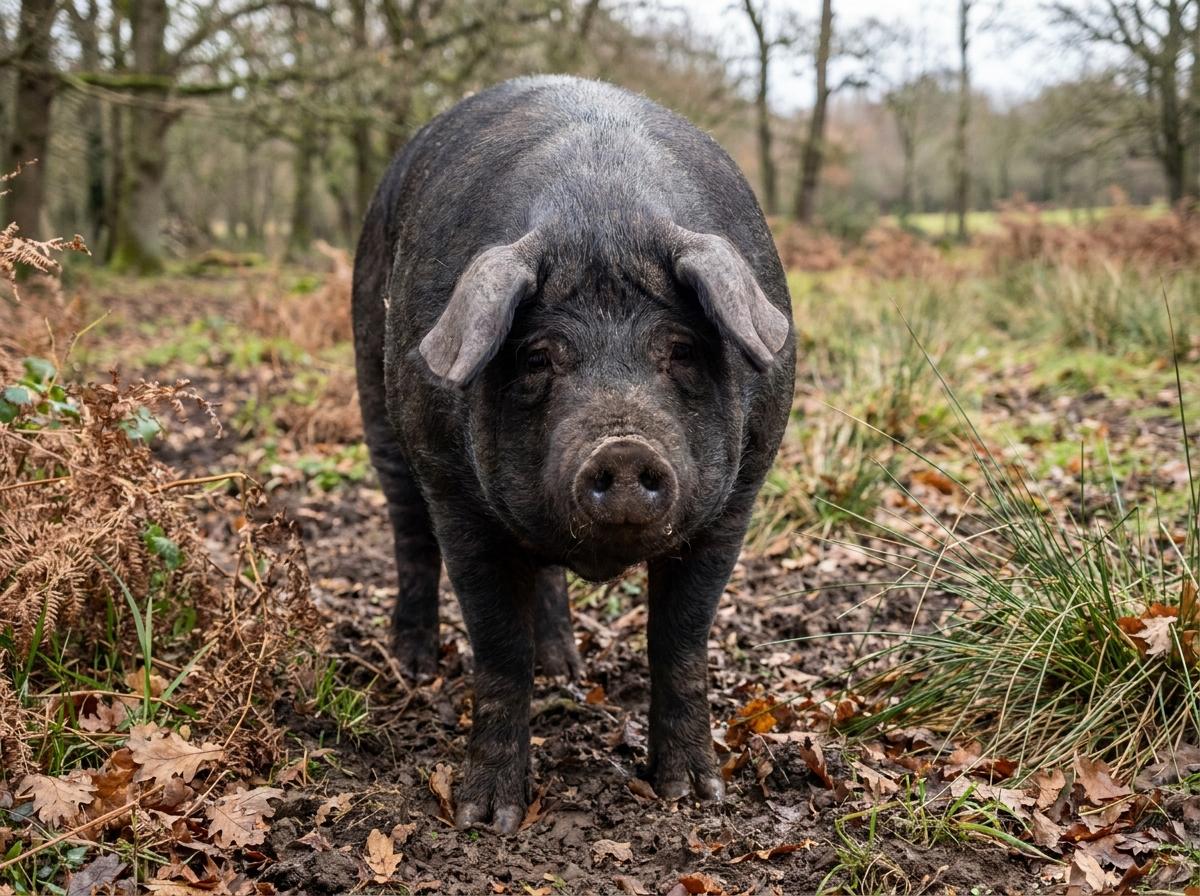
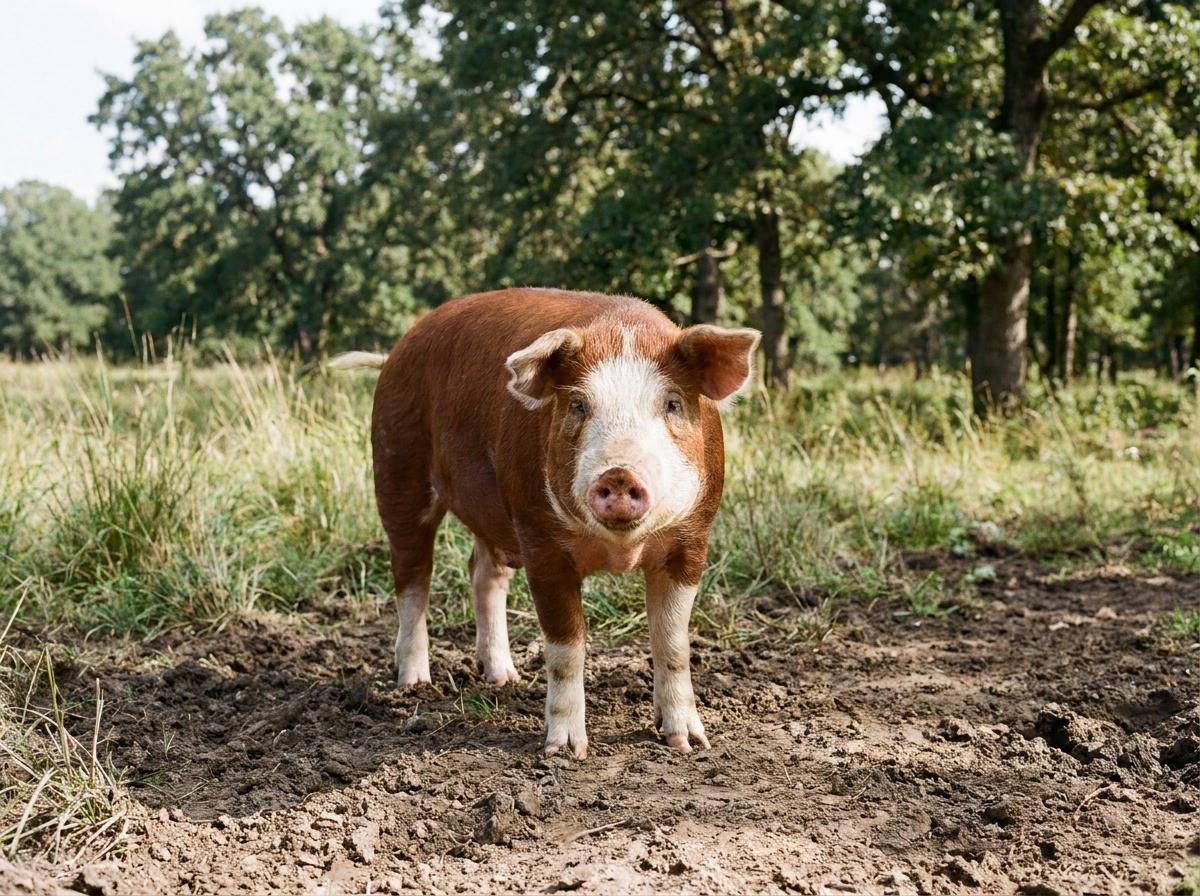
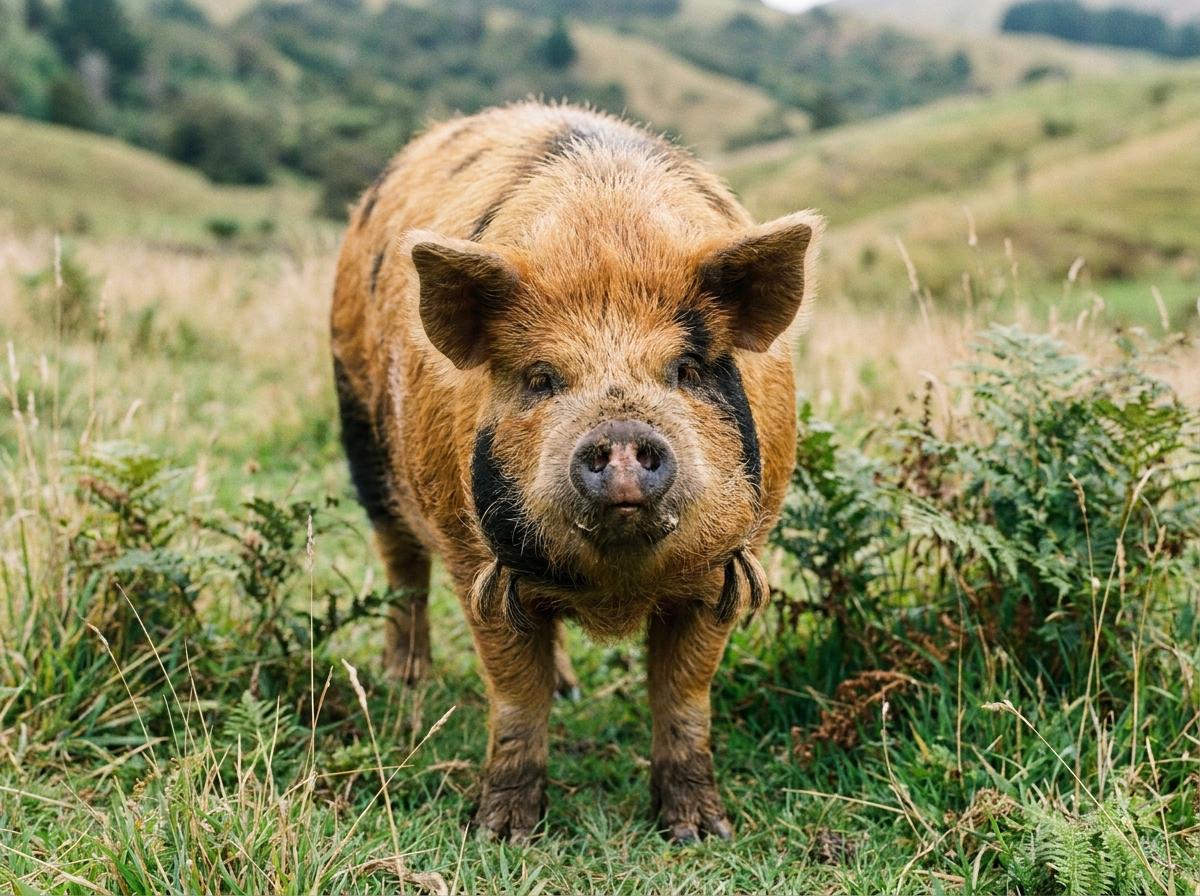
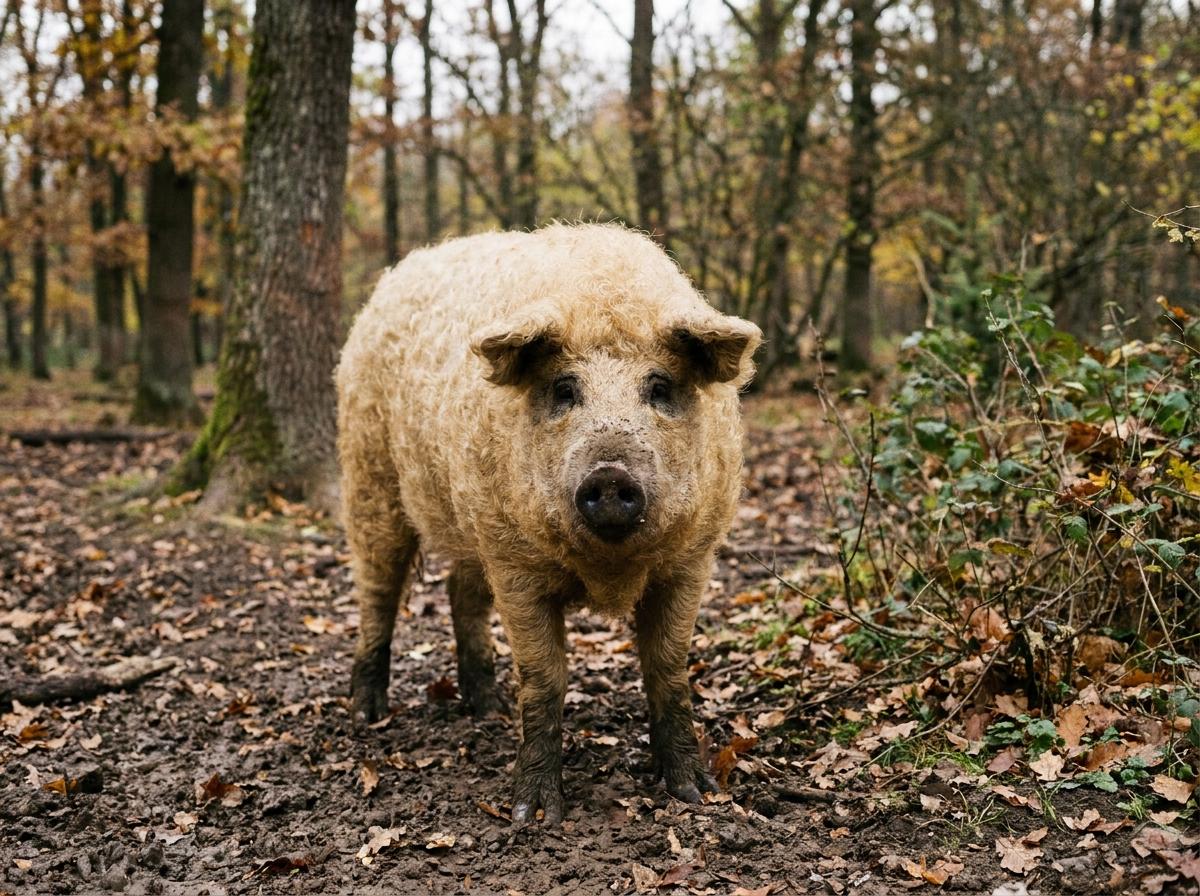
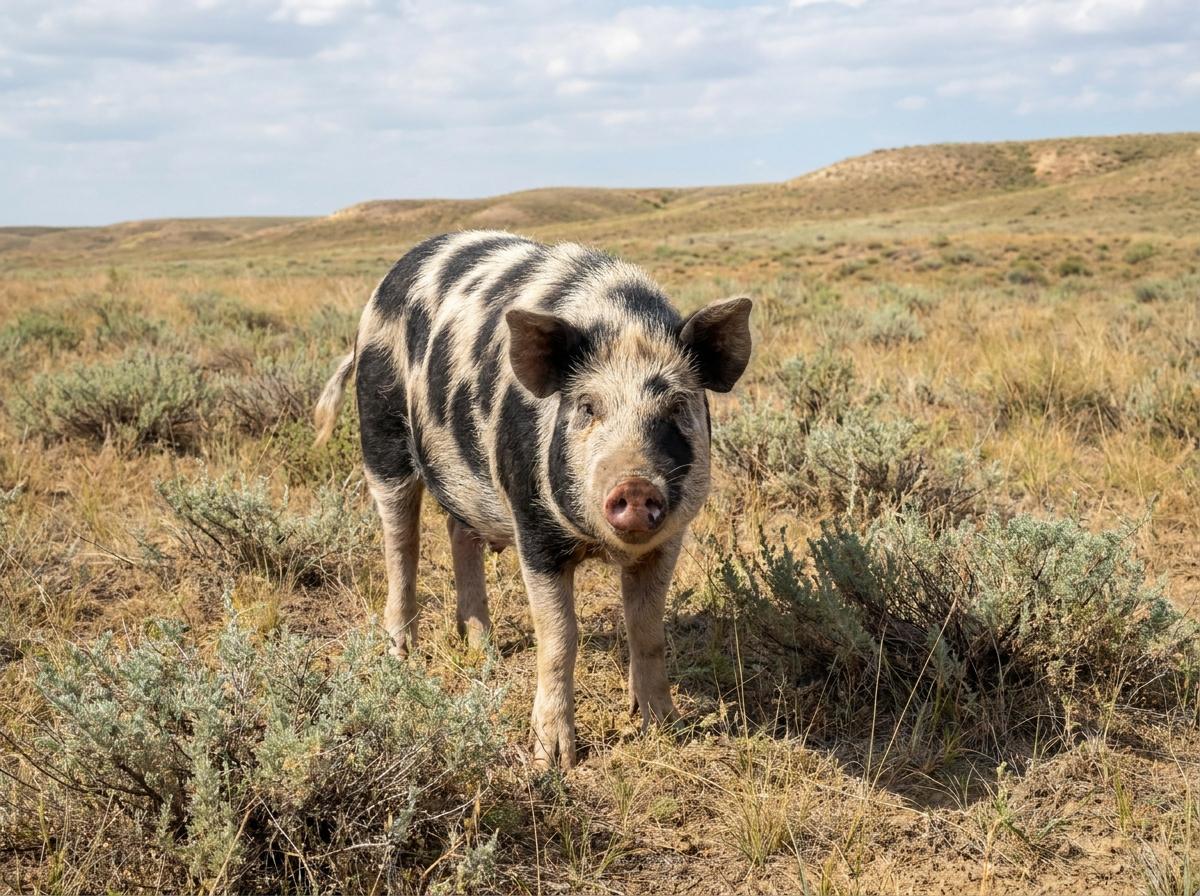
Colors: Belted, Black, Black and White, Blonde, Brown, Cream, Ginger, Ginger and Black, Pied, Red, Red and Black, Sandy, Solid Black, Solid White, Spotted, Swallow Belly, White