


Ring-Necked Pheasant
Phasianus colchicus
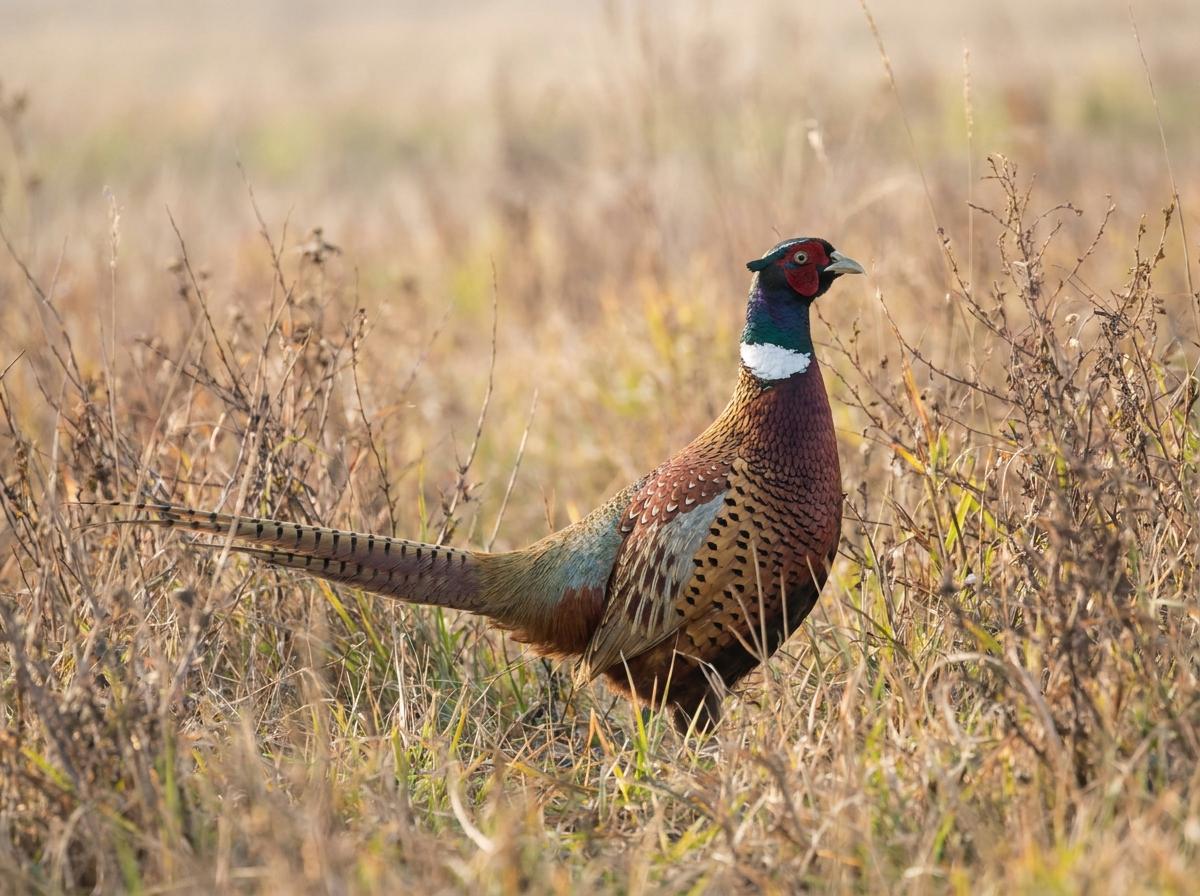
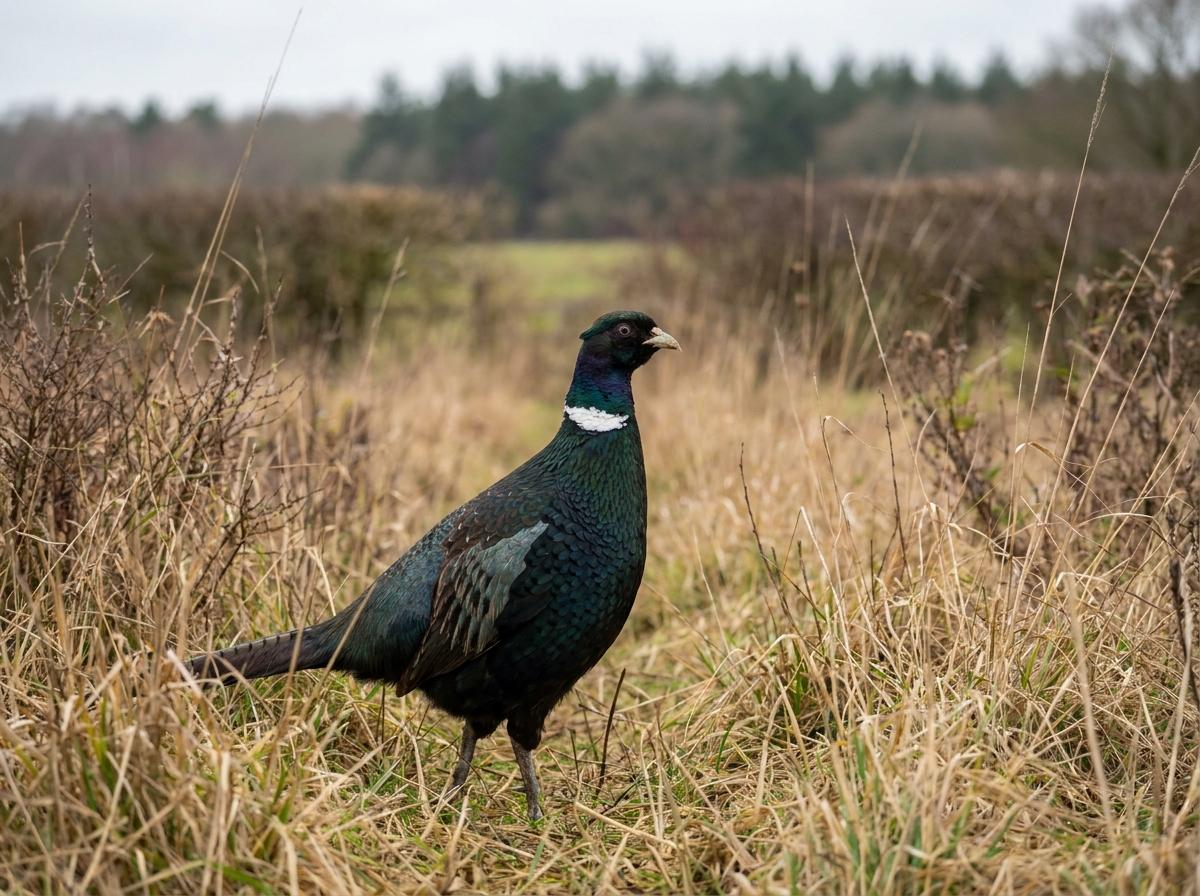
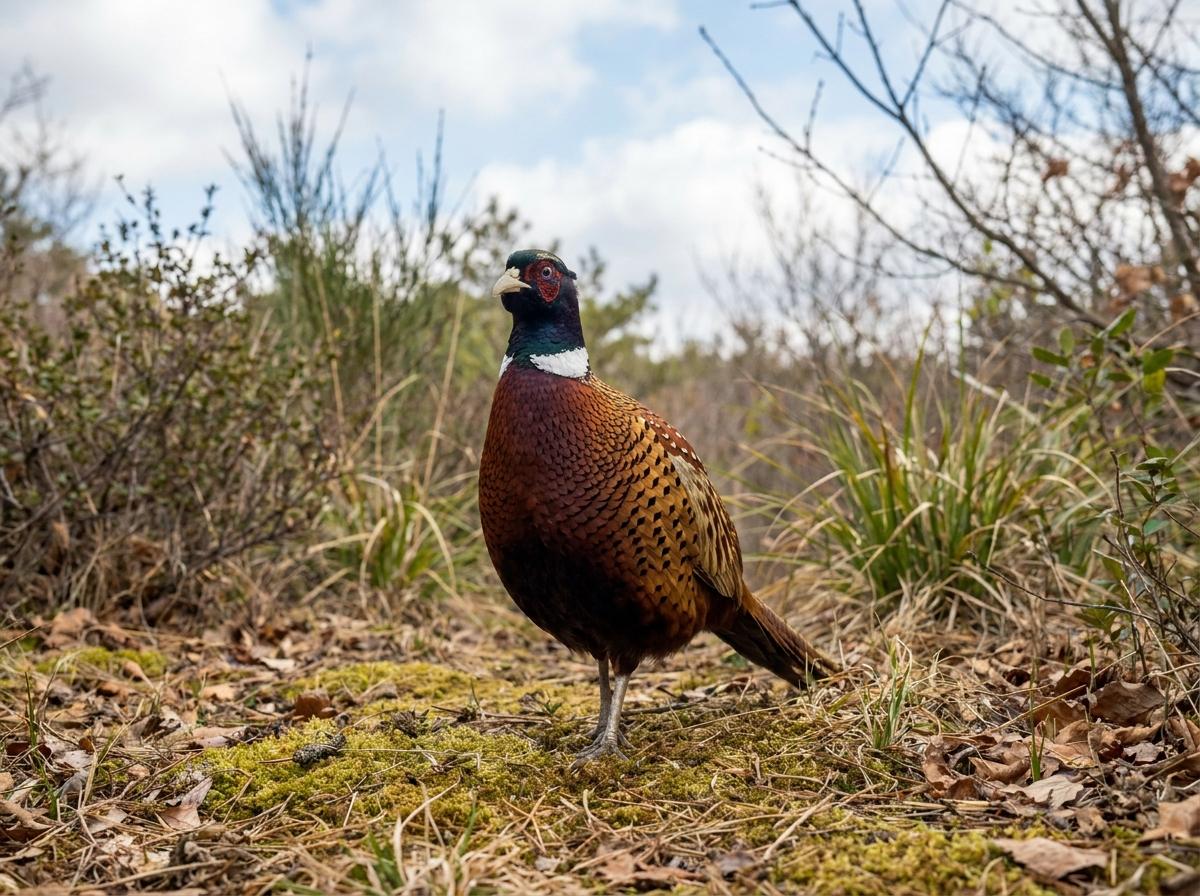
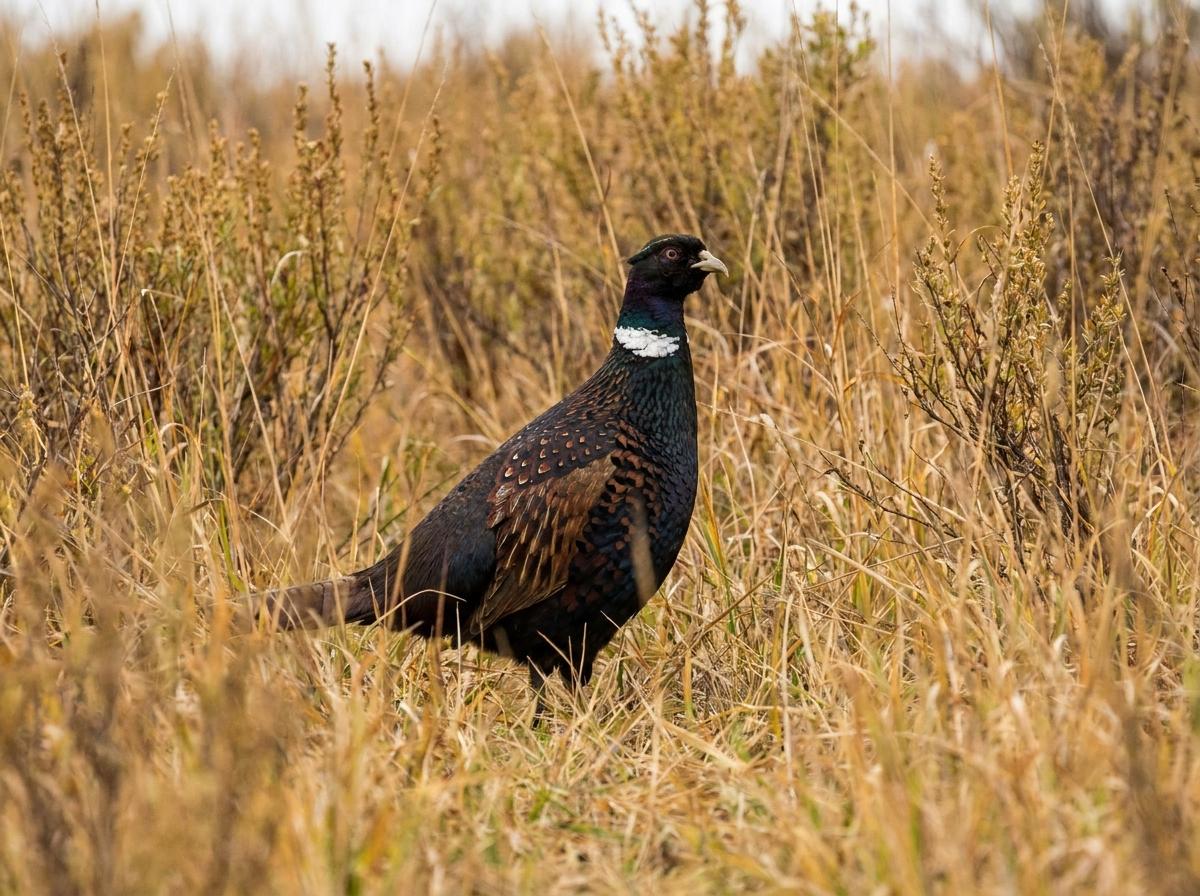
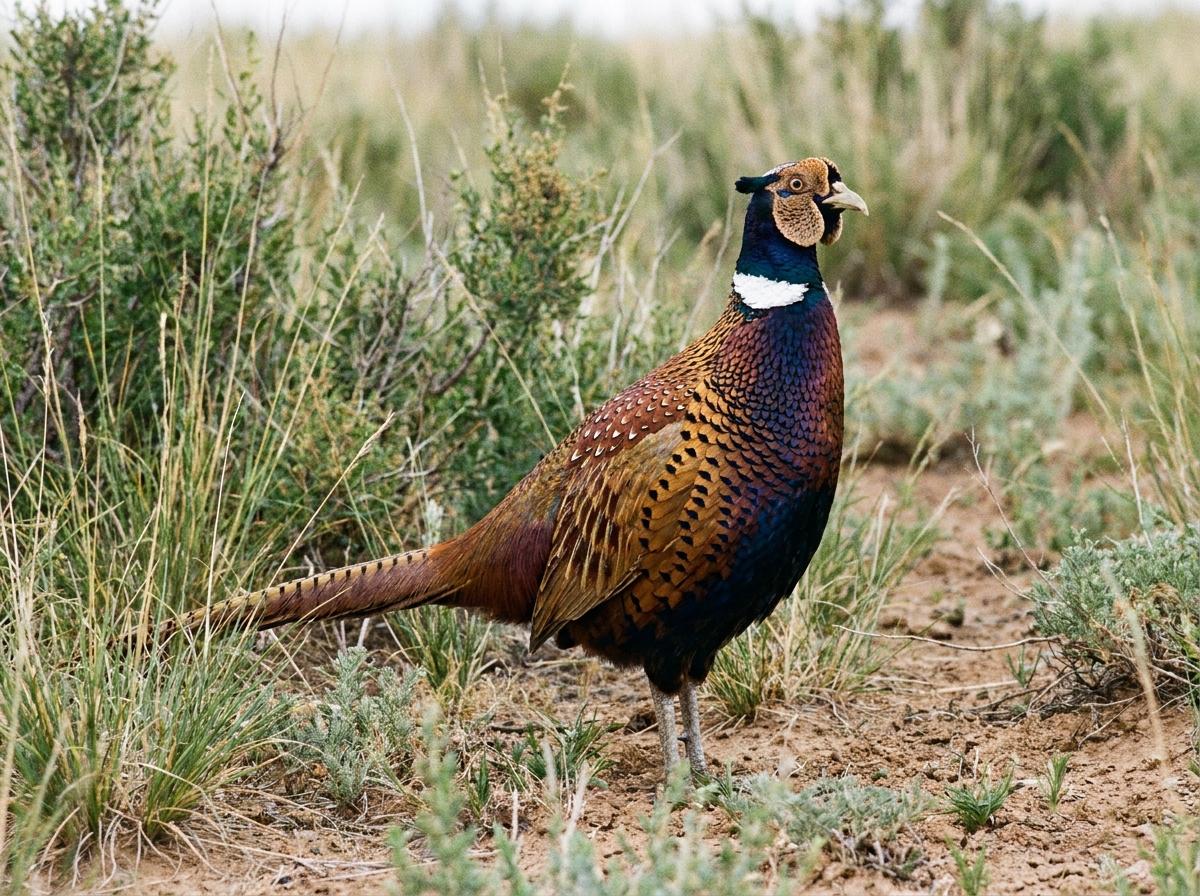
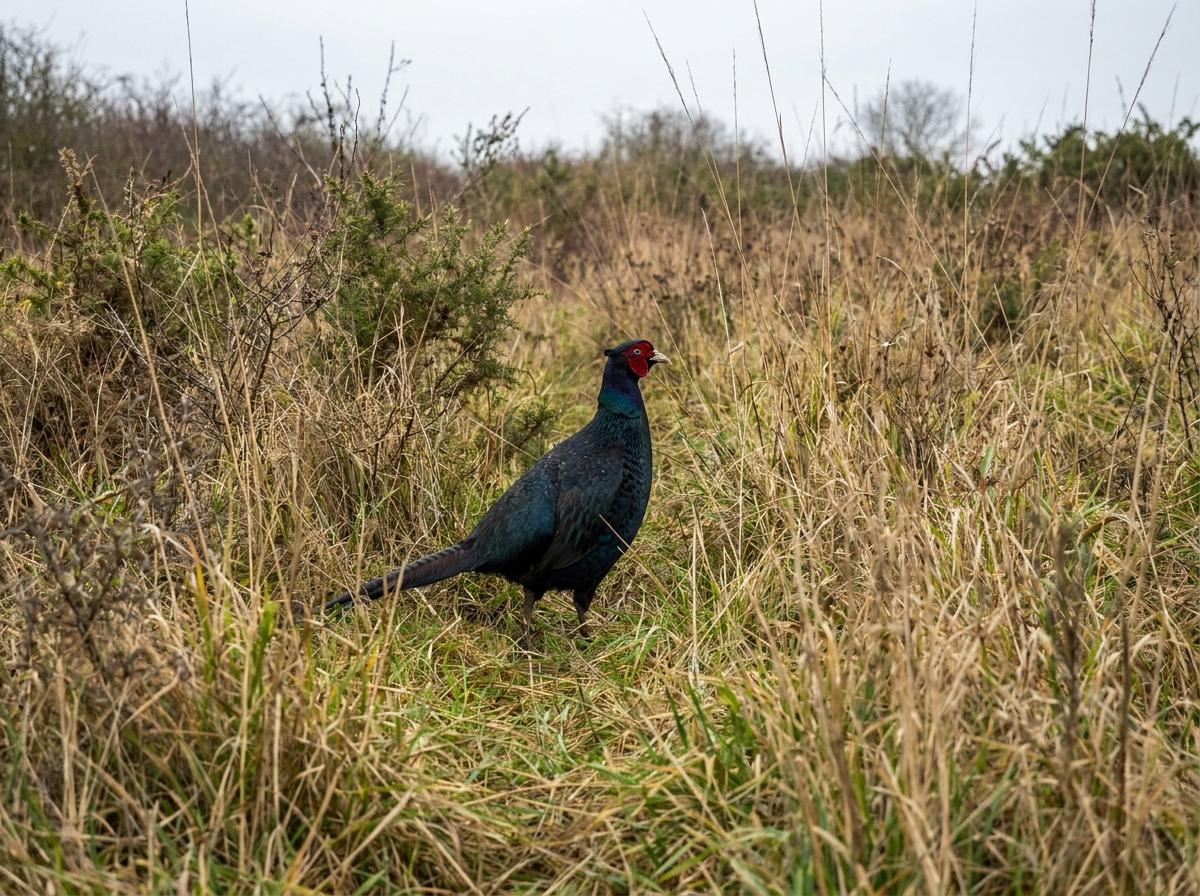
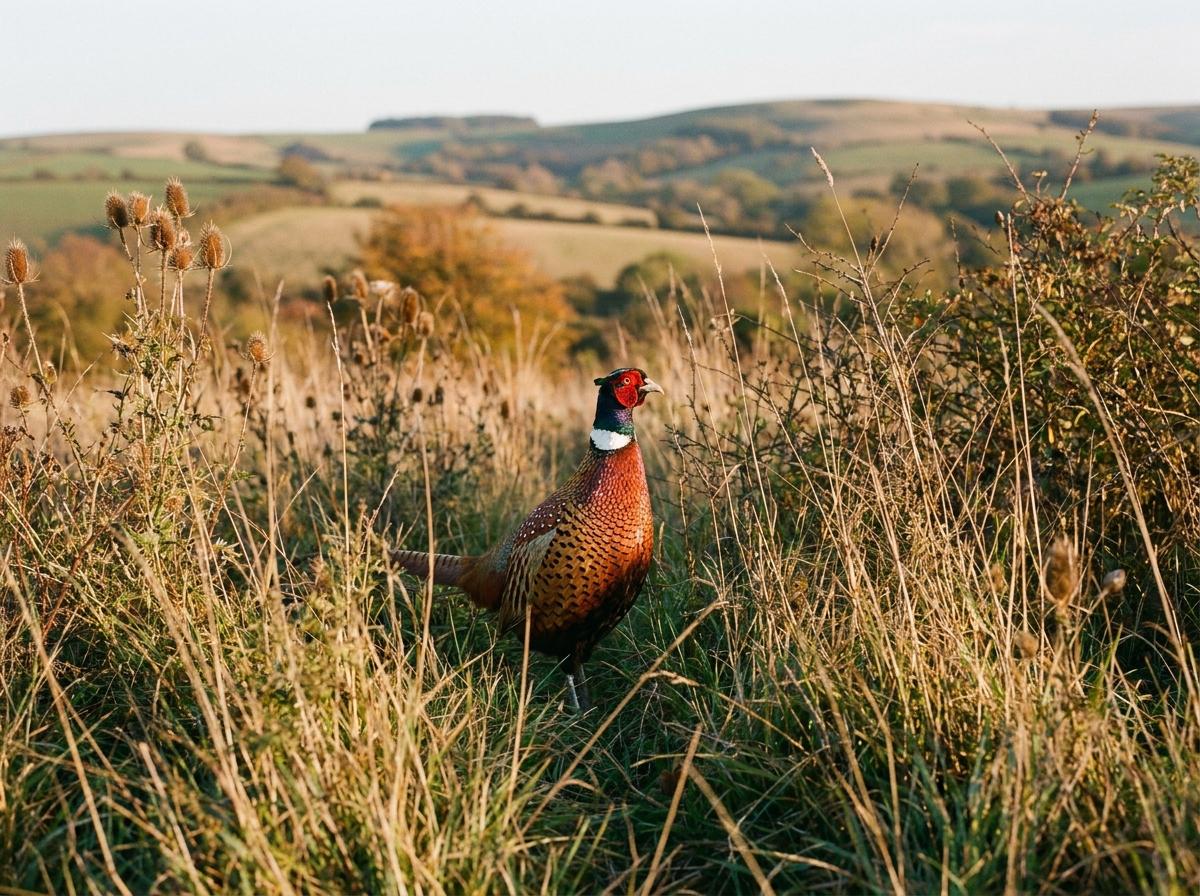
The ring-necked pheasant, Phasianus colchicus, is the familiar common pheasant of farms, field edges, and game covers across much of the temperate world. Its ancestors come from Asia and the Caucasus region, but releases and management have established populations in Europe, North America, New Zealand, and elsewhere. Males are brightly colored with a glossy green head, red facial wattles, a long barred tail, and, in many mixed stocks, a clear white neck ring. Hens are mottled brown and rely on cover rather than display.
People keep ring-necked pheasants as game birds, ornamental aviary birds, and breeding stock for release programs where local law permits. Chicks need warmth and high-protein starter feed, while adults do best in dry, predator-proof pens with grass, brush, or artificial cover to reduce panic and feather damage. Pens must allow for flight and the birds can be nervous, especially during breeding season when males may harass hens. For land managers, successful wild pheasant populations depend less on feeding birds than on nesting habitat, winter cover, and careful control of release practices.