

Balkhi
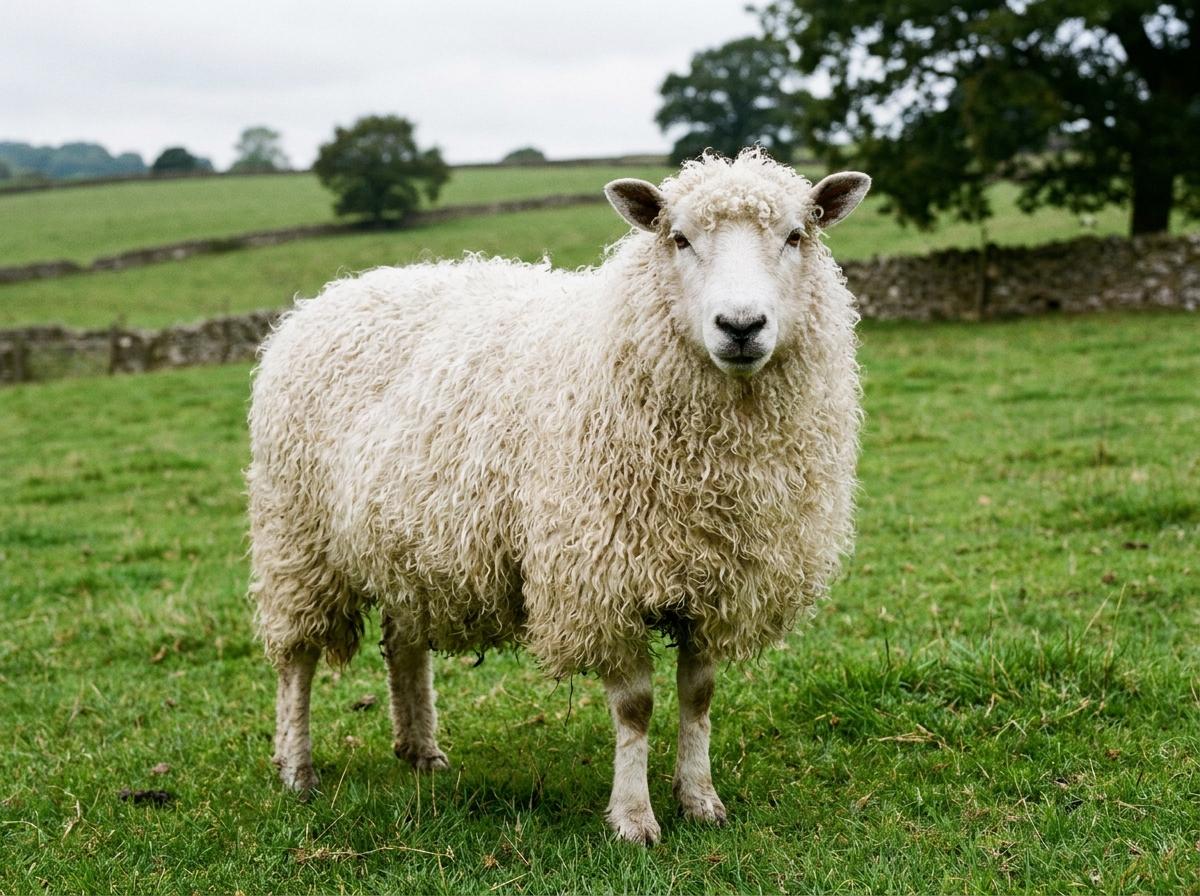
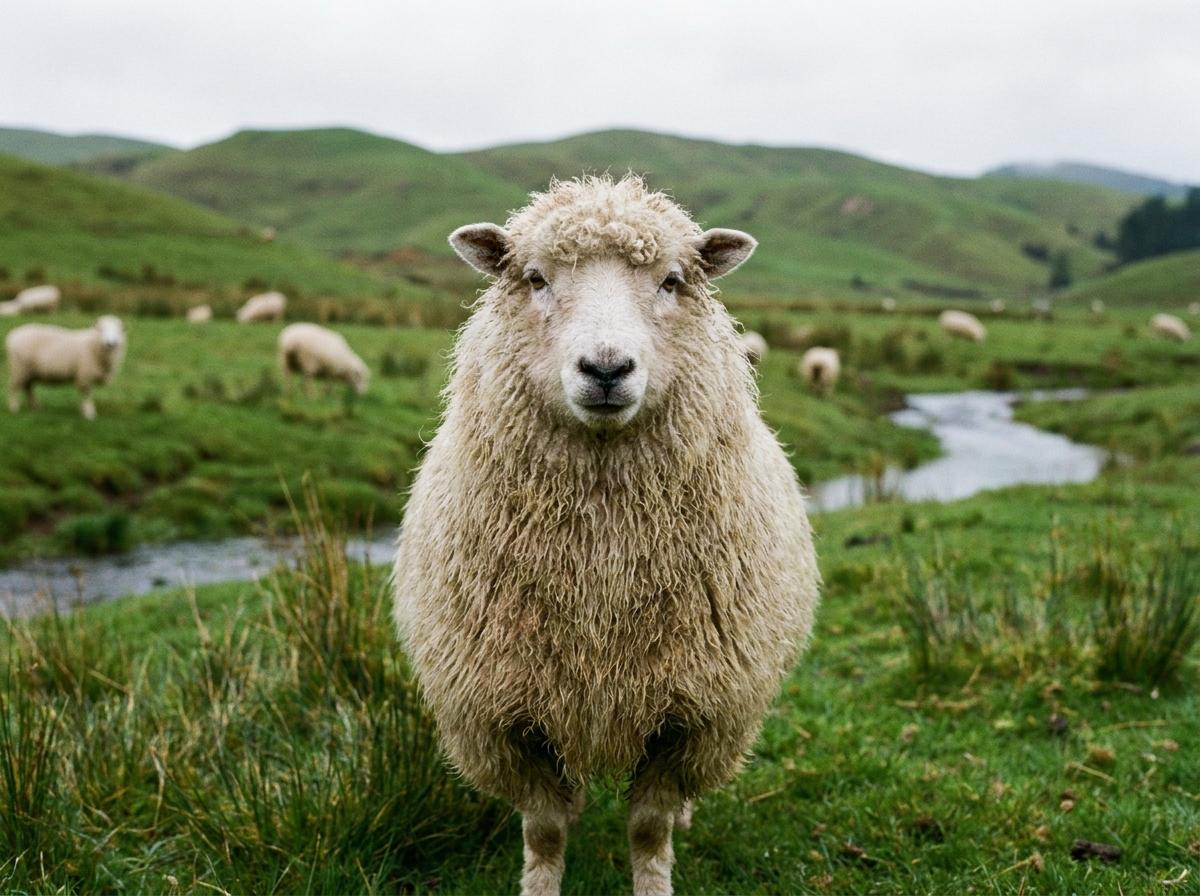
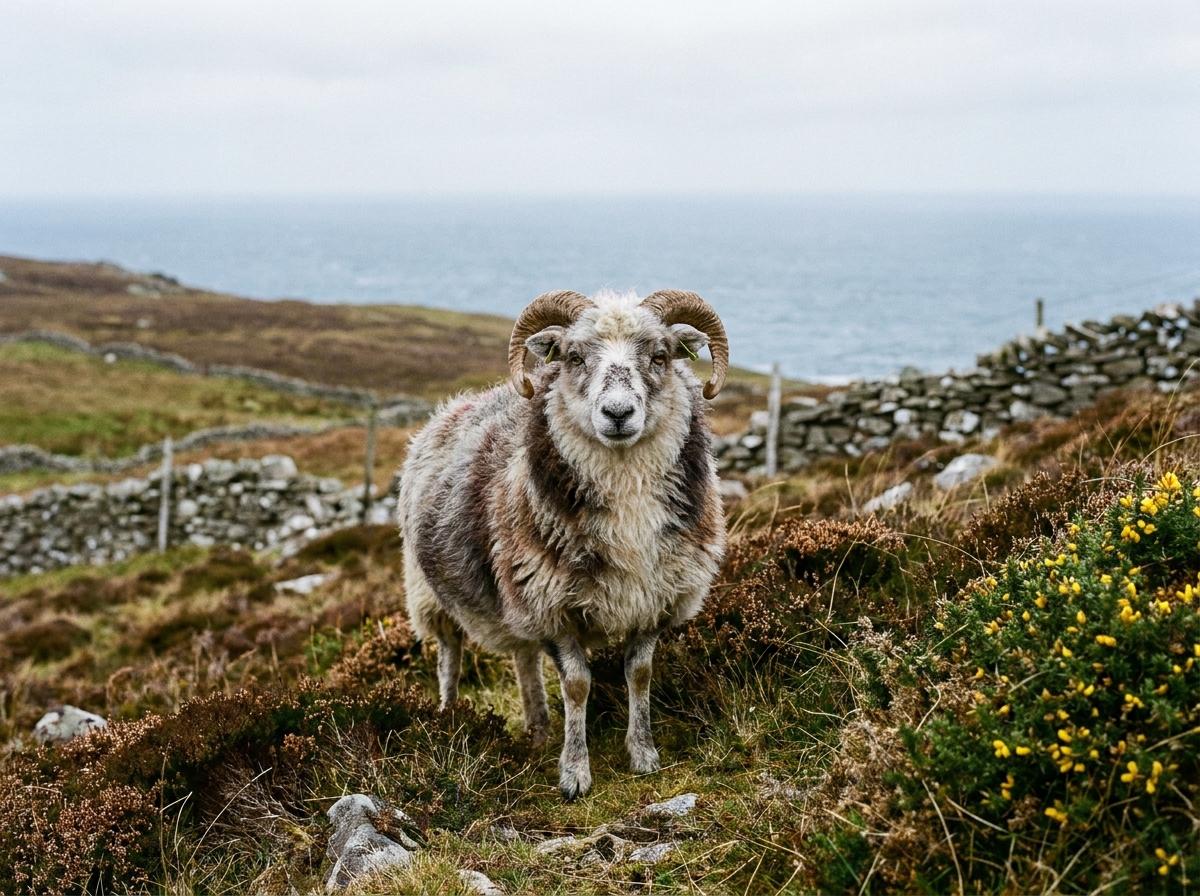
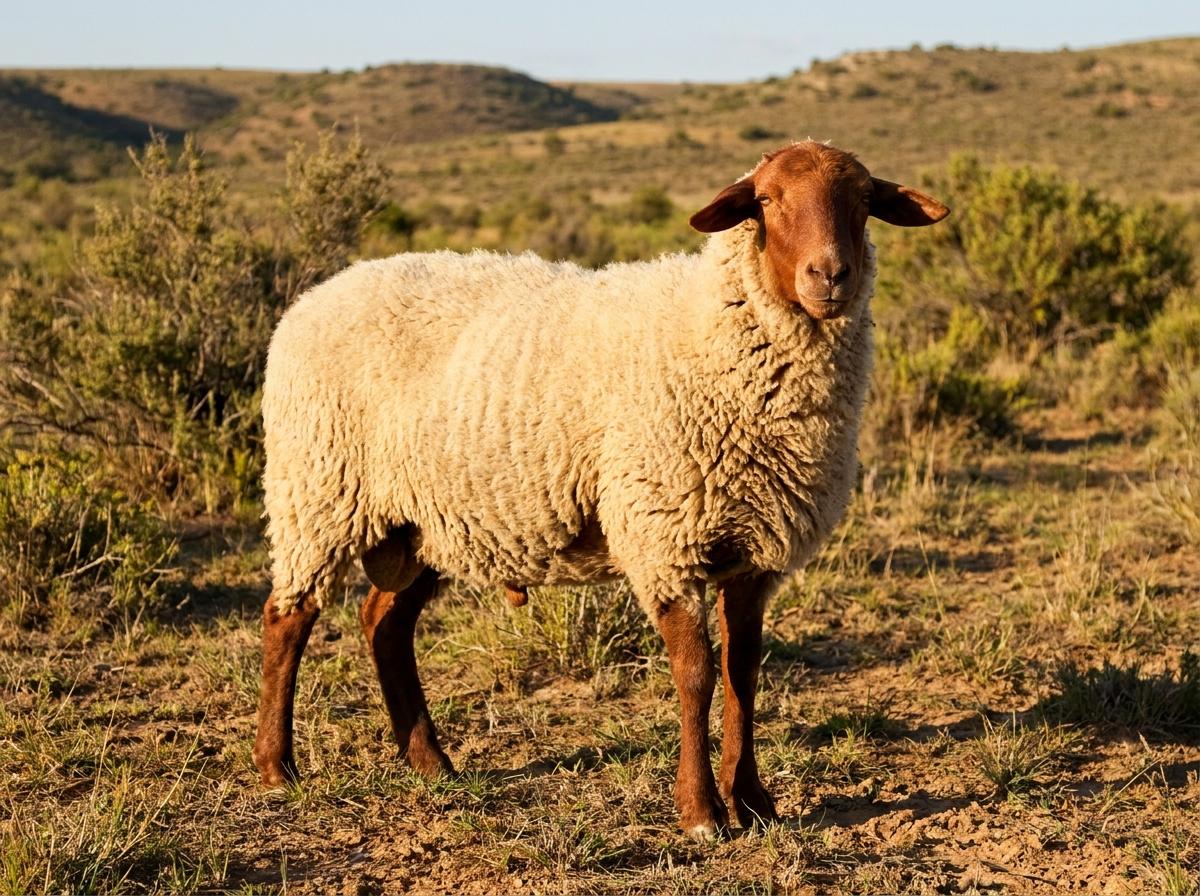
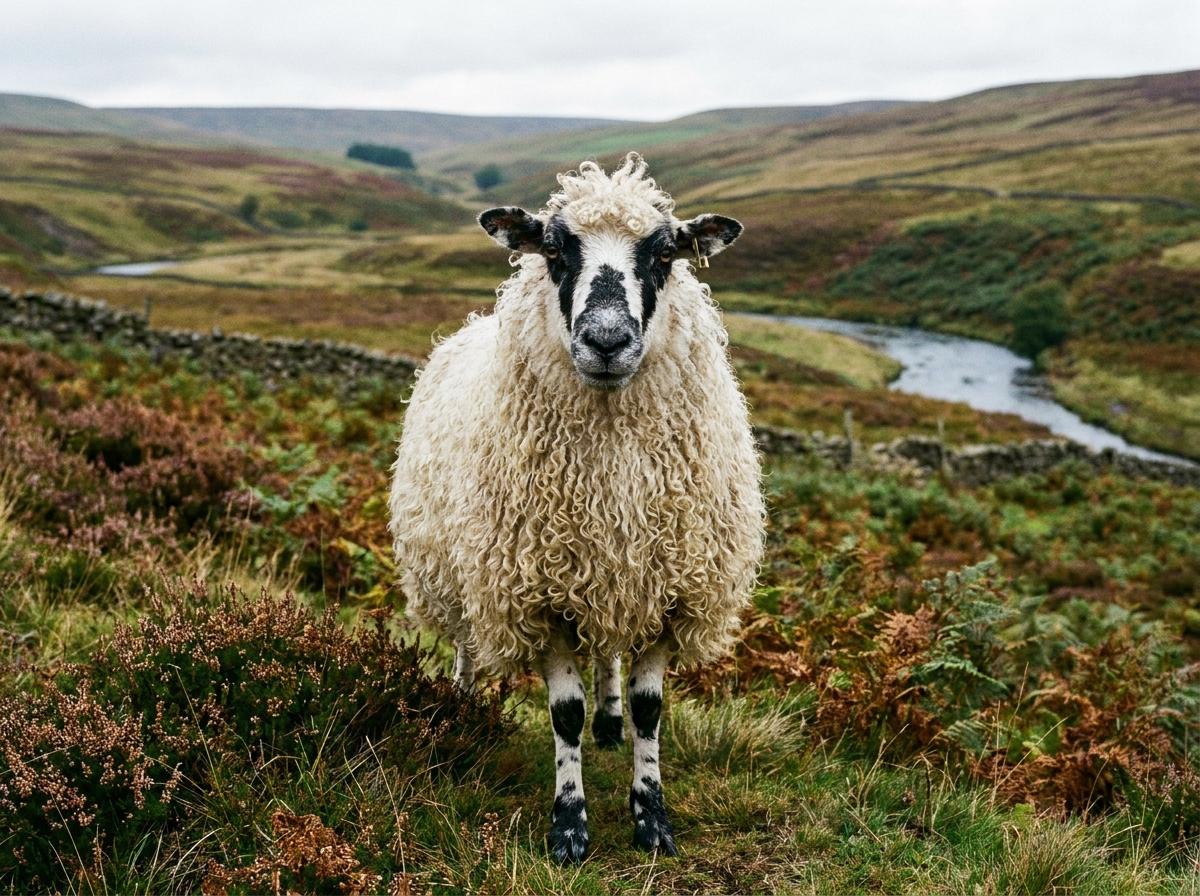
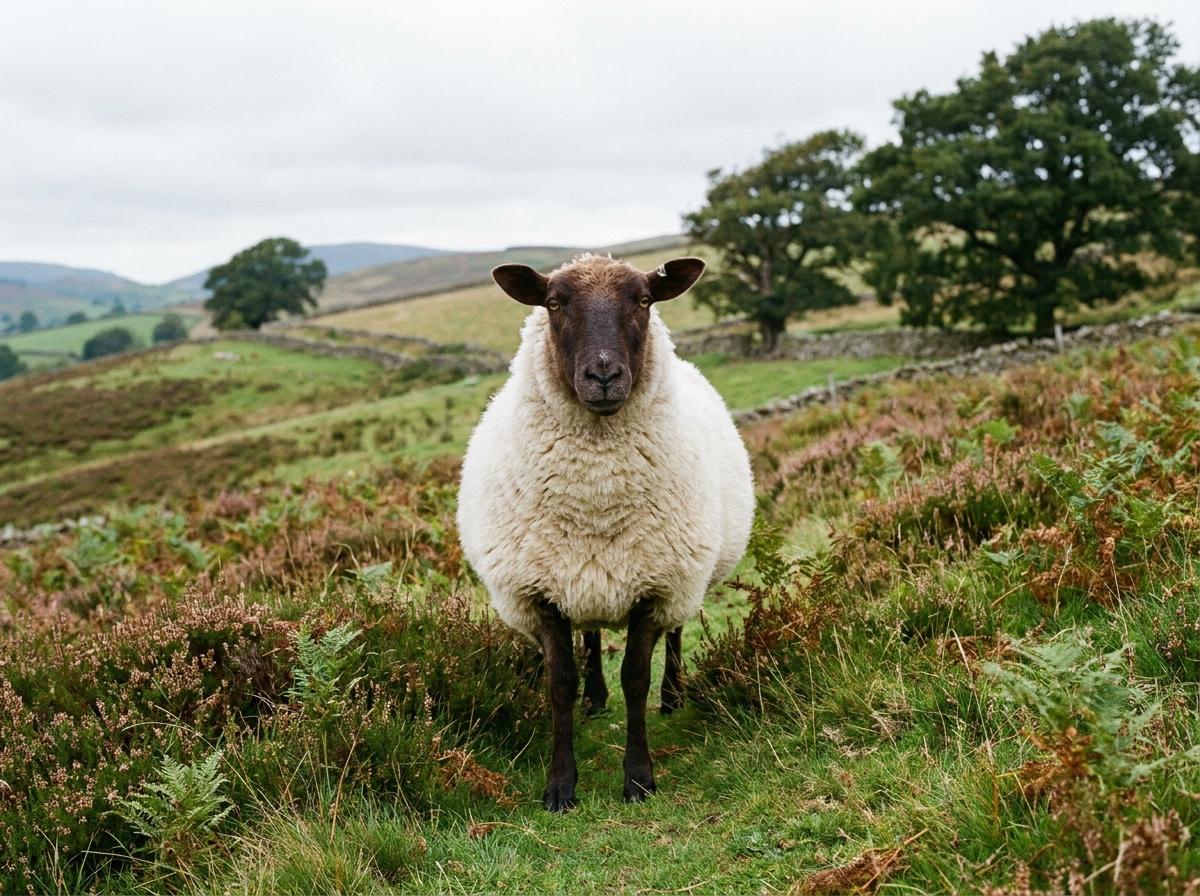
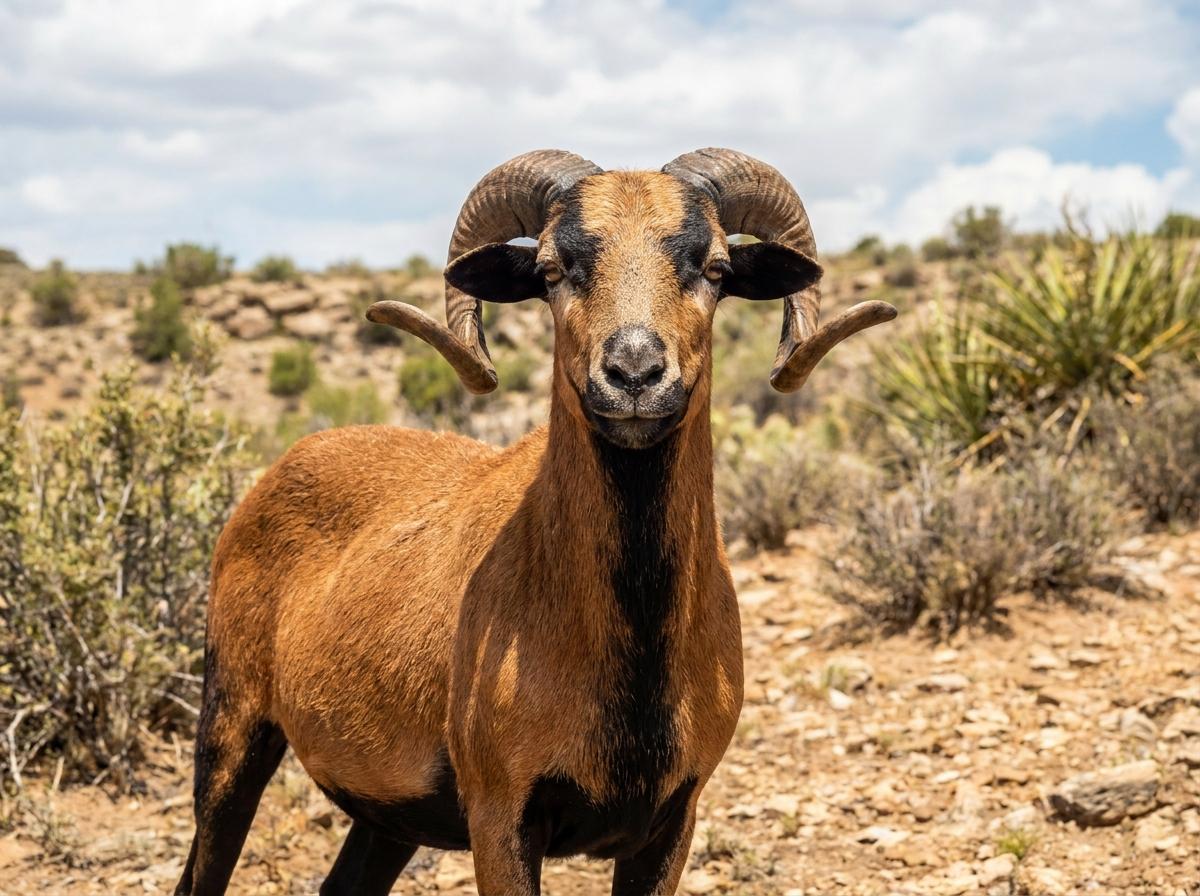
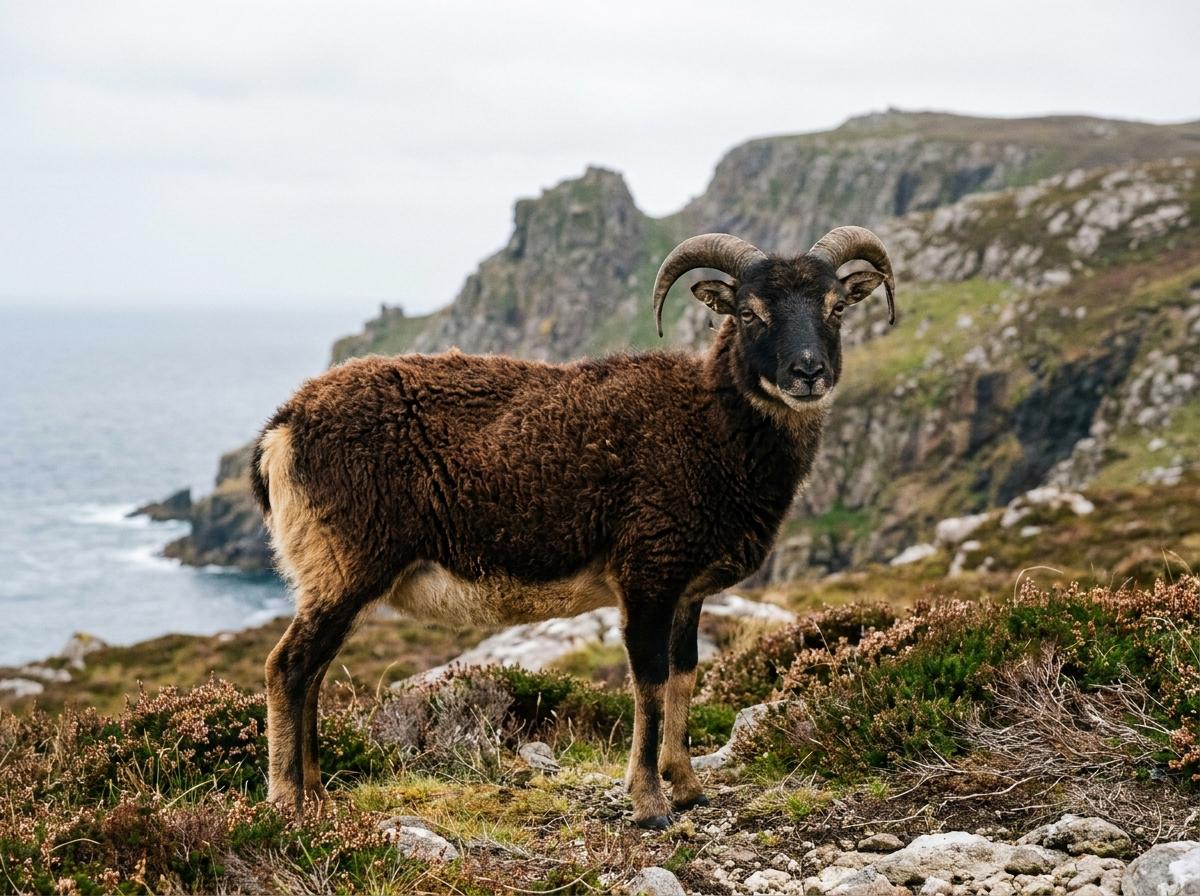
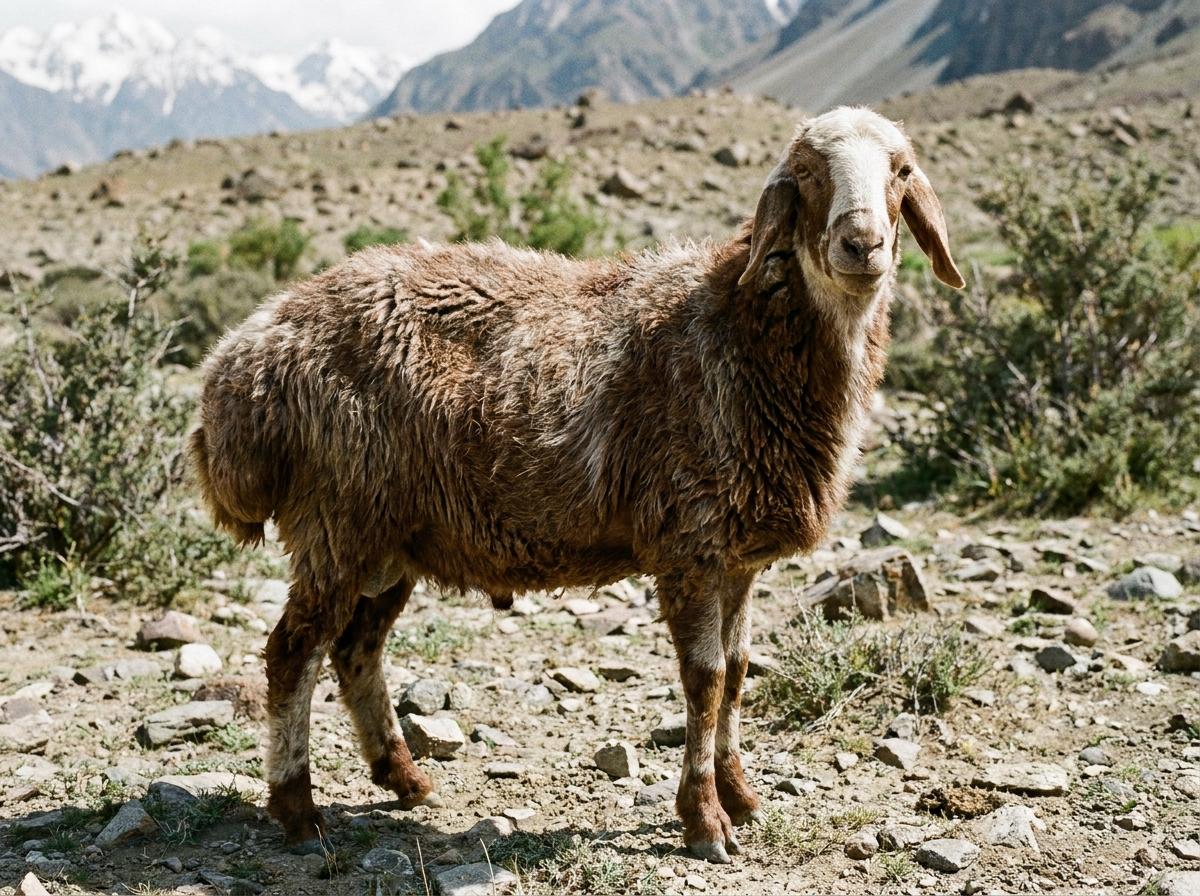
Balkhi sheep are large fat-tailed or fat-rumped sheep associated with northern Afghanistan and neighboring areas of Pakistan, taking their name from the Balkh region. They are kept mainly for mutton, with wool and milk as secondary products in traditional flocks. Type varies by locality, but Balkhi sheep are generally substantial, long-legged animals with a coarse to medium fleece and a heavy tail or rump that stores fat for periods of poor grazing. Rams may be horned, and color is not as fixed as in many western show breeds.
Most Balkhi sheep are managed in extensive village, steppe, or transhumant systems where animals graze crop residues, rangeland, and seasonal pasture. Their size and tail fat make them useful meat sheep, but good growth still depends on feed quality, especially before lambing and during finishing. In colder upland winters, stored fodder and basic shelter can be as important as genetic hardiness. Outside their home region, verifying true Balkhi breeding stock may require local knowledge because formal registry systems are limited.
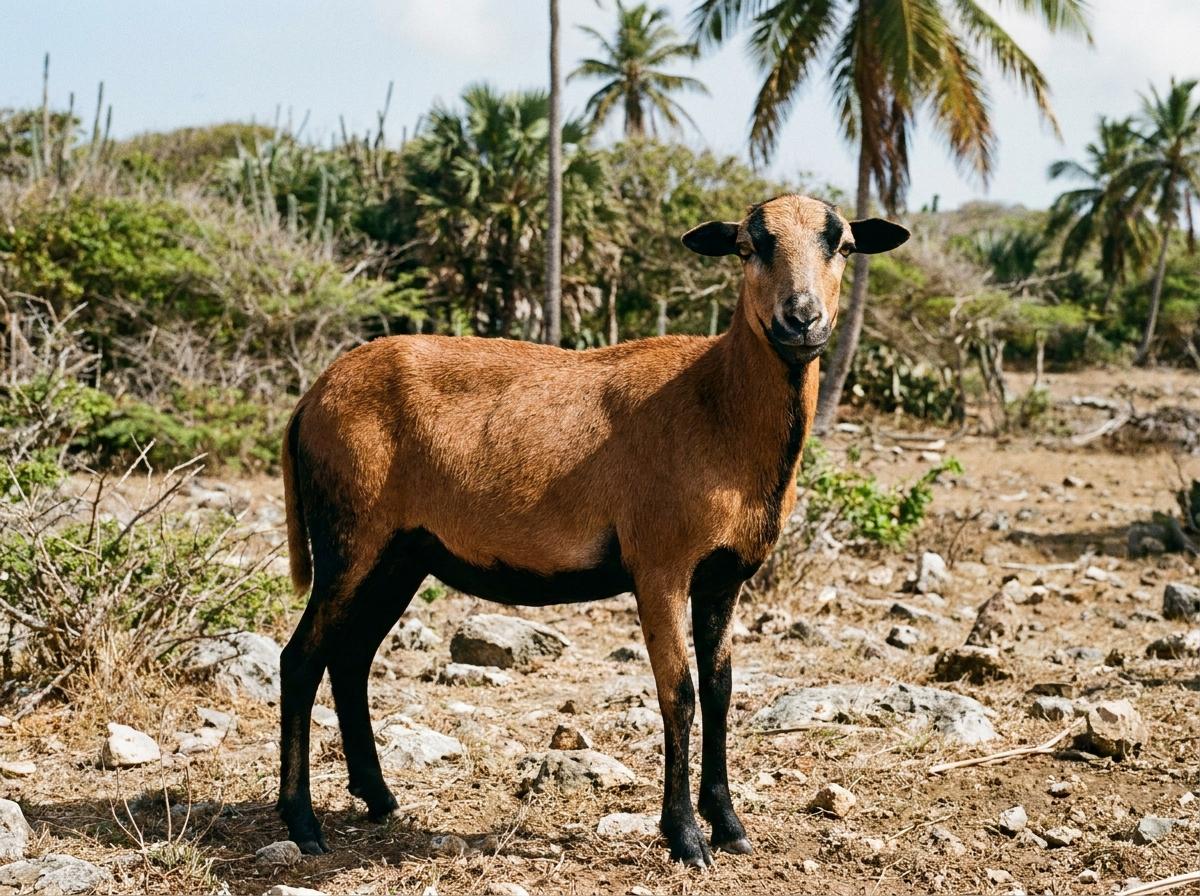
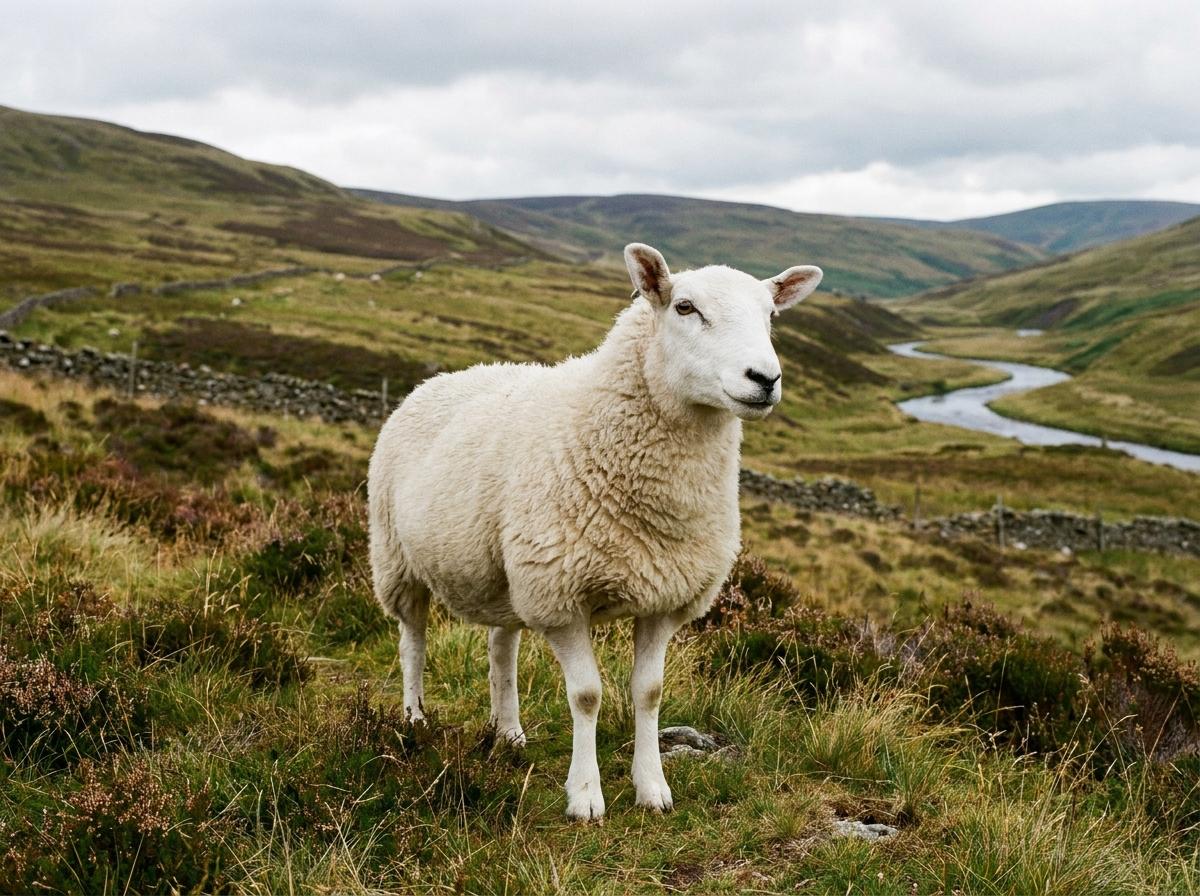
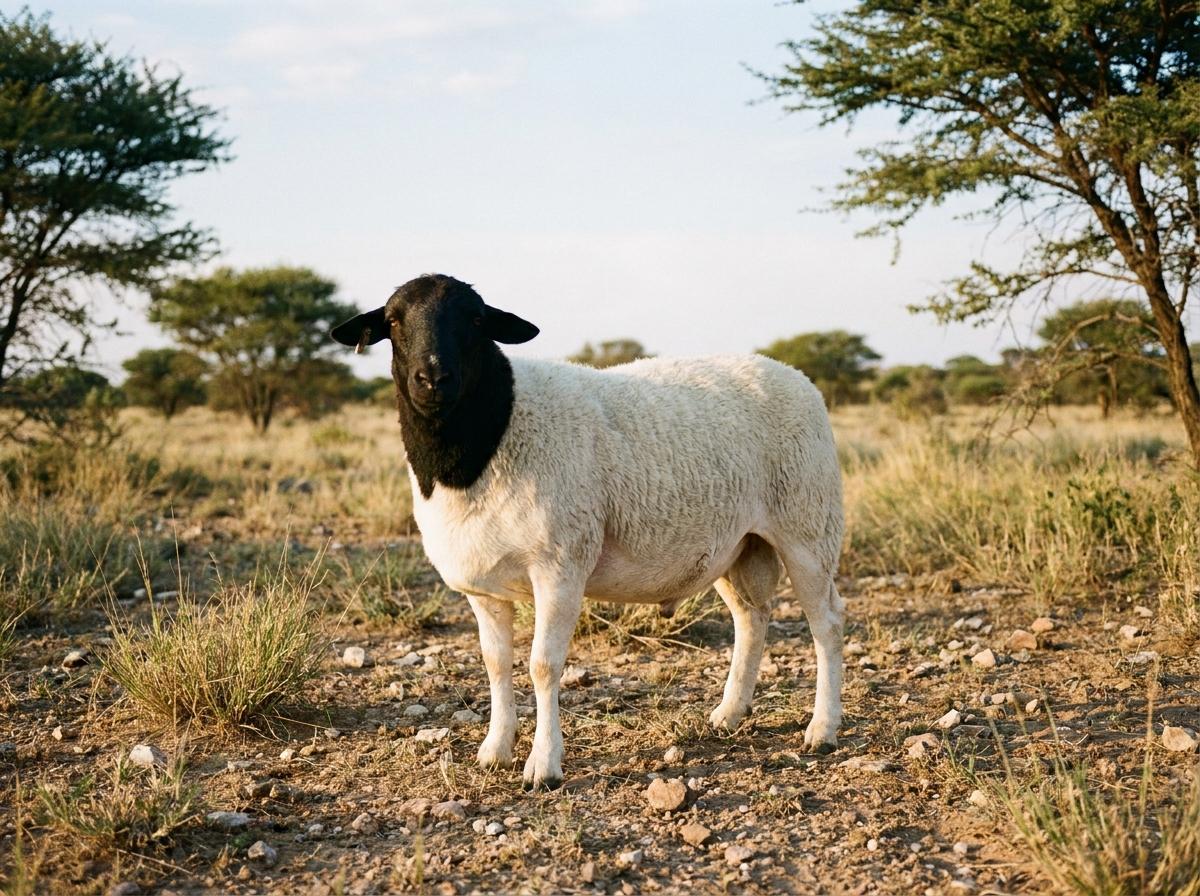
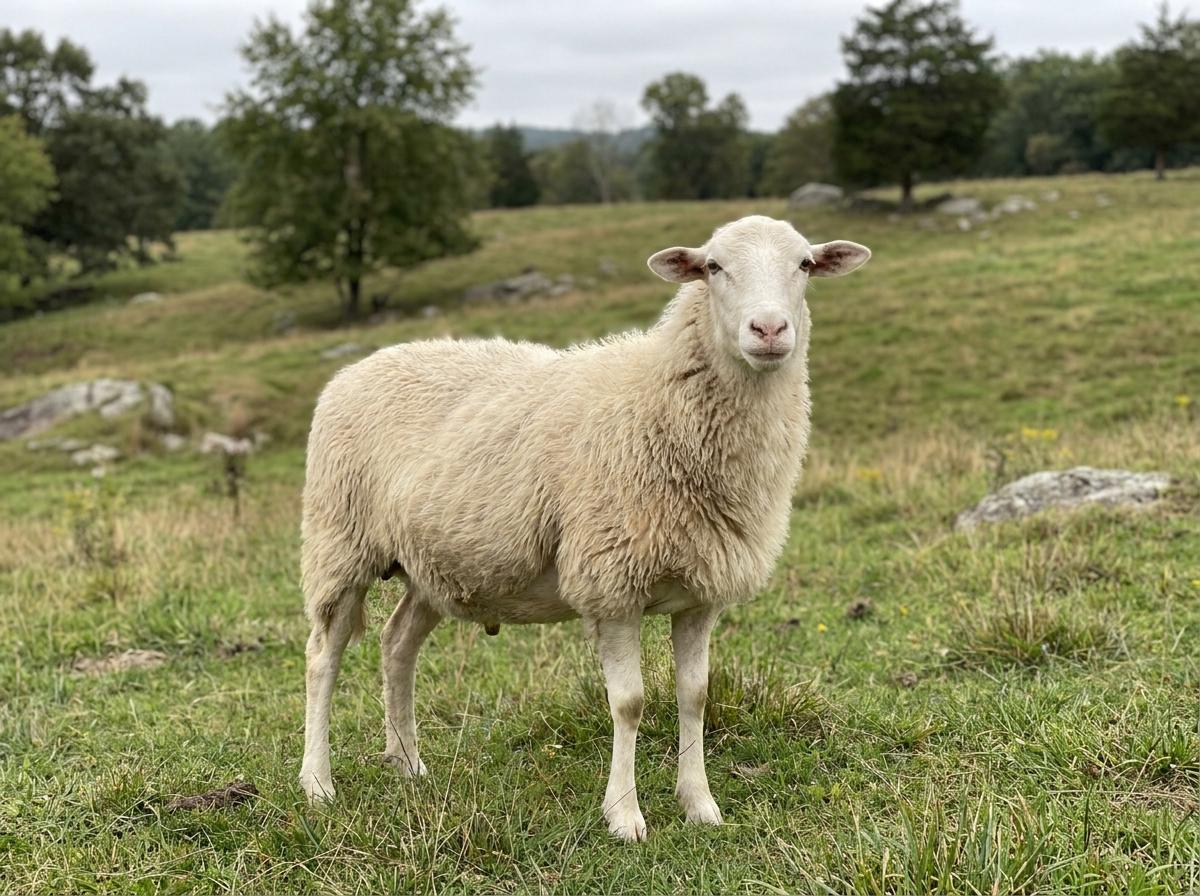
Colors: Badgerface, Black, Blackbelly, Broken, Brown, Gray, Grey, Gulmoget, Katmoget, Moorit, Piebald, Red, Roan, Silver, Solid, Spotted, Tan, White, White with Black Points, White with Brown Points