

Dorper
The Dorper is a fast-growing South African meat sheep that sheds its own coat, so it never needs shearing. That single trait, plus its hardiness in hot and dry conditions and its willingness to breed year round, is why the Dorper has become one of the most sought-after sheep in the United States, especially for small farms and first-time shepherds who do not want the labor and cost of wool. This page explains what the breed is, where it came from, how to tell a classic blackhead Dorper from a White Dorper, how it performs, what it costs, and what to check before you buy one.

Browse listings, public profiles, breeders, or add your animal.
What is a Dorper sheep?
The Dorper is a composite meat breed developed in South Africa, built specifically to raise good lambs in harsh, arid country without the wool of a traditional sheep. It belongs to the group of sheep known as hair sheep, which grow a short natural coat that is a mixture of hair and light wool and that sheds on its own each year rather than growing into a fleece that must be shorn.
That shedding trait is the headline. For a wool sheep, shearing is an annual cost and a chore, and in many parts of the United States low wool prices mean the fleece no longer pays for the shearer. A Dorper sidesteps all of that. Combined with fast growth, good meat, tolerance of heat and drought, and the ability to breed outside the normal autumn window, the breed has spread far beyond its home range. It is now farmed on several continents and is a common choice for American producers focused on meat rather than fiber. If you are still comparing breeds, the broader Creatures sheep species page is a good place to weigh the Dorper against wool and dual-purpose breeds such as the Columbia, Montadale, and Sarda.
Origin and history
The Dorper was created by the South African Department of Agriculture in the 1930s as a deliberate breeding project. The goal was a mutton sheep that could thrive in the dry Karoo and other arid regions, grow fast, and skip the shearing that made wool sheep expensive to run in that environment.
To get there, breeders crossed the British Dorset Horn with the fat-tailed Blackhead Persian, a hair sheep. Each parent contributed something specific. The Dorset Horn brought its ability to breed out of season and its meat conformation. The Blackhead Persian brought heat hardiness, toughness in poor country, and its short hair coat rather than a wool fleece. The breed’s name is a portmanteau of those two parents, Dorset and Persian, giving Dor-per.
The name Dorper was introduced in 1947 by breeders working through the Grootfontein Agricultural College, and the Dorper Sheep Breeders’ Society of South Africa was founded in 1950 to set the breed standard. From there the Dorper grew into one of South Africa’s most important sheep. It is now the second most numerous breed in the country, with well over ten million head. In the United States, the American Dorper Sheep Breeders’ Society was organized in December 1995 and held its first sale and show in Cameron, Texas, in October 1996. It remains the official US registry for both Dorper and White Dorper sheep.
Dorper versus White Dorper
There are two varieties within the breed, and the difference is mostly about color and a small difference in ancestry.
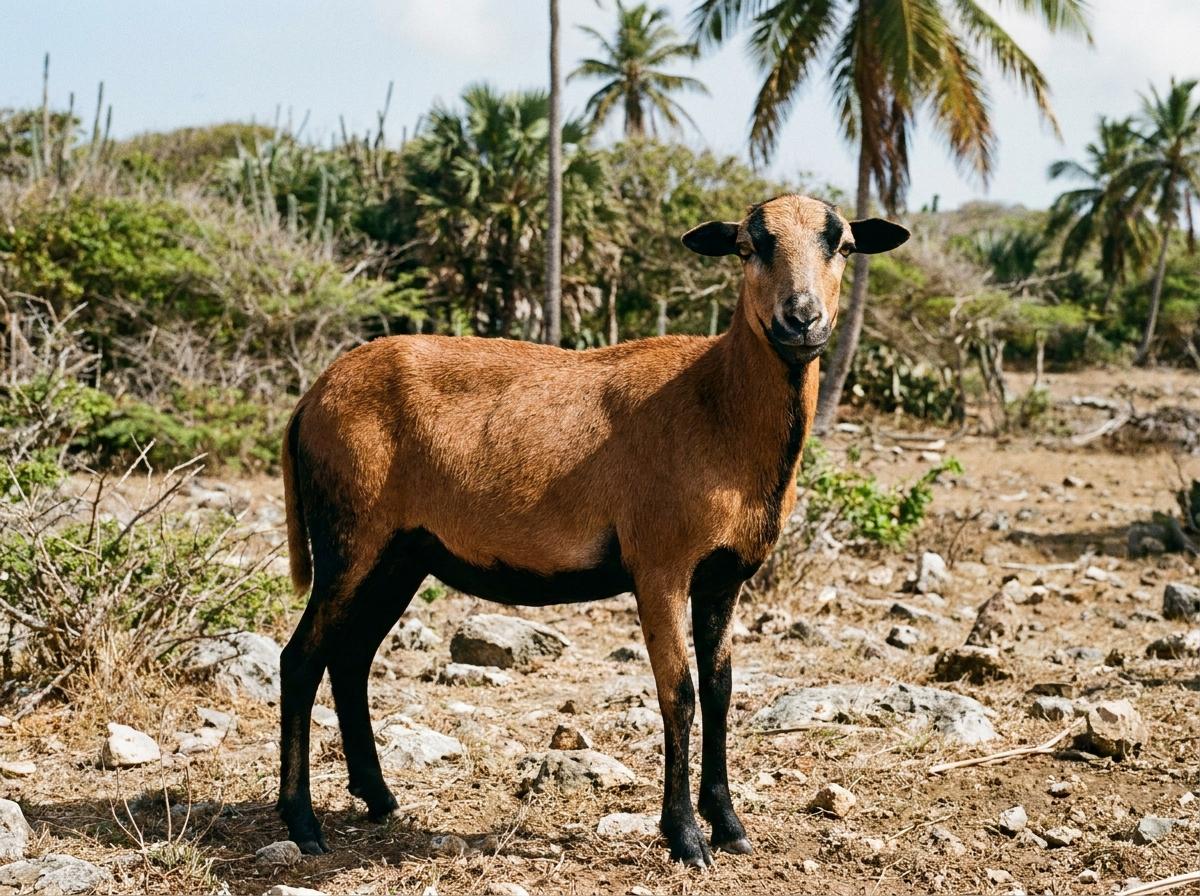
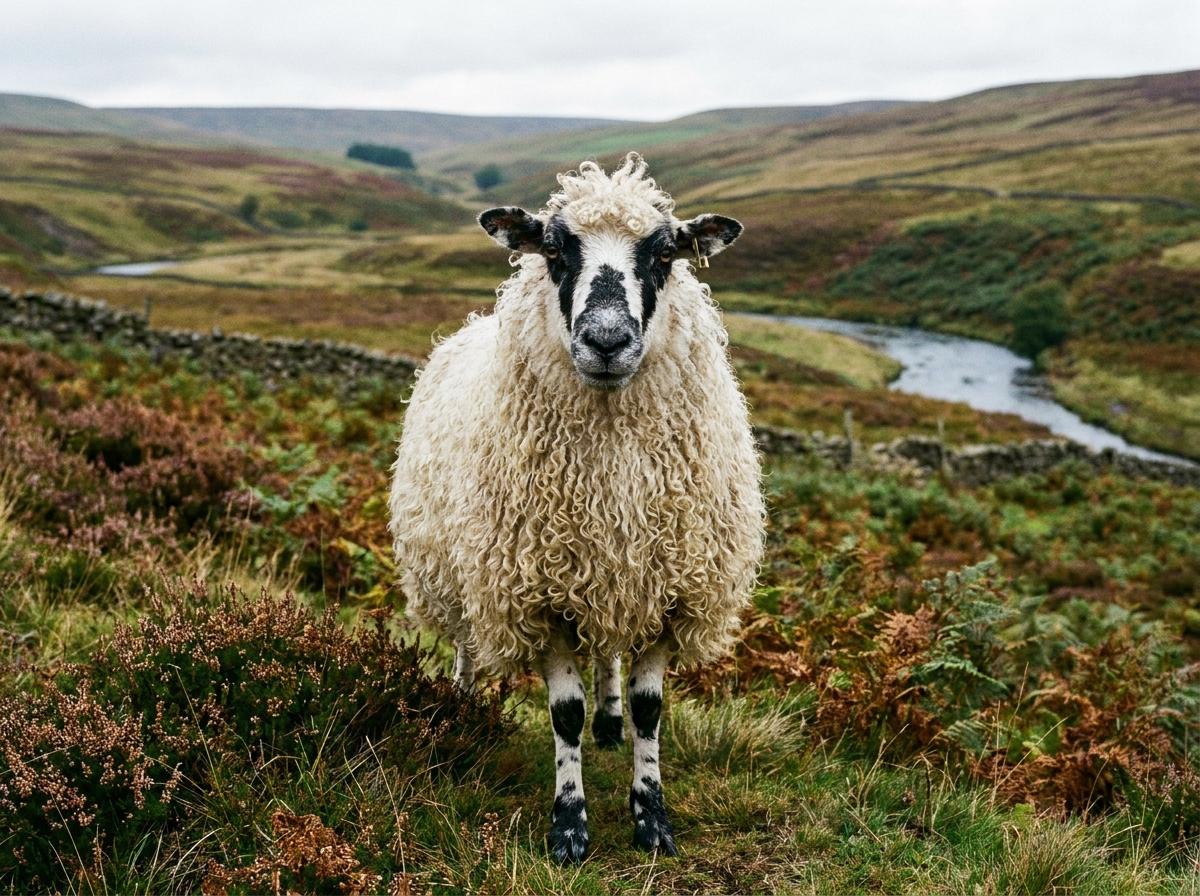
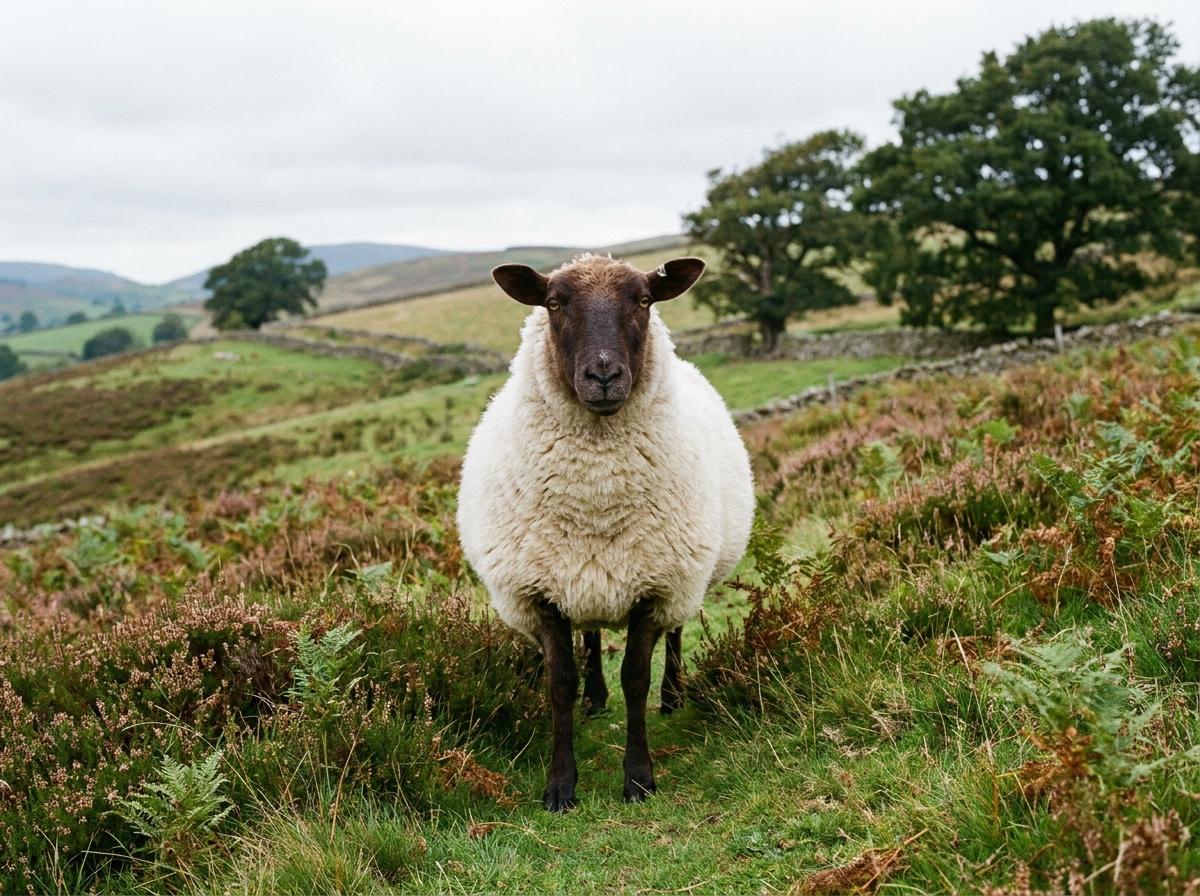
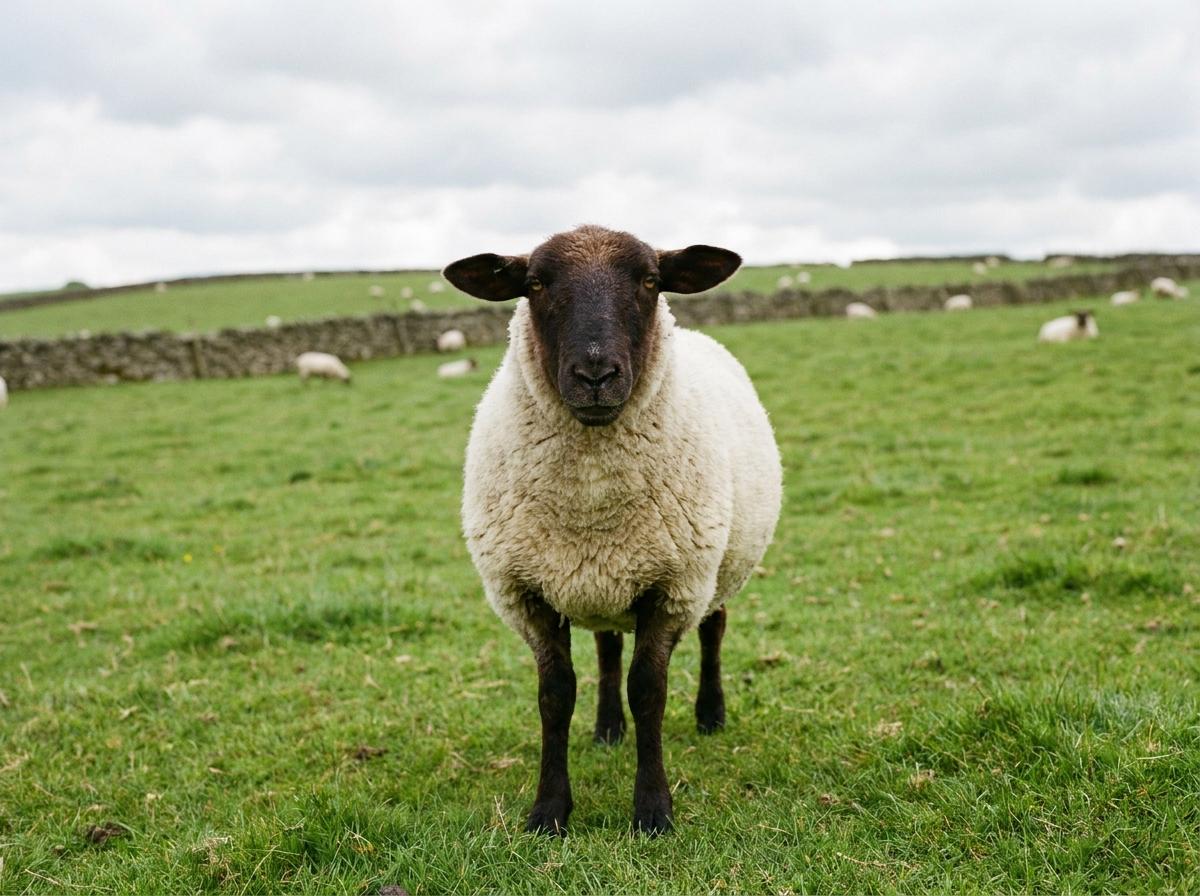
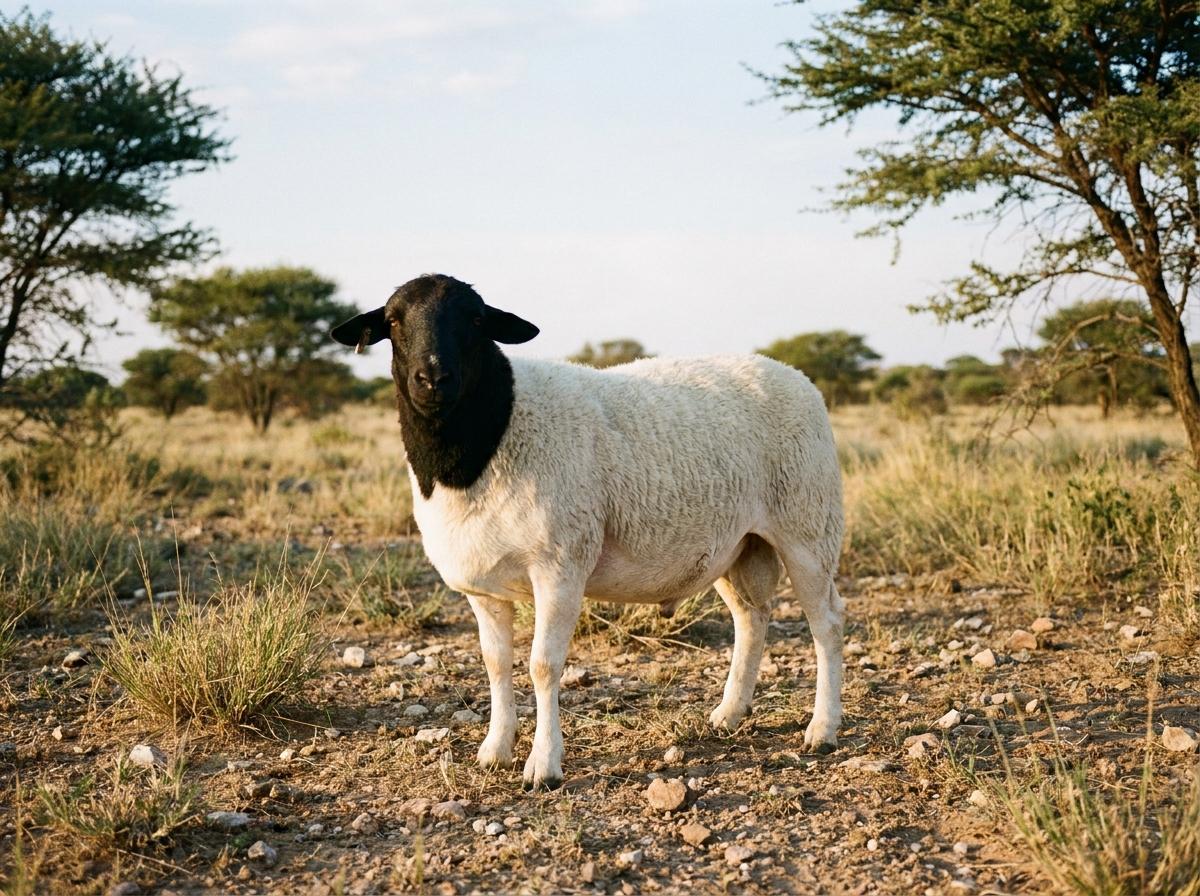
- Dorper (blackhead). The classic animal has a clean white body with a solid black head and neck. This is the look most people picture when they hear the breed name.
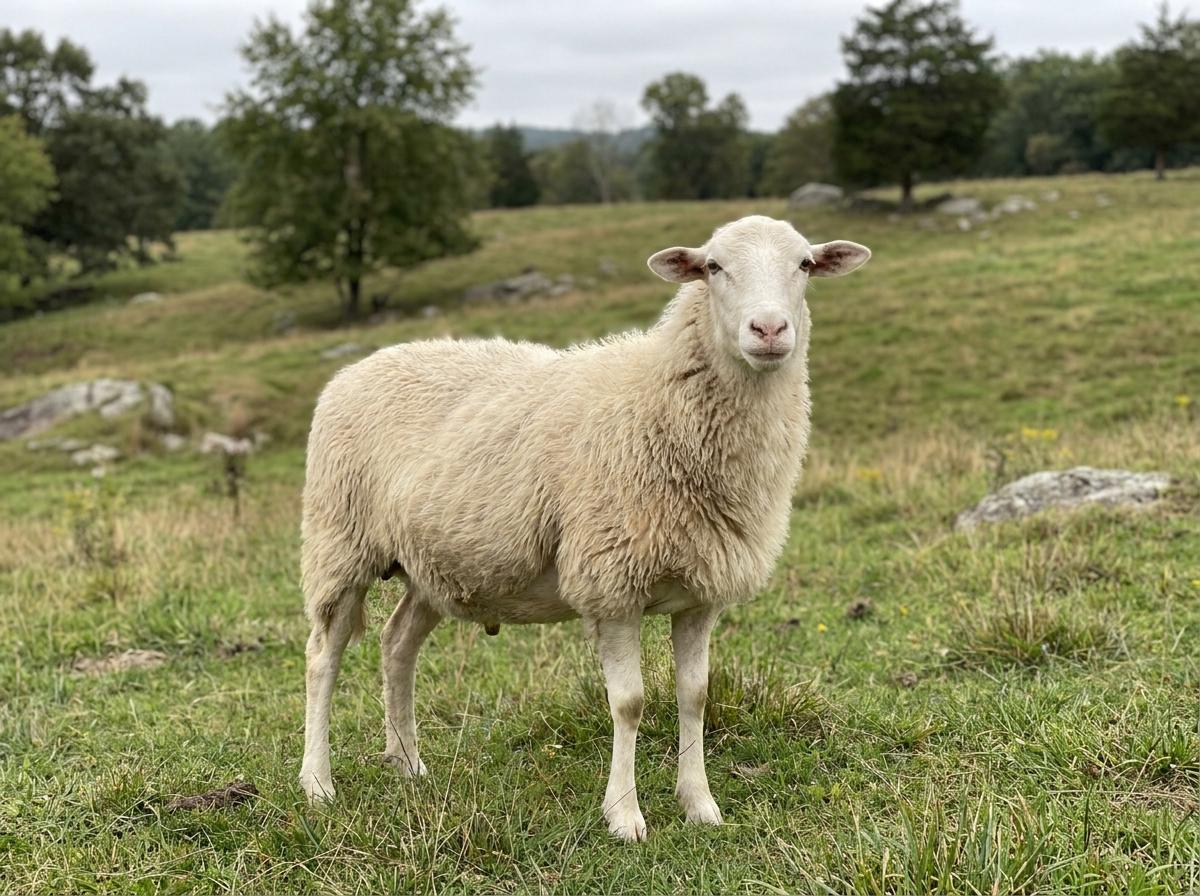
- White Dorper. This variety is entirely white, including the head, with no black markings. It developed in parallel from Dorset Horn crossed with both the Blackhead Persian and the Van Rooy, another white South African sheep. The blackhead and white breeders united into a single society in 1964, keeping the black-headed sheep as Dorpers and the unmarked sheep as White Dorpers.
Both varieties share the same body type, hair coat, hardiness, and meat purpose. The choice between them is largely one of preference and market. Some buyers like the striking blackhead pattern, while others prefer the all-white animal, which some producers feel handles intense sun on the skin a little differently. Both are registered by the same society.

What a Dorper looks like
The Dorper is a thickset, blocky, muscular sheep bred for meat, so its whole build is about depth and width rather than height or fleece.
- Body. Deep and barrel-shaped, broad through the loin and hindquarters, with the heavy muscling you would expect of a meat animal. Mature ewes weigh roughly 180 to 210 lb and rams roughly 230 to 275 lb, so this is a substantial sheep.
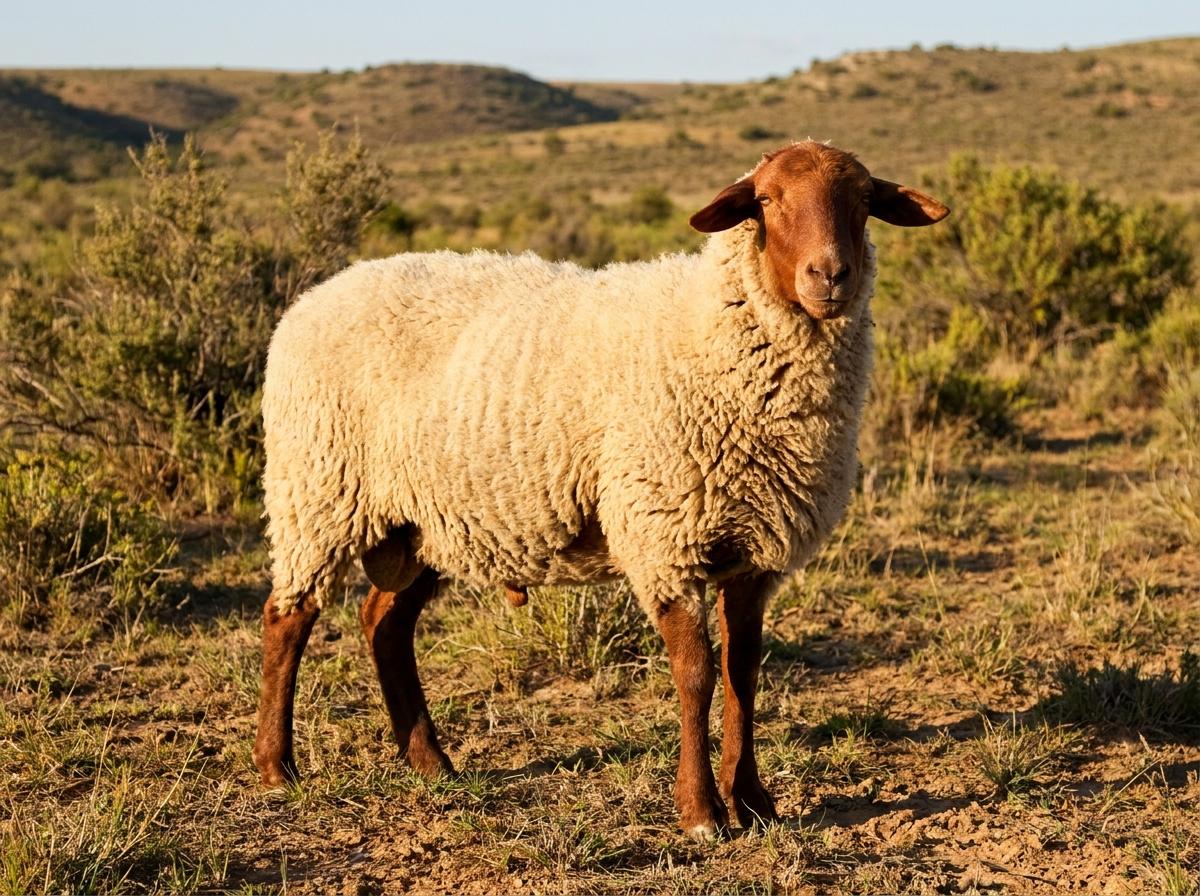
- Coat. Short and smooth, a light mix of hair and wool rather than a true fleece. It sheds in late spring and early summer, which is the trait the breed is famous for. Coverage varies by individual, and this matters in practice (see the honest note below).
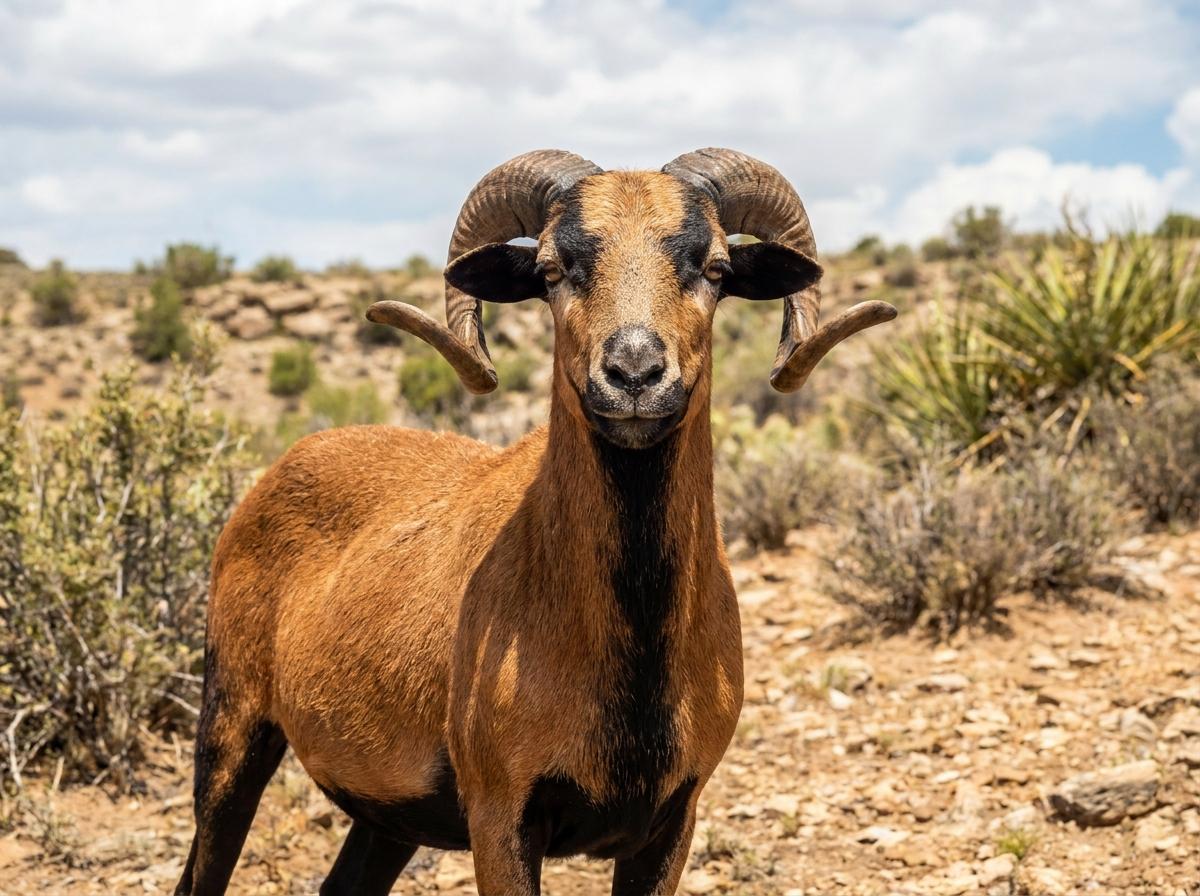
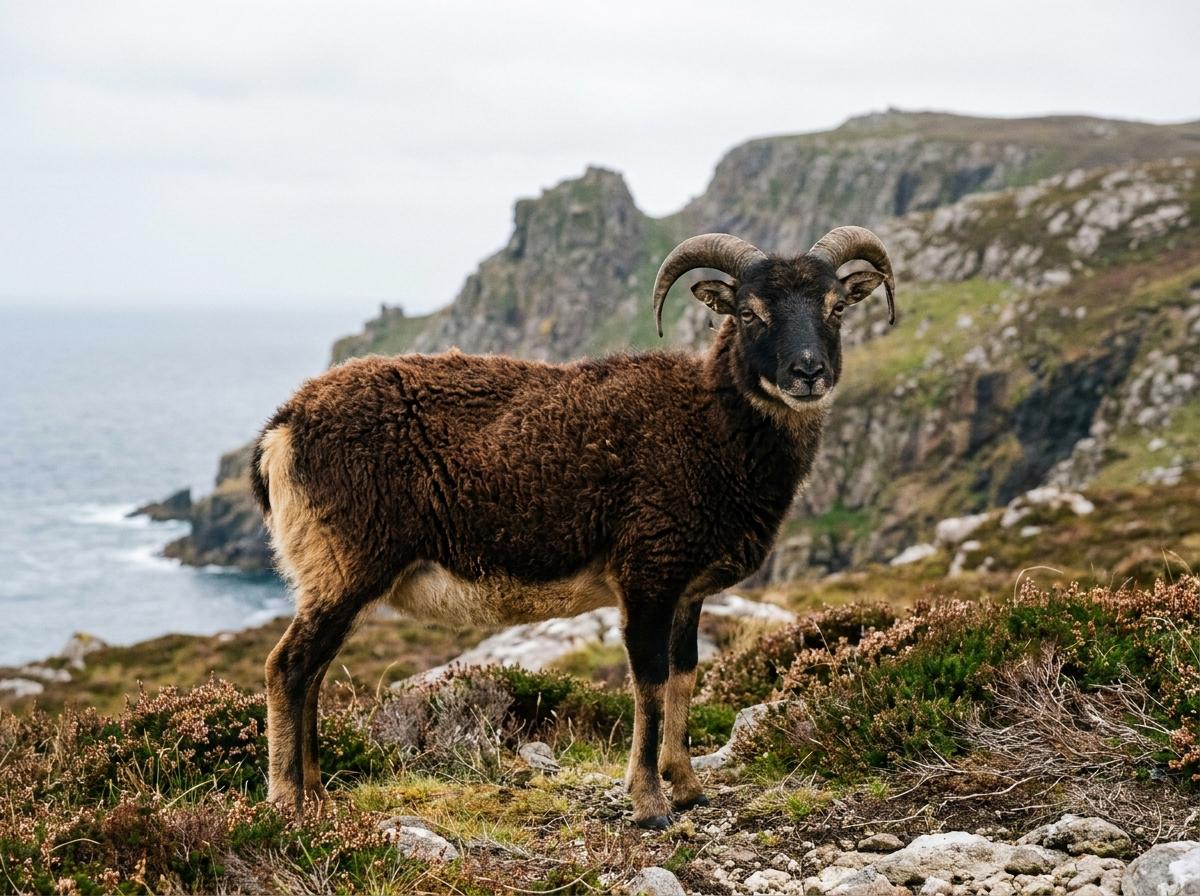
- Head and horns. Broad head, with the blackhead variety showing black on the head and neck and the White Dorper all white. Both sexes are usually polled, meaning naturally hornless, though some rams carry scurs or small horn remnants. That is normal and does not disqualify a good ram.
The shedding, honestly
Shedding is the reason many people buy a Dorper, so it is worth being precise about it. The breed does shed, and a good Dorper drops its coat cleanly enough that you never pick up shears. But shedding is not uniform. It varies from animal to animal, it depends on how carefully a breeder has selected for it, and some individuals retain a patch of wool on the back or shed less completely than others.
Extension and small-farm sources make this point clearly: not every Dorper sheds perfectly, and shedding ability is a trait breeders have to keep selecting for. The wool and hair that does come off tends to fall in small pieces, more like a cow or goat shedding than a fleece dropping in one mat, so it does not leave your pasture full of wool. The practical takeaway is simple. If clean shedding is your main reason for choosing the breed, ask the seller directly about how their line sheds and, if you can, look at the parents in early summer.
How the breed performs
Production is the whole point of the Dorper, and its numbers are what built its reputation.
Growth. Dorper lambs grow fast. Under good conditions they can reach around 36 kg, roughly 80 lb, at about three and a half to four months of age. That early growth, finished off grass or a modest ration, is a large part of why the breed suits meat producers.
Meat. The breed is valued for well-muscled carcasses and a mild flavor. The American society notes that Dorper lamb tends not to carry the strong taste that puts some American eaters off lamb, which helps at the farm gate and the dinner table. Raised on pasture and harvested at a sensible weight, the lambs finish without running excessively fat.
Fertility and breeding. The Dorper has an extended, non-seasonal breeding pattern rather than the tight autumn season of many wool breeds, so ewes can be bred at different times of year. Under good management, lambing intervals as short as eight months are possible, which is where the common goal of three lamb crops in two years comes from. Ewe lambs may begin cycling as early as six to eight months, though conception and lifetime growth are better if first breeding waits until nine to twelve months. Lambing rates run about 100 percent under extensive range conditions, roughly 150 percent under good management, and up to 180 percent with improved nutrition. Ewes are docile, milk well, and are known as attentive mothers.
Hardiness. This is a genuinely tough sheep. Dorpers tolerate hot, dry, humid, and wet conditions, handle heavy insect pressure, and graze non-selectively, so they do well on rangeland and on rougher forage than some improved breeds will accept. They are not fragile in the cold either, as small-farm keepers have kept them through hard winters with basic shelter and a windbreak.

Why the breed is in demand in the United States
Search the phrase “Dorper sheep for sale” almost anywhere in the country and you will find active buyers. A few reasons drive that demand.
First, no shearing. For a small flock, shearing is a scheduling headache and, with today’s wool prices, often a net cost rather than income. A shedding hair sheep removes that entirely.
Second, meat over fiber. The American sheep market is increasingly about lamb rather than wool, and the Dorper is a purpose-built meat animal with a flavor that suits buyers new to lamb.
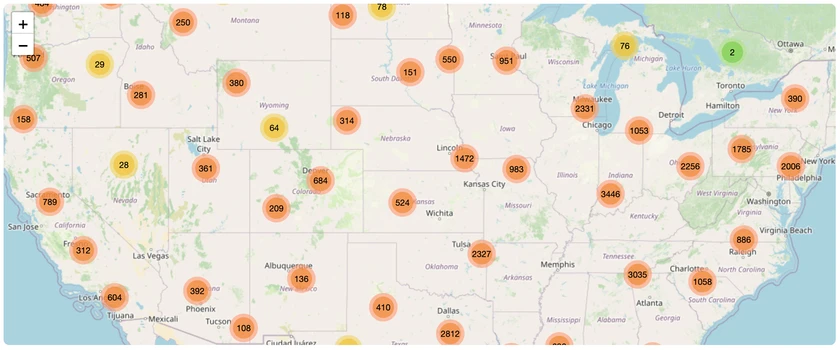
Third, ease of care and adaptability. Heat tolerance, non-seasonal breeding, good mothering, and the ability to do well on modest forage make the Dorper a practical choice for first-time shepherds and for diversified small farms. That combination is exactly why so much of the sheep buyer demand on the market clusters around this one breed. If you are working out where to source a flock, our guide on where to buy sheep walks through finding trusted sellers and what to check before you commit.
Husbandry and care
A hardy meat sheep is lower-input than a high-producing dairy animal, but it is still livestock with real needs. The headlines below cover the structure of good management. Defer specific health and medical decisions to a veterinarian who knows your area.
Housing and fencing
Dorpers do not need elaborate barns, but they do need dry footing, shade in hot weather, and shelter from cold wind and driving rain, especially around lambing. Sound, well-planned fencing matters more than fancy housing. Because they graze non-selectively, they use pasture efficiently, but they will also test weak fences, so build for sheep from the start.
Feeding
Good grass and browse carry Dorpers well for much of the year, which is part of their appeal. Ewes still need a rising plane of nutrition in late pregnancy and through lactation to raise fast-growing lambs, along with constant clean water and appropriate loose minerals. Do not give sheep mineral mixes formulated for other species, since sheep are sensitive to copper. Ask your veterinarian or extension agent for a mineral suited to your soils.
Health and parasites
Routine sheep health applies: a hoof-care schedule, clean lambing, and the core vaccinations your veterinarian recommends for your region. The single biggest health issue for sheep in warm, humid climates is internal parasites, especially the barber pole worm. Hair breeds like the Dorper are often described as more parasite-resilient than wool breeds, but do not treat that as immunity. Use a parasite plan built around monitoring (FAMACHA scoring and fecal egg counts) and targeted treatment rather than blanket deworming, which drives resistance. Keep clear records of lambing, weights, treatments, and health events so you can cull and select on evidence.
Breeding management
Because the Dorper breeds out of season, you have real flexibility in when you lamb, which lets you target market dates or better weather. Decide deliberately when young ewes first breed rather than letting ram lambs run with them by accident. Select breeding stock for the traits that matter to you, clean shedding included, and buy rams with sound feet, good conformation, and correct reproductive anatomy.

Cost and buying considerations
Dorper prices vary widely by quality, registration status, and region, so there is no single number that fits every animal. Commercial or crossbred Dorper-type ewes for a meat flock sit at the lower end. Registered breeding stock, and especially proven stud rams from established lines, cost substantially more, running into the thousands of dollars for top animals at breed sales. Rather than chase a headline price, decide what you actually need, a commercial meat flock or registered breeding stock, and buy accordingly.
Whatever your budget, buy on evidence:
- Match the animal to your goal. For a meat flock, a sound, well-grown ewe with good feet, a correct udder, and a calm temperament matters far more than show-ring polish. For breeding stock, registration and records earn their premium.
- Ask how the line sheds. Since shedding is the whole reason many people choose the breed, ask the seller directly and, if possible, see the parents in early summer.
- Check feet, teeth, and body condition in person. Sound feet and legs carry a heavy meat animal, and a correct bite affects how well a sheep grazes and holds condition.
- Ask about parasite management and health history. A seller who monitors parasites and keeps records is telling you something good about the whole flock.
- Verify registration if you are paying for it. For a Dorper or White Dorper sold as registered, confirm the paperwork through the American Dorper Sheep Breeders’ Society.
You can browse current Dorper sheep on the Creatures marketplace and look for breeders and farms in the Creatures directory.
Frequently asked questions
Do Dorper sheep really not need shearing?
Correct. The Dorper is a hair sheep that sheds its short coat each year, so it does not need shearing. Shedding does vary by individual and by breeder selection, so a small number of animals shed less cleanly than others. Ask the seller how their line sheds.
What is the difference between a Dorper and a White Dorper?
A Dorper has a white body with a black head and neck. A White Dorper is entirely white, including the head. They share the same body type, hair coat, and meat purpose, and both are registered by the same society.
Are Dorper sheep good for beginners?
Generally yes. Hardiness, no shearing, good mothering, and adaptability make them one of the more forgiving meat breeds for a first flock. You still need sound fencing, a parasite plan, and a veterinarian relationship.
How big do Dorper sheep get?
Mature ewes weigh roughly 180 to 210 lb and mature rams roughly 230 to 275 lb. They are a broad, muscular, meat-type sheep.
Do Dorper sheep have horns?
Both sexes are usually polled, meaning naturally hornless. Some rams carry scurs or small horn remnants, which is normal and does not disqualify a good ram.
How often can a Dorper ewe lamb?
Because the breed breeds out of season, lambing intervals as short as eight months are possible under good management, which is where the goal of three lamb crops in two years comes from. Most producers on a simpler system lamb once a year.
Do this next on Creatures
Whether you are researching the breed, hunting for a starter flock, or already running Dorpers, Creatures is the records, marketplace, and directory layer to do it in one place.
Find stock. Browse Dorper sheep on the marketplace and search trusted breeders and farms in the Creatures directory. New to sourcing sheep? Start with our guide on where to buy sheep.
Get alerted. Not ready to buy yet? Set a free Dorper sheep listing alert and we will tell you when one is posted. No account needed to start. See saving searches and using your watchlist for how it works.
Add your sheep. Already keeping Dorpers? Create a free animal profile in a few minutes. No account needed to start, and the walkthrough is in adding an animal to Creatures.
Track lambing and health. Track lambing, weights, and health records on Creatures. The record sheet opens for any visitor to look around, and a free account saves what you enter. See adding a record for the full how-to.
List your farm. Run a flock or farm? Add your operation as an organization so buyers searching for this breed can reach you, then get listed in the breeder directory.
Sell with confidence. Planning to sell lambs or breeding stock? Learn how seller payout works before you list.