

Icelandic Sheep
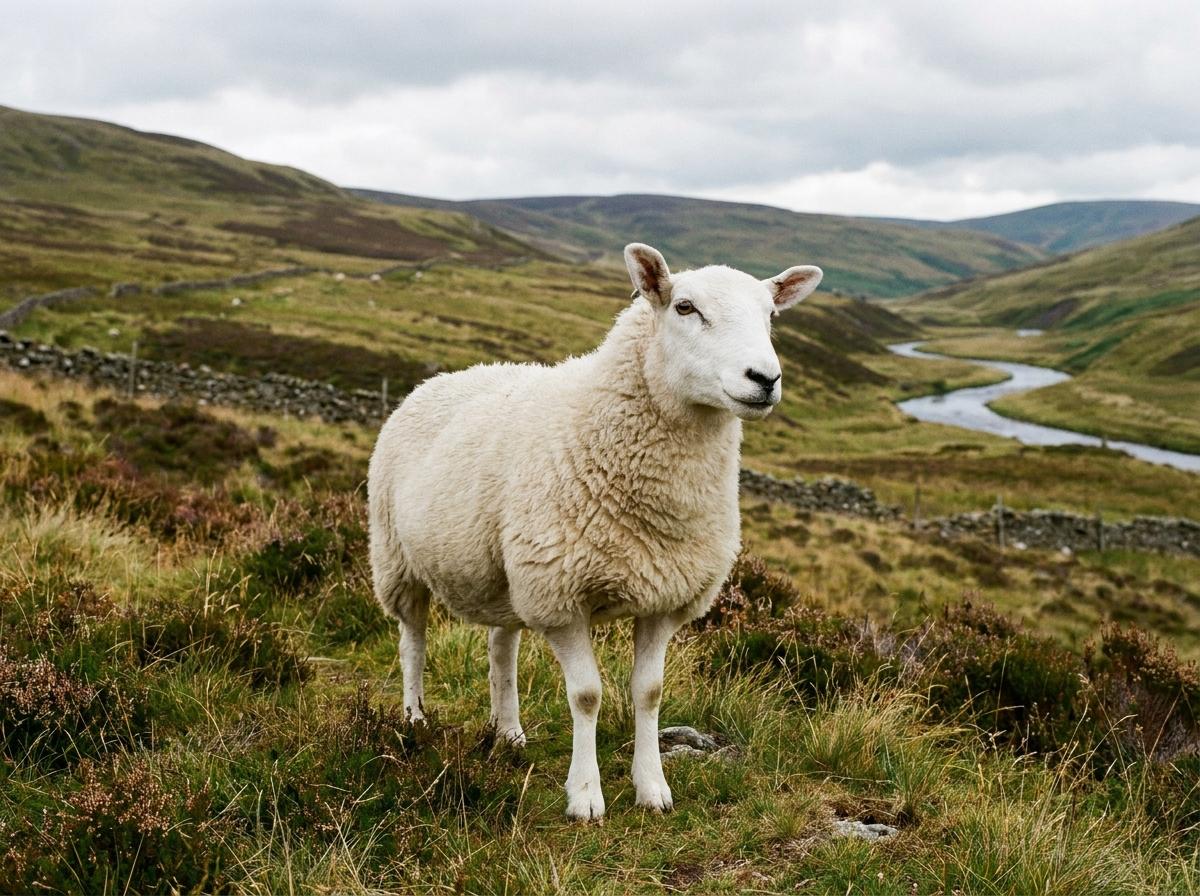
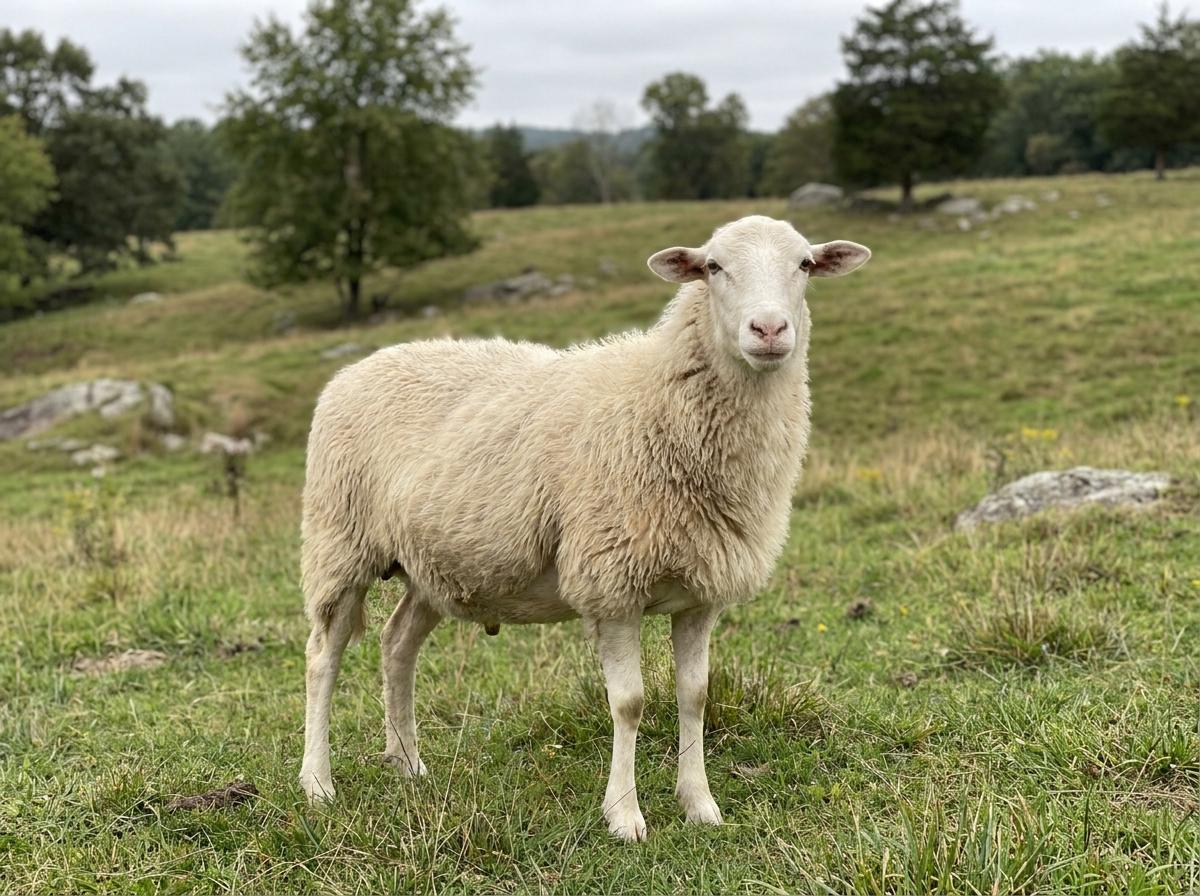
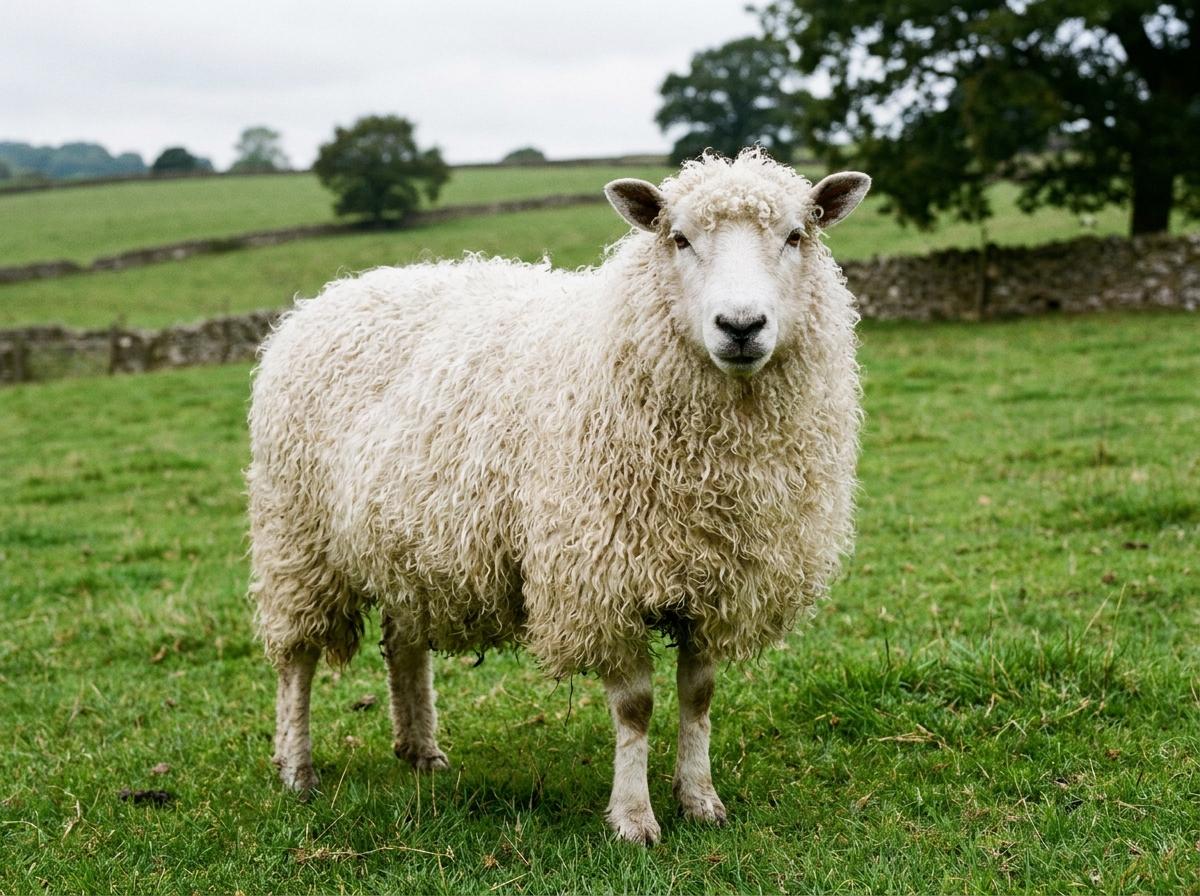
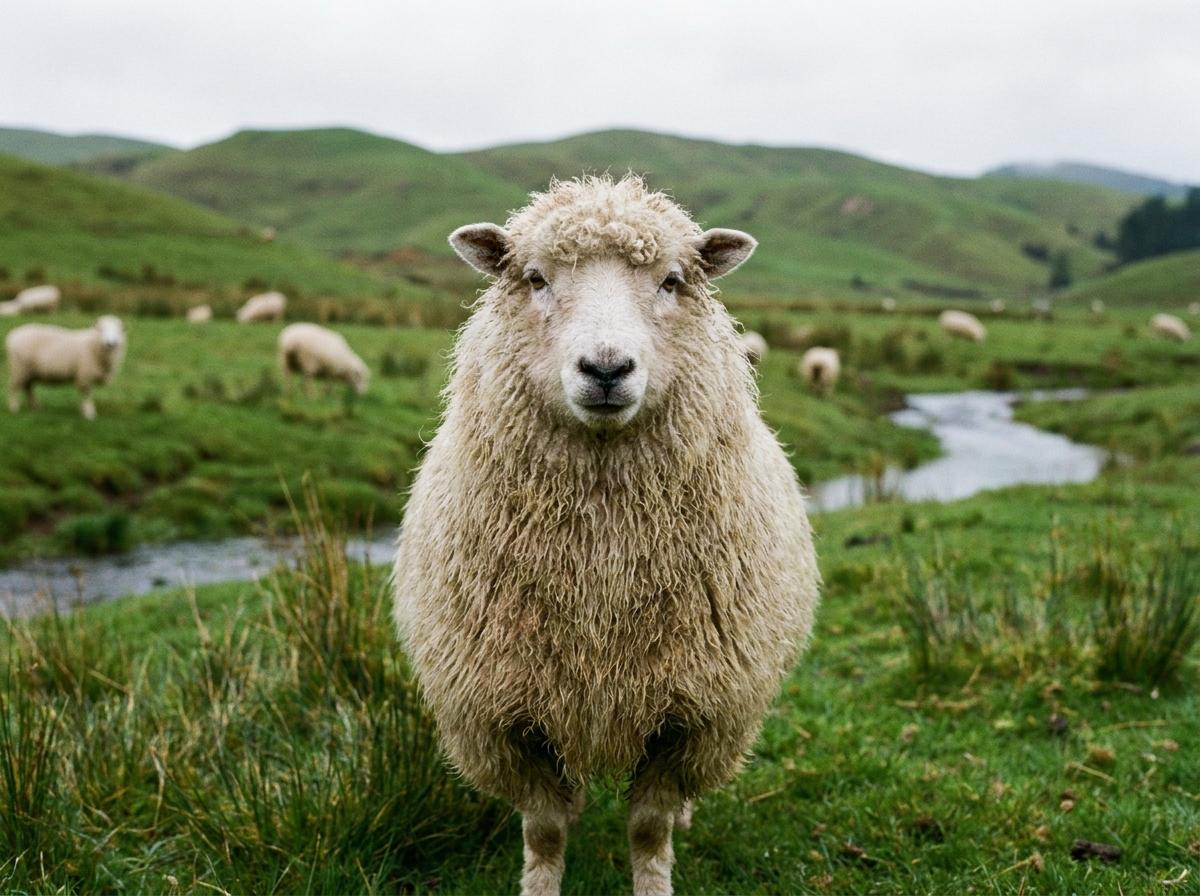
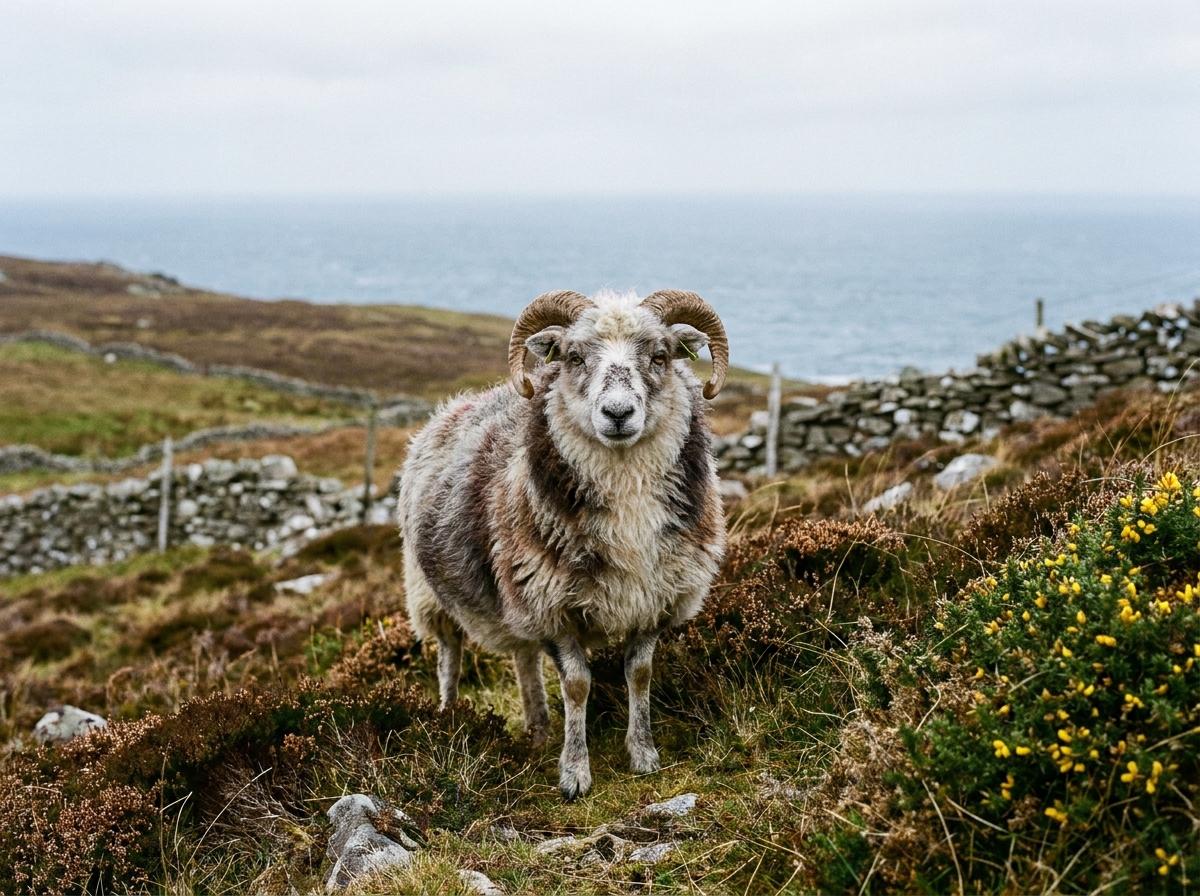
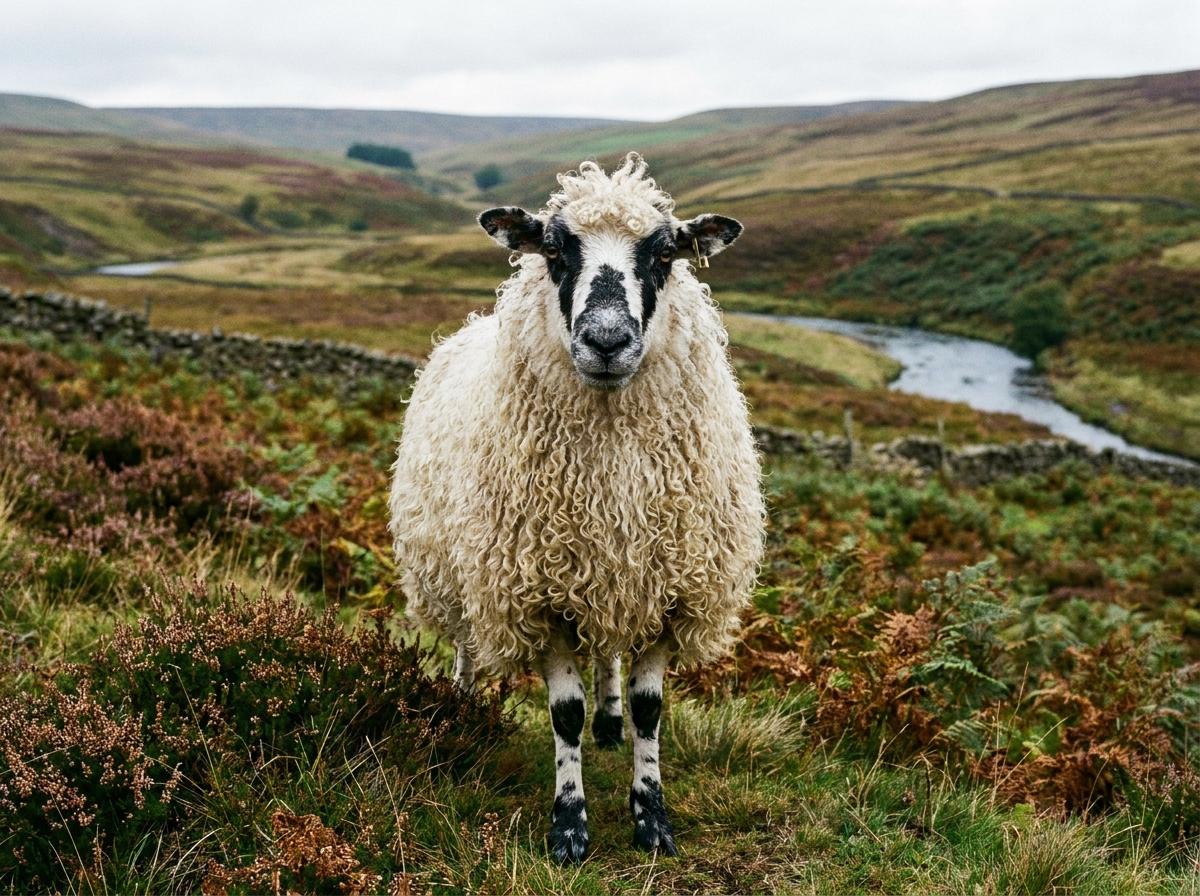
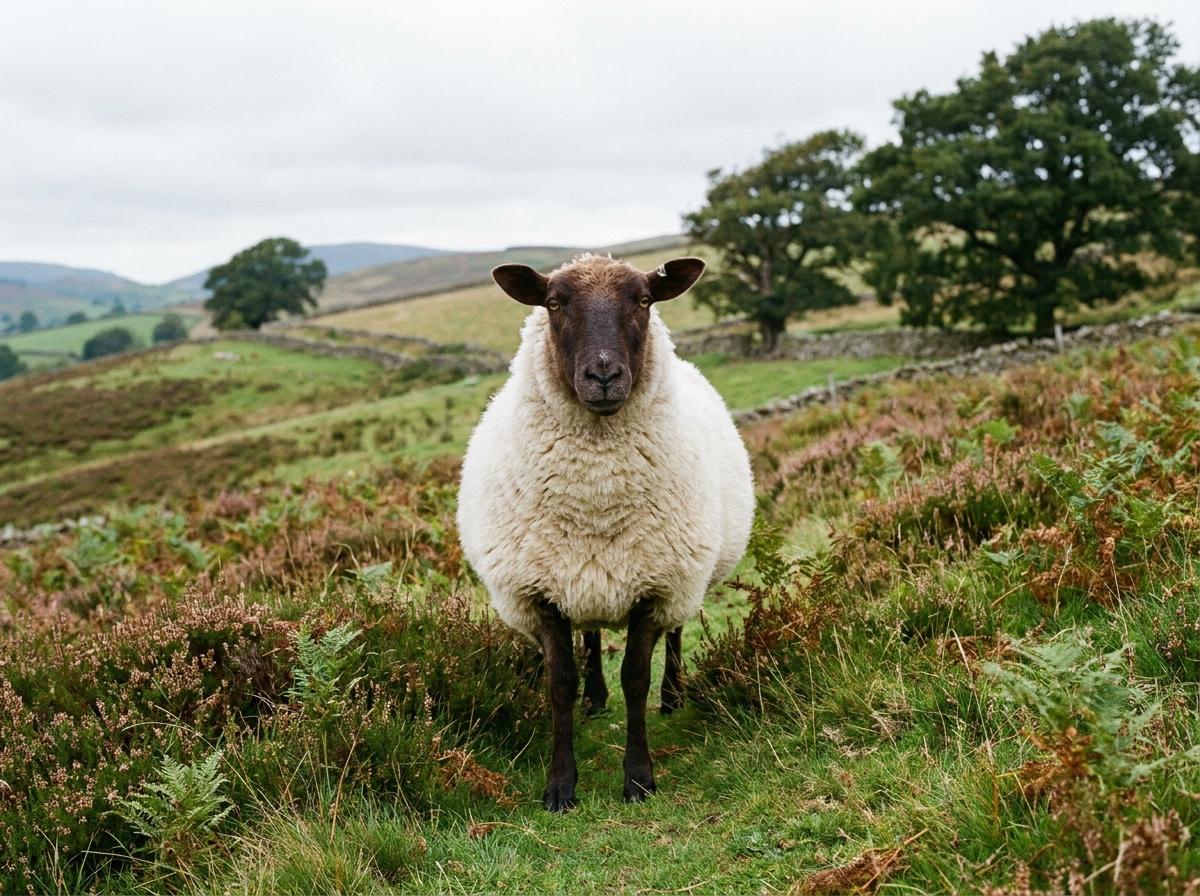
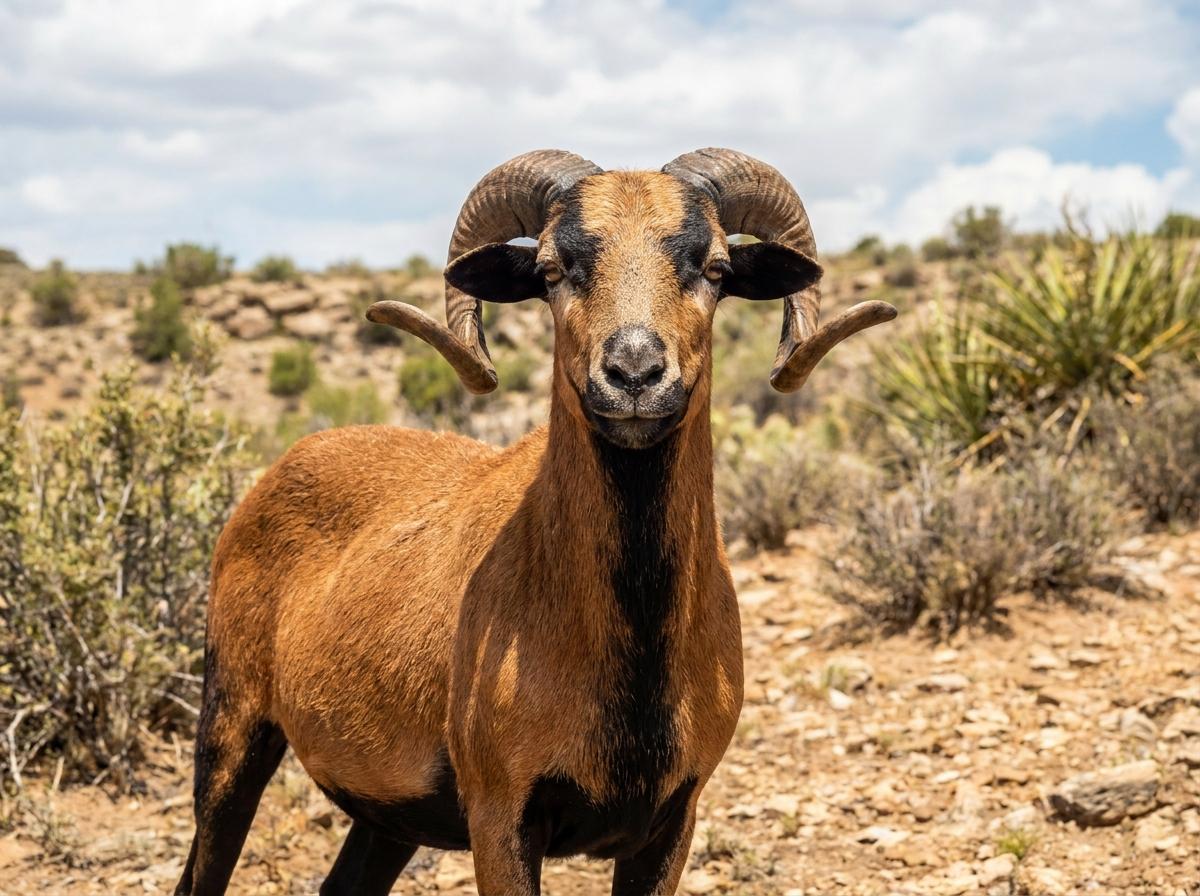
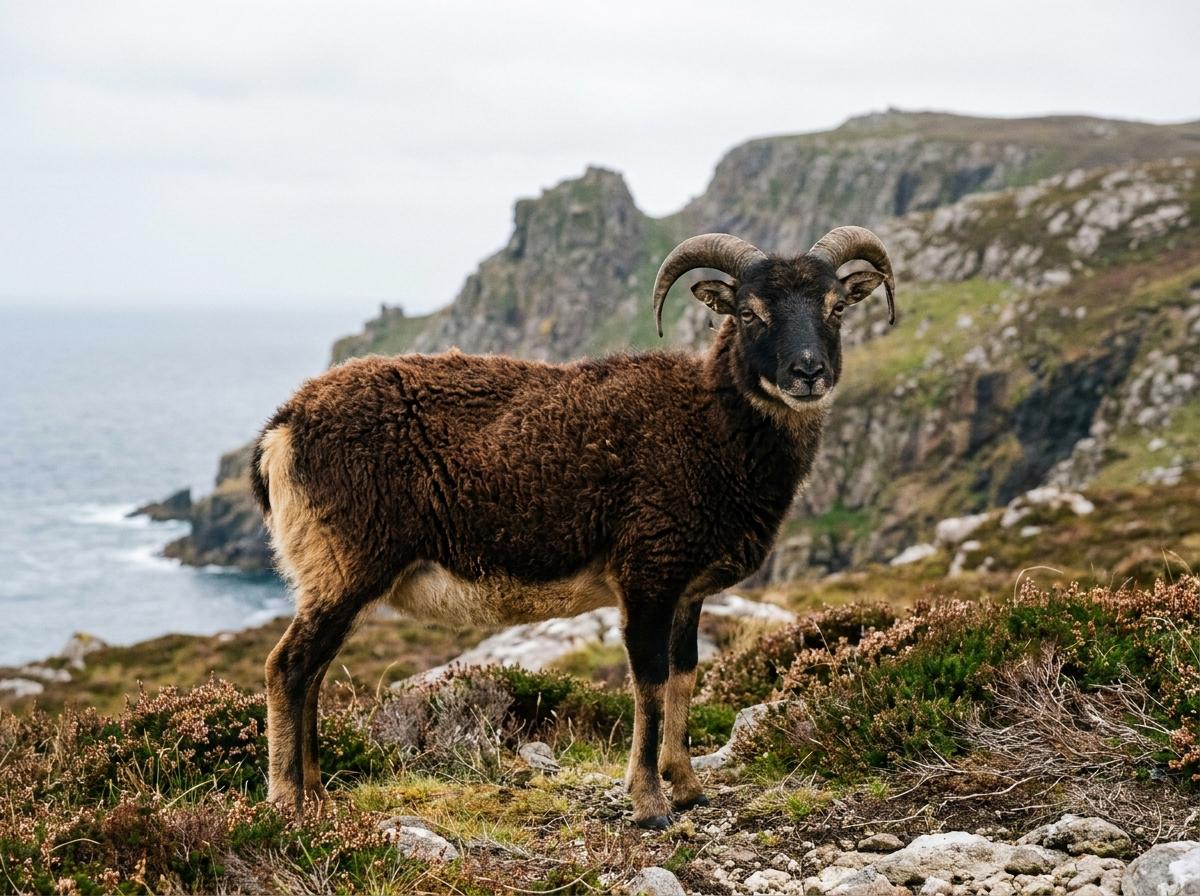
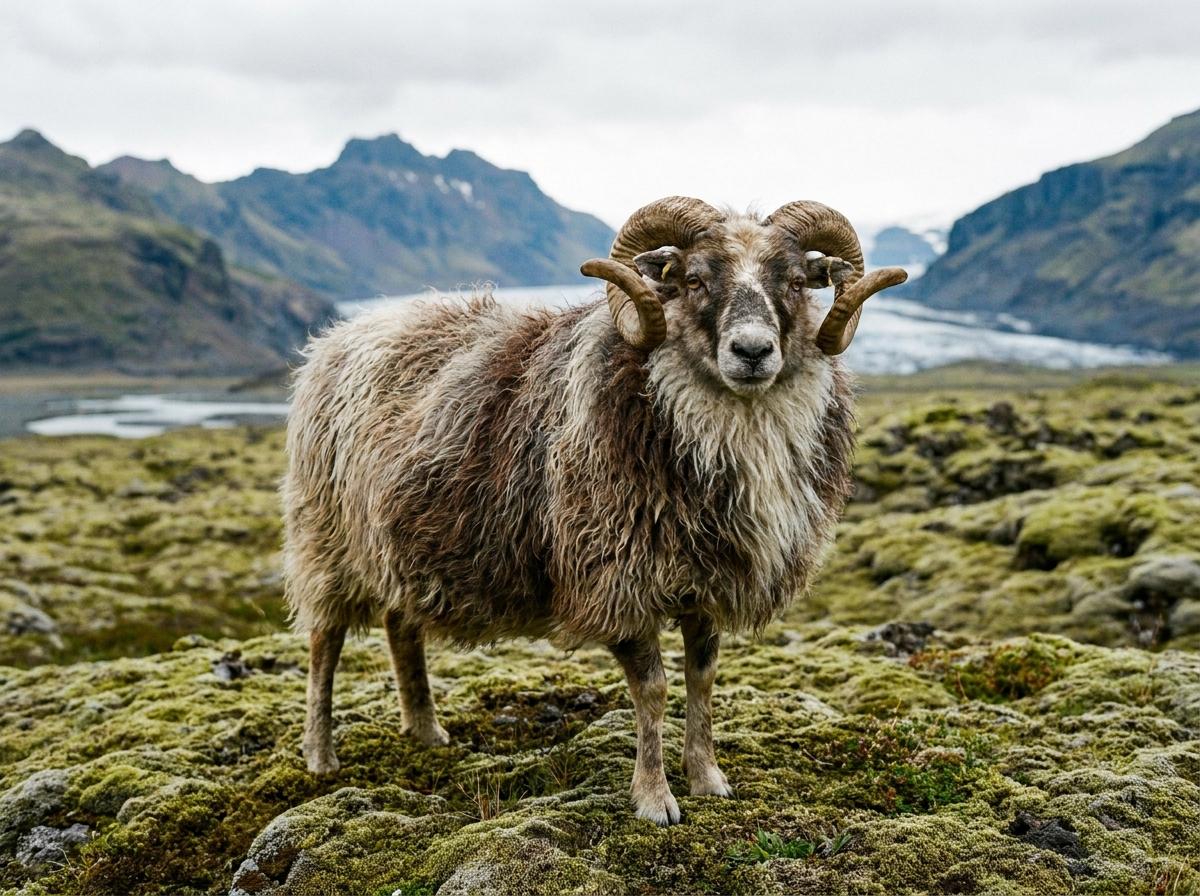
The Icelandic sheep is a Northern European short-tailed breed maintained in Iceland for meat, milk, and wool since the settlement era. It is medium-small, active, and strongly seasonal in breeding. The fleece is double coated, with a long, weather-shedding outer fiber called tog and a softer undercoat called thel. Both horned and polled sheep occur, and the breed carries many natural colors and patterns rather than a single standard white type.
Icelandic sheep suit farms that can use capable grazing animals and value more than one product from a flock. Lambs can finish well on pasture, ewes are milky, and the wool gives handspinners a broad range of textures. They still need ordinary sheep care: sound fencing, shearing once or twice a year depending on fleece growth, mineral management, and protection from local parasites. Buyers interested in purebred stock should check pedigree, health status, and whether the flock selects for meat, fiber, dairy use, or rare colors.
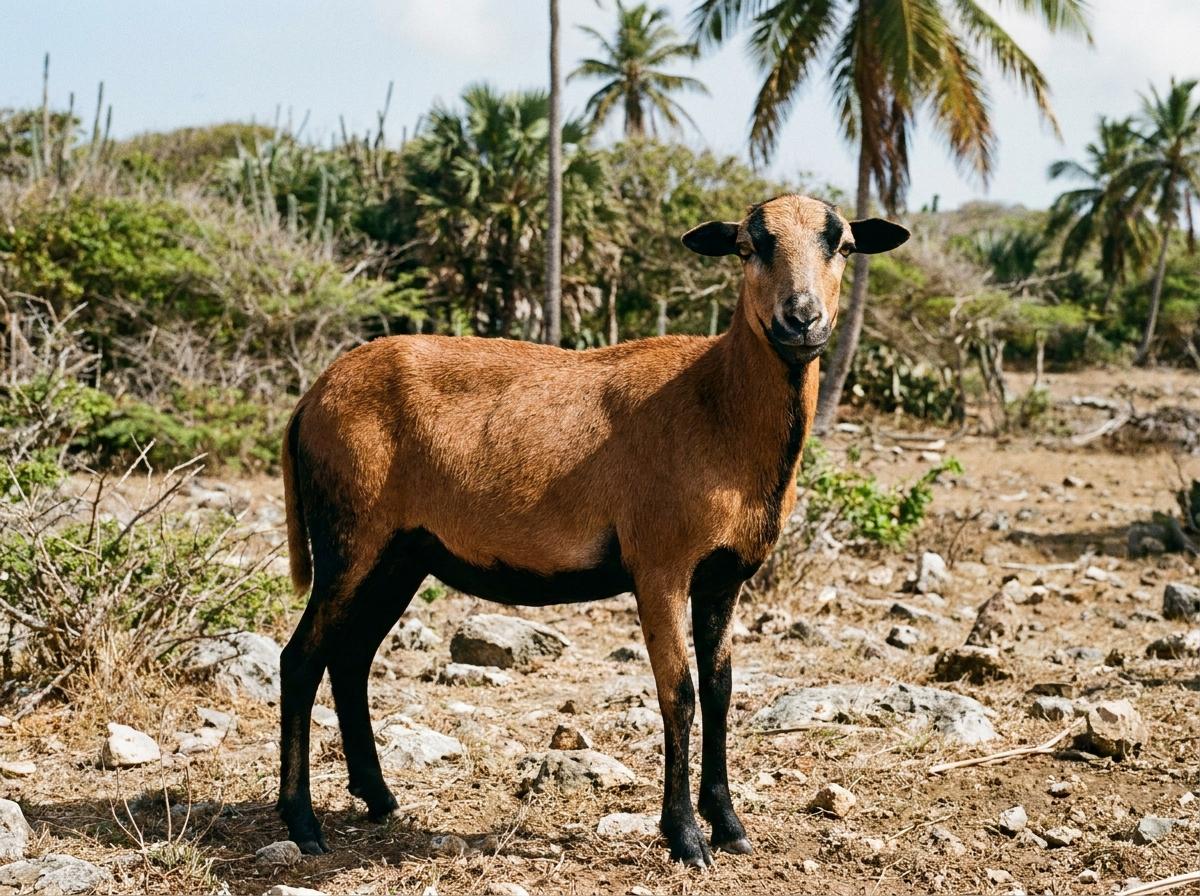
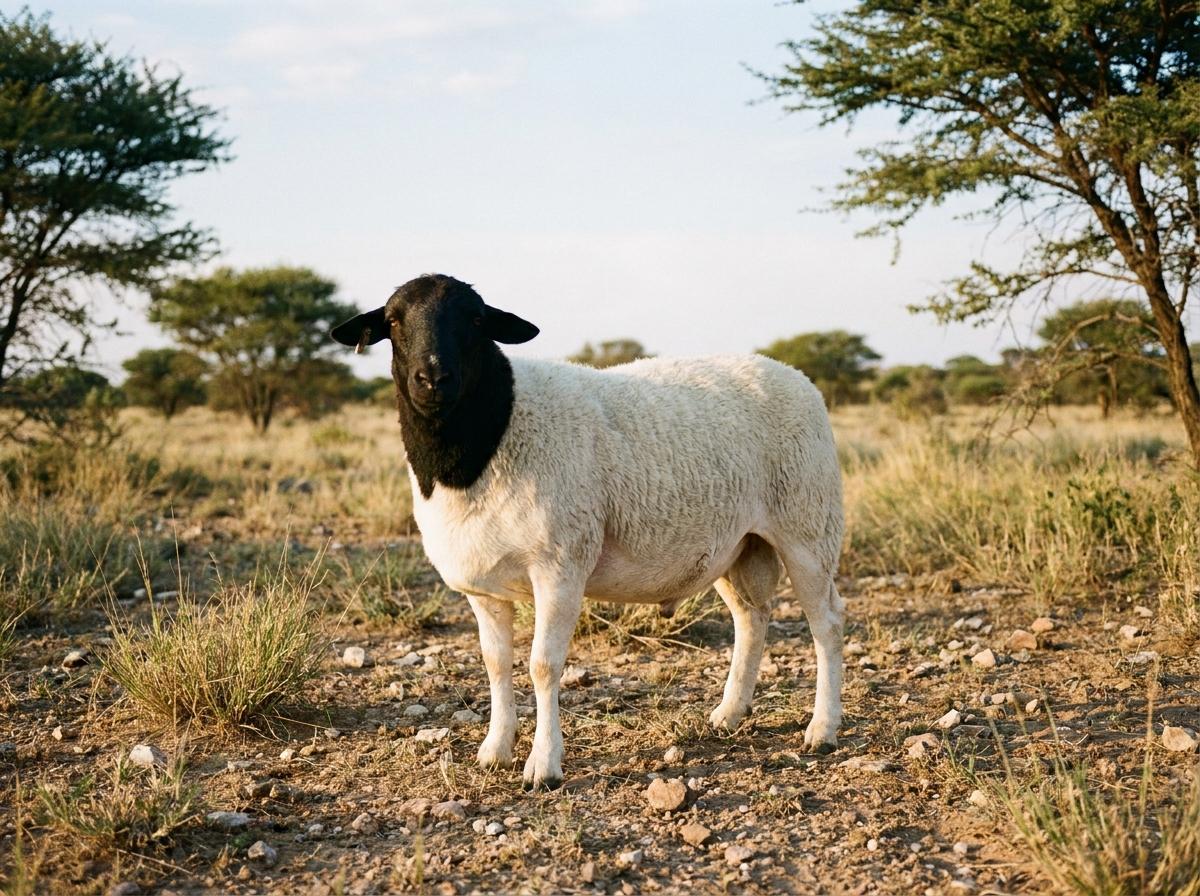
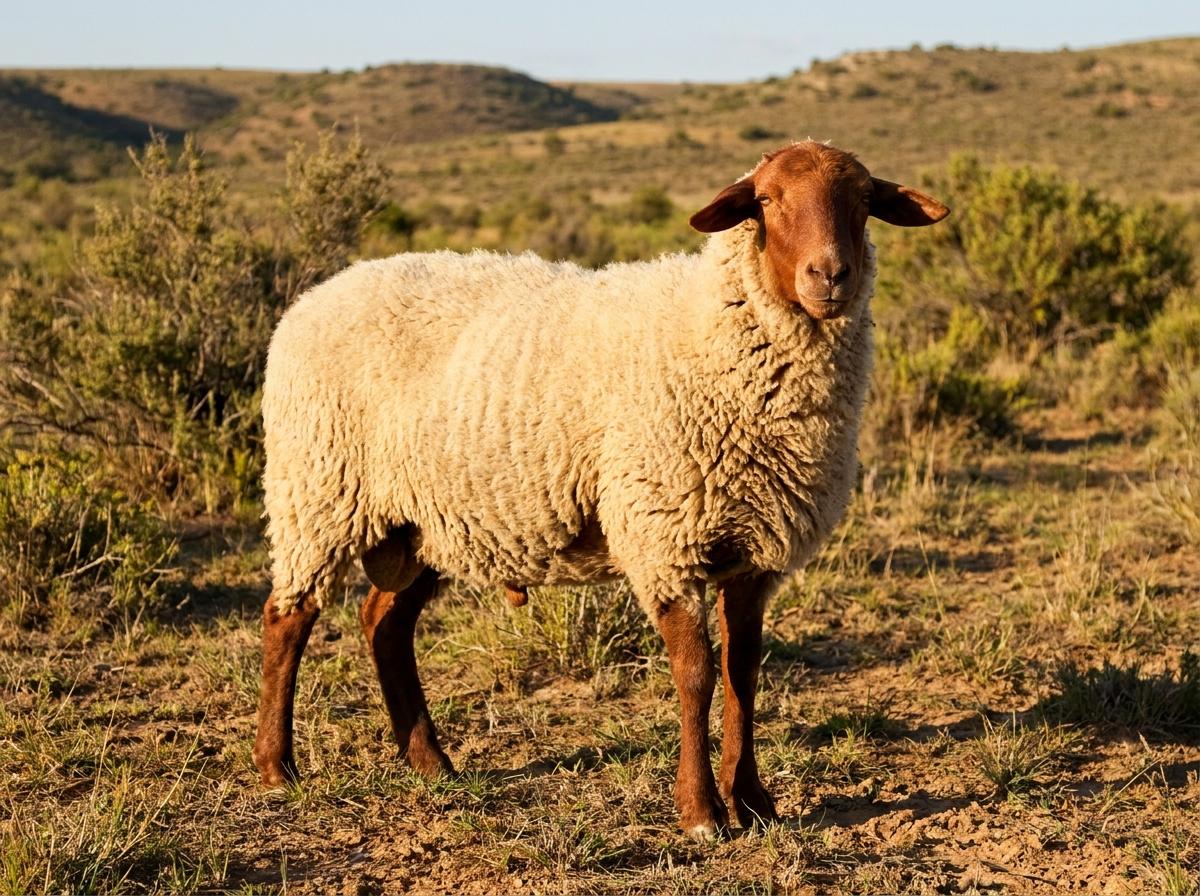
Colors: Badgerface, Black, Blackbelly, Broken, Brown, Gray, Grey, Gulmoget, Katmoget, Moorit, Piebald, Red, Roan, Silver, Solid, Spotted, Tan, White, White with Black Points, White with Brown Points