Karagouniko
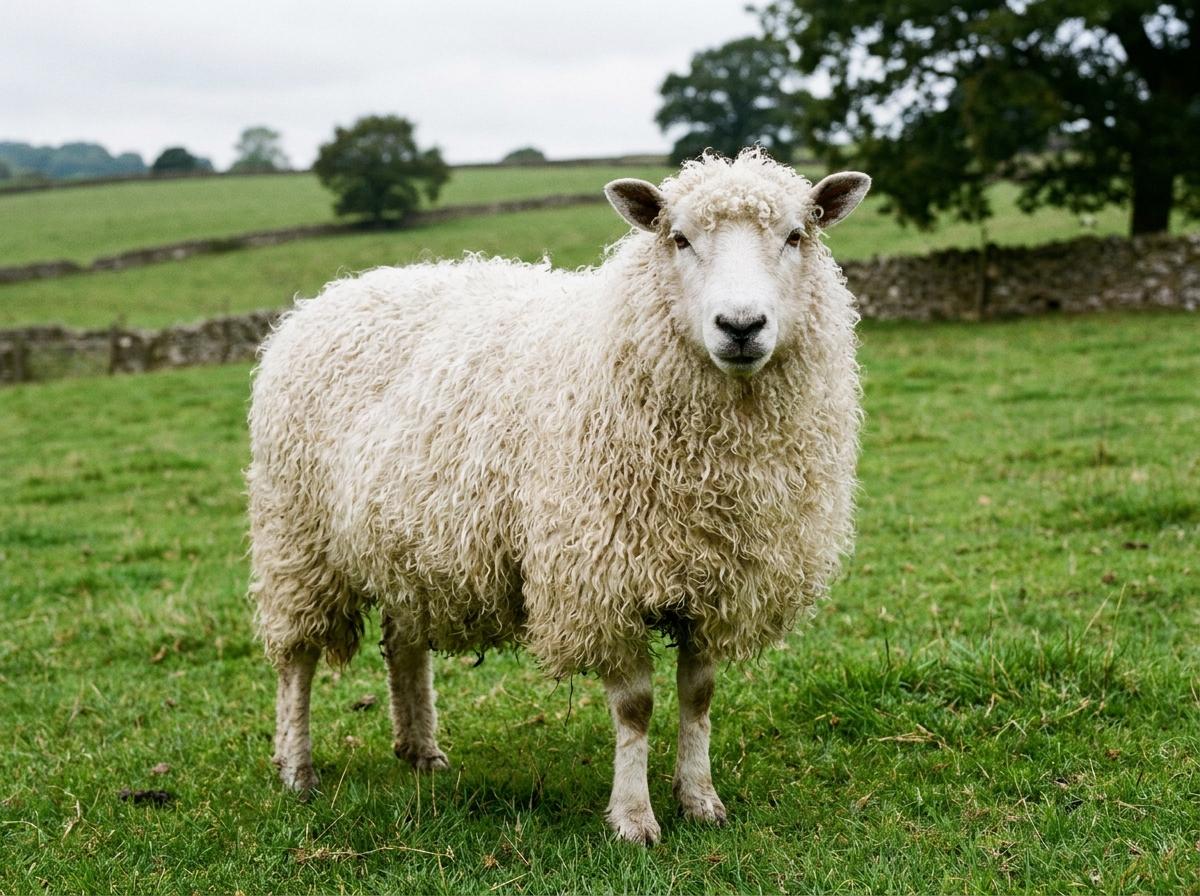
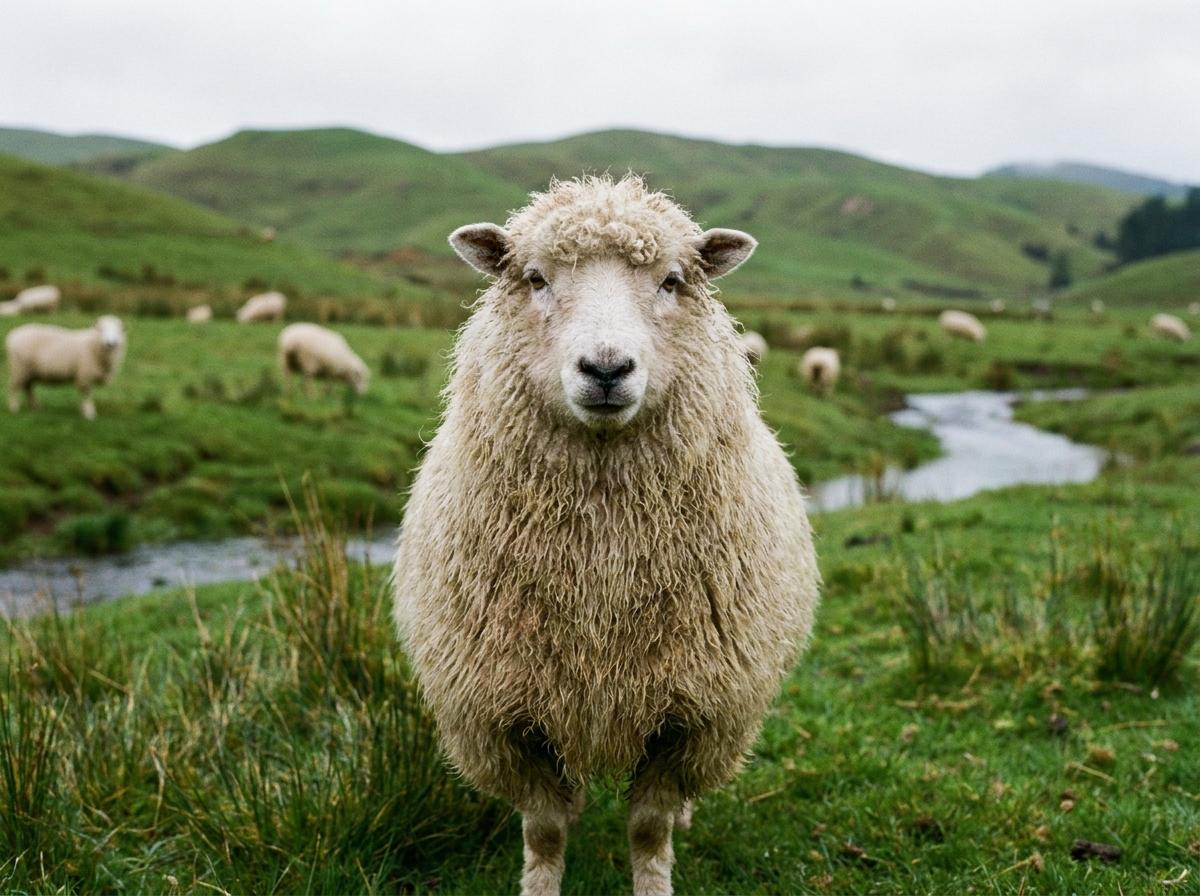
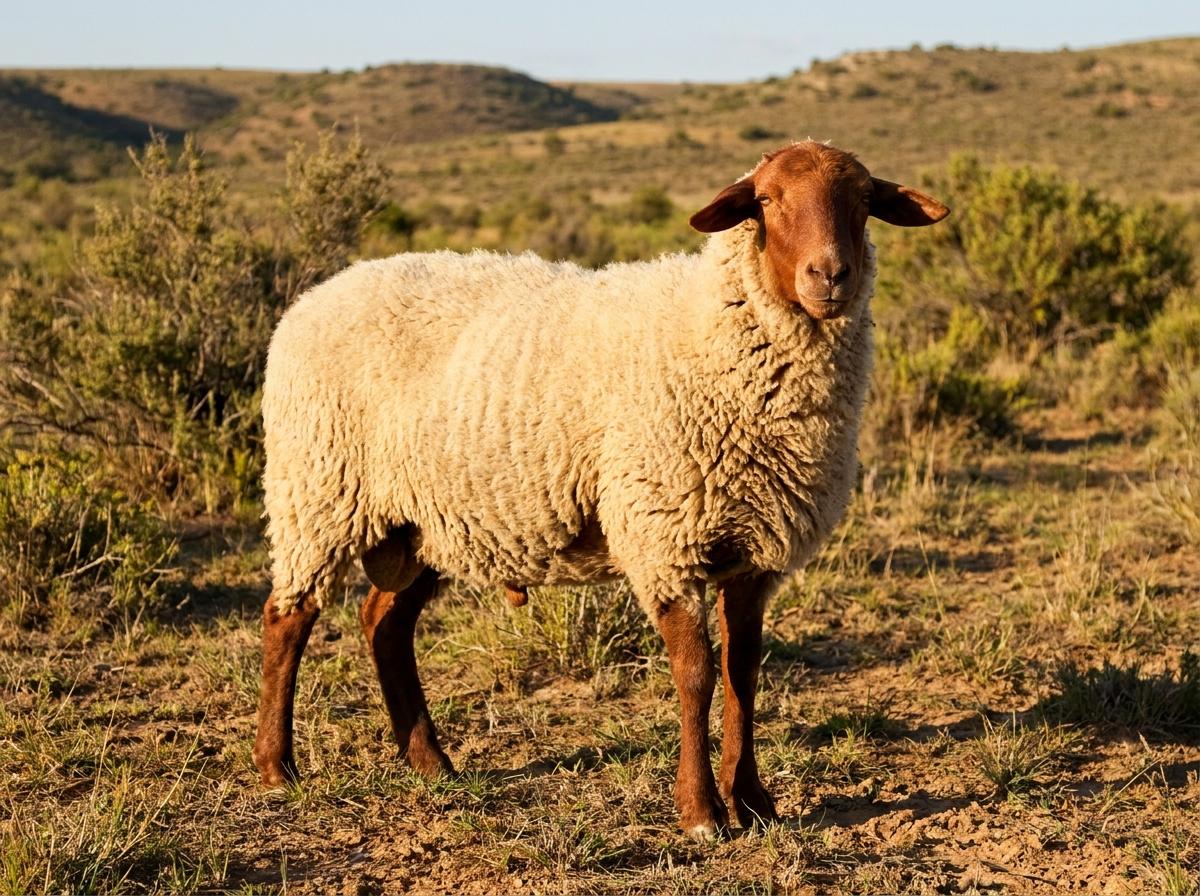
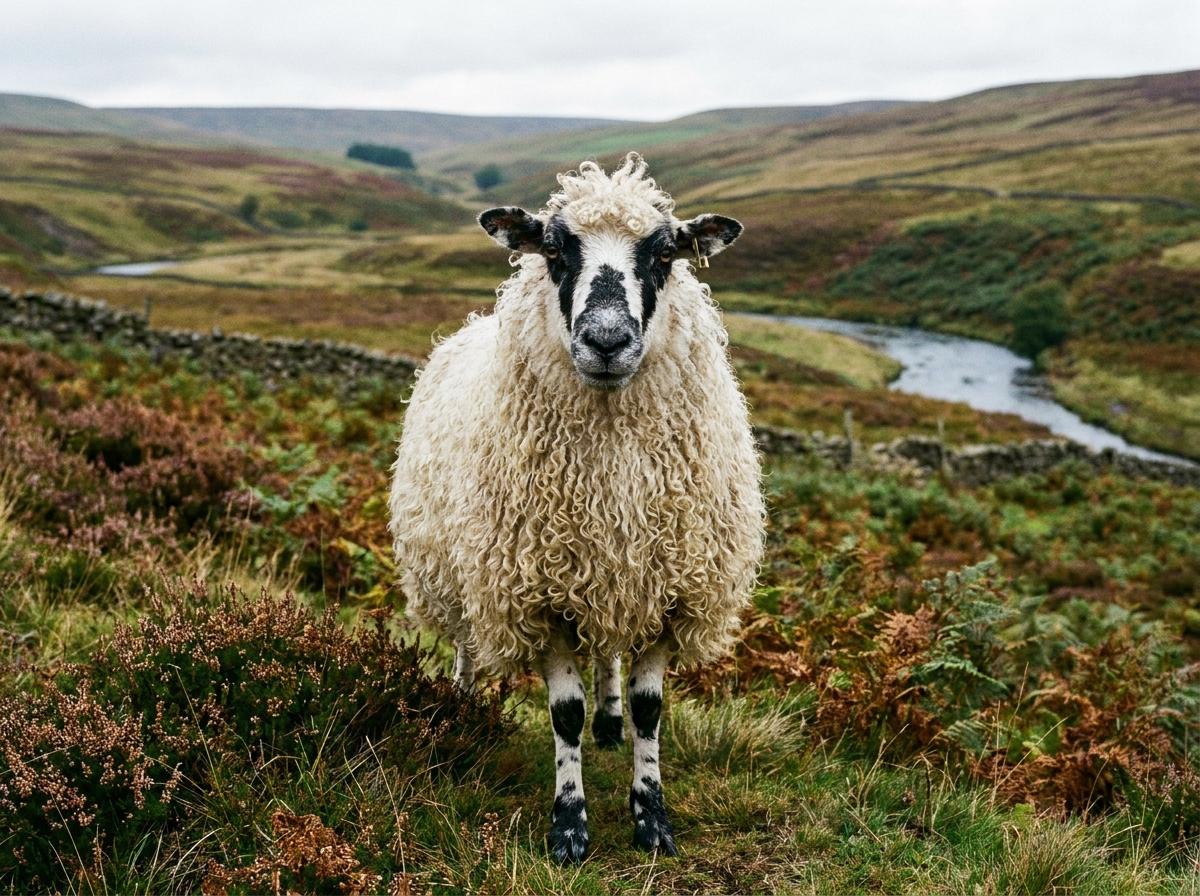
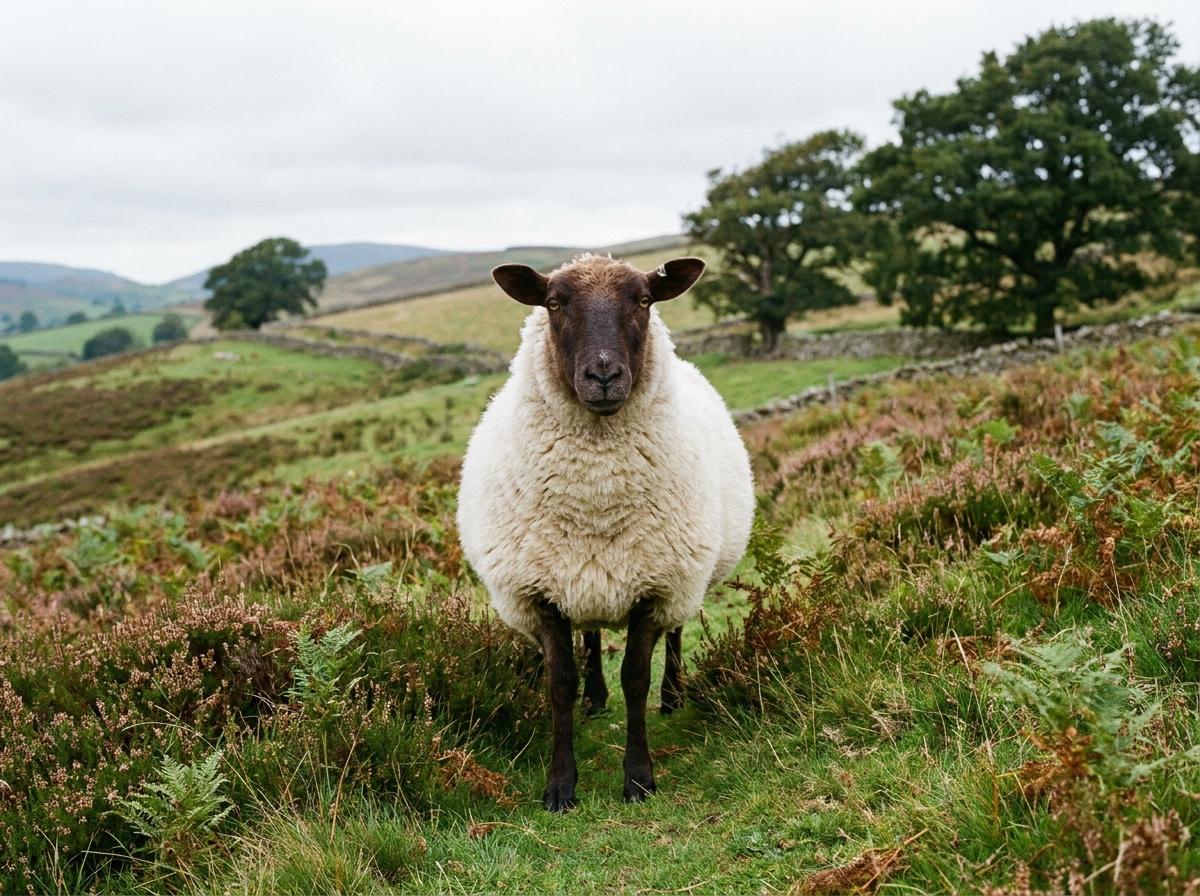
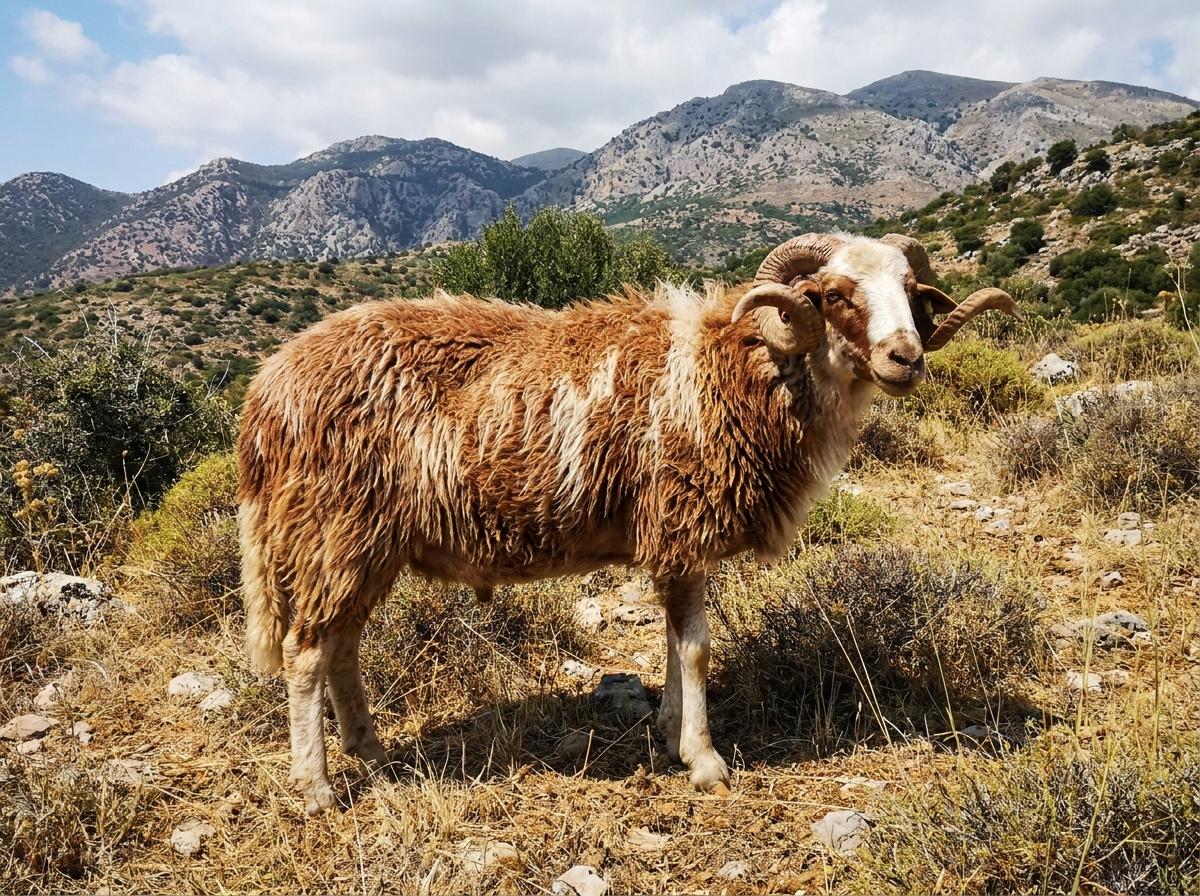
Karagouniko, also written Karagouniki, is a Greek sheep breed of central Greece, especially the lowlands of Thessaly. It takes its name from the Karagounides farming communities and is among the better-known indigenous dairy sheep of Greece. Animals are medium to large, usually white with dark or brown markings on the head, ears, or legs, and they carry a relatively coarse fleece rather than a fine apparel wool. The breed was shaped in mixed farming systems where milk for cheese, lambs for meat, and a usable wool clip all mattered.
Modern Karagouniko flocks are most often managed for milk, with lamb production as a major secondary income. Ewes are commonly grazed on crop aftermath, irrigated pasture, or natural range and brought onto better feed around lambing and early lactation. In its home region the breed is valued for fitting hot summers and seasonal feed changes, but it still needs ordinary dairy-sheep attention to udder health, foot care, parasites, and shelter from extreme weather. Flock histories matter, because regional animals may range from traditional Karagouniko to dairy crossbred sheep using similar labels.
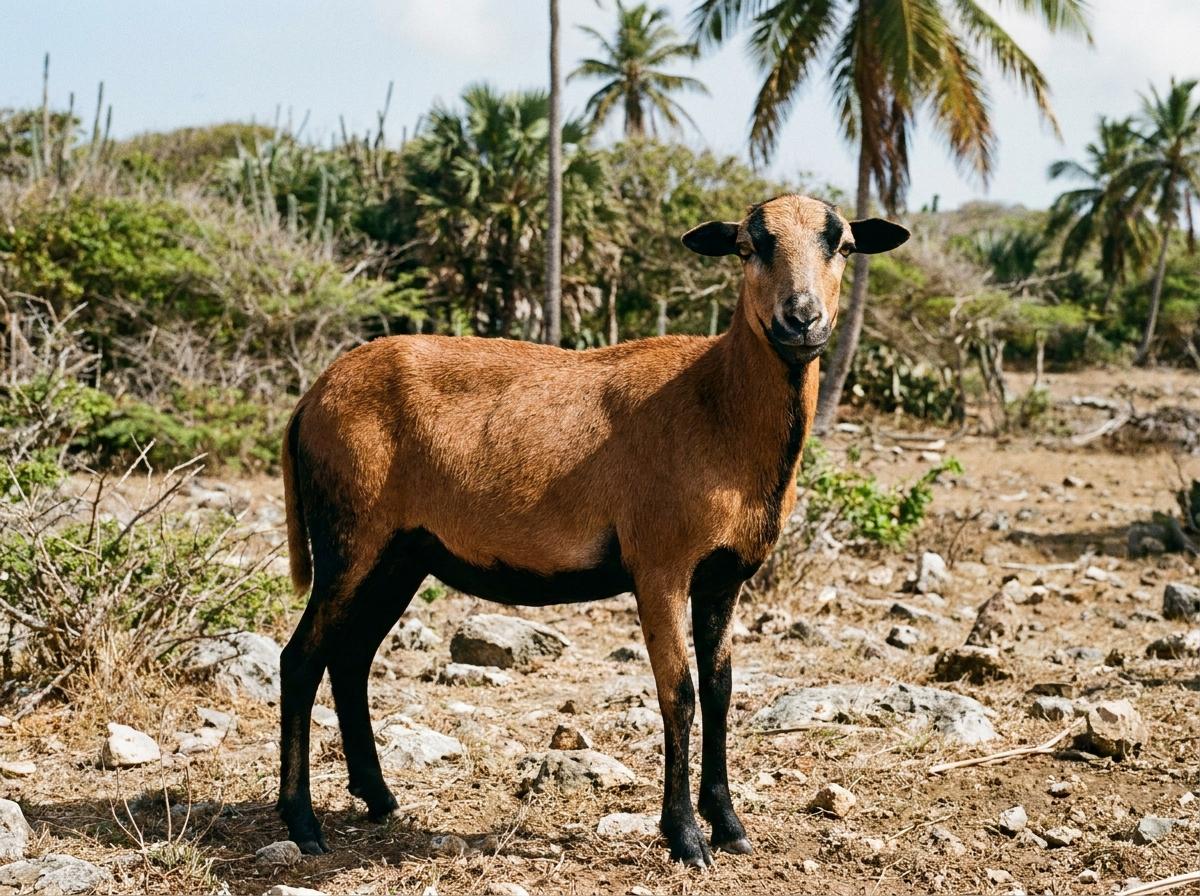
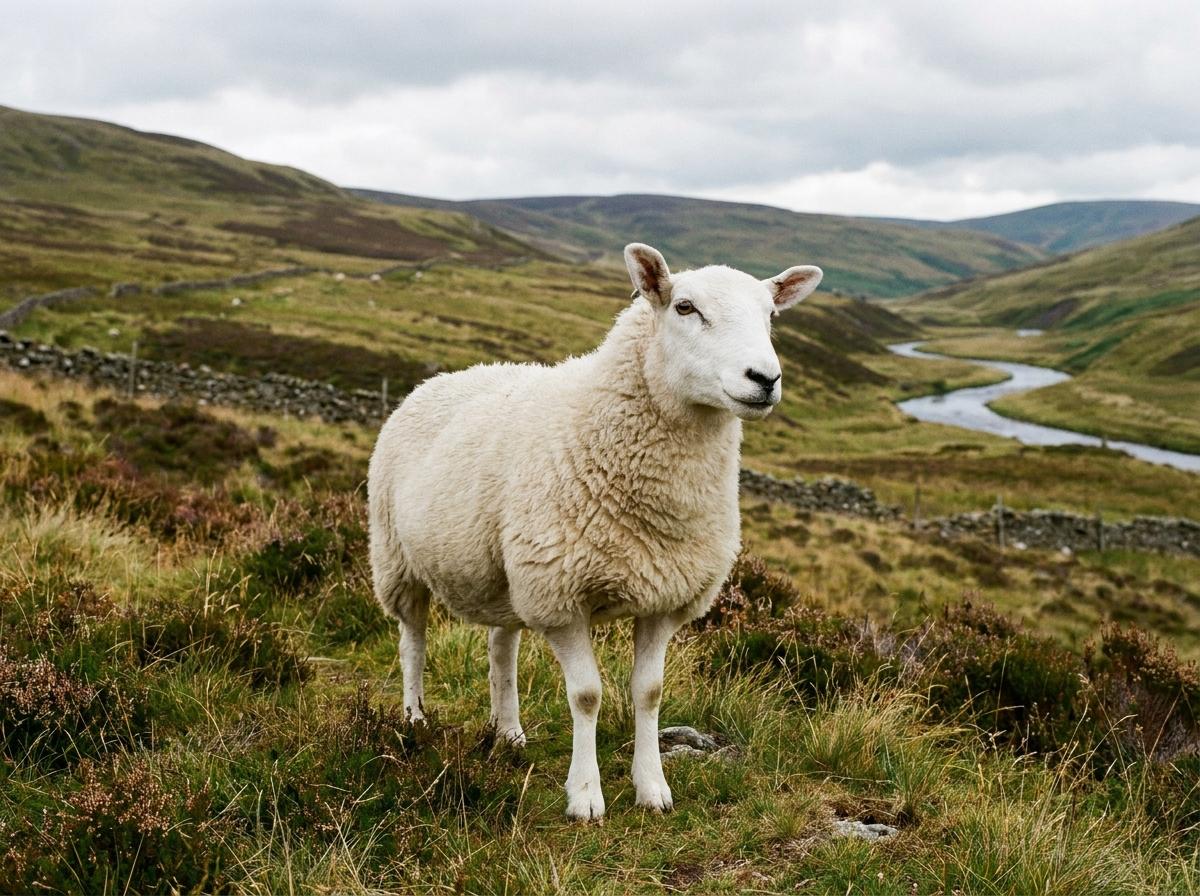
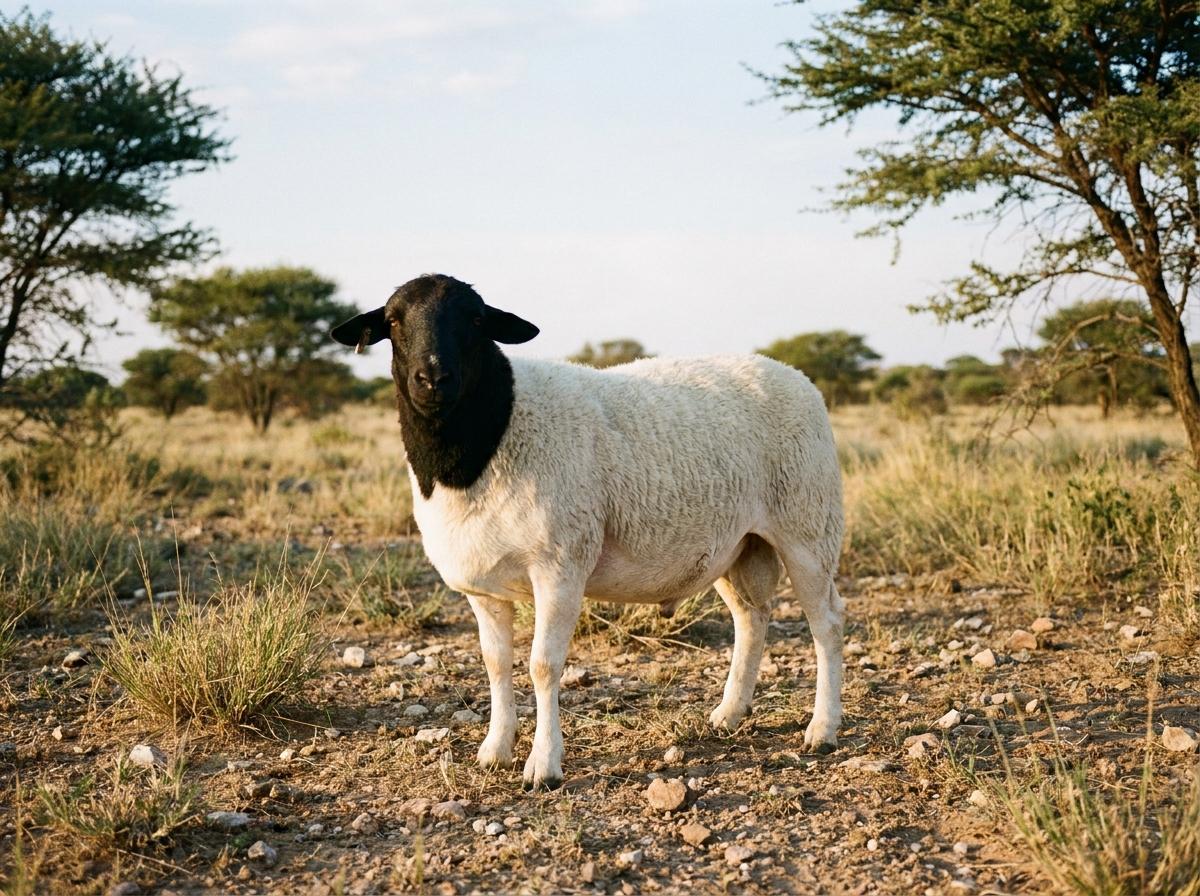
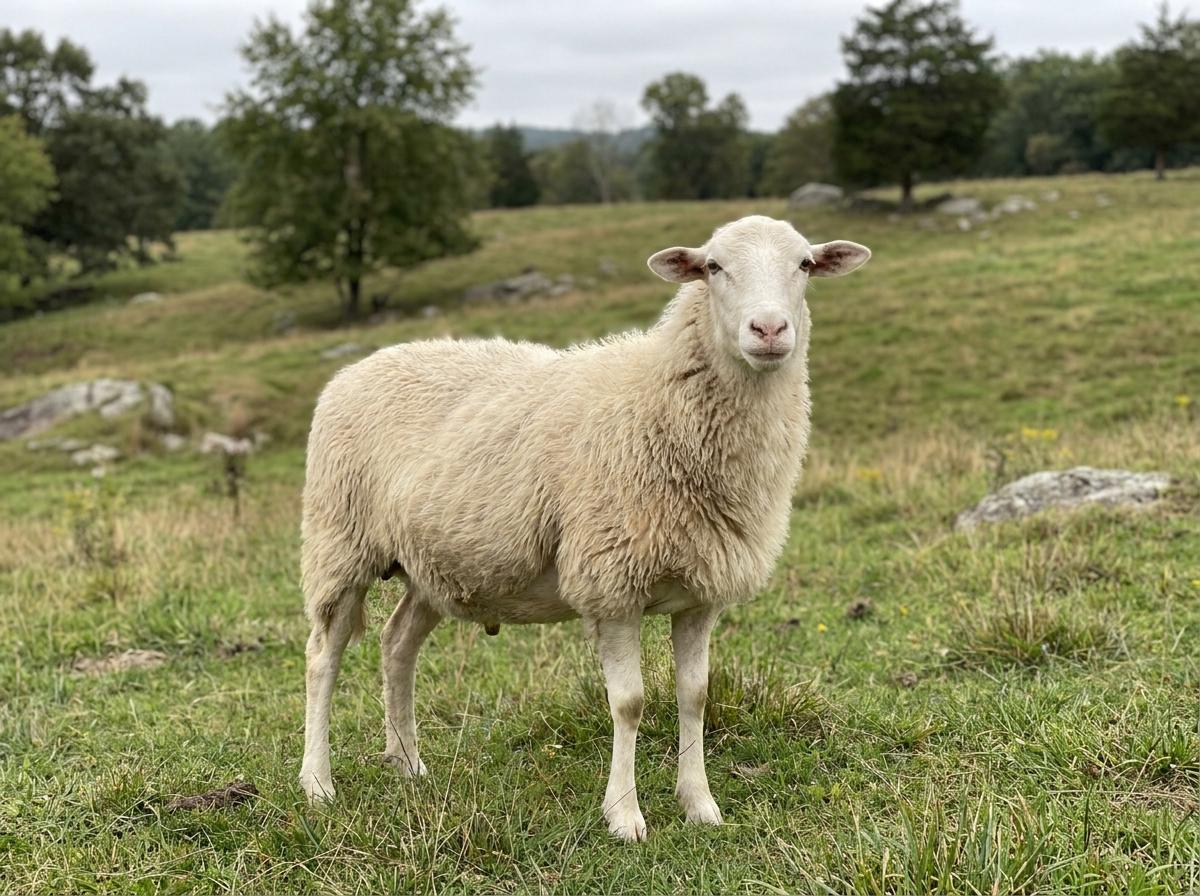
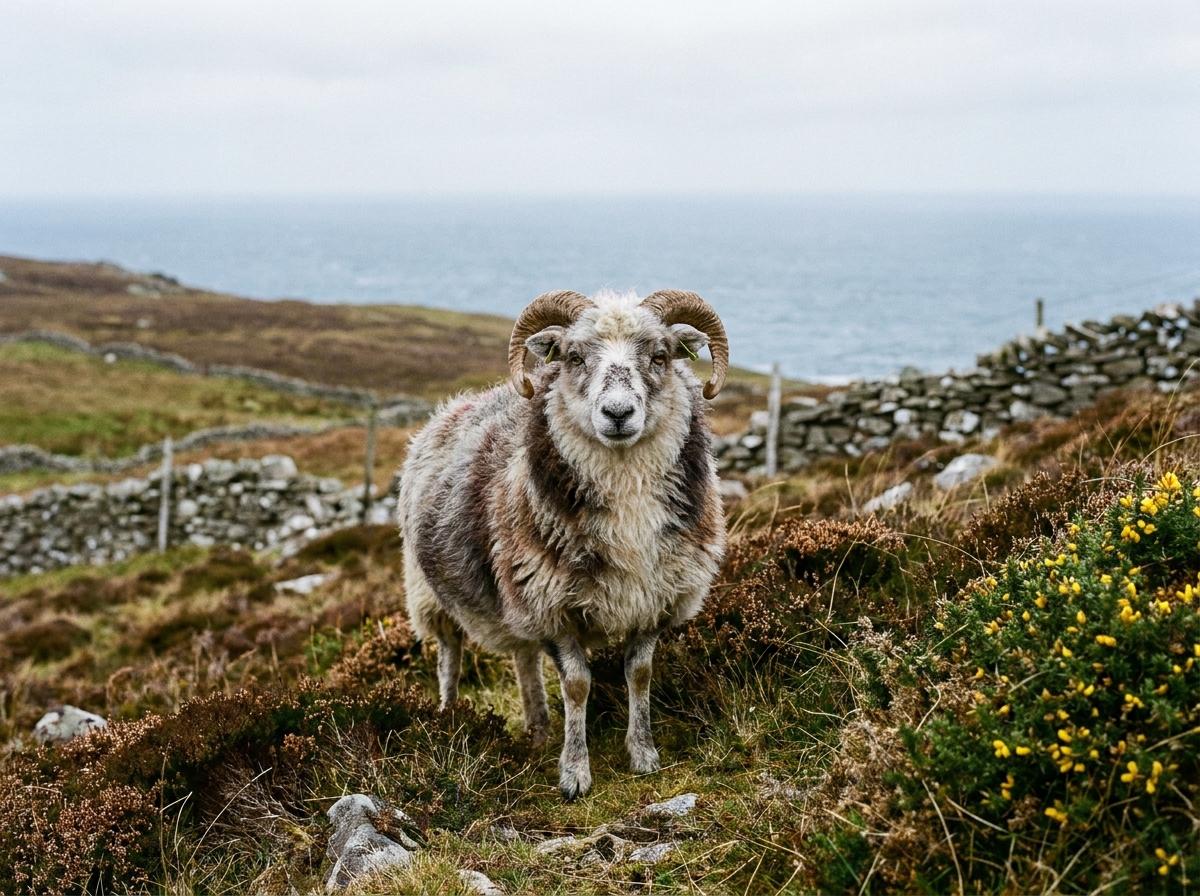
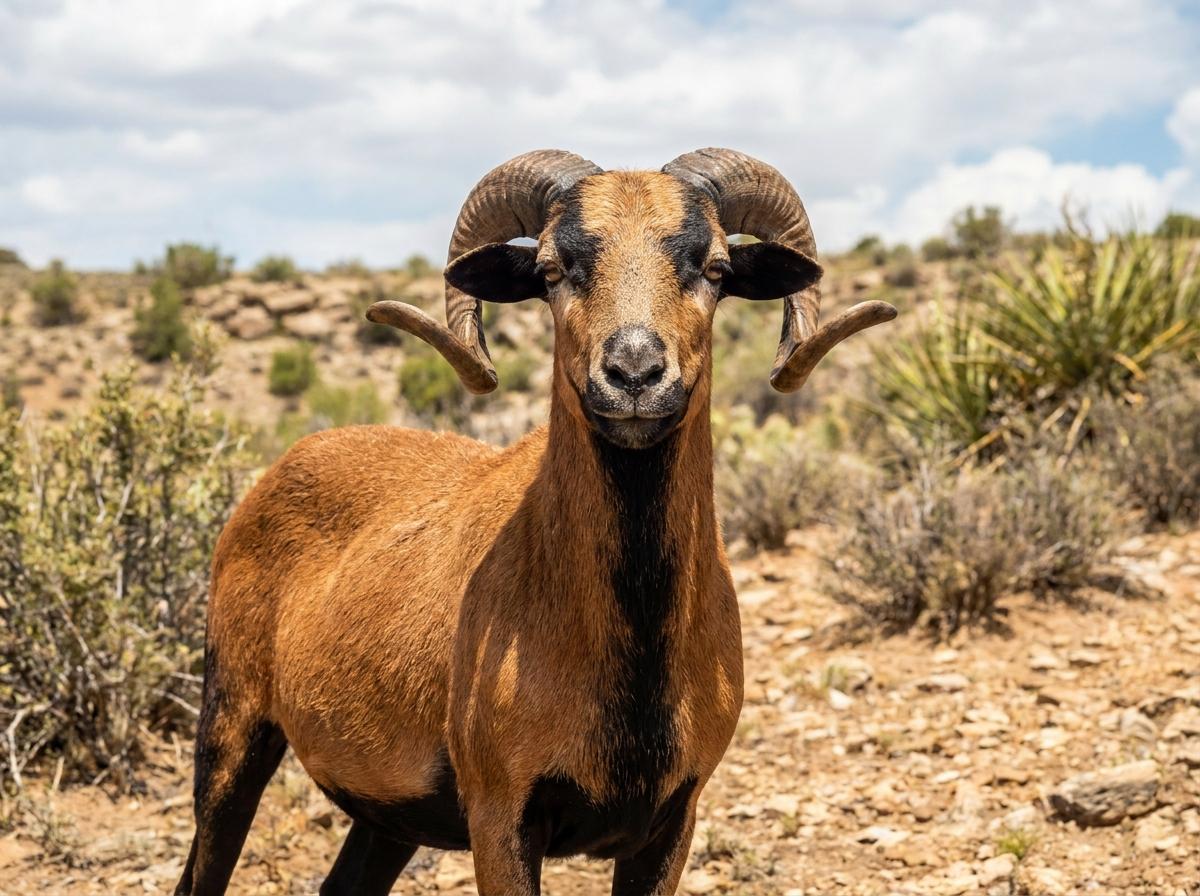
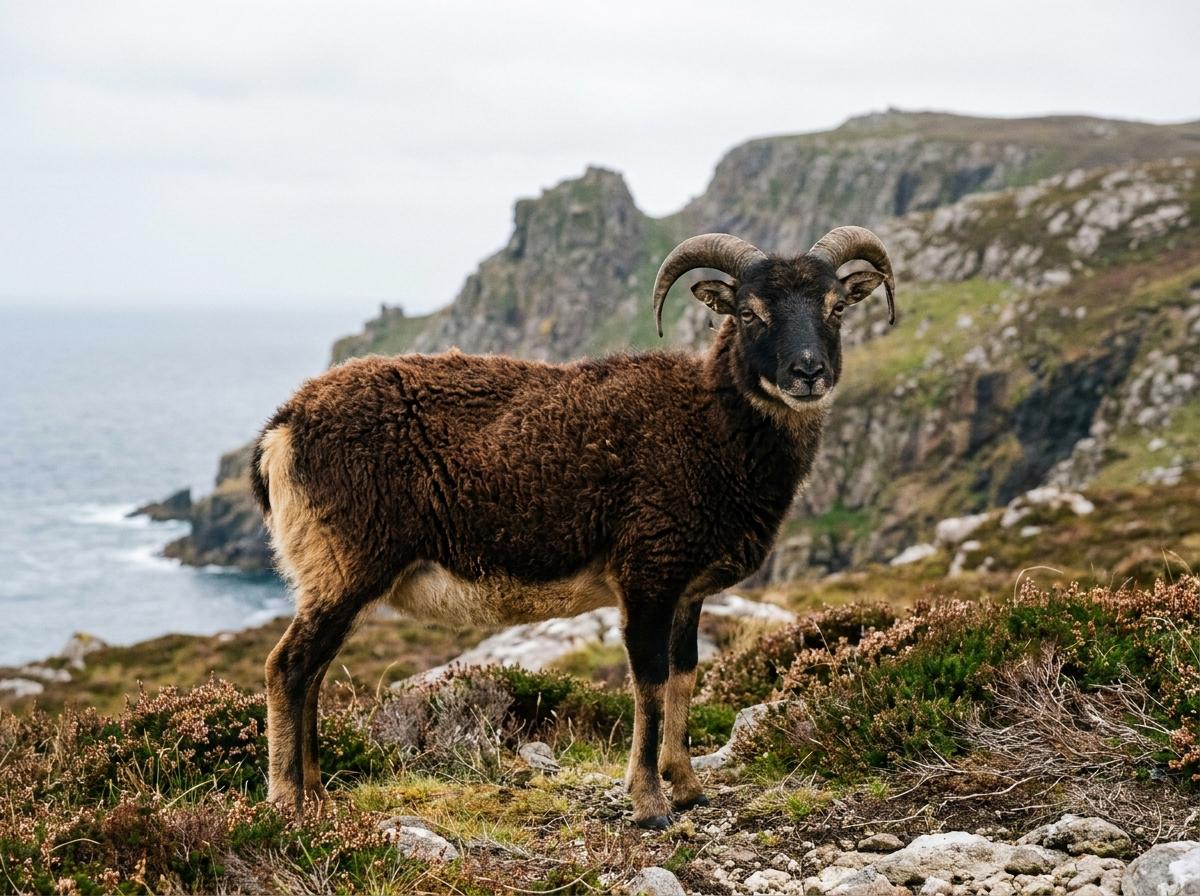
Colors: Badgerface, Black, Blackbelly, Broken, Brown, Gray, Grey, Gulmoget, Katmoget, Moorit, Piebald, Red, Roan, Silver, Solid, Spotted, Tan, White, White with Black Points, White with Brown Points