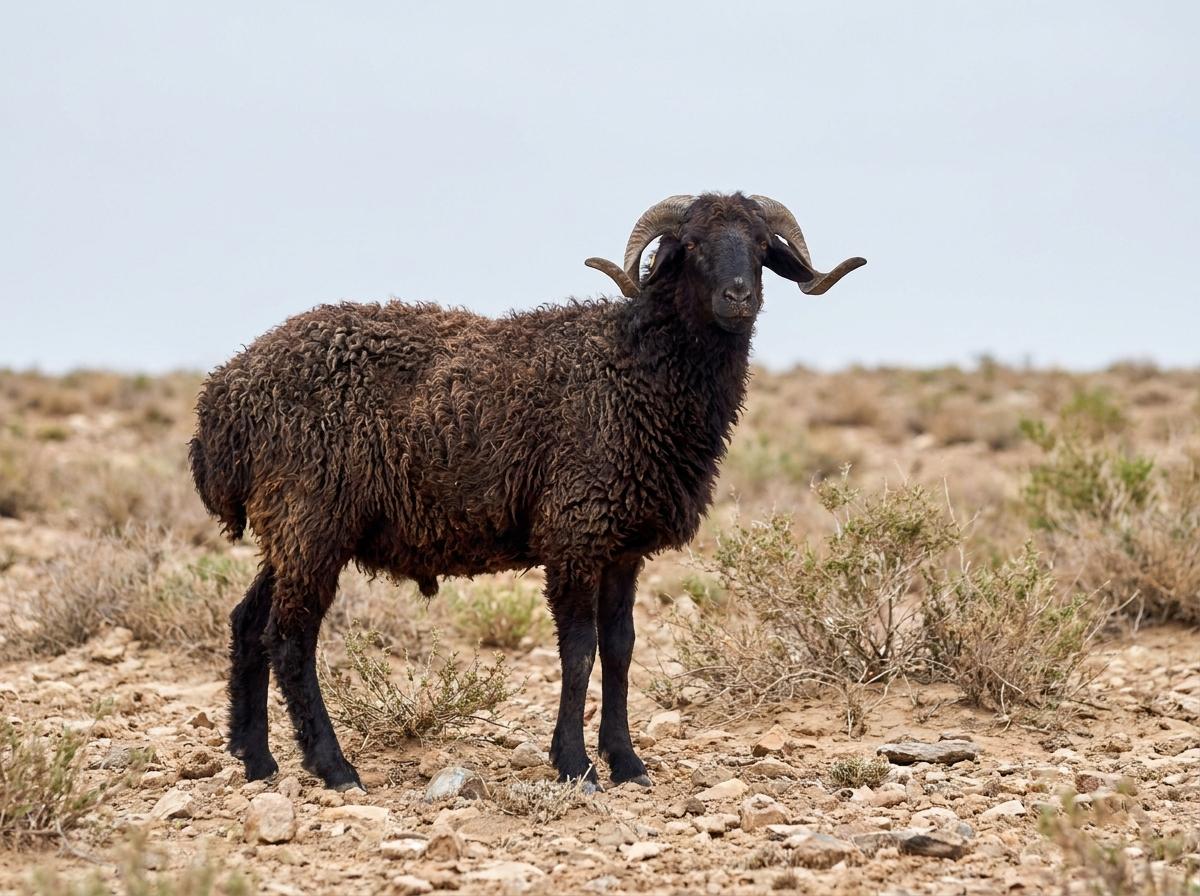
Karakul
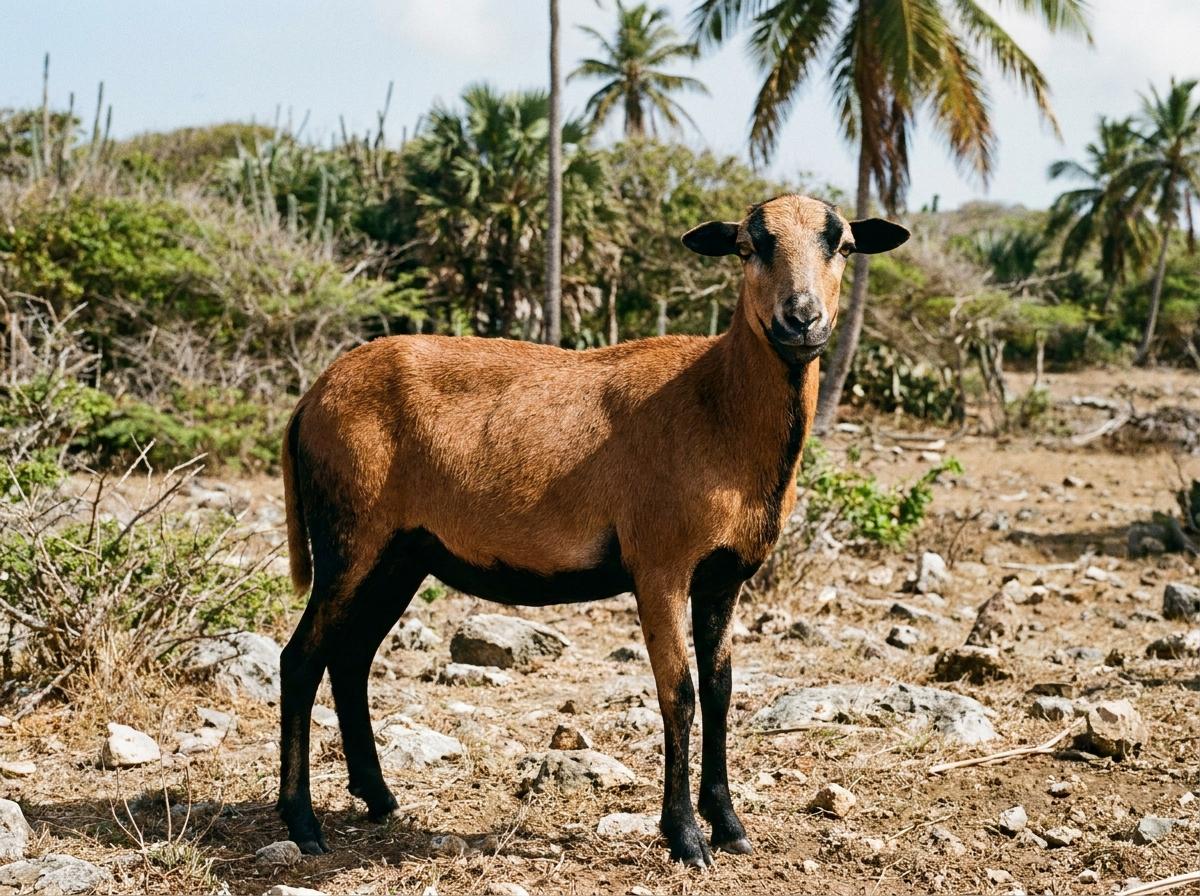
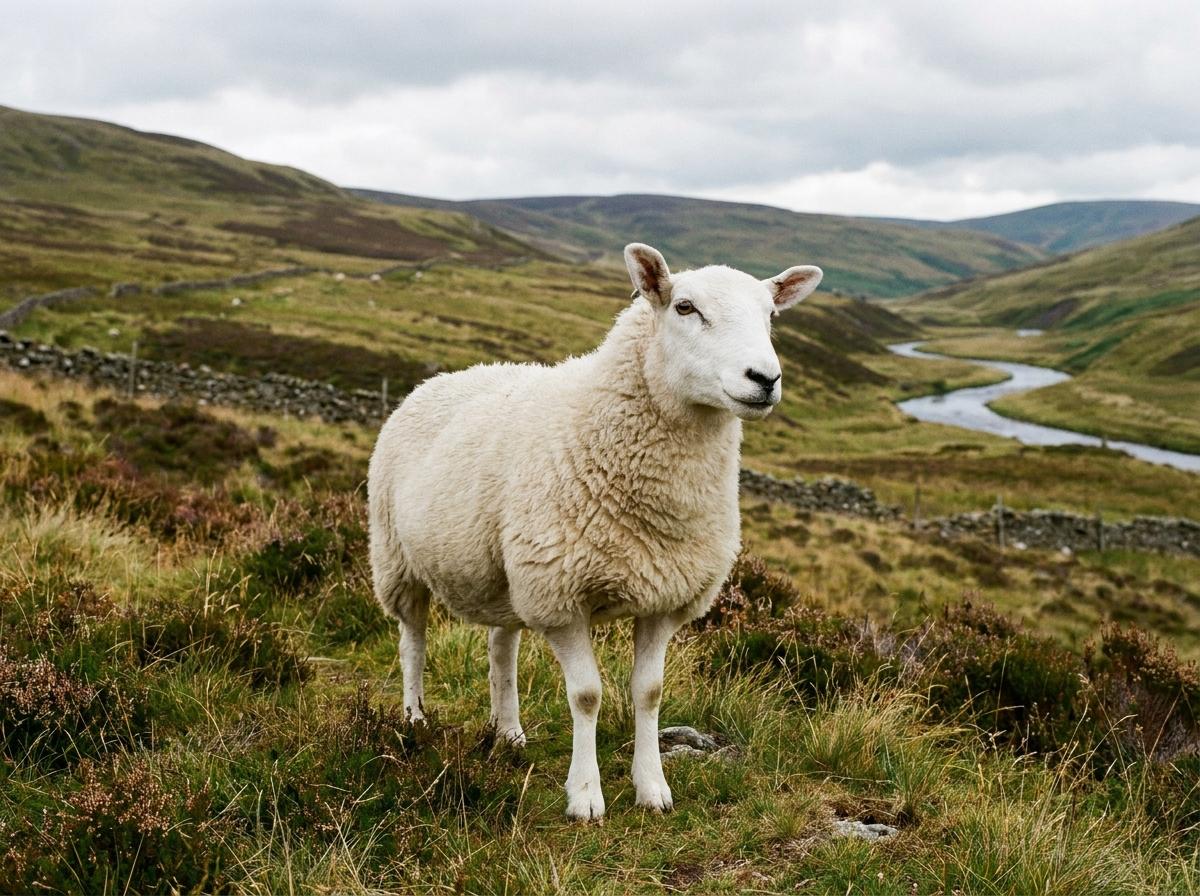
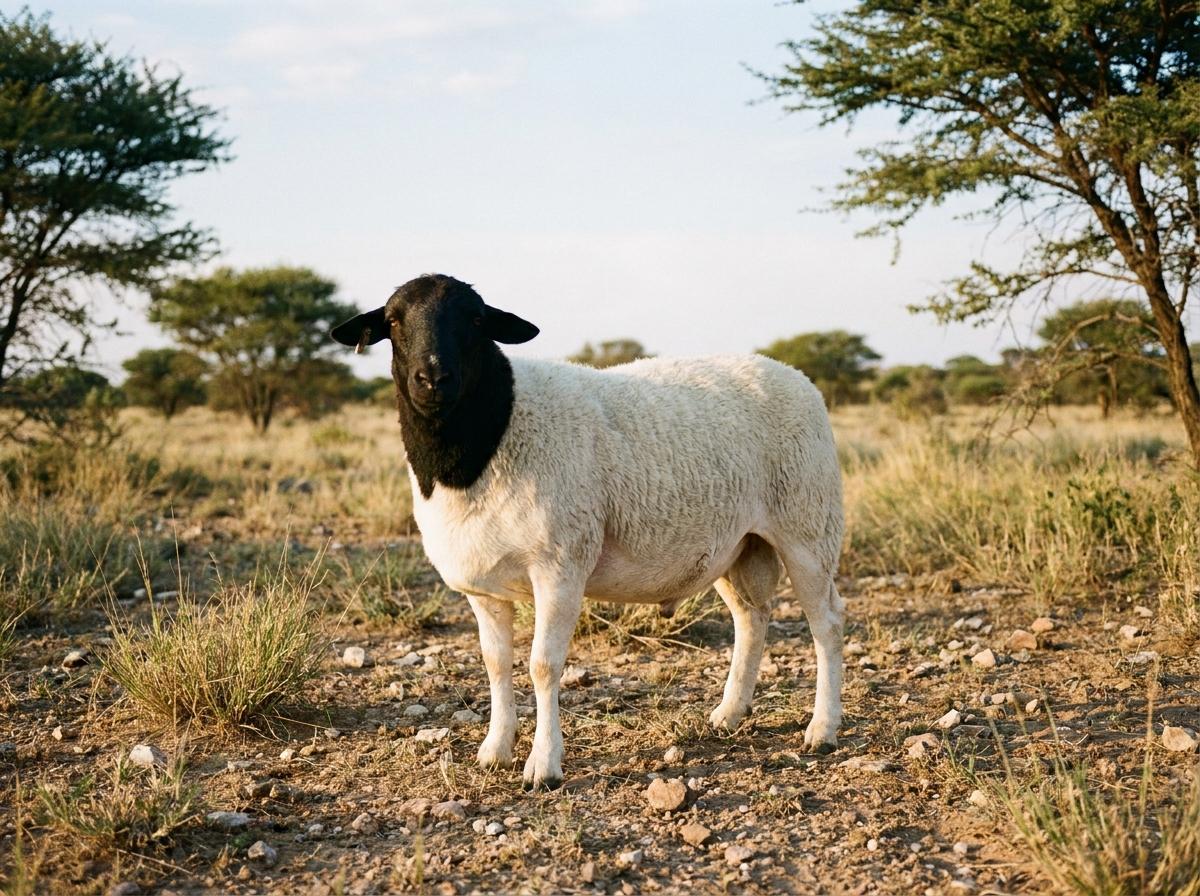
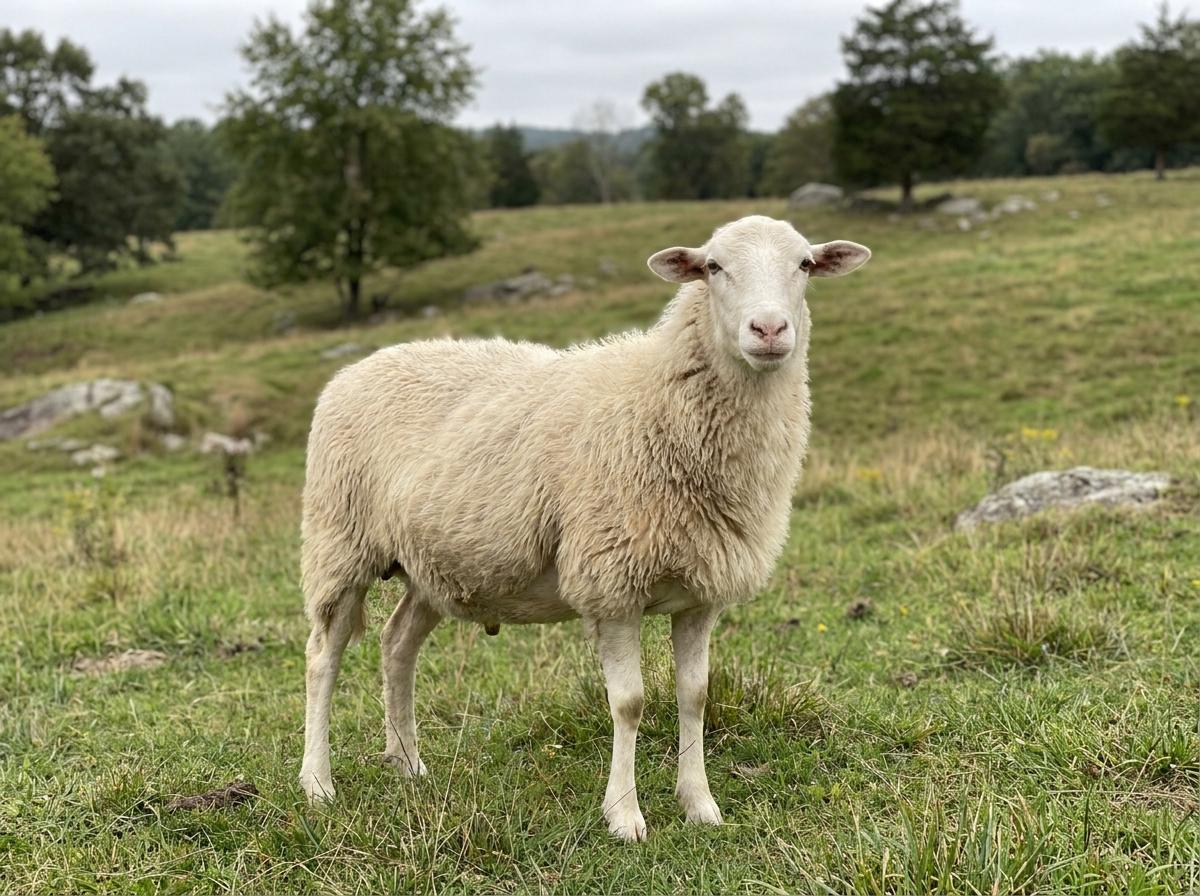
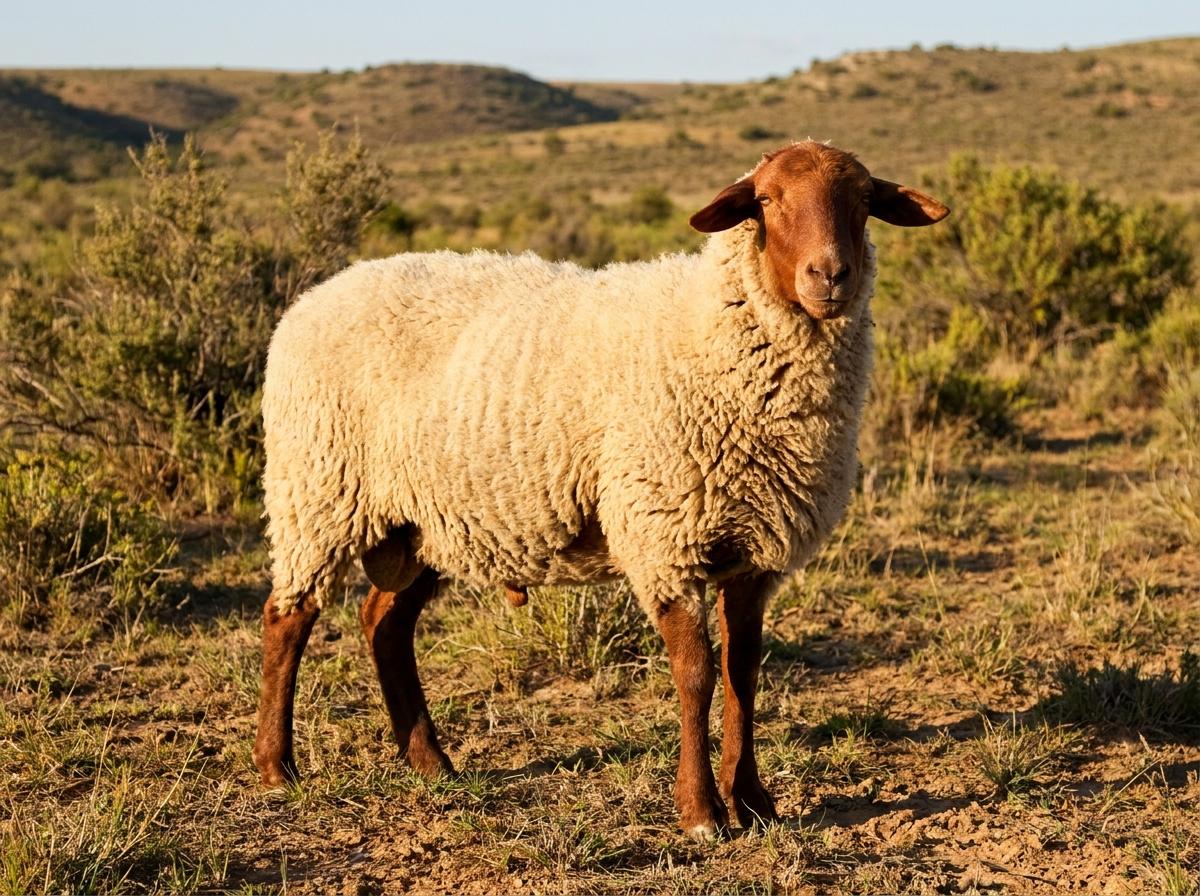
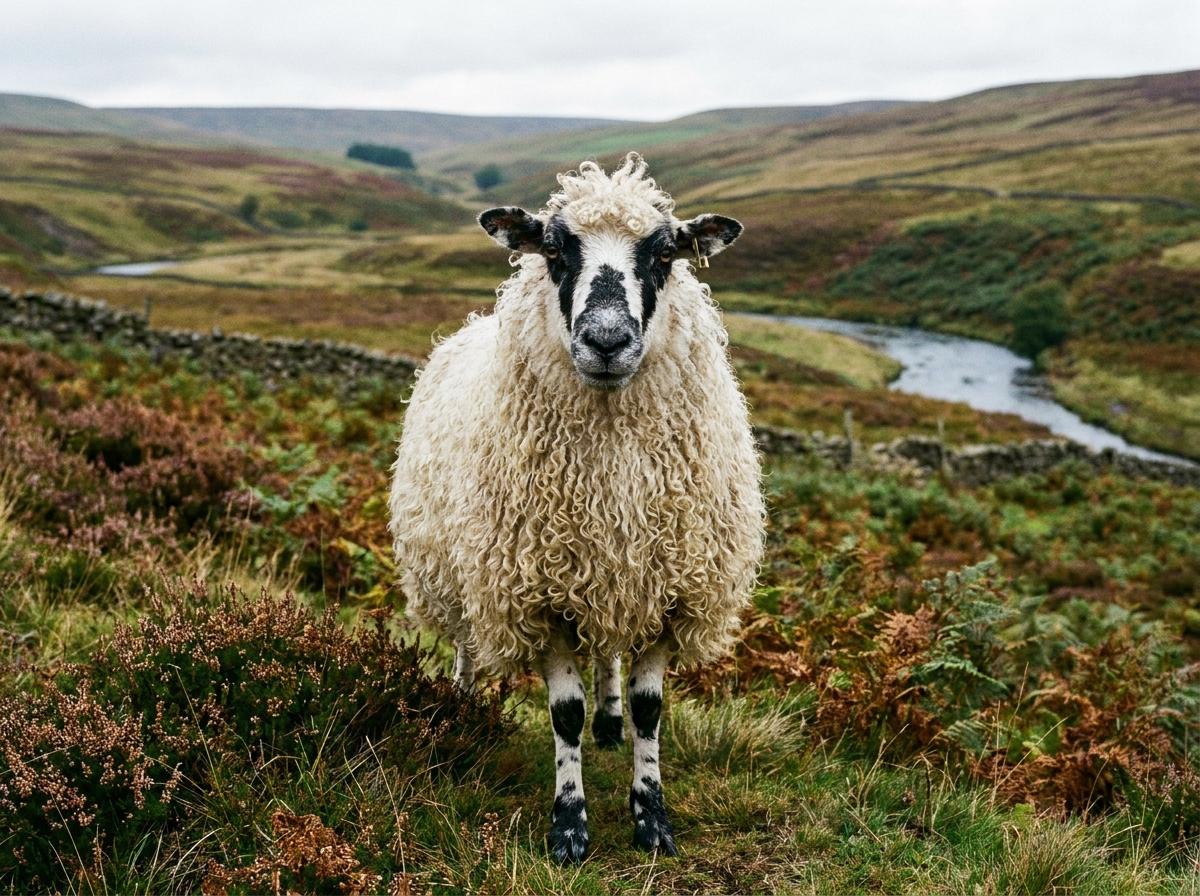
Karakul sheep are an old fat-tailed breed associated with Central Asia, particularly the area around Bukhara and the Qorako'l region of modern Uzbekistan. They produce dark newborn lamb fleeces with tight curls, the source of traditional karakul, Persian lamb, or astrakhan pelts, while adult sheep grow a long, coarse, often lustrous wool used for rugs, felting, and outer garments. Mature animals have a lean angular frame, pendulous ears, a fat tail or rump reserve, and colors that may include black, gray, brown, silver, and pied patterns.
Where they are still kept in pastoral systems, Karakuls suit dry country, long walks, and sparse forage better than lush wet pasture. Many small flocks outside Central Asia now raise them for heritage genetics, colored wool, meat, or conservation grazing rather than pelts, and ethical and legal expectations around pelt production vary widely. They do best with firm ground, good mineral balance, and selection for sound udders, feet, and lamb vigor. Fiber buyers should look at adult fleece type, since it differs greatly from the curled lamb coat that made the name famous.
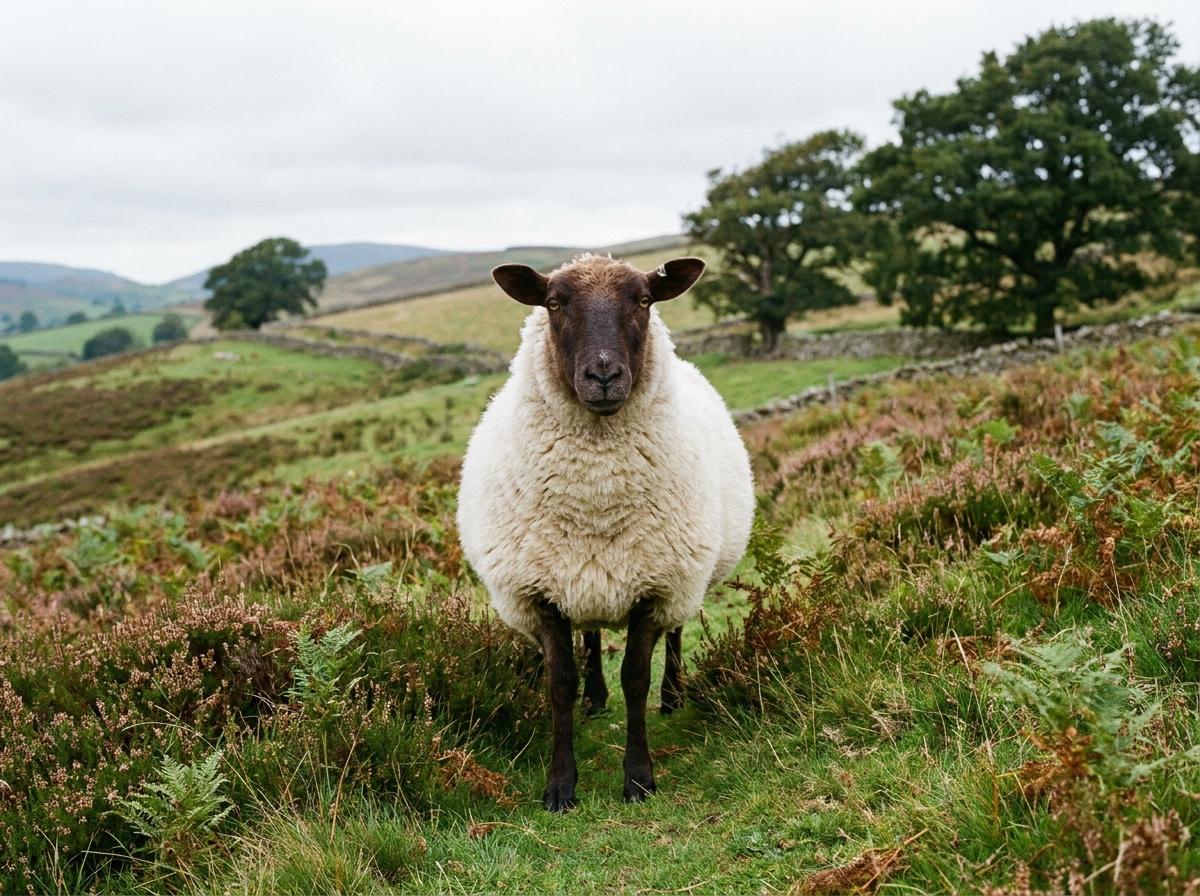
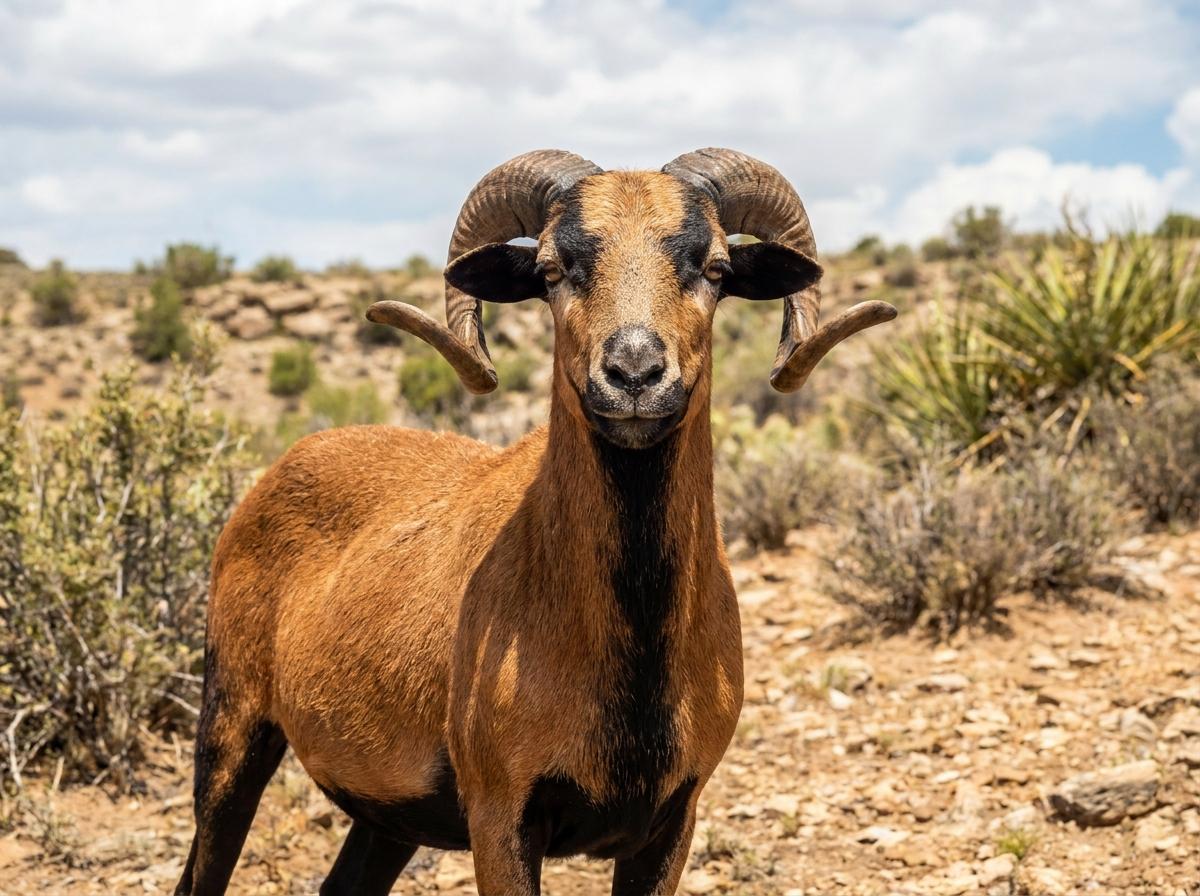
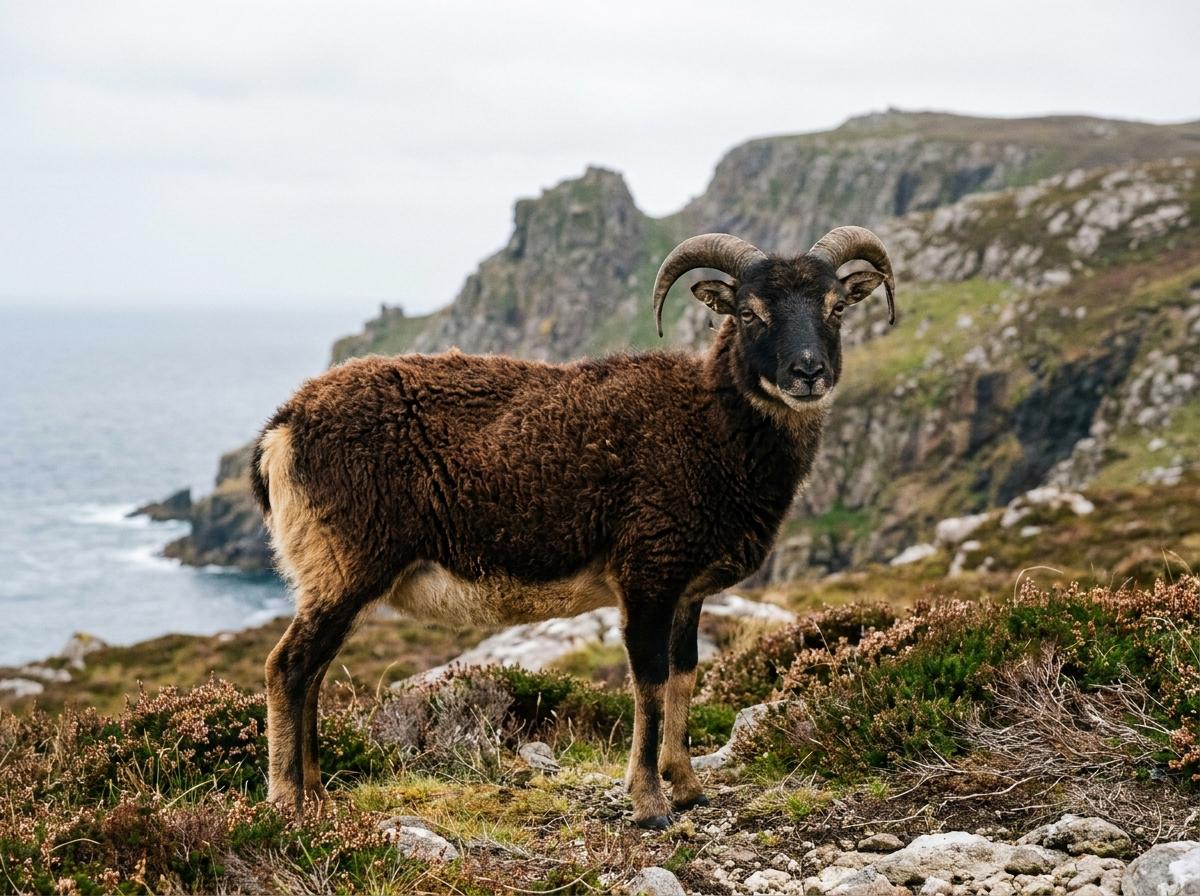
Colors: Badgerface, Black, Blackbelly, Brown, Gray, Gulmoget, Katmoget, Moorit, Piebald, Pied, Red, Silver, Spotted, Tan, White, White with Black Points, White with Brown Points