Kempen Heath
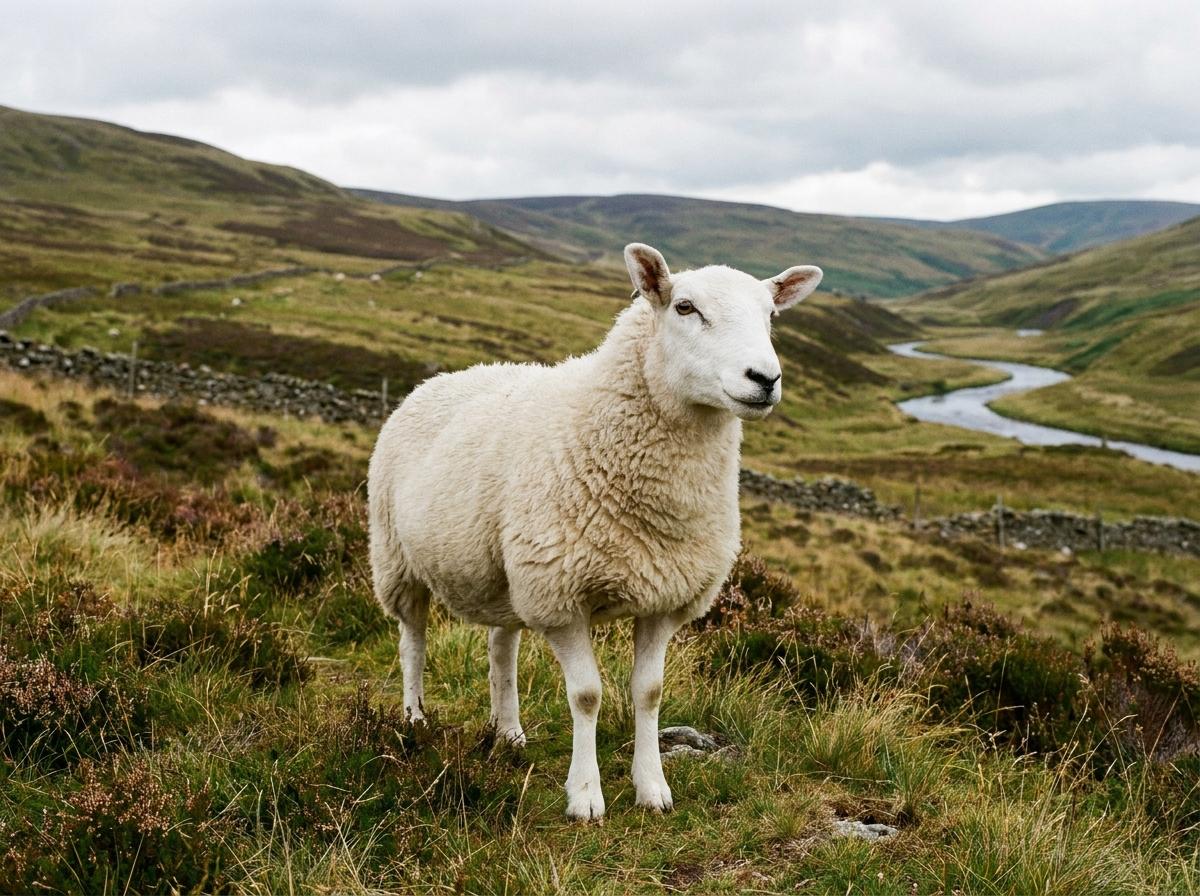
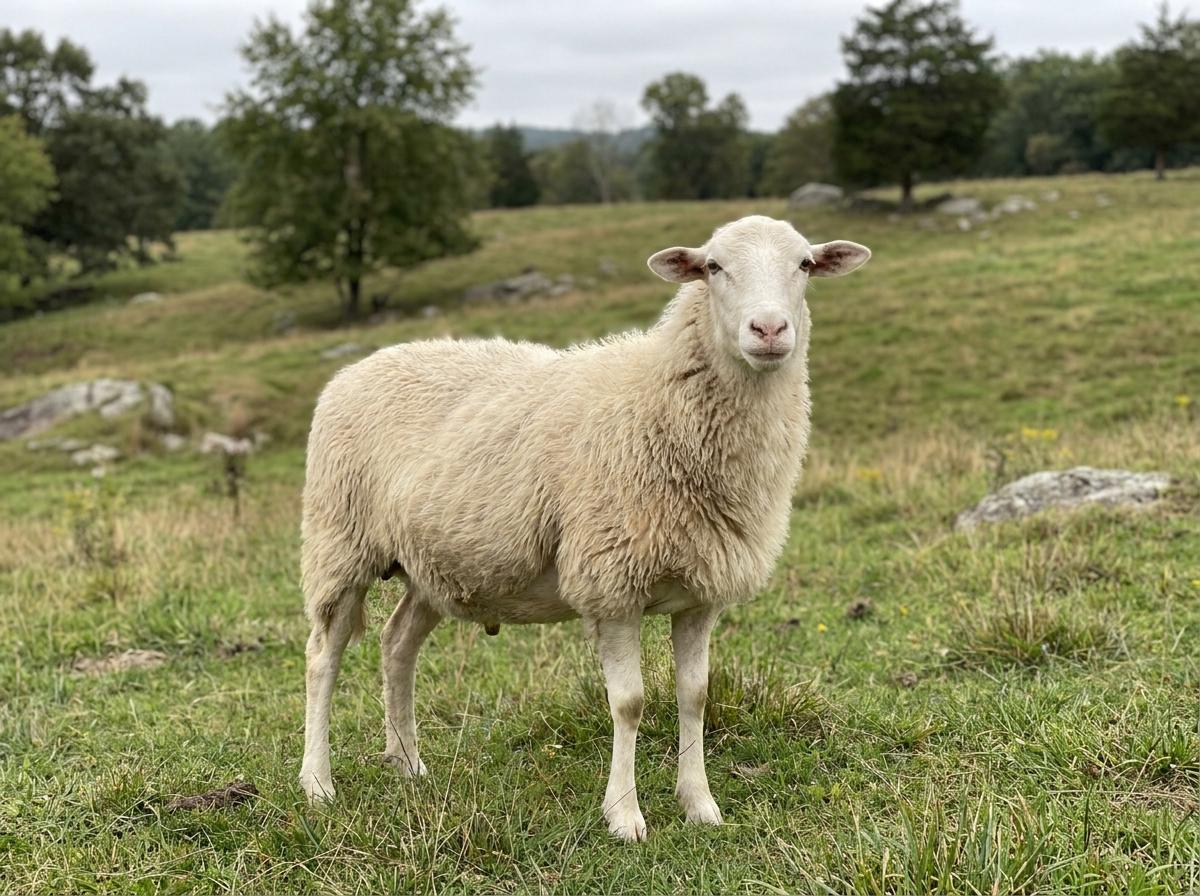
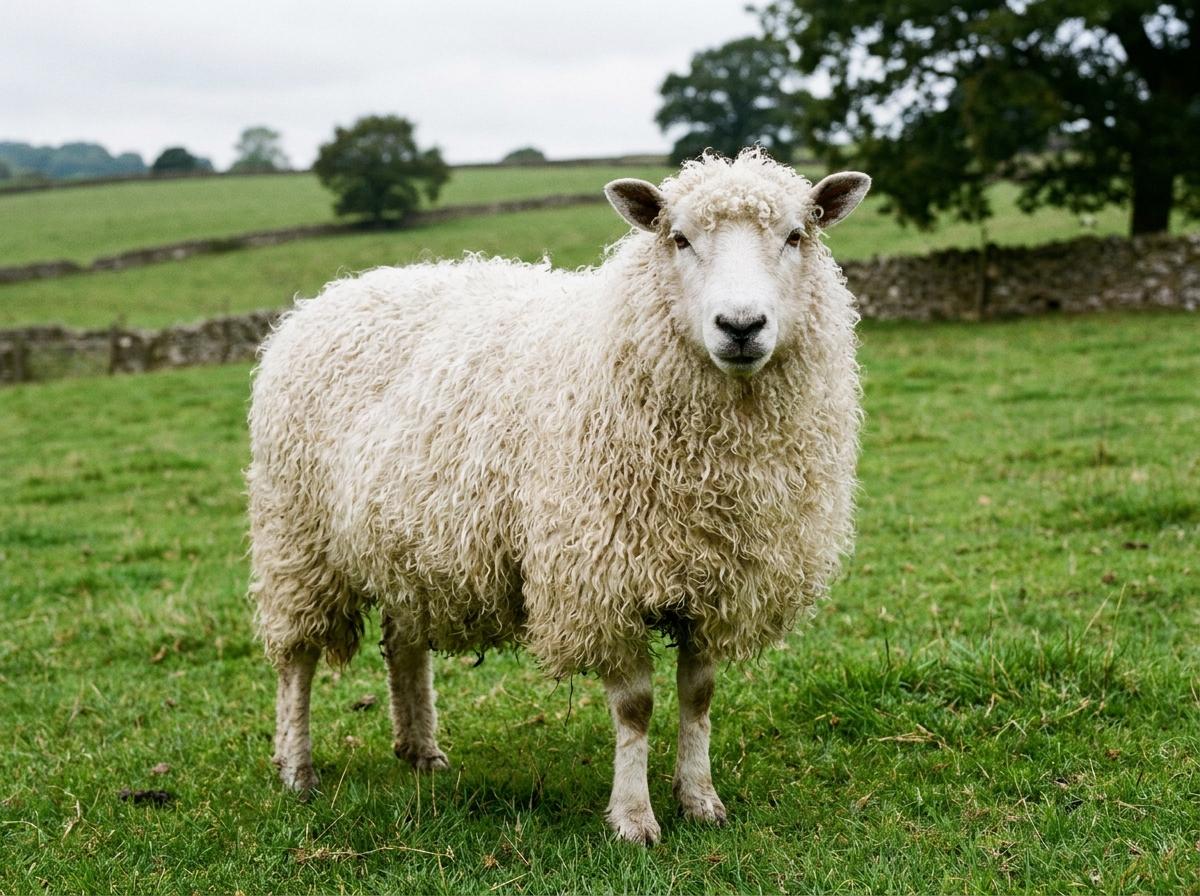
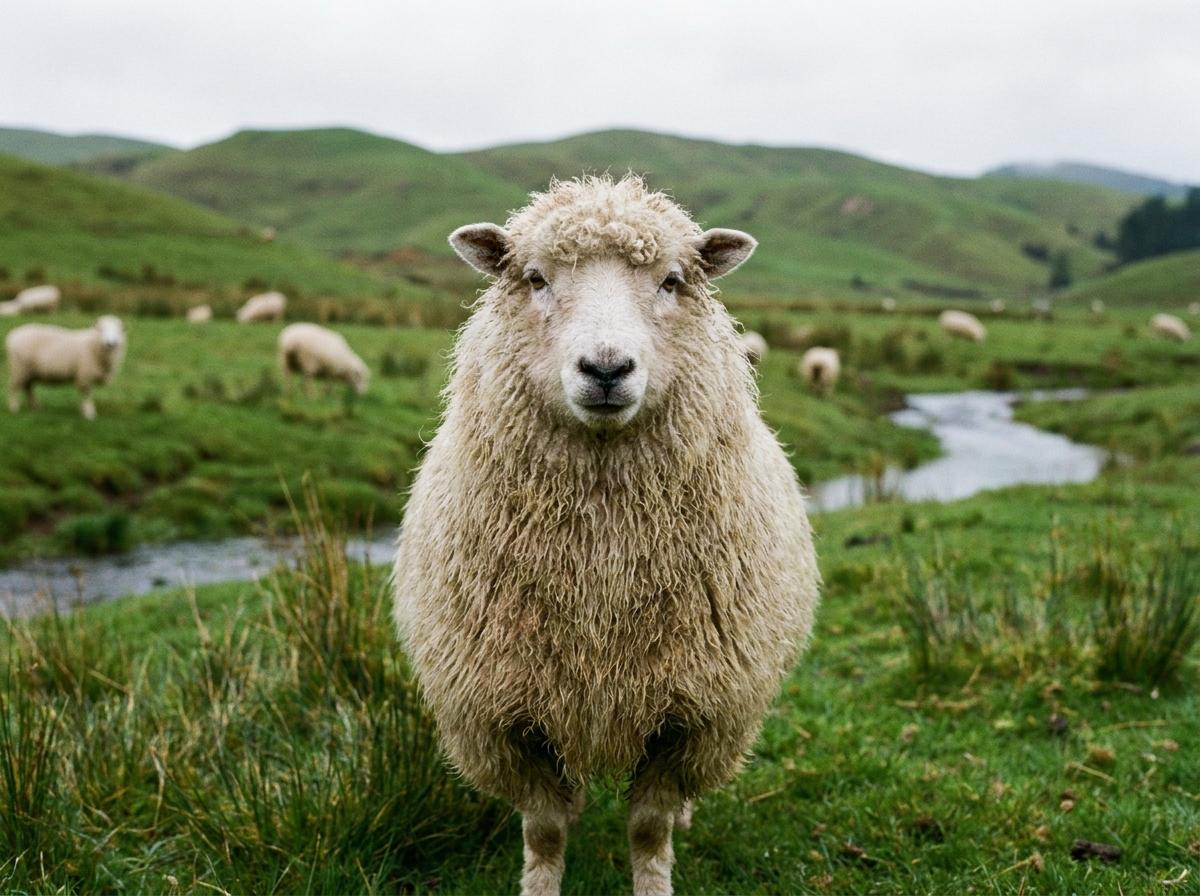
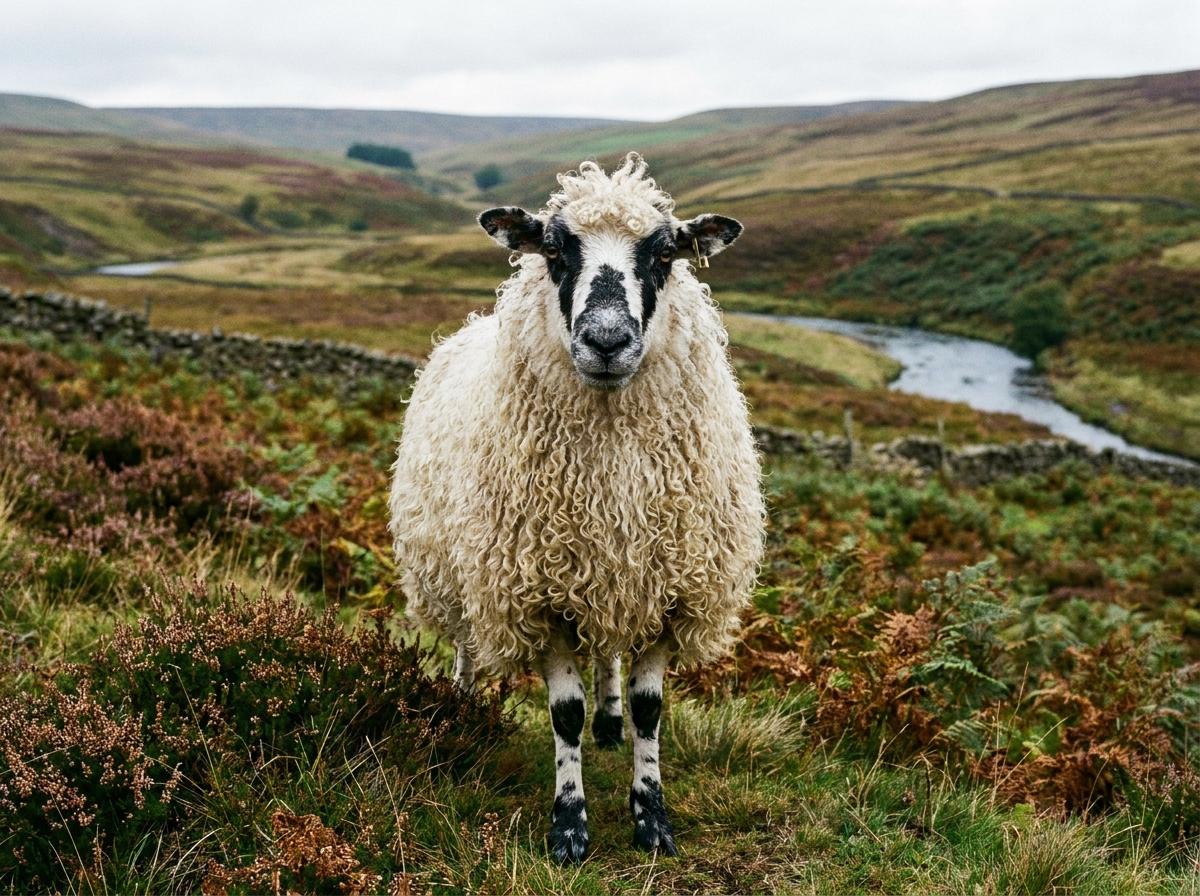
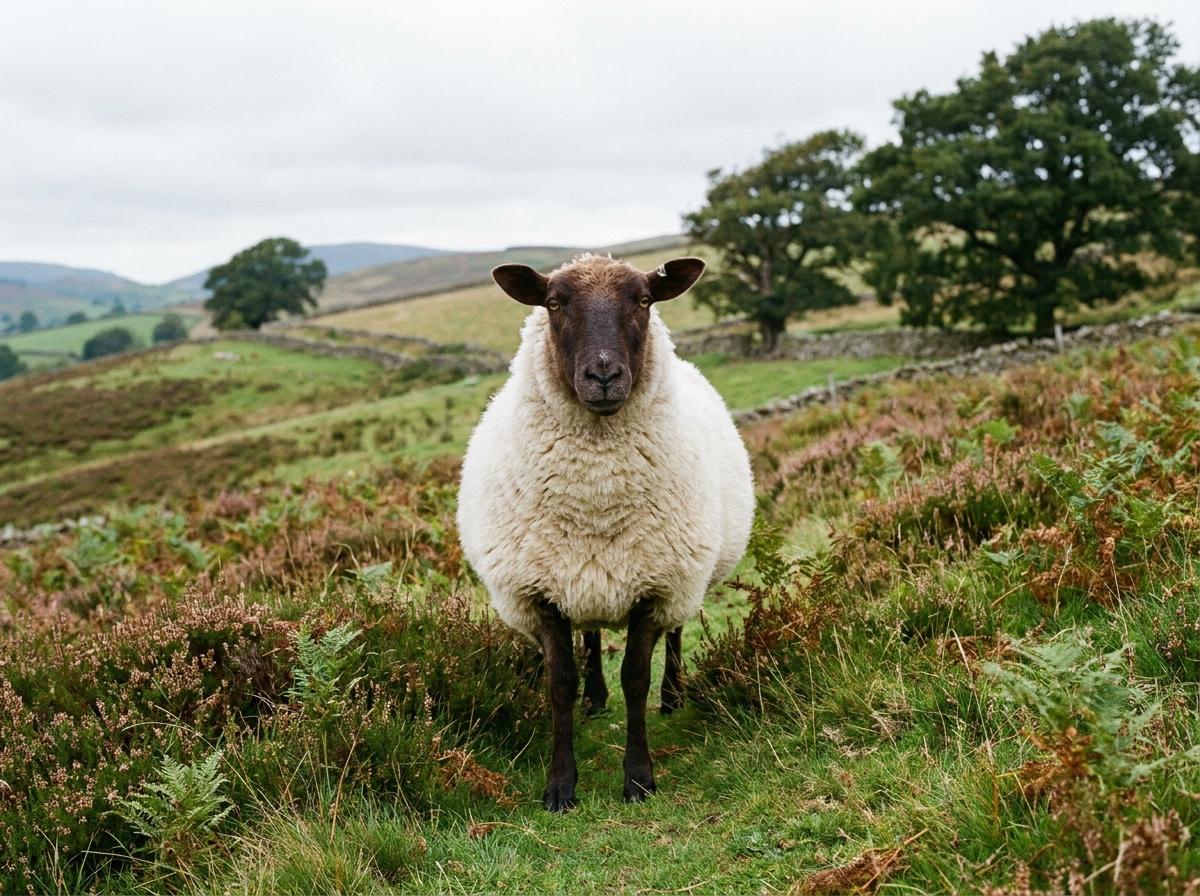
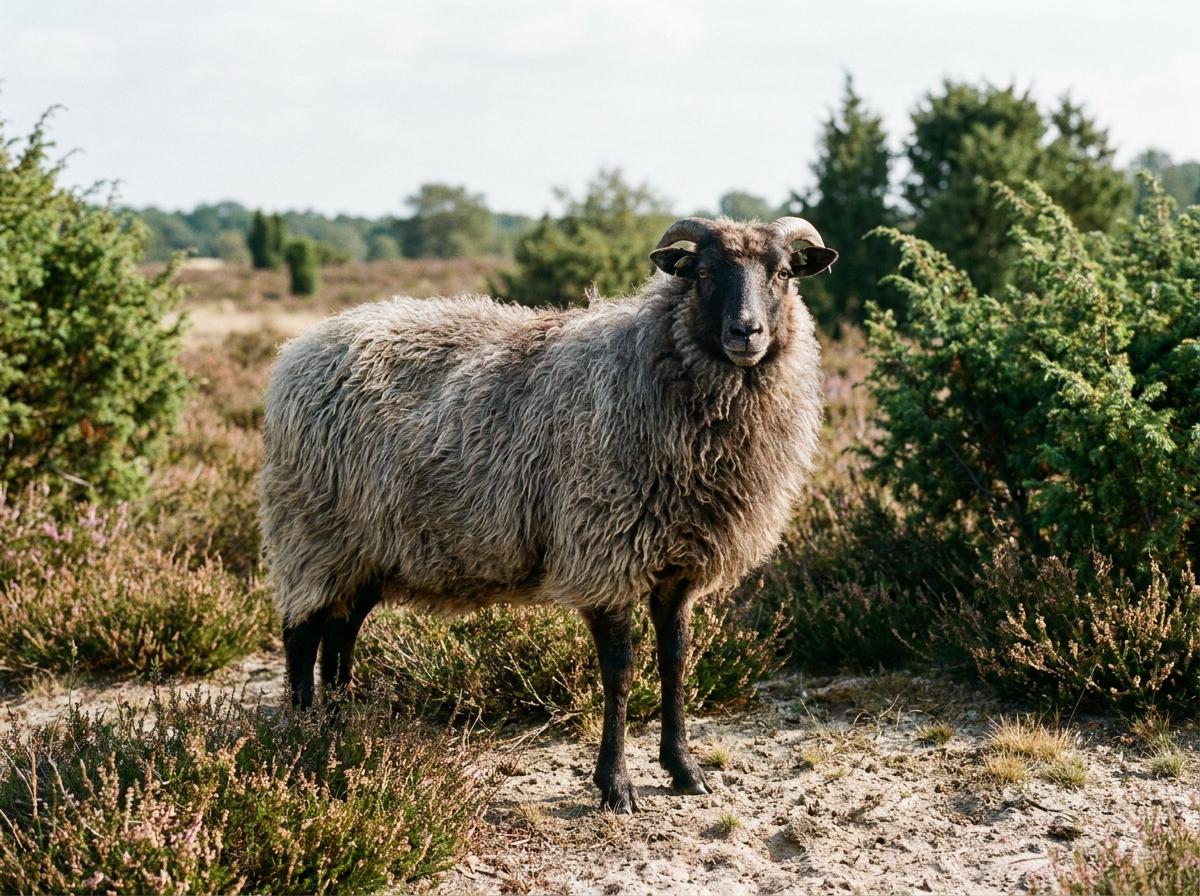
The Kempen Heath sheep, known in Dutch as the Kempens Heideschaap and sometimes linked with the Campine region, is a lowland heath breed from the sandy borderlands of the Netherlands and Belgium. It belongs to the group of northwestern European heath sheep once used to convert rough grazing into manure for arable fields. Animals are generally white, long-legged, and relatively large for a heath sheep, with a narrow head and active movement suited to covering open ground. Their wool is functional rather than fine, and meat production has traditionally been secondary to grazing work.
Today the breed is most visible in conservation grazing, where flocks help manage heathland, grassland, road verges, and nature reserves without heavy machinery. It can make use of poor forage, but ewes still need better feed in late pregnancy and lactation, and lambs should not be expected to grow like intensive meat breeds. Shepherded or fenced systems must provide water, mineral supplementation, foot care, and protection from dogs and predators. For breeders, preserving the old landrace type and adaptation to extensive grazing is usually more important than pushing size or carcass yield.
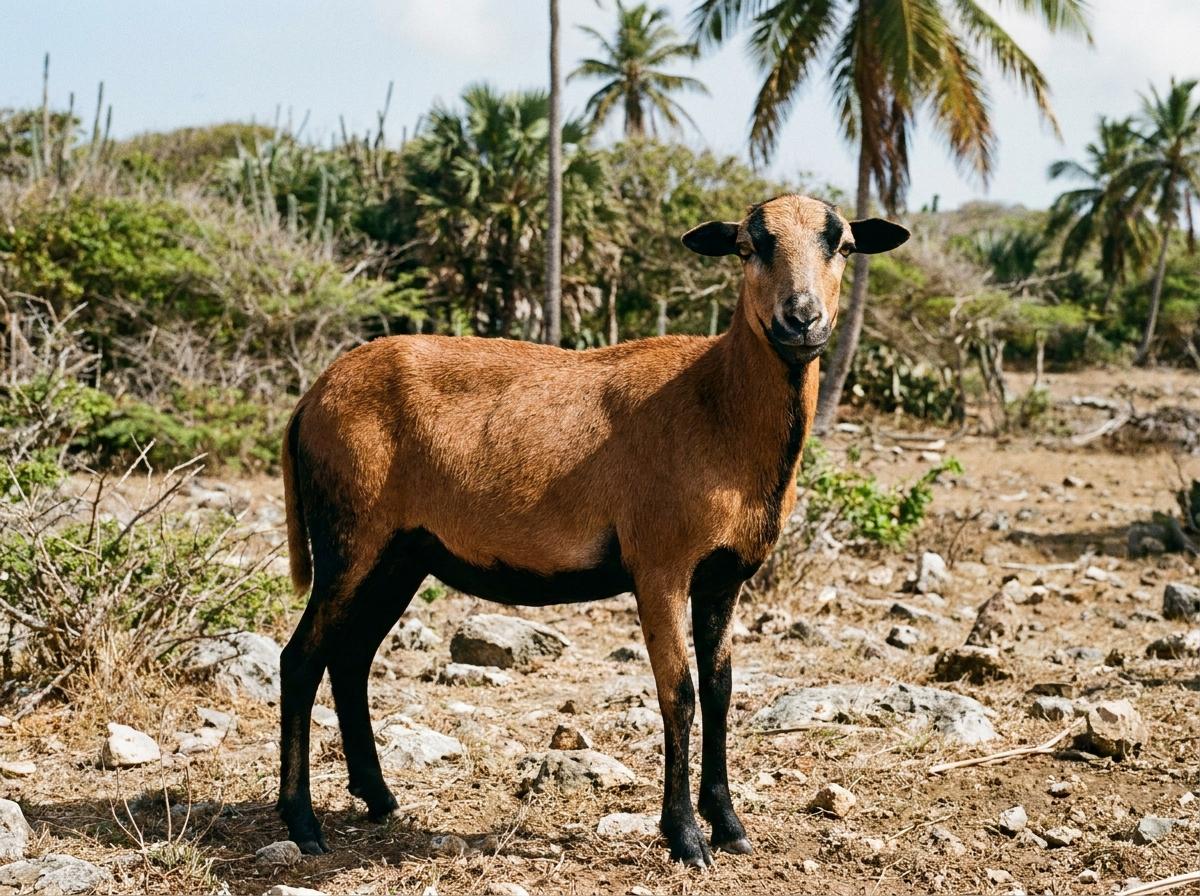
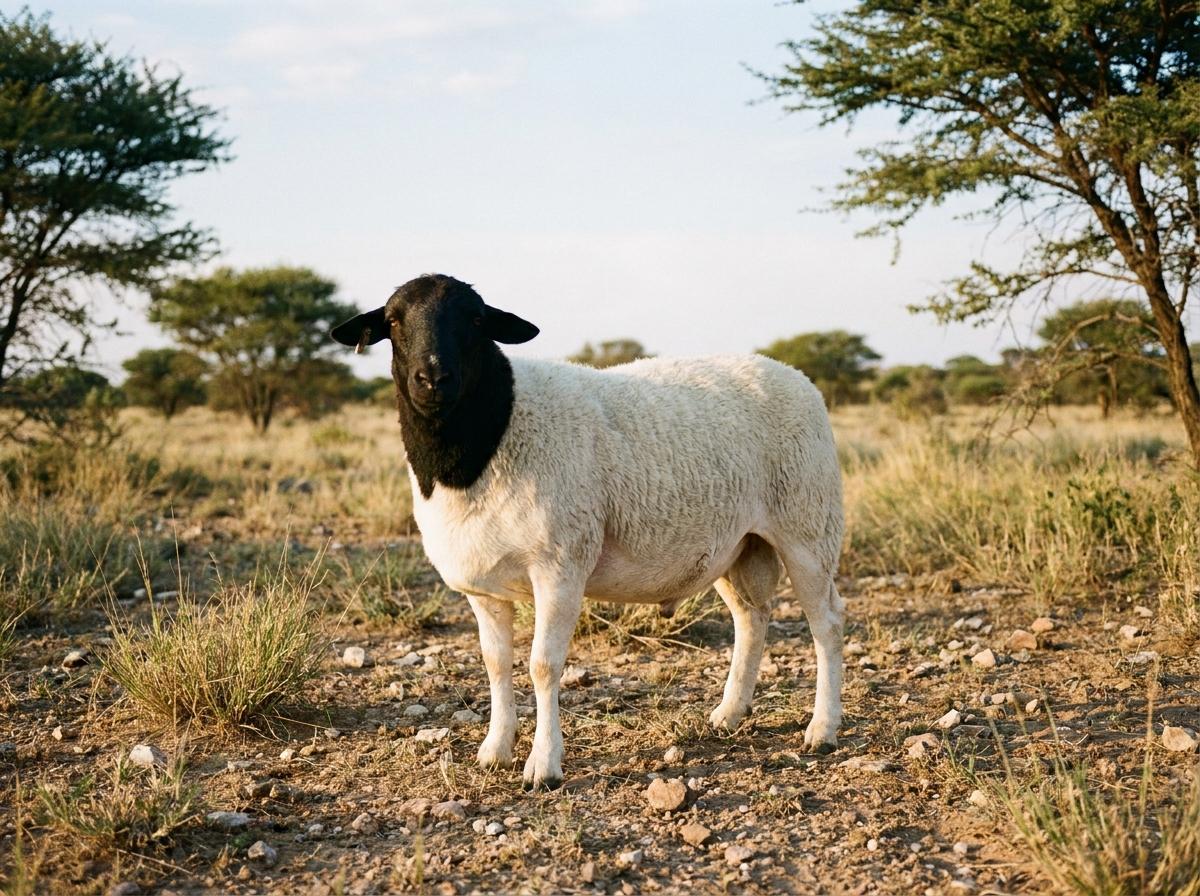
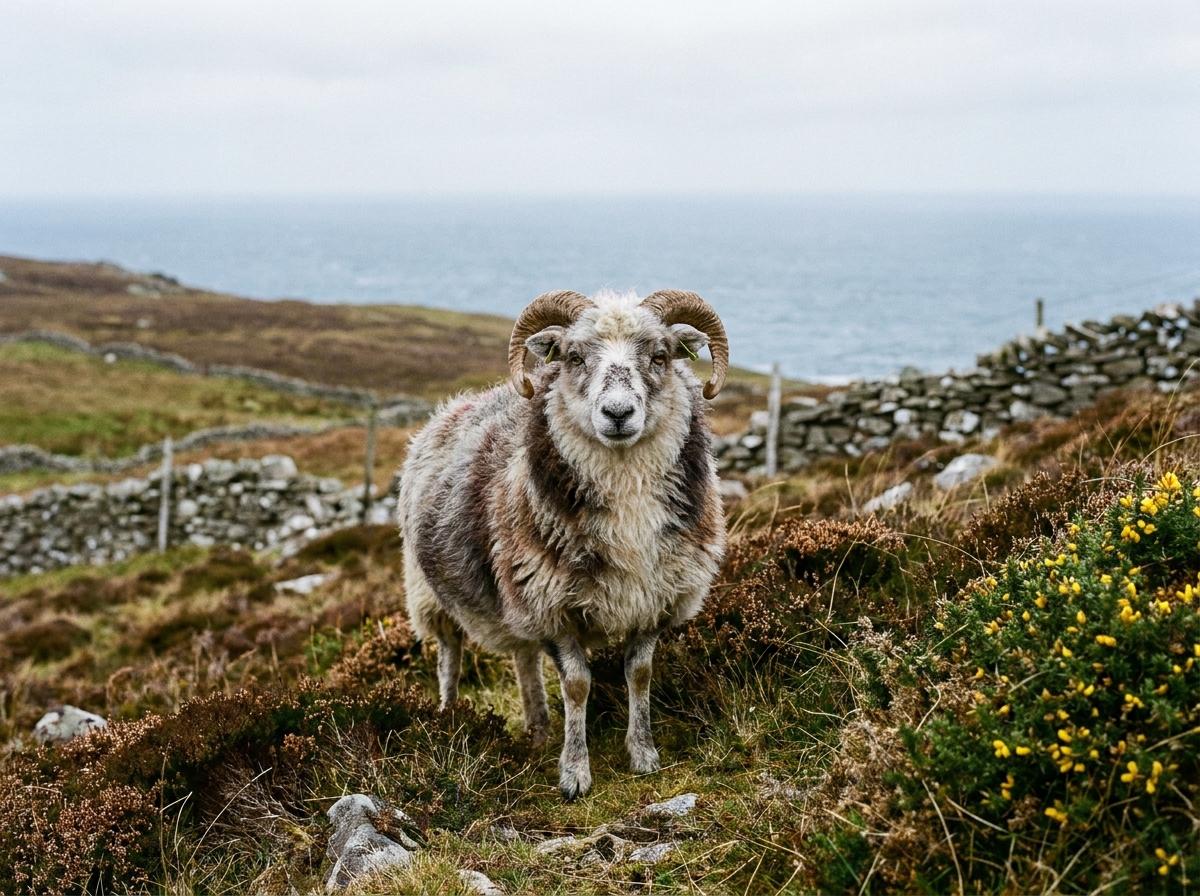
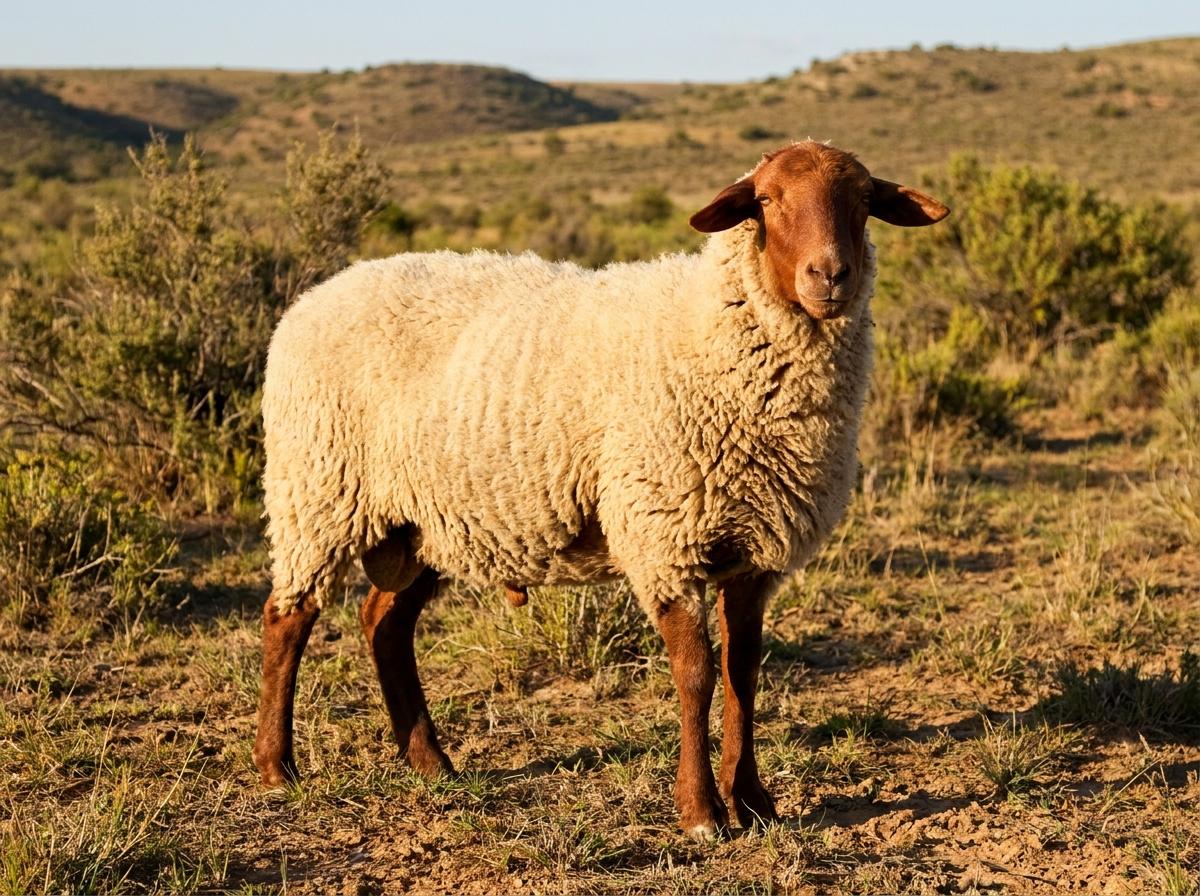
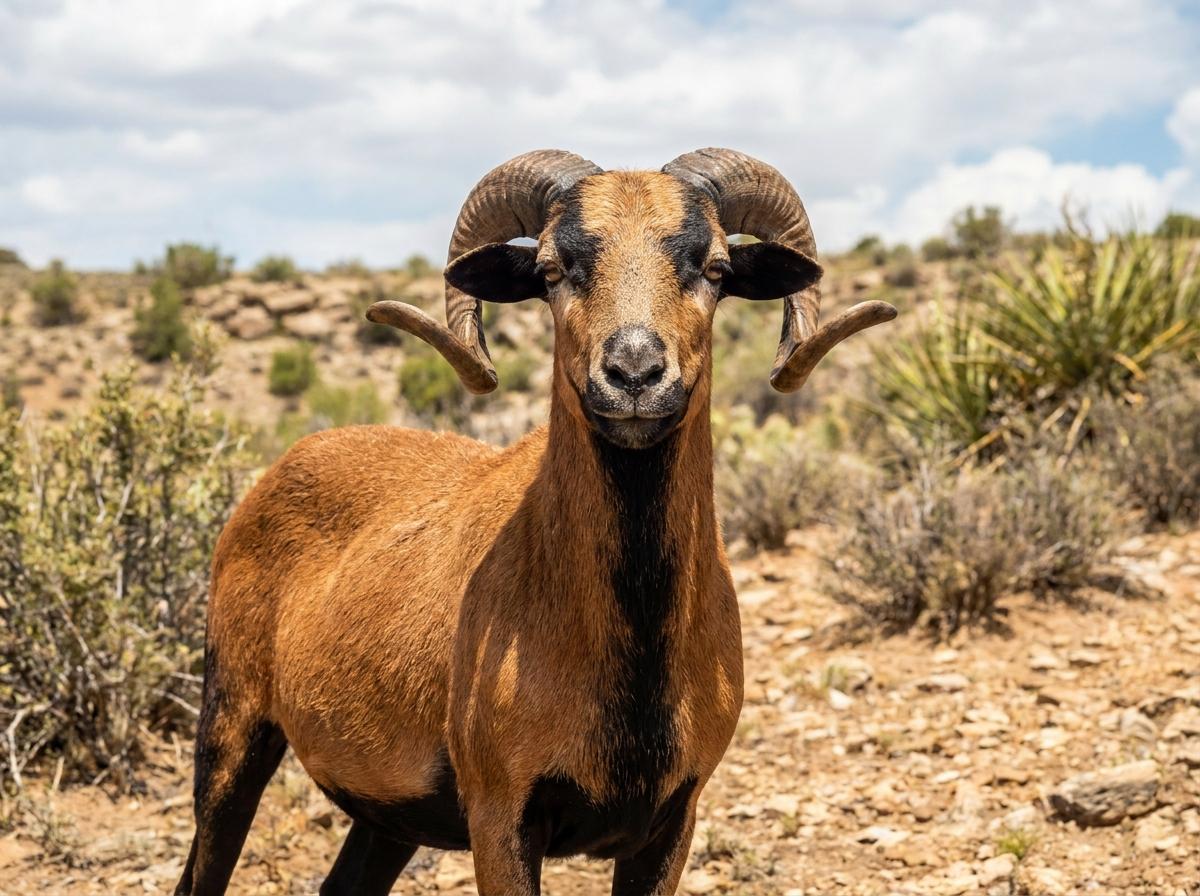
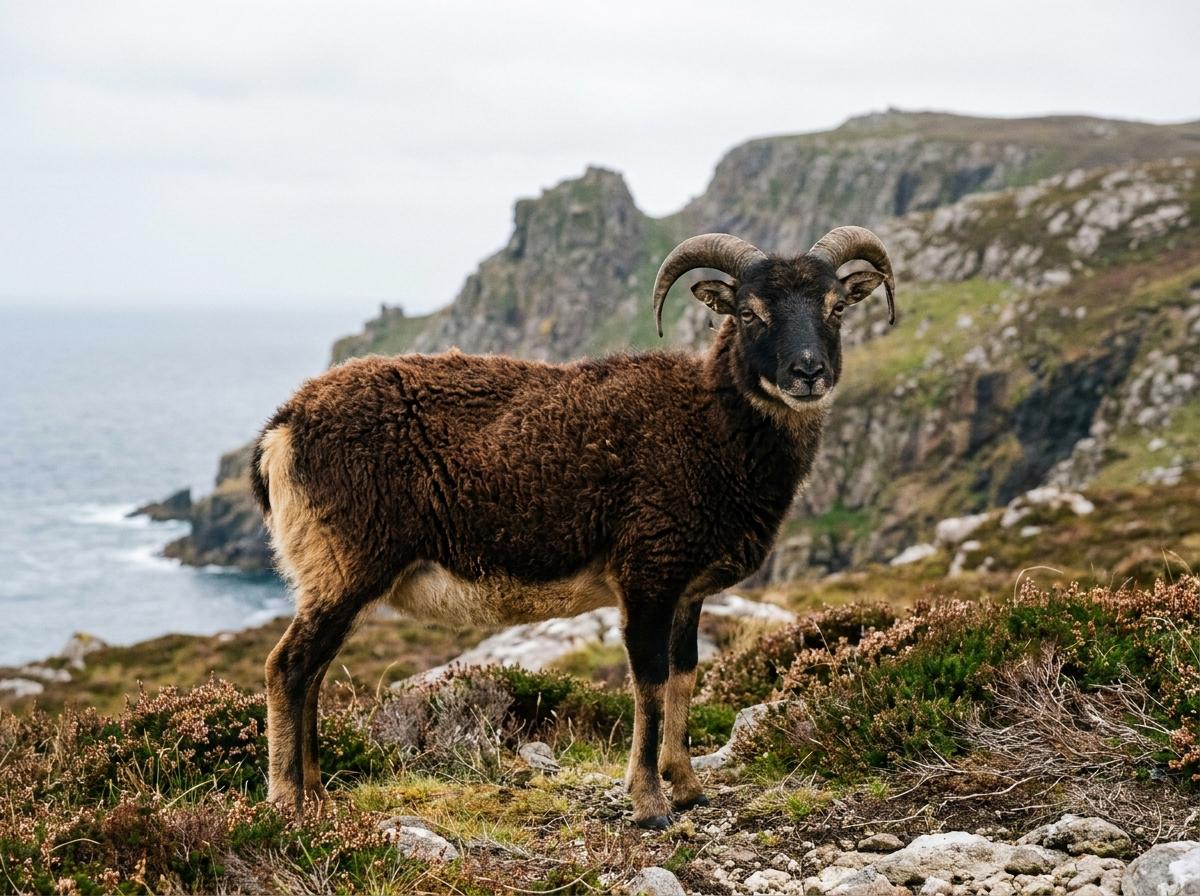
Colors: Badgerface, Black, Blackbelly, Broken, Brown, Gray, Grey, Gulmoget, Katmoget, Moorit, Piebald, Red, Roan, Silver, Solid, Spotted, Tan, White, White with Black Points, White with Brown Points