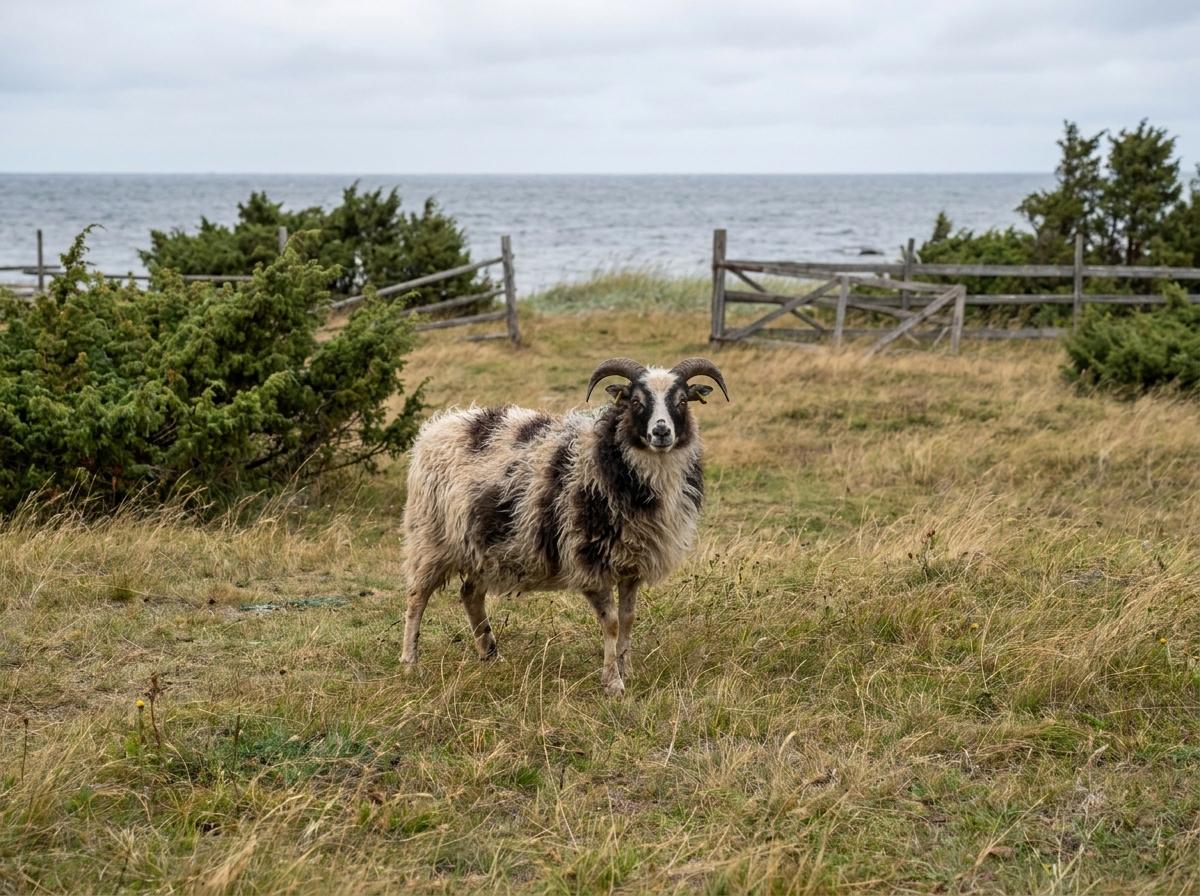
Kihnu Native
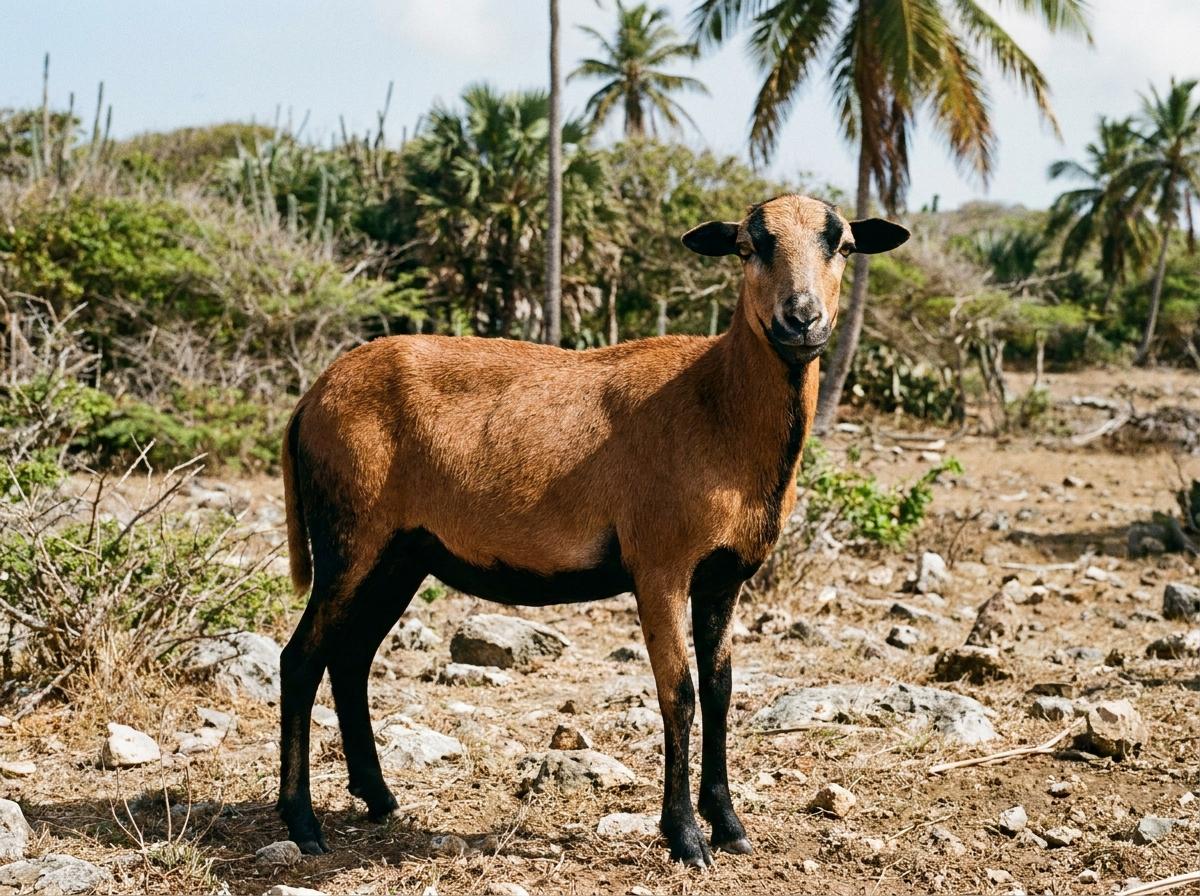
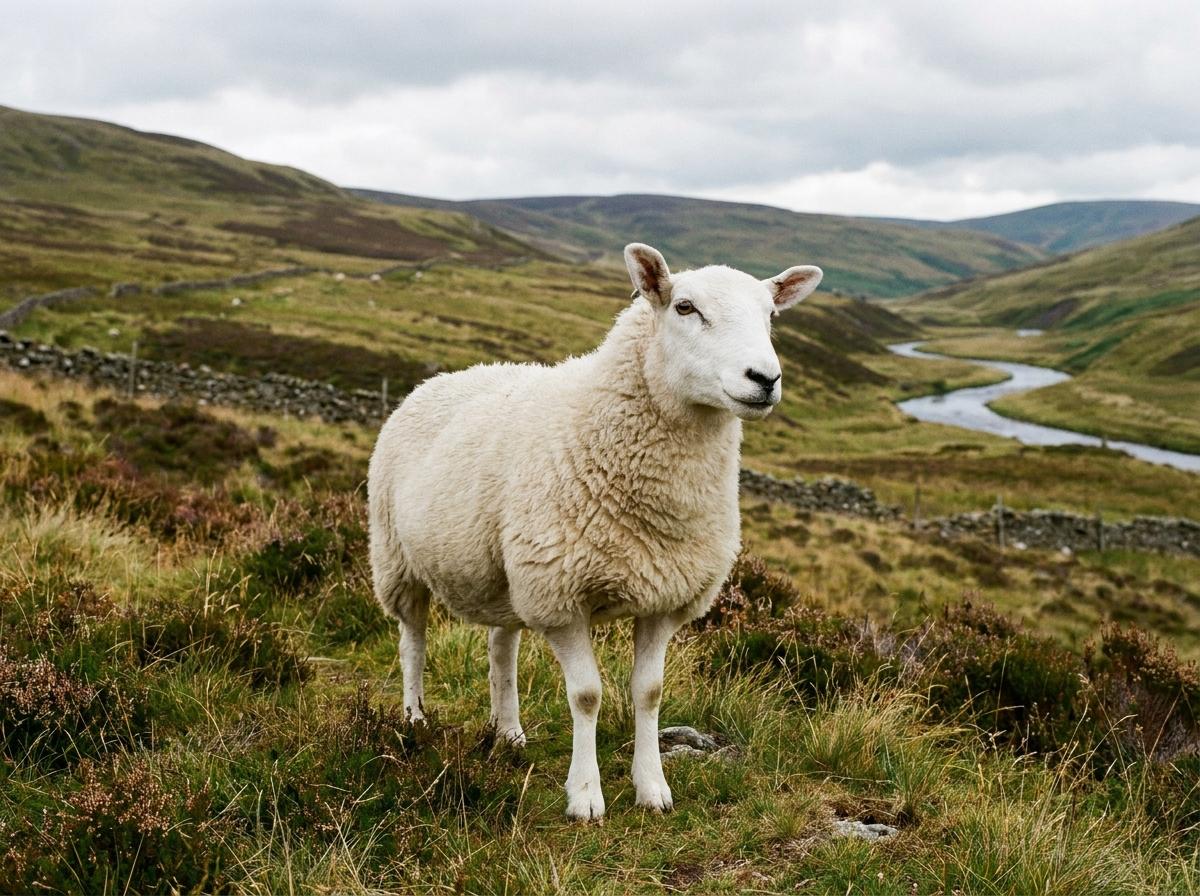
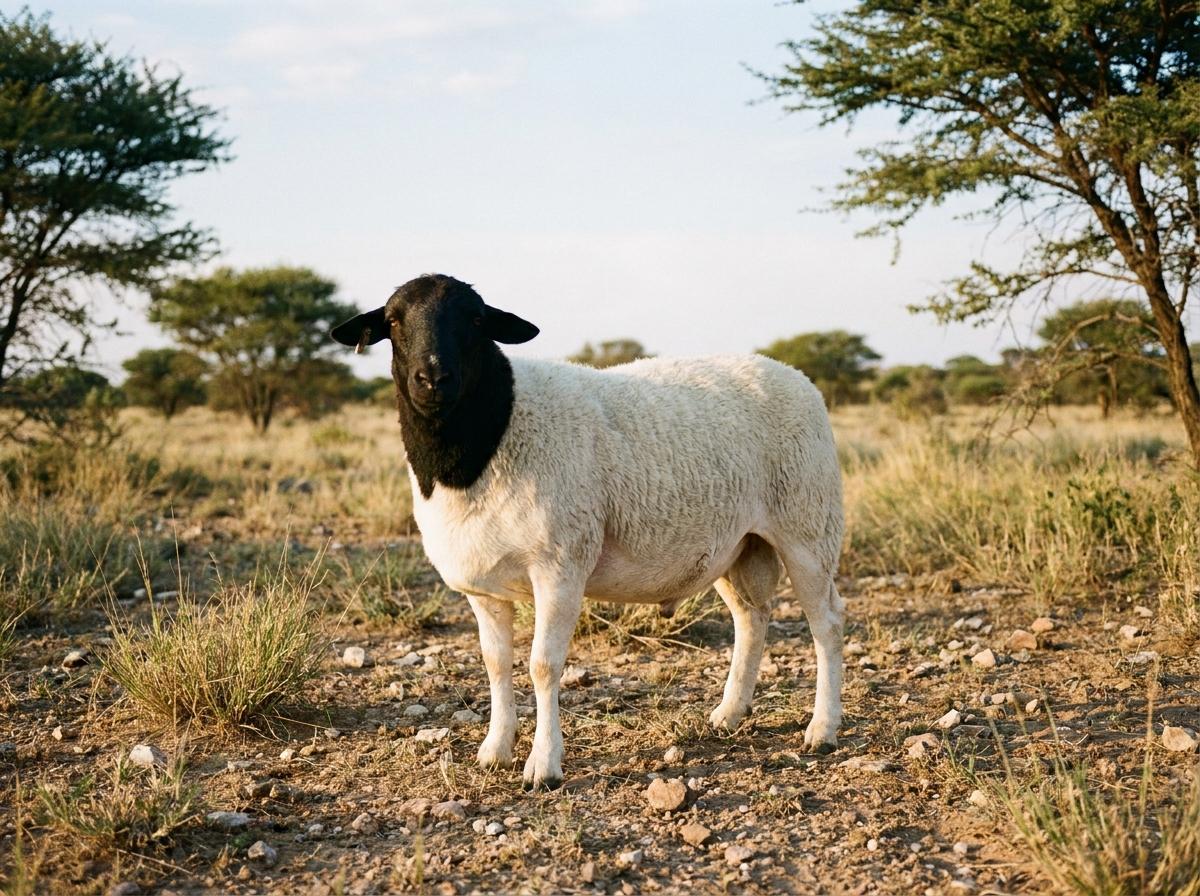
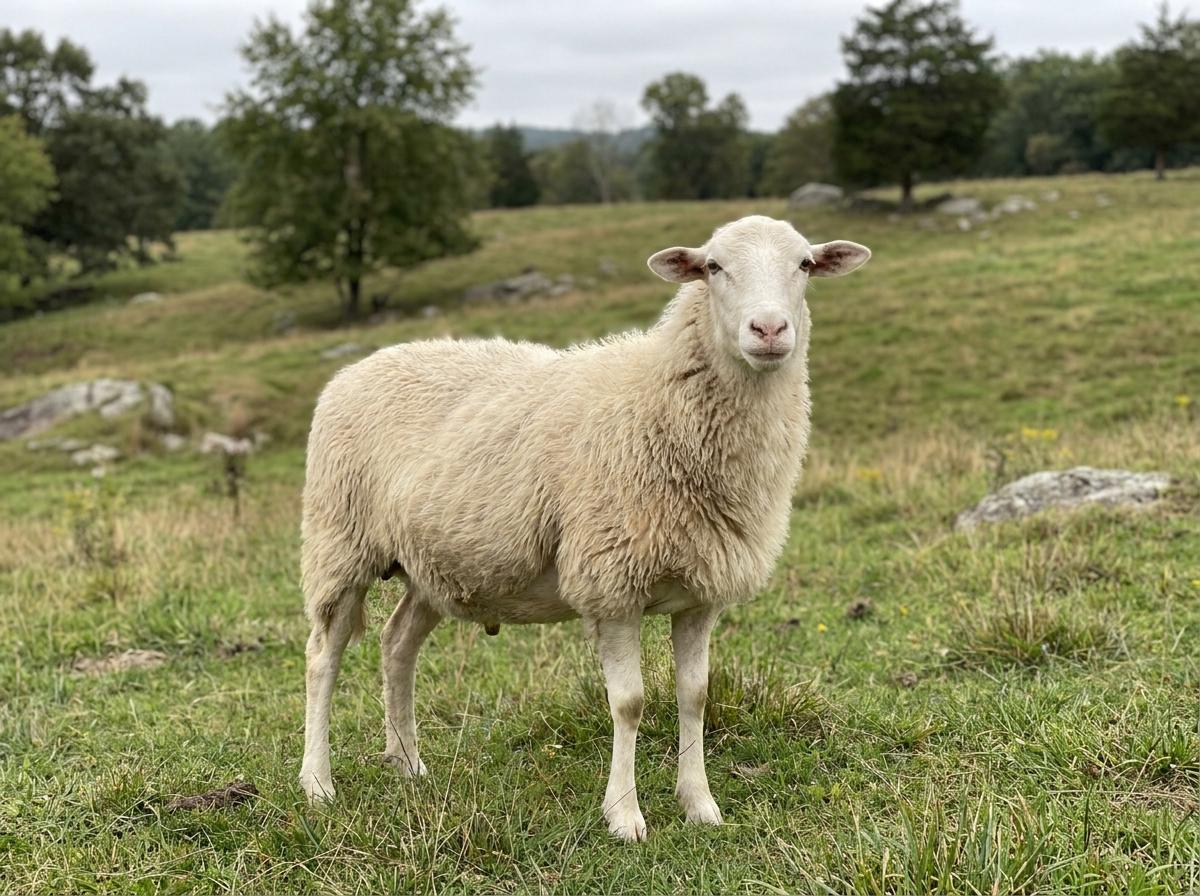
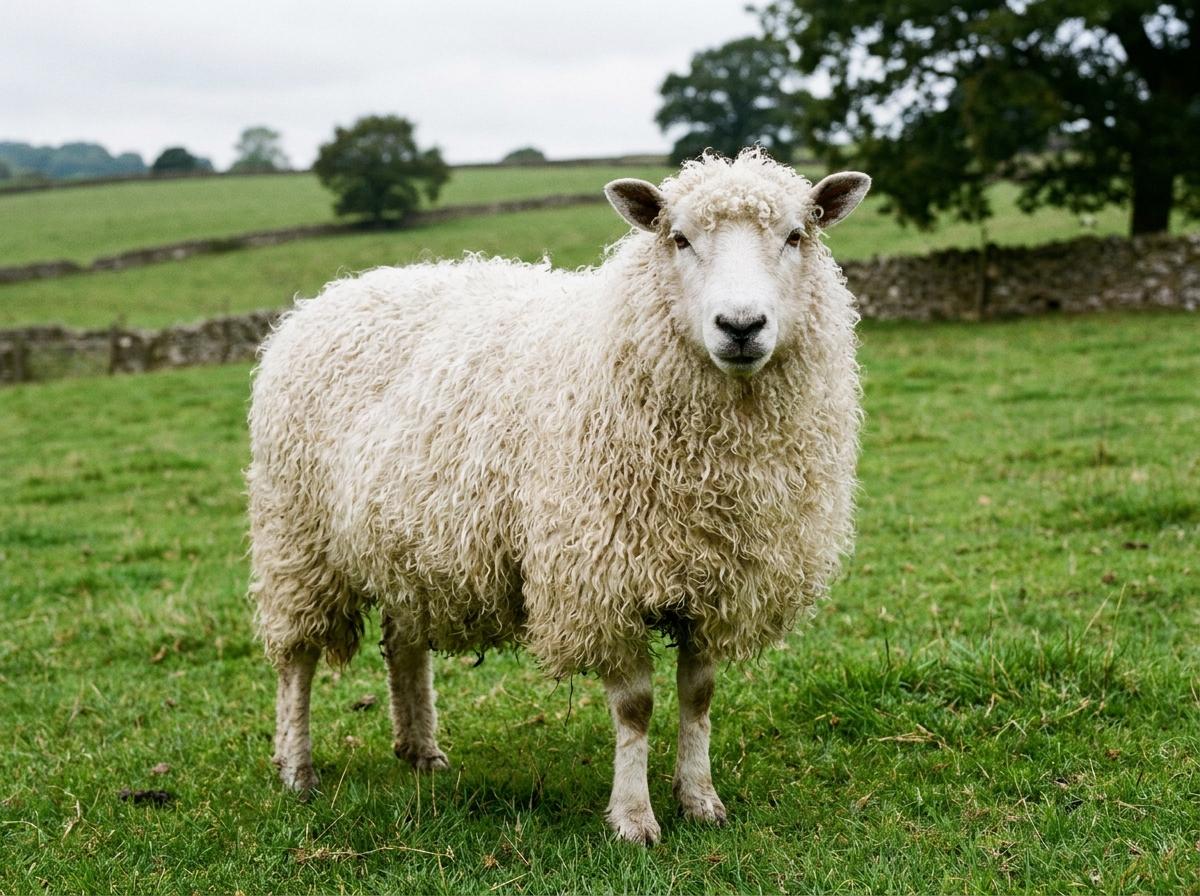
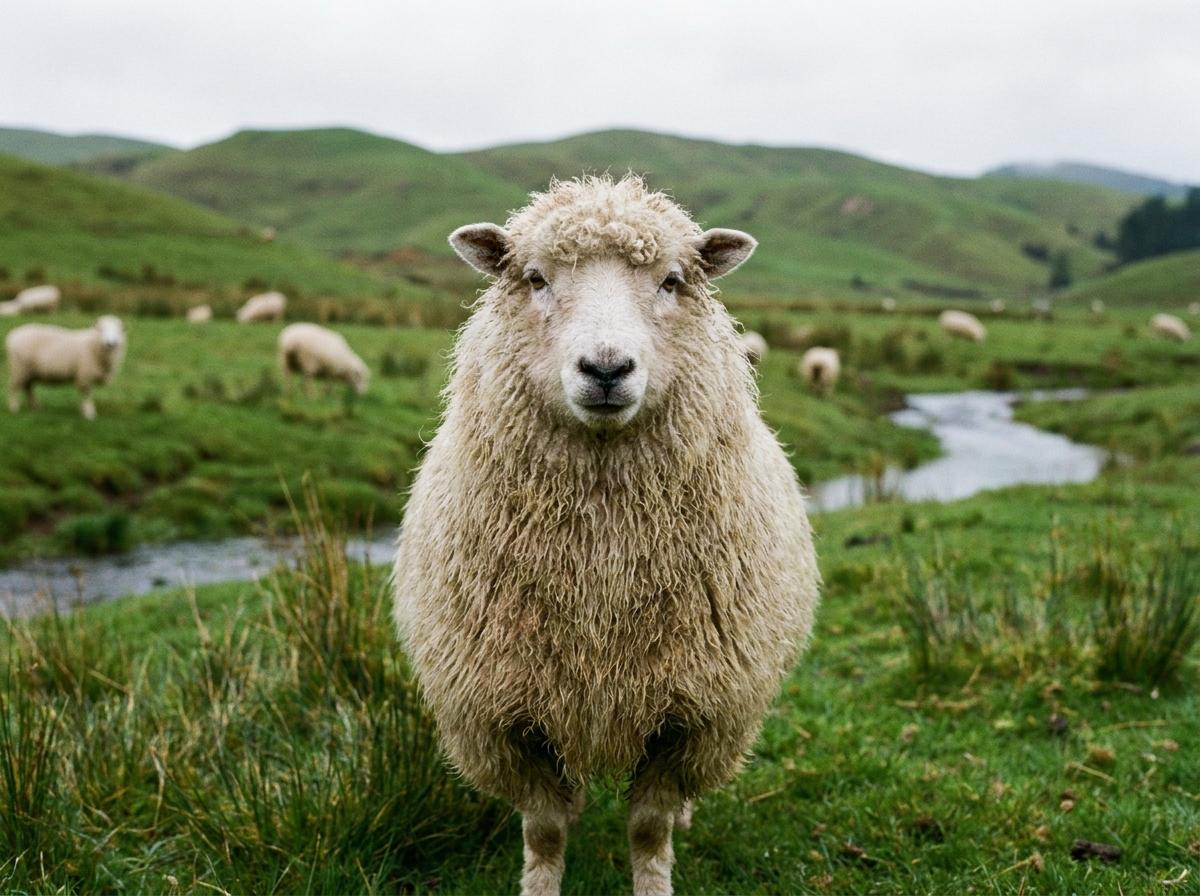
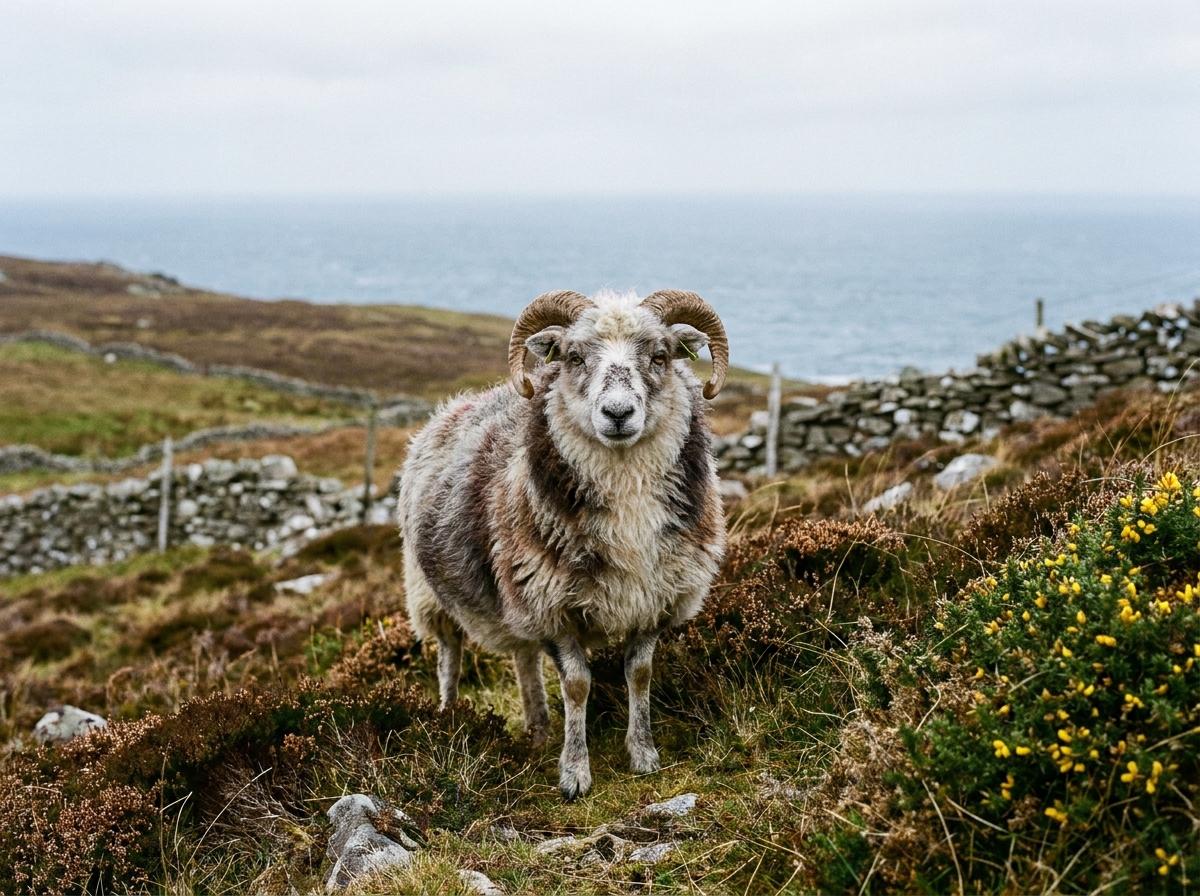
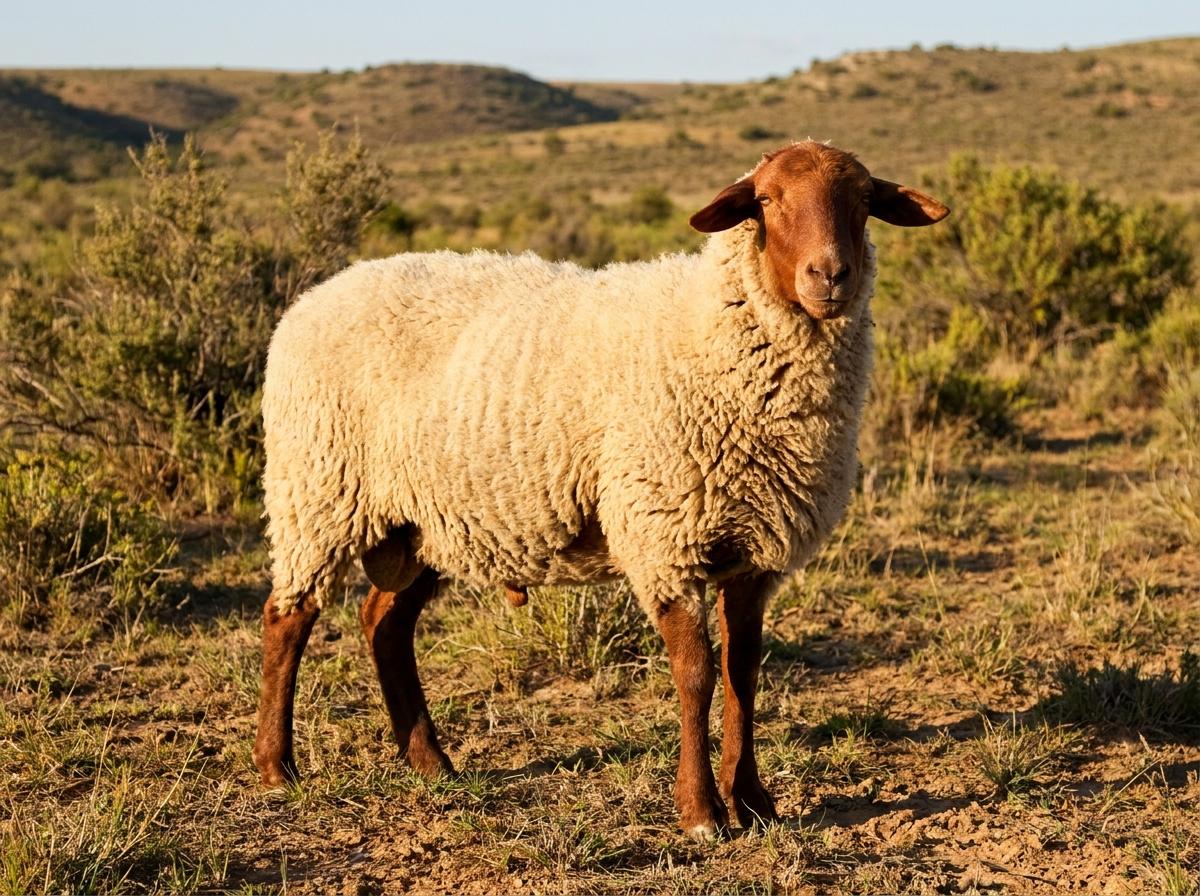
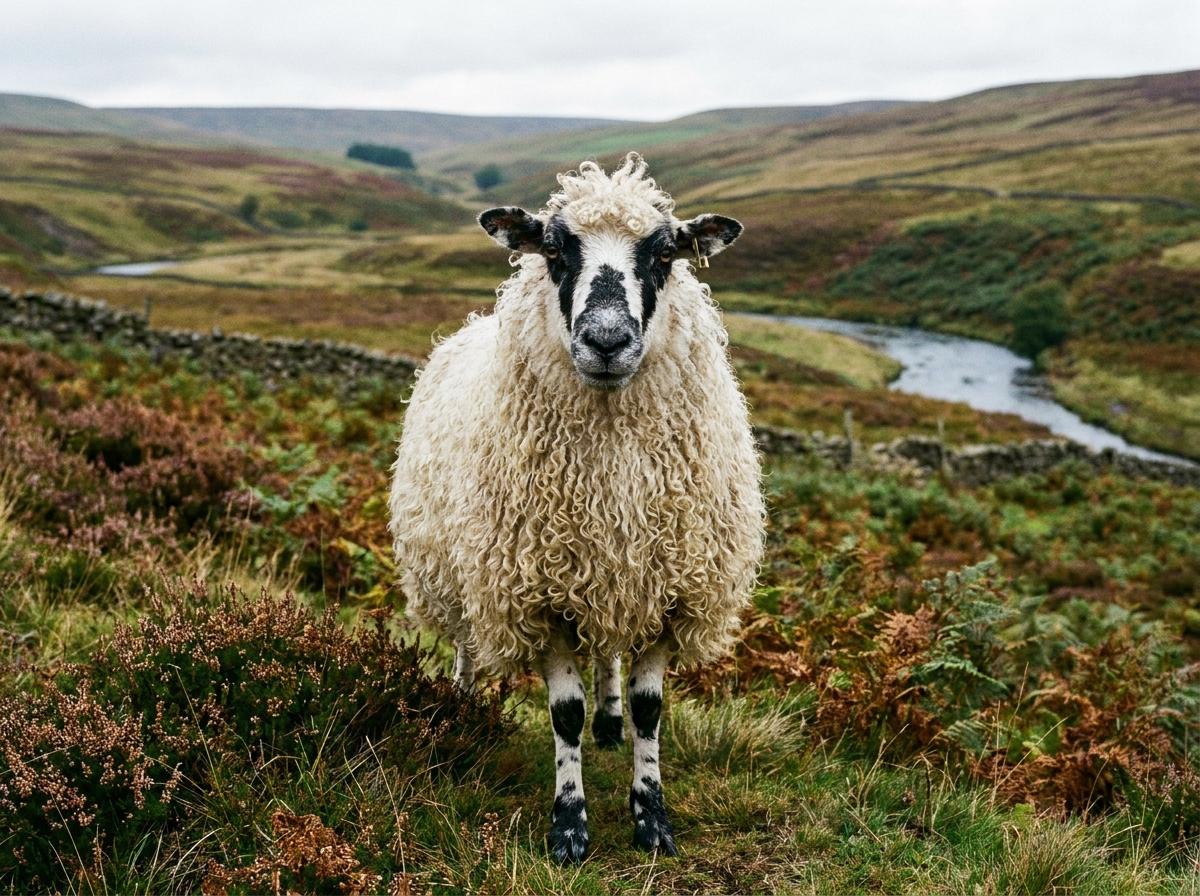
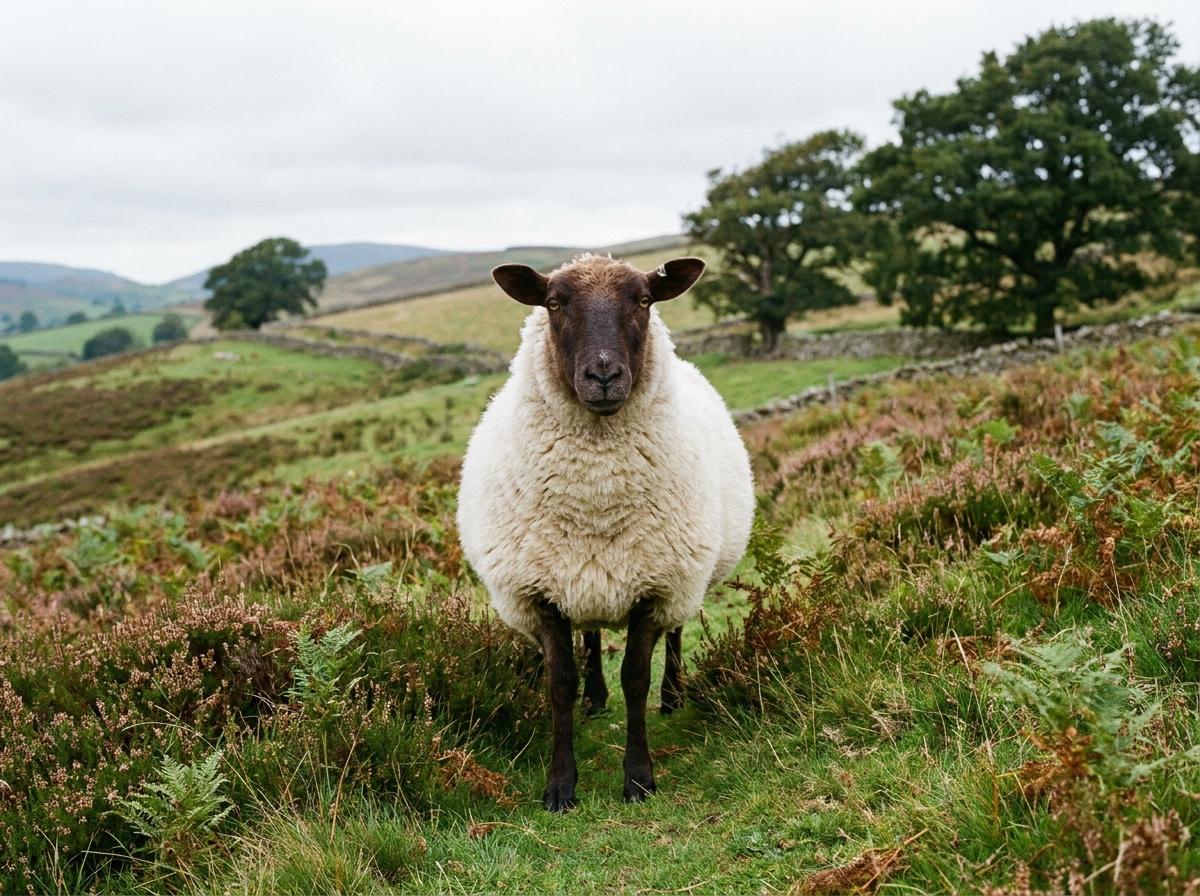
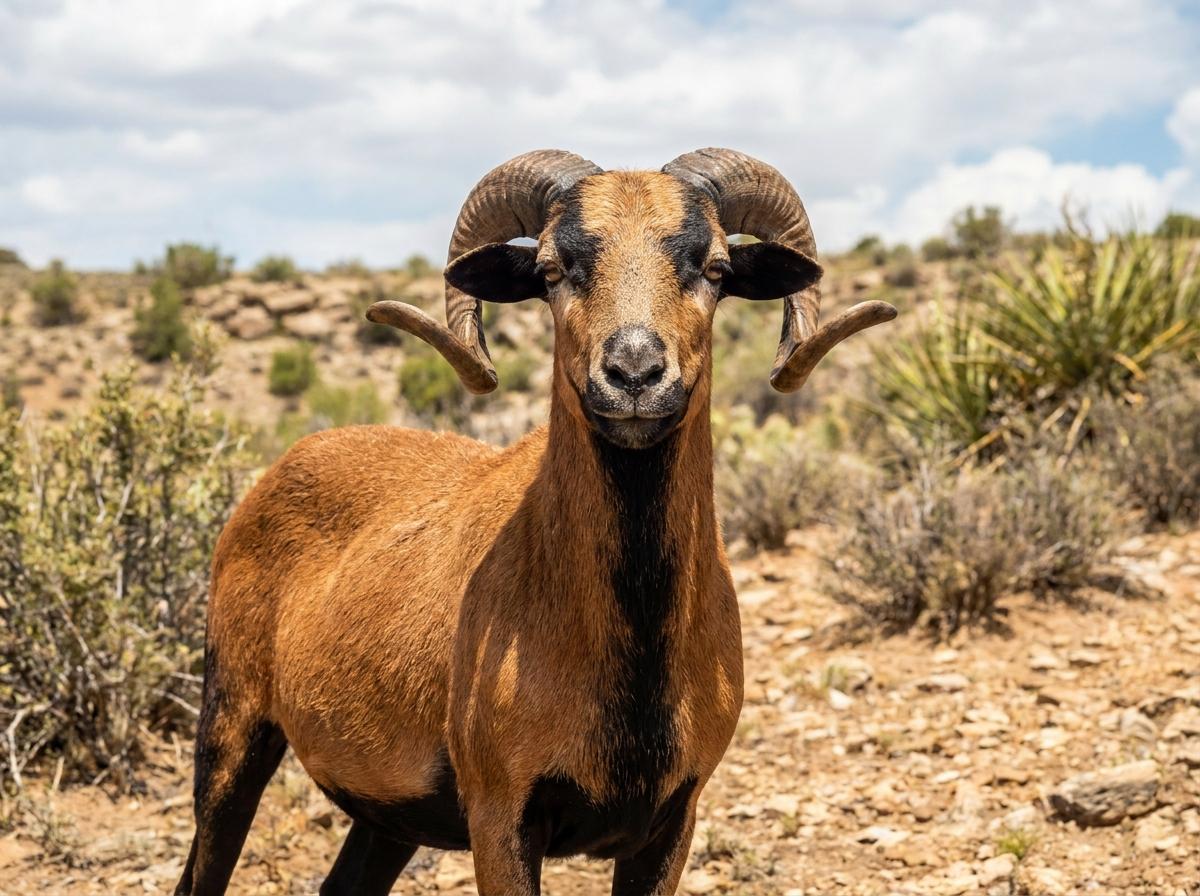
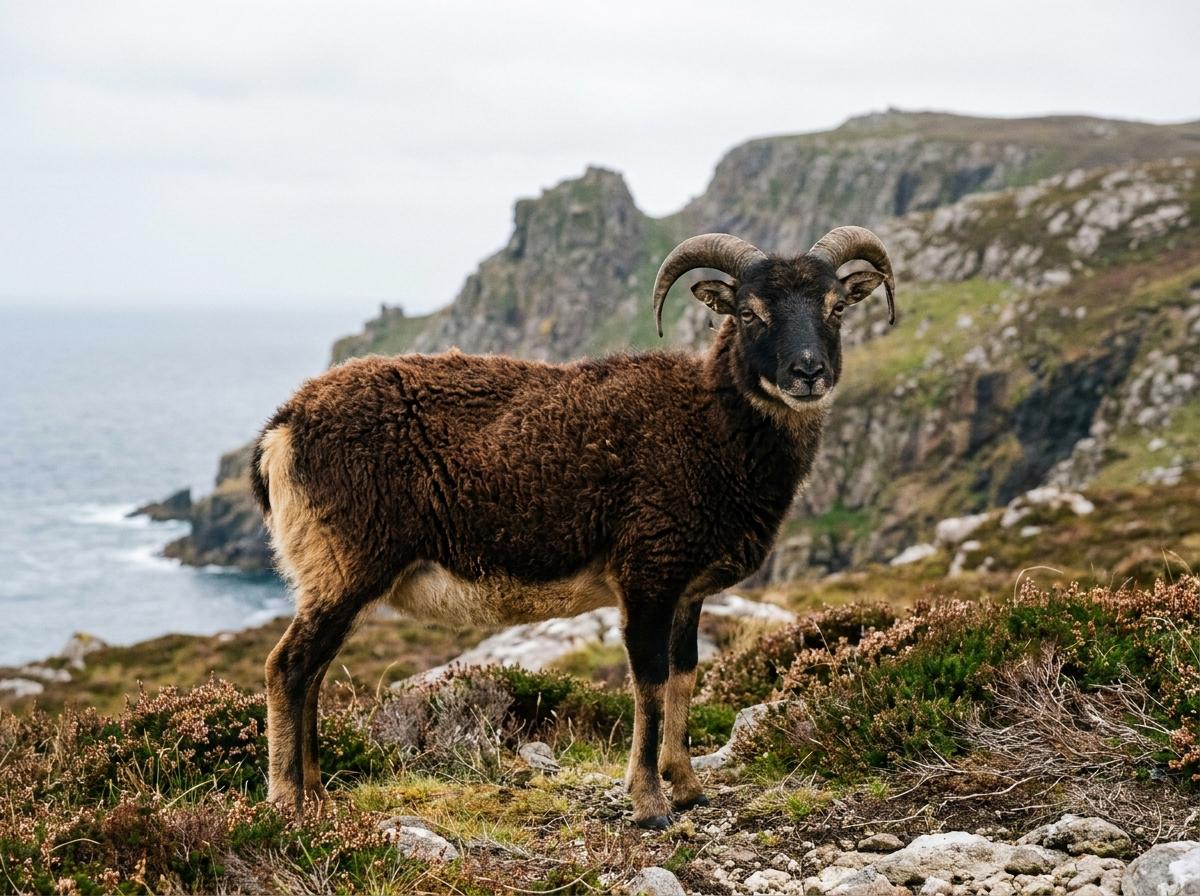
The Kihnu Native sheep, or Kihnu maalammas, is an Estonian landrace associated with Kihnu Island and the coastal west of Estonia. It belongs to the northern short-tailed sheep tradition rather than to modern standardized meat breeds. Animals are small to medium, hardy, and variable: black, white, gray, brown, and piebald sheep may occur in the same flock, and horns can appear in rams or ewes depending on the line. The fleece is often double-coated, with longer outer fibers and softer underwool useful for handspinning, felting, and traditional textiles.
Most Kihnu Native flocks are kept by small farms, conservation breeders, and cultural heritage projects rather than large commercial operations. The breed is valued for survival on rough pasture, cold wet weather tolerance, easy lambing, and genetic diversity, but it is not meant to match improved breeds for rapid lamb growth or uniform carcasses. Winter hay, minerals, predator-safe fencing, and normal parasite control are still needed. Breeders should keep clear flock records and avoid narrowing selection to color or horns alone, since the landrace's strength lies in broad adaptation and variation.
Colors: Badgerface, Black, Blackbelly, Broken, Brown, Gray, Grey, Gulmoget, Katmoget, Moorit, Piebald, Red, Roan, Silver, Solid, Spotted, Tan, White, White with Black Points, White with Brown Points