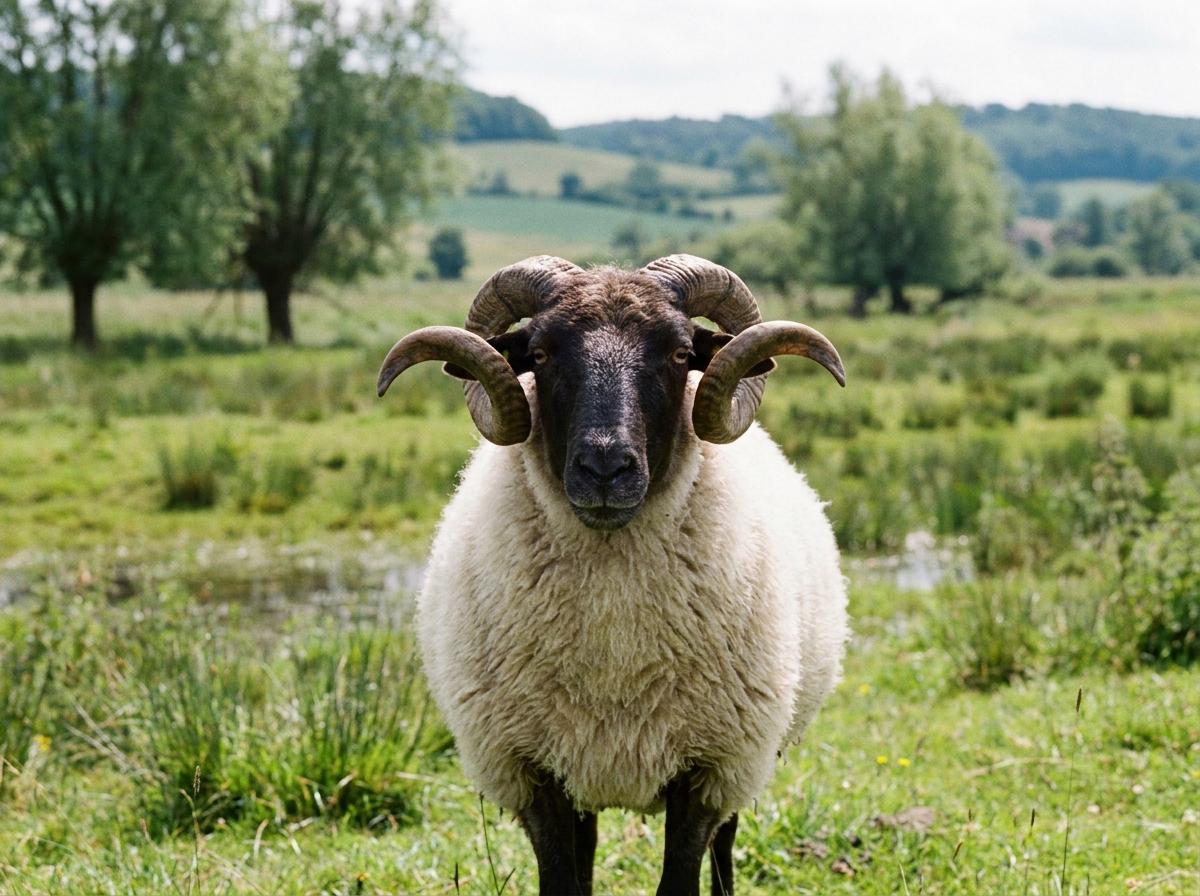
Leineschaf
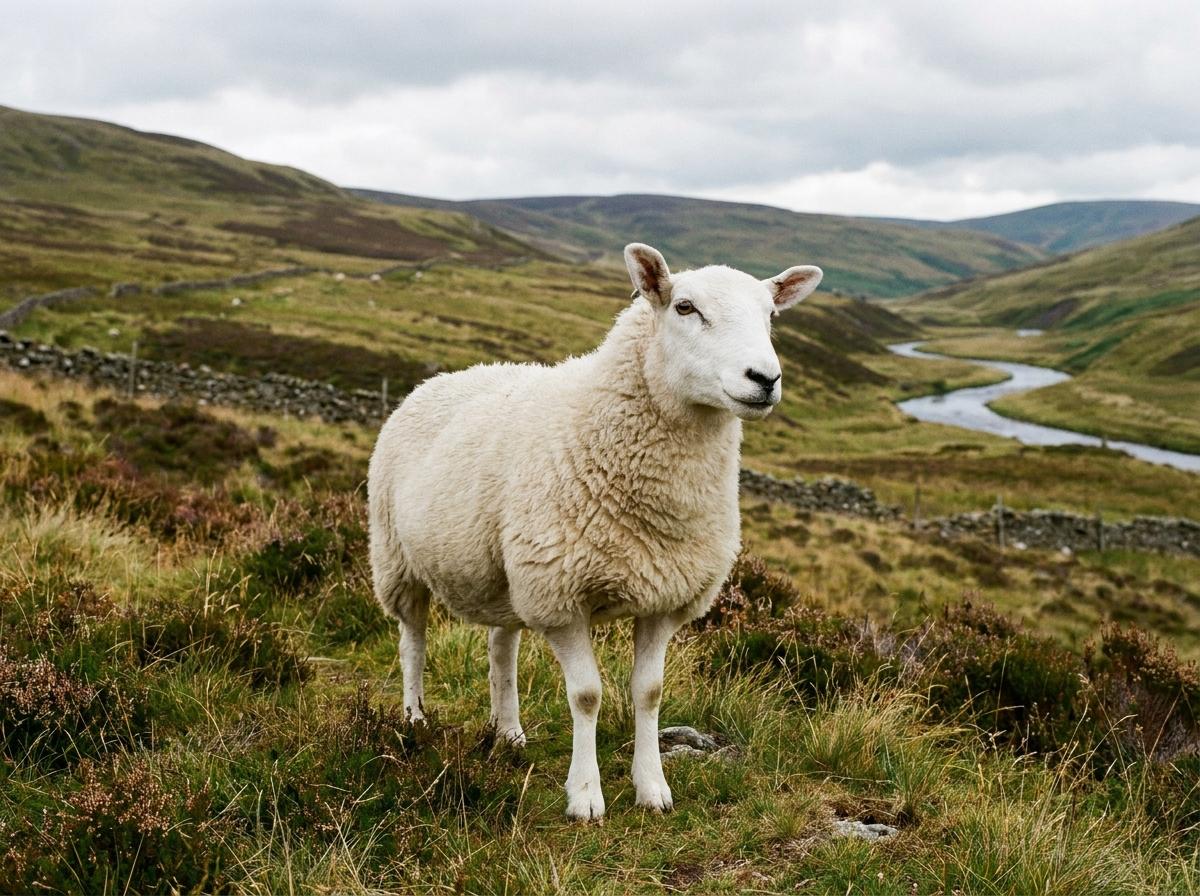
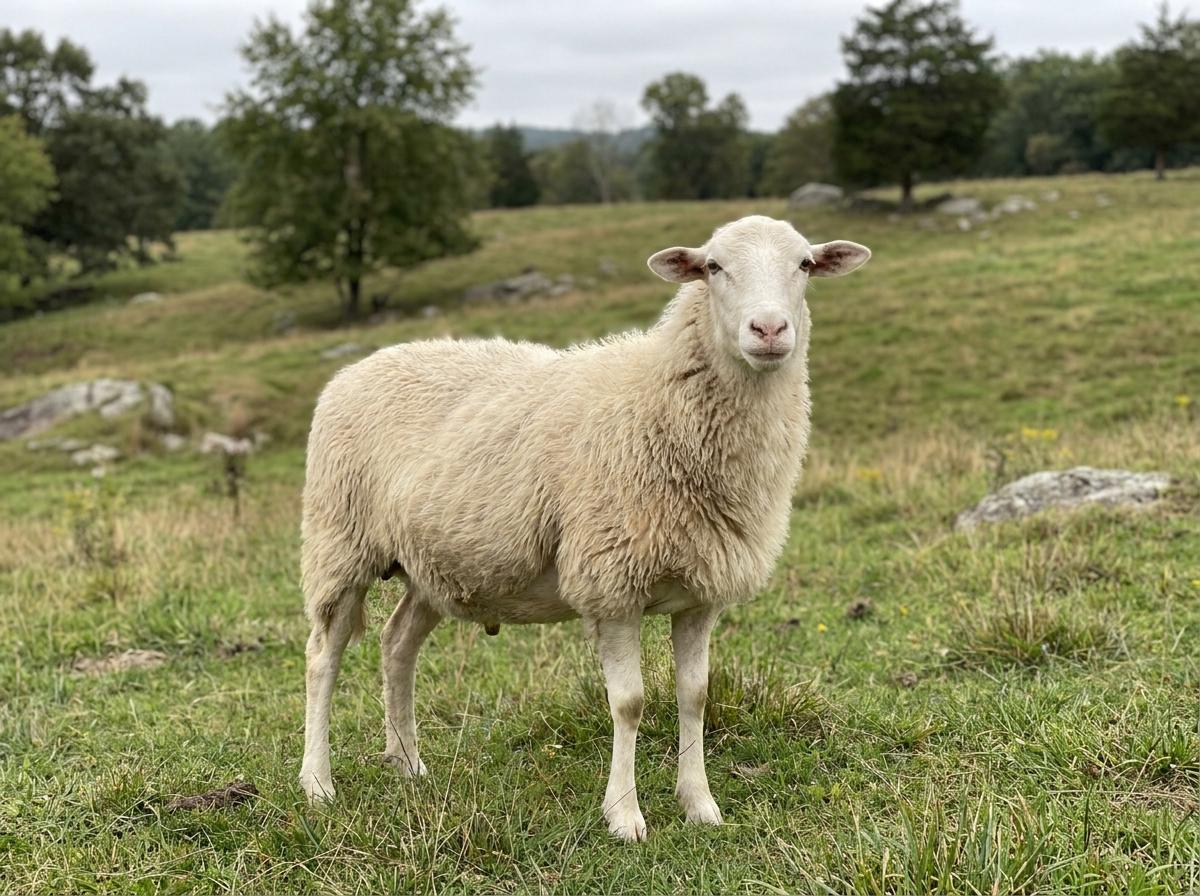
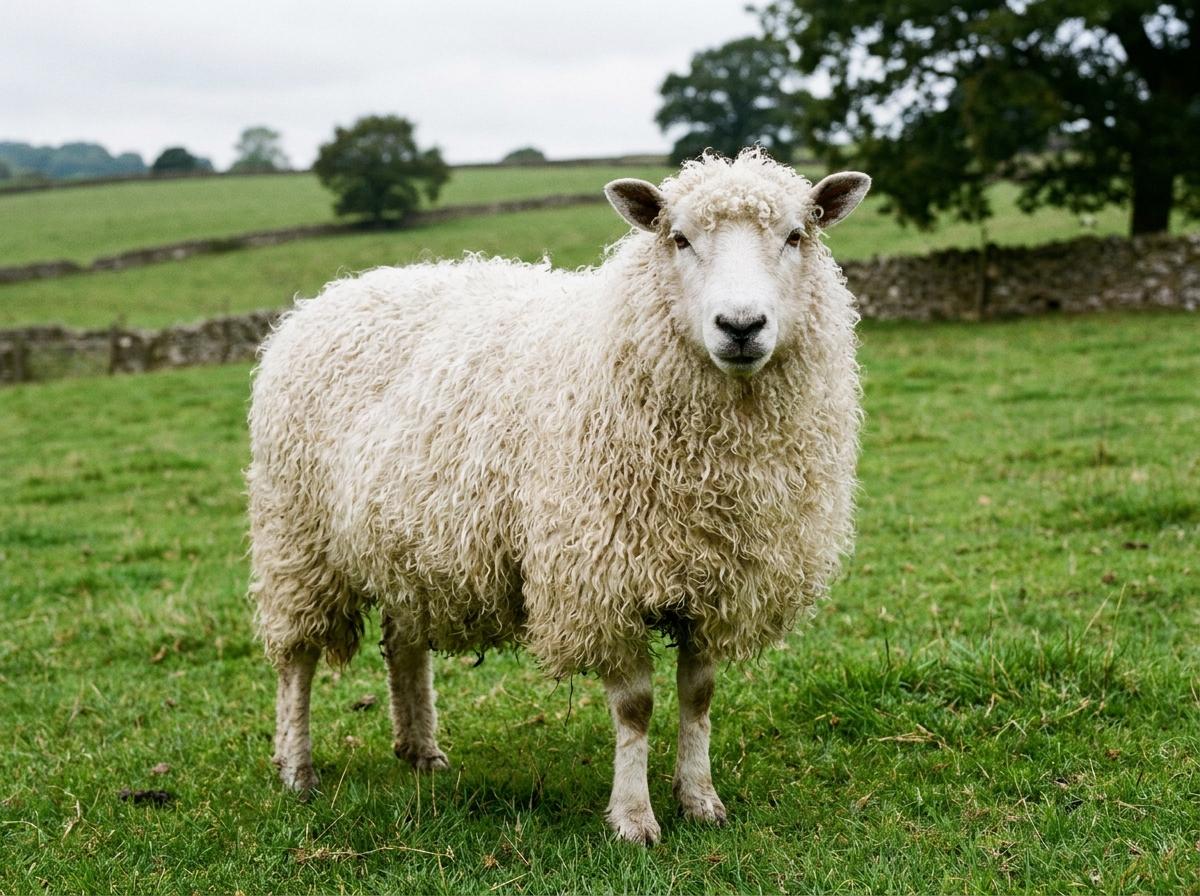
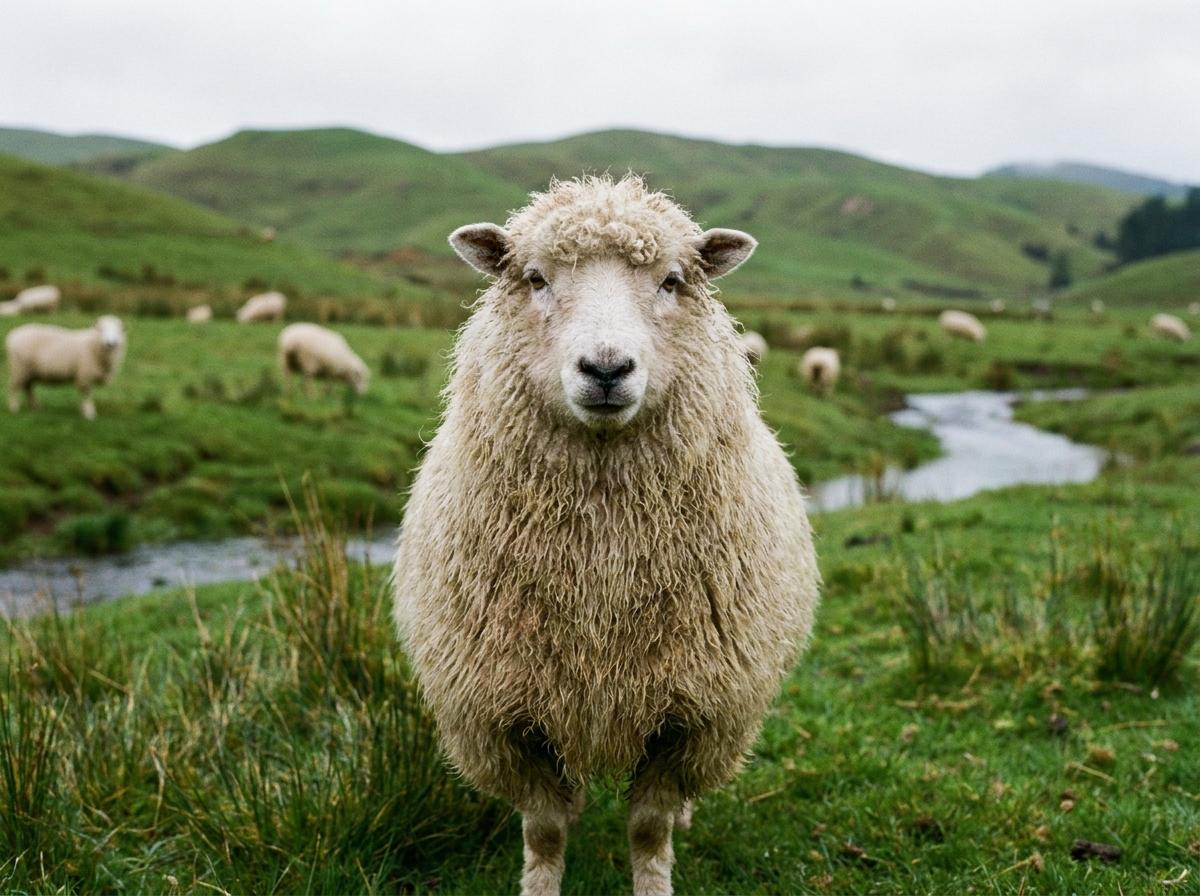
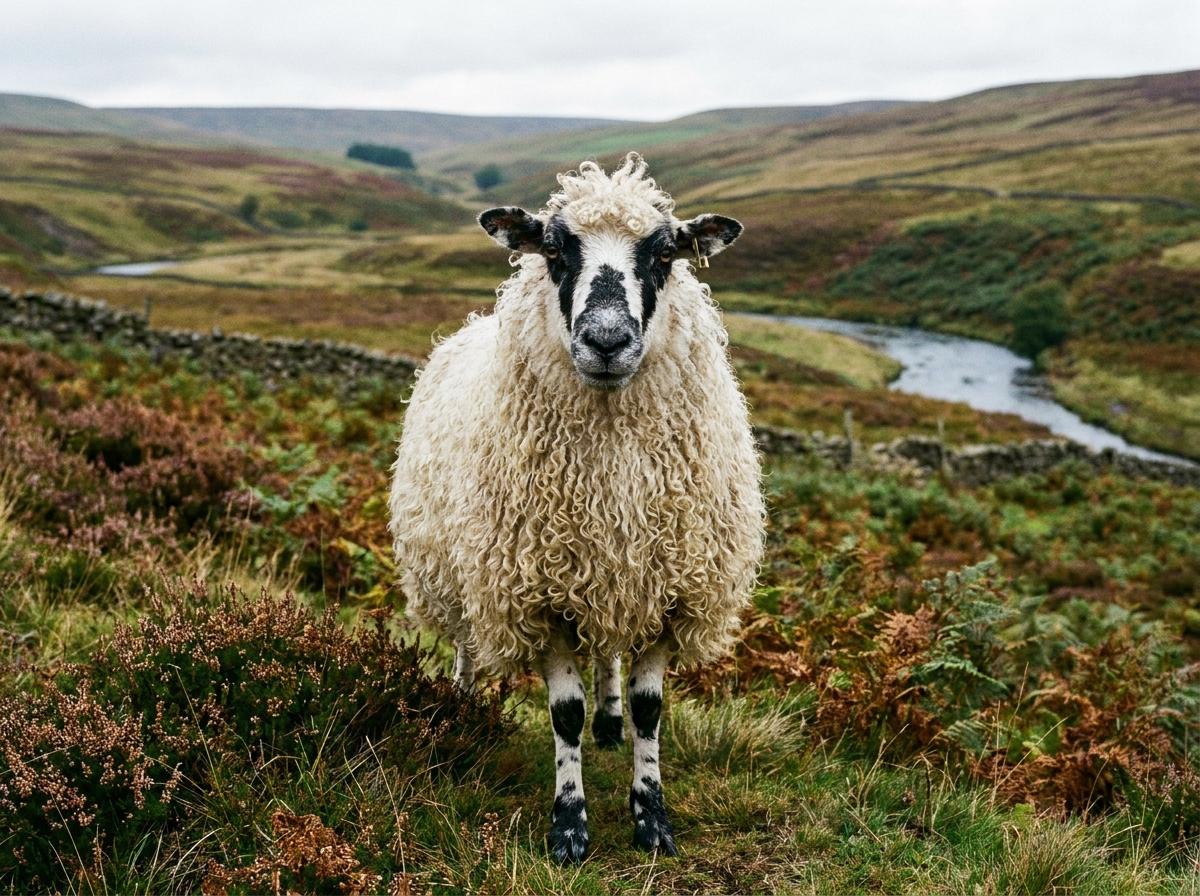
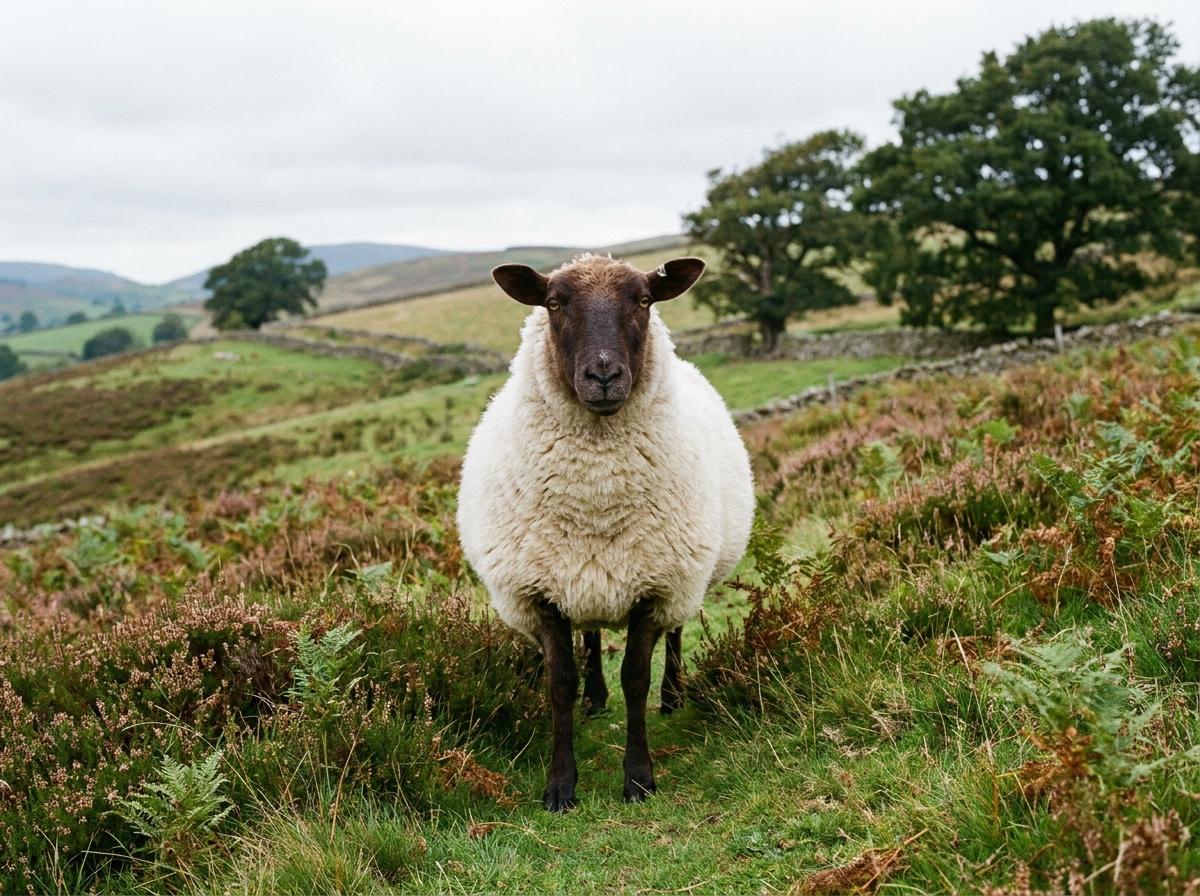
Leineschaf, or Leine sheep, is a German domestic sheep associated with the Leine river region of Lower Saxony and nearby central Germany. It was shaped from local country sheep and later improvement work for a dual-purpose animal that could produce lambs and a useful white fleece on small farms. The breed is usually polled, medium to large in frame, with a clean white face and legs, a long body, and plain, practical conformation rather than showy extremes. In breed references the name may cover older conservation lines as well as more modern selections, so flock type can matter.
Leine sheep are kept for grass-based meat production, landscape grazing, and preservation of regional livestock genetics. They suit temperate pasture systems where ewes can lamb efficiently and rear twins without intensive housing, though they still need routine foot care, parasite monitoring, and shelter from prolonged wet weather. Conservation flocks pay close attention to unrelated breeding stock because numbers are limited outside their home region. Buyers looking for authentic Leineschaf should ask which flockbook or conservation program the animals come from and whether the line is selected mainly for heritage type, commercial lamb production, or both.
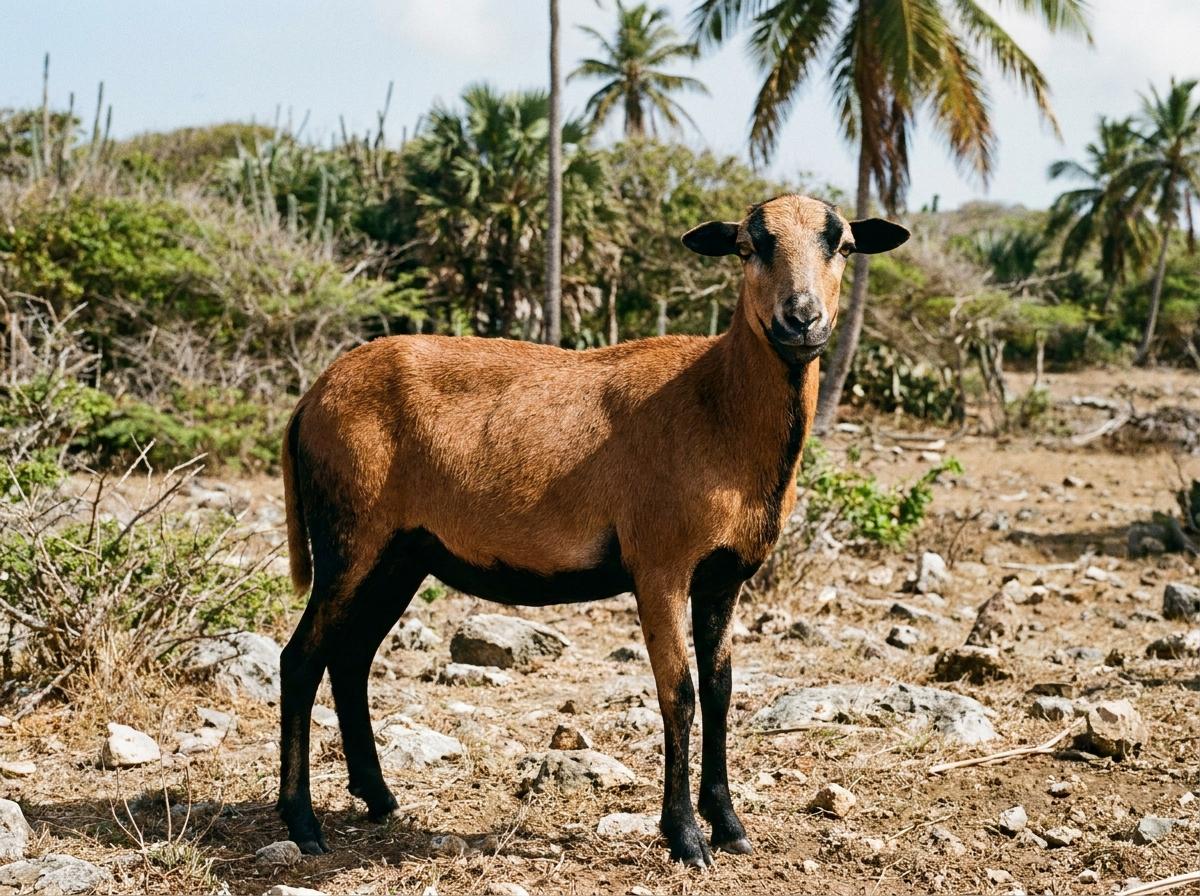
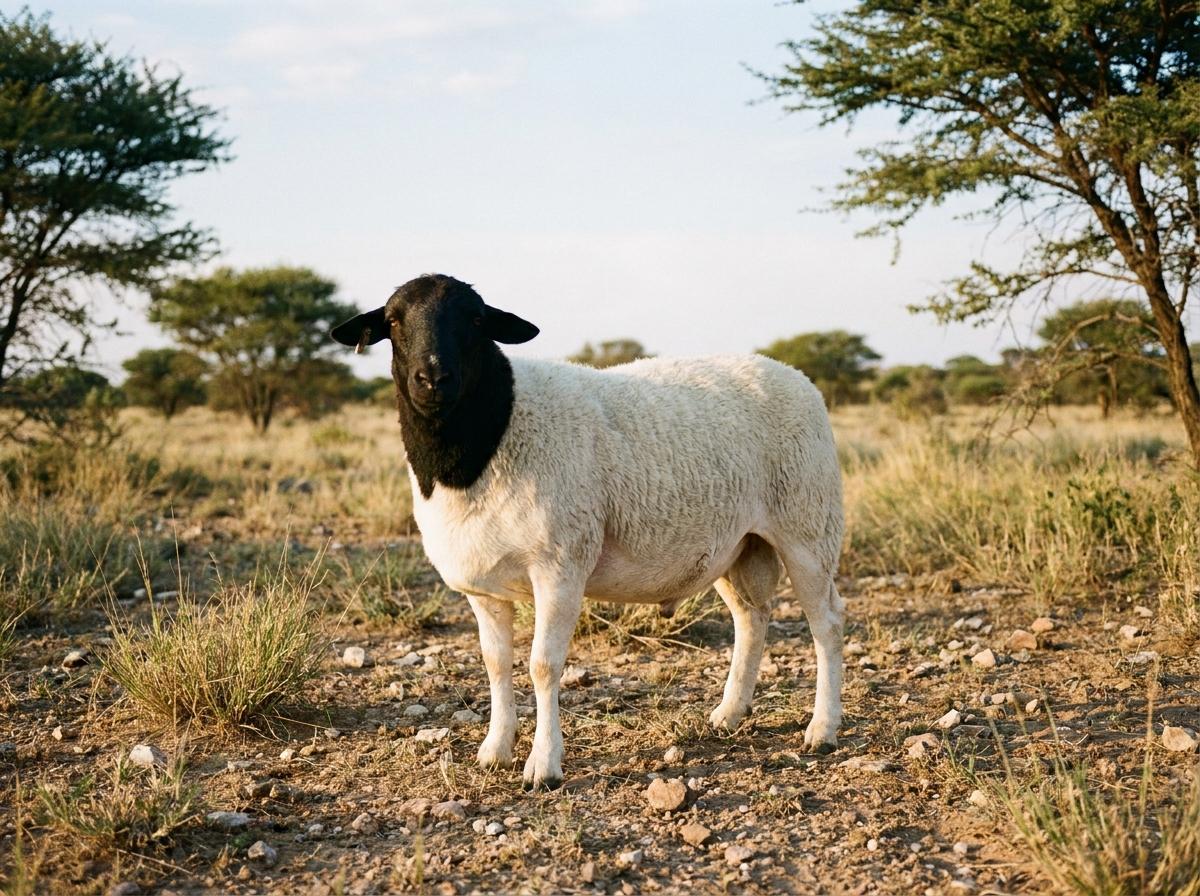
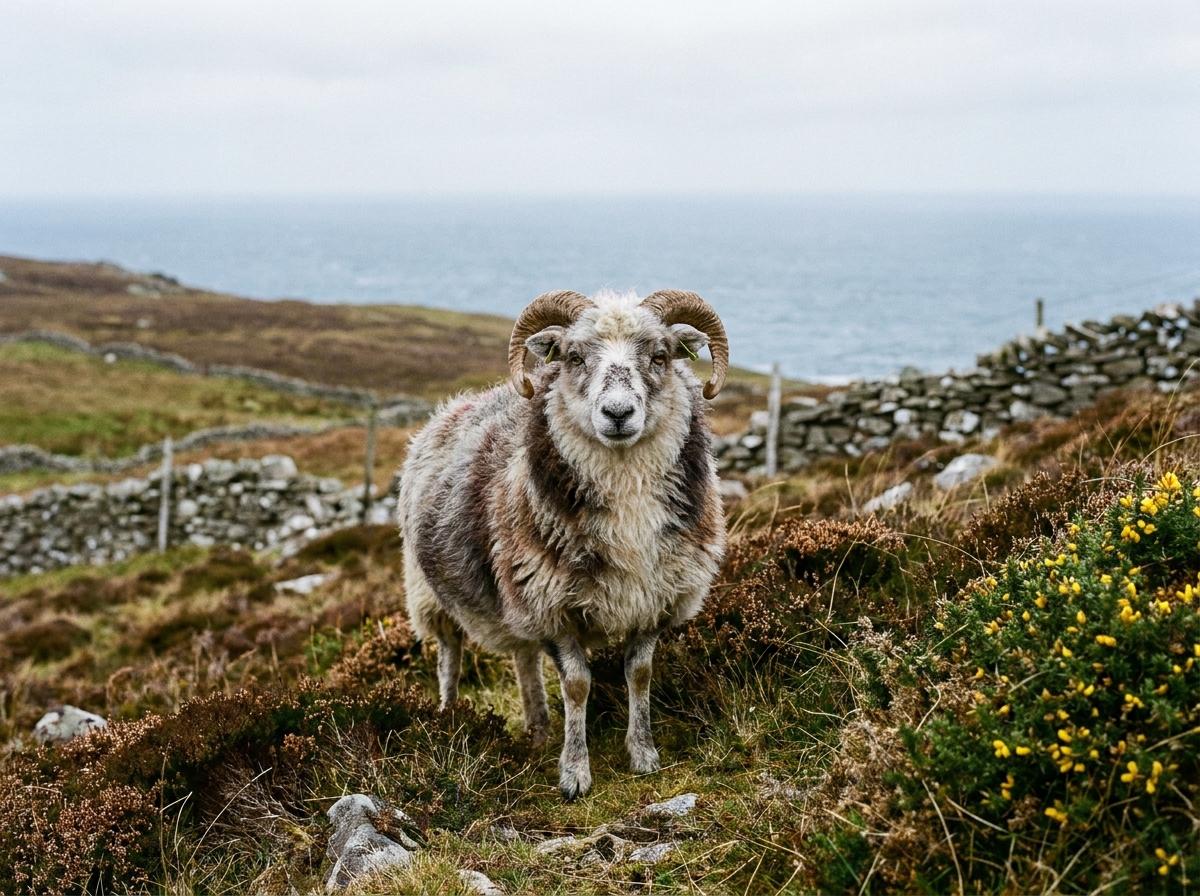
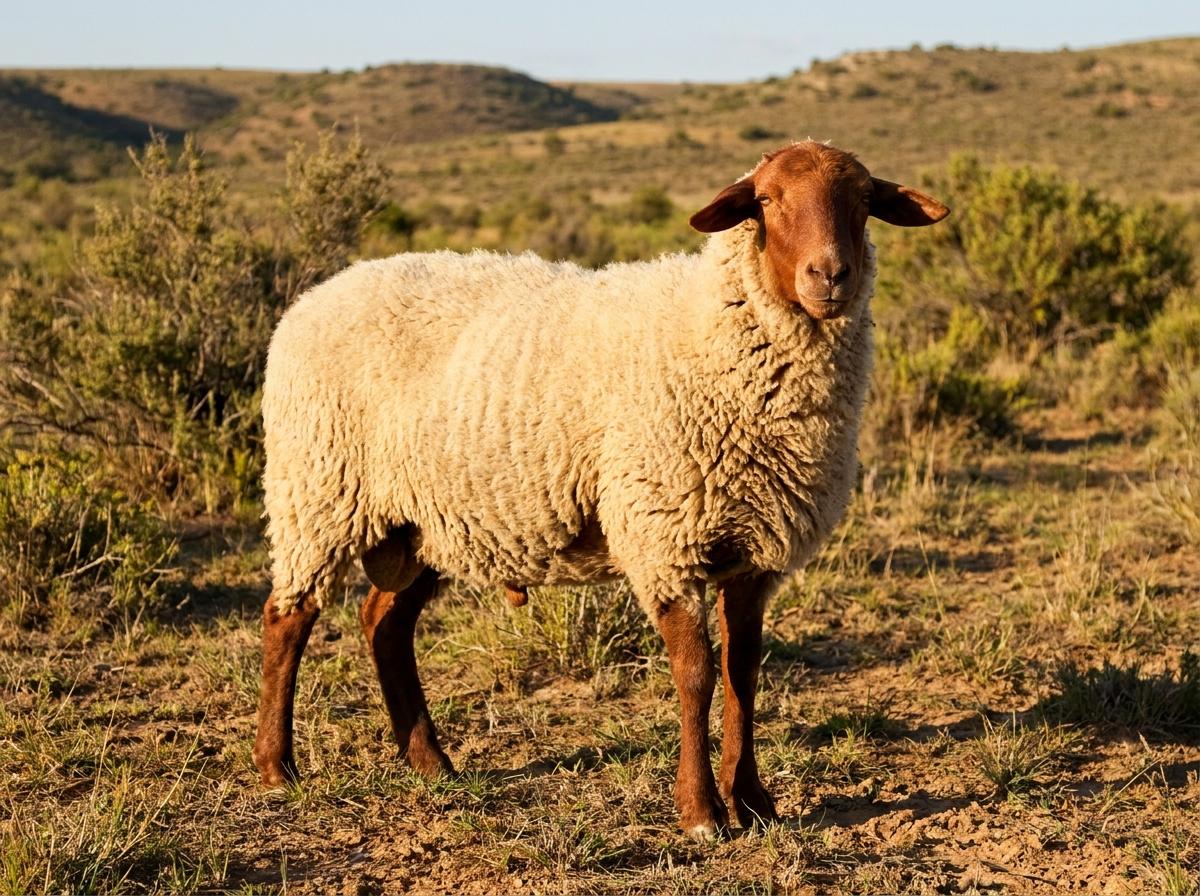
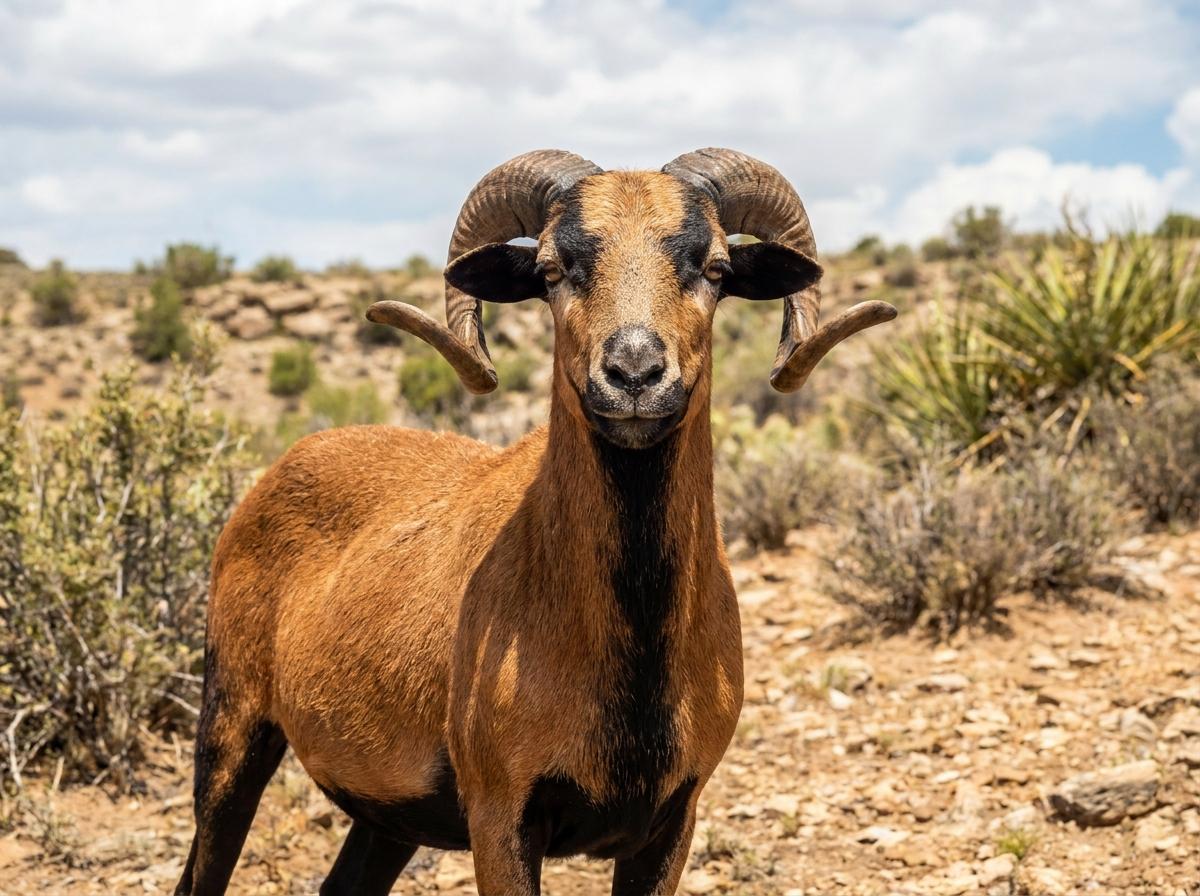
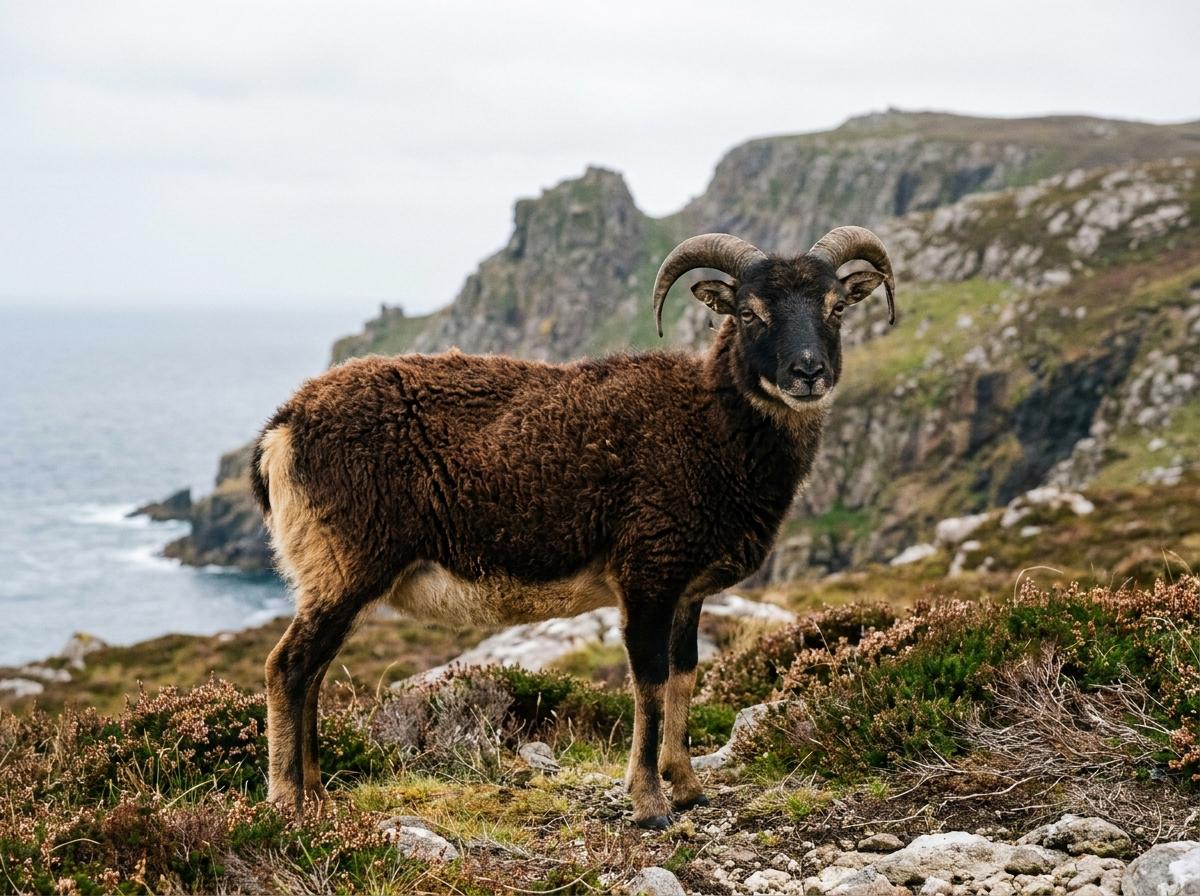
Colors: Badgerface, Black, Blackbelly, Broken, Brown, Gray, Grey, Gulmoget, Katmoget, Moorit, Piebald, Red, Roan, Silver, Solid, Spotted, Tan, White, White with Black Points, White with Brown Points