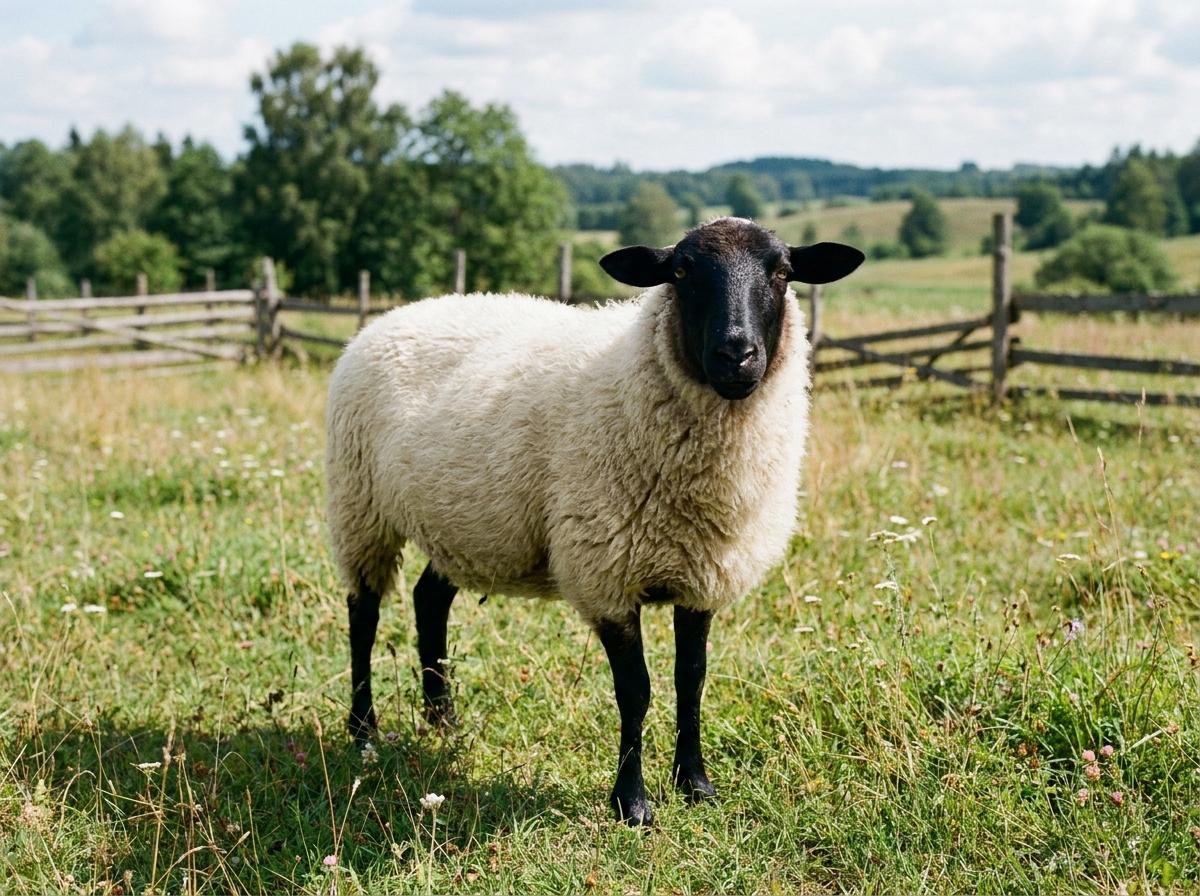
Lithuanian Black-Headed
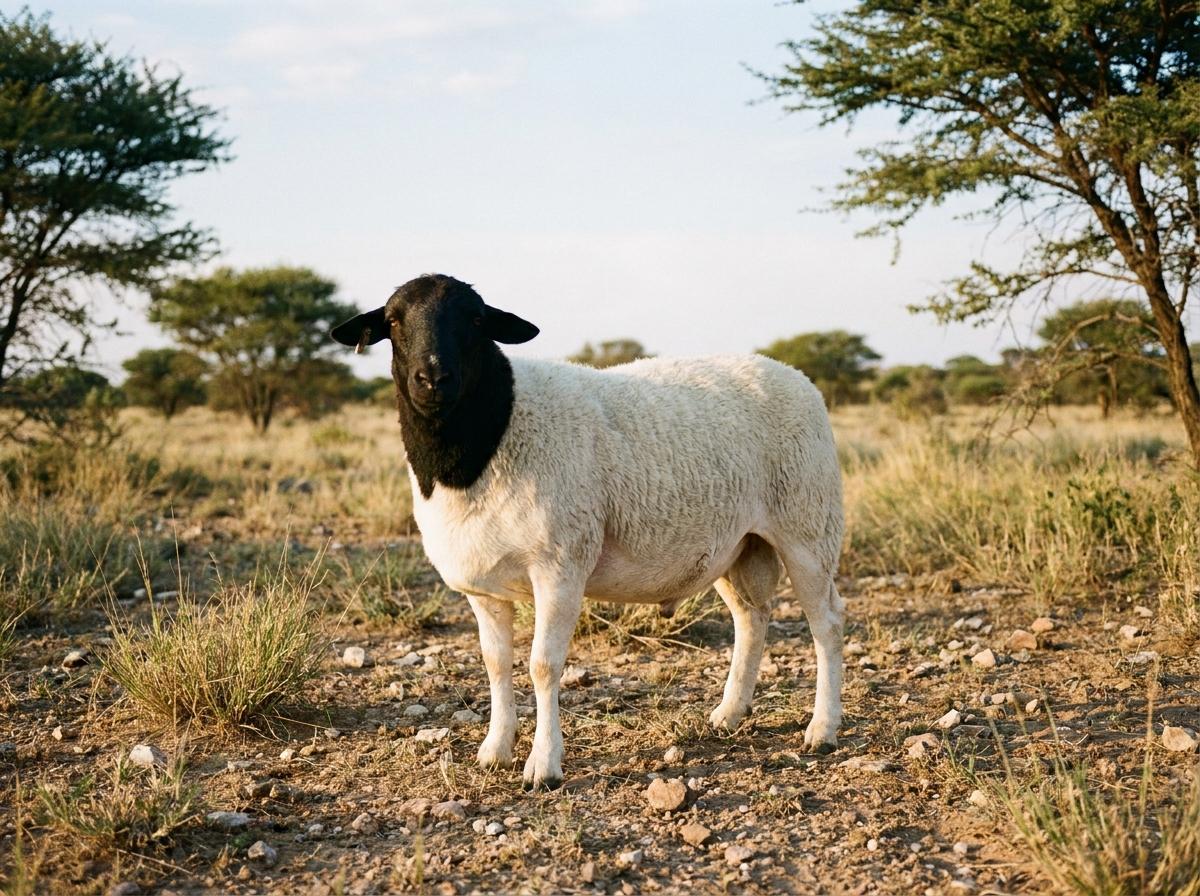
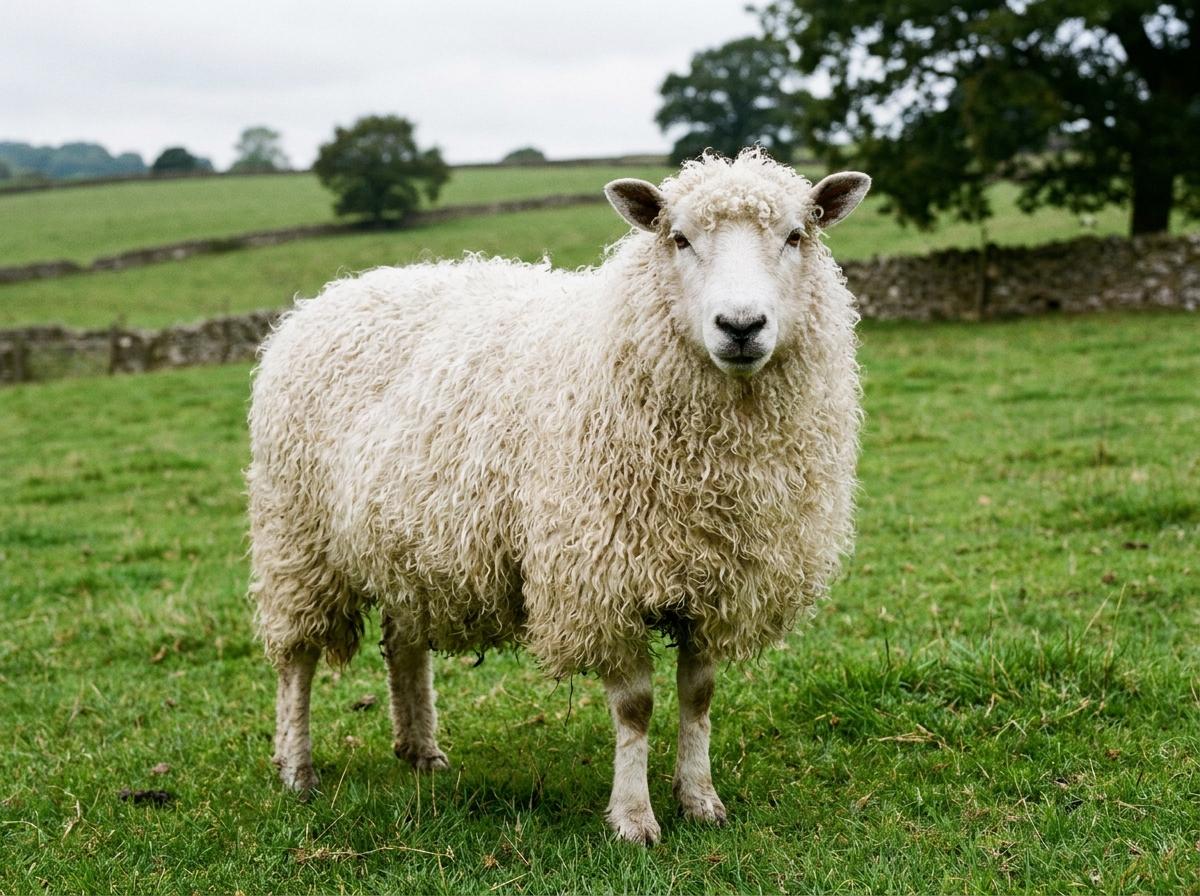
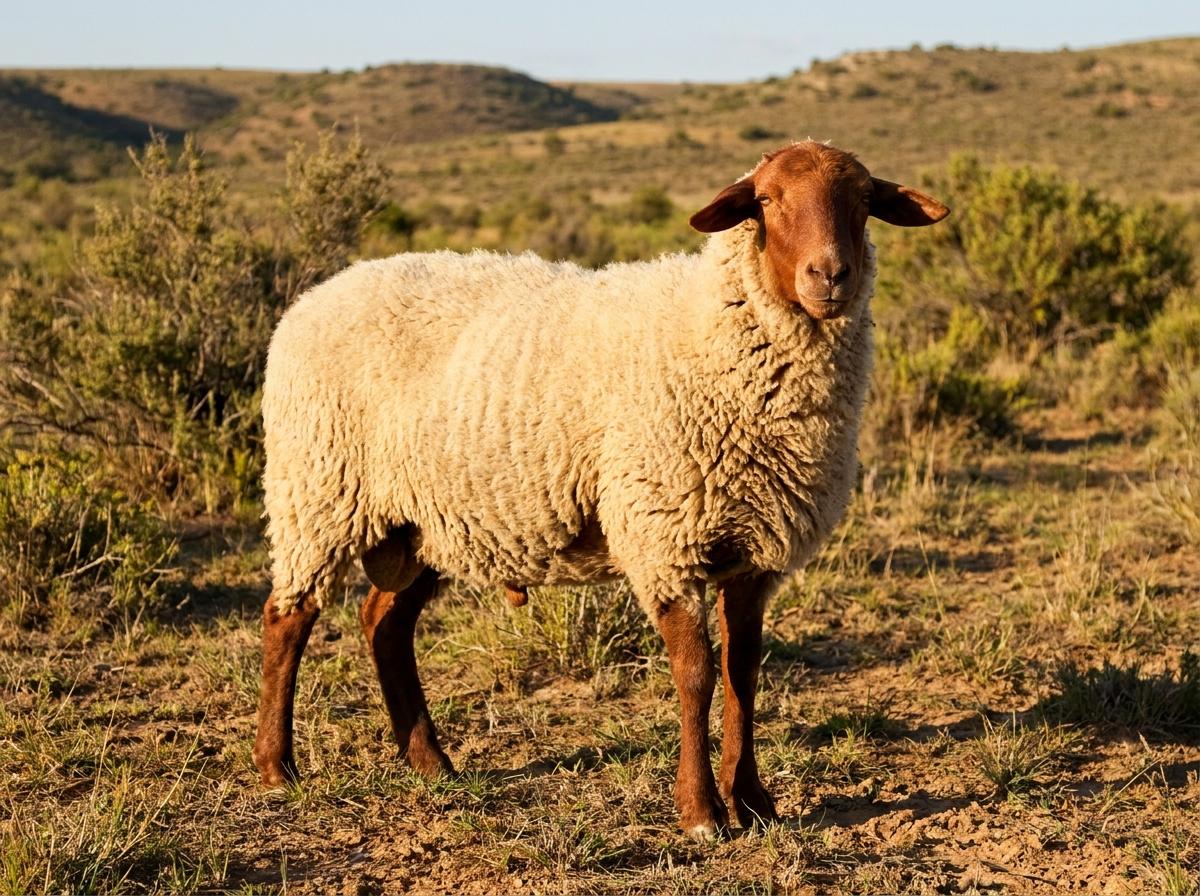
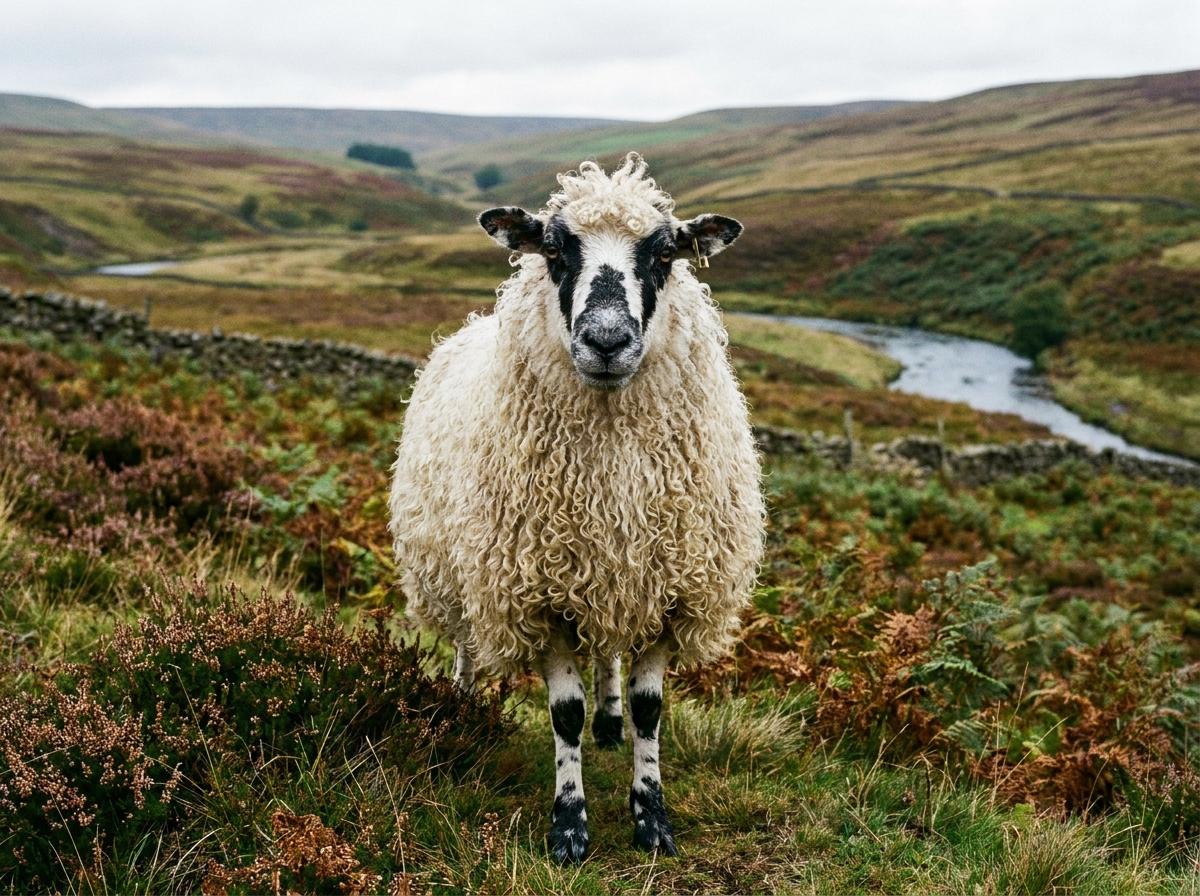
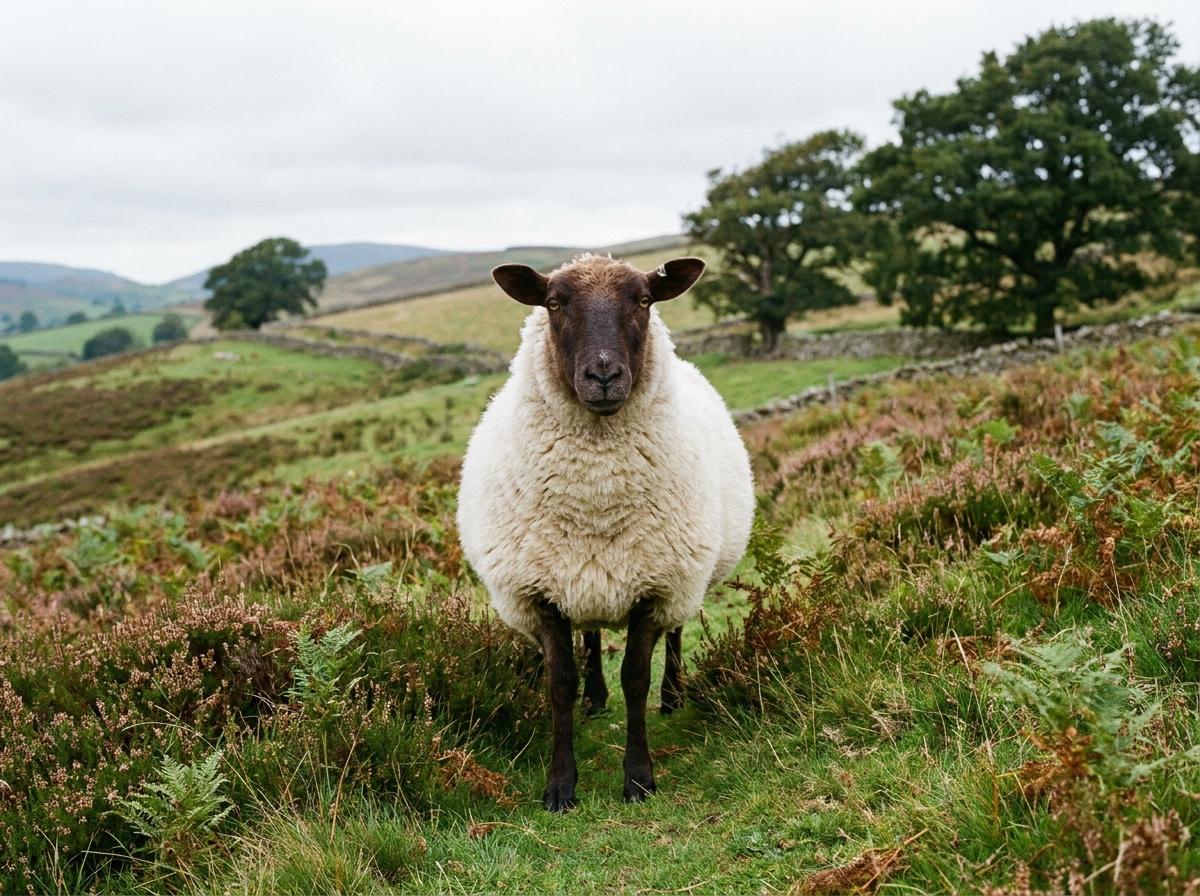
Lithuanian Black-Headed sheep are a Baltic meat-and-wool breed developed in Lithuania from local sheep improved with black-faced mutton breeds, especially Shropshire-type and German Blackheaded influences. They are recognized by the clear contrast that gives the breed its name: a white fleece over the body with a dark head and usually dark ears and lower legs. Animals are medium to large, polled in most lines, and built for practical farm production rather than extreme wool length or show form. The breed became an important national sheep resource for lamb, mutton, and a usable medium fleece.
On Lithuanian and neighboring farms, these sheep fit mixed crop-and-livestock systems, grazing pasture in summer and using stored forage through cold winters. Management is similar to other productive lowland breeds: keep ewes in good condition before lambing, protect lambs from chilling, and monitor feet and parasites when pastures are wet. The black-headed type can be confused with several European mutton breeds, so breeding animals are best chosen from documented flocks. Conservation and performance programs in the region aim to keep the breed useful while preserving its local adaptation.
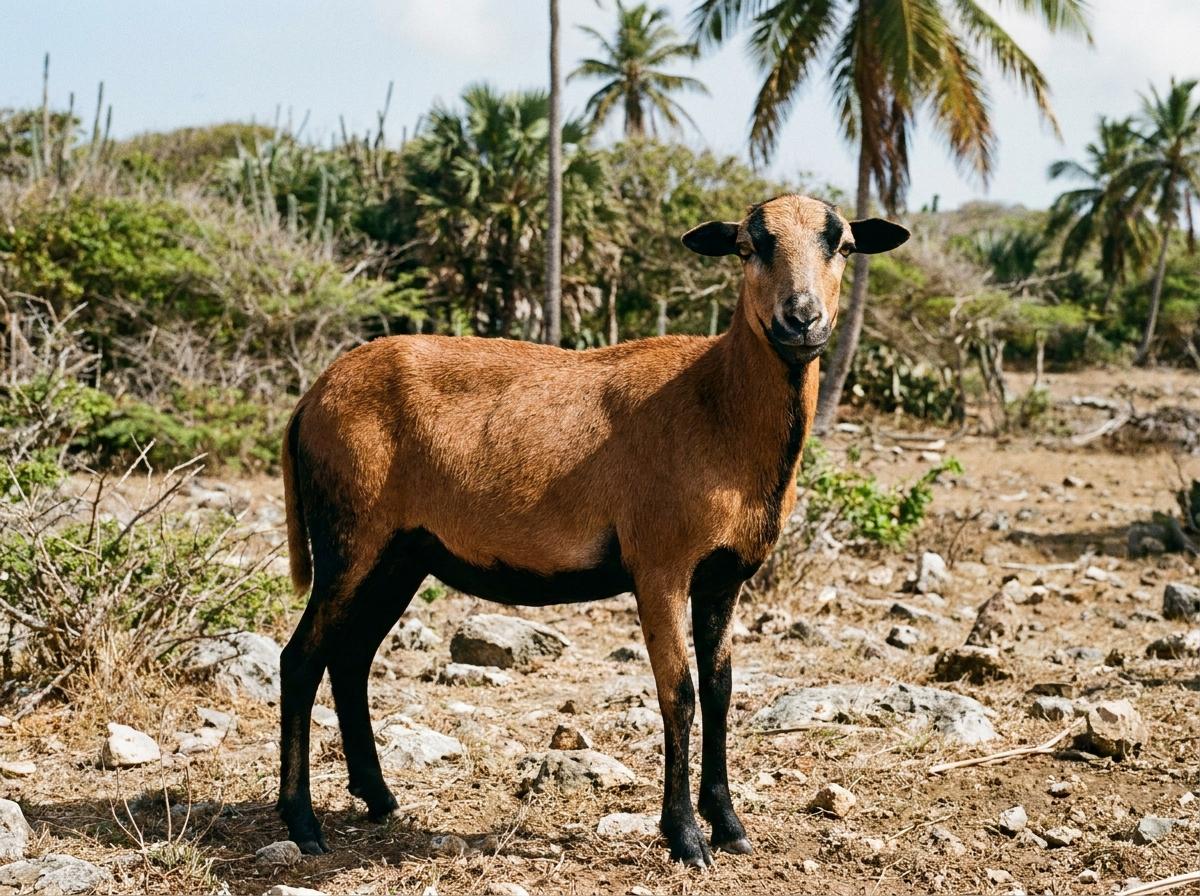
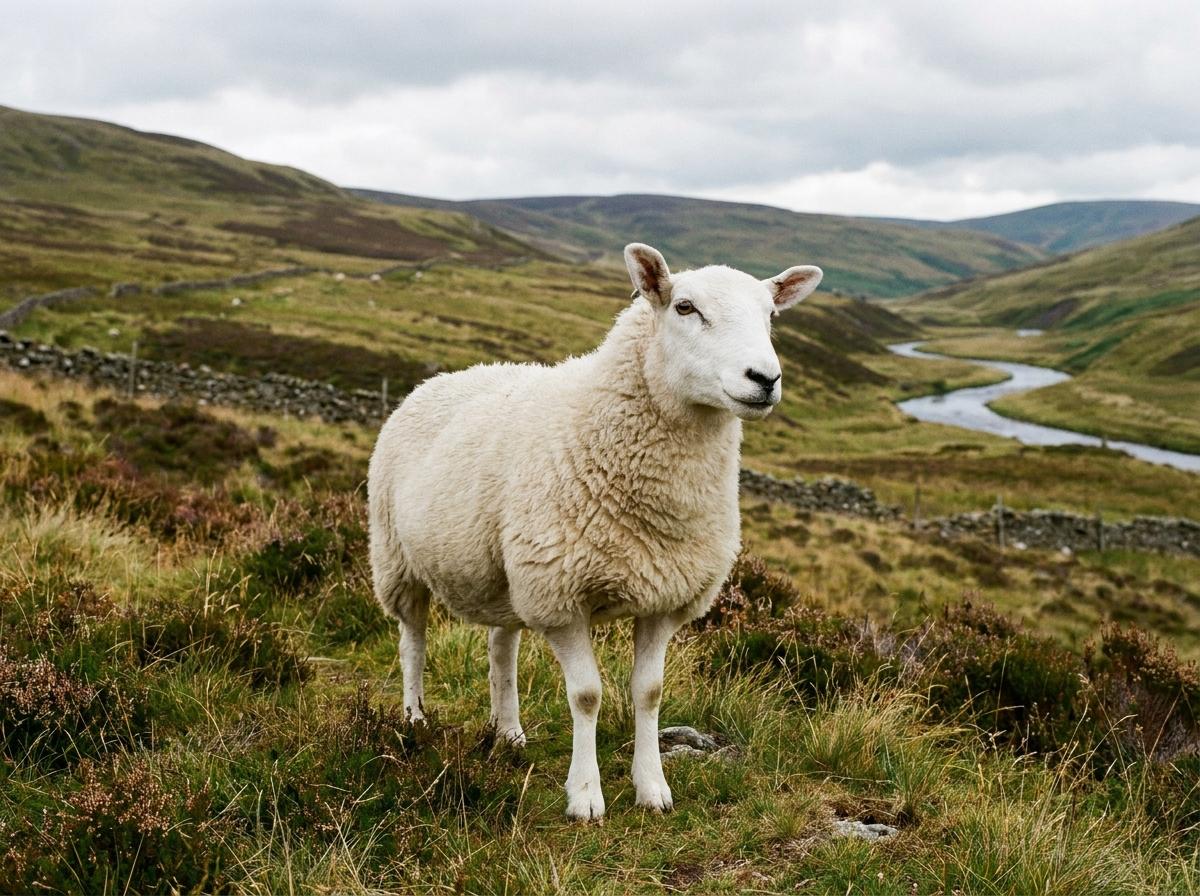
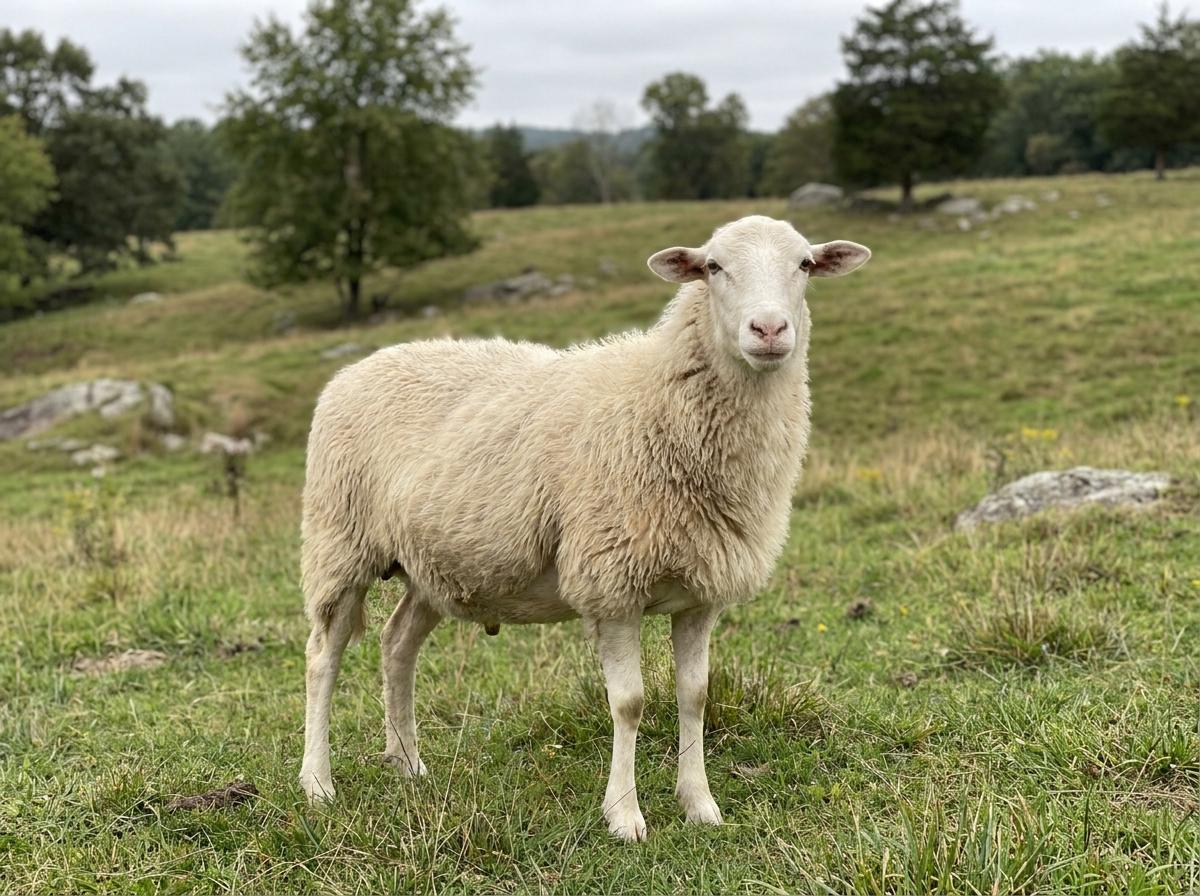
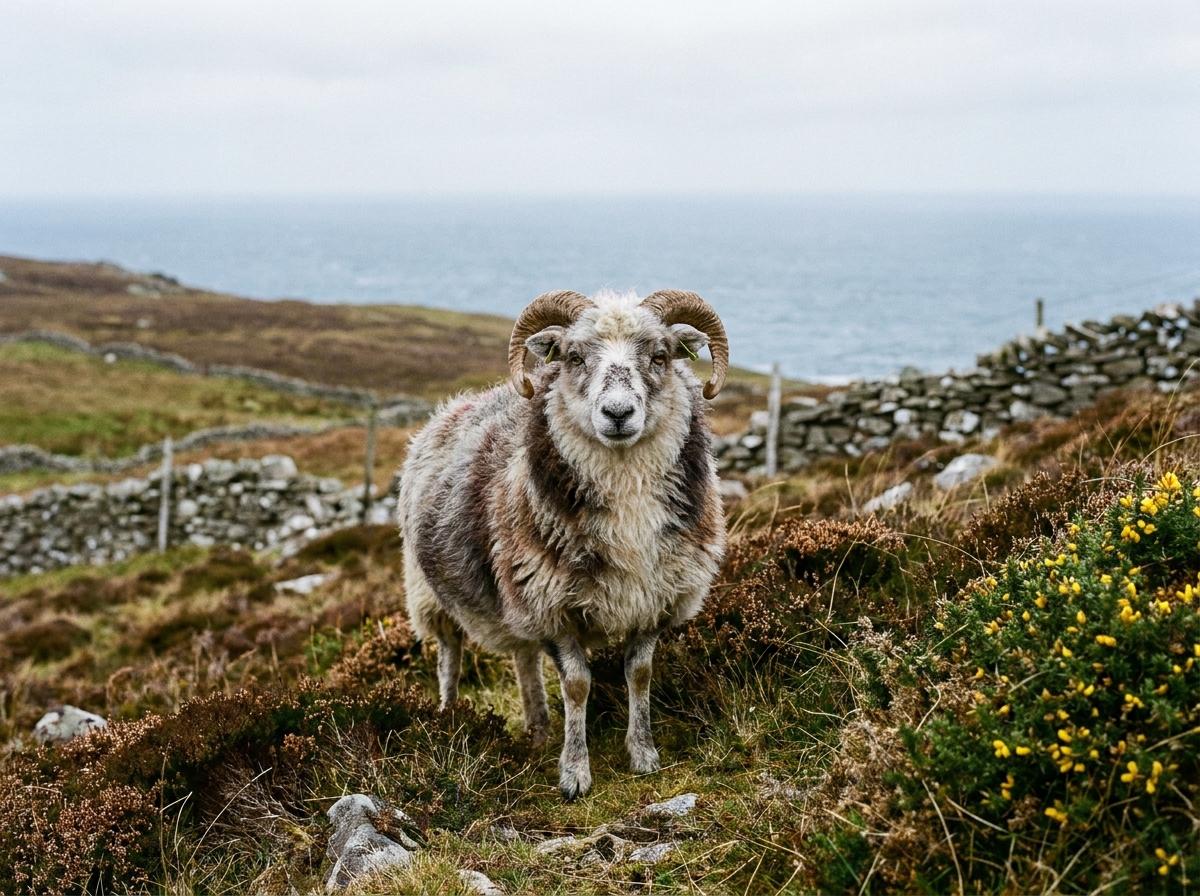
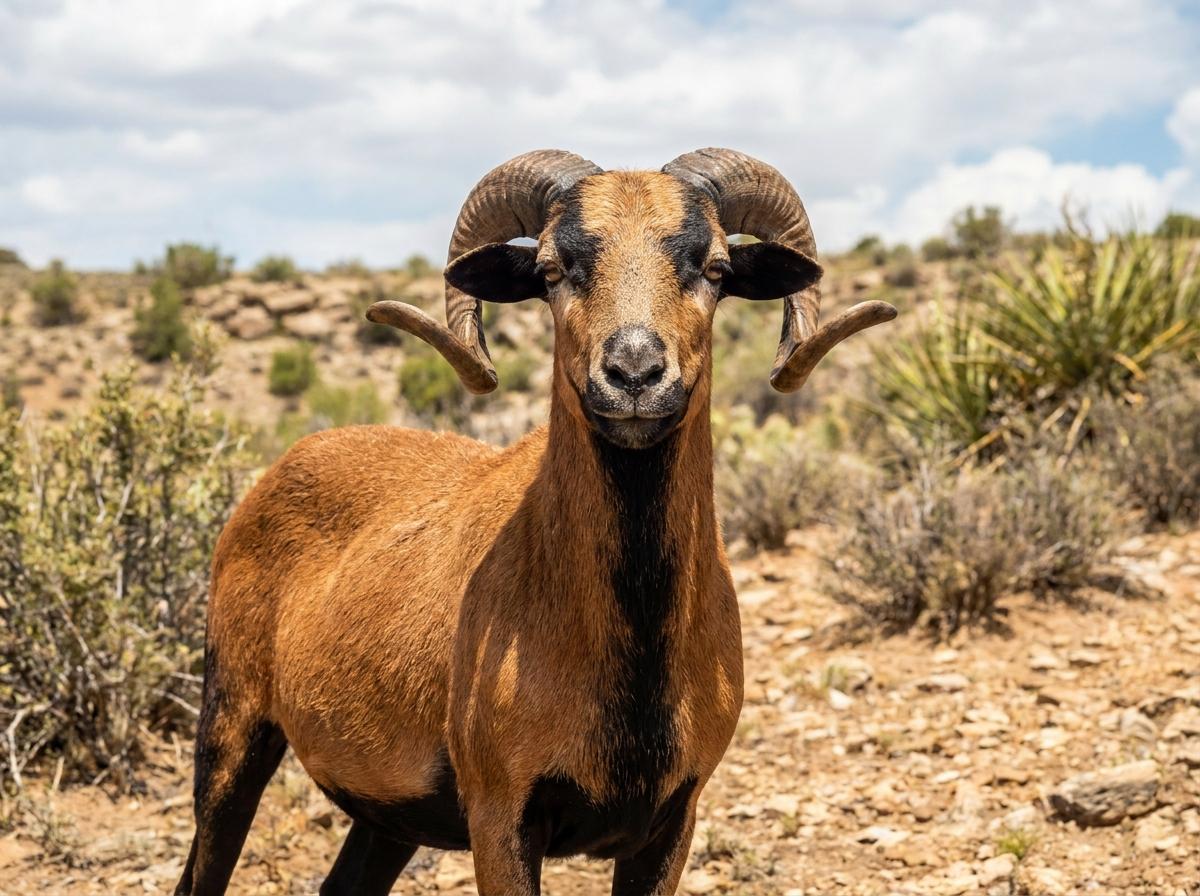
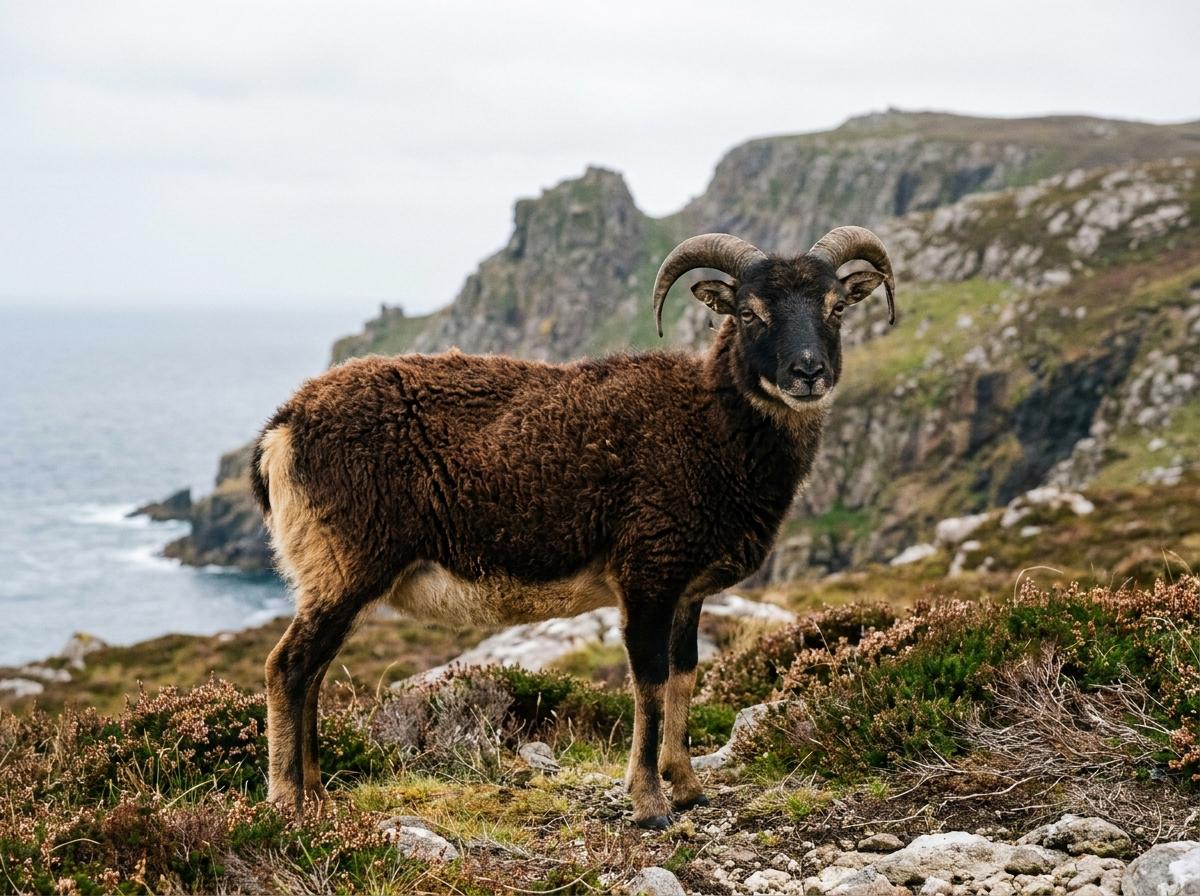
Colors: Badgerface, Black, Blackbelly, Broken, Brown, Gray, Grey, Gulmoget, Katmoget, Moorit, Piebald, Red, Roan, Silver, Solid, Spotted, Tan, White, White with Black Points, White with Brown Points