


Lohi
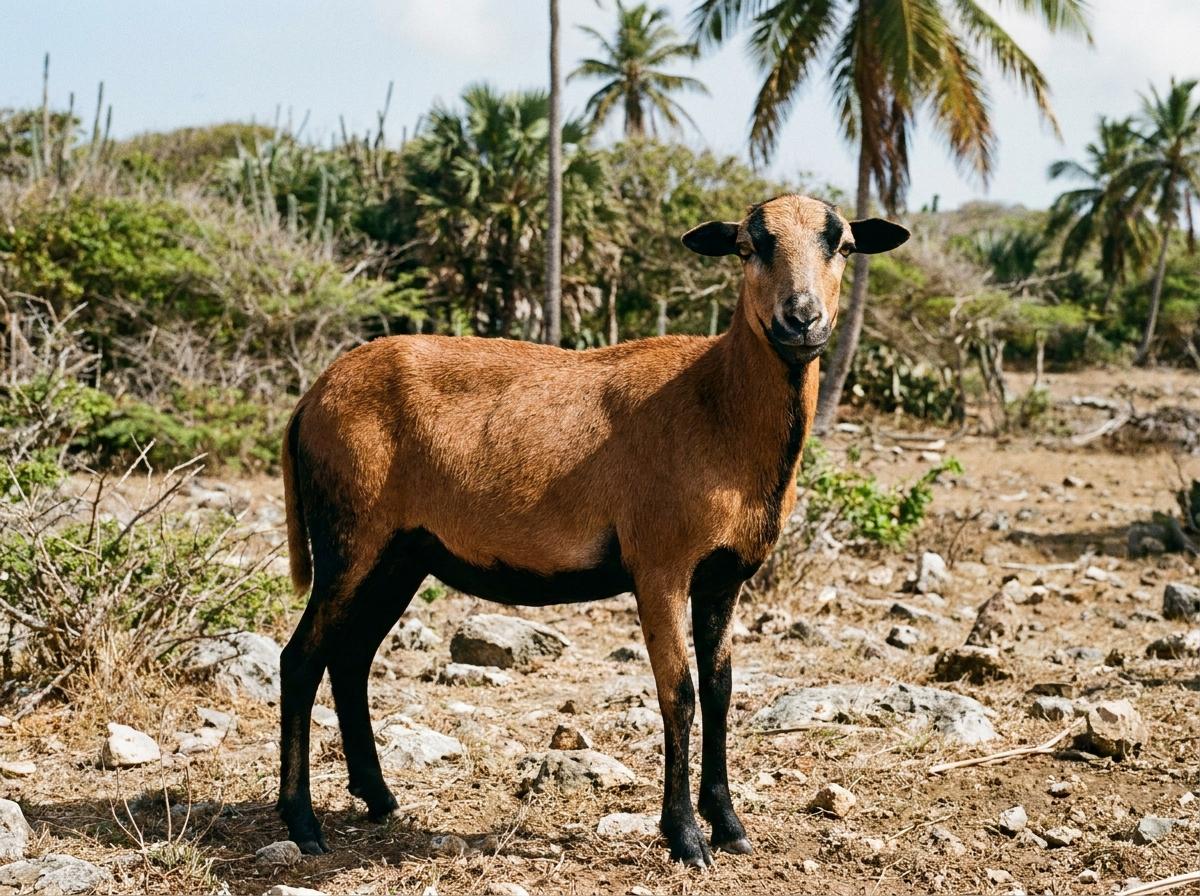
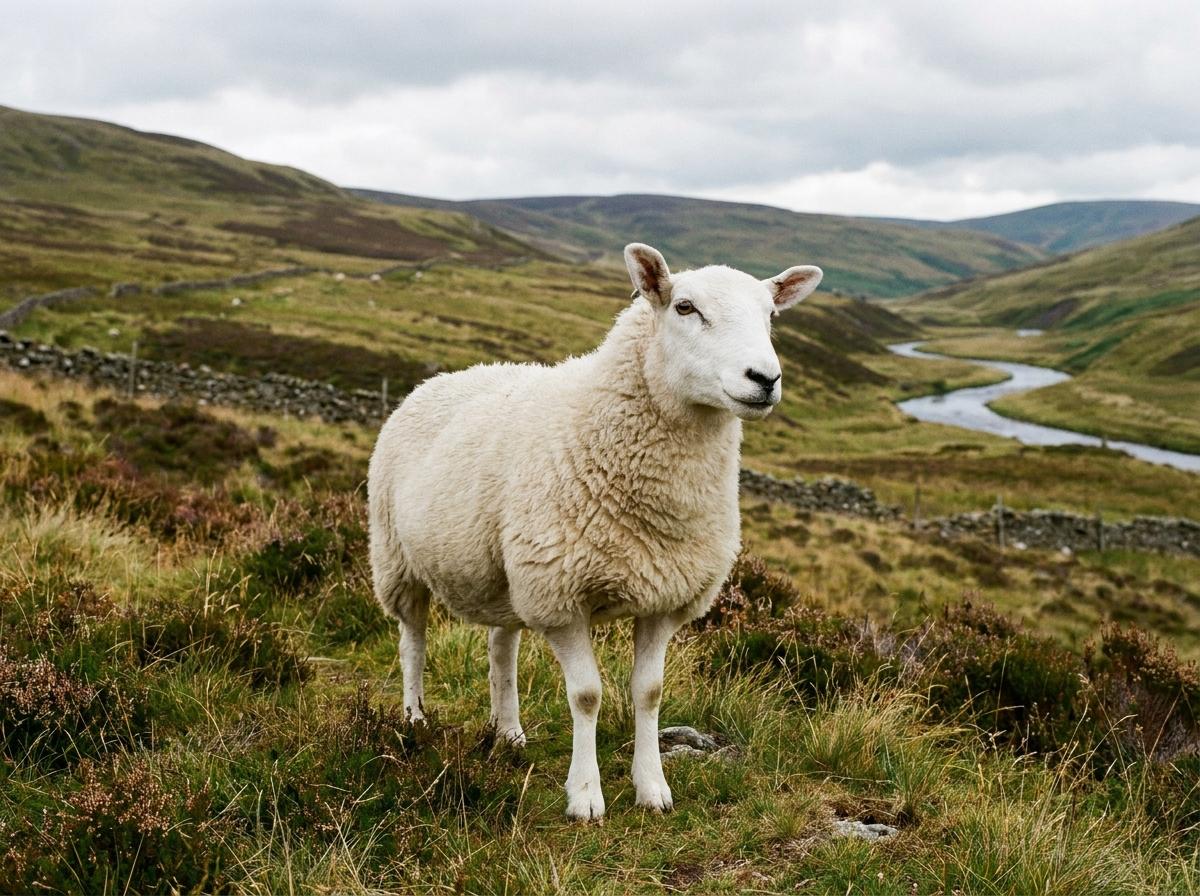
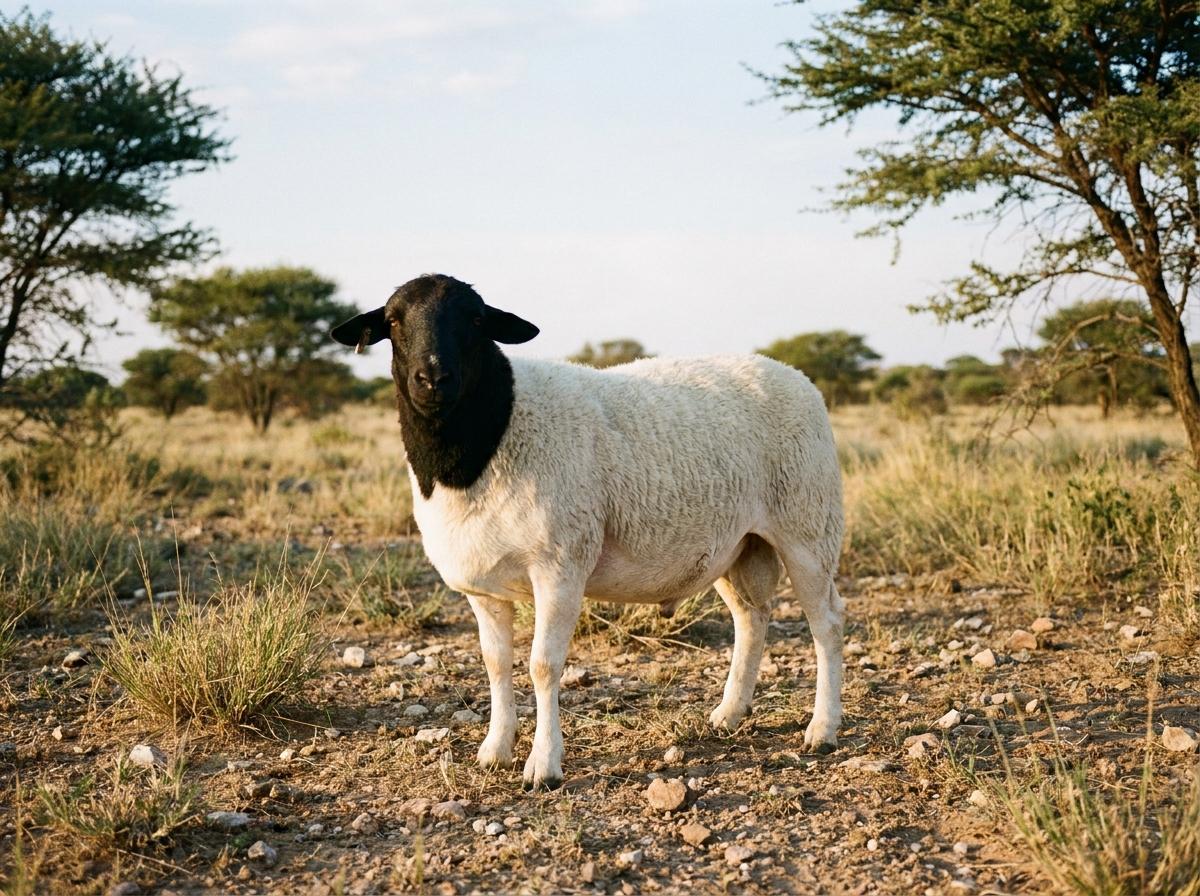
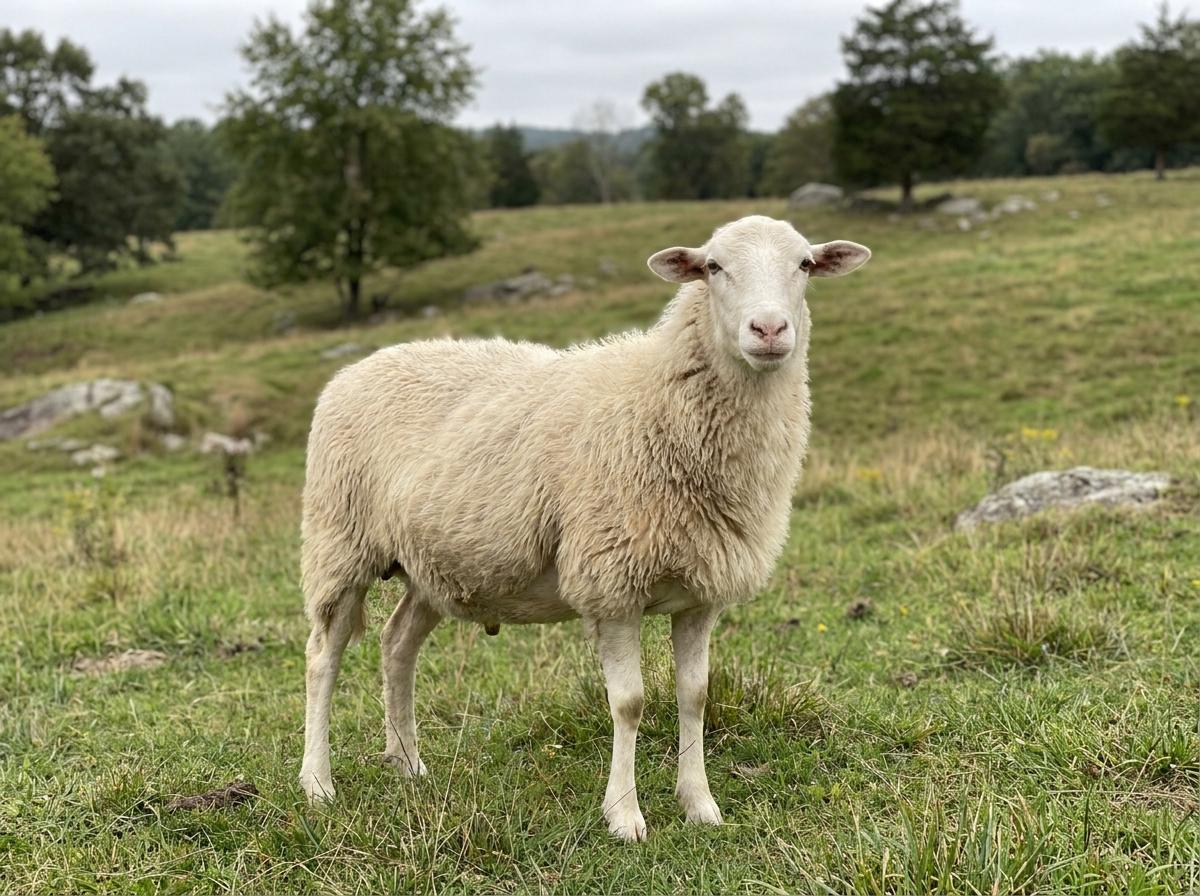
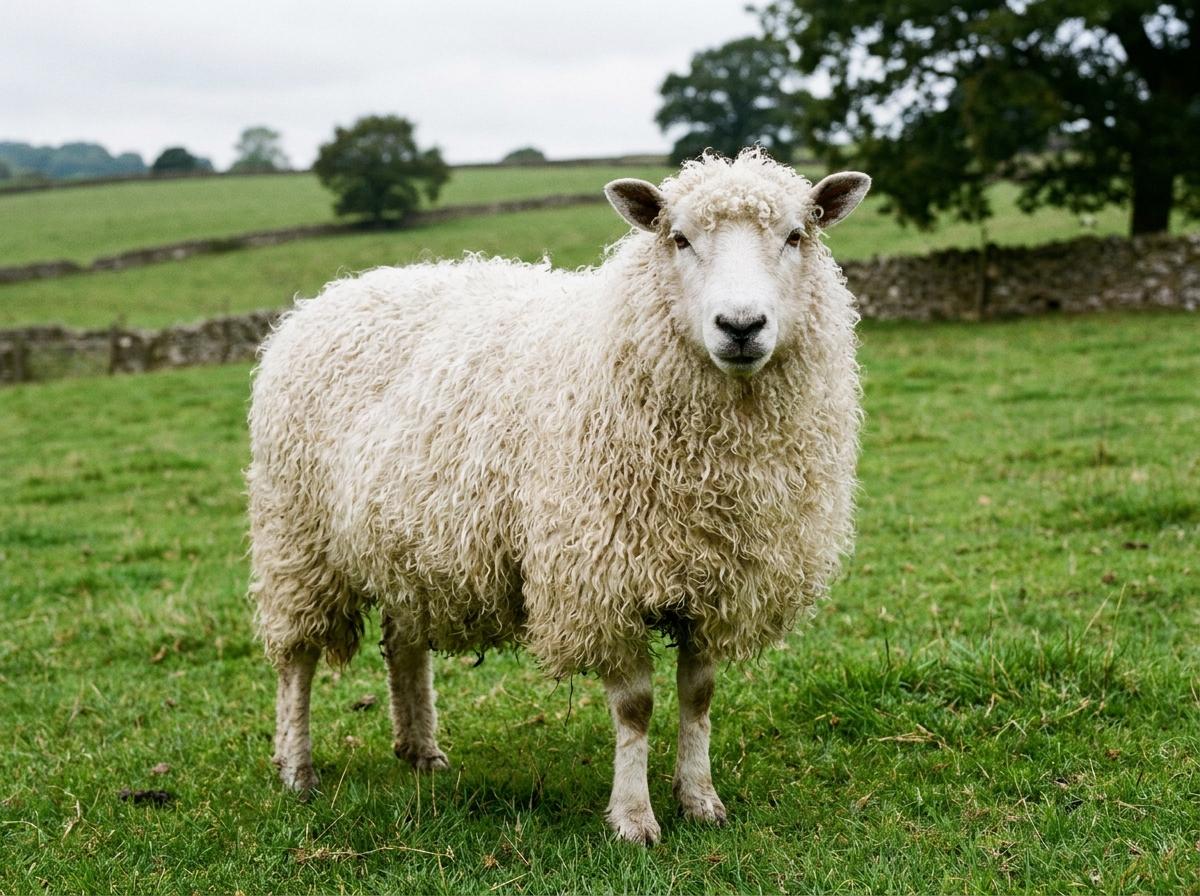
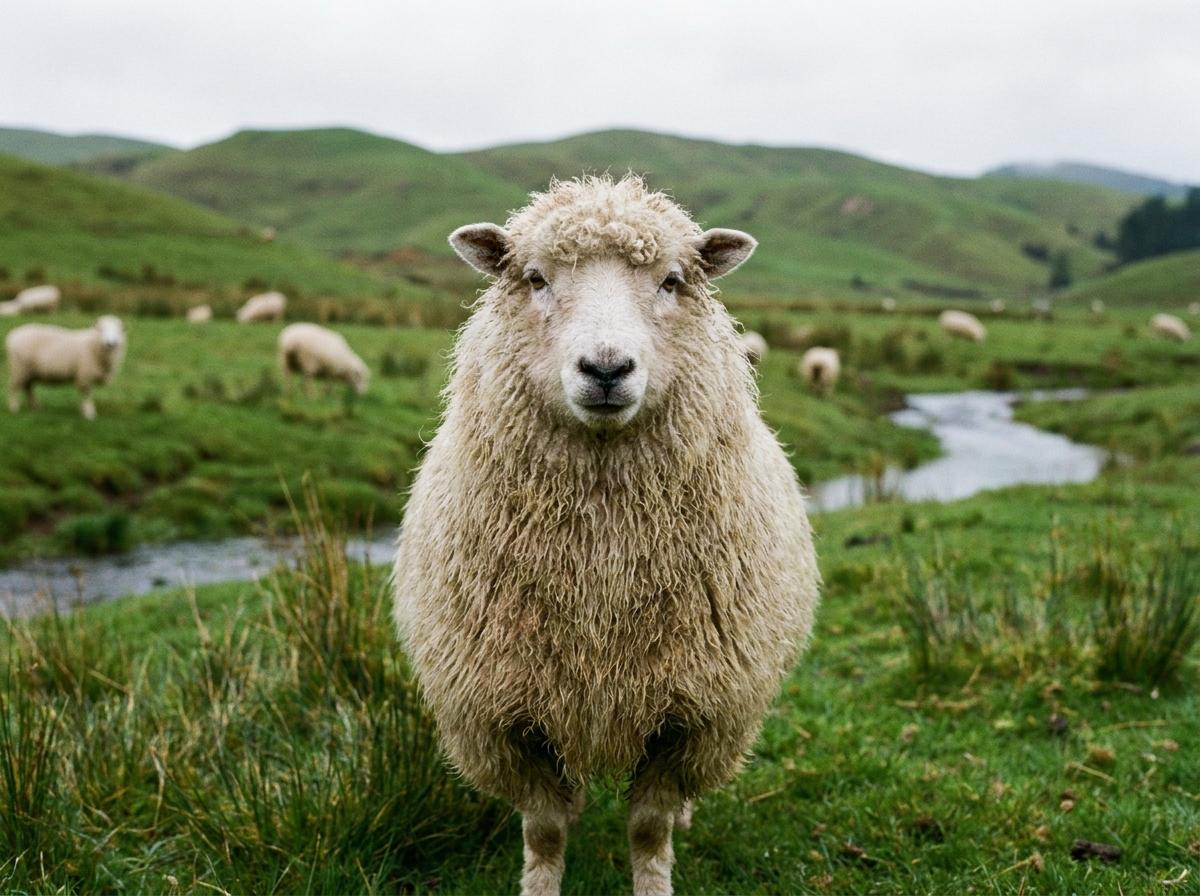
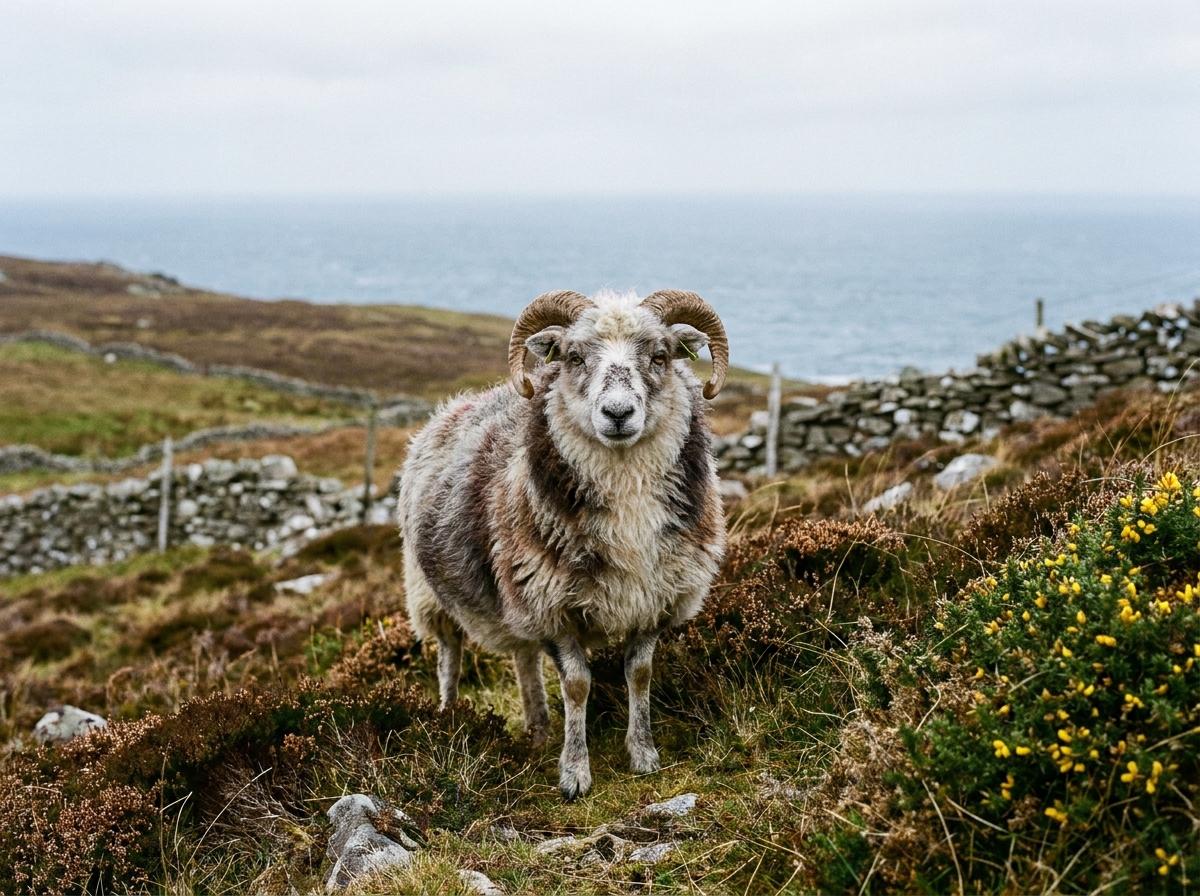
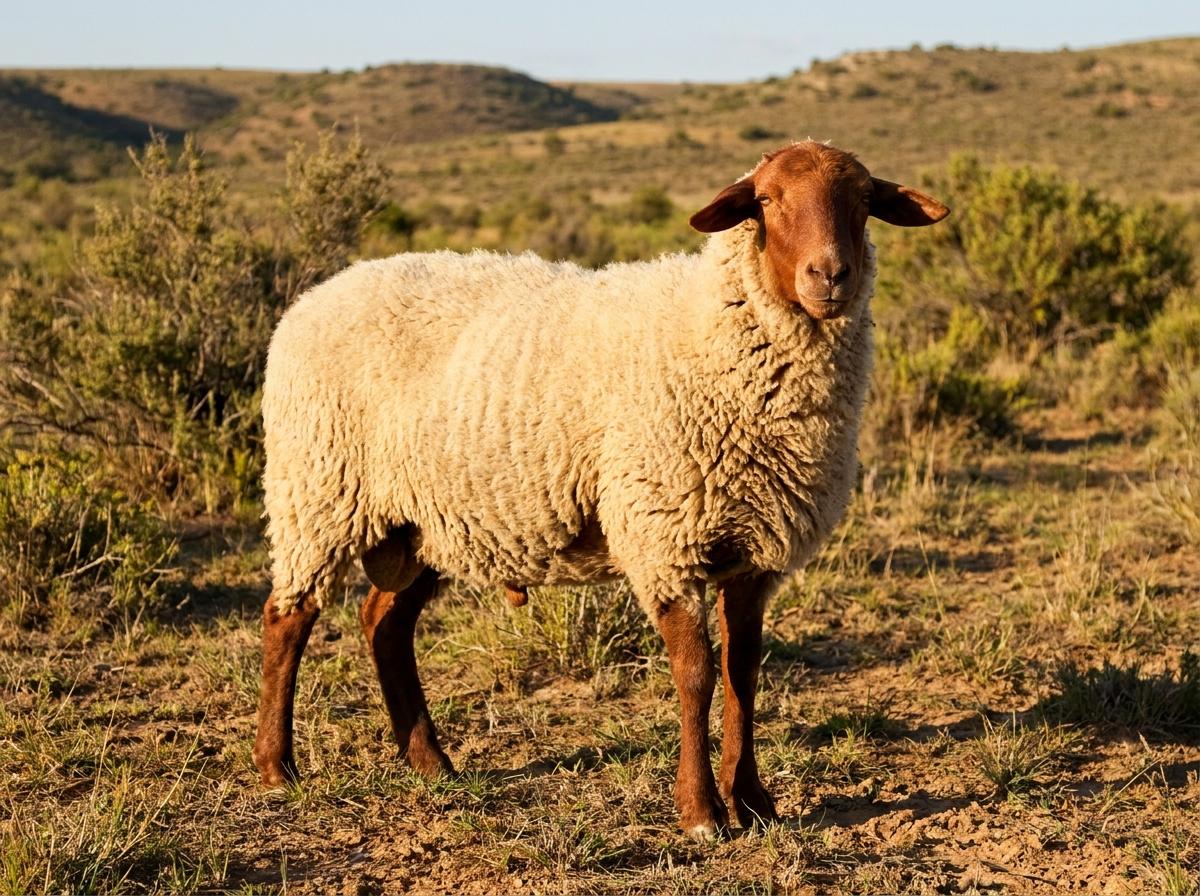
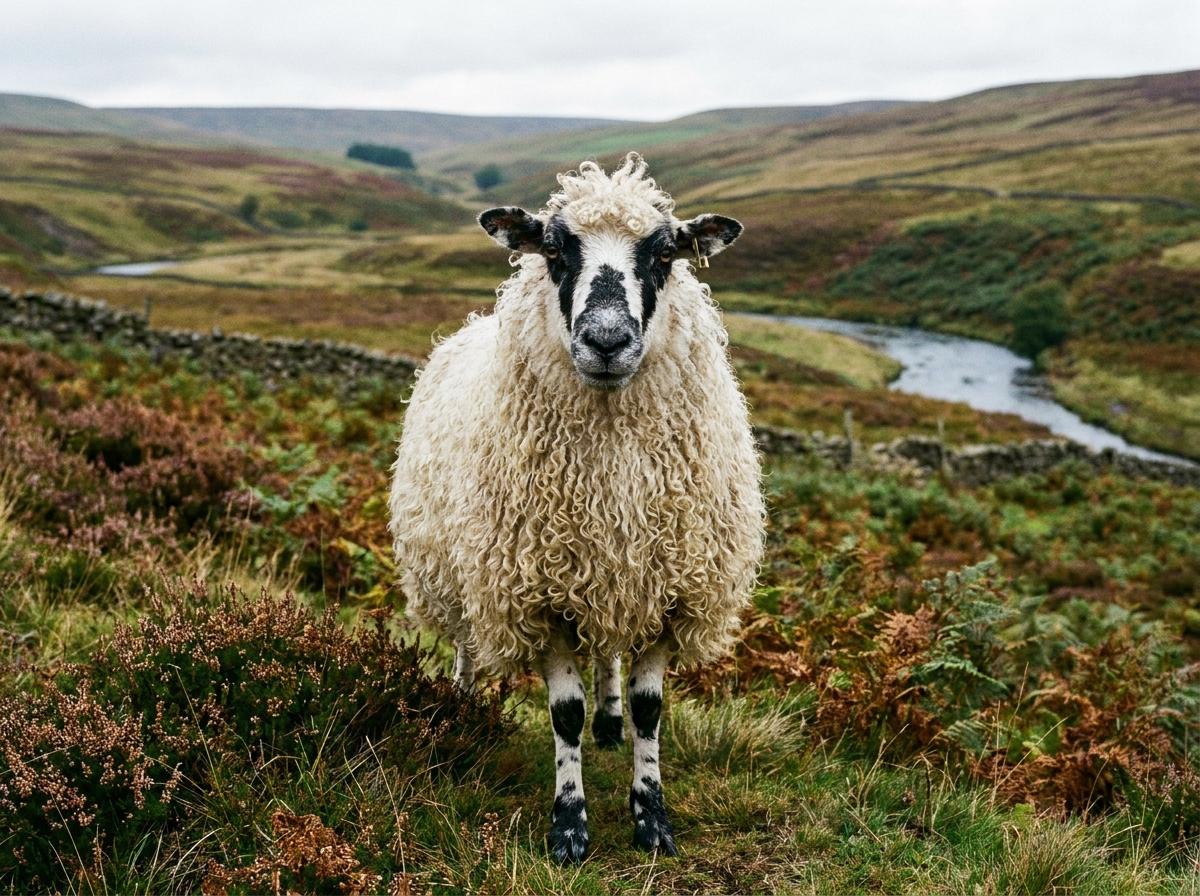
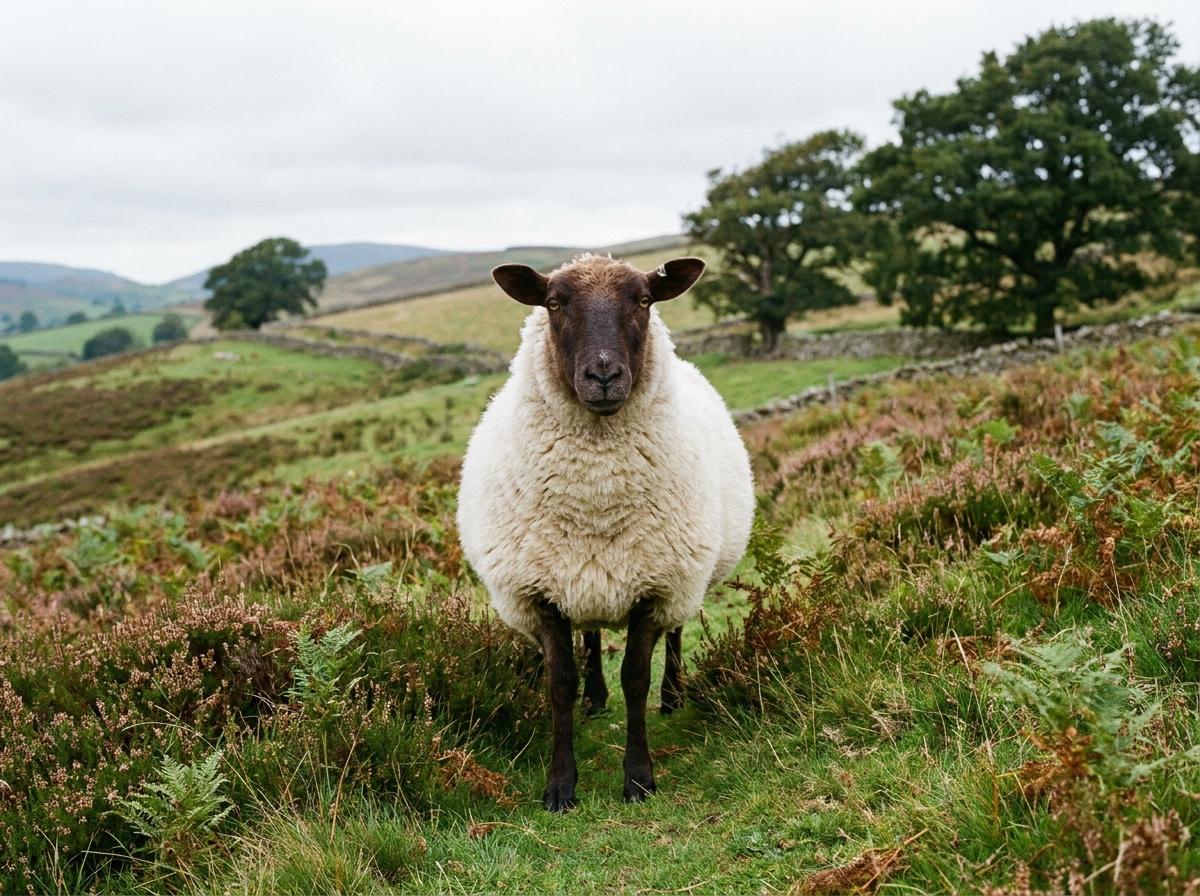
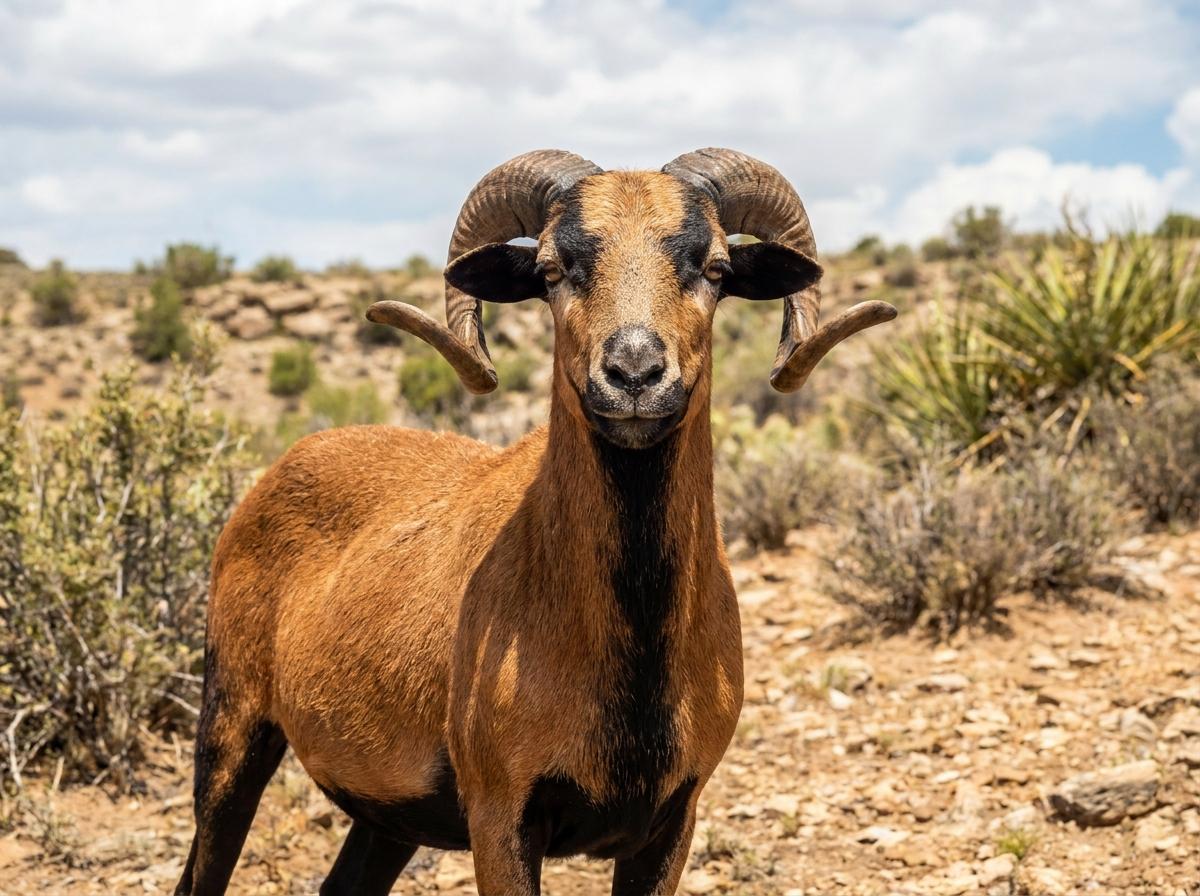
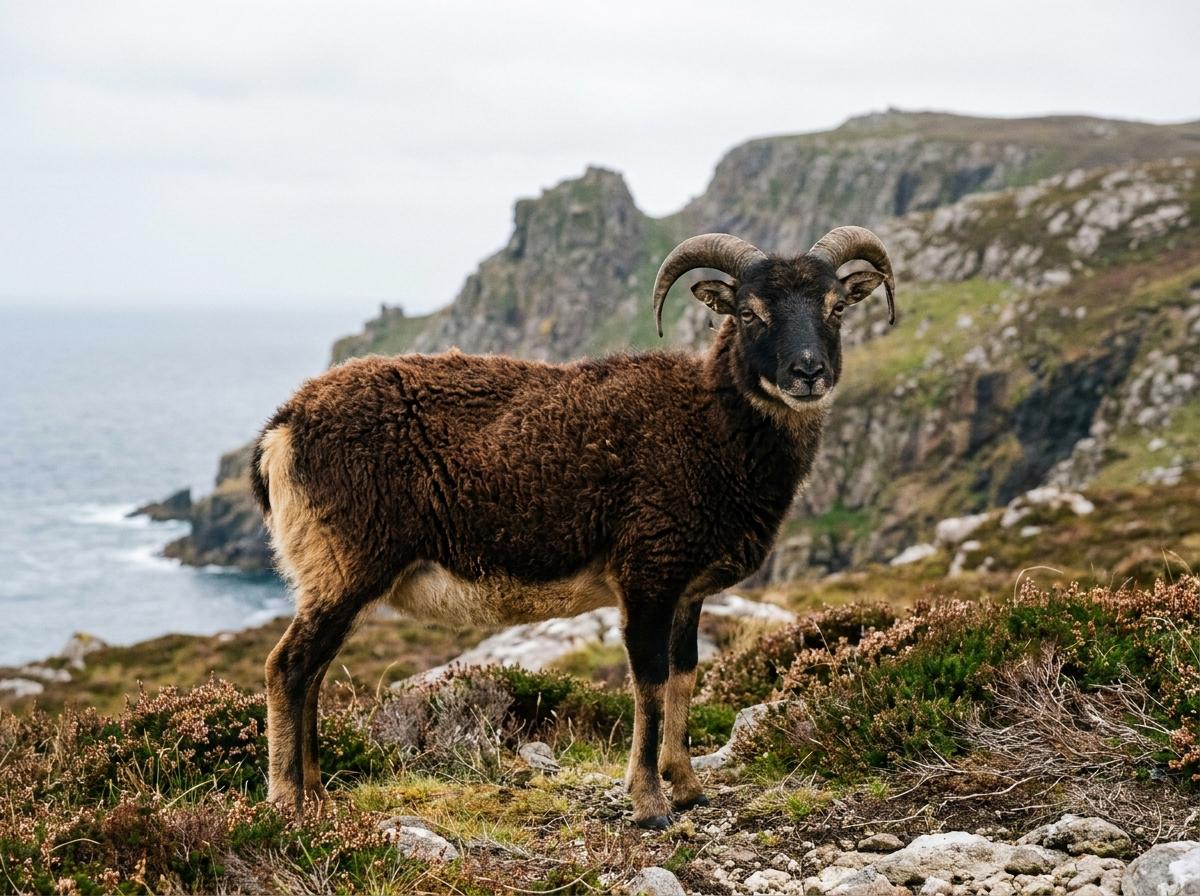
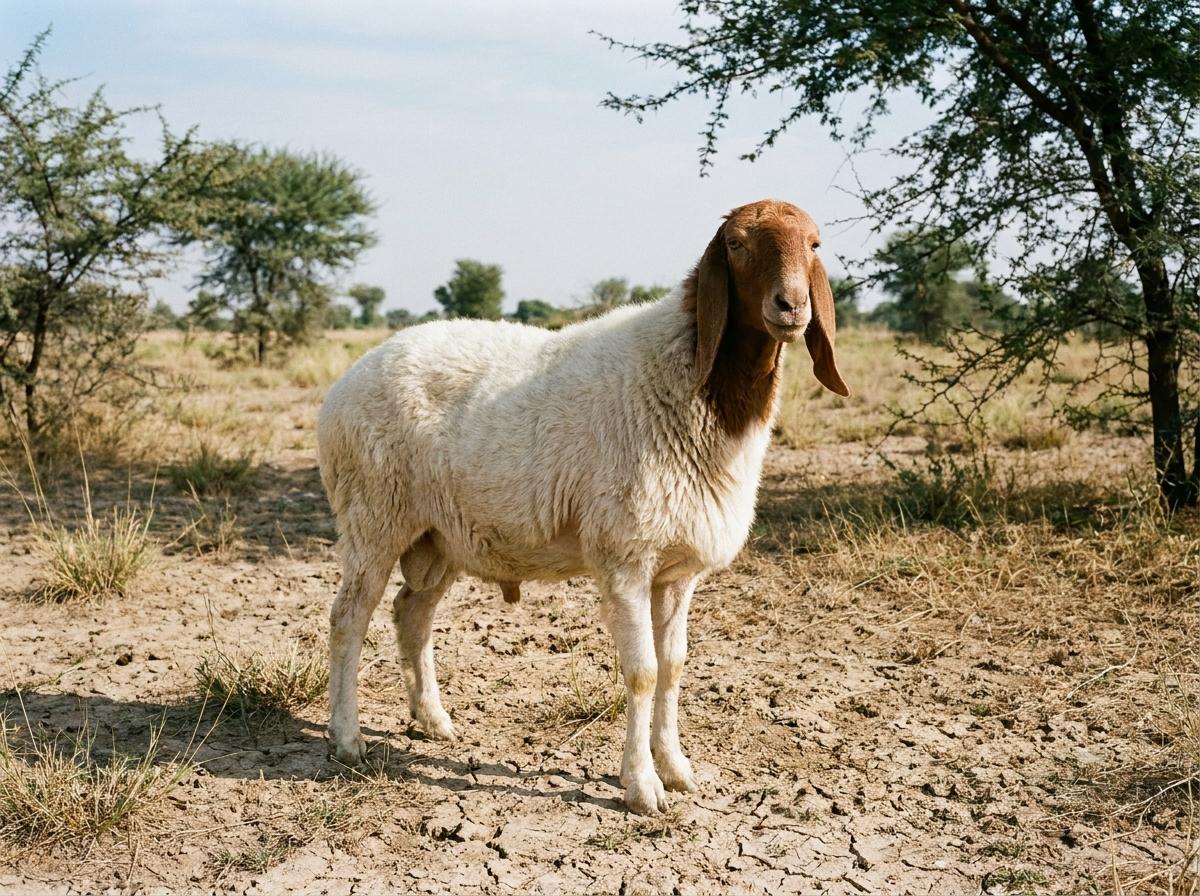
Lohi sheep are a large South Asian breed of the Punjab region of Pakistan and northwestern India, kept for mutton and coarse wool. They are commonly recognized by a white body with a brown, tan, or sometimes darker head and very large drooping ears. The fleece is not a fine apparel wool; it is traditionally classed as carpet-type or medium-coarse wool, while lamb and mutton provide much of the breed's farm value. Lohi sheep are long-legged, active animals suited to open grazing, crop residues, and village or pastoral production systems.
In their home range, Lohi flocks must cope with heat, seasonal feed changes, and long movements between grazing and water. Shade, reliable water, and parasite control are practical concerns, especially where irrigated fields and humid periods increase disease pressure. Good breeding animals are chosen for size, strong legs, sound mouths, lamb survival, and the characteristic ears and head color rather than color alone. Outside South Asia, buyers should look for stock adapted to the local climate, because management that works on dry Punjab ranges may need adjustment in colder or wetter sheep areas.
Colors: Badgerface, Black, Blackbelly, Broken, Brown, Gray, Grey, Gulmoget, Katmoget, Moorit, Piebald, Red, Roan, Silver, Solid, Spotted, Tan, White, White with Black Points, White with Brown Points