

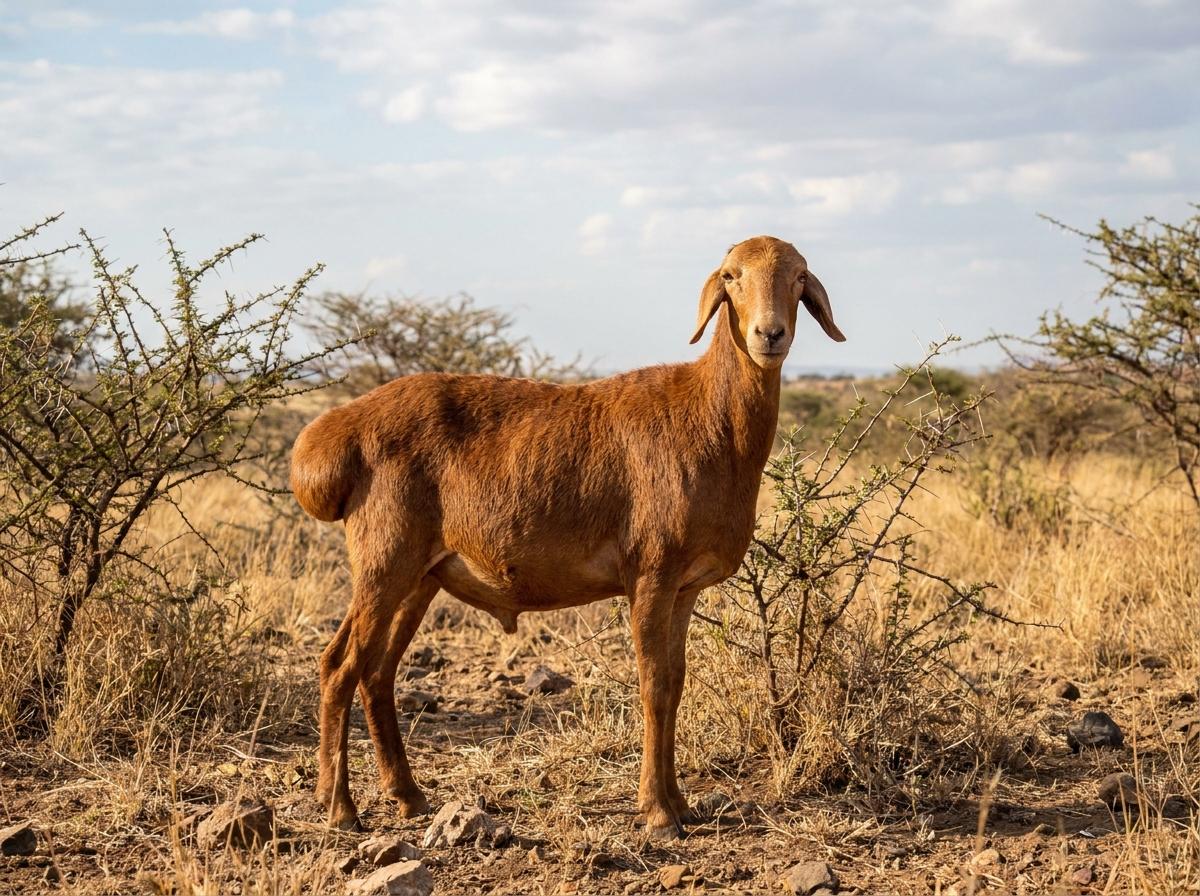
Masai
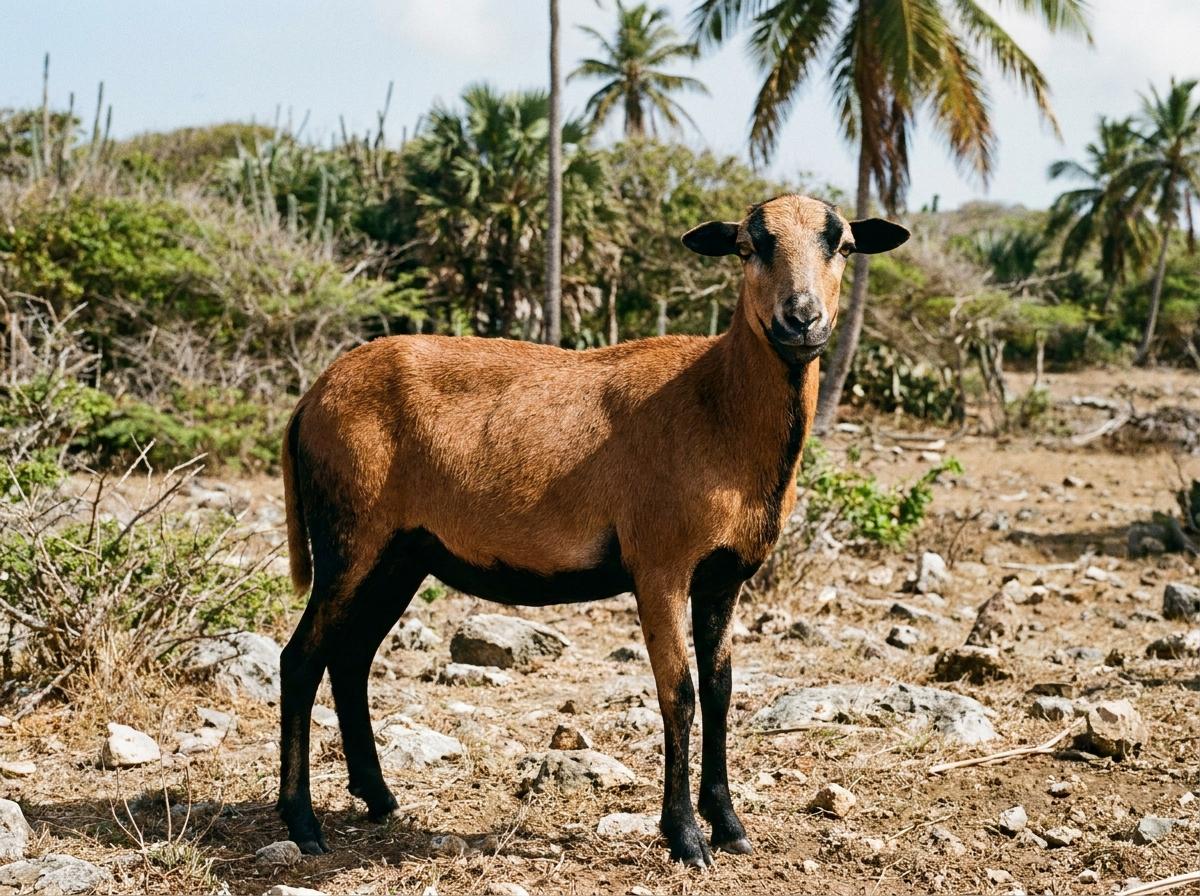
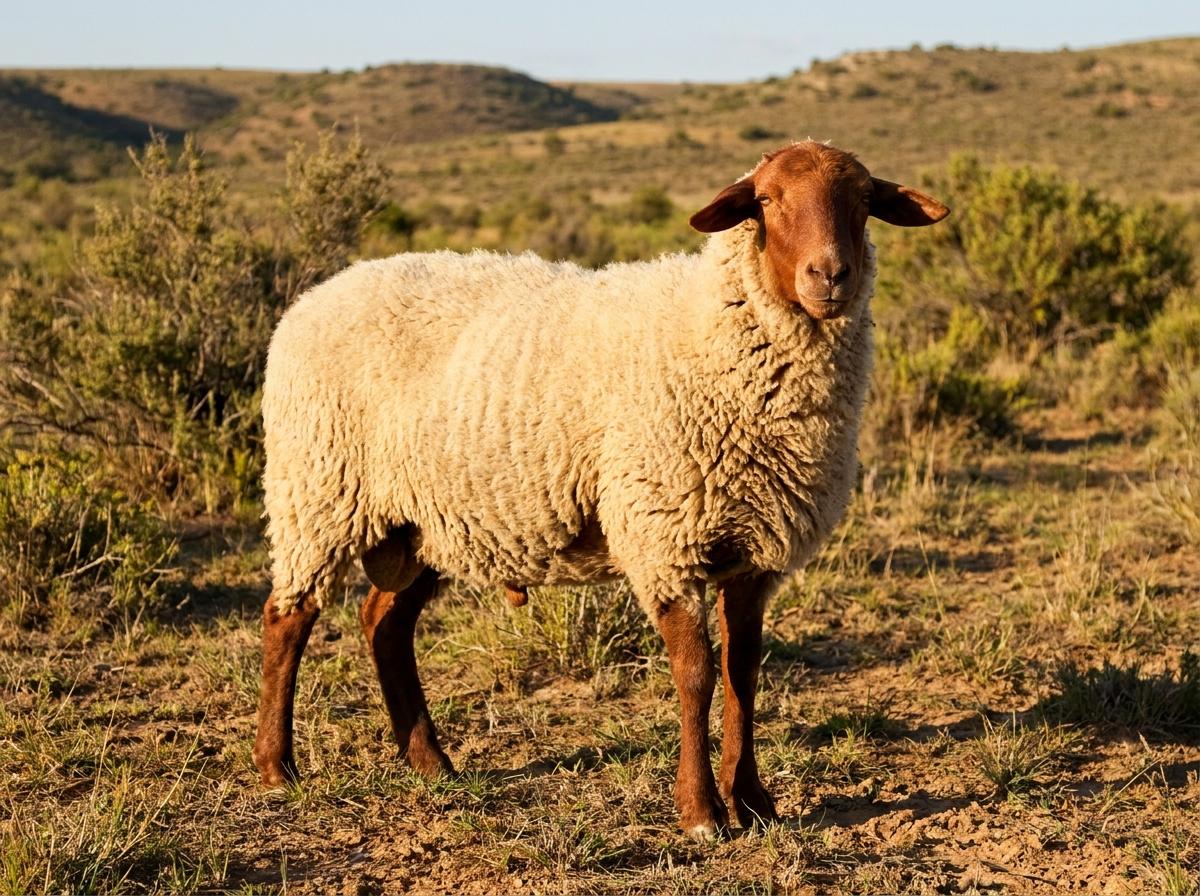
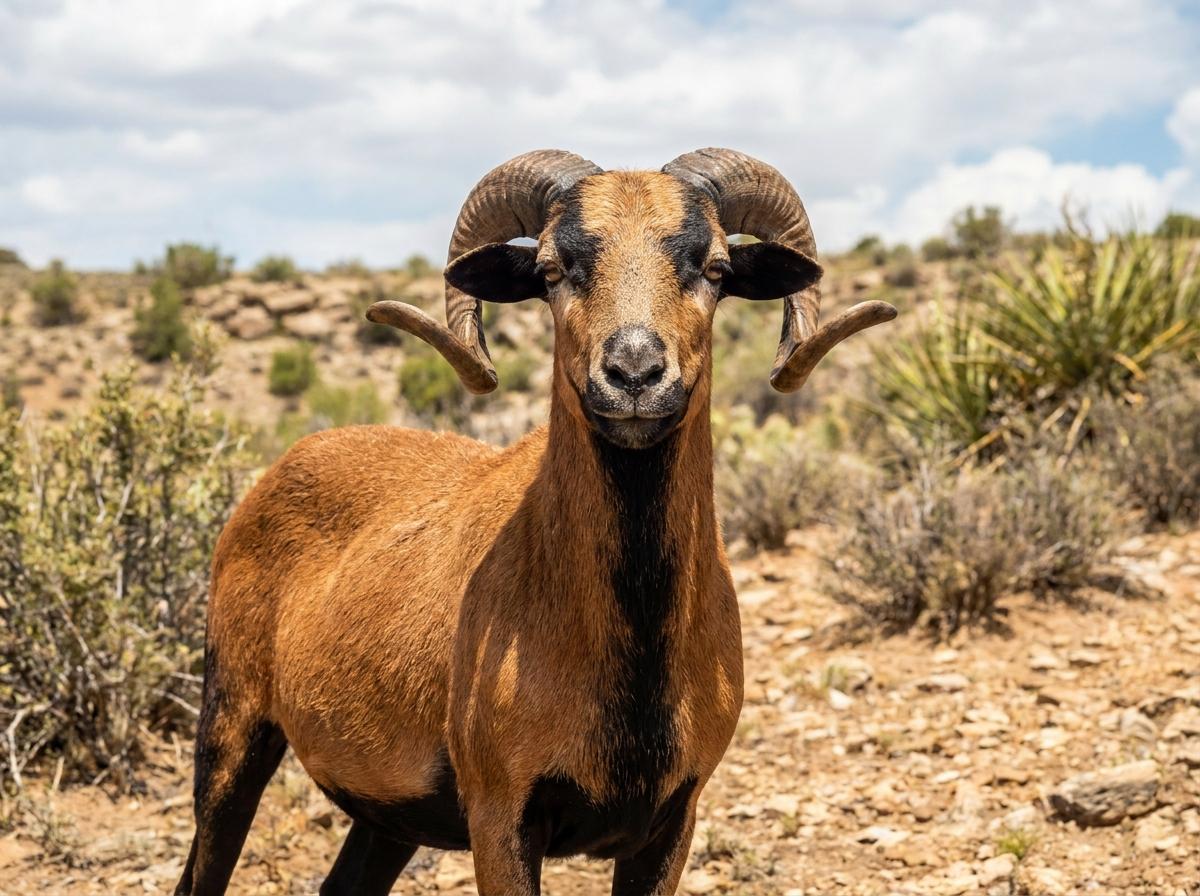
Masai sheep, often referred to as Red Maasai sheep, are East African fat-tailed hair sheep associated with Maasai and other pastoral communities in Kenya and Tanzania. They are bred primarily for meat, not wool, and commonly show red-brown, tan, or pied coats with a narrow hair covering and a fat tail used as an energy reserve. Their importance in livestock research comes from adaptation to heat, seasonal feed shortage, walking, and a documented ability in many lines to cope with gastrointestinal worms better than some imported breeds.
Traditional management is pastoral, with flocks moving to find grazing and water and lambing timed as well as possible to better forage. In small farms or research flocks, Red Maasai sheep still need mineral support, vaccination programs appropriate to the area, and careful control of breeding rams. They are sometimes crossed with Dorper or other meat breeds to improve growth while retaining adaptation, but indiscriminate crossing can erode the pure population. Conservation herds and community breeding programs focus on parasite resilience, mothering ability, and survival under low-input conditions.
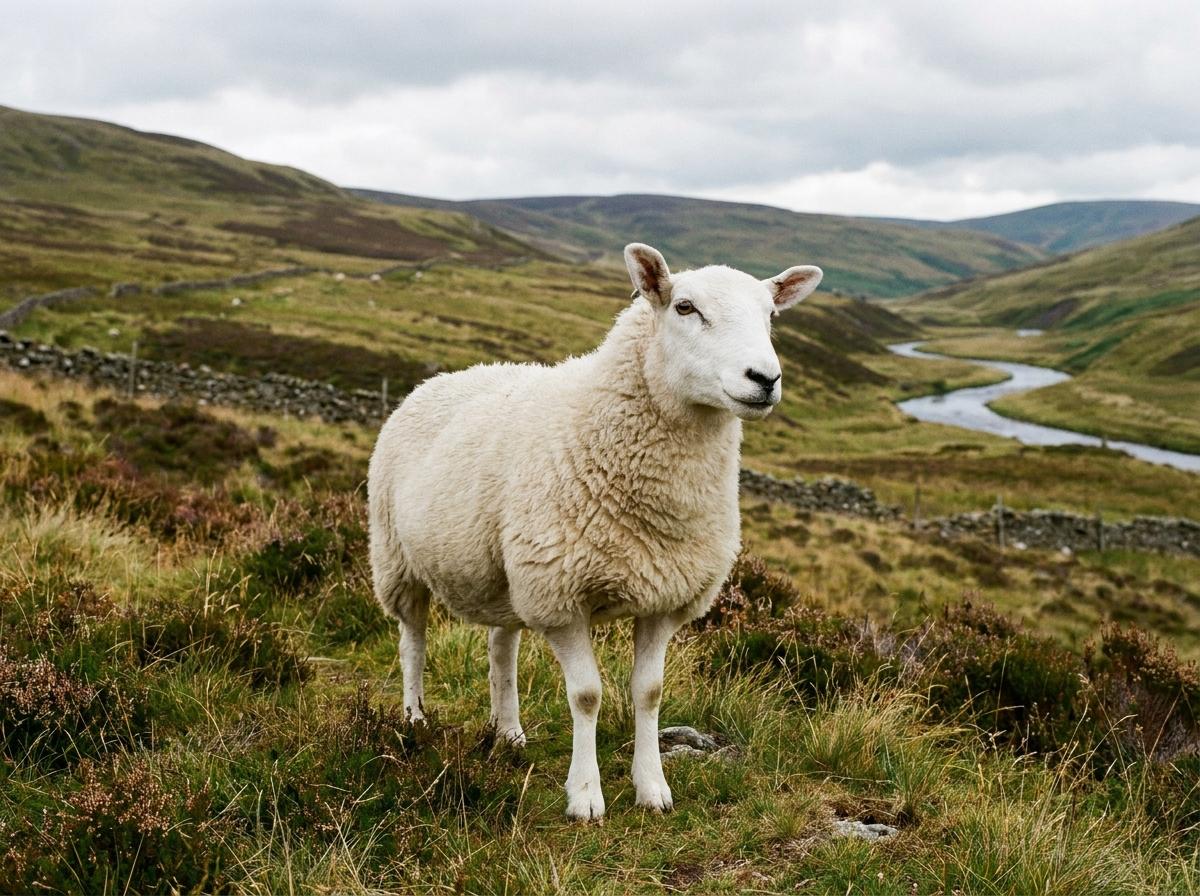
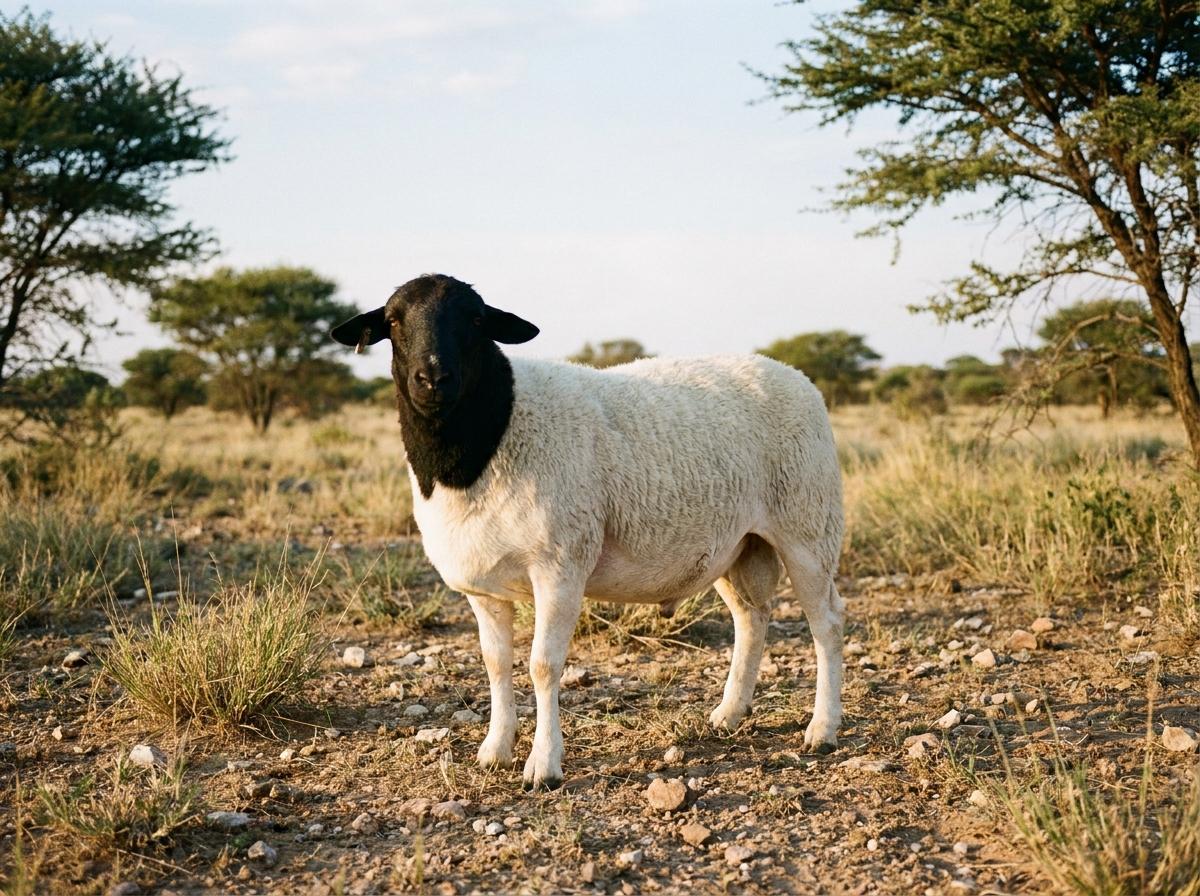
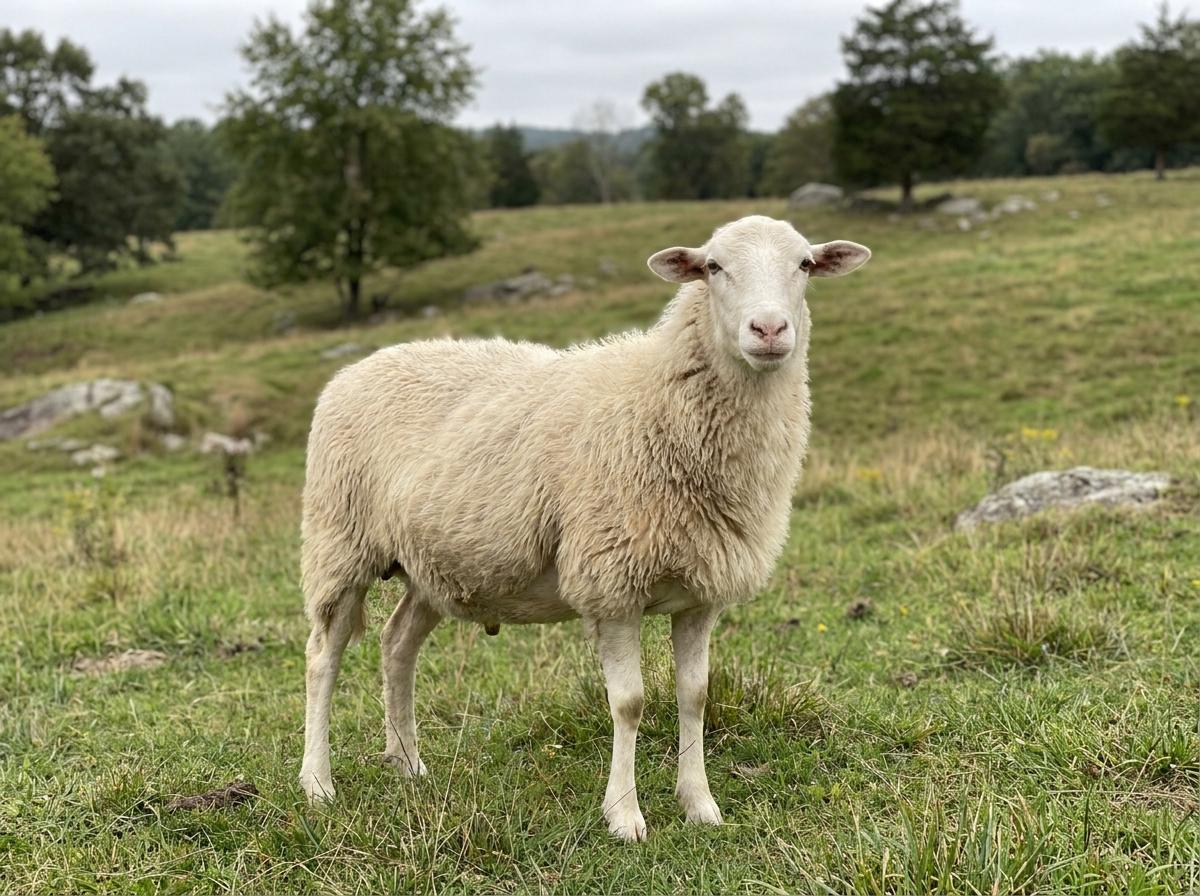
Colors: Badgerface, Black, Blackbelly, Broken, Brown, Gray, Grey, Gulmoget, Katmoget, Moorit, Piebald, Red, Roan, Silver, Solid, Spotted, Tan, White, White with Black Points, White with Brown Points