

Mixed Breed
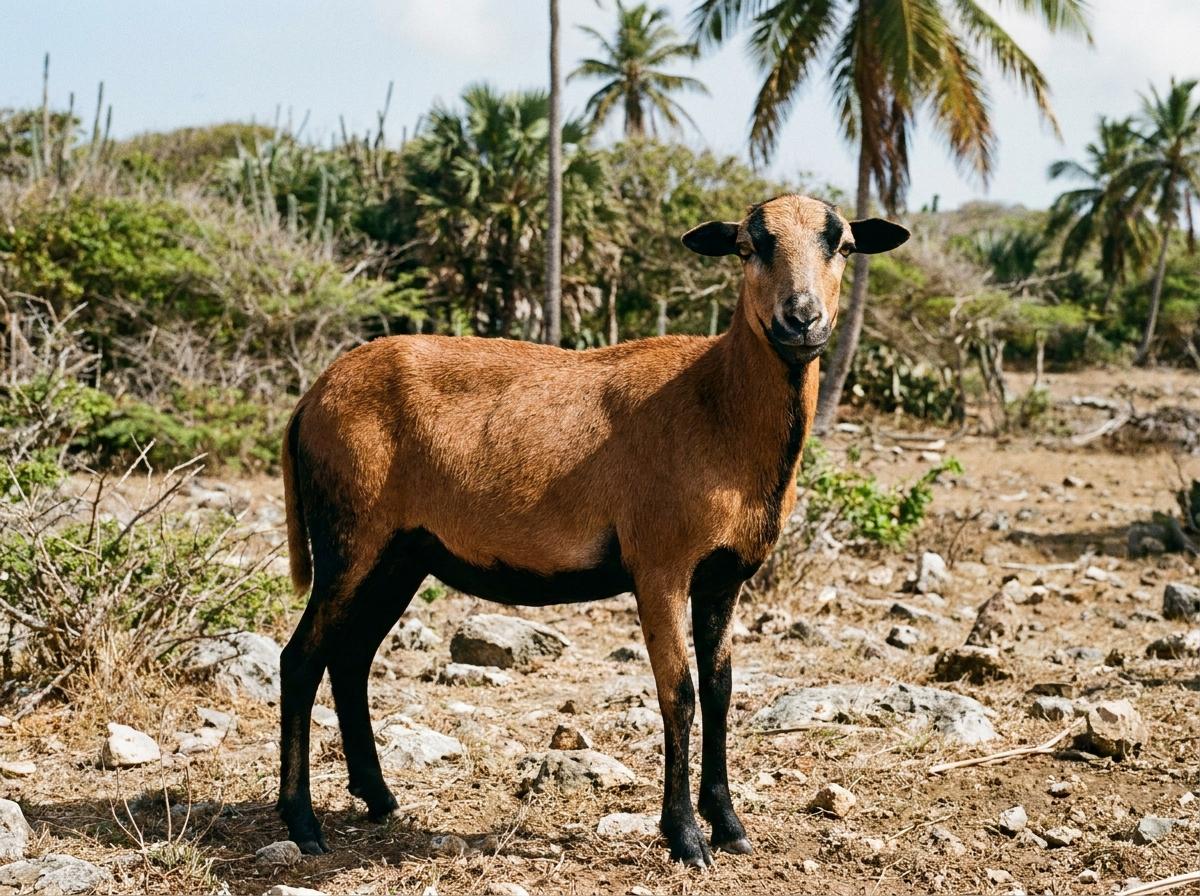
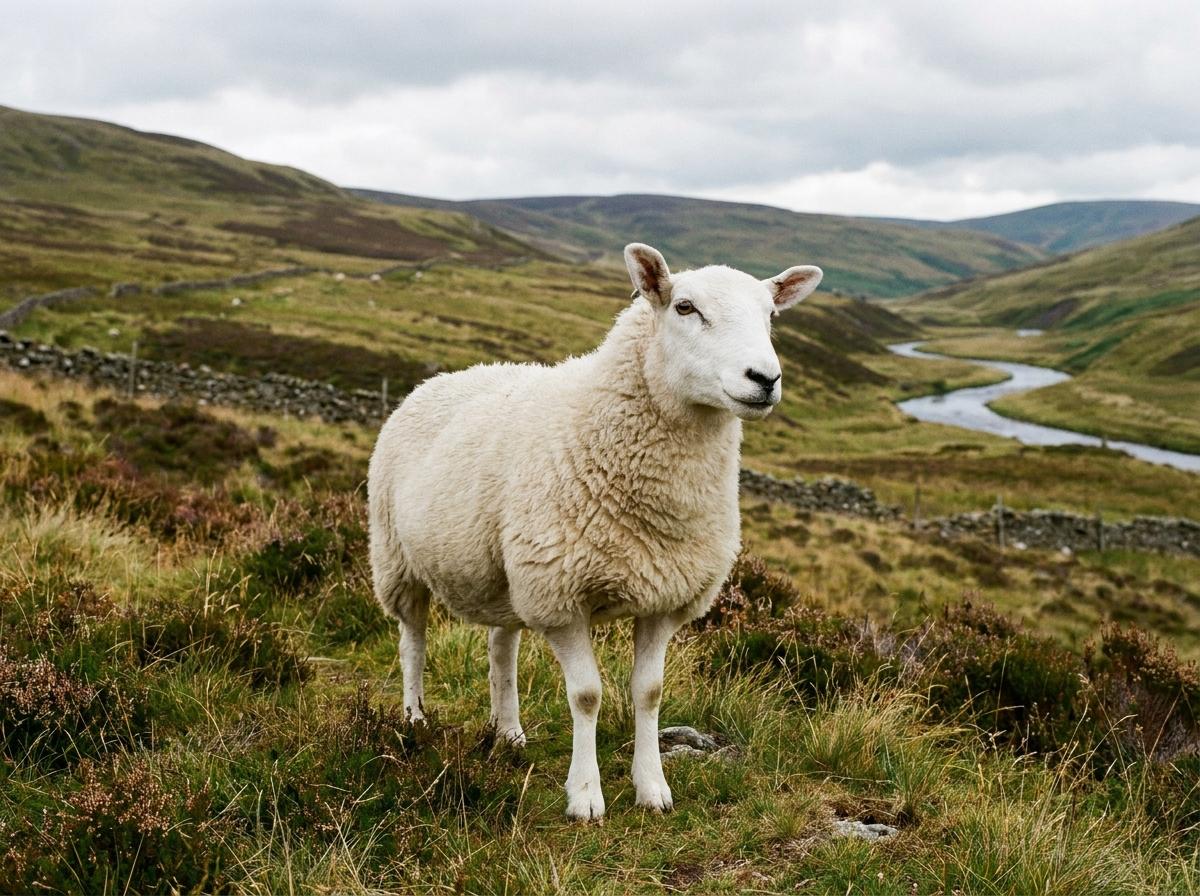
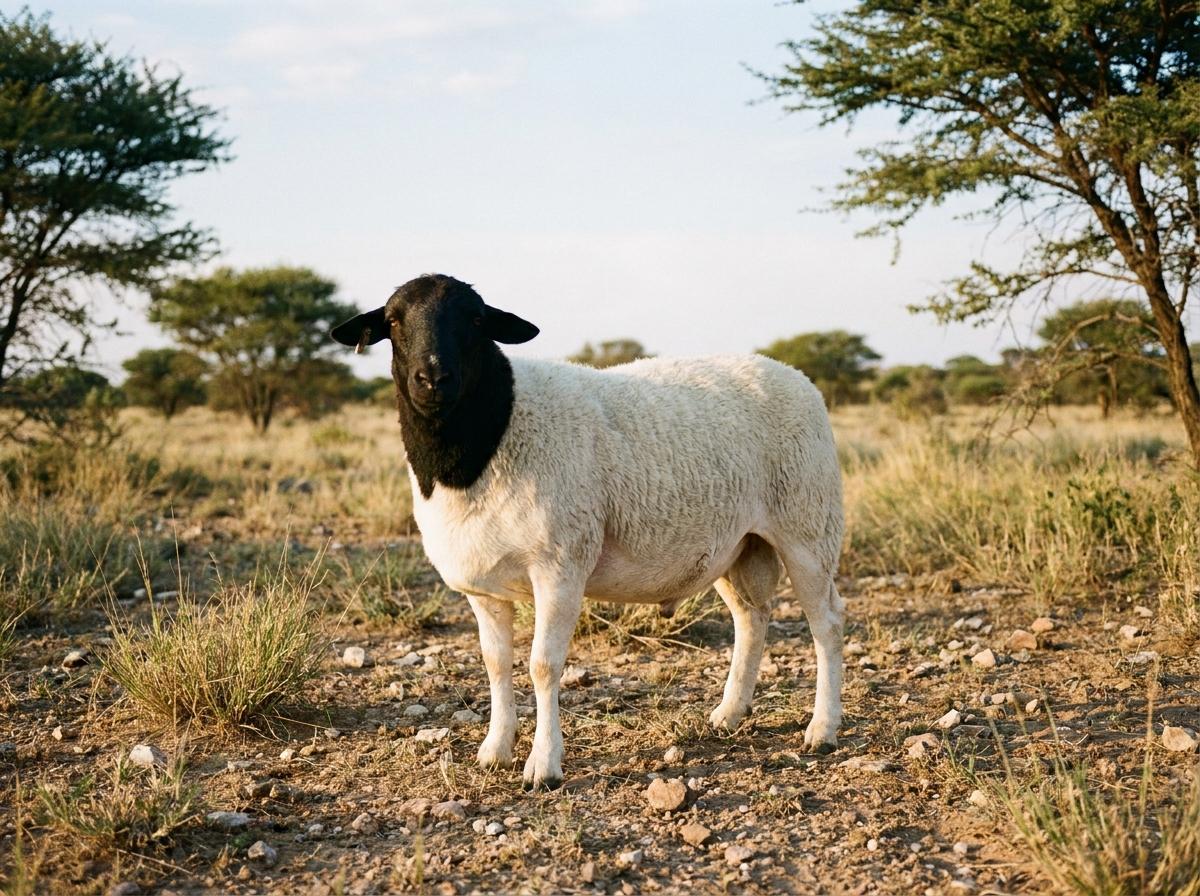
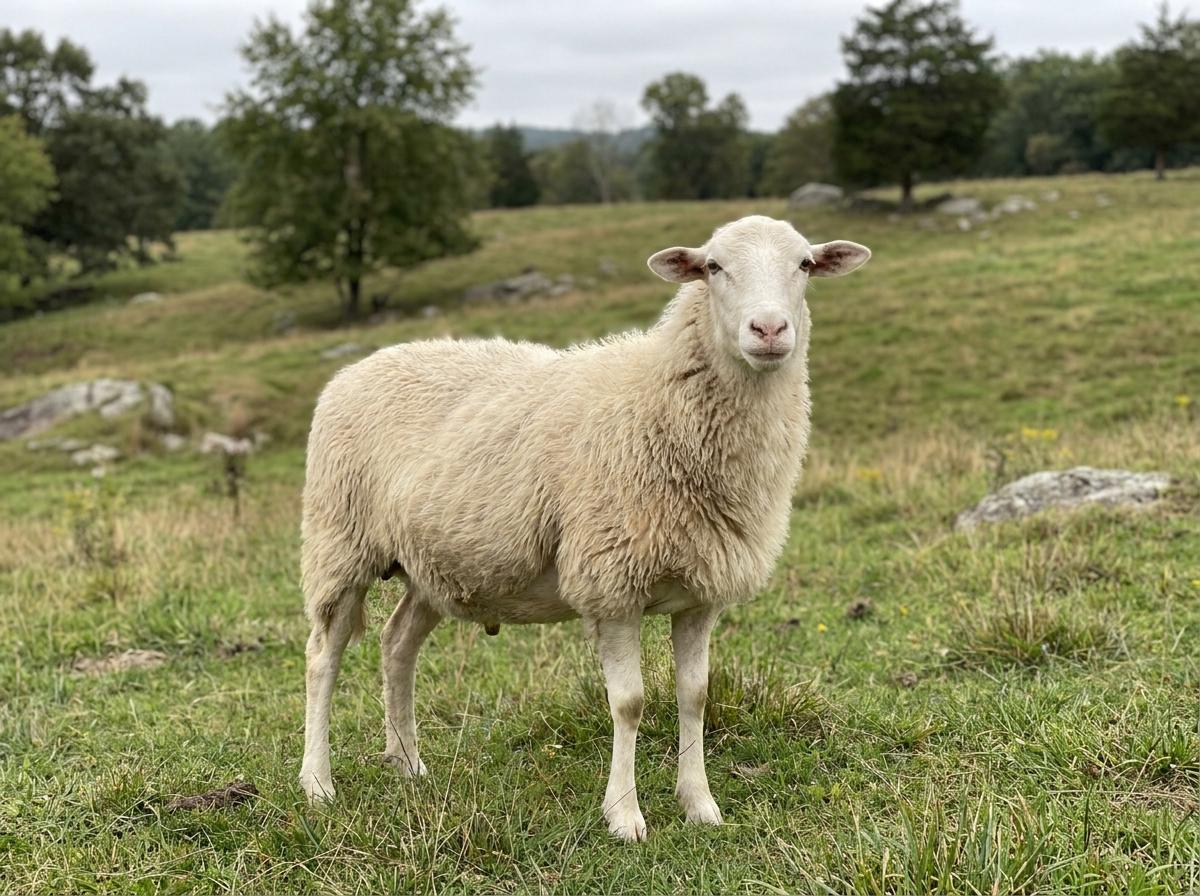
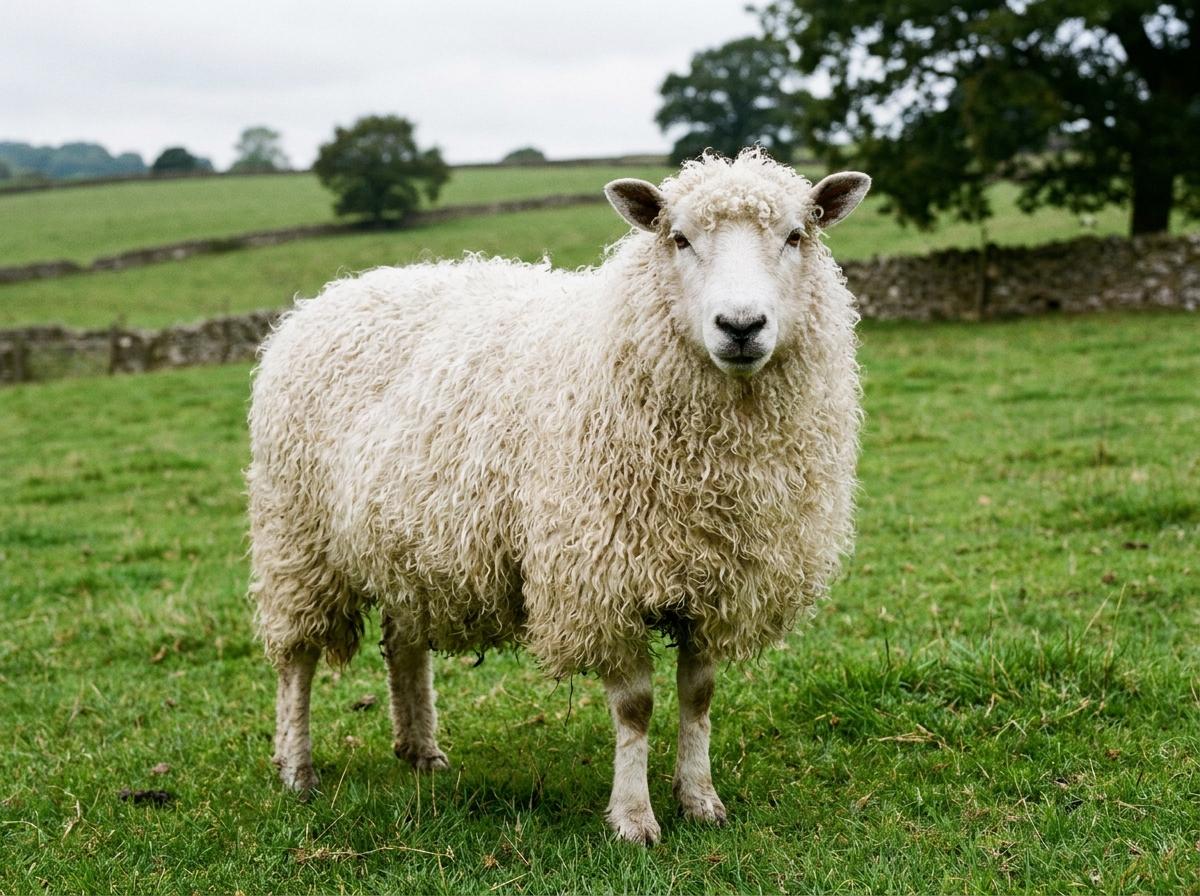
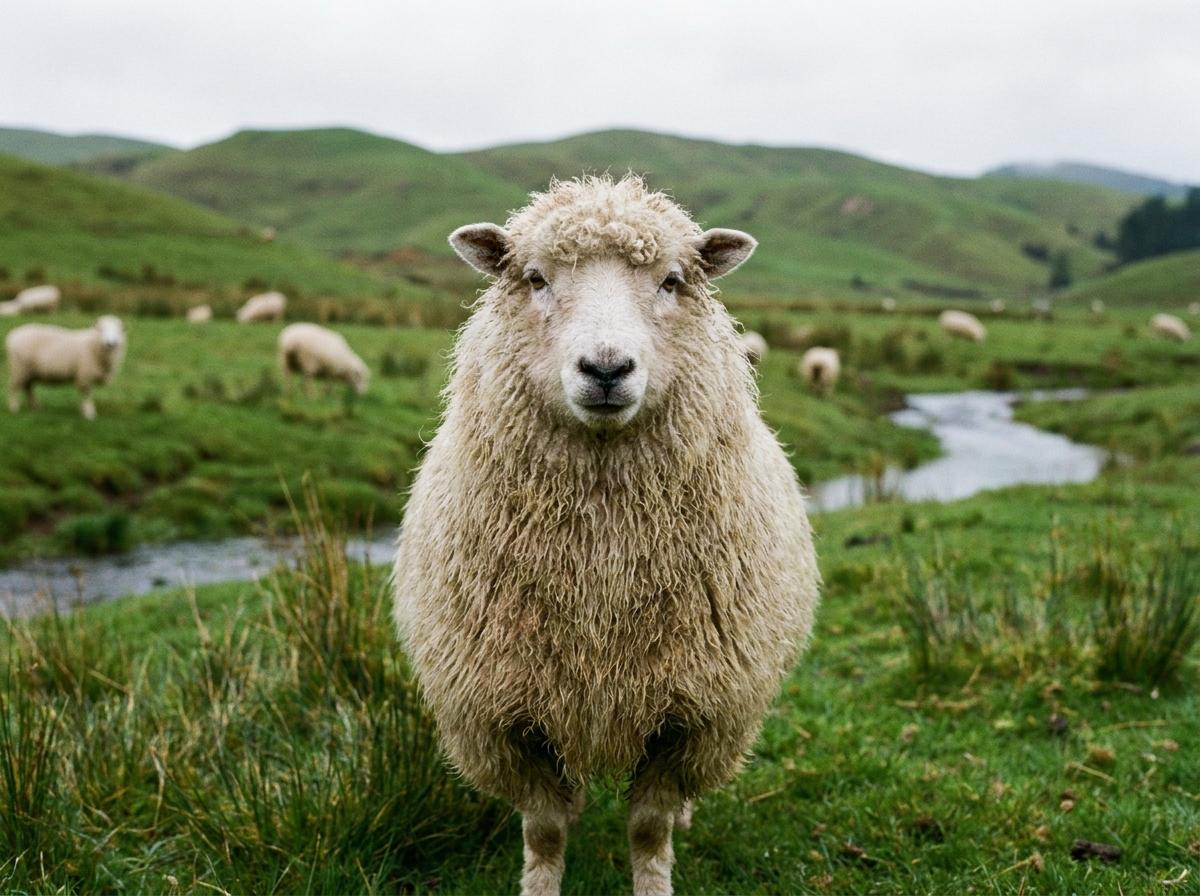
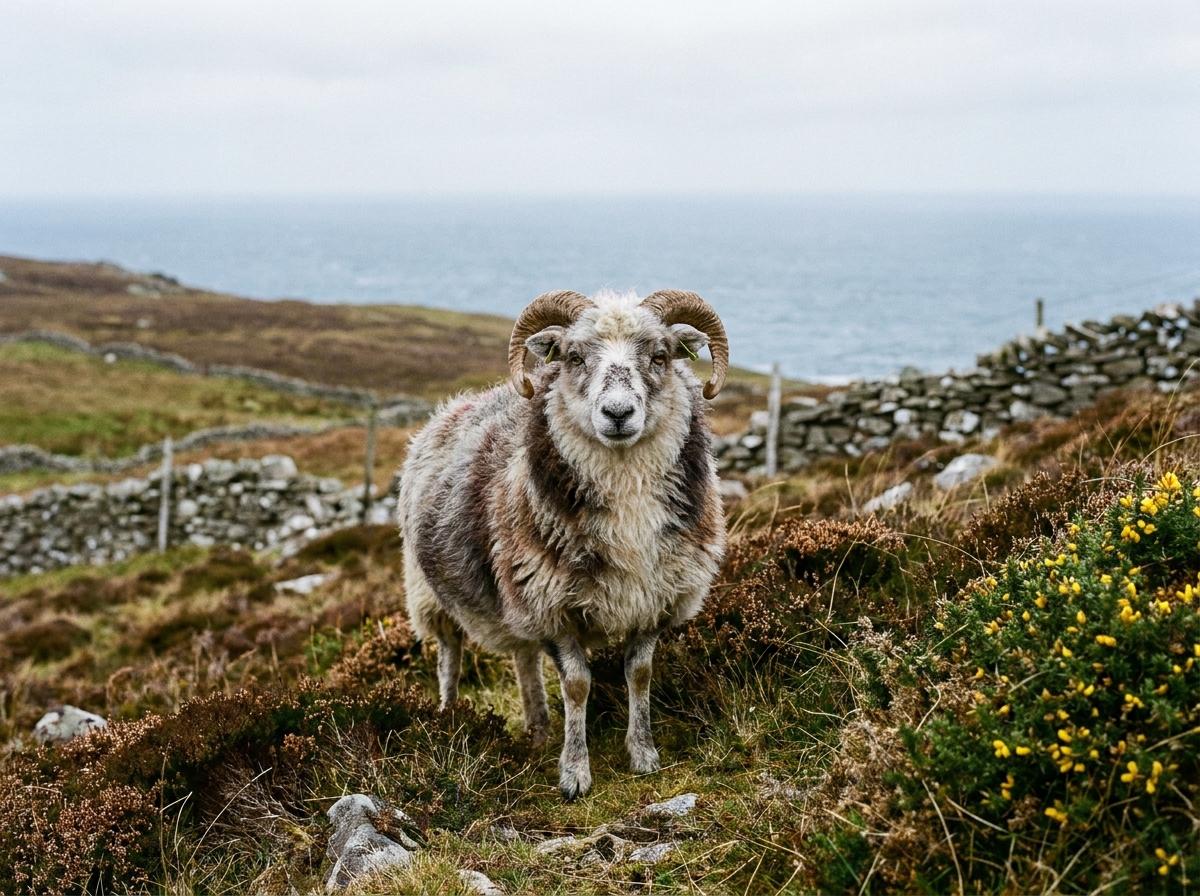
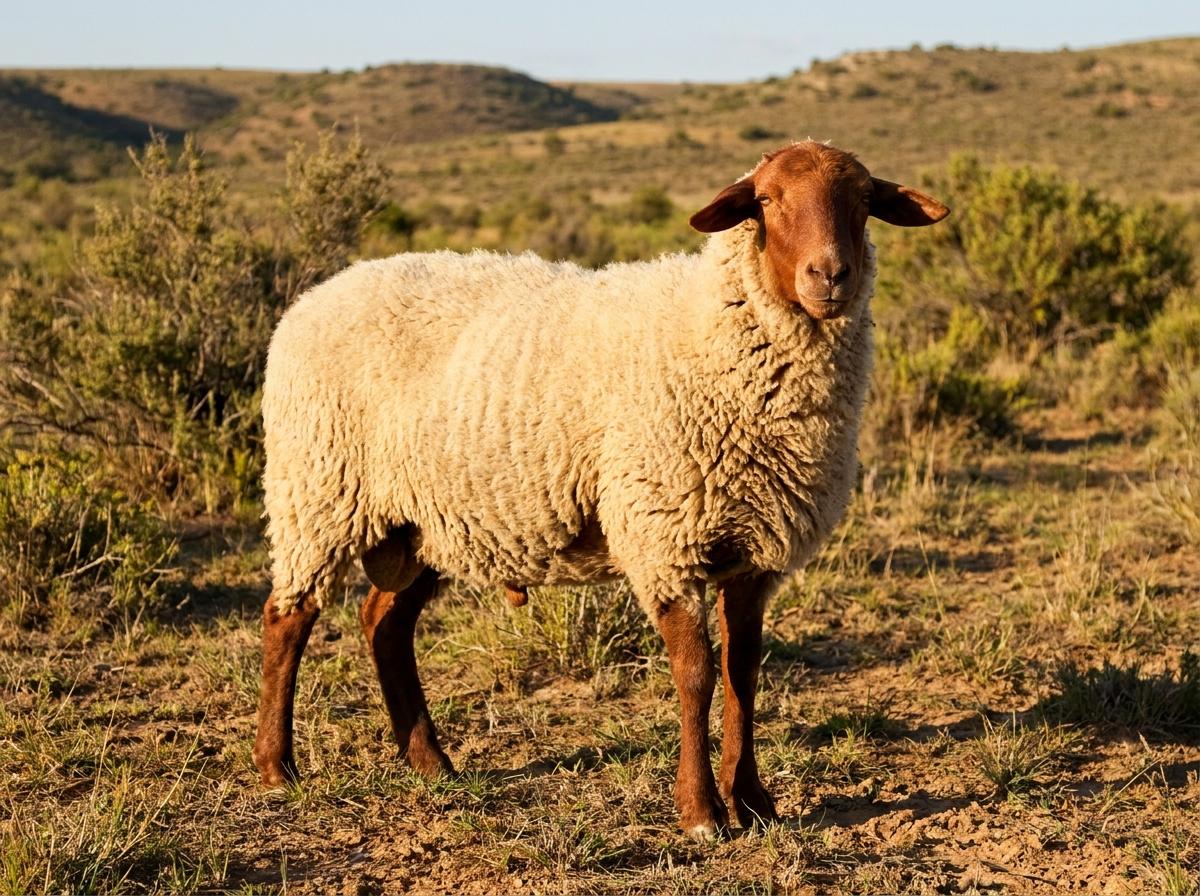
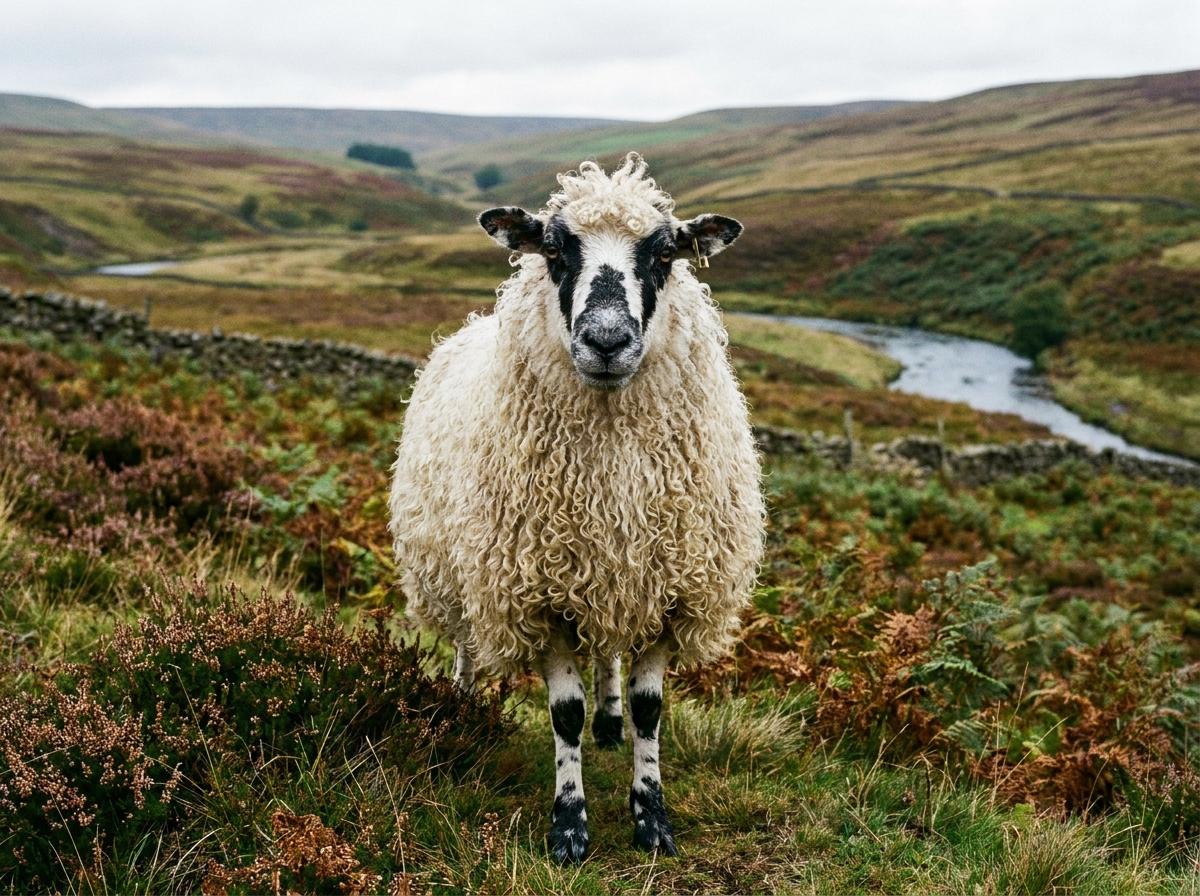
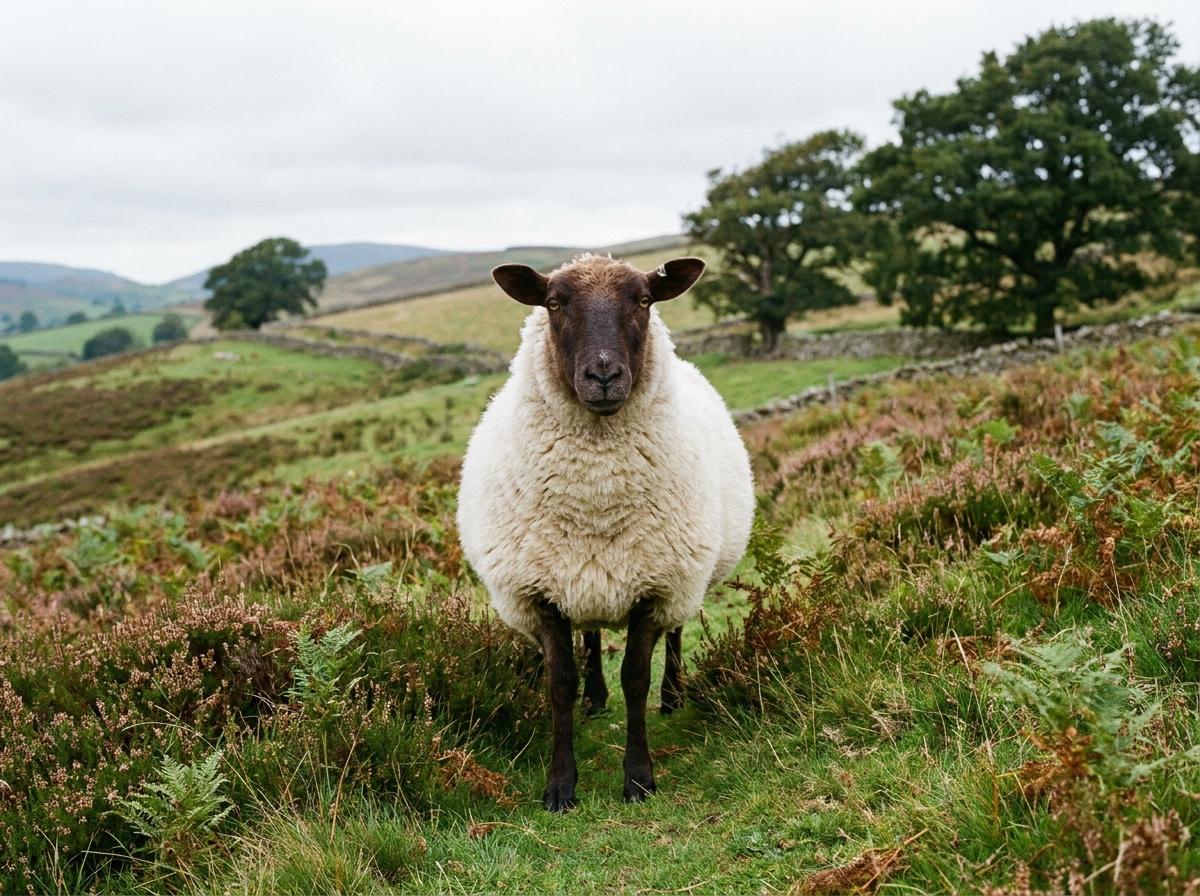
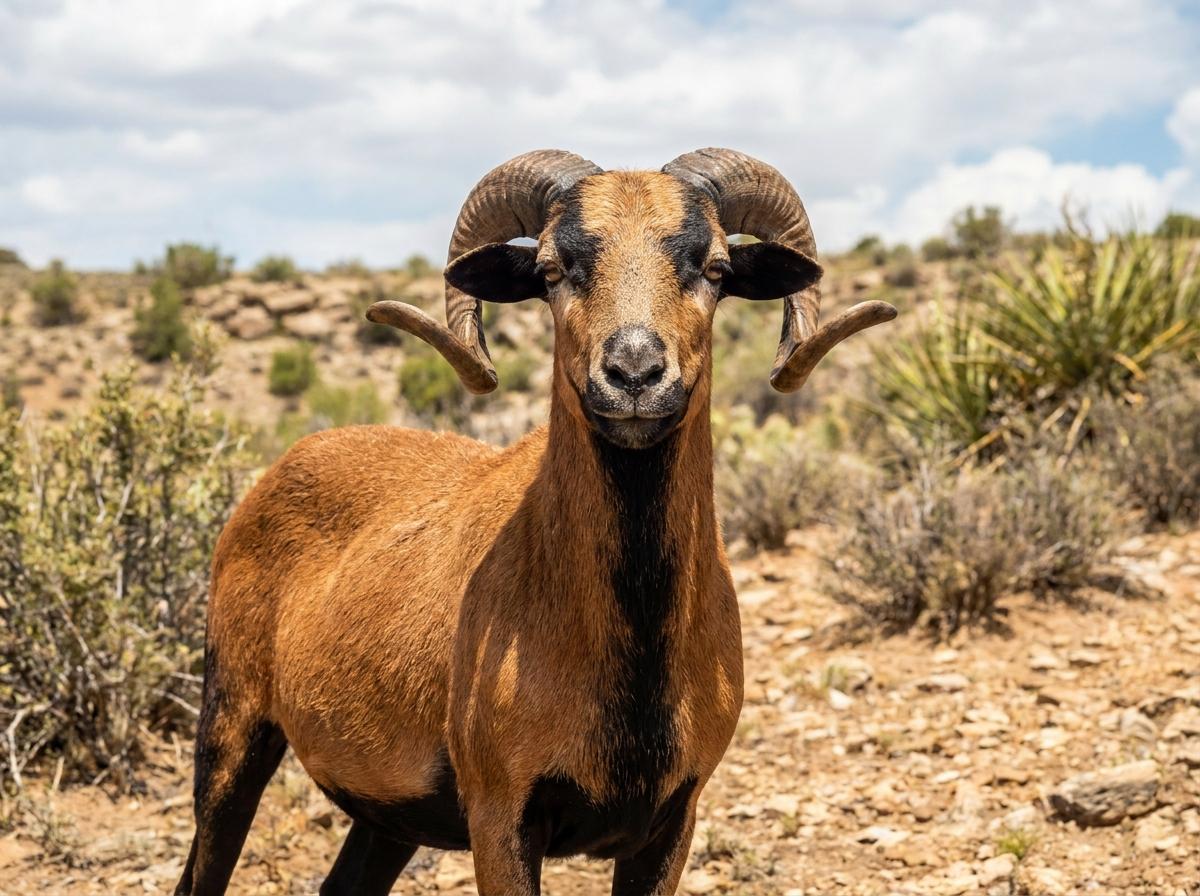
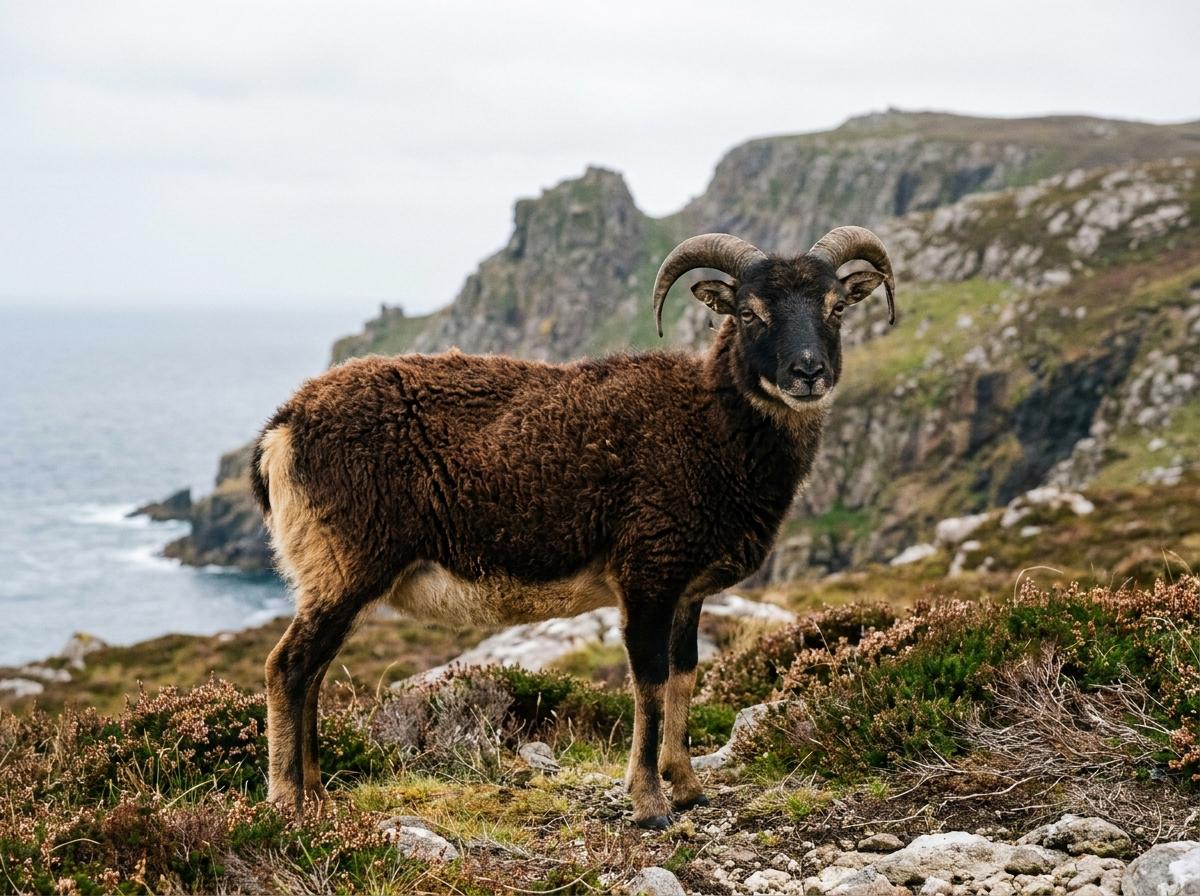
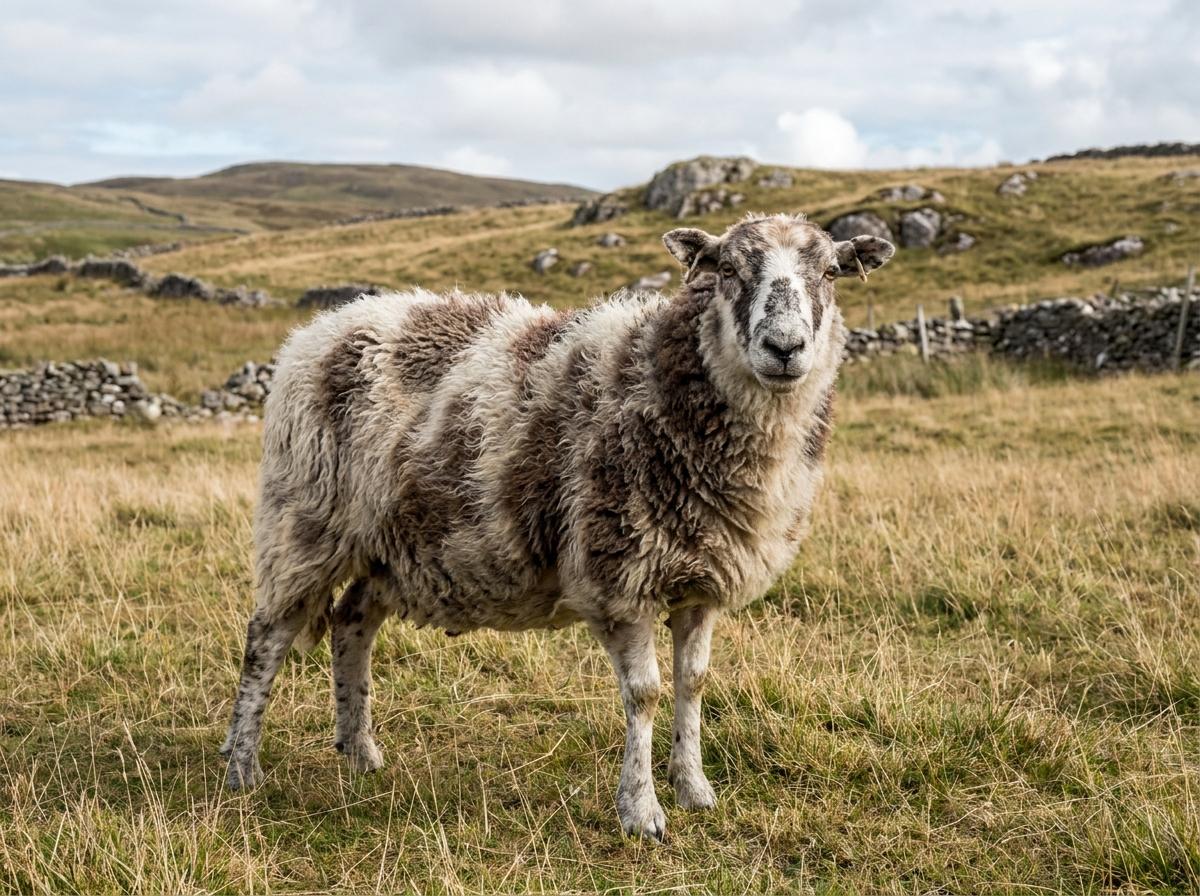
Mixed-breed sheep are crossbred or grade domestic sheep rather than a single registered breed. They may come from planned crosses for lamb production, dairy work, wool, hair-sheep shedding, or small-farm hardiness, or from flocks where several breeds have run together. Their appearance can range from all-white wool sheep to black, brown, spotted, badgerface, or hair-coated animals, with horn status, tail type, mature size, and fleece quality depending on the parents. In many commercial flocks, crossbreeding is used to combine maternal ability, growth, parasite tolerance, and carcass traits.
Practical value depends more on the individual and its flock history than on the label. A buyer should ask what breeds are behind the lambs, whether the flock is selected for meat, fiber, milk, or vegetation management, and how the sheep have performed under local feed and parasite pressure. Management should match the type: a fine-wool cross needs shearing and fleece care, while a hair-sheep cross may shed but still benefits from routine handling. Hoof checks and mineral-balanced feed remain part of ordinary flock care. Secure fencing and predator protection matter for any crossbred flock. For breeders, keeping notes on parentage and lambing results prevents a useful crossbred flock from becoming random and inconsistent.
Colors: White, Black, Brown, Gray, Grey, Tan, Cream, Red, Moorit, Badgerface, Katmoget, Gulmoget, Piebald, Pied, Spotted, Roan, Natural Colored, Black Face, Black Belly, White Face, Black and White, Brown and White, Gray Fleece, White Wool