

Montadale
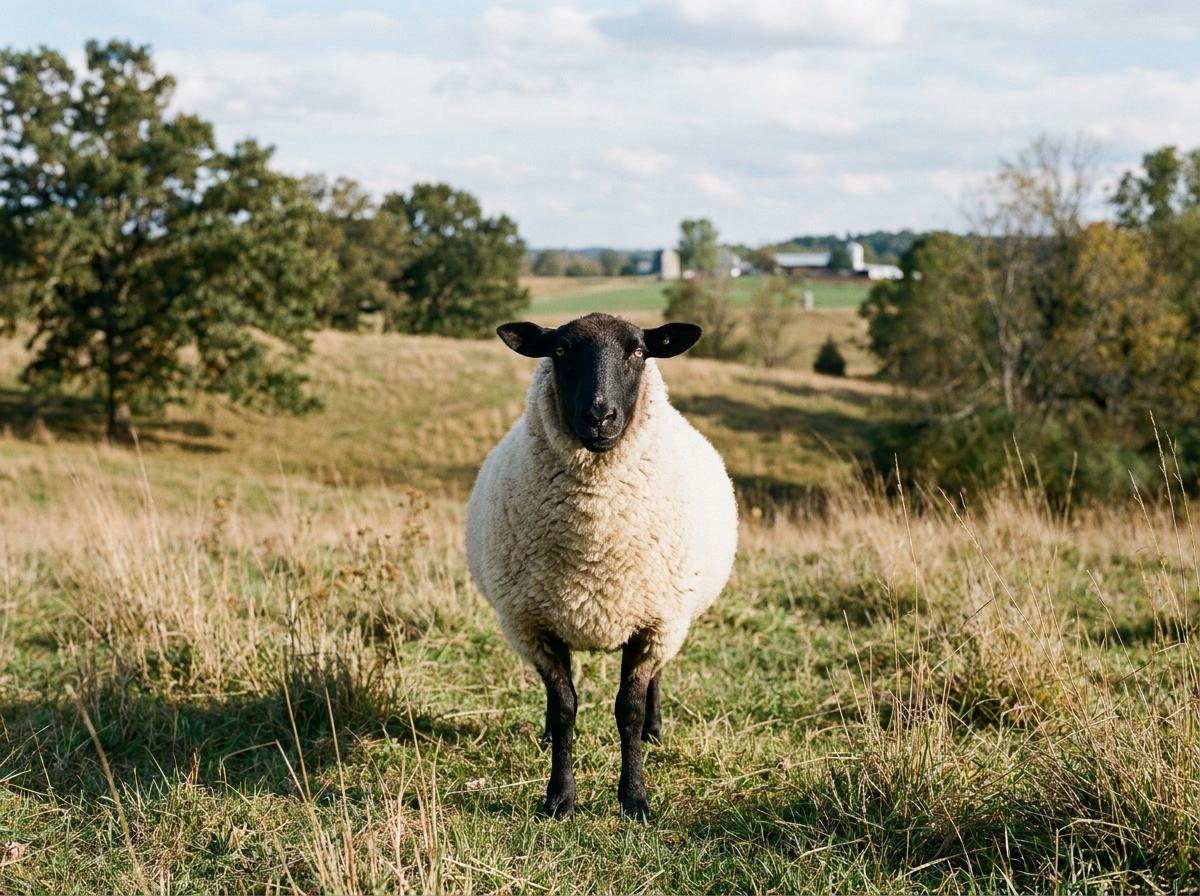
The Montadale is a medium to large, all-American, dual-purpose sheep bred to do two jobs well: hang a heavy, meaty market lamb and grow a clean, very white medium-wool fleece. It has an unmistakable look, a completely open white face free of wool, clean wool-free legs, erect ears, black nose and black hooves, and a naturally polled (hornless) head. It was developed in the United States in the 1930s by E. H. Mattingly, a St. Louis commercial lamb buyer, who crossed the hardy, open-faced Cheviot with the big, wool-heavy Columbia to combine the best of both. If you want a practical farm-flock sheep that produces market lambs and a marketable clip without fussy faces or horns to manage, the Montadale is one of the cleaner-lined answers among American breeds. Below is what the breed is, where it comes from, how it looks, what its wool is like, what it costs, and what to check before you buy one.

Browse listings, public profiles, breeders, or add your animal.
What is a Montadale sheep?
The Montadale is a true breed, meaning it reproduces its own type from one generation to the next rather than depending on a fresh cross each year. It was purpose-built in the United States to give farm flocks a single animal that delivers both a quality meat carcass and a clean, high-yielding wool clip. According to the Montadale Sheep Breeders Association, the breed was designed around an eight-point standard that valued a small head for easy lambing, an open face to prevent wool blindness, clean legs, good mutton conformation, a heavy medium-grade fleece without dark fibers, high lamb production, strong mothering, and general vigor. In other words, it was engineered to be a productive, low-fuss commercial sheep rather than a specialist in any one trait.
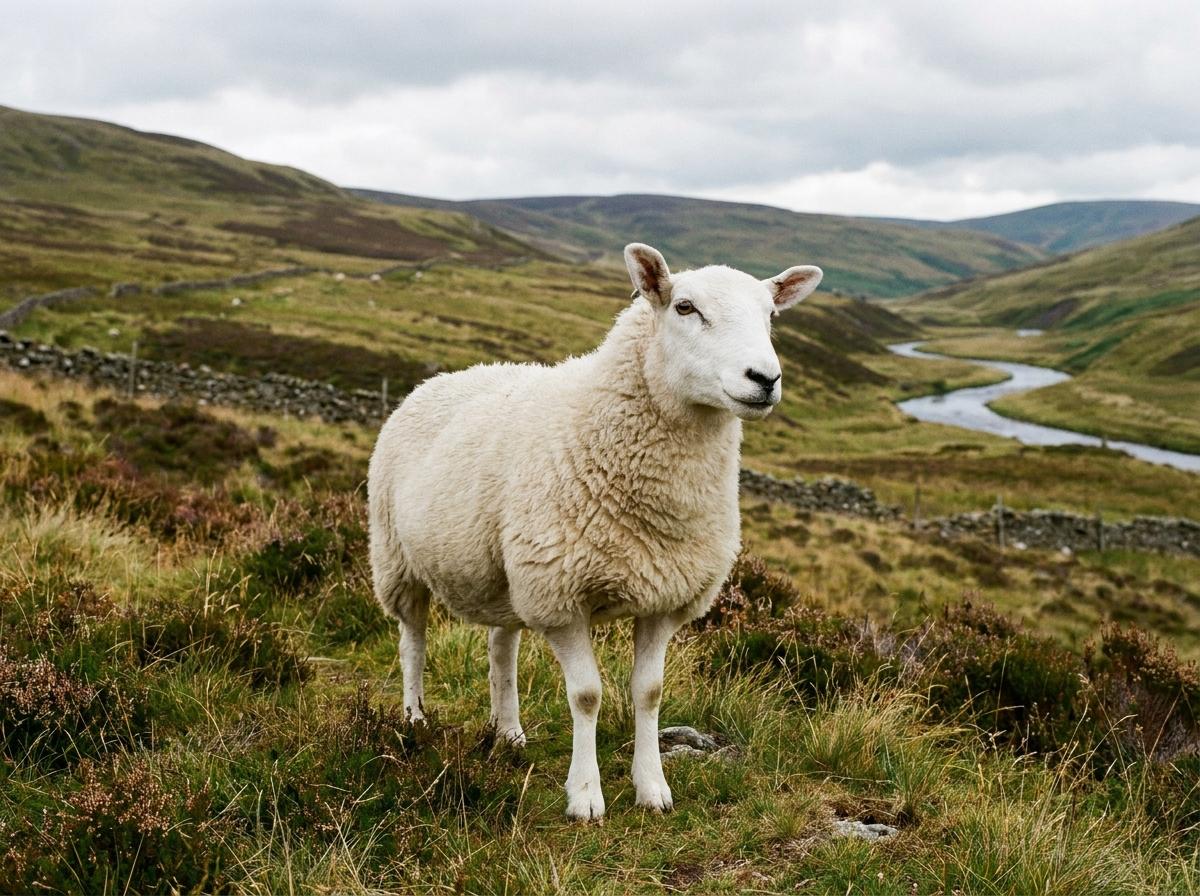
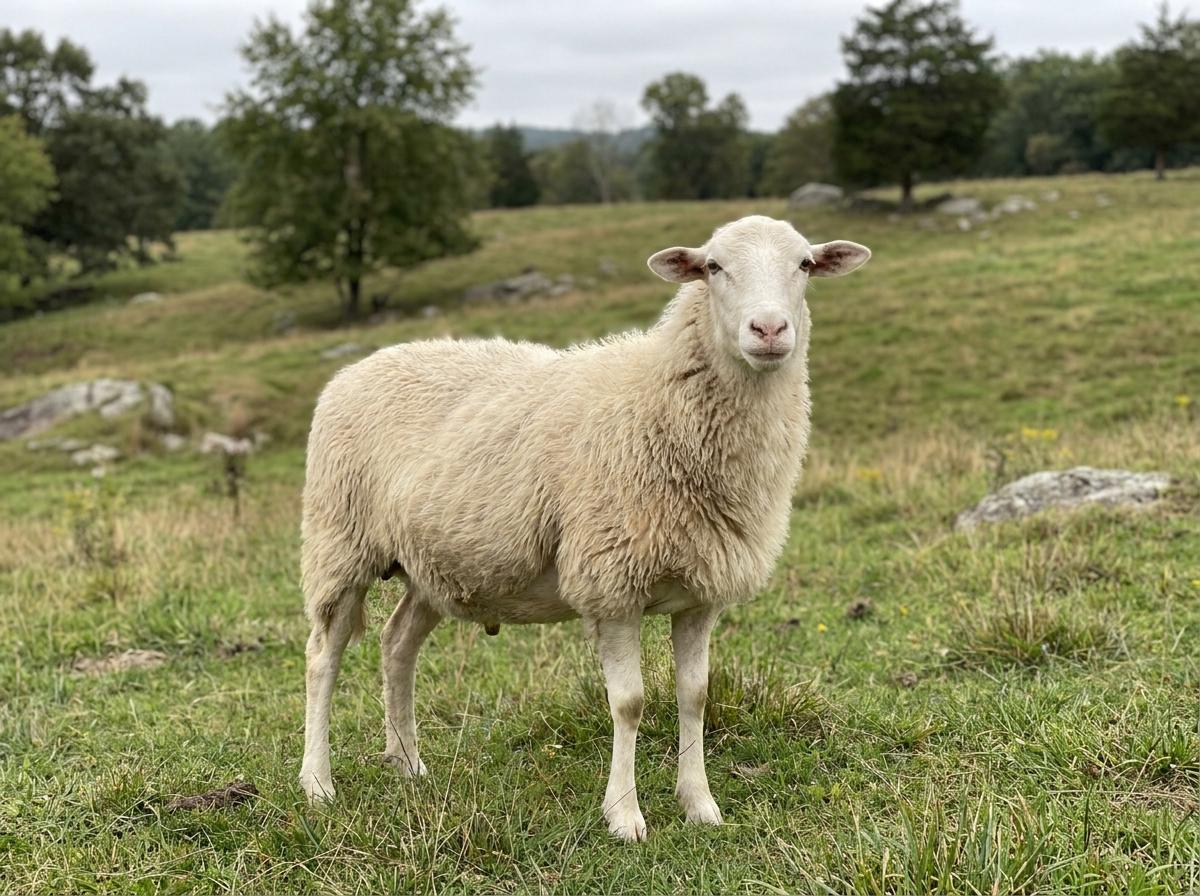
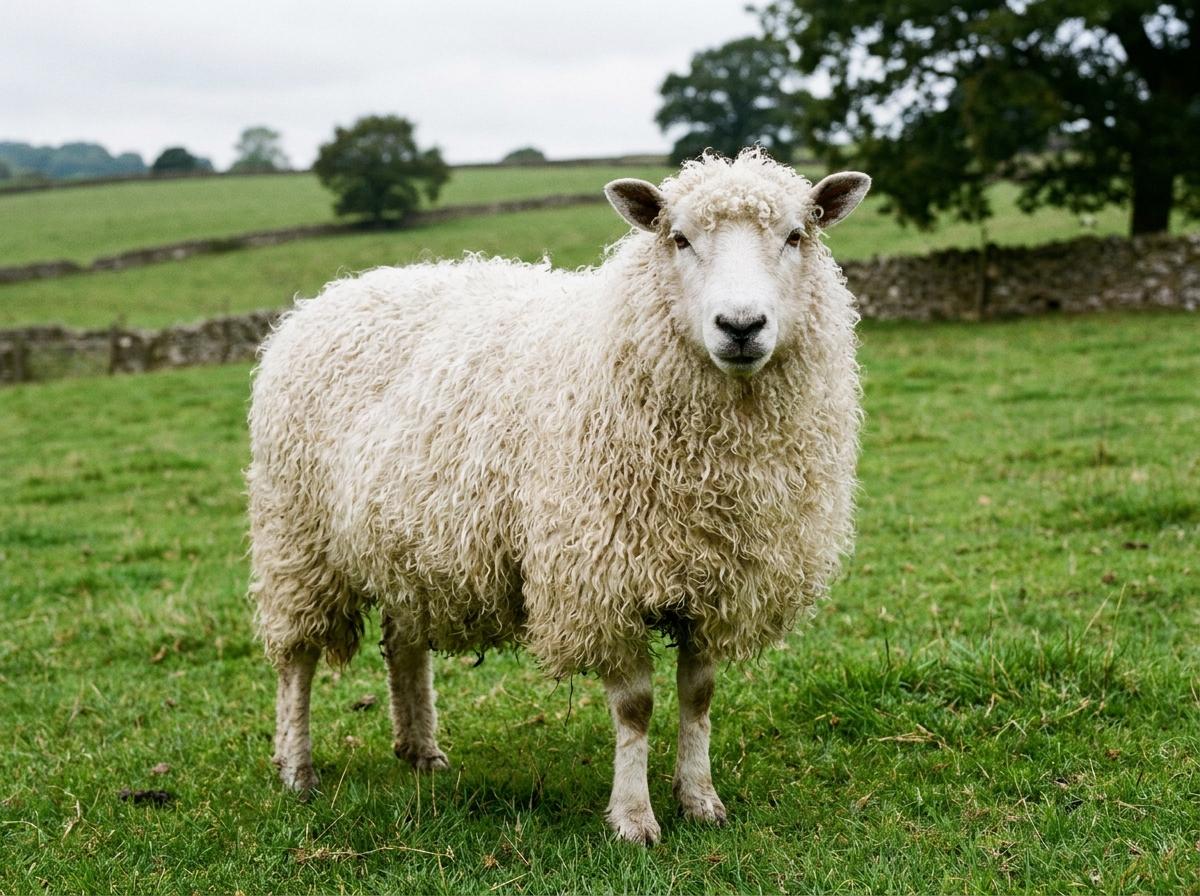
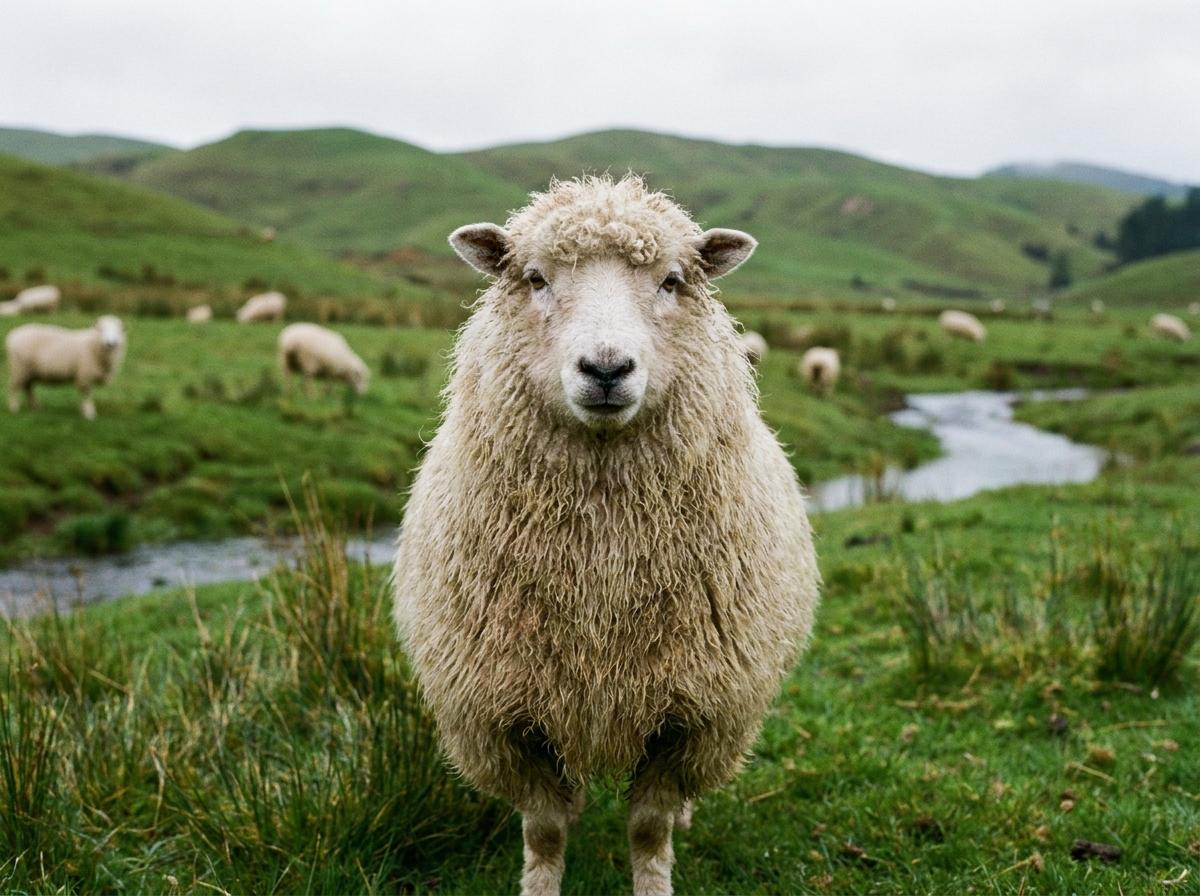
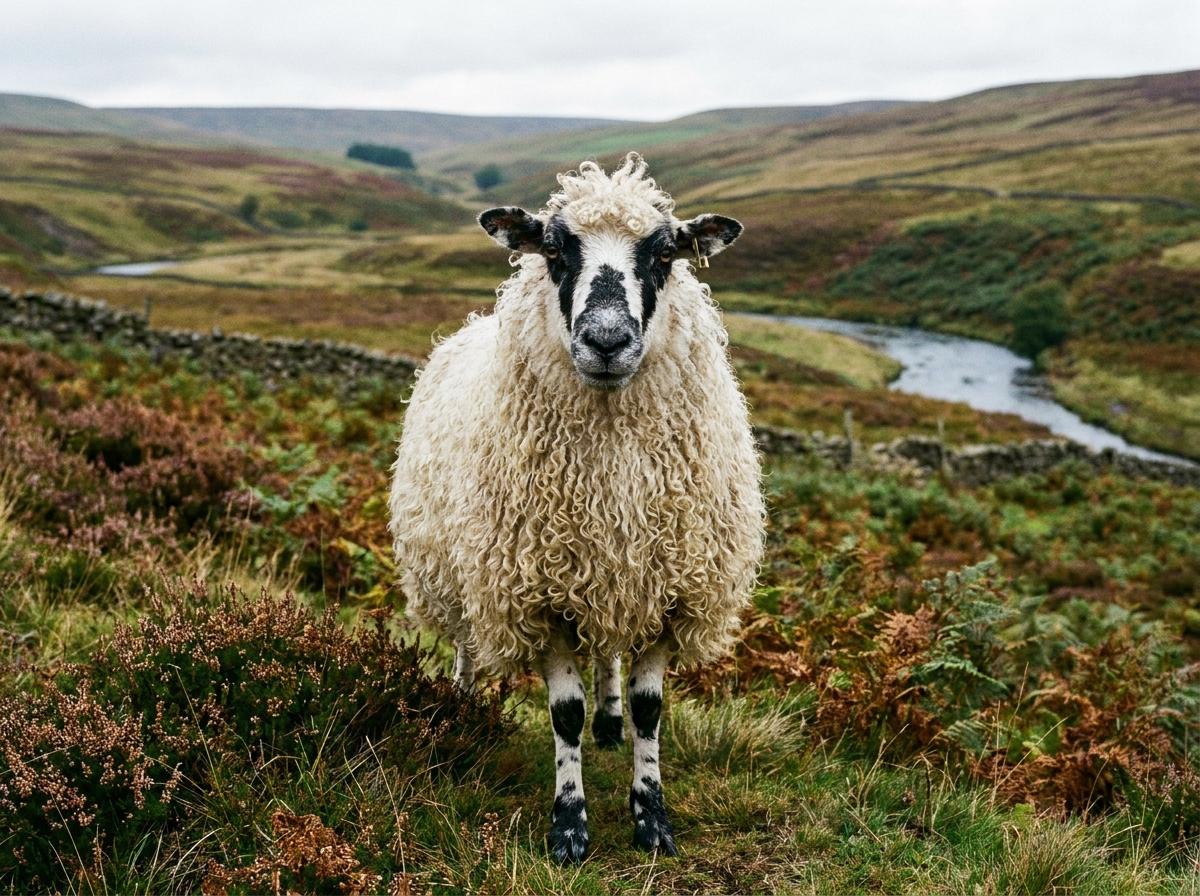
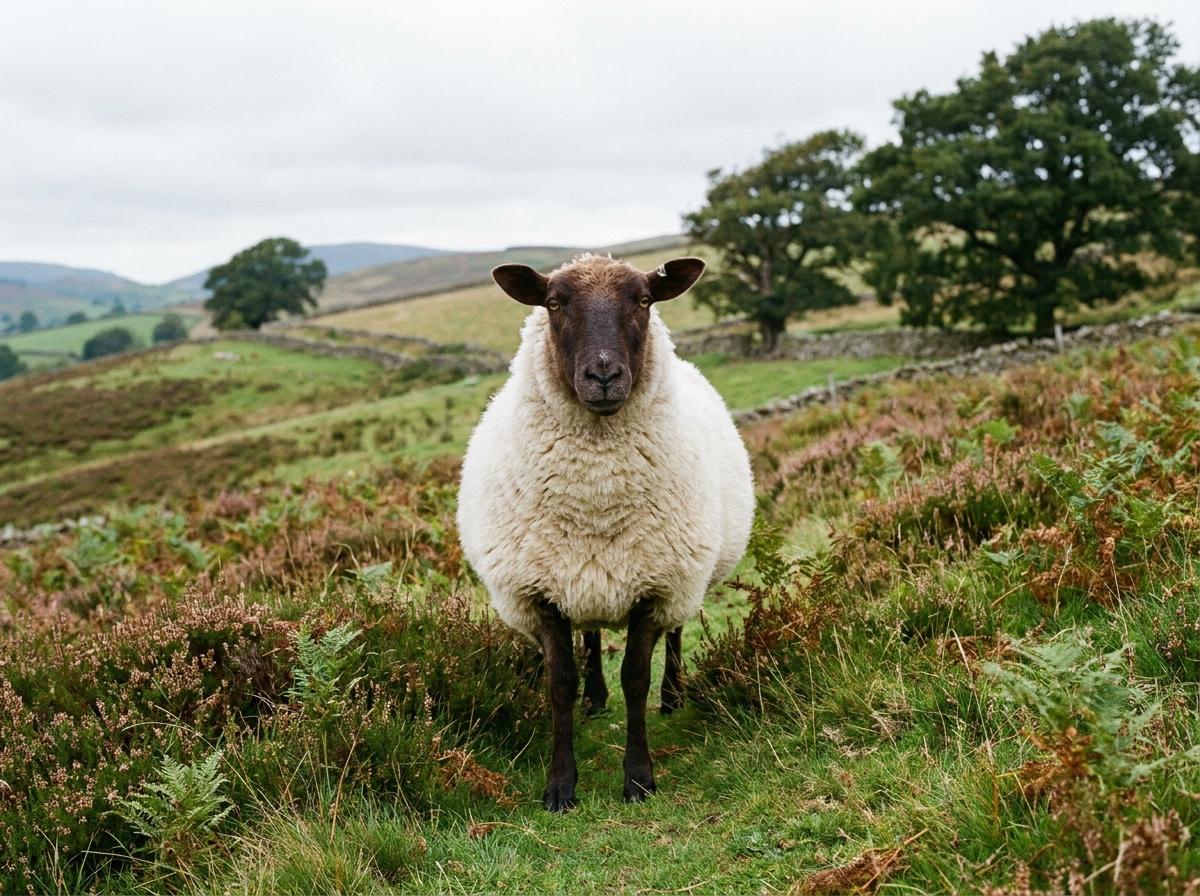
The result reads at a glance as a medium to large, blocky white sheep with a bright, alert, wool-free face and erect ears. The face and legs are clean and open, the nose and hooves are black, and both rams and ewes are polled, so there are no horns to work around. The fleece sits squarely in the medium-wool class, the practical middle ground between soft fine wool and coarse long wool. If you are still comparing breeds, the broader Creatures sheep species page is a good place to weigh the Montadale against other wool and meat breeds.
History and origin
The Montadale story begins with one man’s specific ambition. E. H. Mattingly was a commercial lamb buyer working out of St. Louis in the 1930s, and after years of handling lambs at market he set out to build what he considered the ideal farm sheep: one that produced both a superior meat lamb and a clean, useful fleece. Rather than starting from a regional folk breed, he chose two established breeds to cross and combine.
Mattingly picked the Cheviot and the Columbia. The Cheviot is a hardy, alert British hill breed prized for its clean, open, wool-free face and legs and its easy lambing. The Columbia, itself an American breed created by the United States Department of Agriculture, brought size, a heavy medium-wool fleece, and range hardiness. In 1932 Mattingly traveled to Kalispell, Montana, and bought what the breed association records as the first Columbia ram to go east of the Mississippi River, and crossed it on his purebred Cheviot ewes. After testing the cross both ways, the combination that became the foundation of the breed was Cheviot rams on Columbia ewes.

From there, Mattingly ran roughly nine years of selective culling and linebreeding until the animal came back true to type. In 1945 he and a small group founded the Montadale Sheep Breeders Association with five charter members, with Mattingly serving as the first executive secretary and Anne Gregory, who ran the registry for three decades, as secretary-treasurer. The association was formally incorporated under a Missouri charter in February 1947, and the first national show and sale was held that July in Montgomery City, Missouri. The Montadale Sheep Breeders Association remains the breed’s registry and standard-keeper today. The breed’s name reflects its parentage and its country: the “mont” nods to the mountain-bred Cheviot and Columbia stock, and the “dale” to the American valley farms it was built for.
Appearance and size
A Montadale is easy to identify once you know the markers.
- Open white face and clean legs. The face is completely free of wool and the legs are clean, a trait carried over from the Cheviot side. An open face means less risk of wool blindness and an easier animal to read at feeding and lambing.
- Black nose and black hooves. Regardless of the white wool, the nose and hooves are black. This is one of the quickest ways to tell the breed apart from other clean-faced white sheep.
- Erect ears. The ears stand up and alert rather than drooping, giving the head a bright, attentive look.
- Polled. Both sexes are naturally hornless, so there are no horns or scurs to manage at handling time.
- White fleece and blocky frame. The body fleece is dense and very white, and the animal is a medium to large, meaty, square-set sheep.
On weight, published figures vary a little by source, which is normal for a farm breed. The Oklahoma State University breeds reference lists mature ewes at roughly 150 to 200 pounds and mature rams at roughly 250 to 300 pounds. Other breed references cite somewhat lighter ranges, with ewes around 160 to 180 pounds and rams around 200 to 275 pounds. Either way, treat the Montadale as a solid medium to large sheep: heavy enough to hang a good carcass, but not one of the giant long-wool breeds.
Wool characteristics
Wool is half of the Montadale’s job, and the breed has a genuine distinction here that is worth understanding.
A typical Montadale ewe shears roughly 8 to 12 pounds of fleece per year with a staple length of about 3.25 to 4.5 inches. The wool is medium grade, running about 48s to 58s on the spinning count, which corresponds to roughly 25 to 32 microns. Nearly all Montadale wool is extremely white.

The standout trait is yield. Montadales produce comparatively little lanolin (the natural grease in wool), which makes their fleece unusually high-yielding after scouring, commonly in the range of about 45 to 60 percent clean. The breed association notes it is not unusual for Montadale wool to yield a few percent higher than wools of the same grade produced in the same area. For anyone selling a clip, yield matters: a low-grease, bright-white medium wool means more usable clean fiber per pound of greasy fleece and a fleece that presents well to hand spinners and small mills.
What Montadale wool is used for
Medium wool in the roughly 48s to 58s range is the broad, versatile middle of the wool world. It is not as fine and soft as a Merino or Rambouillet fleece meant for next-to-skin garments, and not as coarse and long as a Lincoln or Romney fleece headed for rugs and outerwear. That middle ground is forgiving and useful. Montadale wool spins and felts readily, takes dye well because of its brightness and low grease, and has the loft and elasticity for blankets, batting, outerwear, socks, and general-purpose yarn. Hand spinners often appreciate a clean, white, low-lanolin fleece because it needs less washing and shows dye color truly. For a small flock, a well-skirted Montadale clip that is kept free of vegetable matter is one of the more sellable medium wools you can offer.
Meat traits
The other half of the job is the lamb. The Montadale was built around the market lamb, and the breed association standard explicitly prized quality mutton conformation. Because the breed carries real size and good growth on a blocky frame, its lambs put on weight efficiently and produce a well-muscled, meaty carcass. That makes Montadales useful both as a purebred farm-flock sheep and as one side of a commercial cross, where a Montadale or Montadale-cross ewe brings frame, milk, and mothering while the lambs grow out for market. For a small farm, that same growth means a Montadale wether or market lamb finishes efficiently on good pasture with appropriate supplemental feed.
Temperament
Montadales are generally described by keepers as calm, alert, and easy to handle, with strong flocking and mothering instincts, which fits a breed selected for high lamb production and vigor. We flag this as practitioner and breeder observation rather than a formally studied trait. The polled heads make routine work safer than with a horned breed, and the open faces make the animals easy to read. As with any sheep, ewes can be protective around new lambs, individual temperament varies with handling and housing, and rams of any breed should be handled with respect, especially during breeding season.
Husbandry and care
A Montadale is a practical, hardy farm sheep, but like all sheep it needs the basics done consistently. The headlines below cover the structure of good management. For any medical decision, work with a veterinarian who can see your animals and knows your region.

Pasture and feeding
Sheep are grazers and do best on good pasture. A medium to large dual-purpose breed still needs enough quality grass or hay to hold body condition, especially ewes in late pregnancy and lactation and lambs growing out for market. Provide clean water at all times, a sheep-appropriate loose mineral, and supplemental hay when pasture is short or dormant. One critical point specific to sheep: they are very sensitive to copper and clear excess copper poorly, so copper can accumulate in the liver and trigger a fatal toxicity crisis. Use minerals formulated for sheep, never generic livestock or goat mixes, and follow your veterinarian’s guidance on any copper supplement.
Breeding and lambing
Sheep gestation runs about 147 days on average, with a normal range of roughly 144 to 152 days, per the Merck Veterinary Manual. Montadale ewes are good mothers and the breed was selected for high lamb production, so twins are common with good management. Many farm flocks breed ewe lambs to lamb as yearlings, but that works only if the ewe lamb has reached roughly two-thirds of her mature weight on good nutrition before breeding. Plan a clean, dry, draft-free lambing area and be present for first-time mothers. The breed’s small head and easy-lambing Cheviot heritage were selected in part to reduce lambing difficulty.
Shearing
Montadales are typically sheared once a year, usually in spring before the heat and before lambing so the ewe is cleaner and more comfortable. Because the fleece is so white and low in grease, keeping it clean pays off directly at sale time, so shear on a fixed schedule and skirt the fleece well rather than letting it get soiled or matted.
Health and parasite management
Internal parasites are the single biggest health challenge for most sheep flocks. The barber pole worm (Haemonchus contortus) is a blood-feeding stomach worm that can cause anemia and death, and it has developed resistance to dewormers in many regions. Modern parasite control leans on integrated management rather than routine blanket deworming: rotational grazing, leaving enough forage residual so animals graze above the bottom few inches where larvae concentrate, and using the FAMACHA system to check lower-eyelid color and treat only the animals that actually need it. Work out a parasite plan with your veterinarian for your specific region.
On vaccination, the core protection for sheep is the CDT vaccine, which covers Clostridium perfringens types C and D (overeating disease) and tetanus. It is given annually, with a booster to ewes a few weeks before lambing so lambs get protection through colostrum, and it matters around any wound, including shearing, docking, and castration. Keep feet trimmed, watch for foot rot in wet conditions, and defer to a veterinarian for any medical decision.
Lifespan
Most sheep live about 10 to 12 years. A ewe’s productive life is shorter than her total lifespan: ewes are generally most productive between roughly 3 and 6 years of age, and many are culled once their teeth, udders, or condition start to fade, while ewes on good feed and management can stay productive a couple of years longer. Good nutrition, parasite control, and sound feet and udders are what keep an individual ewe in the flock to the end of her useful life. There is no authoritative Montadale-specific lifespan figure, so treat the 10-to-12-year range as the general sheep expectation rather than a breed guarantee.
Cost and availability
Price depends heavily on age, sex, quality, and whether the animal is registered. As a general guide, ordinary breeding sheep often run a few hundred dollars per head, with registered breeding stock and proven show or production animals commanding more, and rams typically higher than ewes. Auction animals can be cheaper but carry more unknowns about health and history, so factor that risk in. We are not going to invent a precise Montadale price, because there is no single reliable published figure and it varies by region and bloodline.
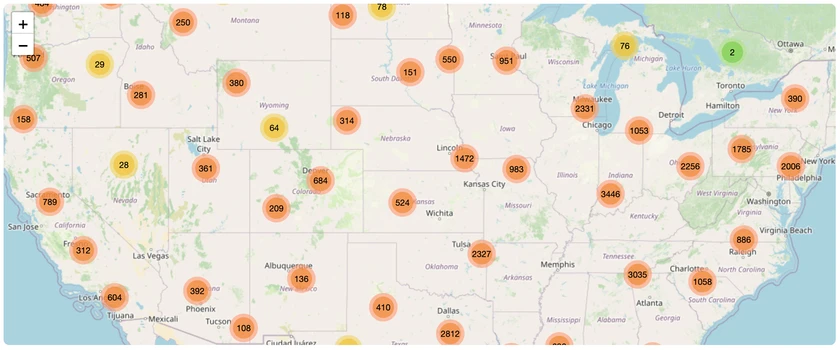
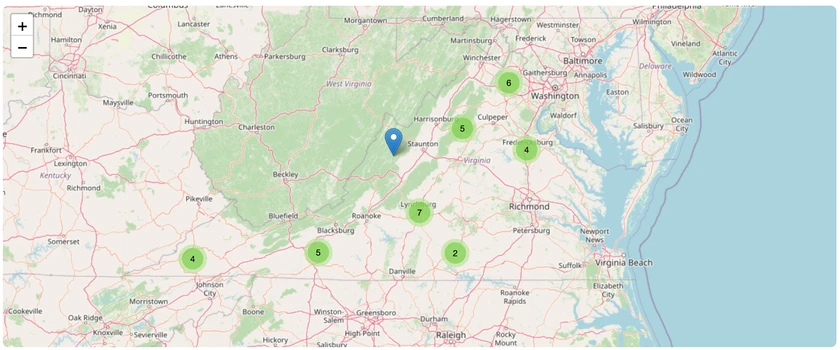
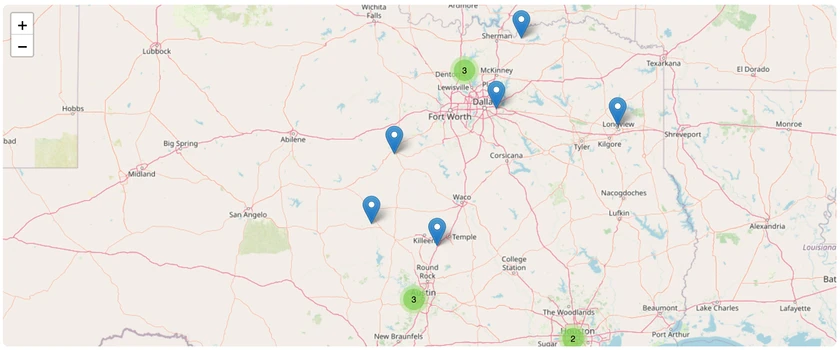
On availability, the Montadale is an established American breed that never became one of the most numerous, so it sits between common and rare. Breed registrations plateaued at a few thousand head through much of the late twentieth century, and the association ran growth campaigns to build numbers back up. The breed is strongest where it was developed, across the Midwest, but the association reports active producers in every region of the country. Practically, that means you may not find Montadales at a random sale barn, so if you want registered stock or specific bloodlines, plan to source directly from a breeder through the Montadale Sheep Breeders Association.
How the Montadale compares to its parent breeds
It helps to place the Montadale next to the two breeds that built it.
- Versus the Cheviot (its sire side). The Cheviot is a smaller, very hardy British hill breed with the same clean, open, wool-free face and erect ears and a reputation for easy lambing. The Montadale kept that open face, alert head, and easy-lambing character but scaled the animal up with more size, more body, and a heavier, higher-yielding fleece from the Columbia side. If you want a small, ultra-hardy hill sheep, the Cheviot is that; the Montadale is the larger, more market-lamb-focused development of it.
- Versus the Columbia (its dam side). The Columbia is a large USDA-developed dual-purpose range breed, also white and polled, with a heavier fleece and a bigger frame. The Montadale is generally a bit more moderate in size and carries the cleaner Cheviot face and the very white, low-lanolin fleece. In practice the choice between them often comes down to which breed has strong, healthy, registered flocks near you and which one’s wool and lamb better fit your market.
For most buyers the practical takeaway is simple: the Montadale is the clean-faced, polled, high-yielding-medium-wool option that blends Cheviot hardiness and easy lambing with Columbia size and fleece, and it earns its keep when you want both a market lamb and a marketable clip from one manageable animal.
Buying considerations
Before you buy, line up the practical questions:
- Purpose. Are you after the lambs, the wool, or both? The Montadale does both, but if you only want the finest fiber there are more specialized wool breeds, and if you only want pure growth there are terminal-sire meat breeds.
- Registered or not. Registration through the Montadale Sheep Breeders Association matters if you plan to sell breeding stock or show. For a productive farm flock, unregistered animals of good type may serve fine at lower cost.
- Breed markers. Confirm the clean open face, clean legs, black nose and hooves, erect ears, and a polled head. These are the traits that make the breed the breed.
- Health and soundness. Check body condition, eyes (FAMACHA eyelid color), feet, teeth, and udders on ewes. Ask about the flock’s parasite and vaccination history.
- Records. Ask for lambing history, fleece weights, and any health records. A seller who keeps good records is usually managing the animals well, and those records are exactly what you will want to carry forward.
You can browse current listings on the Creatures marketplace and look for breeders and farms in the Creatures directory. Because the breed is not sold everywhere, a saved listing alert (below) is often the most practical way to catch one when it appears.
Frequently asked questions
Are Montadale sheep good for beginners? They can be. They are calm, polled, and hardy, with clean open faces and easy-lambing heritage, all of which help a first-time shepherd. The main things to plan for are the usual sheep essentials: sheep-specific minerals (because of copper sensitivity), a parasite plan, annual shearing, and CDT vaccination.
Do Montadale sheep have horns? No. Both rams and ewes are naturally polled (hornless).
What is Montadale wool like? It is a bright, very white, medium-grade wool, roughly 48s to 58s spinning count (about 25 to 32 microns) with a staple around 3.25 to 4.5 inches. Its standout trait is low lanolin and high yield, which makes it a clean, versatile, sellable medium wool.
Where did the Montadale come from? It was developed in the United States in the 1930s by E. H. Mattingly, a St. Louis lamb buyer, by crossing Cheviot rams on Columbia ewes. The Montadale Sheep Breeders Association was incorporated in Missouri in 1947.
Are Montadale sheep raised for meat or wool? Both. It is a dual-purpose breed developed specifically to produce a quality market lamb and a clean, high-yielding medium-wool clip from one animal.
Do this next on Creatures
Whether you are sizing up your first flock or tracking a Montadale you already own, Creatures is the records, marketplace, and directory layer that ties it together. Here is where to start, no account needed for the guest-friendly steps.
Add your sheep. Already keeping Montadales? Create a free animal profile in a few minutes and keep shearing weights, lambing dates, and health events in one place. No account needed to start. The walkthrough is in adding an animal to Creatures.
Track fleece and health. Log shearing weights, lambing dates, CDT boosters, and FAMACHA scores against each animal so the history travels with the sheep. The record sheet opens for any visitor to look around, and a free account saves what you enter. See adding a record and health and medical records for the full how-to.
Get alerted. Montadales are not sold everywhere, so set a free Montadale listing alert and we will tell you when one is posted. No account needed to start. More on saving searches and using your watchlist.
Find stock. Browse Montadale sheep on the marketplace and search trusted breeders and farms in the Creatures directory. These are trusted listings, not a formal vetting program, so still do your own checks.
List your farm. Run a flock or farm? Create a free organization profile so buyers searching for the breed can reach you. No account needed to begin. Read getting listed in the breeder directory and creating an organization and adding your team if you manage your operation with others.
Sell with confidence. Planning to sell stock? Learn how seller payout works before you list, so you know how and when funds reach you.
You can also explore the parent sheep species page for other breeds and care guides, compare the Montadale with its larger cousin the Columbia, and see how it lines up against other dual-purpose livestock like the Hereford hog and the Midget White turkey for a mixed farm.
For authoritative breed information, the Montadale Sheep Breeders Association and the Oklahoma State University breeds reference are the standard sources. For flock health, your local university extension service and a veterinarian are the best resources for region-specific parasite, mineral, and vaccination plans.