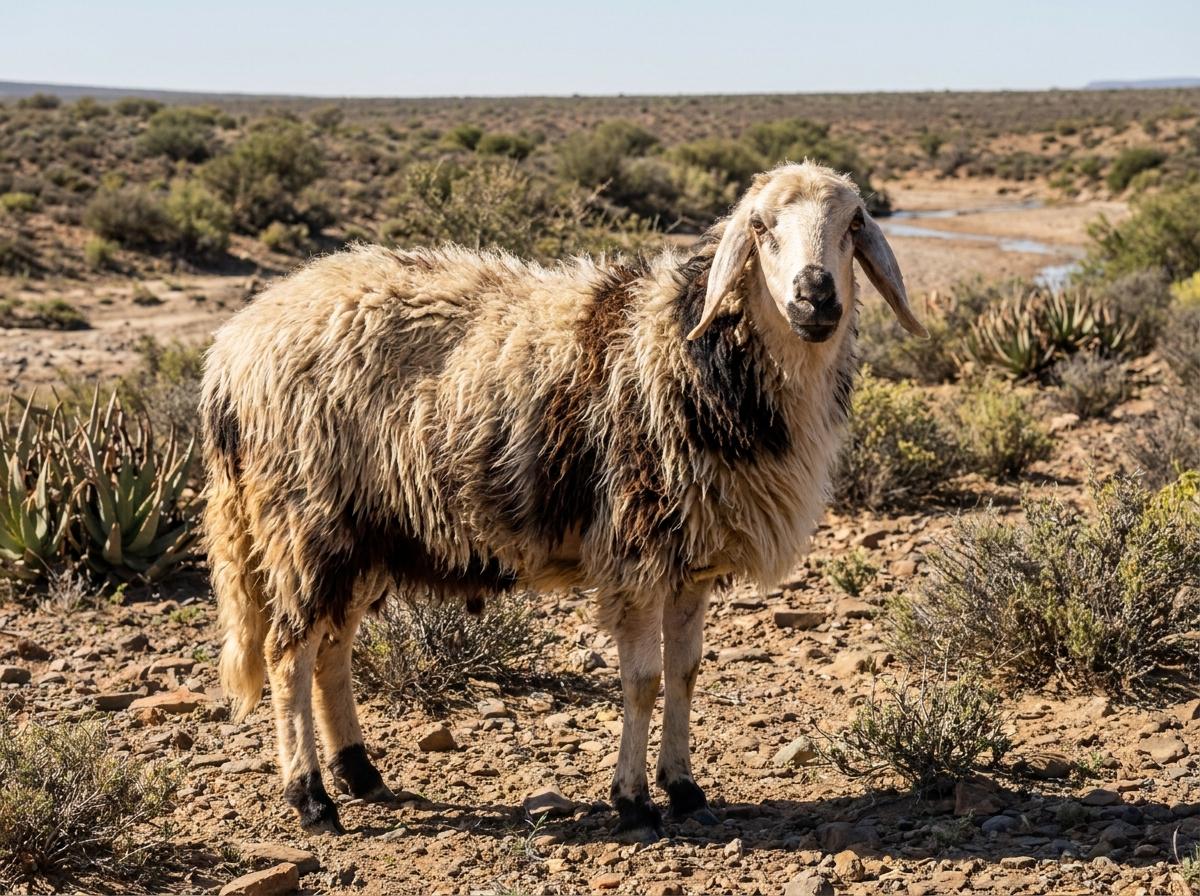
Namaqua Afrikaner
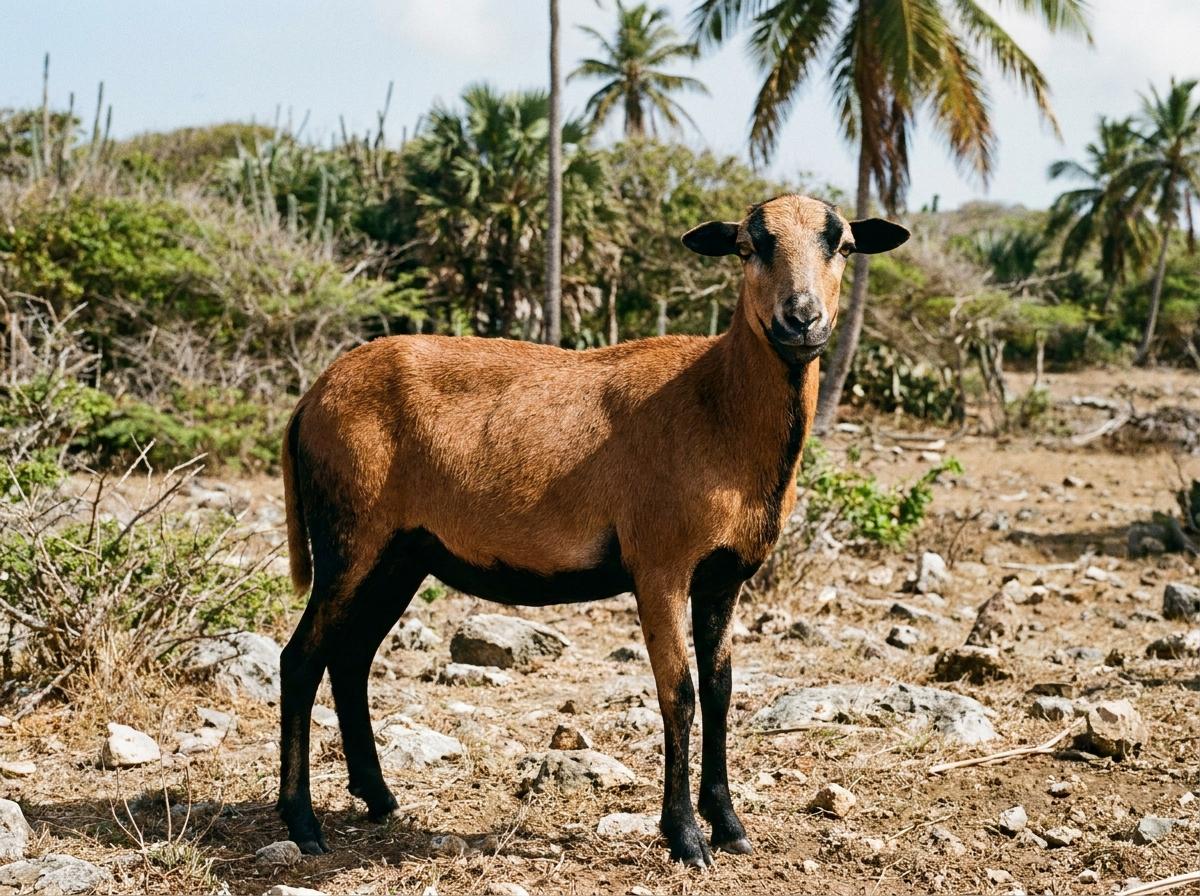
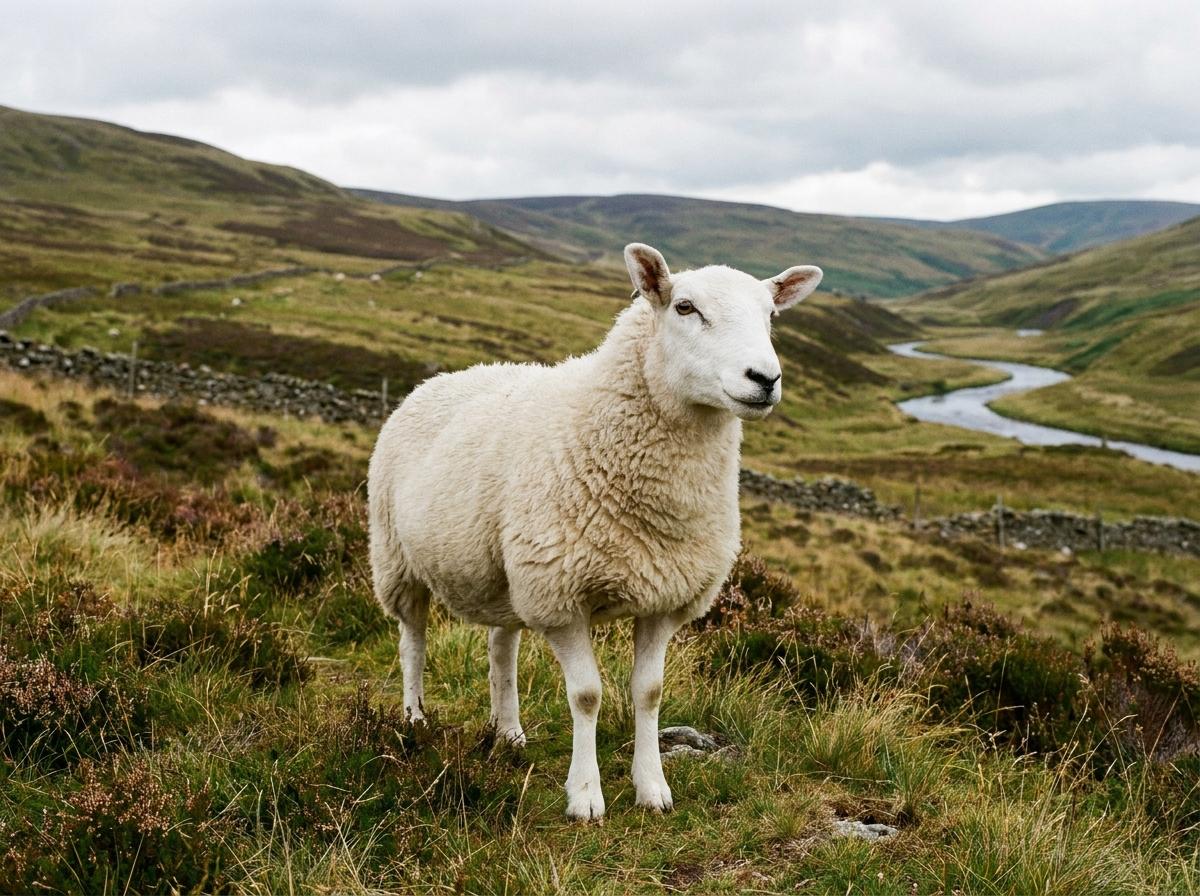
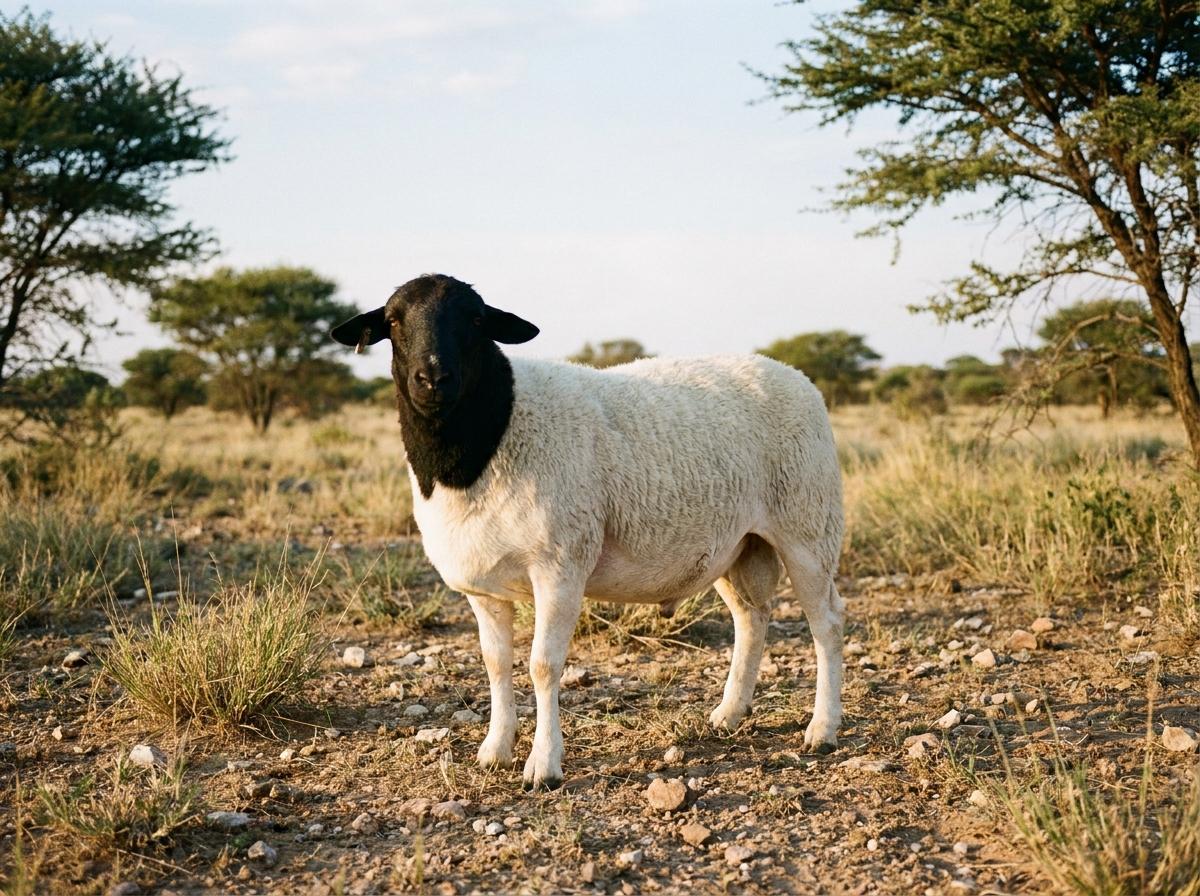
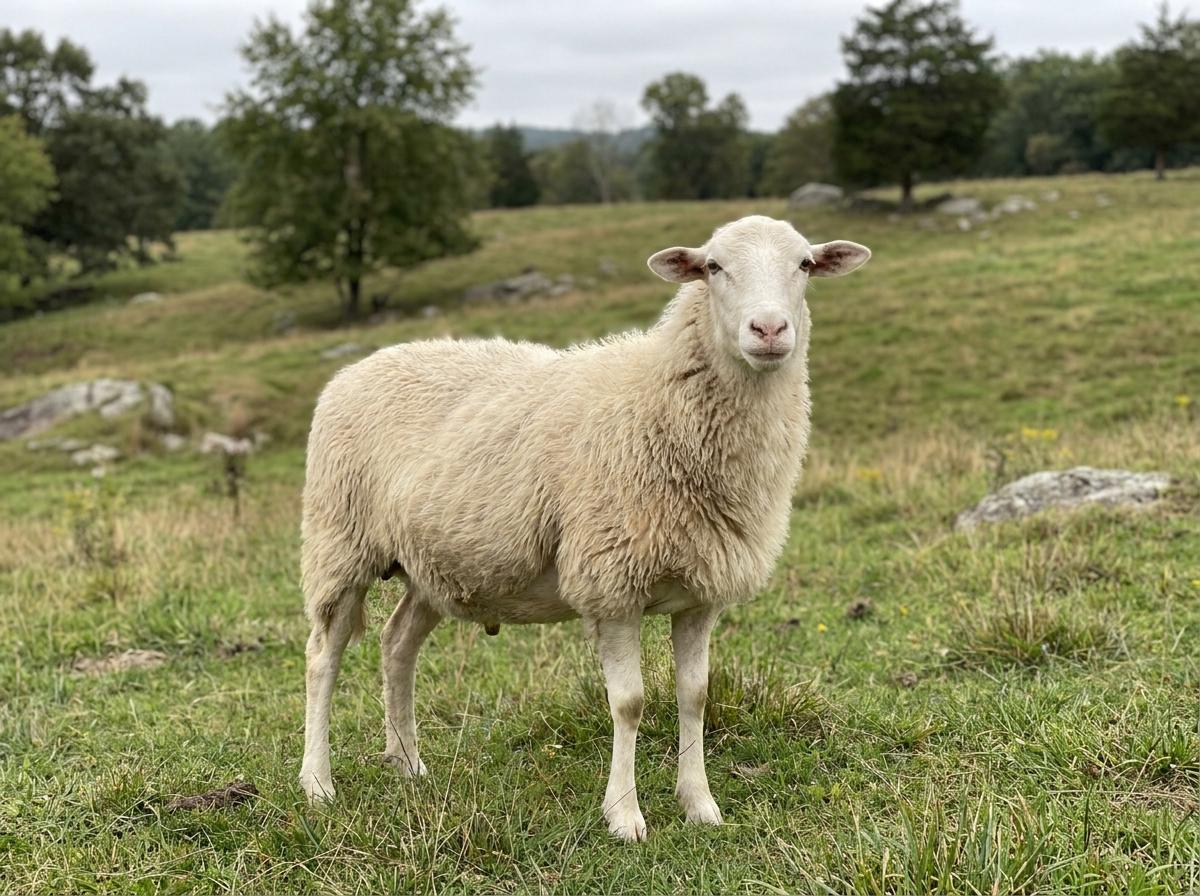
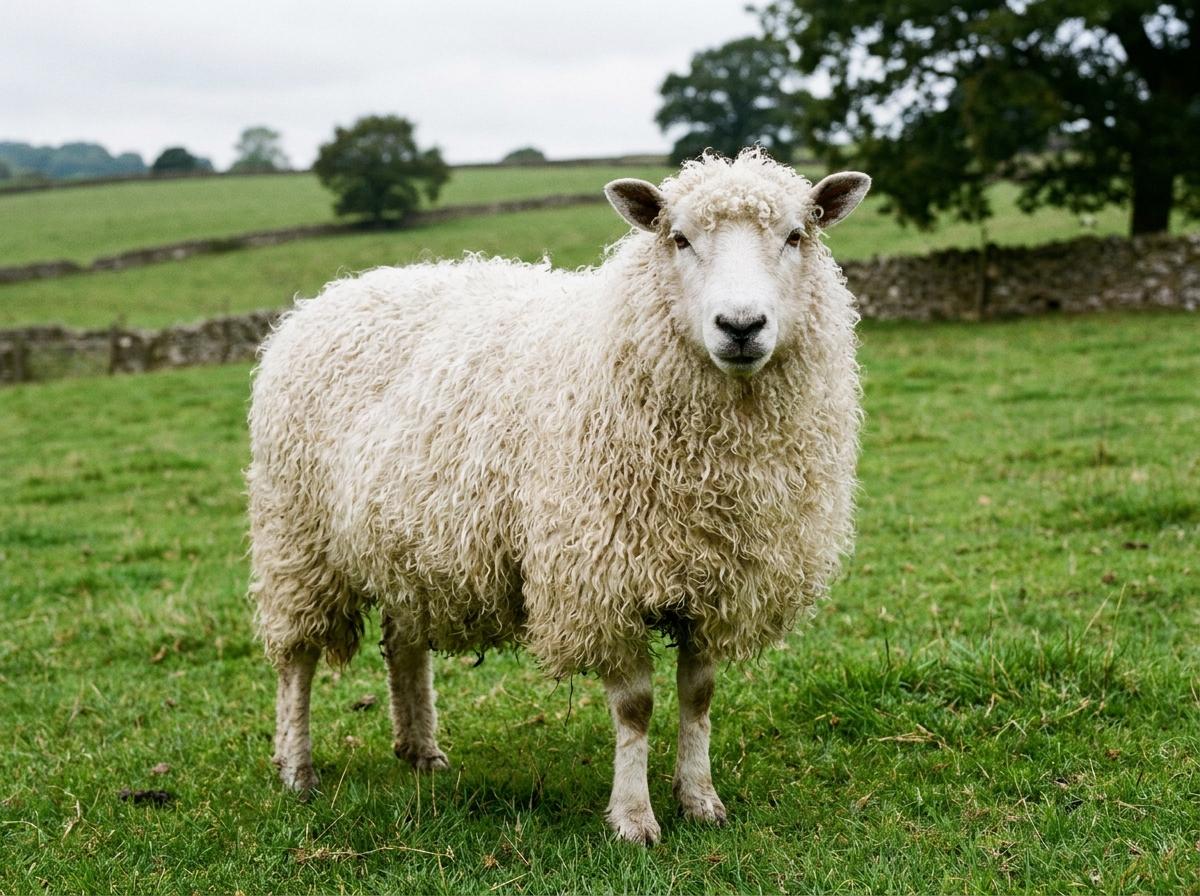
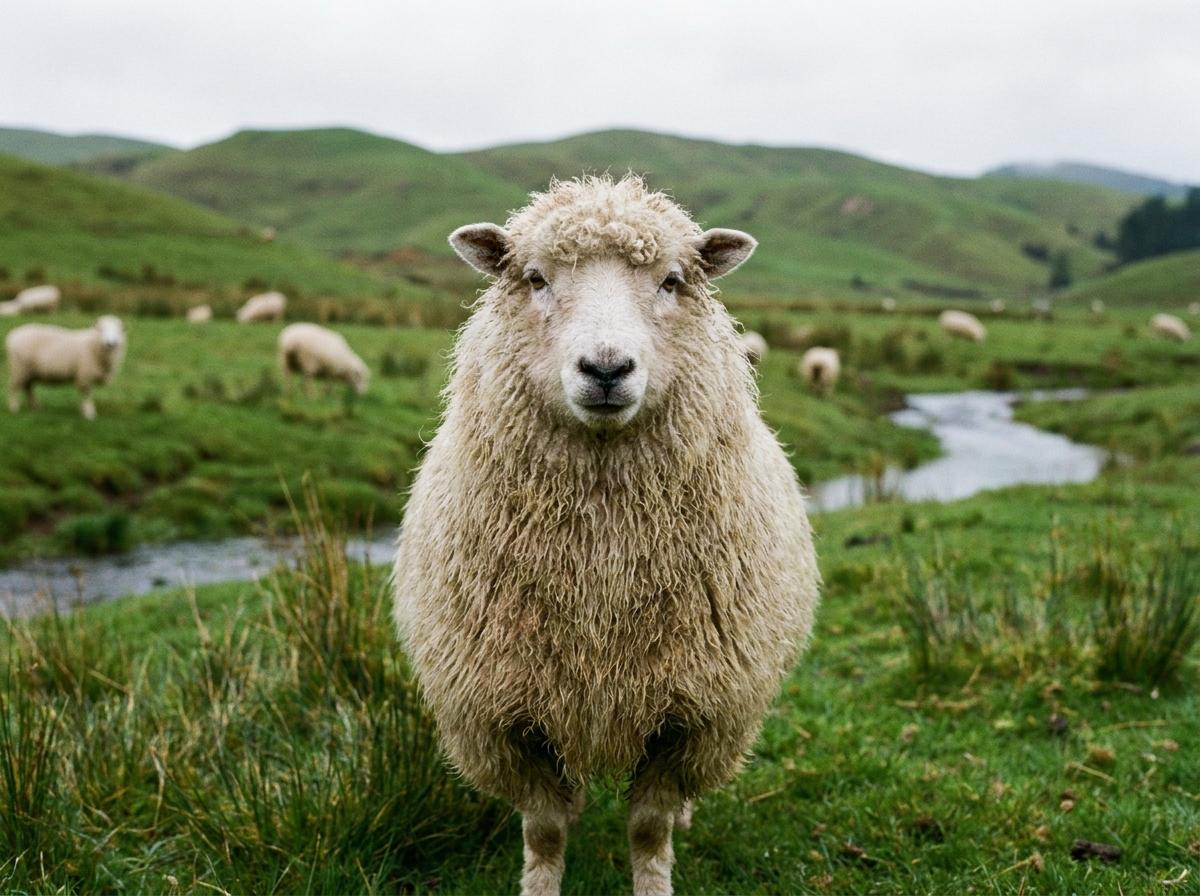
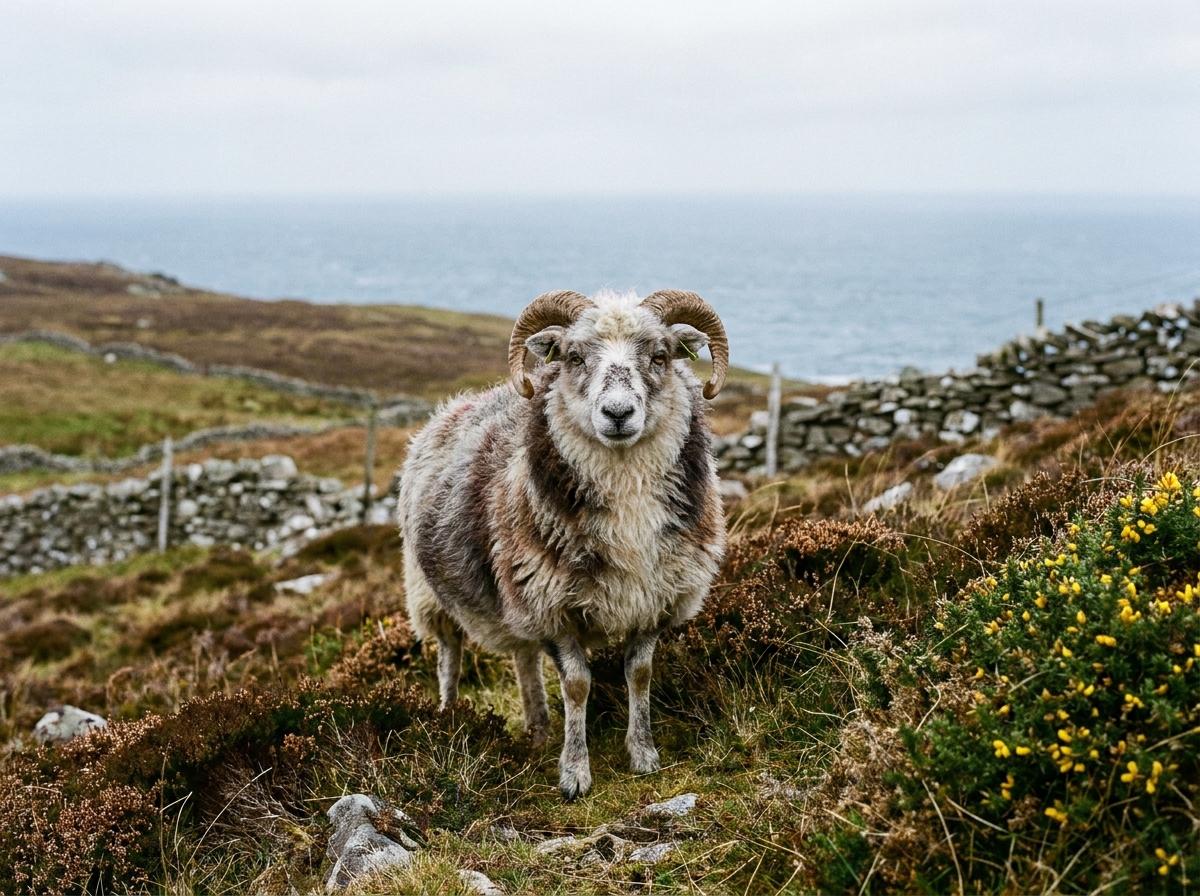
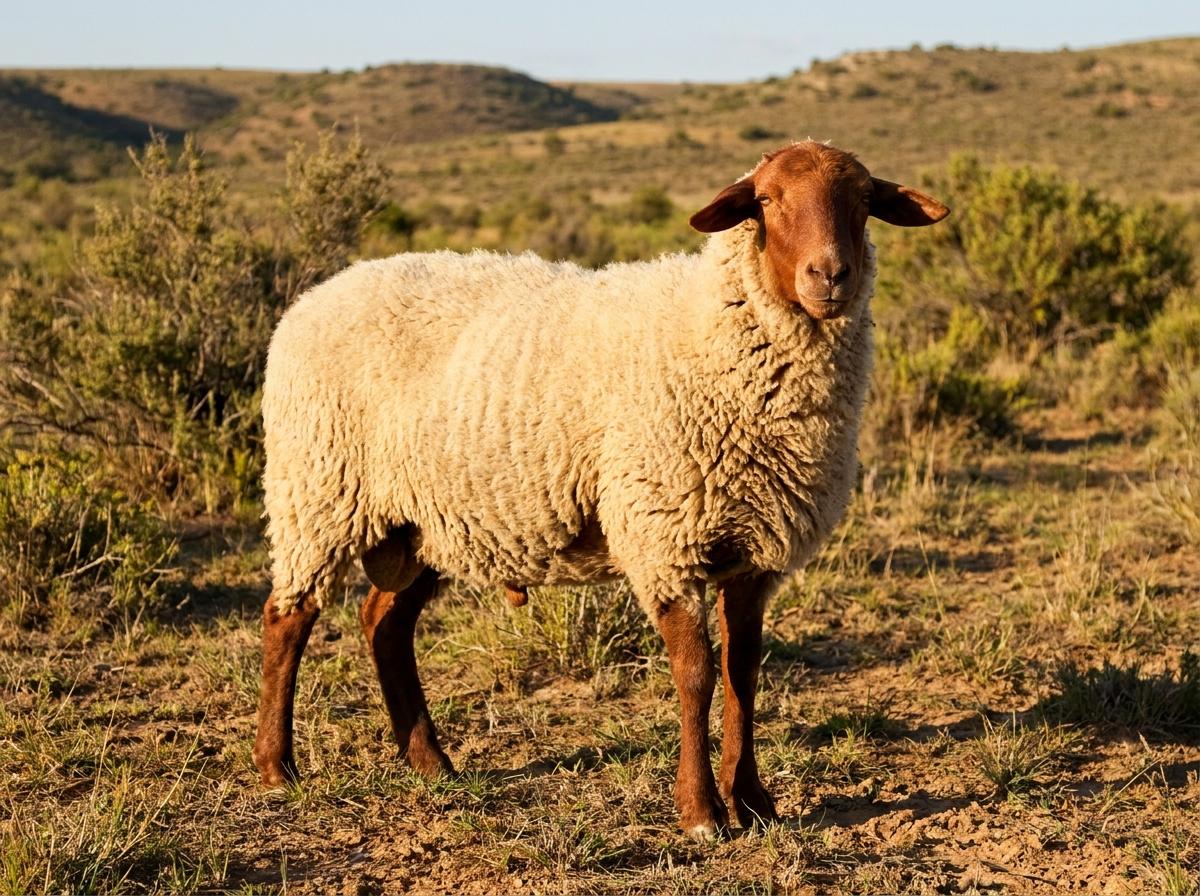
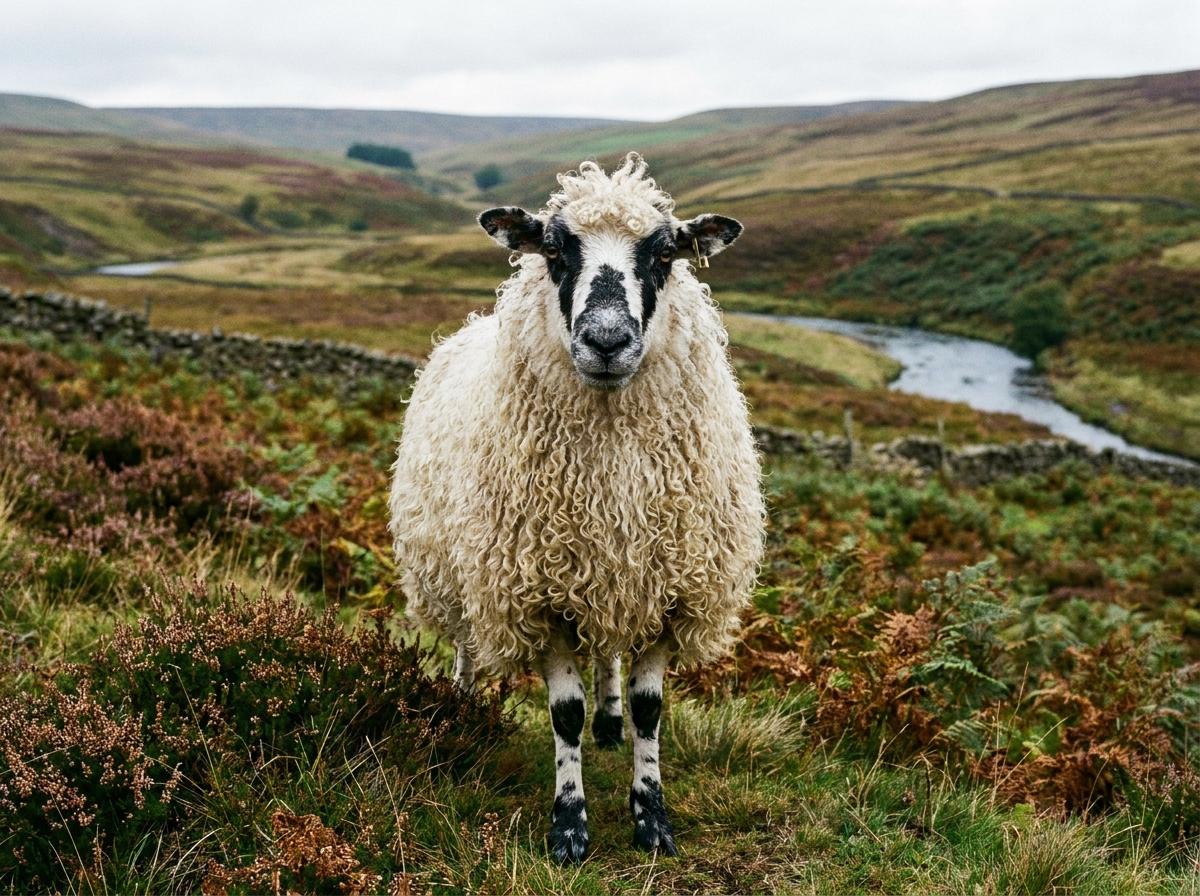
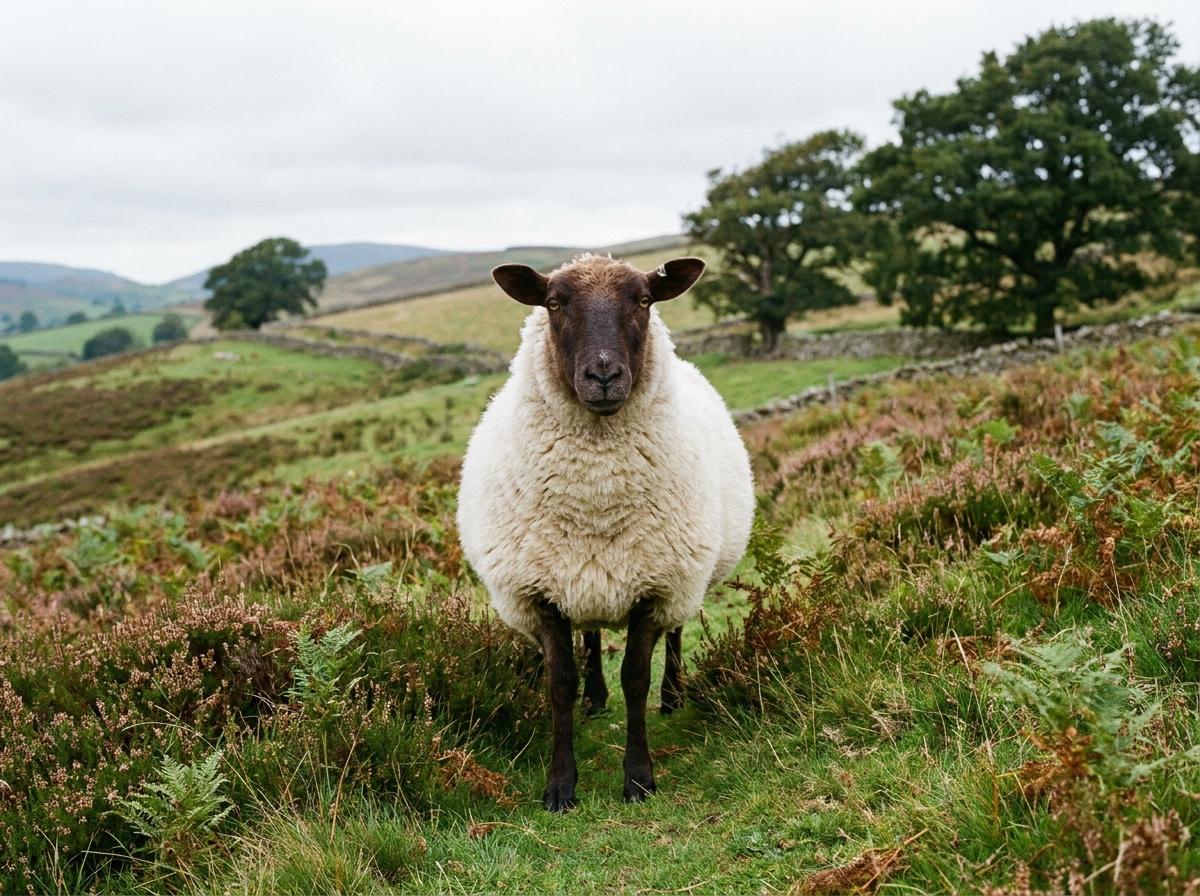
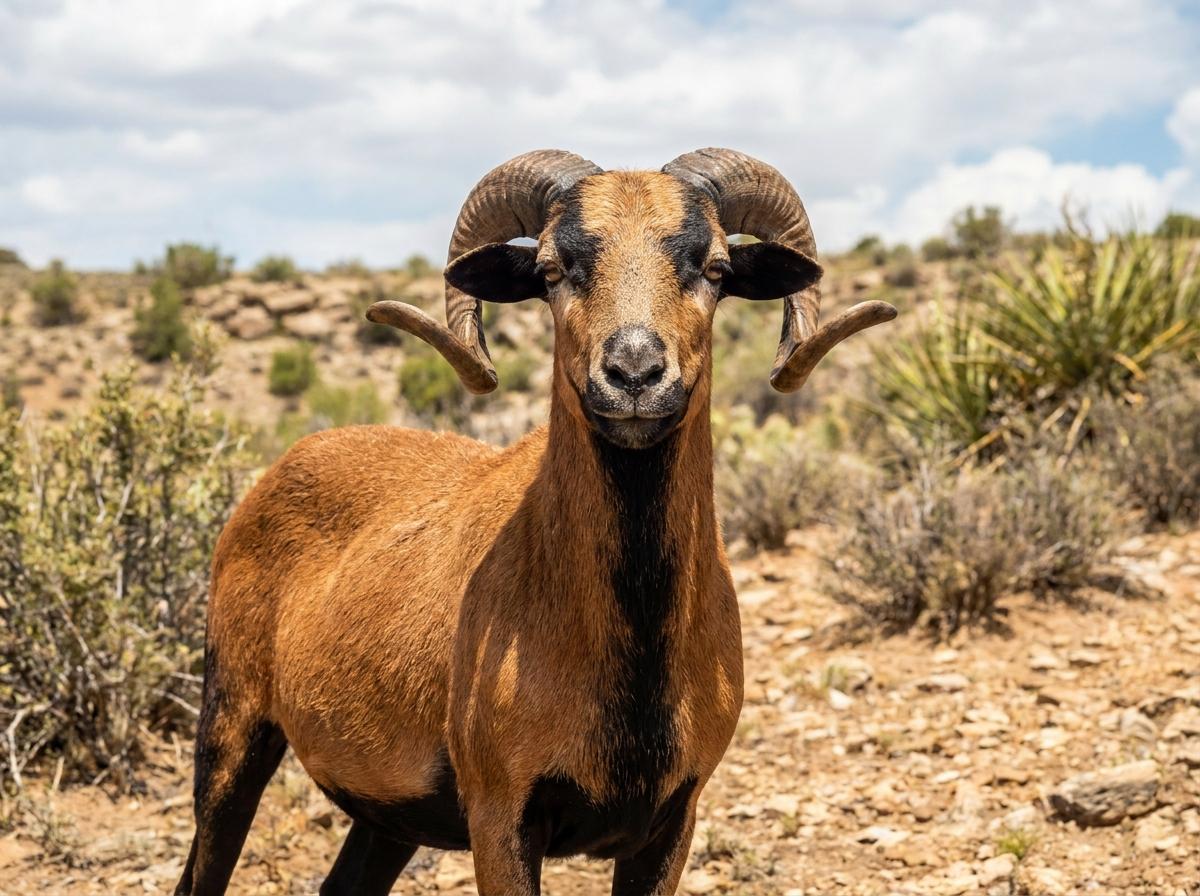
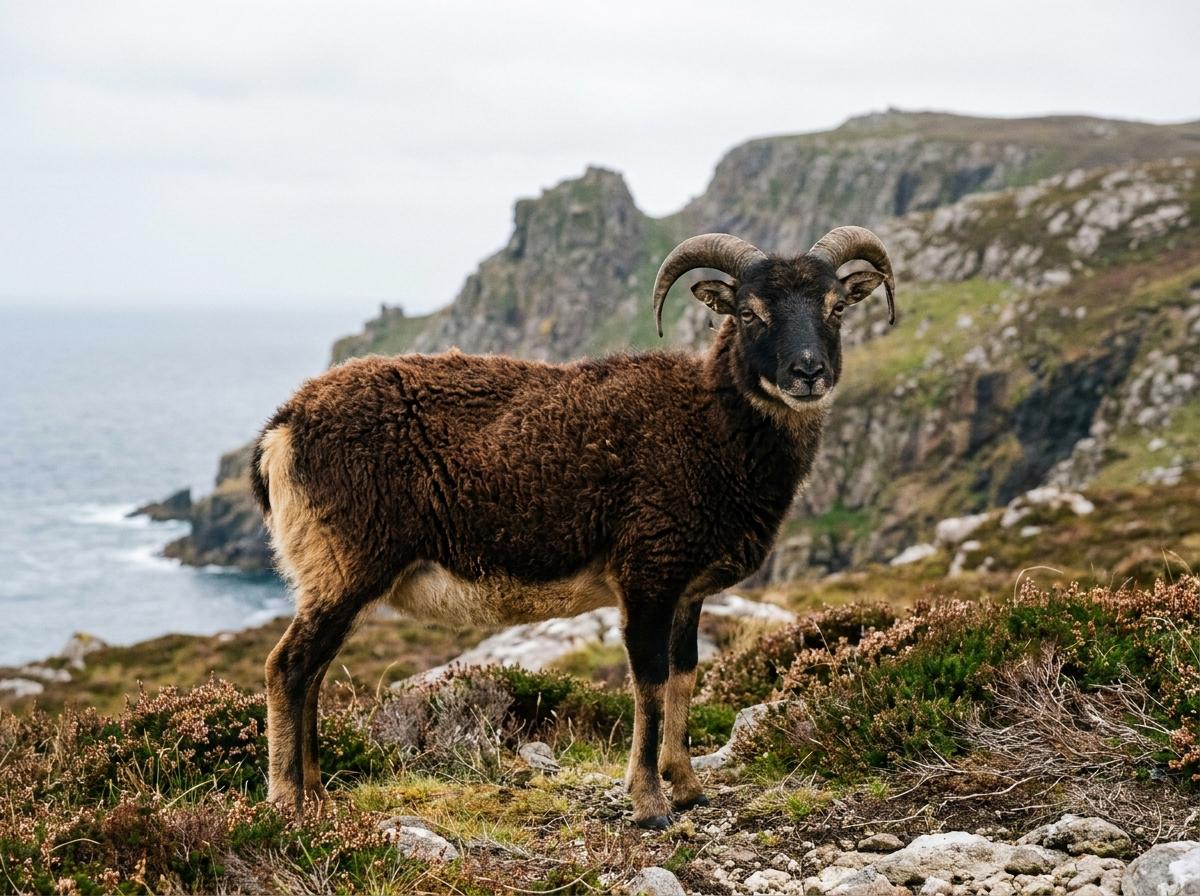
Namaqua Afrikaner sheep are an indigenous fat-tailed breed of southern Africa, closely linked with the dry Namaqualand region and the pastoral history of Khoikhoi and later Cape flocks. They are generally hardy, leggy, and relatively light framed, with a hair or hairy-wool coat rather than a heavy fleece. The large fat tail is the key visible feature, storing energy for periods when grazing is sparse. Colors vary, though many animals are white or light-bodied with pigmented markings, and the breed is kept mainly for meat, hardiness, and genetic conservation.
On extensive range, Namaqua Afrikaners are managed for survival, walking ability, mothering, and efficient use of shrubs and seasonal grasses. They are not usually chosen for rapid finishing or large wool clips, so buyers should not judge them by the standards of improved meat or wool breeds. Reliable water points and careful stocking rates matter in the arid country where they are most useful. Shelter and predator control are practical concerns around lambing or small paddocks. Because the breed is uncommon and has been crossed with commercial sheep in many areas, conservation flocks pay close attention to maintaining the traditional fat-tailed type.
Colors: Badgerface, Black, Blackbelly, Broken, Brown, Gray, Grey, Gulmoget, Katmoget, Moorit, Piebald, Red, Roan, Silver, Solid, Spotted, Tan, White, White with Black Points, White with Brown Points