



Navajo-Churro
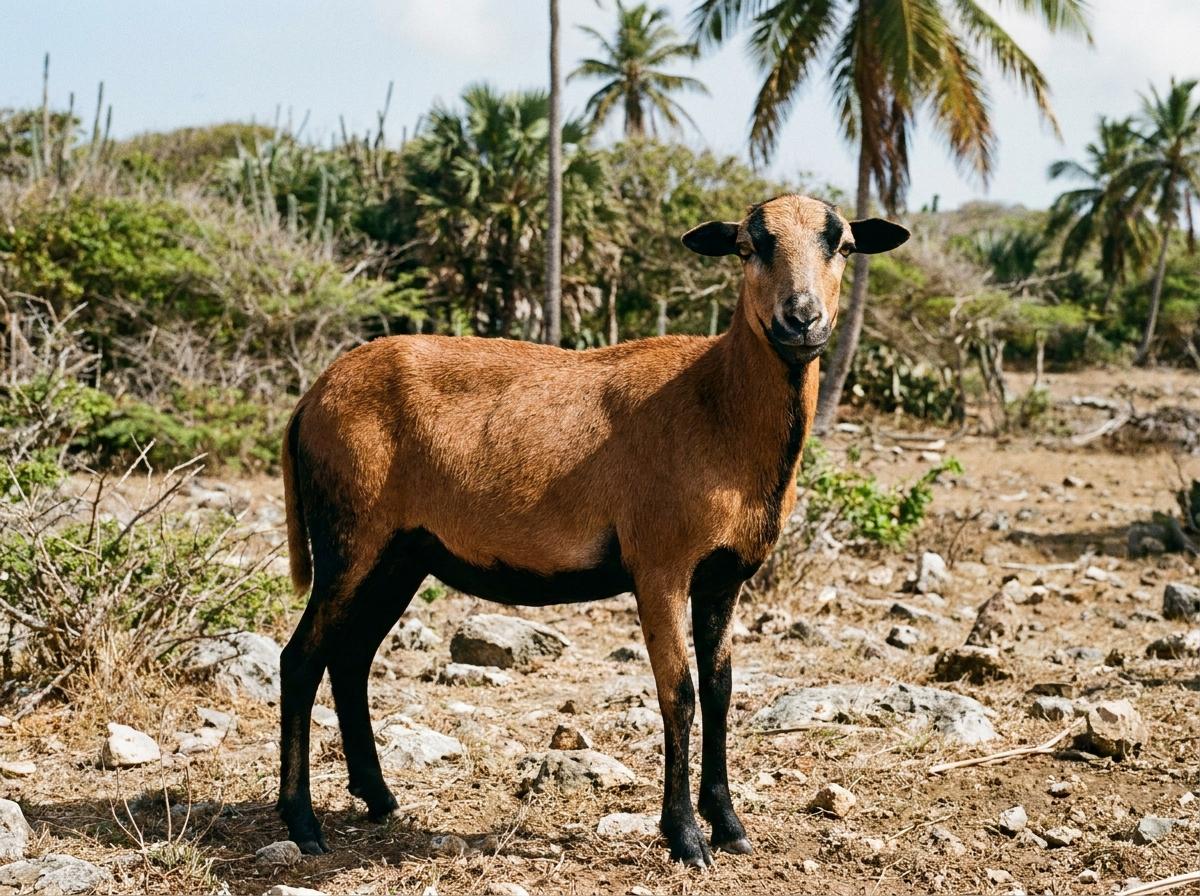
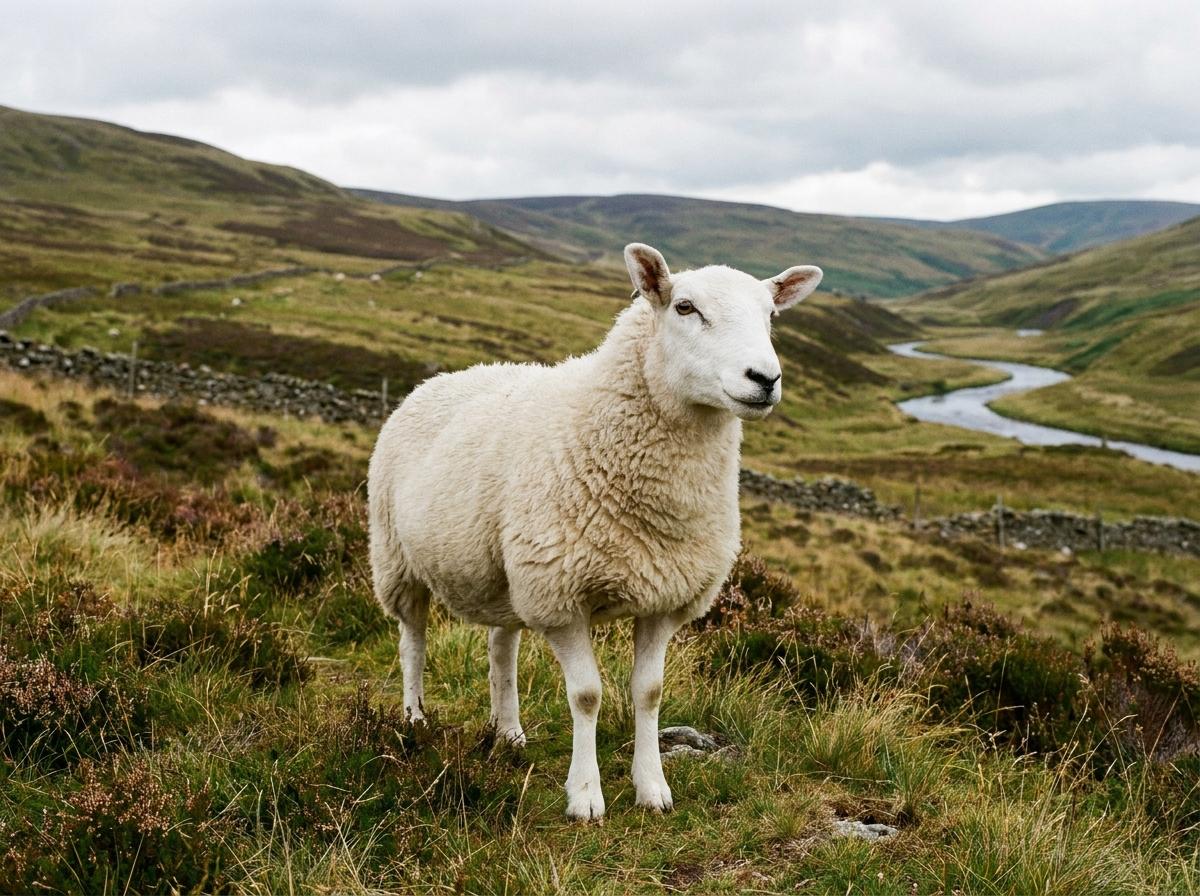
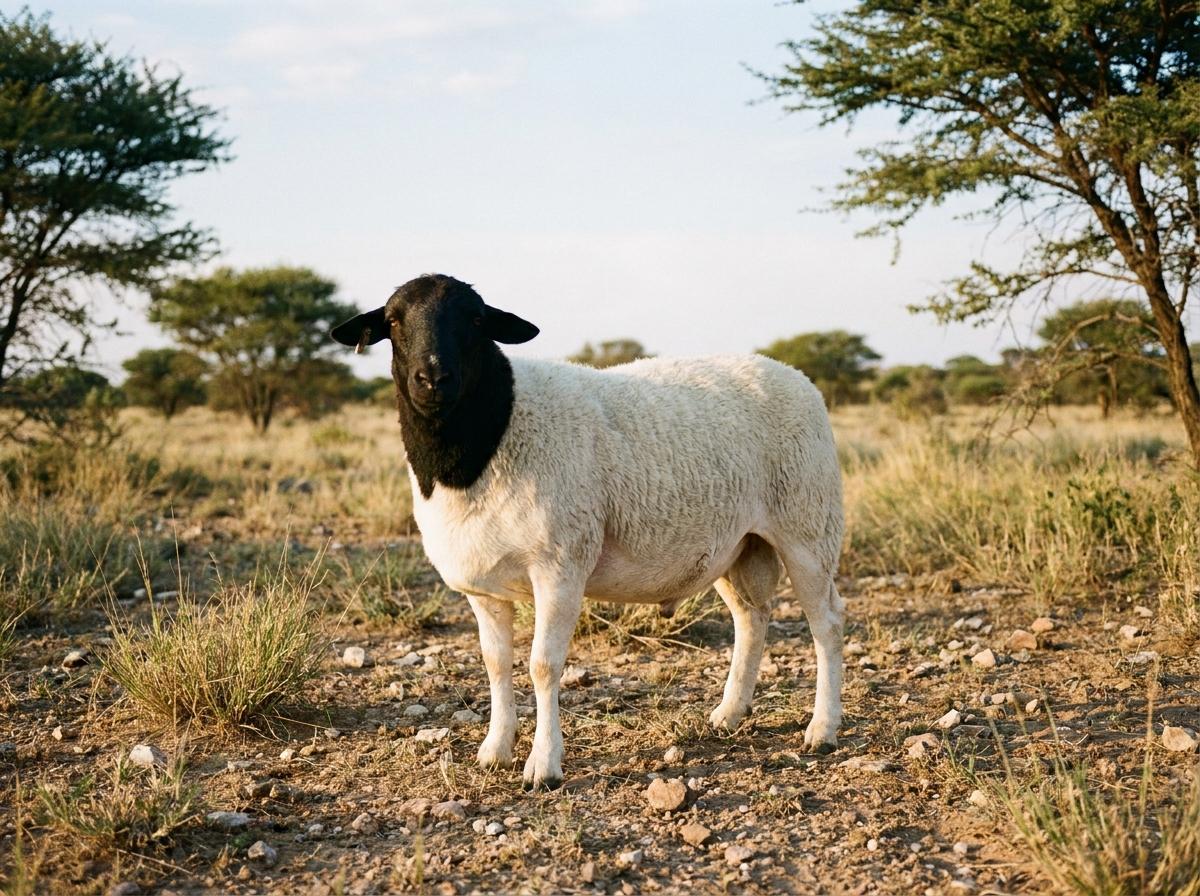
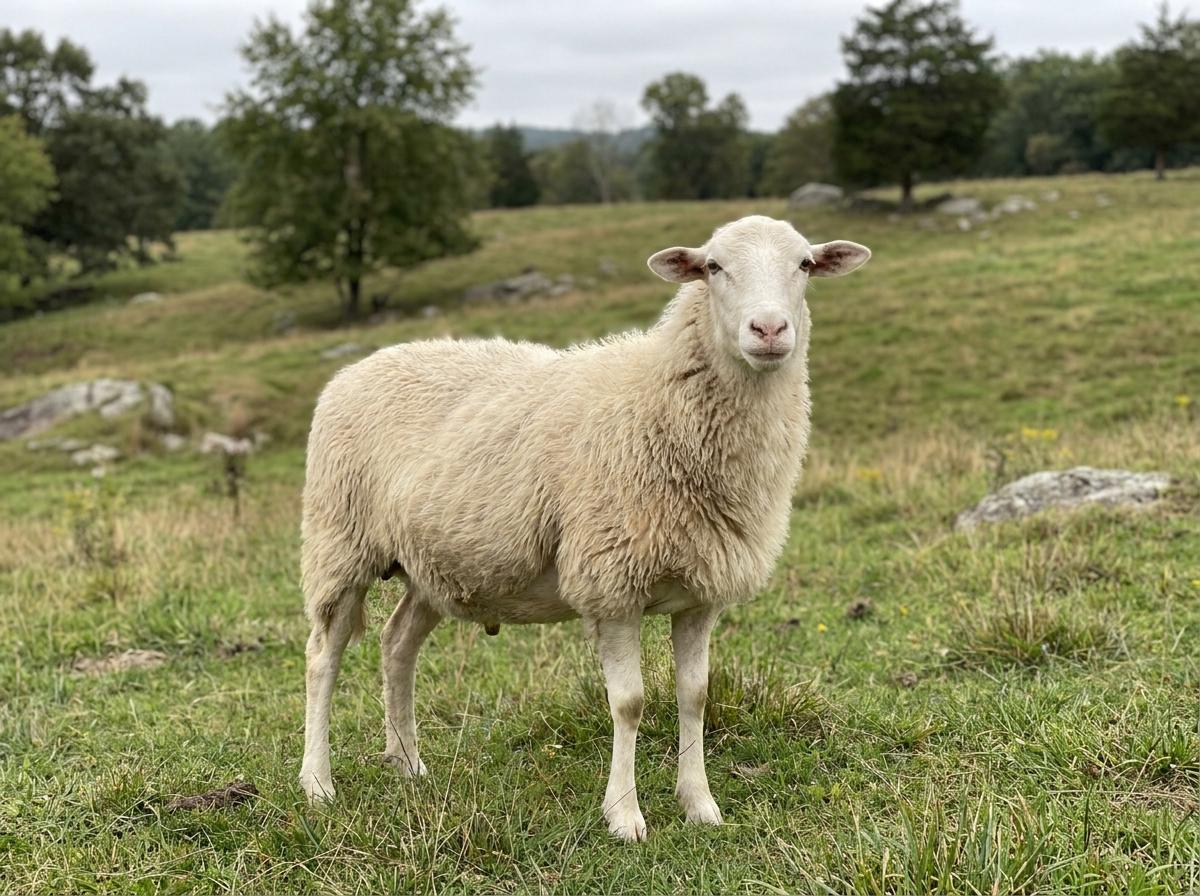
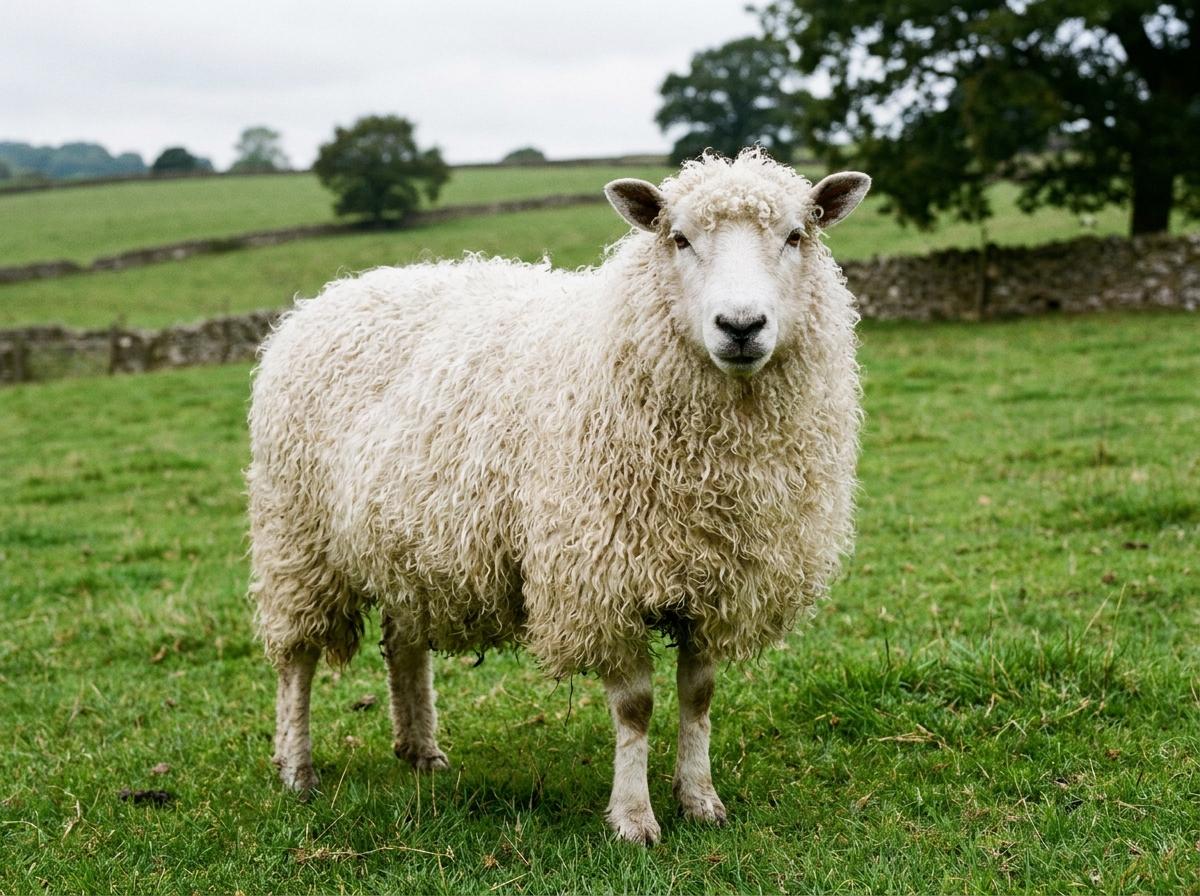
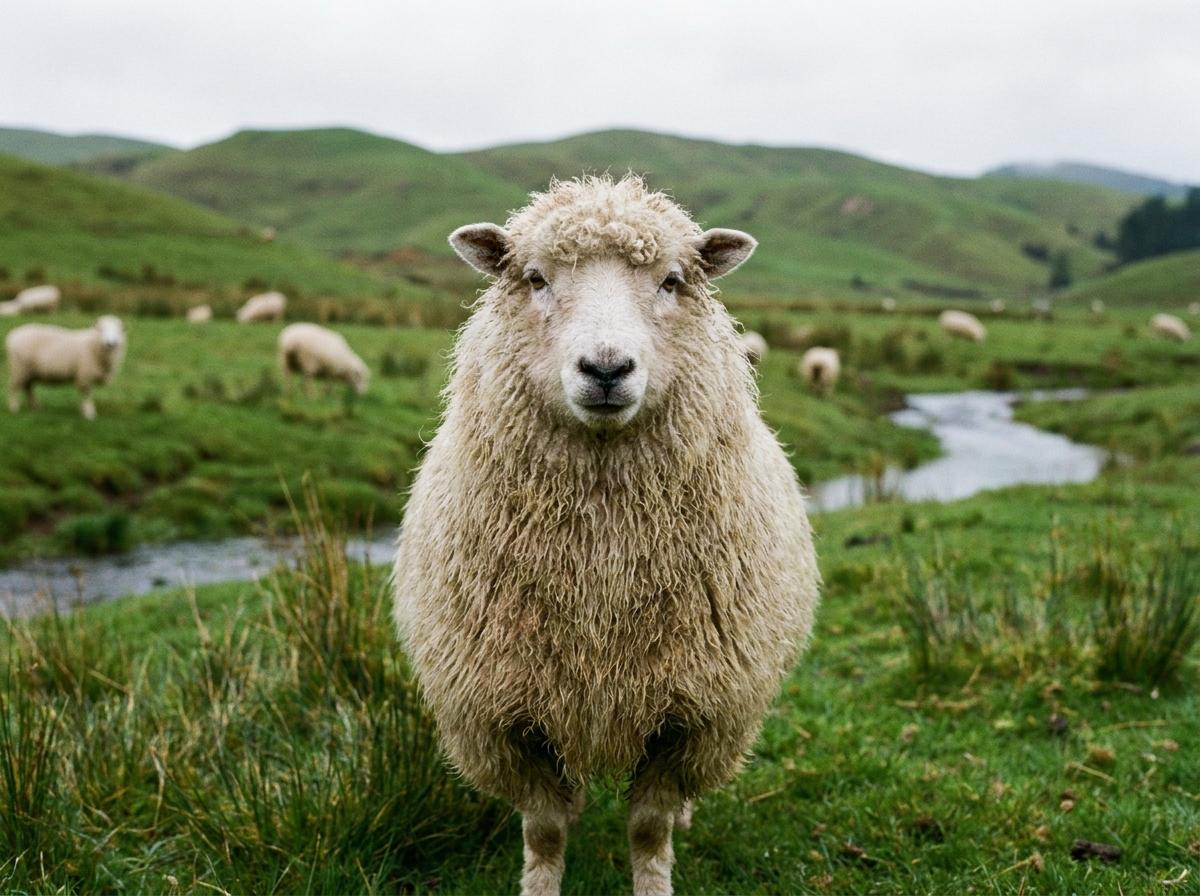
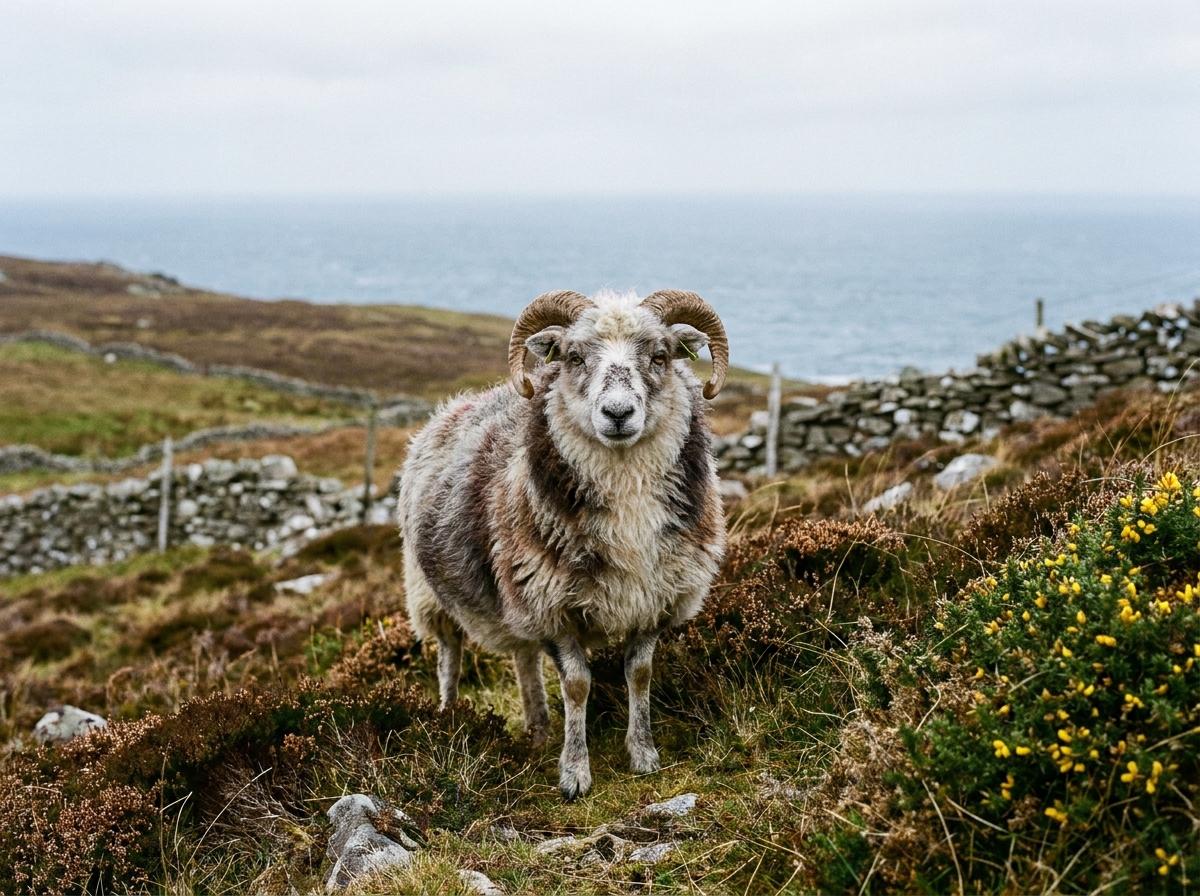
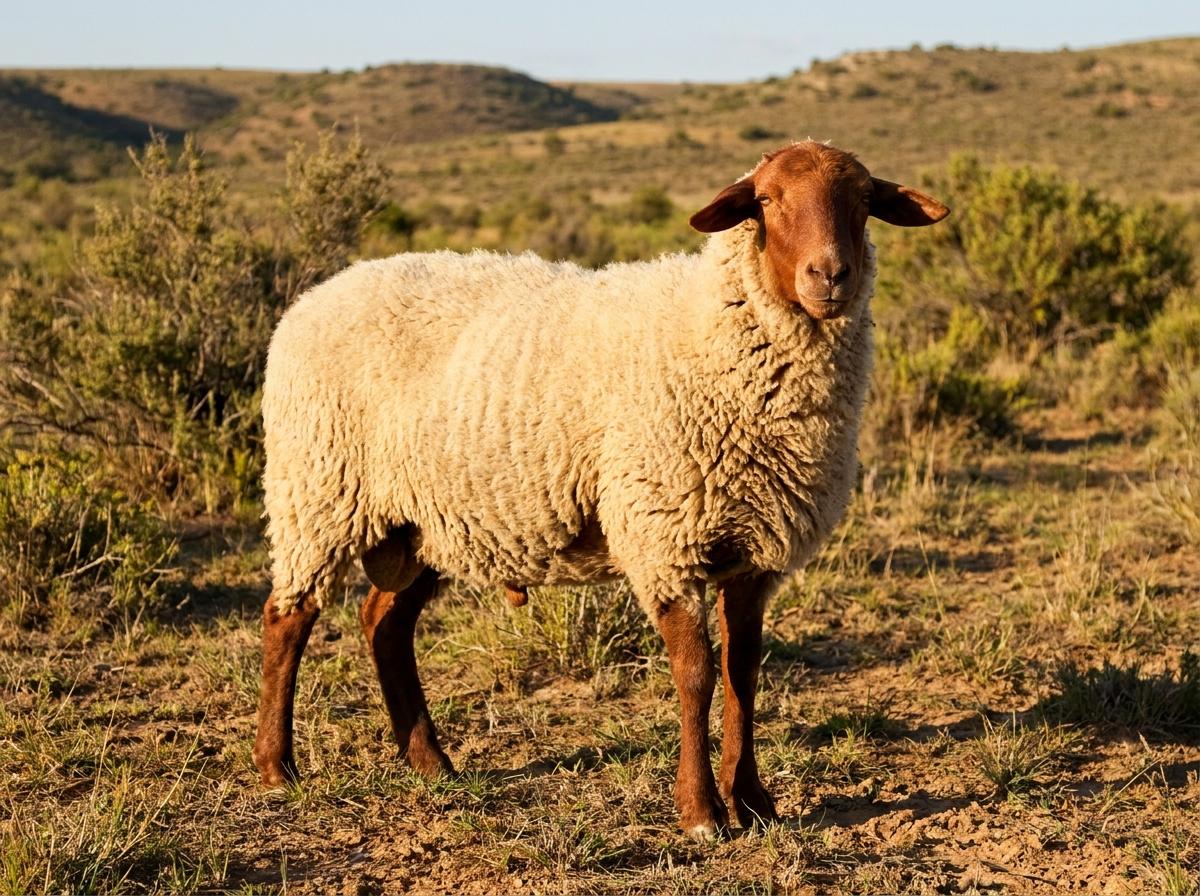
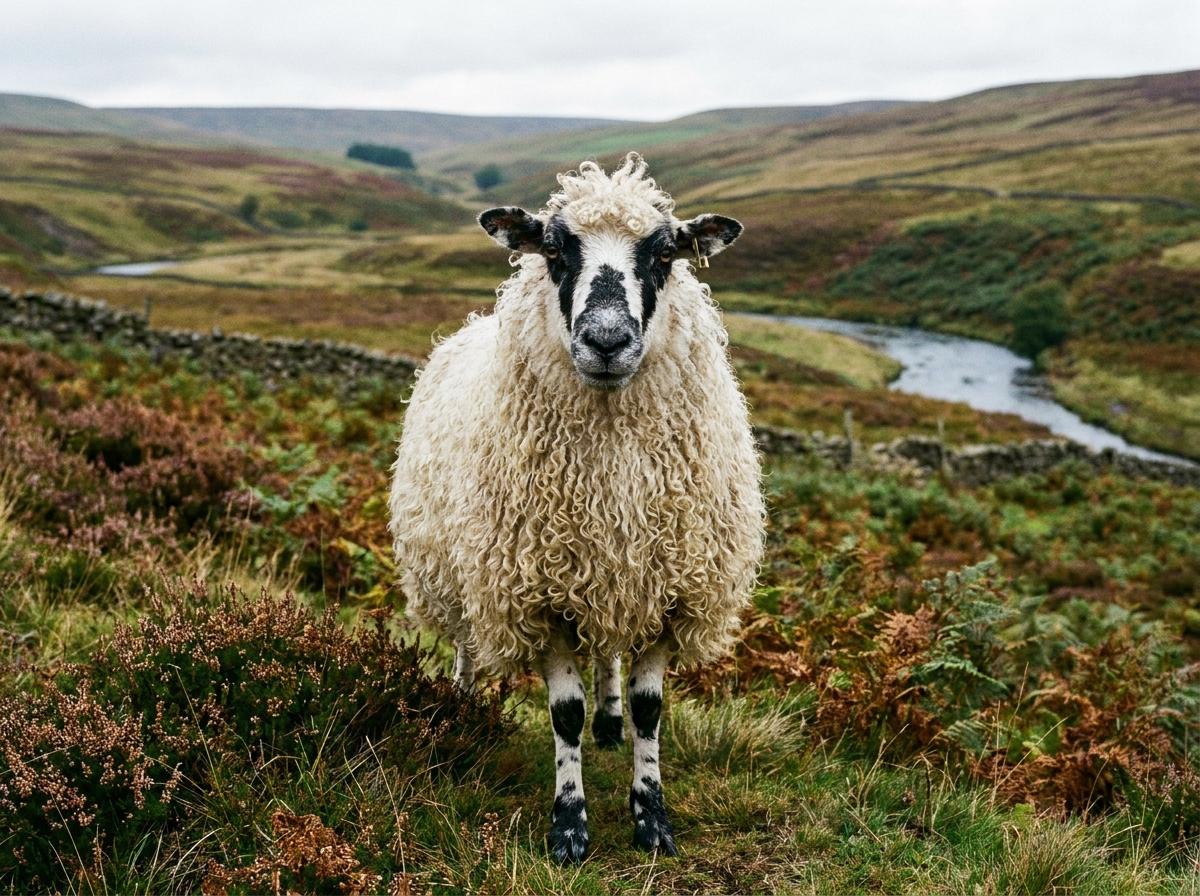
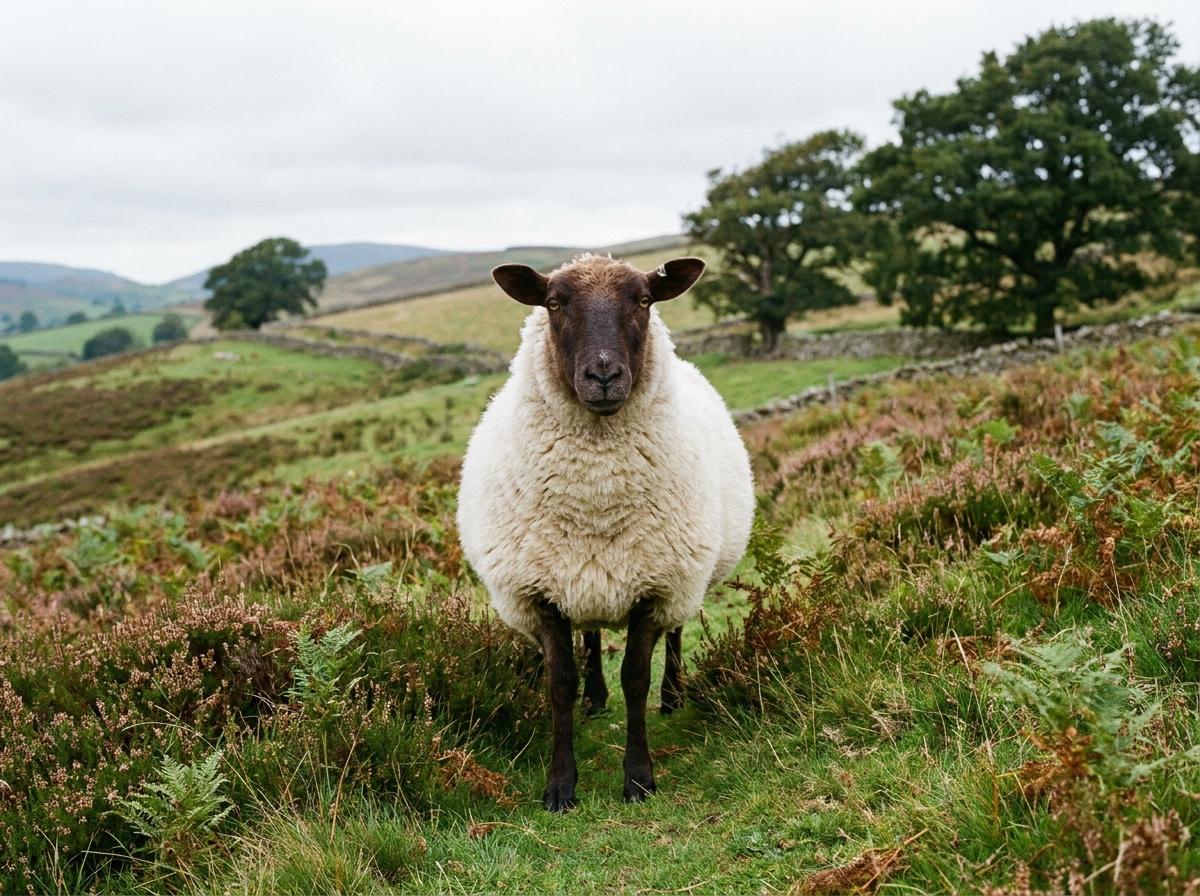
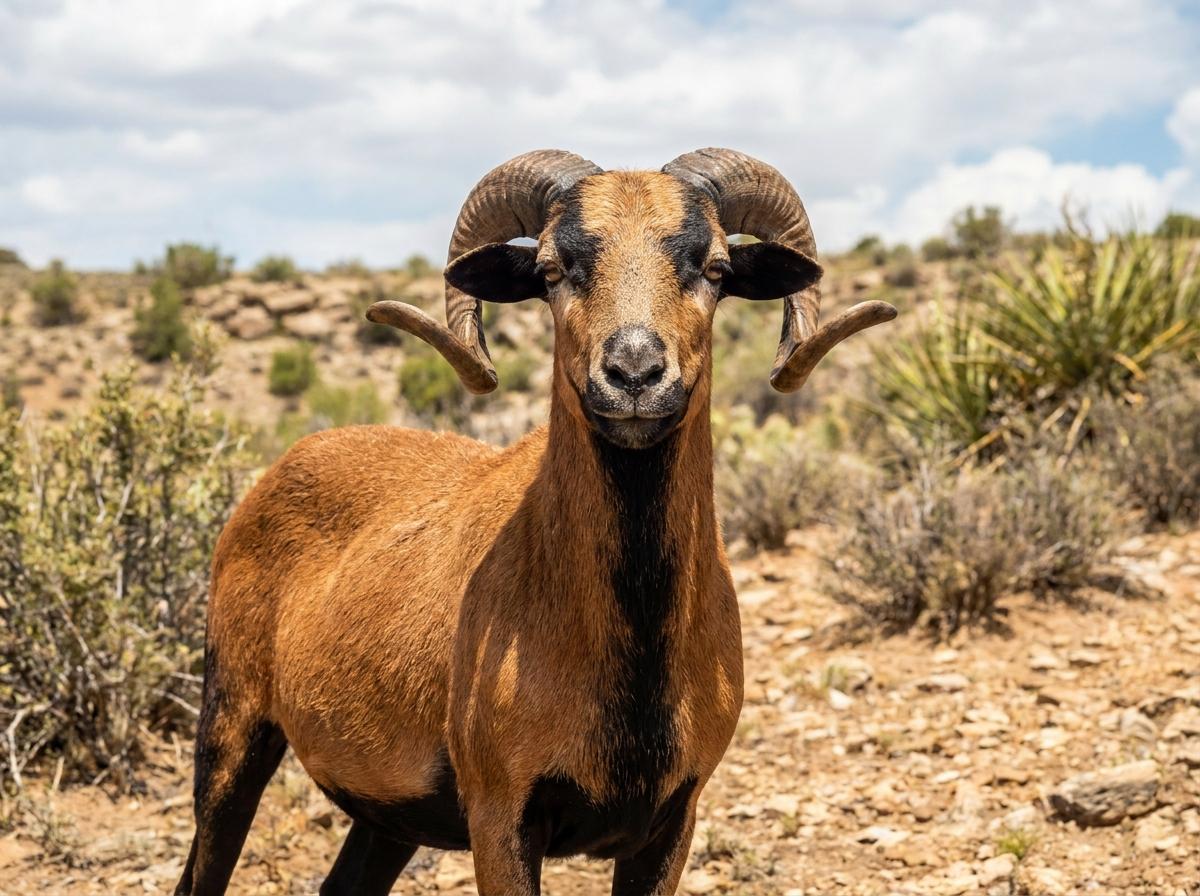
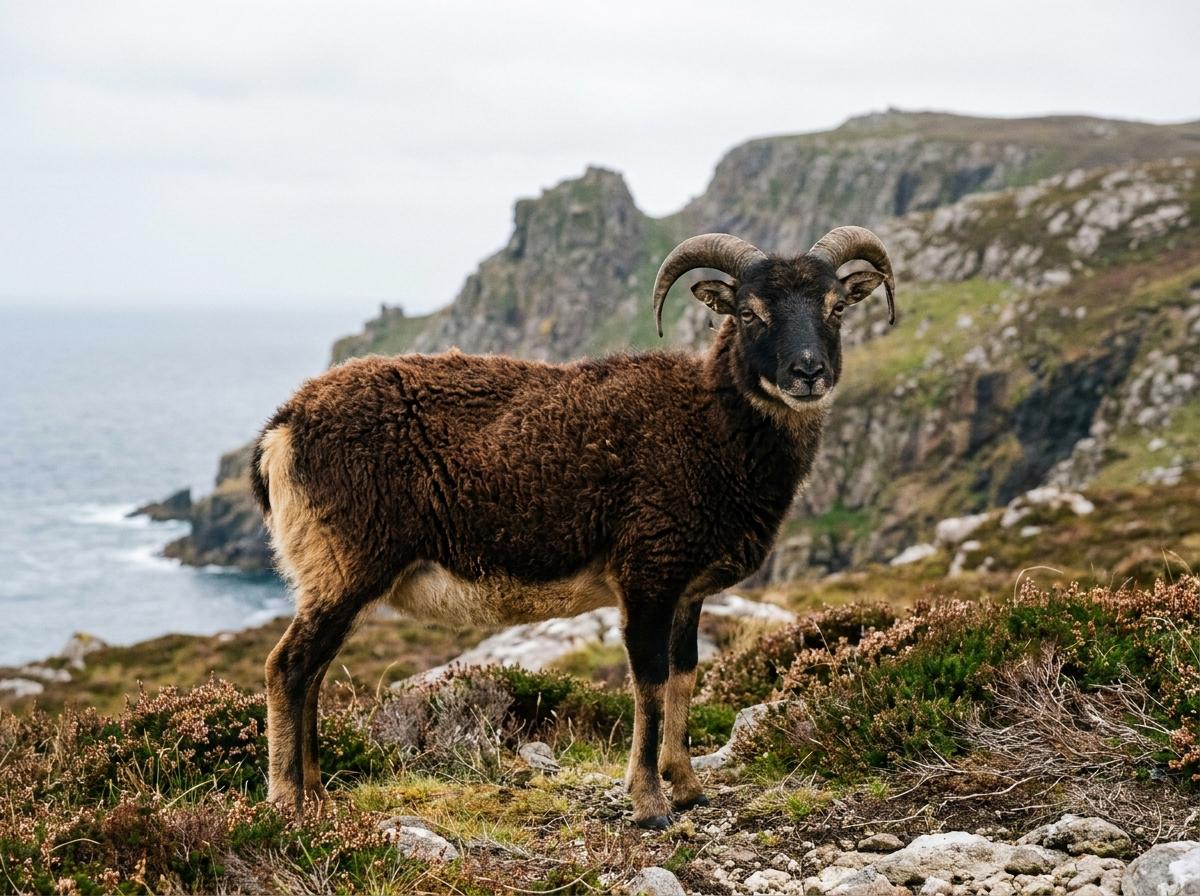
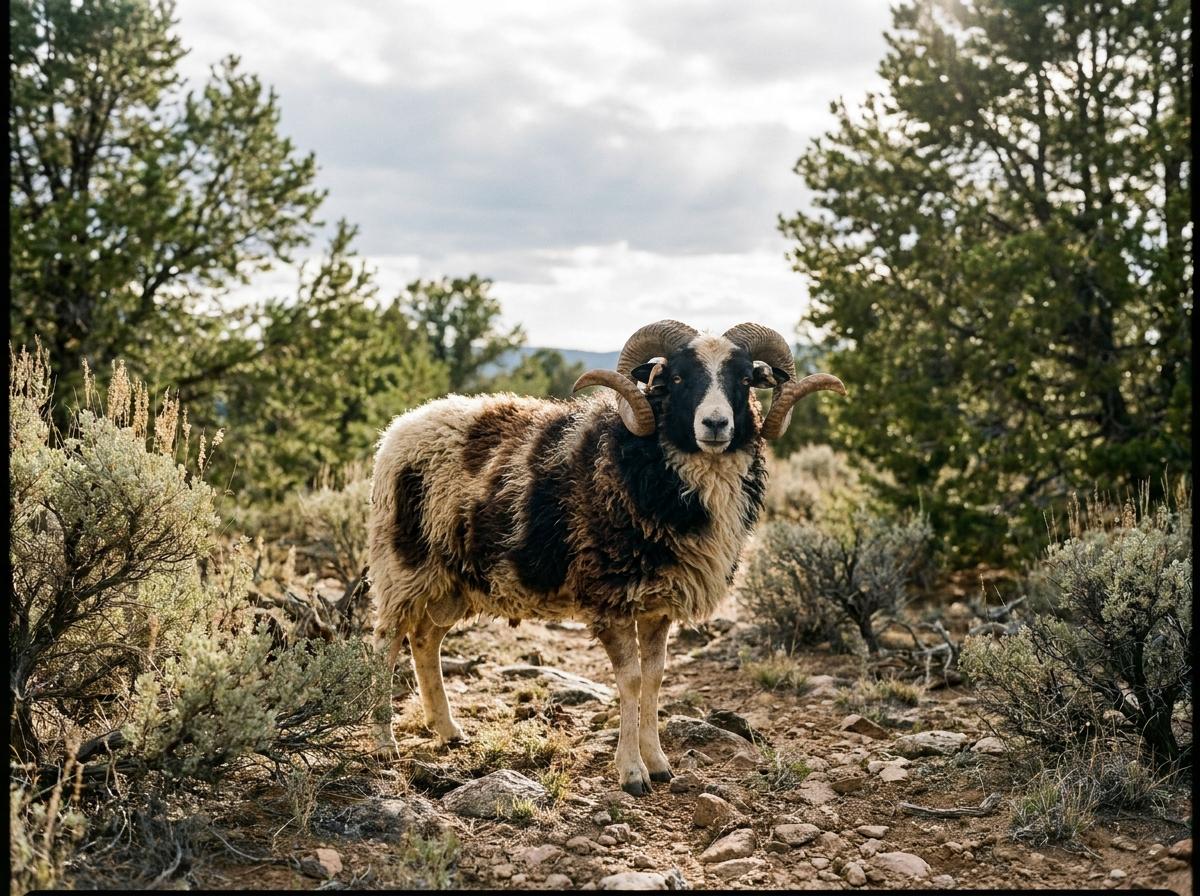
Navajo-Churro sheep descend from Spanish Churra-type sheep brought to North America and shaped over centuries by Indigenous and Hispanic herders of the Southwest, especially Dine, or Navajo, communities. They are a hardy, rangy breed with a narrow body, strong legs, and a double coat that can produce long outer fibers and softer undercoat. Fleece color is one of the breed's signatures: white, black, brown, gray, red, spotted, and mixed patterns all occur. Rams may be two-horned or multi-horned, and some ewes also carry horns, making head structure an important part of breed type.
These sheep are closely tied to weaving, foodways, and cultural restoration as well as small-farm meat and fiber production. Their wool has low grease compared with many modern wool breeds and is prized by handspinners and weavers who want strong, lustrous yarn for rugs, blankets, and traditional textiles. Navajo-Churros do well in dry range systems but can struggle with parasites and foot issues in humid climates unless management is adjusted. Conservation breeders work to preserve color diversity, horn structure, maternal hardiness, and the leaner body type rather than selecting only for fast market-lamb growth.
Colors: Badgerface, Black, Blackbelly, Brown, Gray, Gulmoget, Katmoget, Mixed Patterns, Moorit, Piebald, Red, Silver, Spotted, Tan, White, White with Black Points, White with Brown Points