

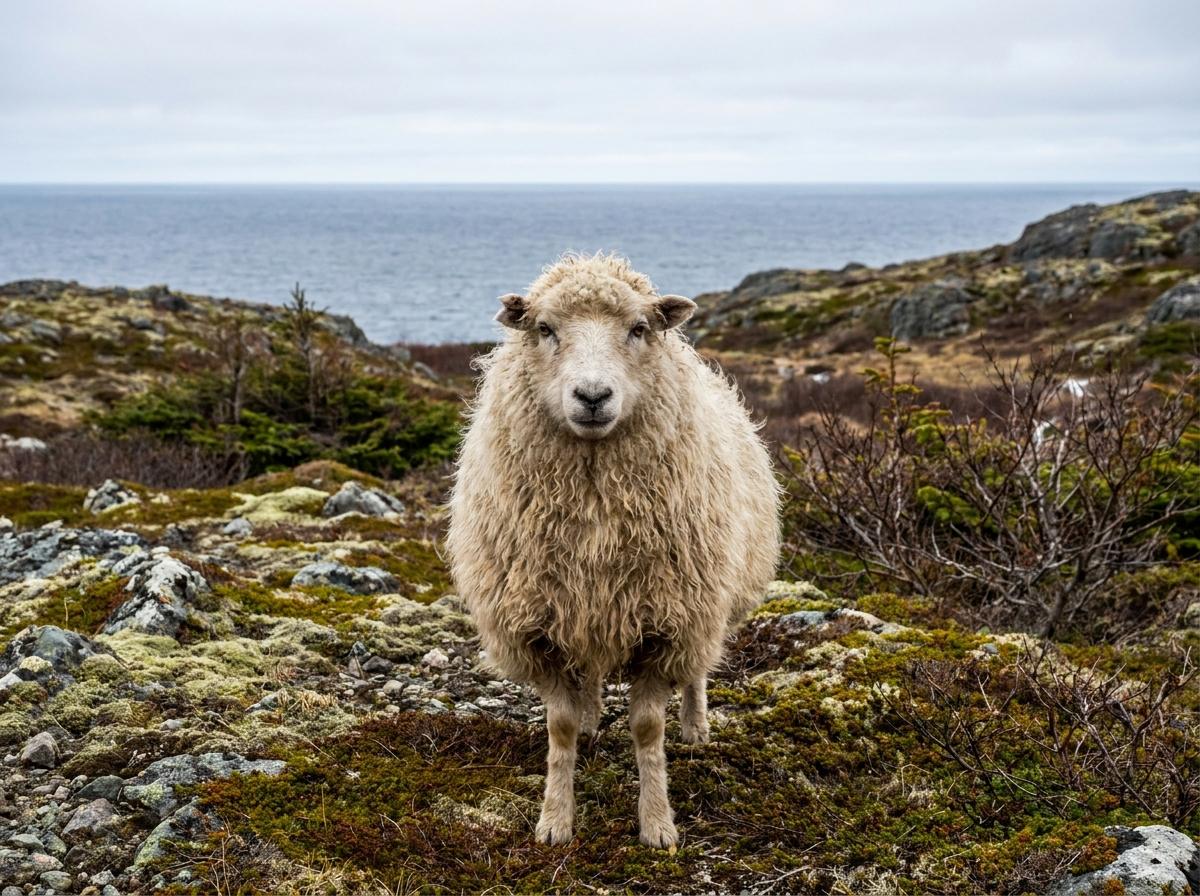
Newfoundland
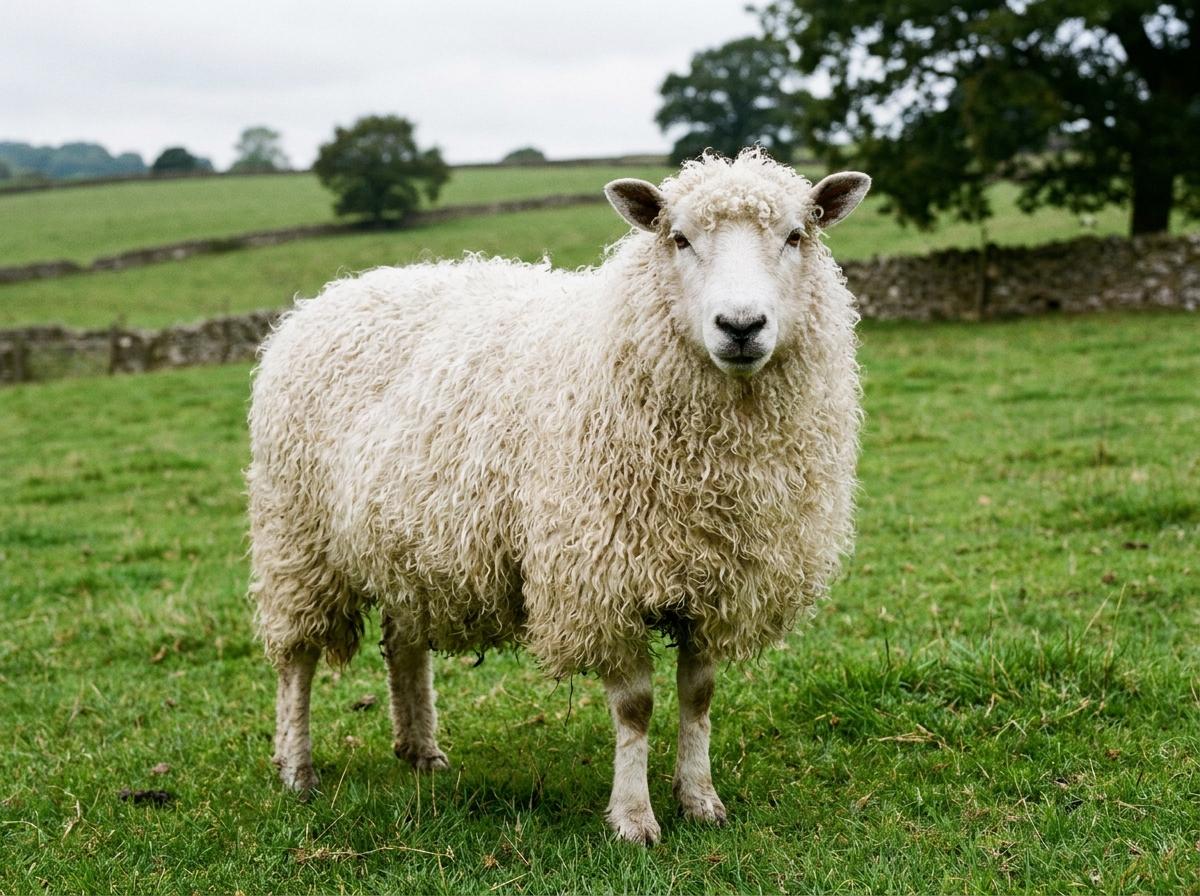
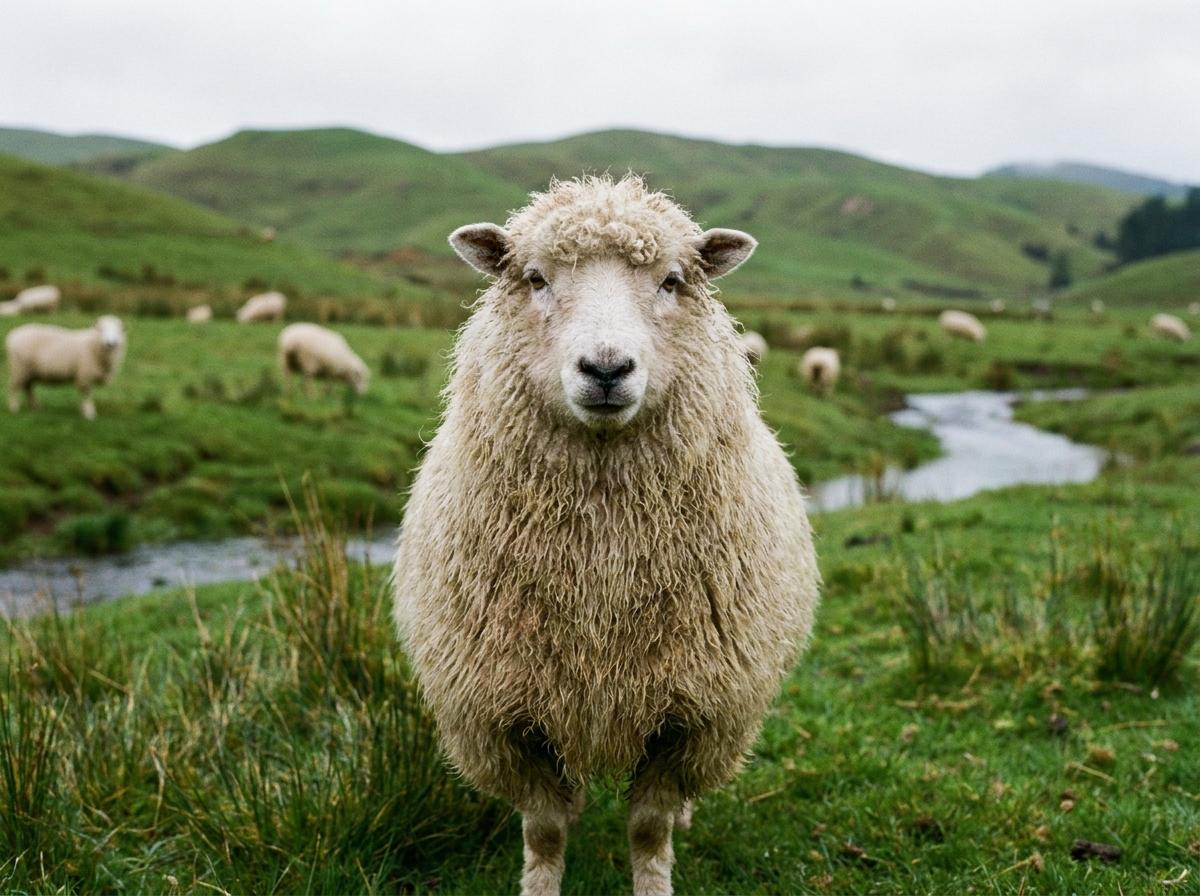
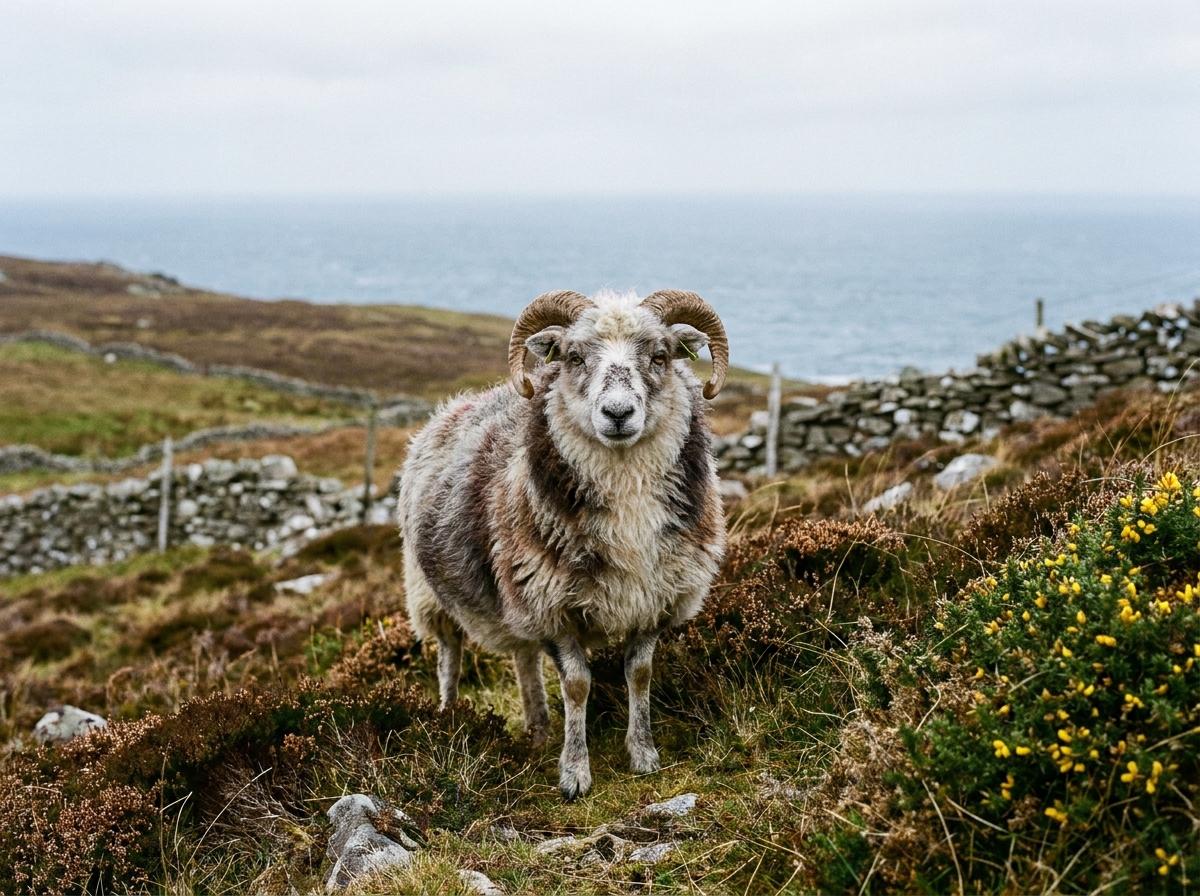
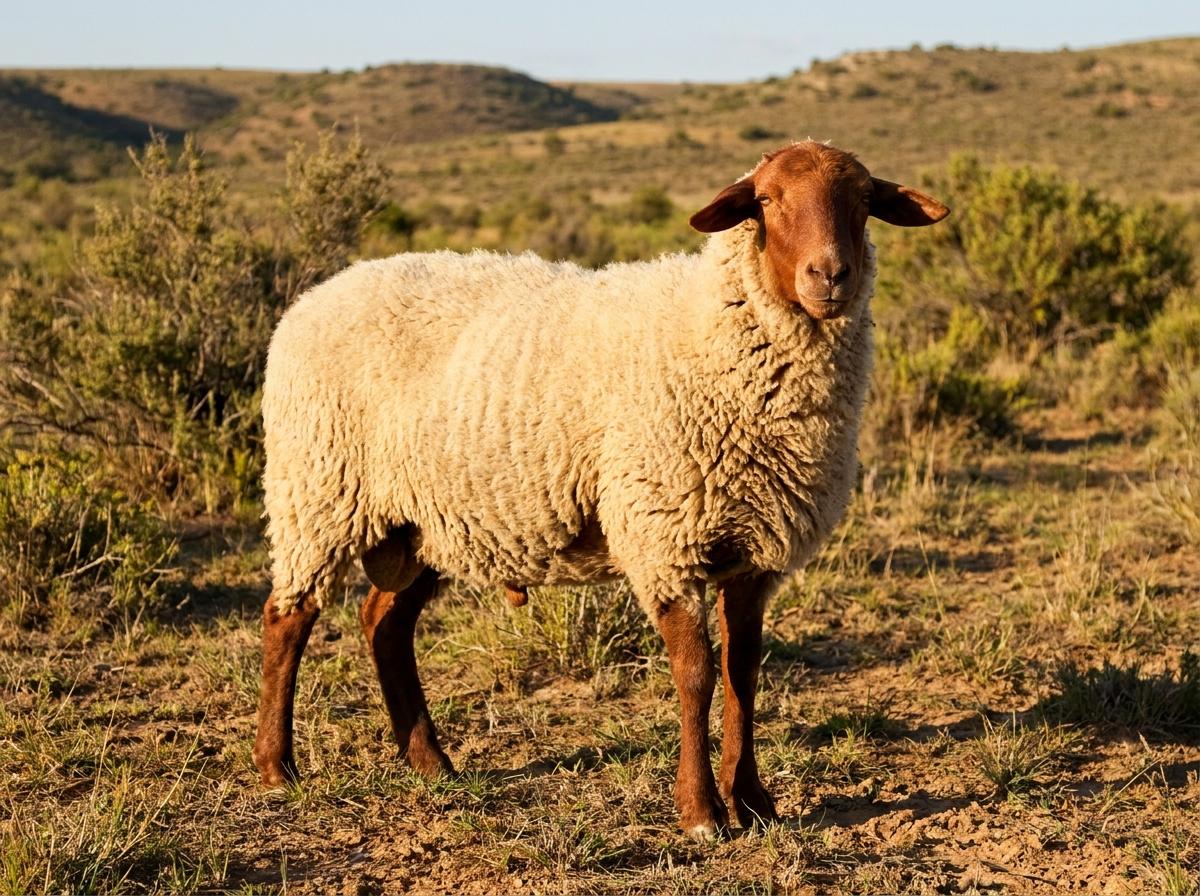
Newfoundland sheep are a Canadian landrace associated with the island of Newfoundland, where small farm flocks developed under a cold, wet, maritime climate. Their ancestry is generally traced to sheep brought by settlers from Britain and Ireland, with later local selection for animals that could lamb reliably, forage rough ground, and cope with wind, rain, and modest winter feed. The type is not as standardized as many show breeds, and flocks may vary in size, fleece character, face color, and horn status.
These sheep suit conservation-minded smallholders who value hardiness and maternal ability over uniform commercial appearance. They are usually kept for meat, wool for home use, and preservation of regional farm genetics. Shelter from persistent wet weather, predator control, and careful winter feeding are important in their home climate, even though the sheep are hardy. Anyone buying breeding stock should ask about flock history and selection goals, because the Newfoundland name may be maintained through local tradition as much as through a large formal registry.
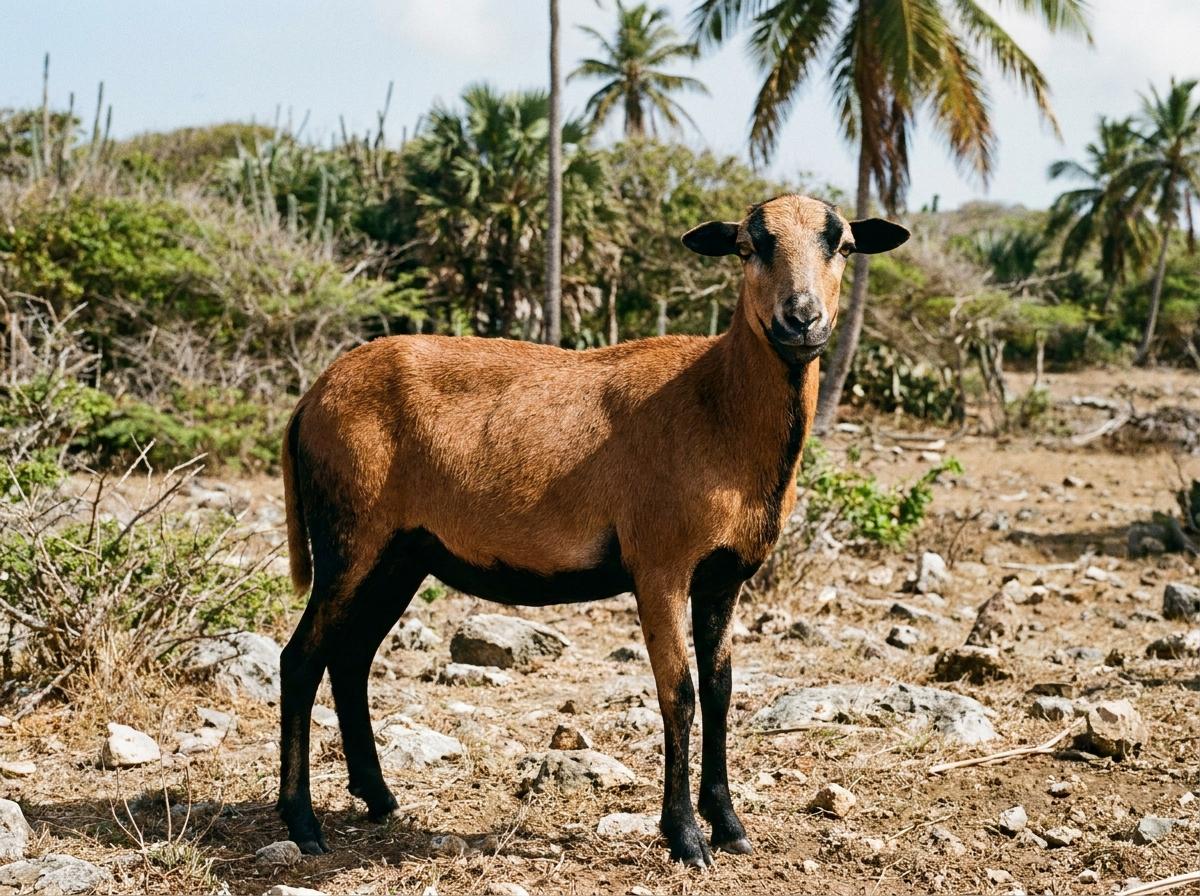
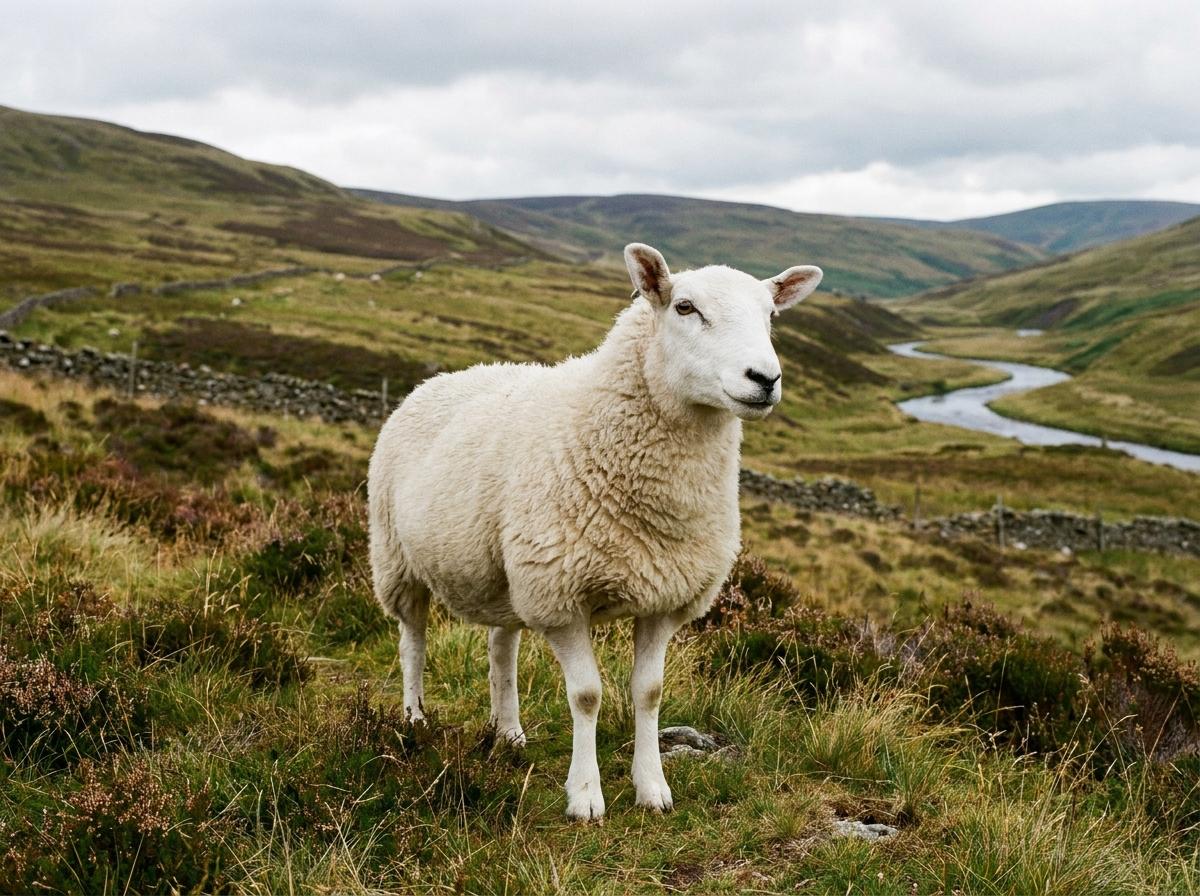
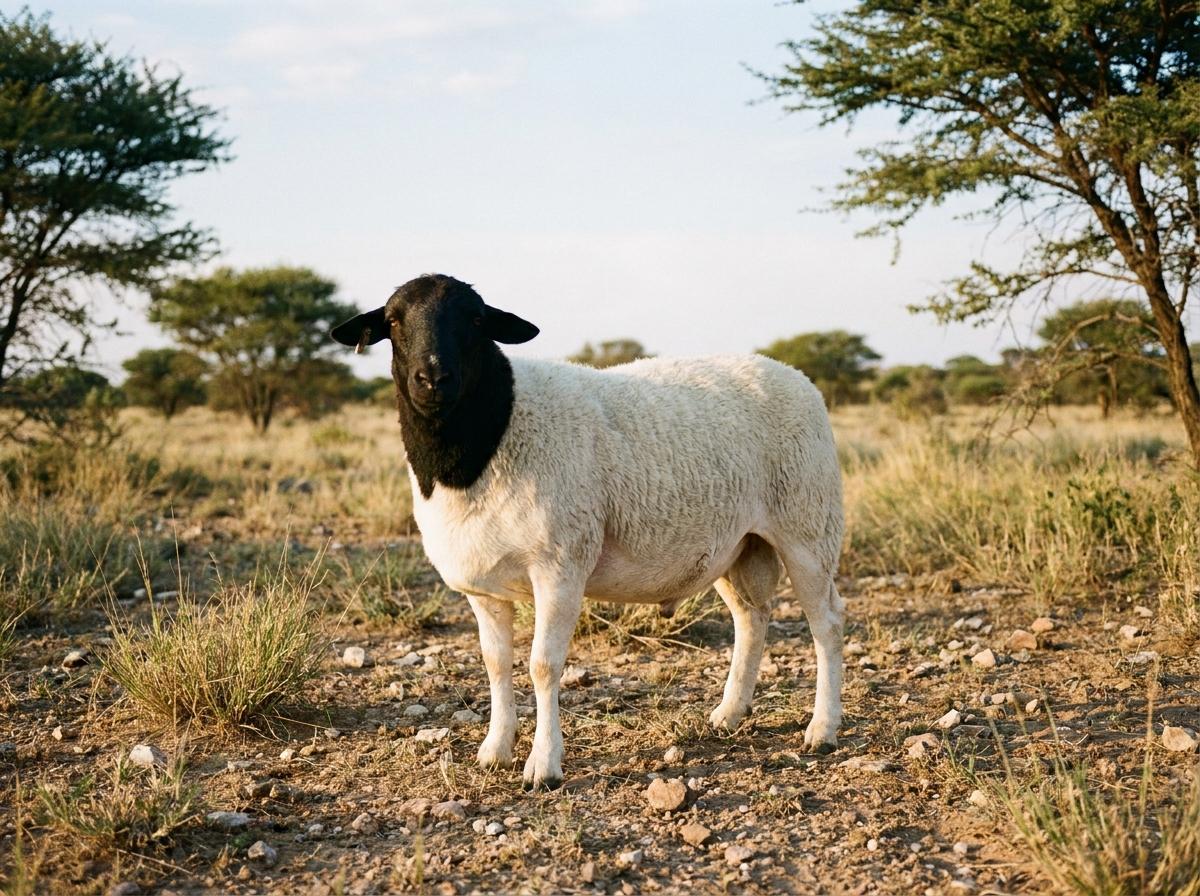
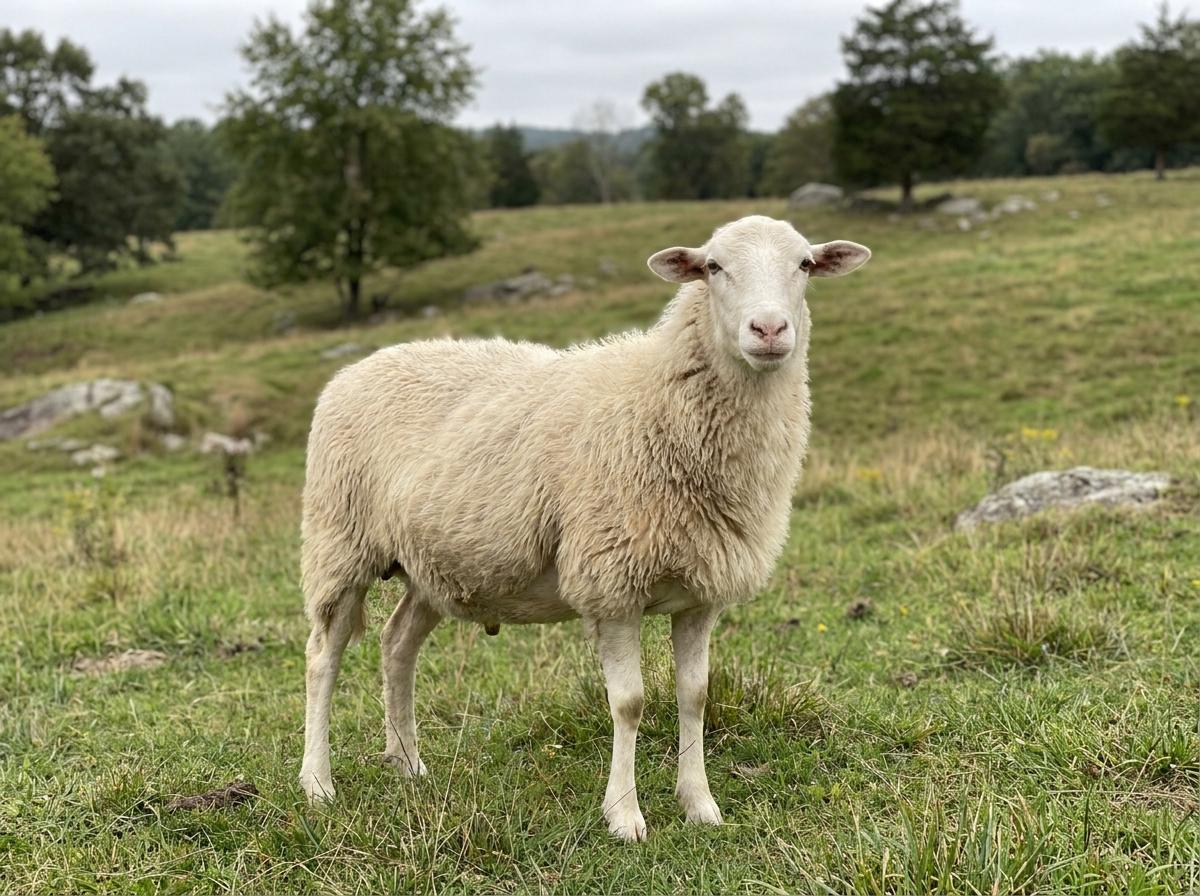
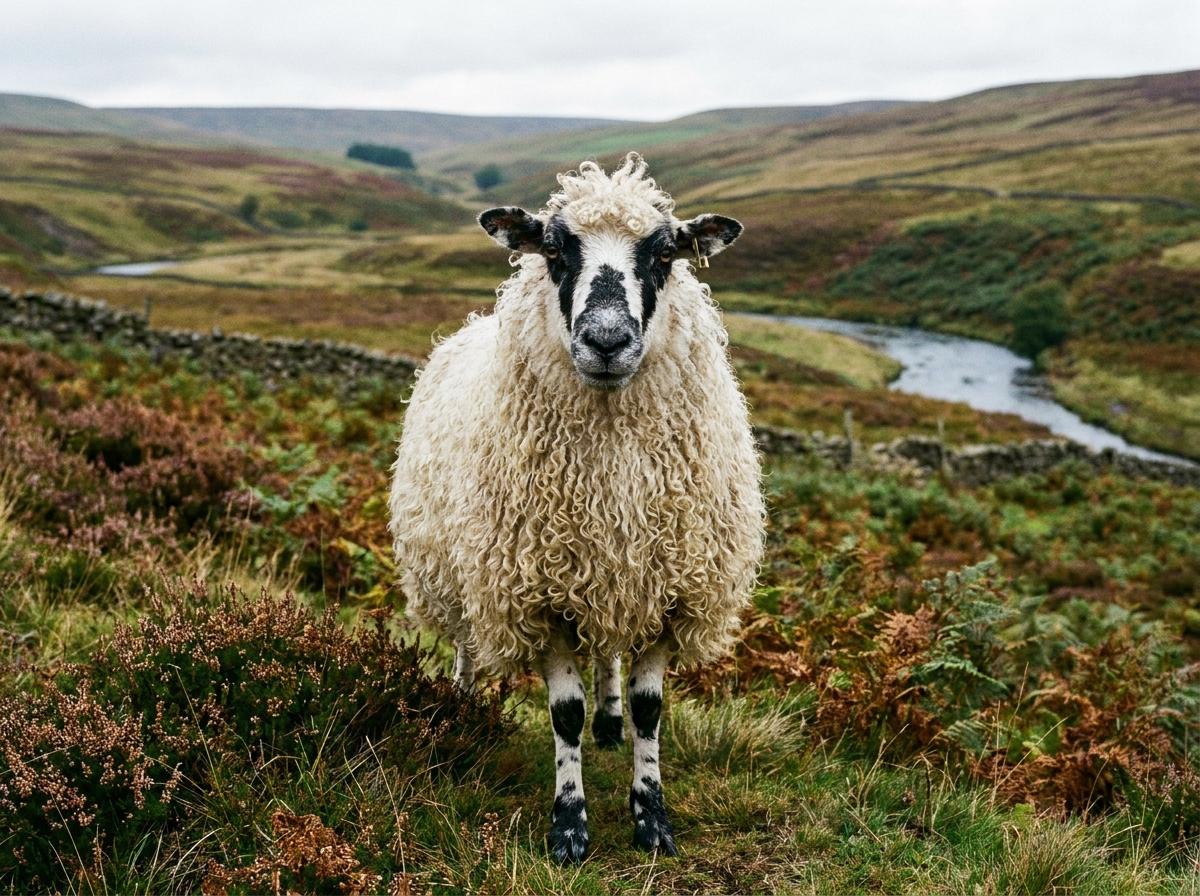
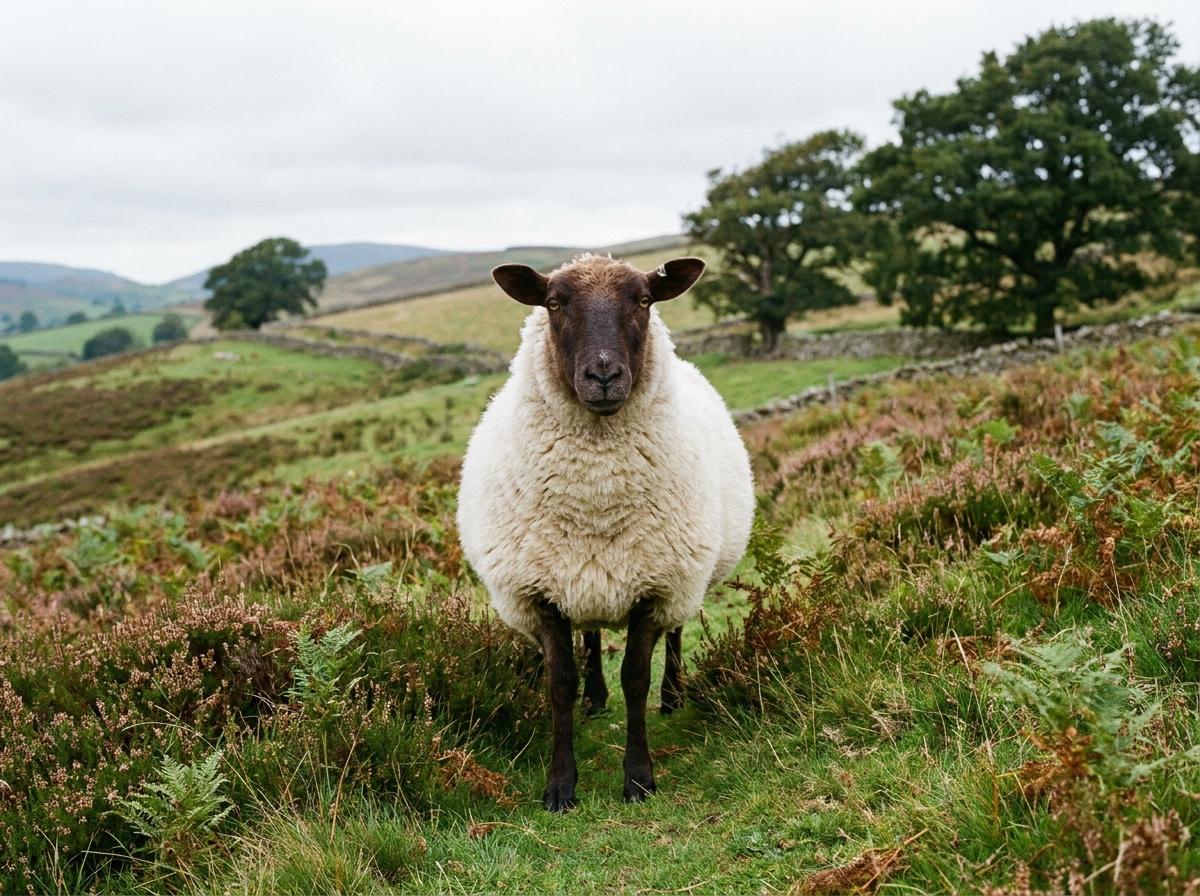
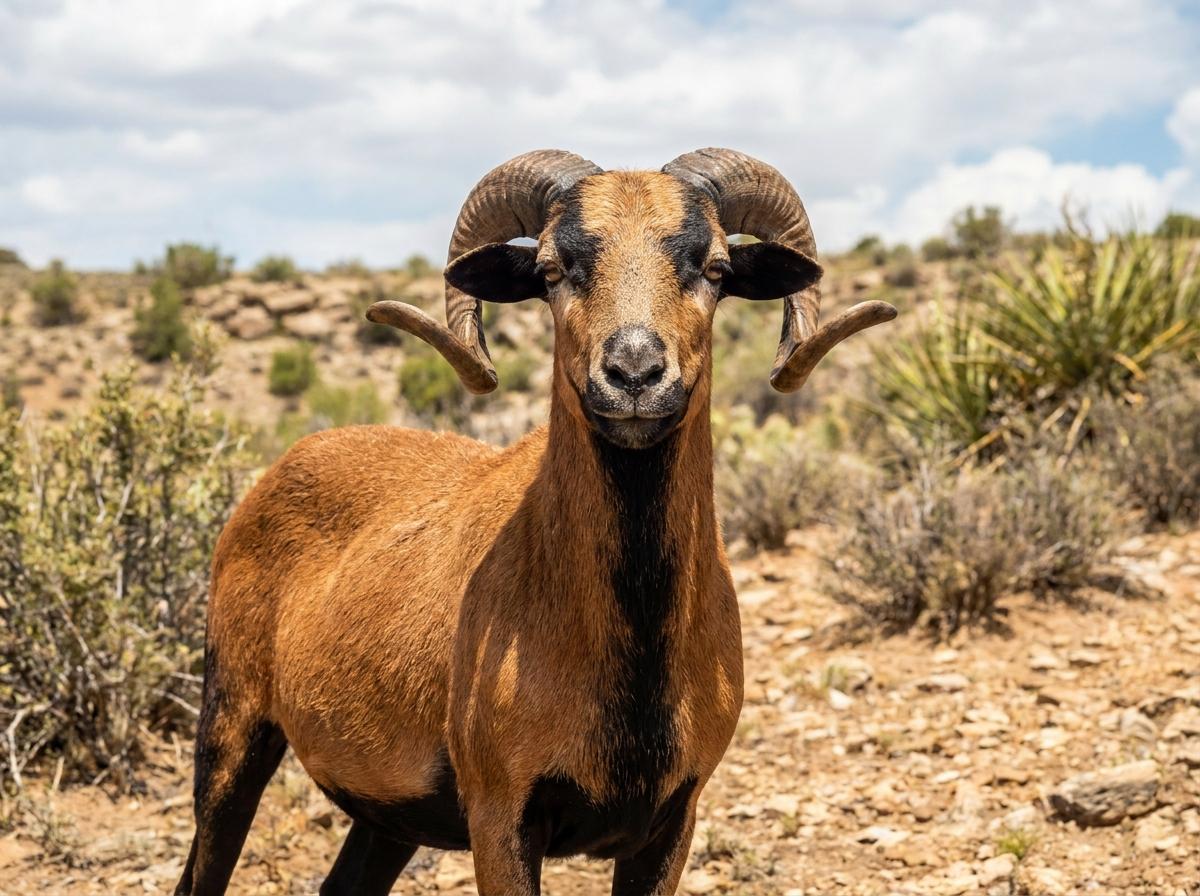
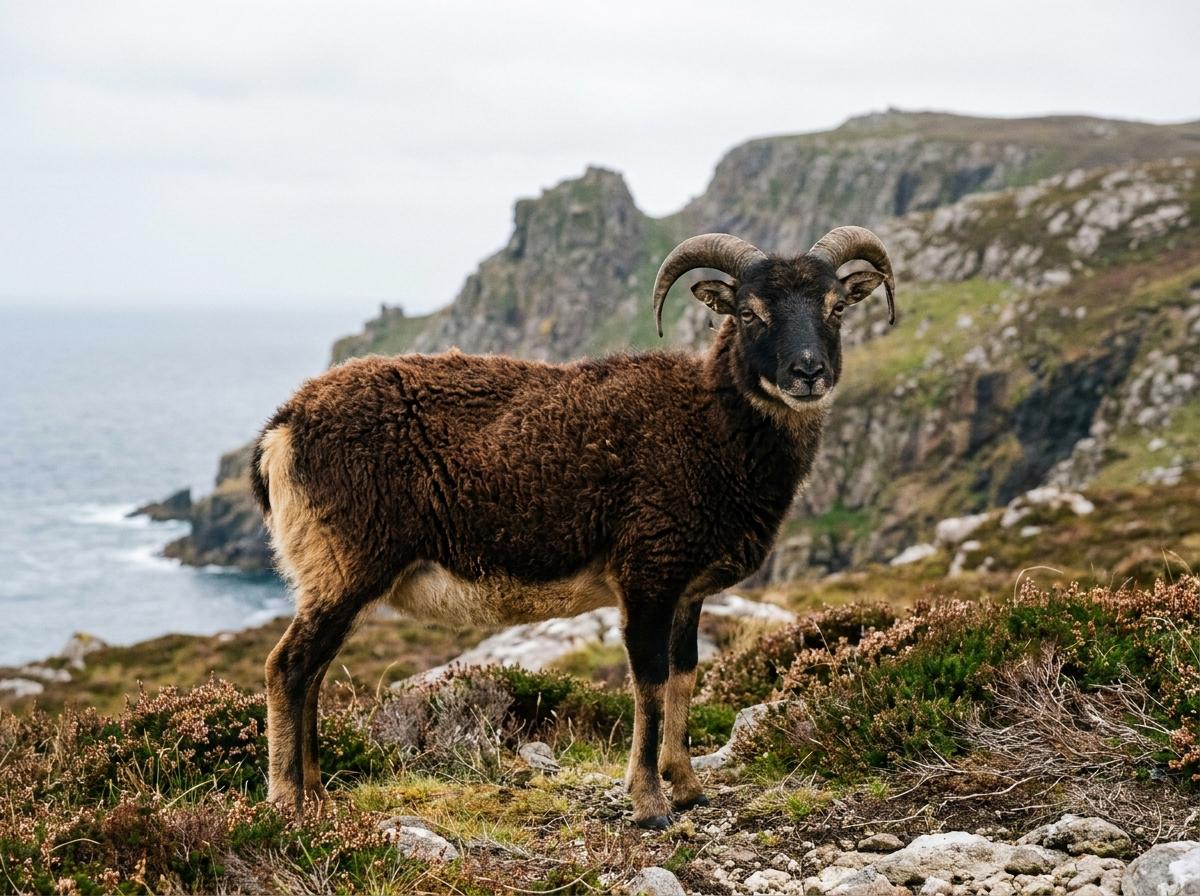
Colors: Badgerface, Black, Blackbelly, Broken, Brown, Gray, Grey, Gulmoget, Katmoget, Moorit, Piebald, Red, Roan, Silver, Solid, Spotted, Tan, White, White with Black Points, White with Brown Points