


Pag Island
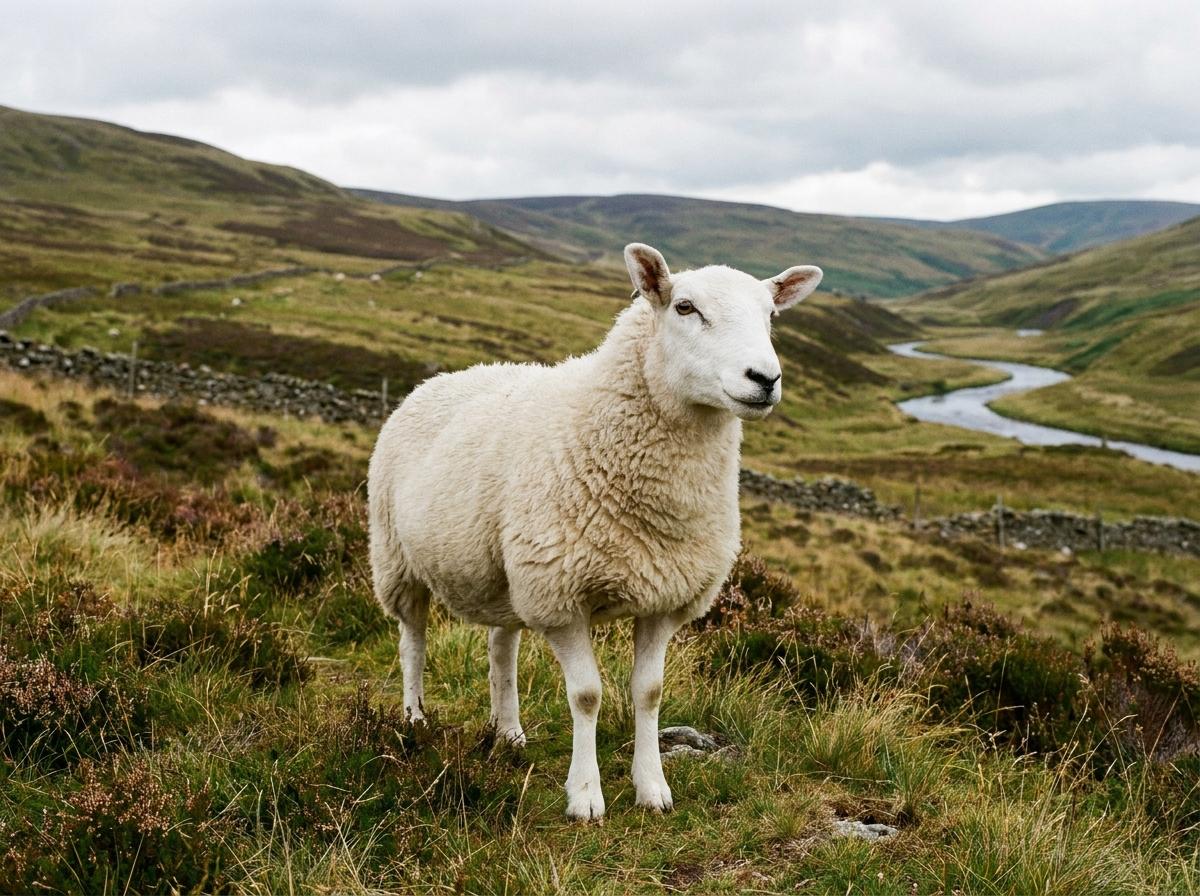
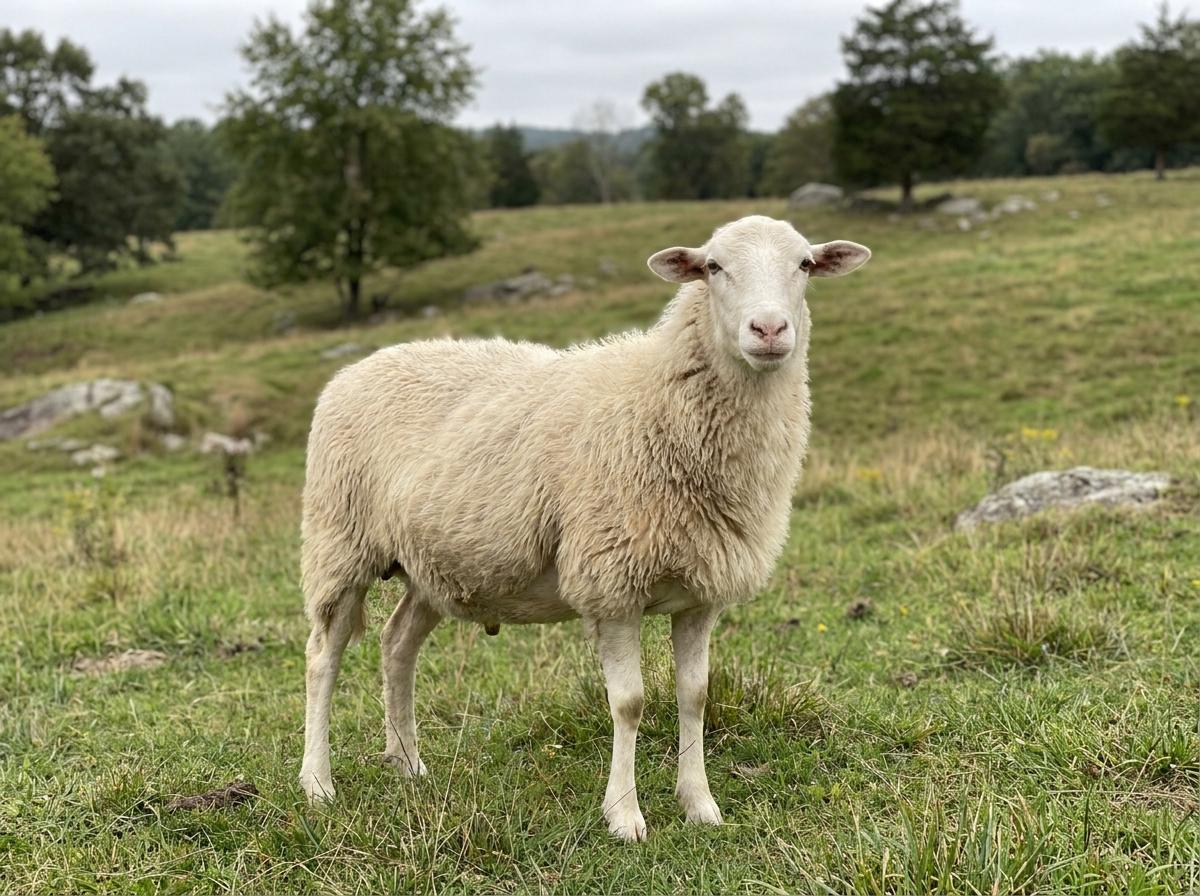
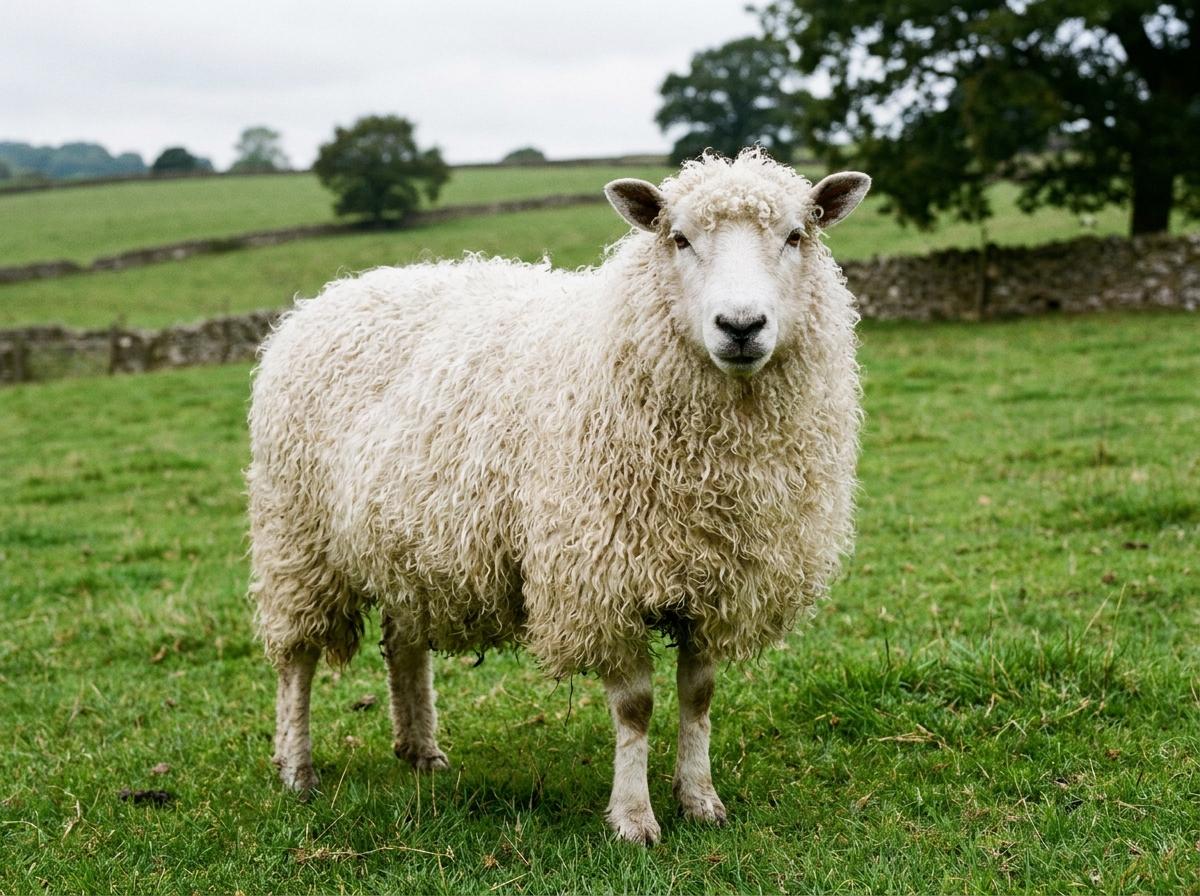
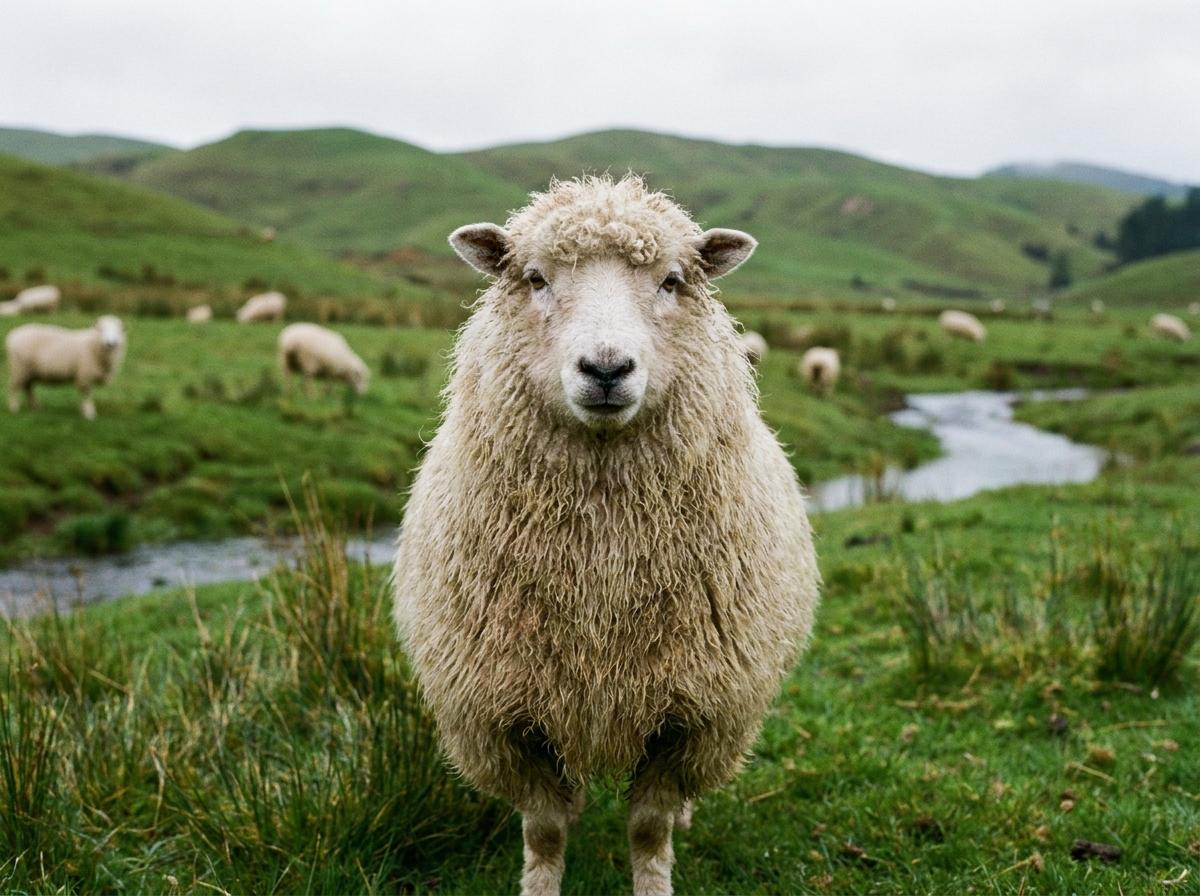
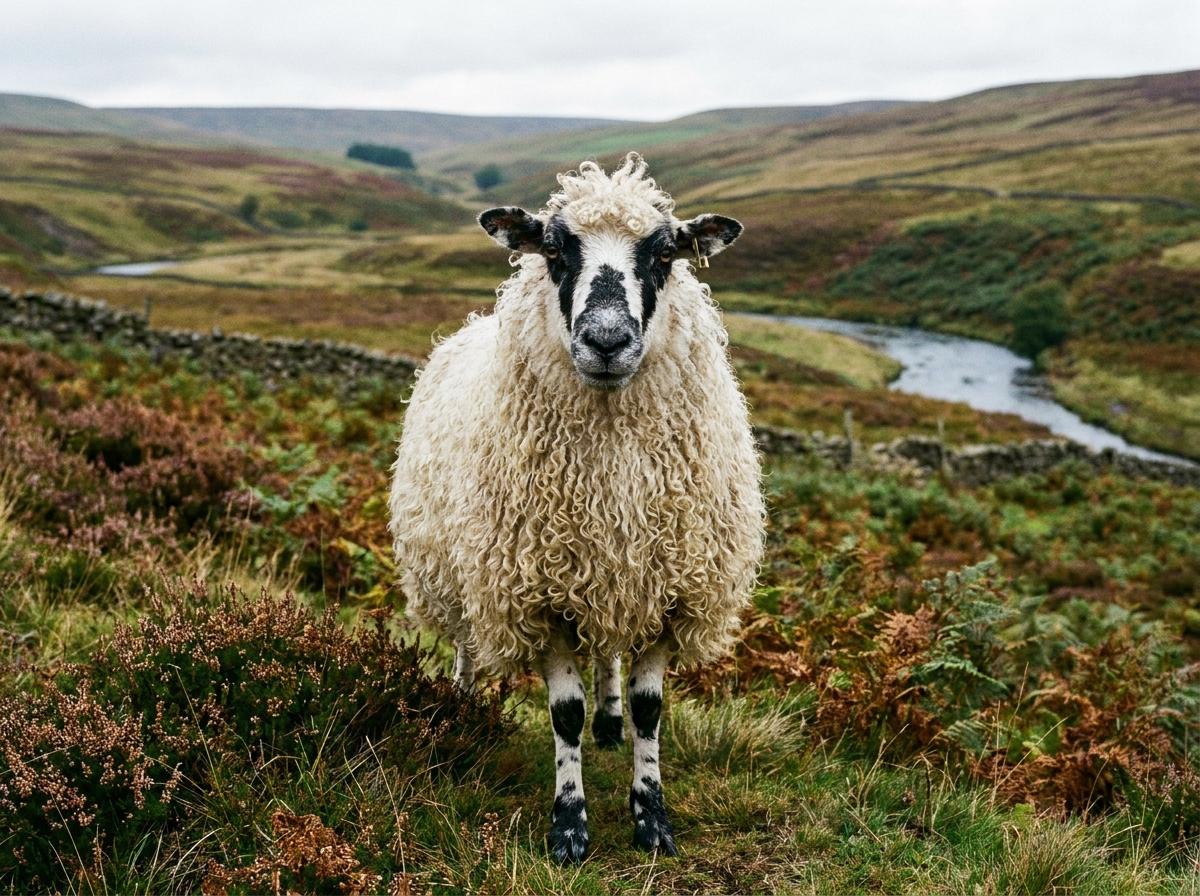
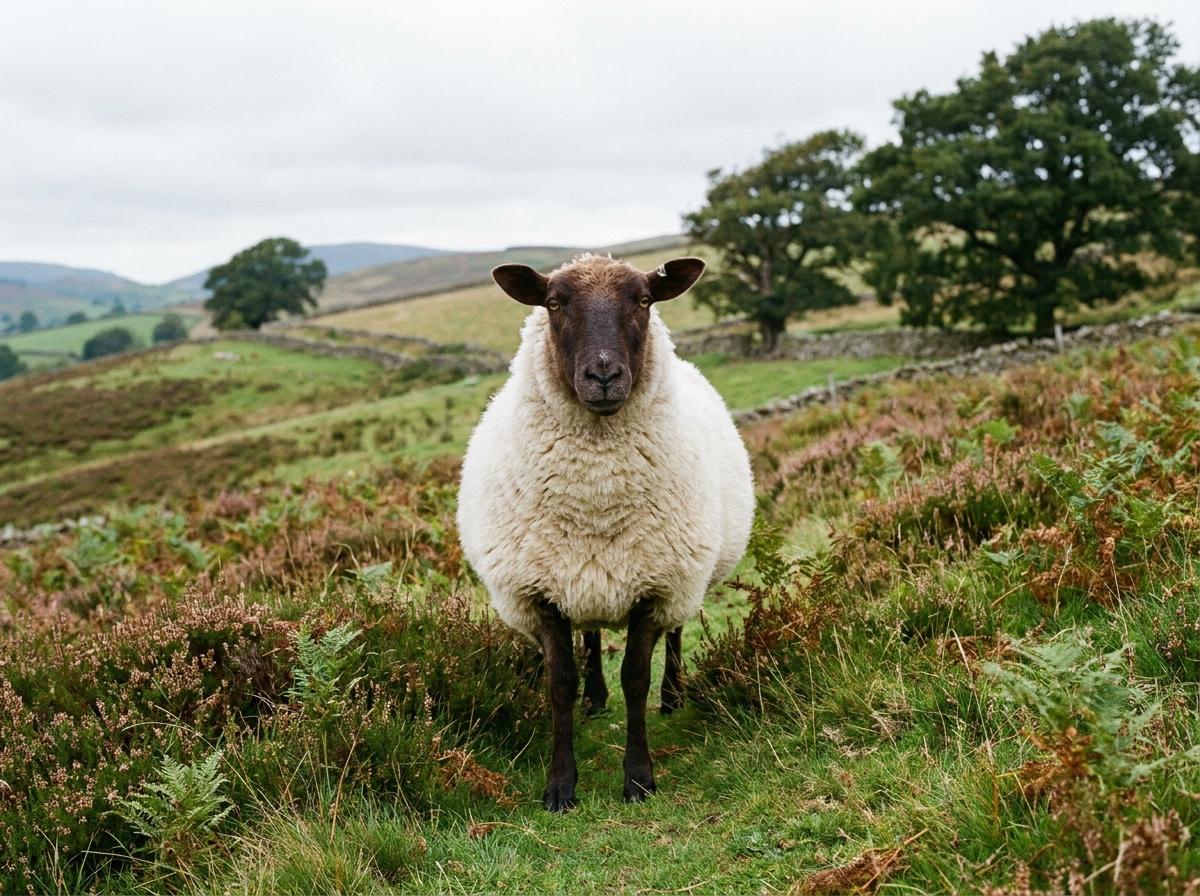
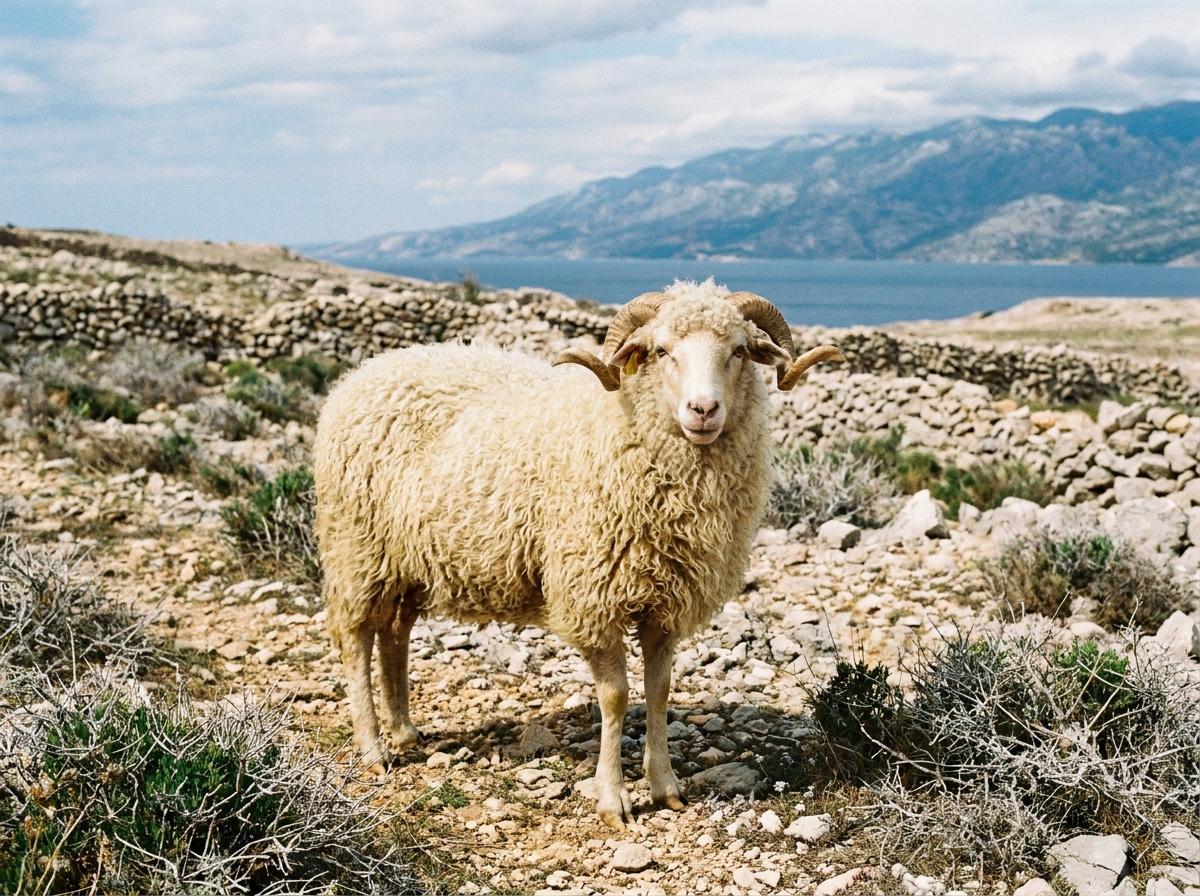
On Croatia's island of Pag in the northern Adriatic, the Pag Island sheep, or Paska ovca, developed as a small, hardy dairy breed. It is shaped by limestone pastures, dry summers, strong bora winds, and vegetation seasoned by sea spray. The breed is closely associated with milk for Paski sir, the firm sheep cheese for which the island is known. Animals are usually white or pale, with a modest frame, strong legs, and a fleece that reflects utility rather than fine-wool breeding. Their value lies in adaptation to a harsh coastal landscape as much as in measured milk yield.
Flocks are often managed semi-extensively, grazing stony pastures and returning for milking, lambing, or winter feeding when forage is short. Good management protects the fragile range: overstocking can damage the same aromatic shrubs and grasses that support the milk tradition. Ewes need clean milking routines, lamb management that fits the dairy market, and shelter from the worst wind and rain. Conservation-minded breeders pay attention to island bloodlines because crossing with larger dairy breeds may raise production in the short term but can weaken the traits that make Pag sheep suited to their home environment.
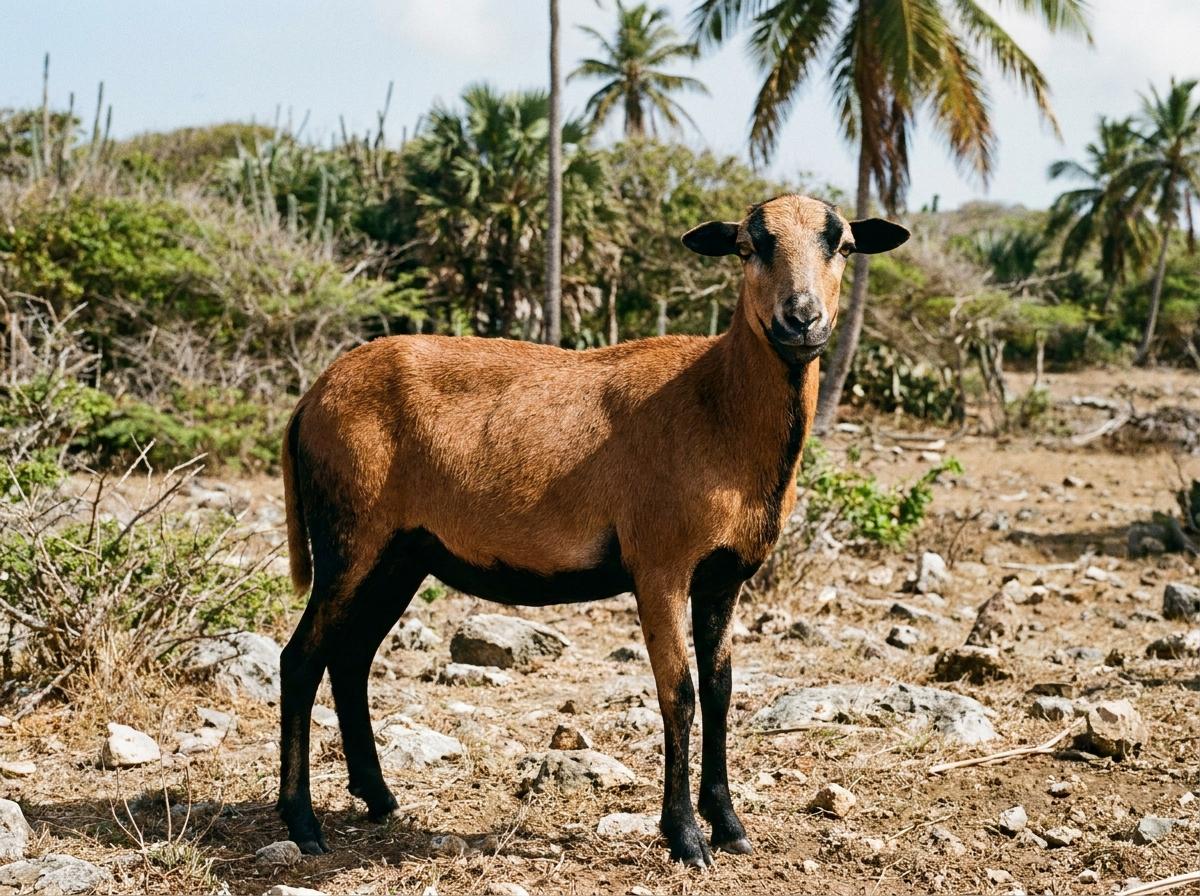
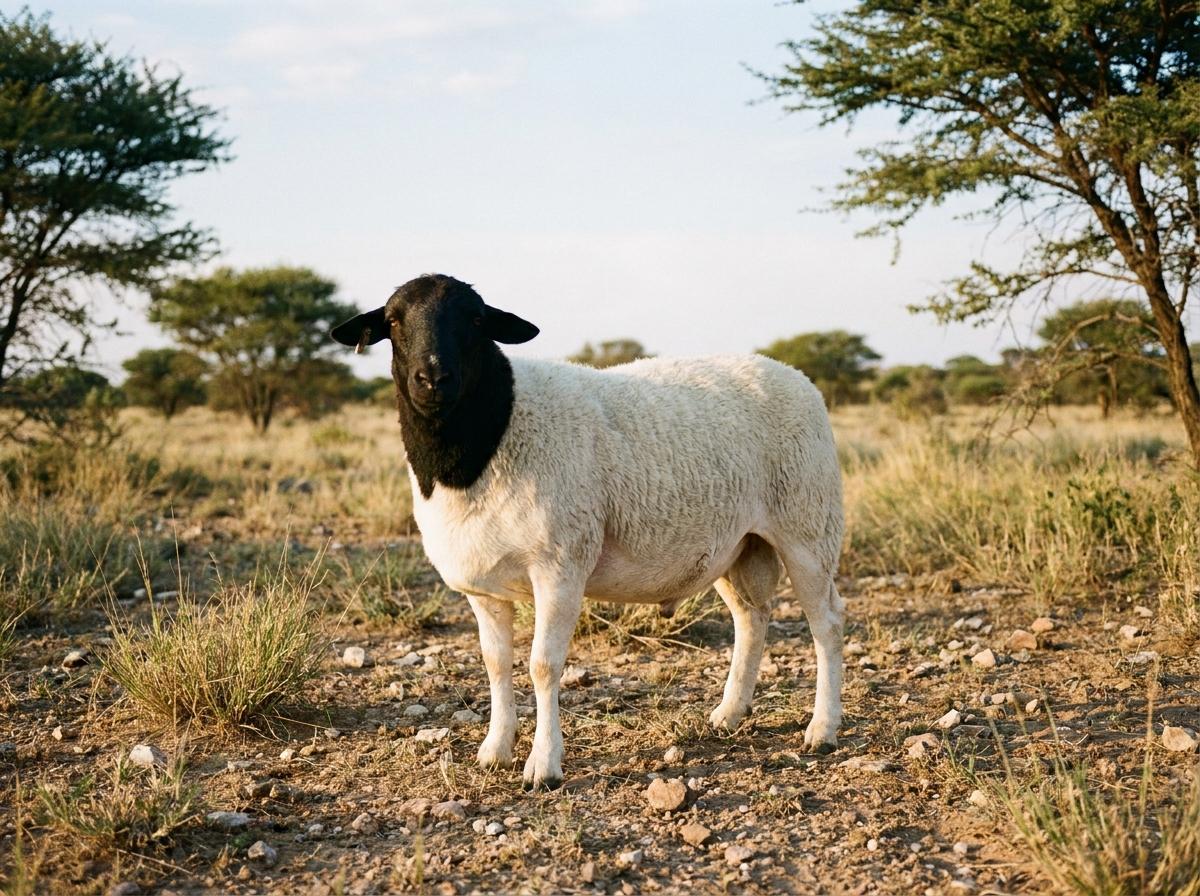
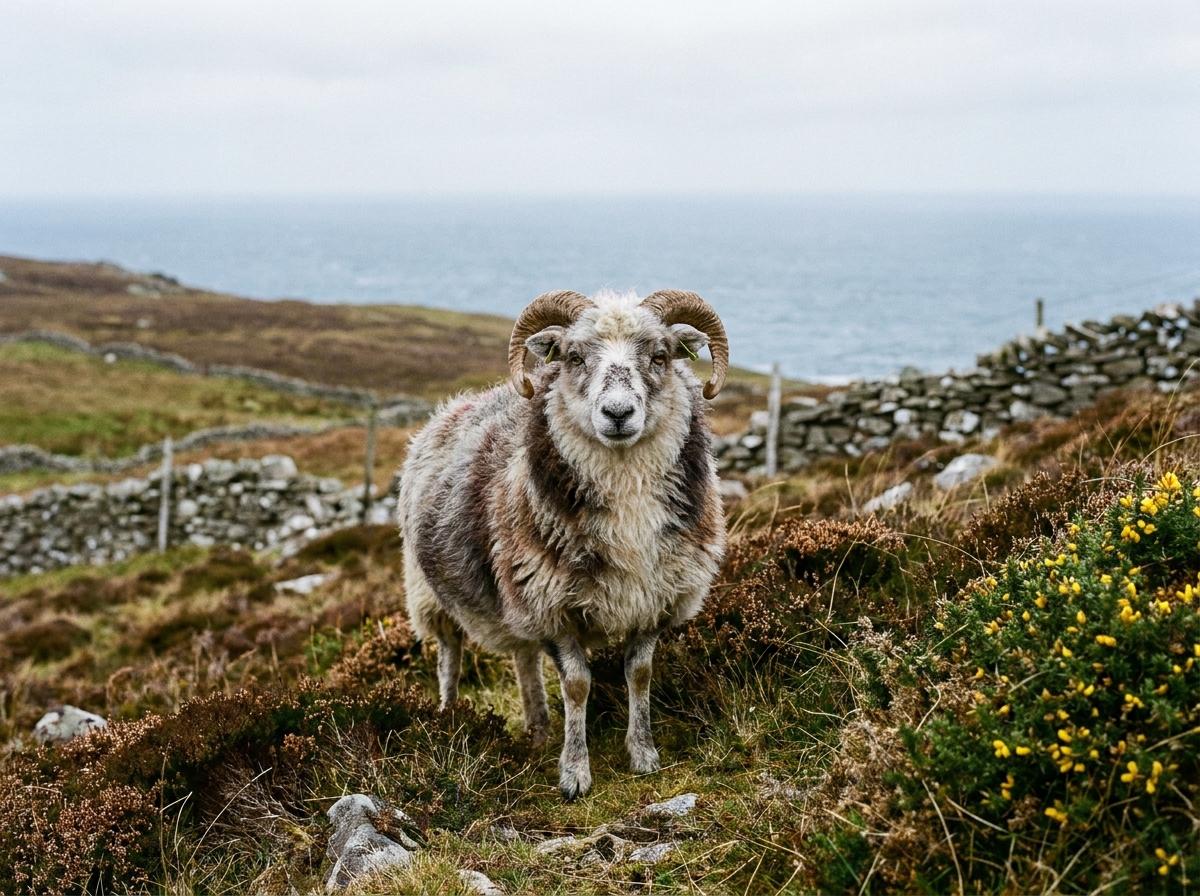
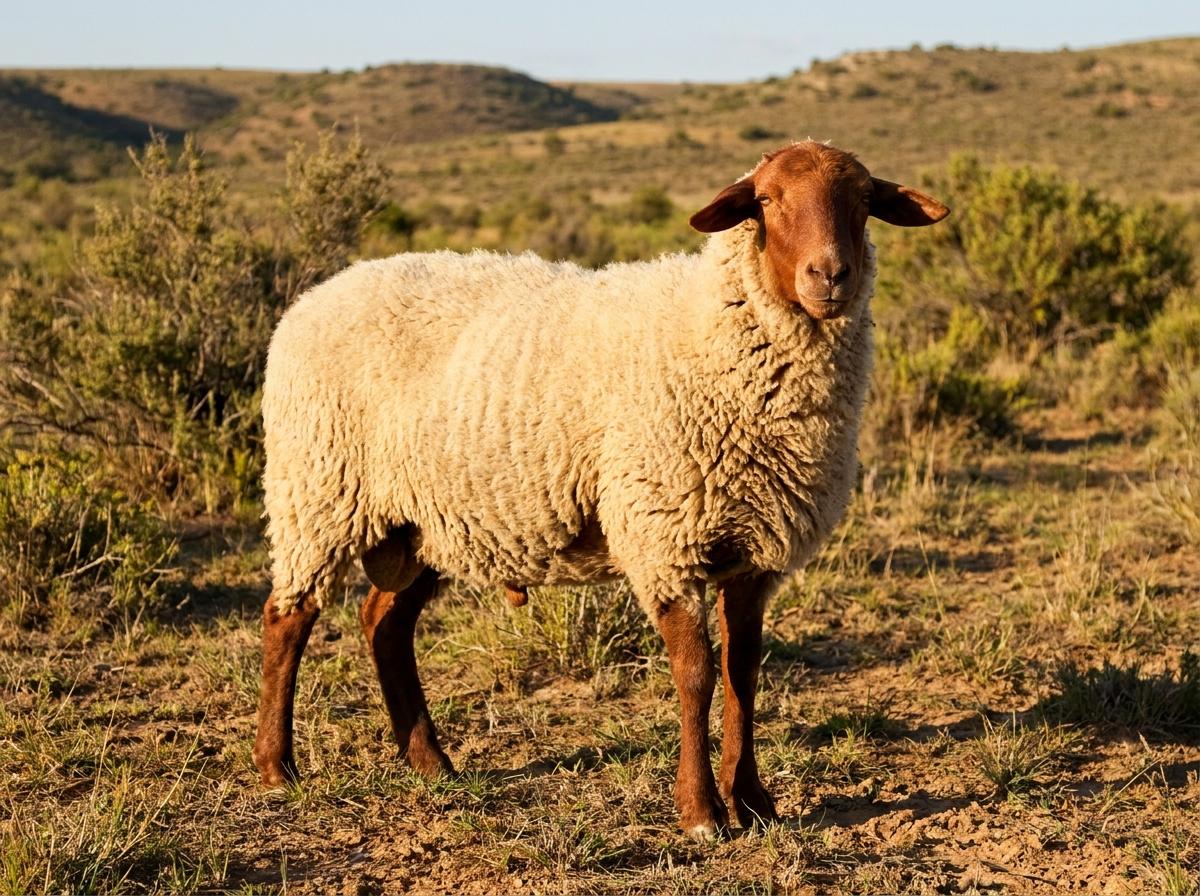
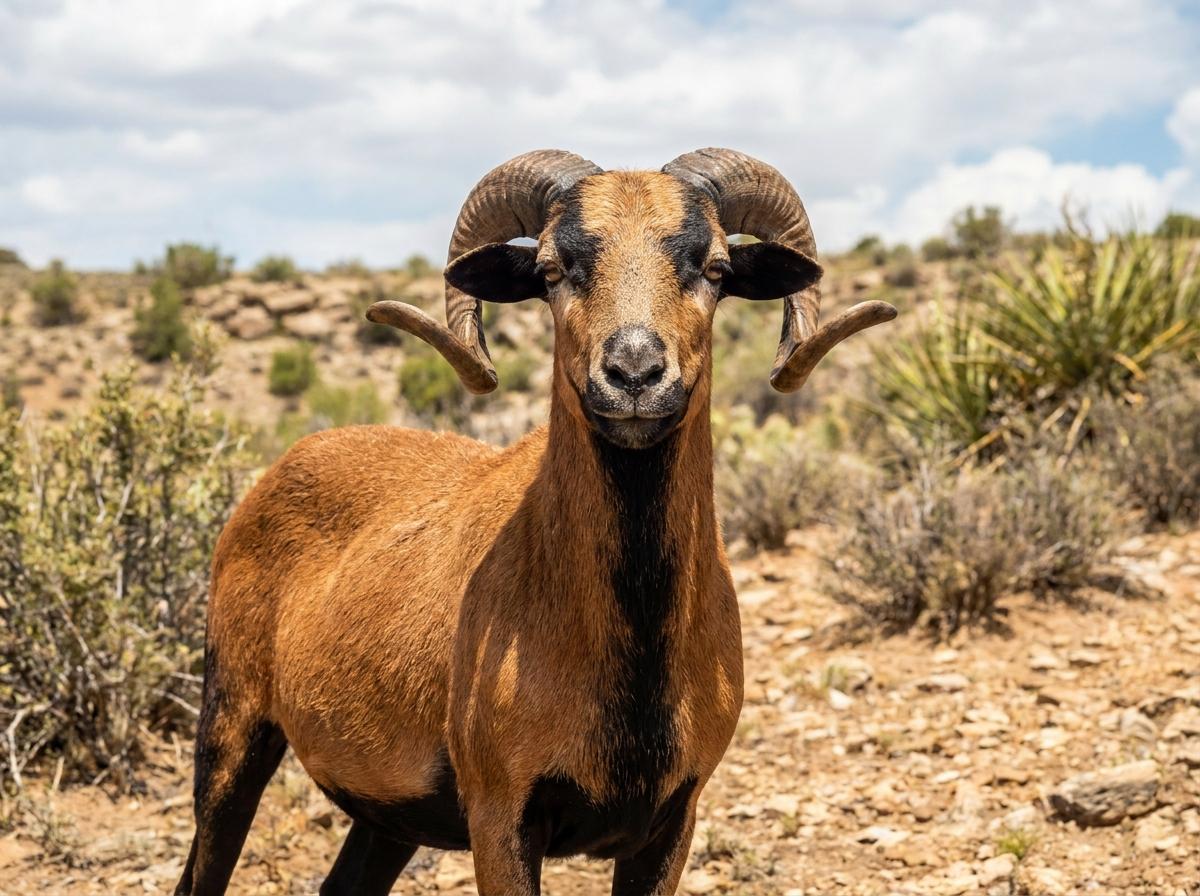
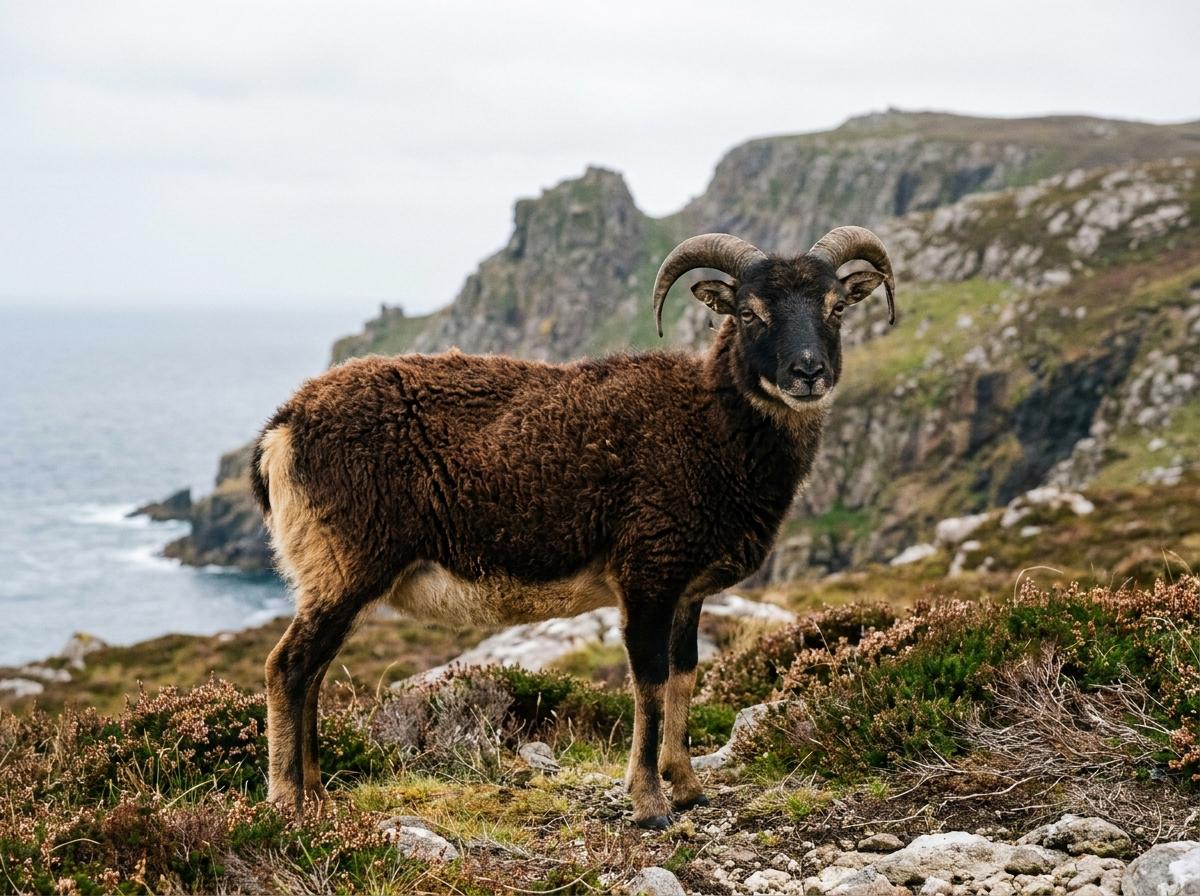
Colors: Badgerface, Black, Blackbelly, Broken, Brown, Gray, Grey, Gulmoget, Katmoget, Moorit, Piebald, Red, Roan, Silver, Solid, Spotted, Tan, White, White with Black Points, White with Brown Points