


Panama
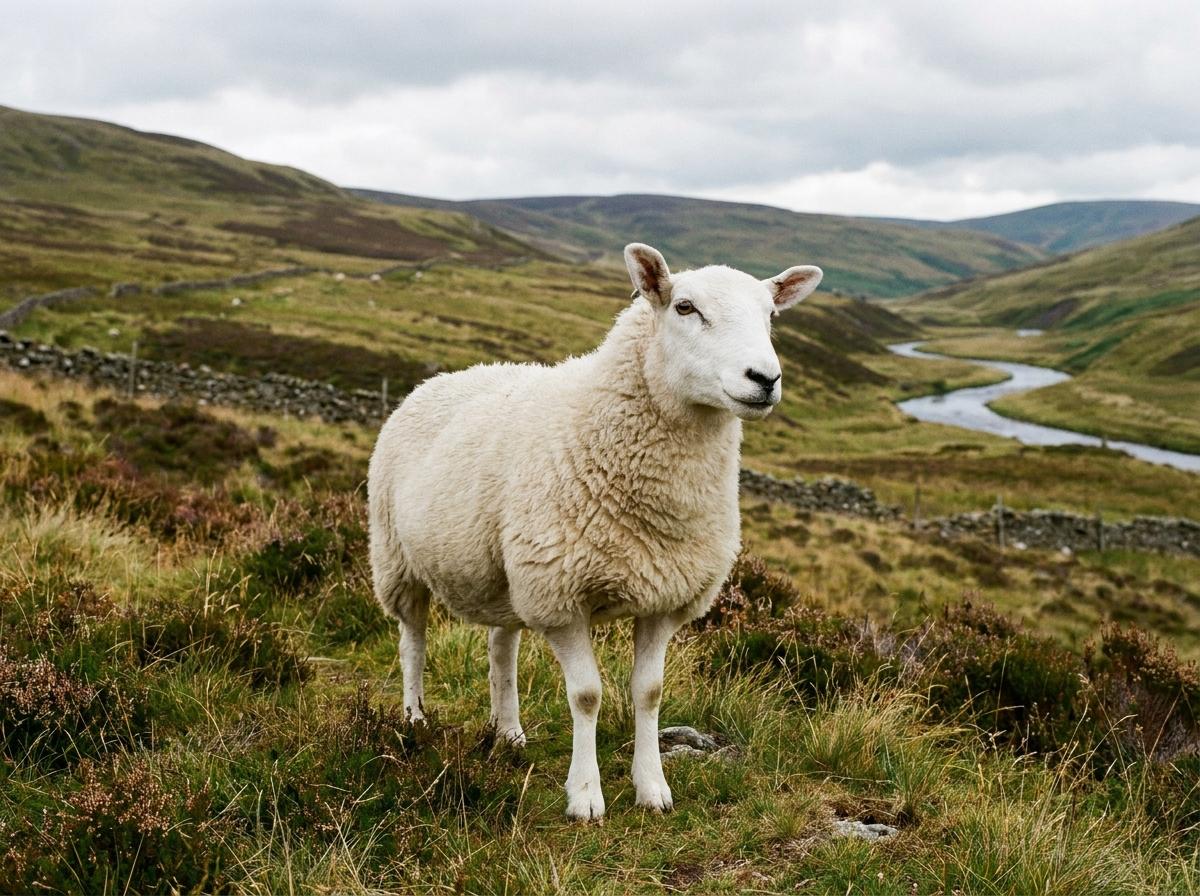
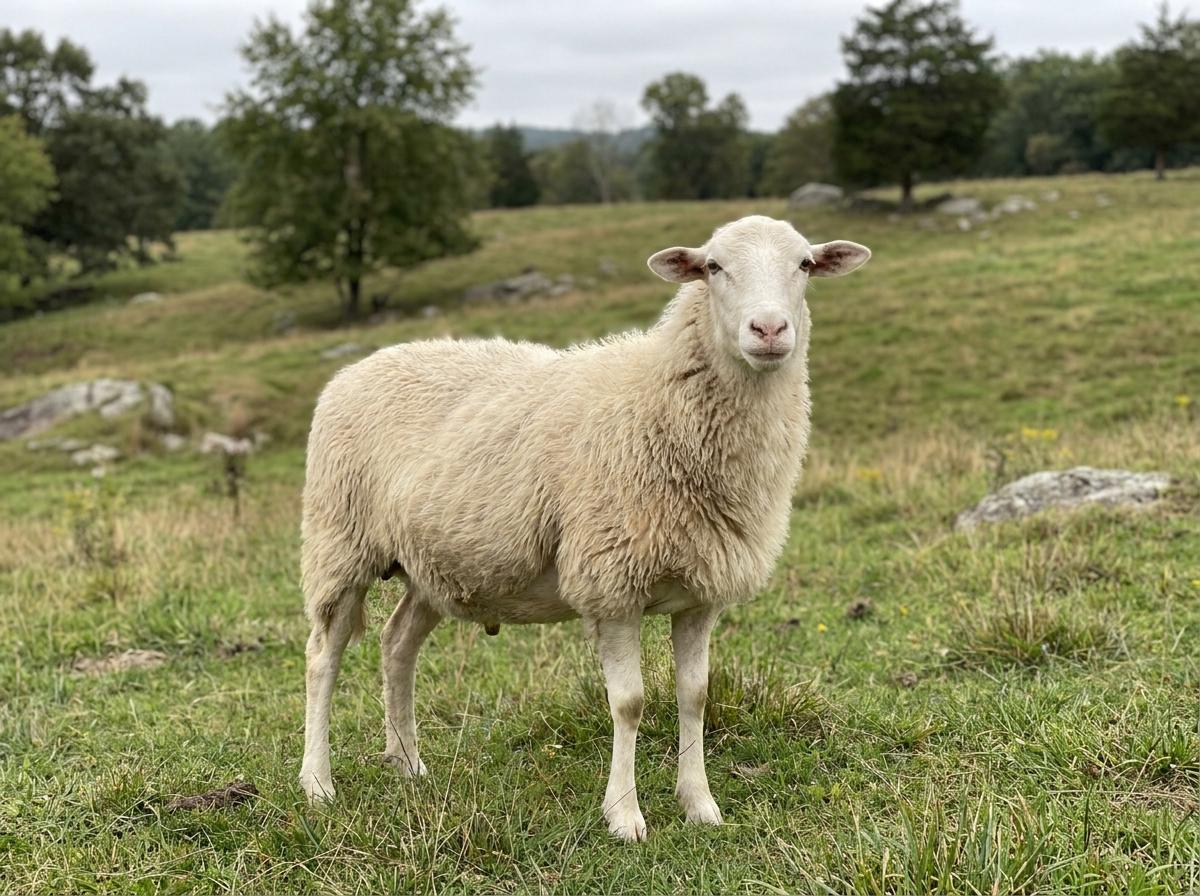
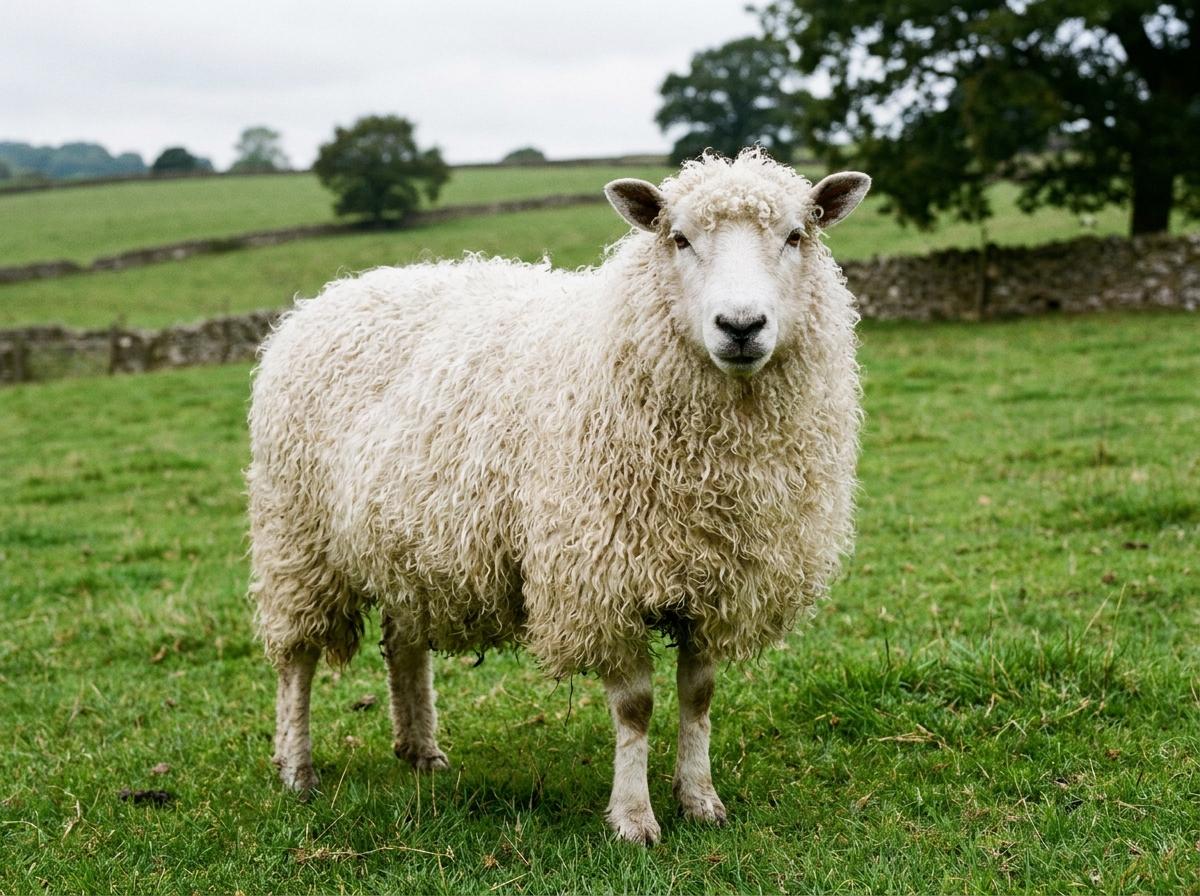
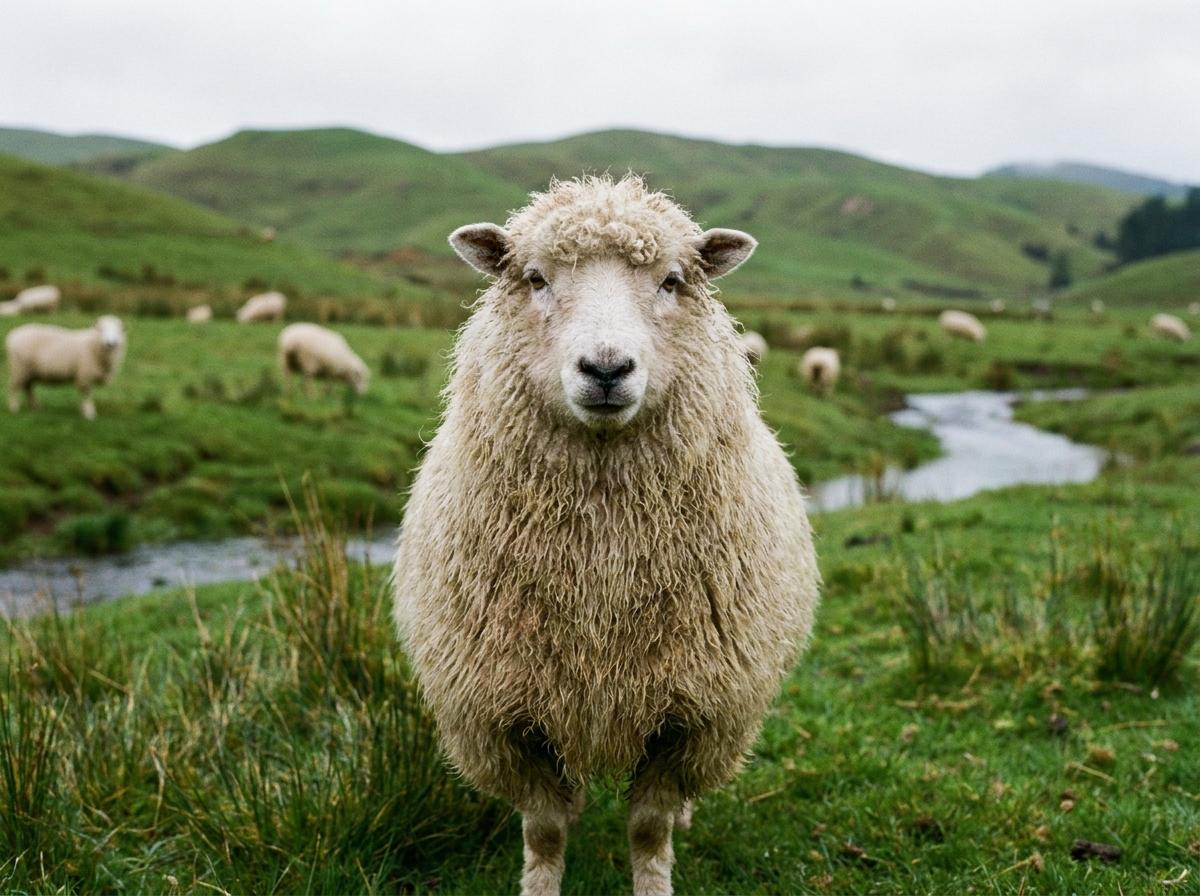
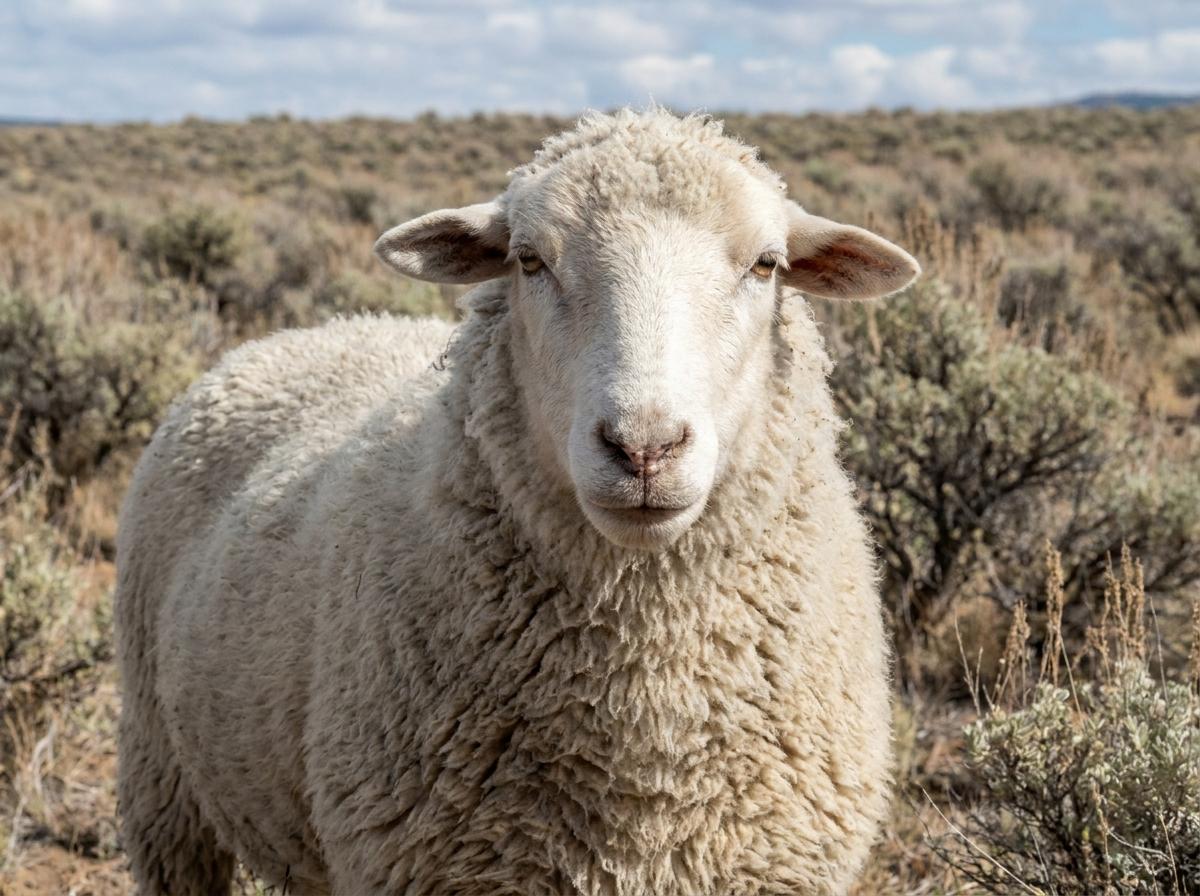
Panama sheep were developed in Idaho in the early twentieth century as an American dual-purpose breed from Rambouillet and Lincoln breeding. The goal was a sheep for western range conditions, combining the Rambouillet's fine-wool influence and hardiness with the Lincoln's size, length, and fleece weight. Panamas are white-faced, polled, large-framed animals that produce a useful wool clip along with marketable lambs. The breed never became as numerous as some other United States range breeds, but it remains a distinct part of American sheep history and is still maintained by a small number of breeders.
Management suits farms that want both wool and meat rather than a specialized terminal-sire or hair-sheep system. Panamas need regular shearing, sound nutrition, and enough space to keep large ewes and rams fit; wet climates require extra attention to feet and fleece cleanliness. Lambing is usually straightforward when ewes are not overfat and have shelter from cold spring storms. Because the population is limited, buyers may need to plan well ahead for unrelated rams or replacement ewes, and breeders who keep accurate pedigrees help preserve the breed's identity.
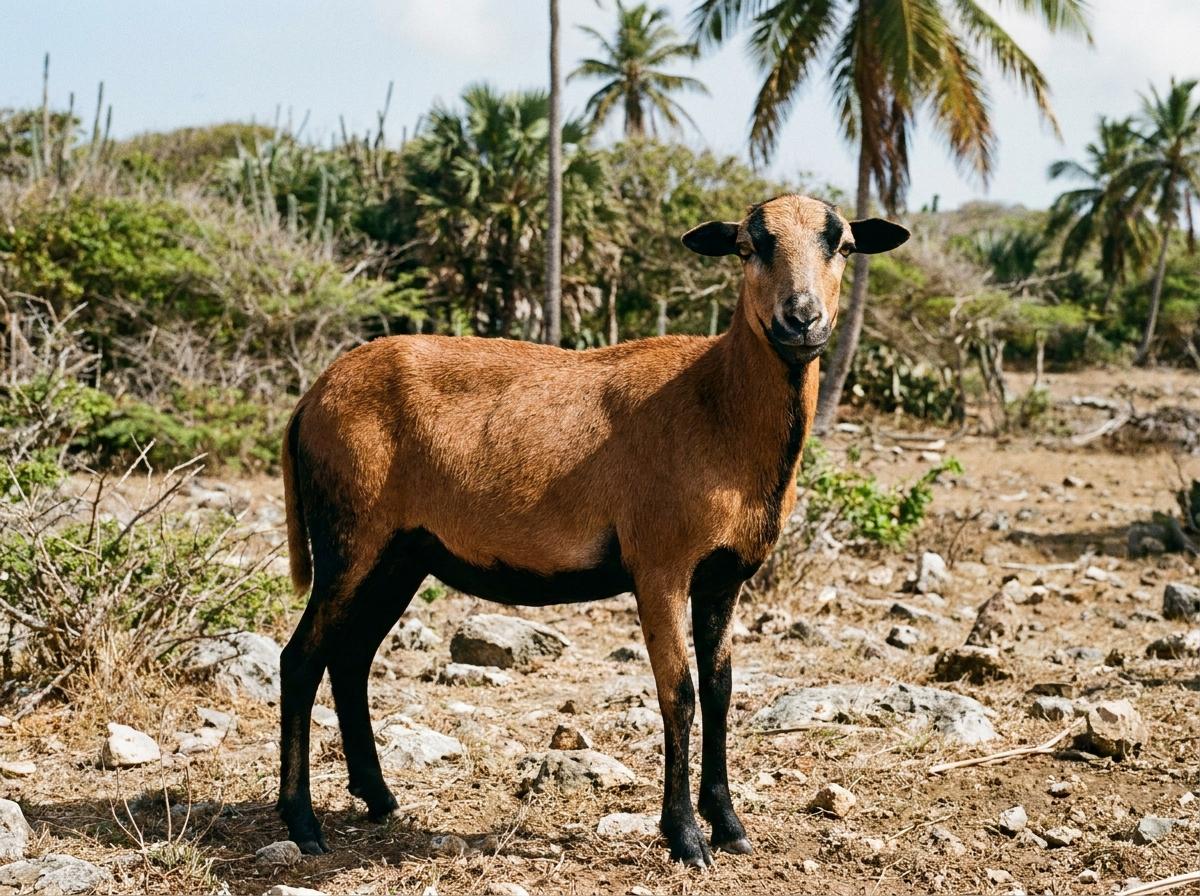
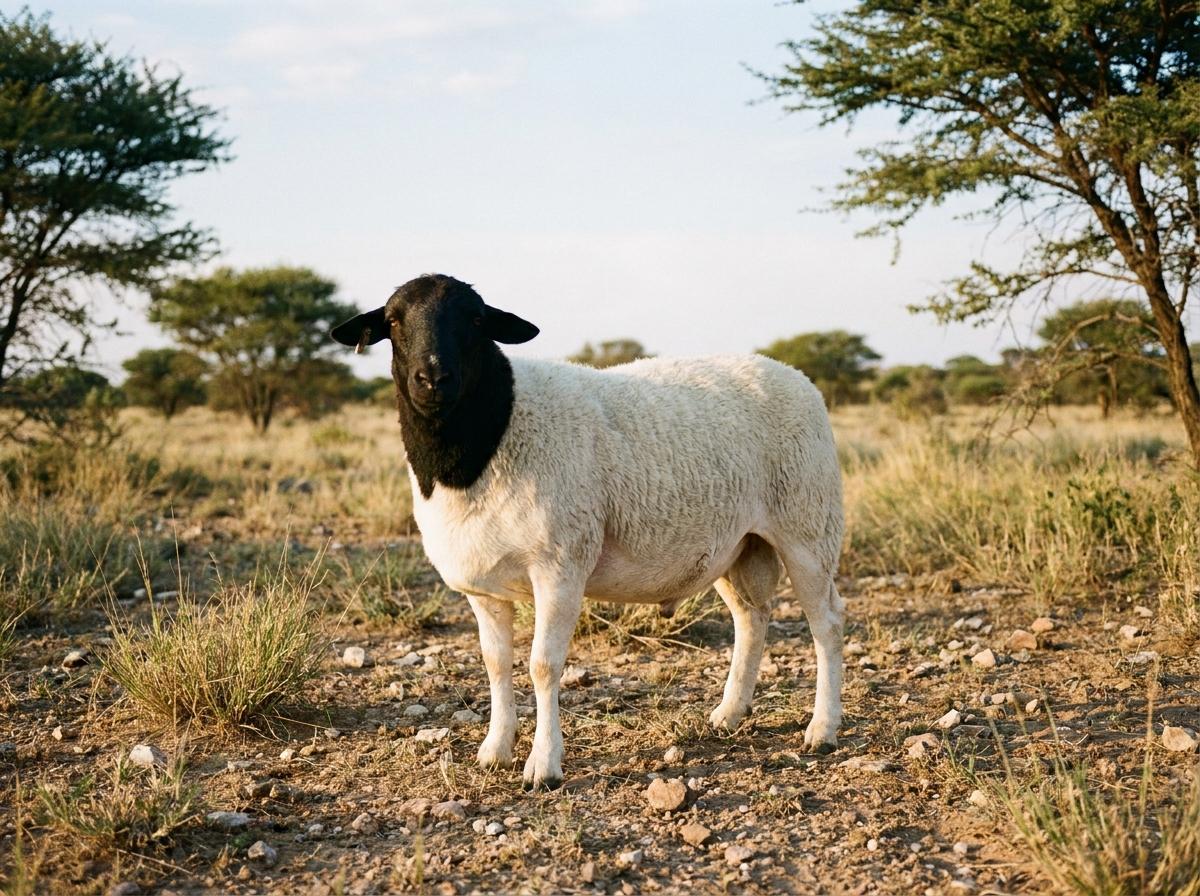
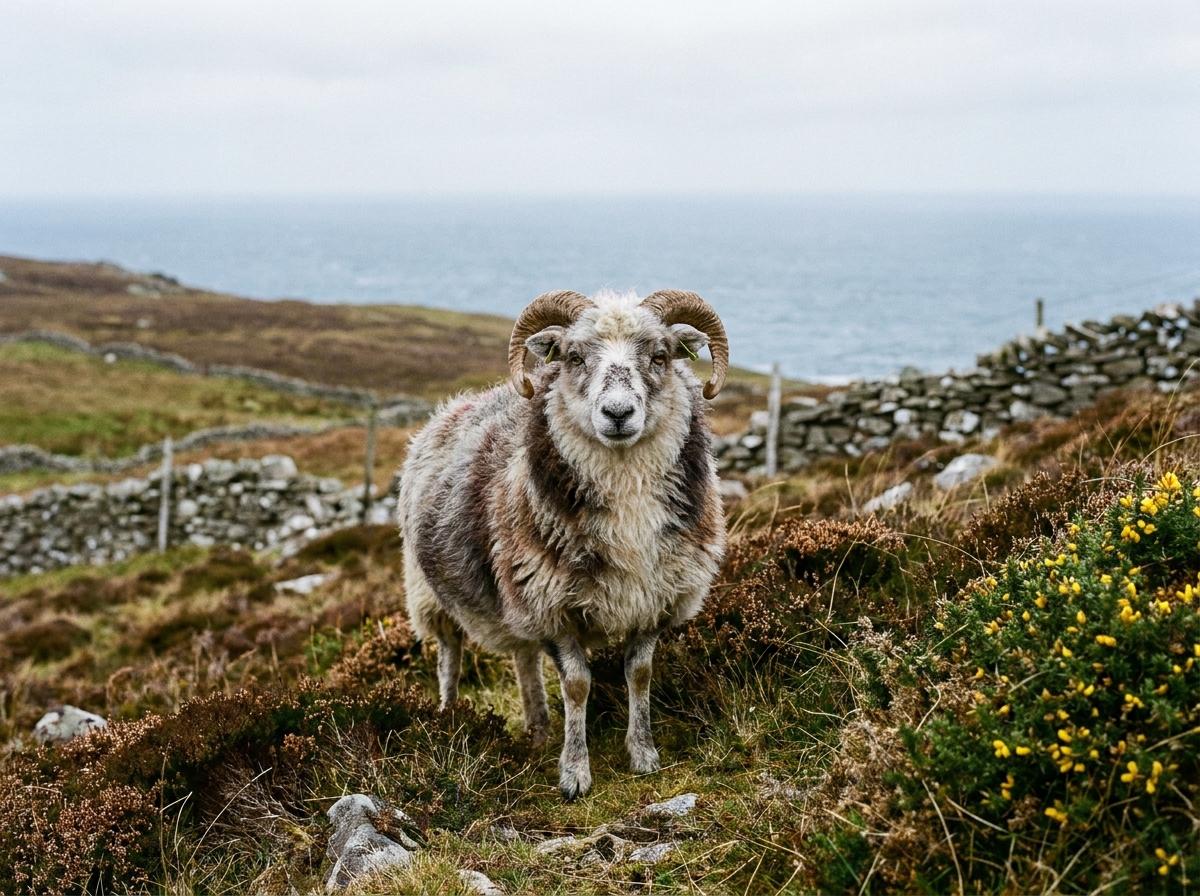
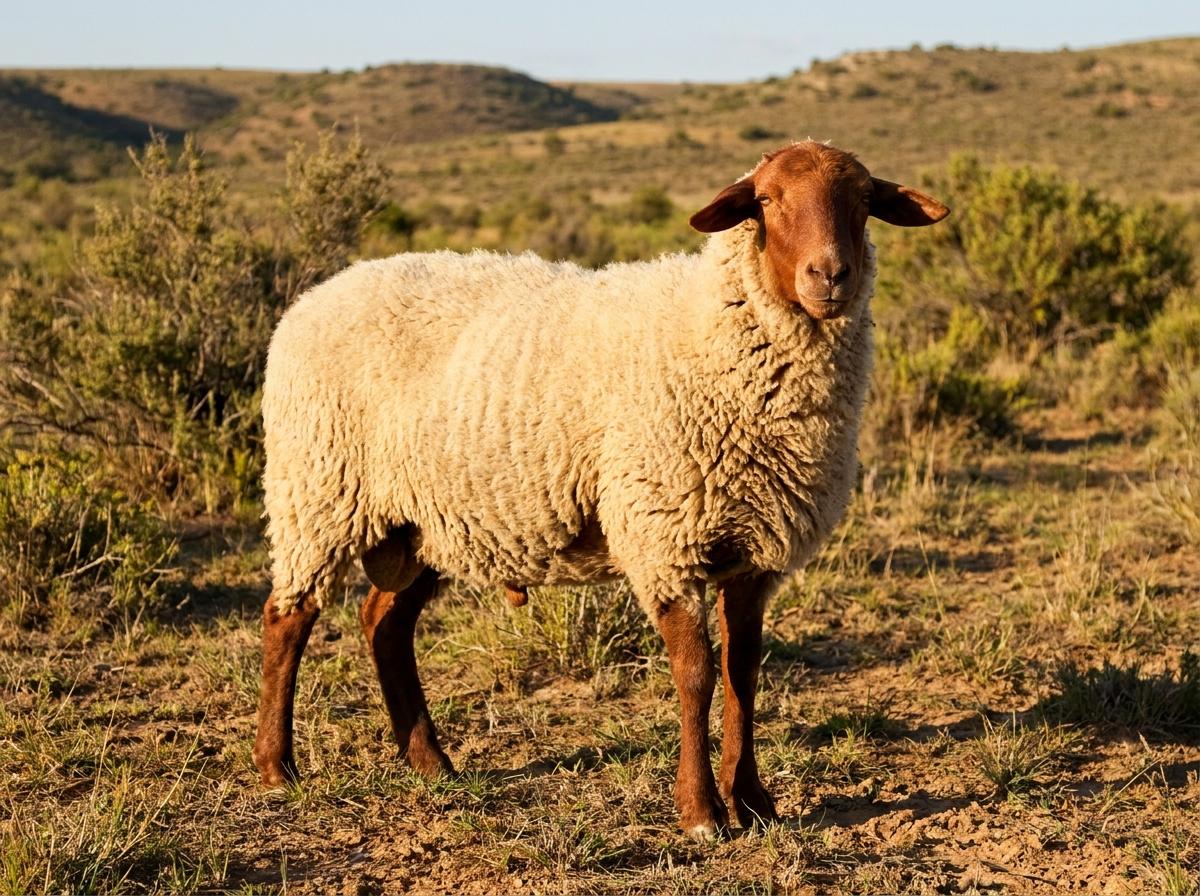
Colors: Badgerface, Black, Blackbelly, Broken, Brown, Gray, Grey, Gulmoget, Katmoget, Moorit, Piebald, Red, Roan, Silver, Solid, Spotted, Tan, White, White with Black Points, White with Brown Points