Pedi Sheep
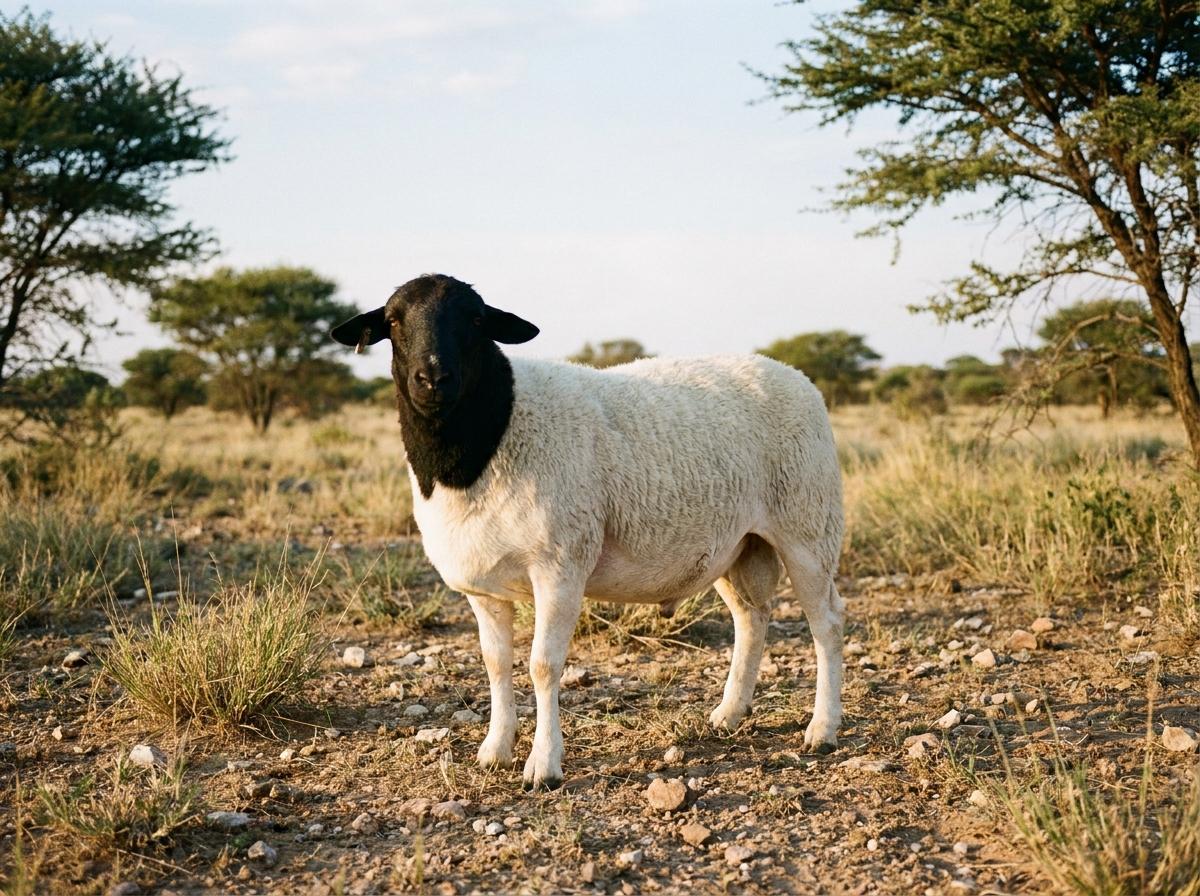
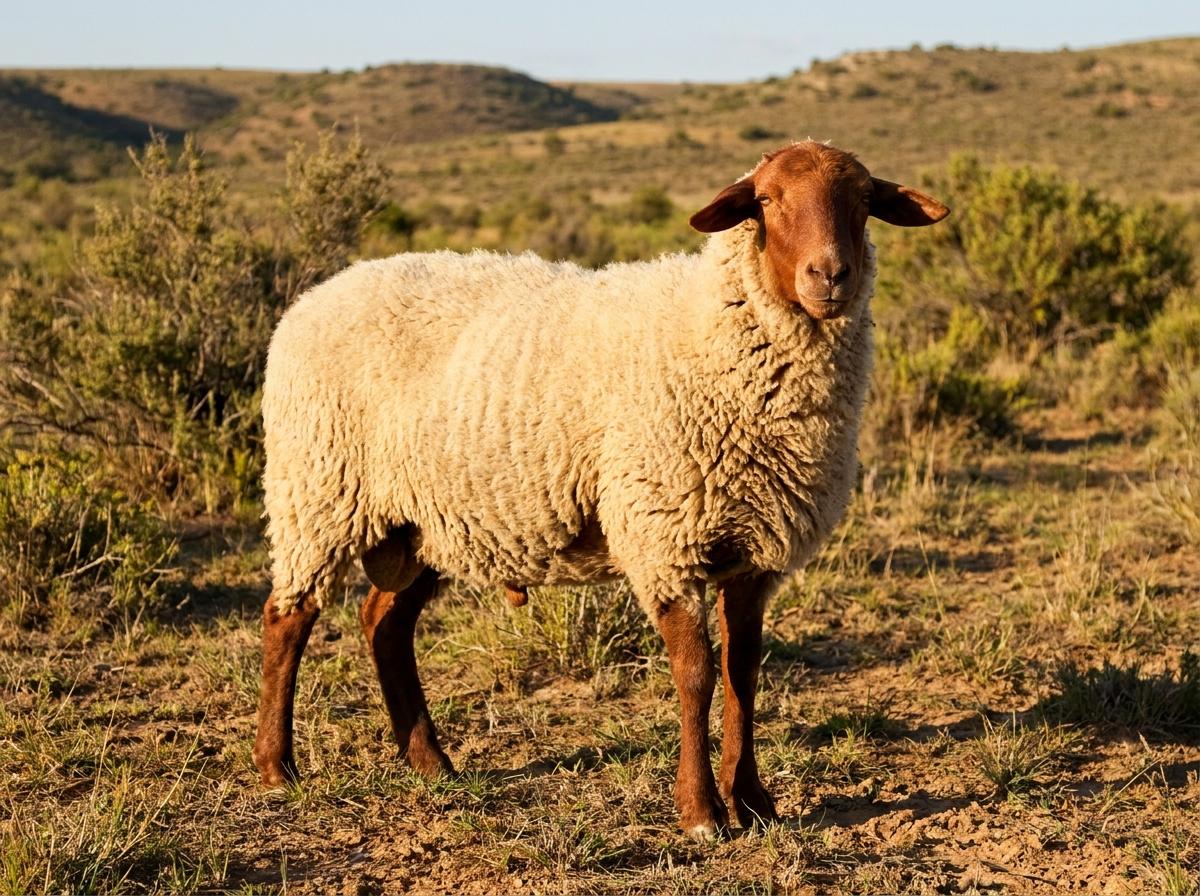
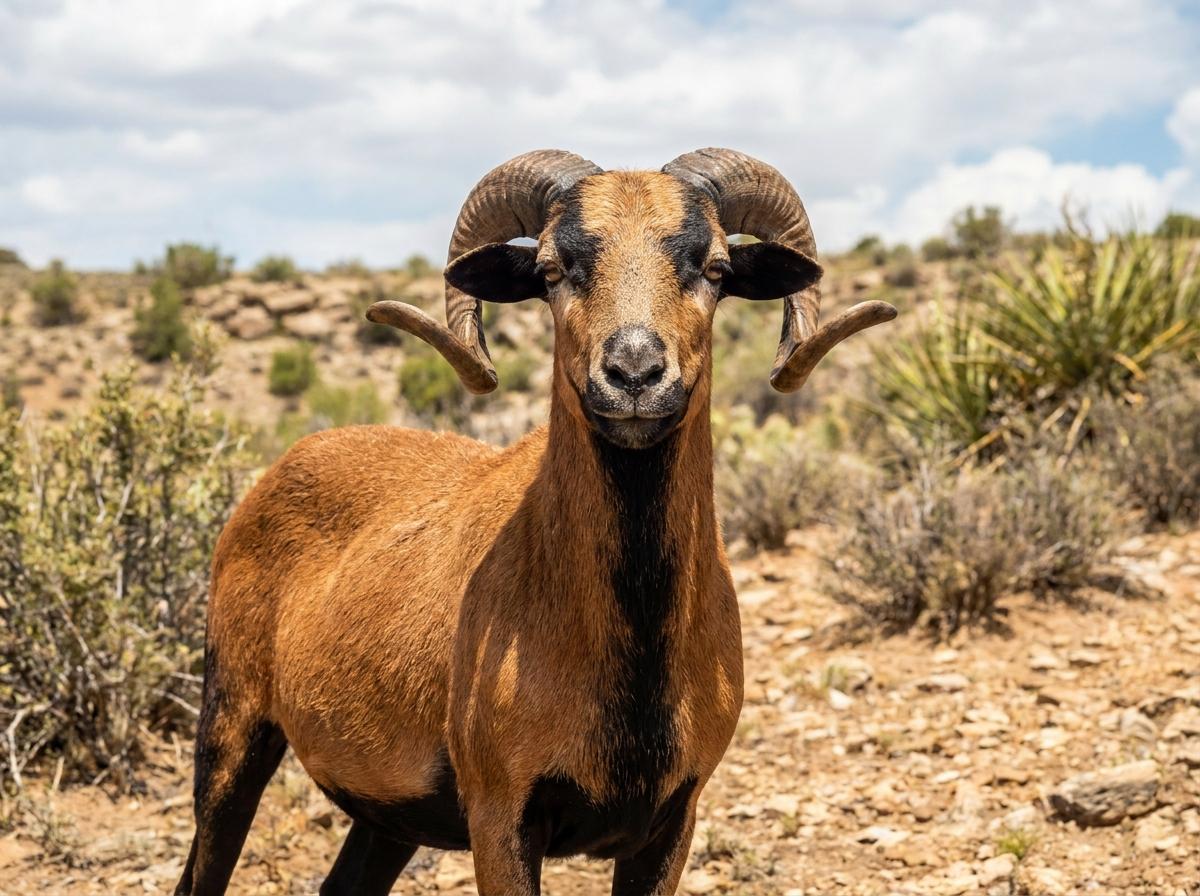
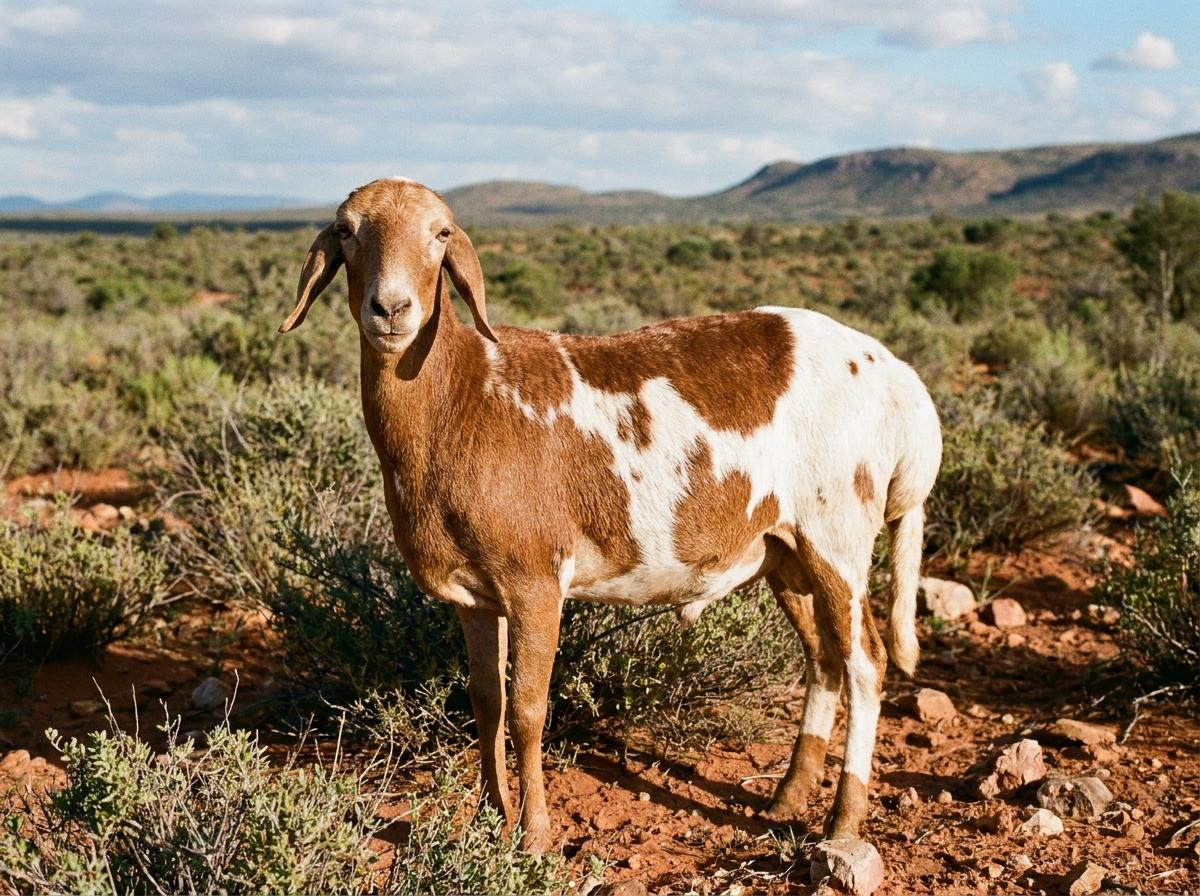
Pedi sheep, also called Bapedi in some sources, are indigenous South African fat-tailed sheep associated with the Bapedi people and the dry bushveld of Limpopo and nearby regions. They belong to the broader group of southern African sheep shaped by heat, seasonal feed shortages, and long-distance herding rather than by wool markets. Pedis are generally small to medium, long-legged, and active, with short hair or a light mixed coat in many colors. The fat tail stores energy, and the breed is kept mainly for meat, cultural use, and resilience under communal or low-input conditions.
Care differs from that of heavy wool breeds. Pedi sheep are useful where browsing, rough grazing, and high temperatures make imported meat breeds costly to maintain, but they still need secure night kraals, clean water, mineral supplementation, and parasite monitoring. Rams should be selected for fertility, feet, tail shape that does not hinder mating, and lambs that grow without heavy feeding. Conservation flocks in South Africa have emphasized keeping Pedi genetics distinct from Dorper, Damara, and other improved sheep, because crossbreeding can quickly dilute the hardiness that makes the breed valuable.
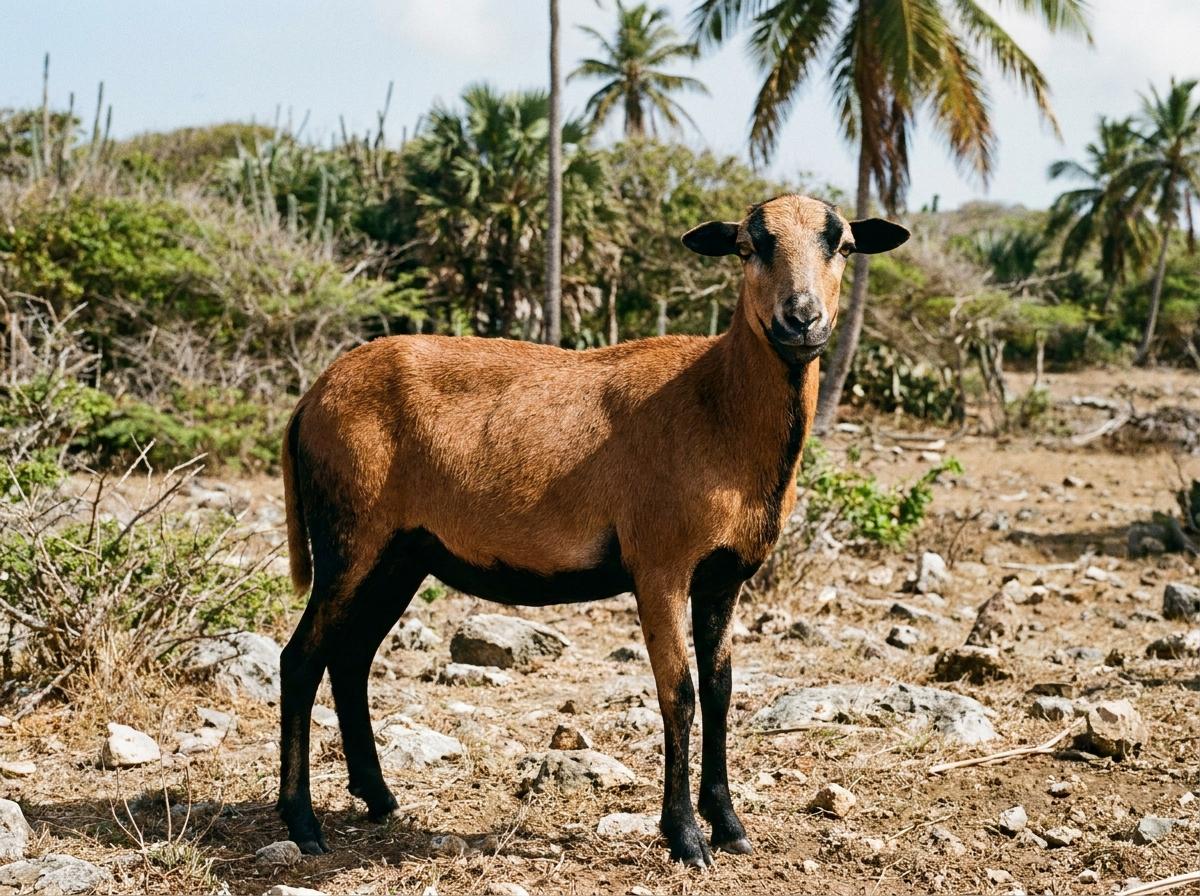
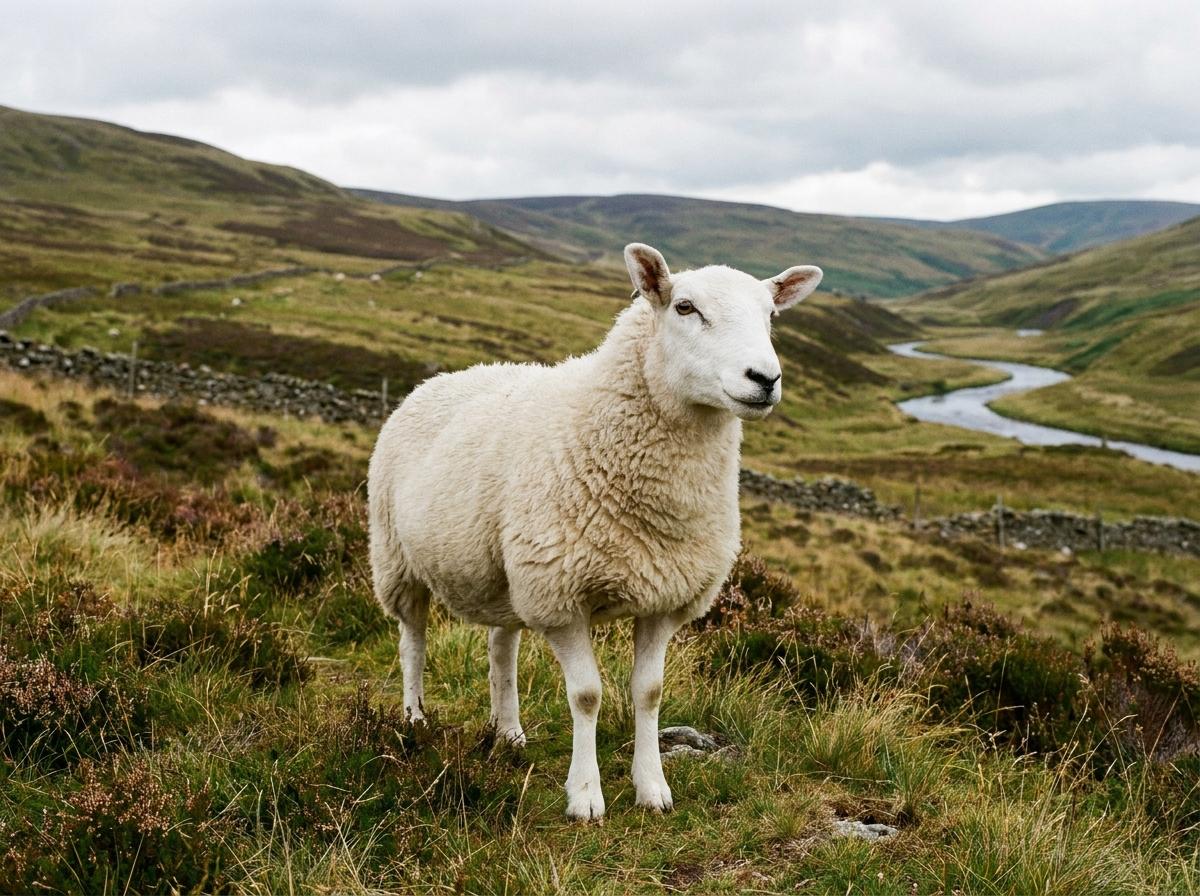
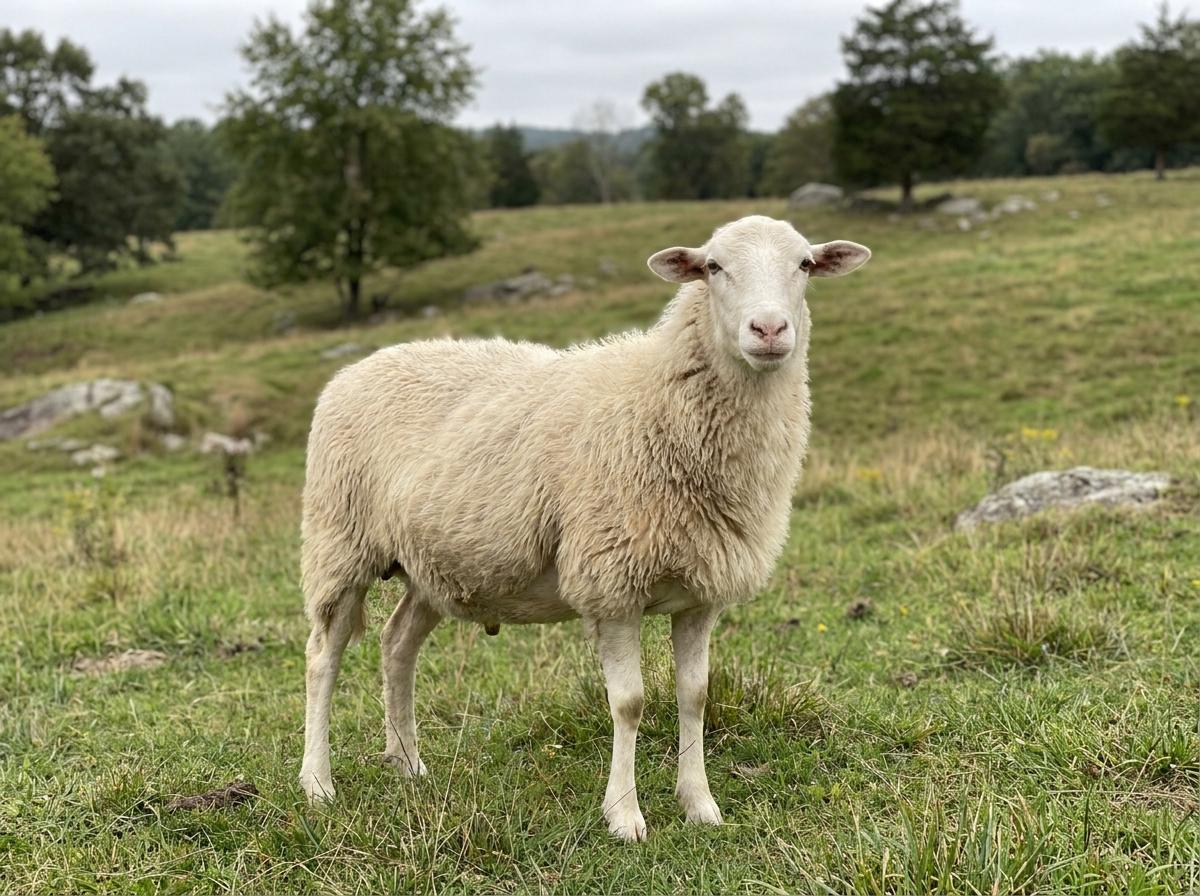
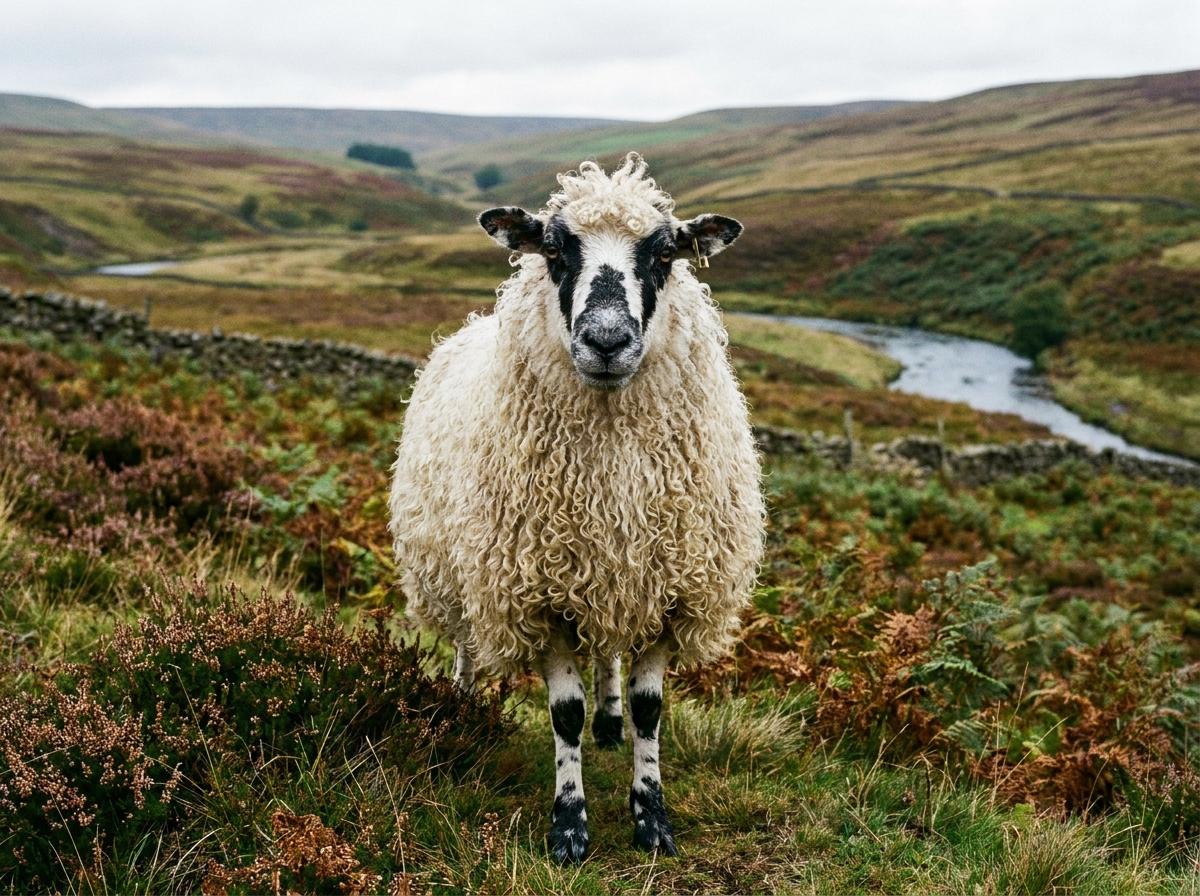
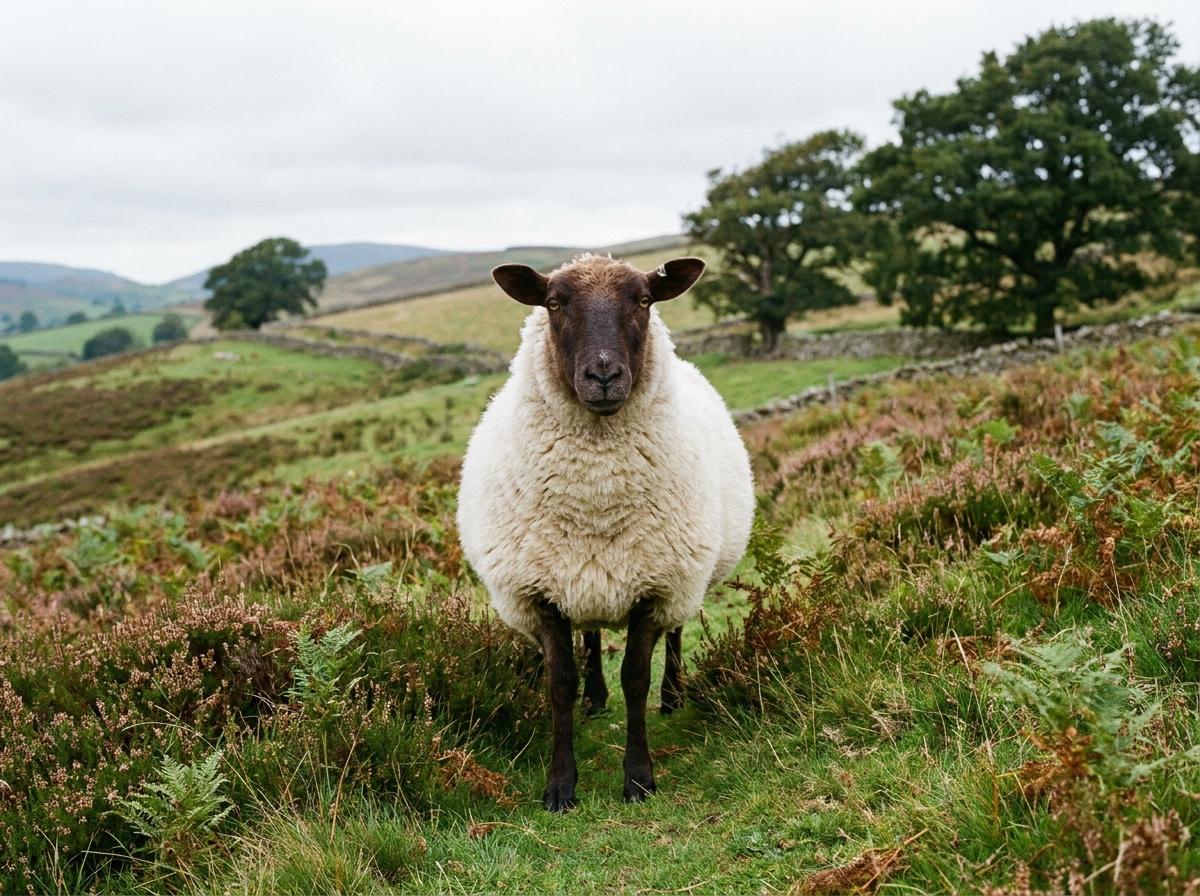
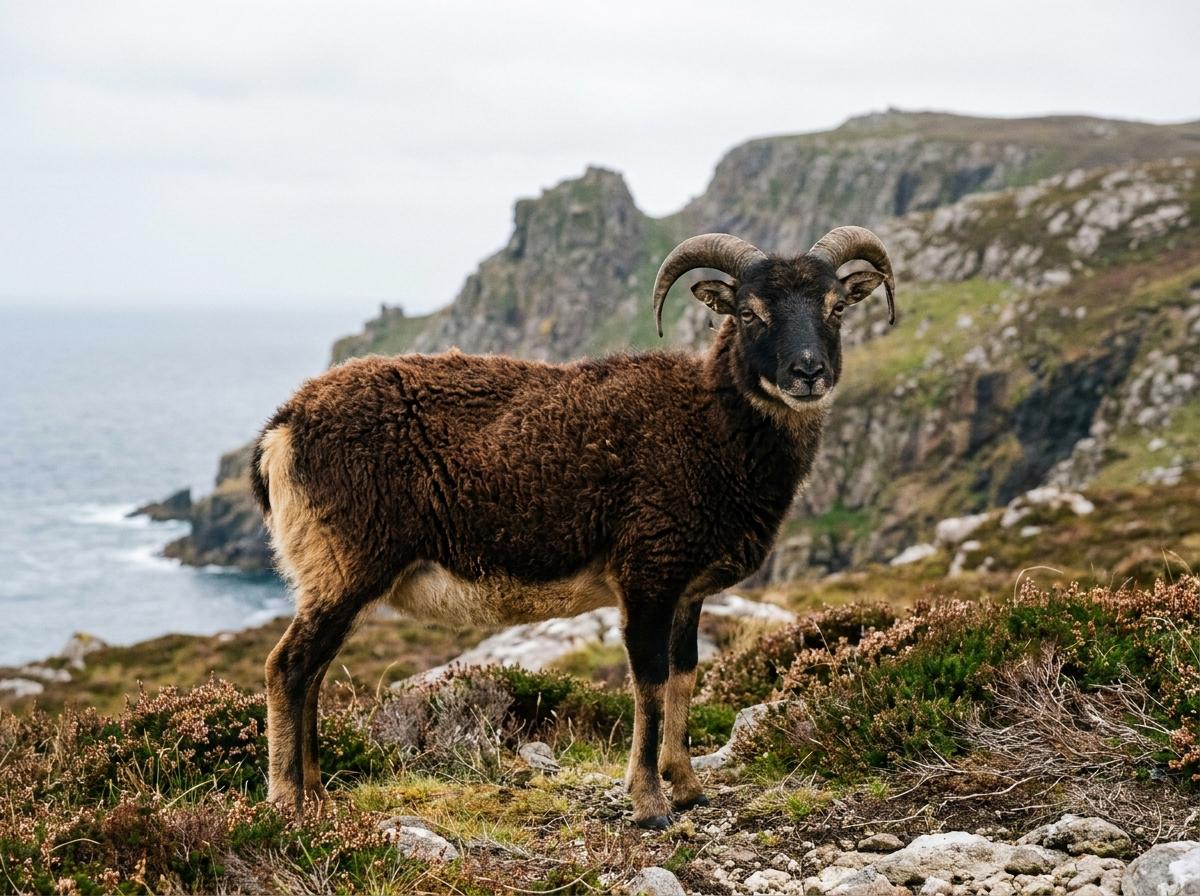
Colors: Badgerface, Black, Blackbelly, Broken, Brown, Gray, Grey, Gulmoget, Katmoget, Moorit, Piebald, Red, Roan, Silver, Solid, Spotted, Tan, White, White with Black Points, White with Brown Points