


Polish Heath
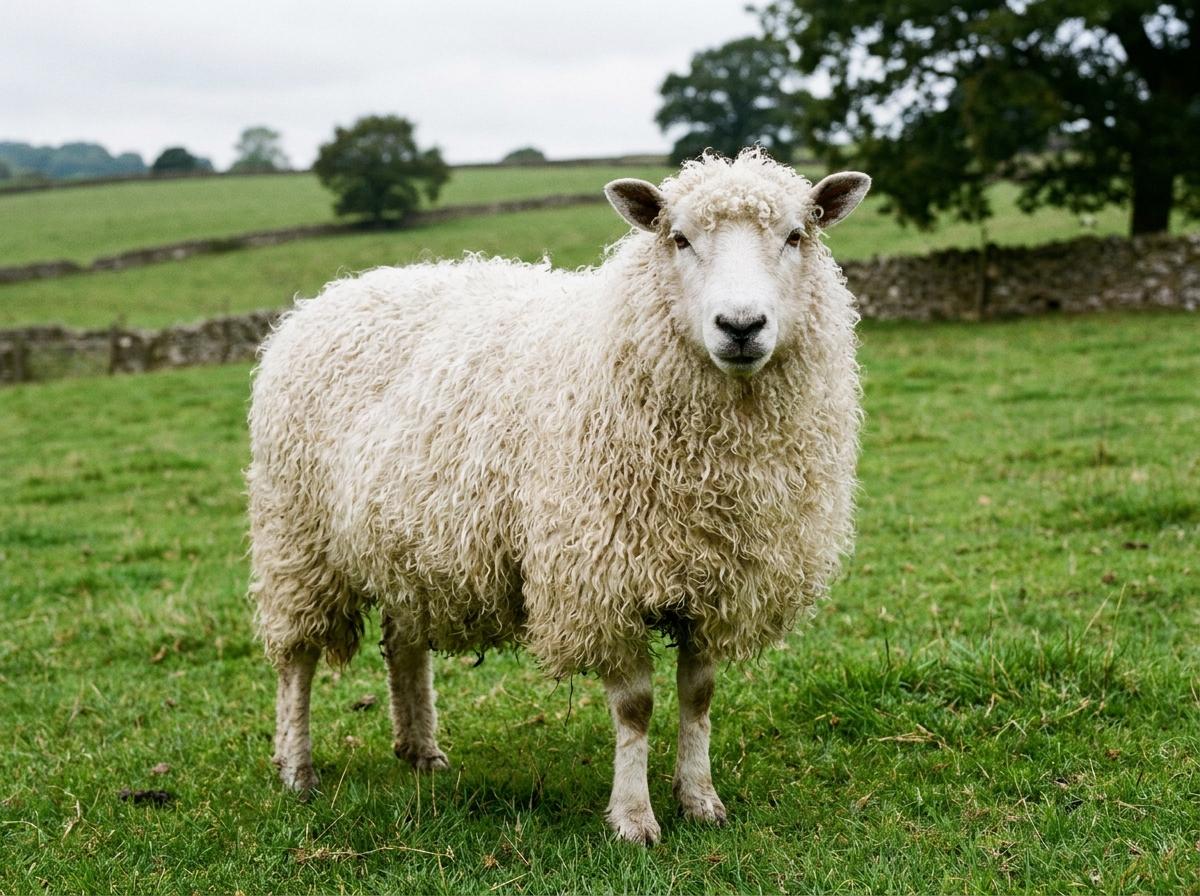
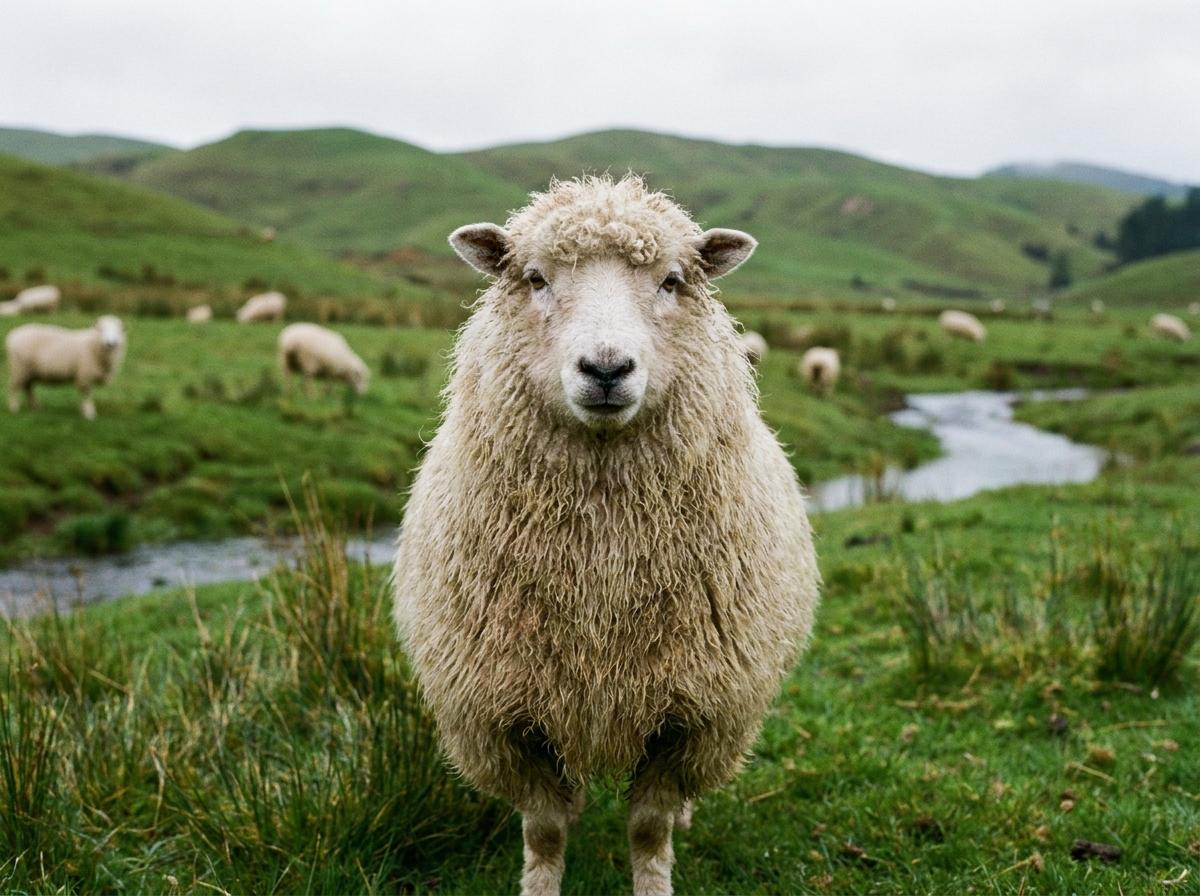
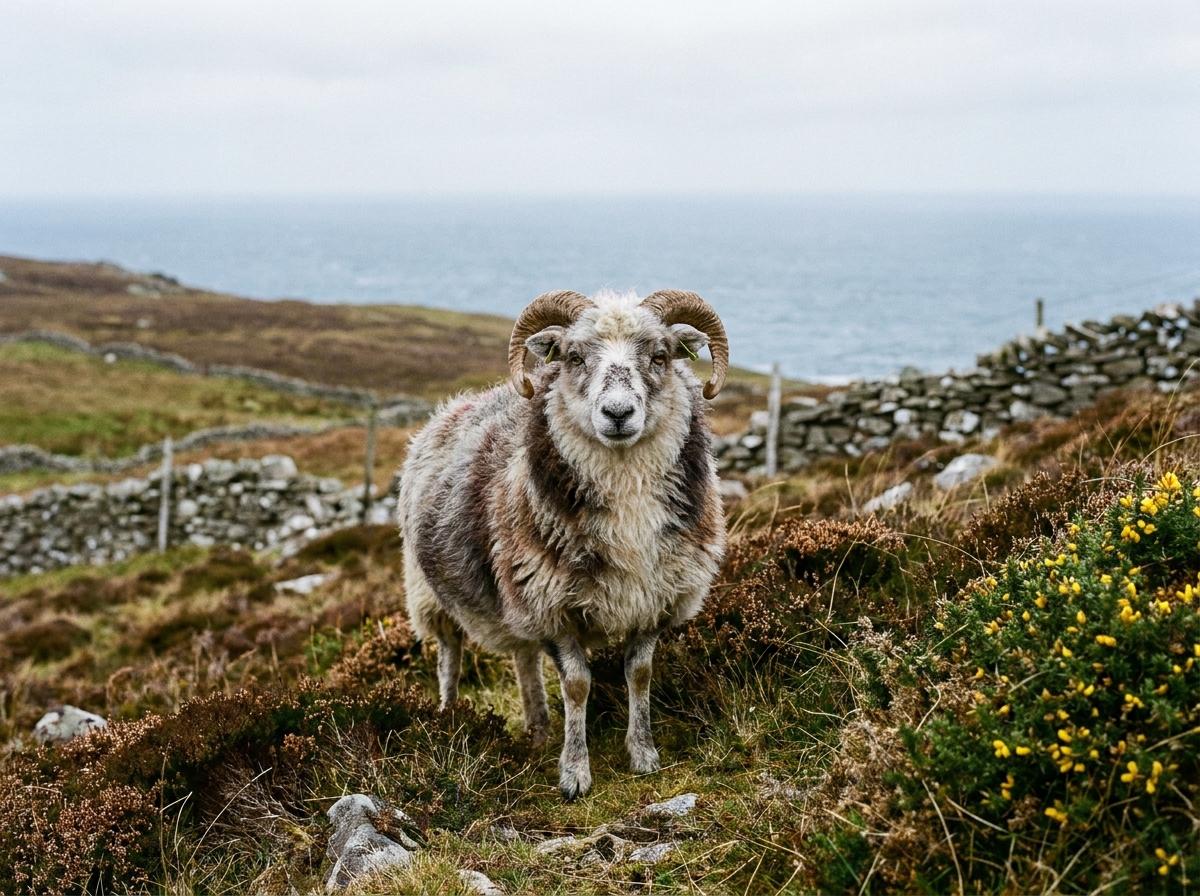
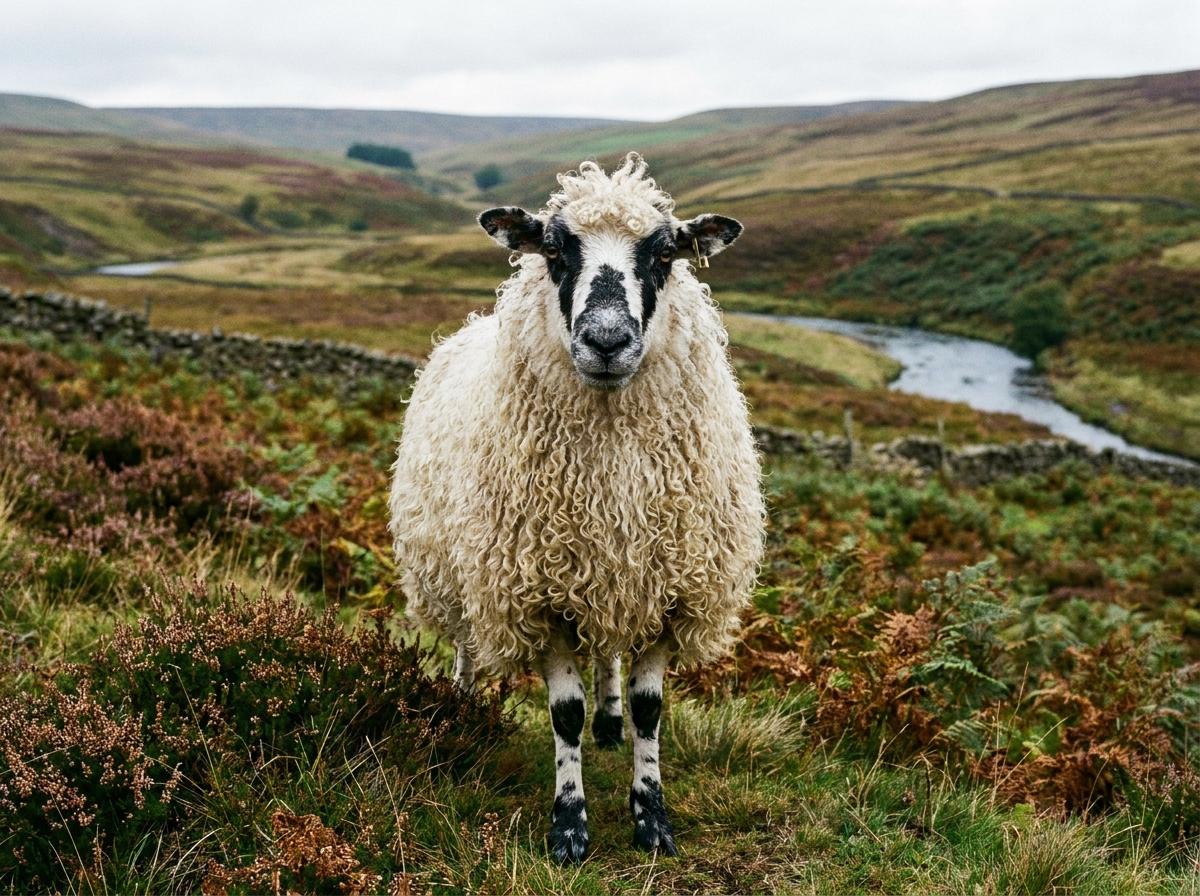
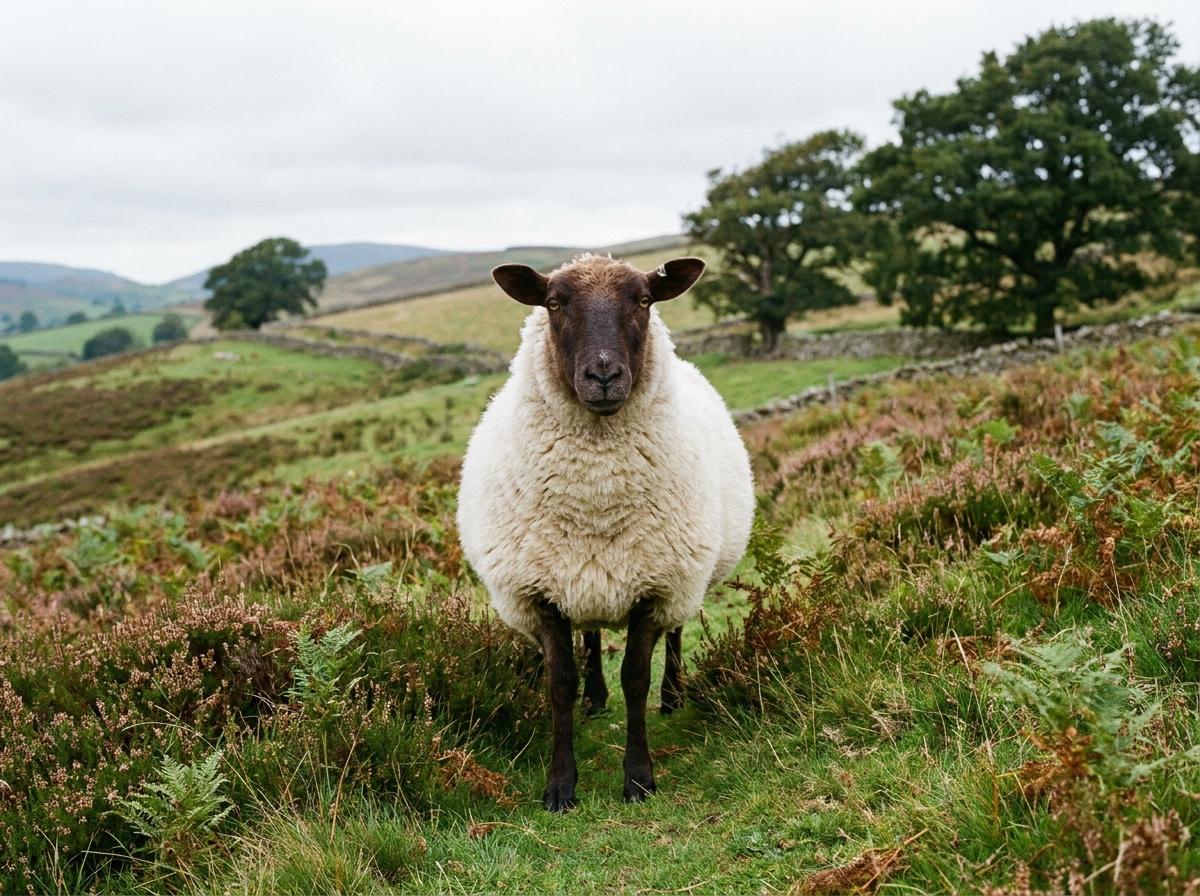
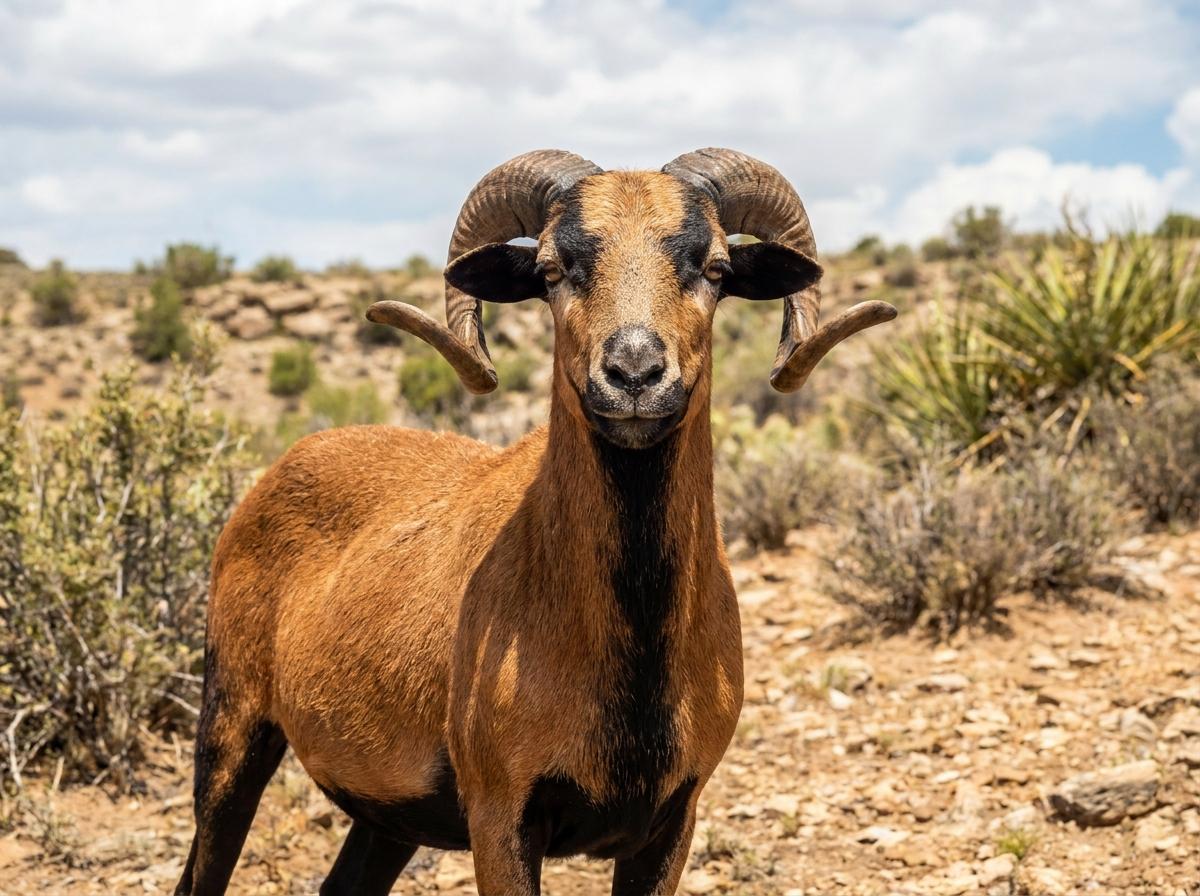
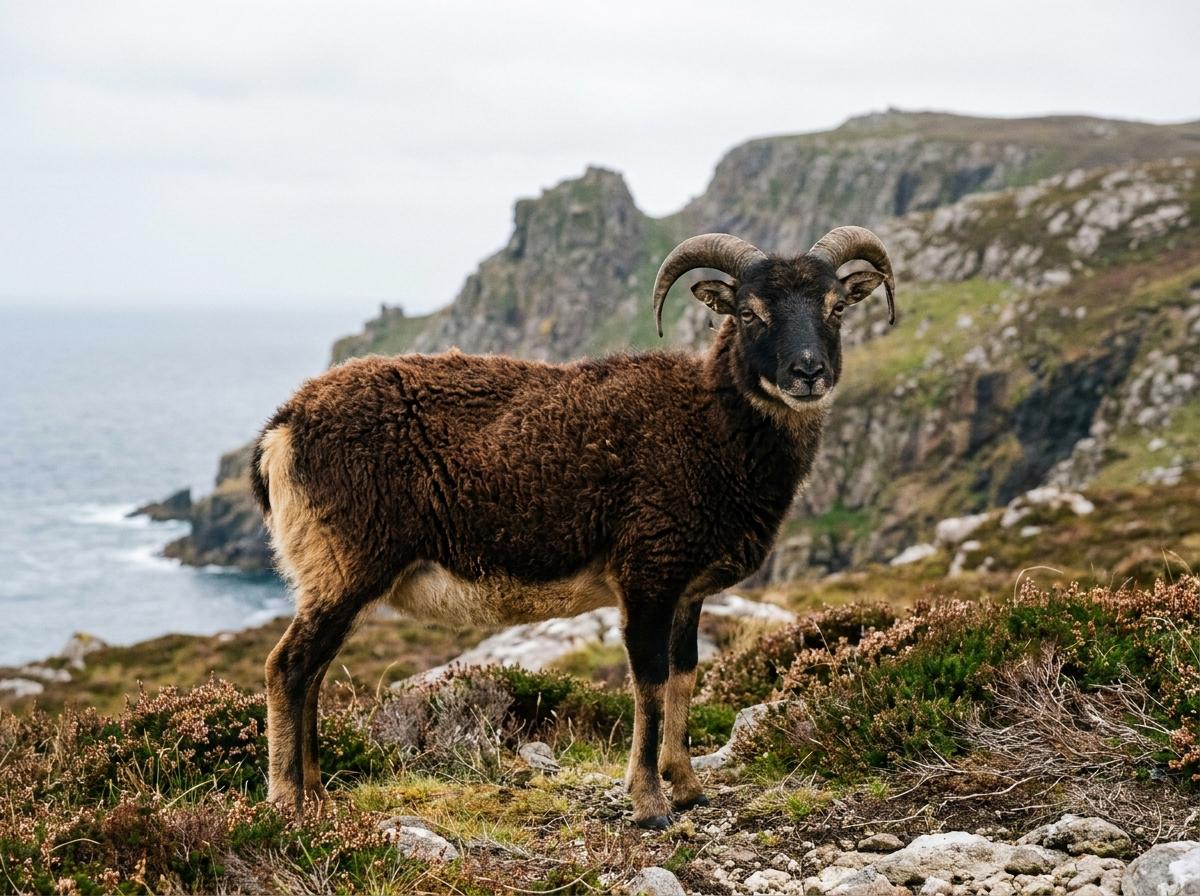
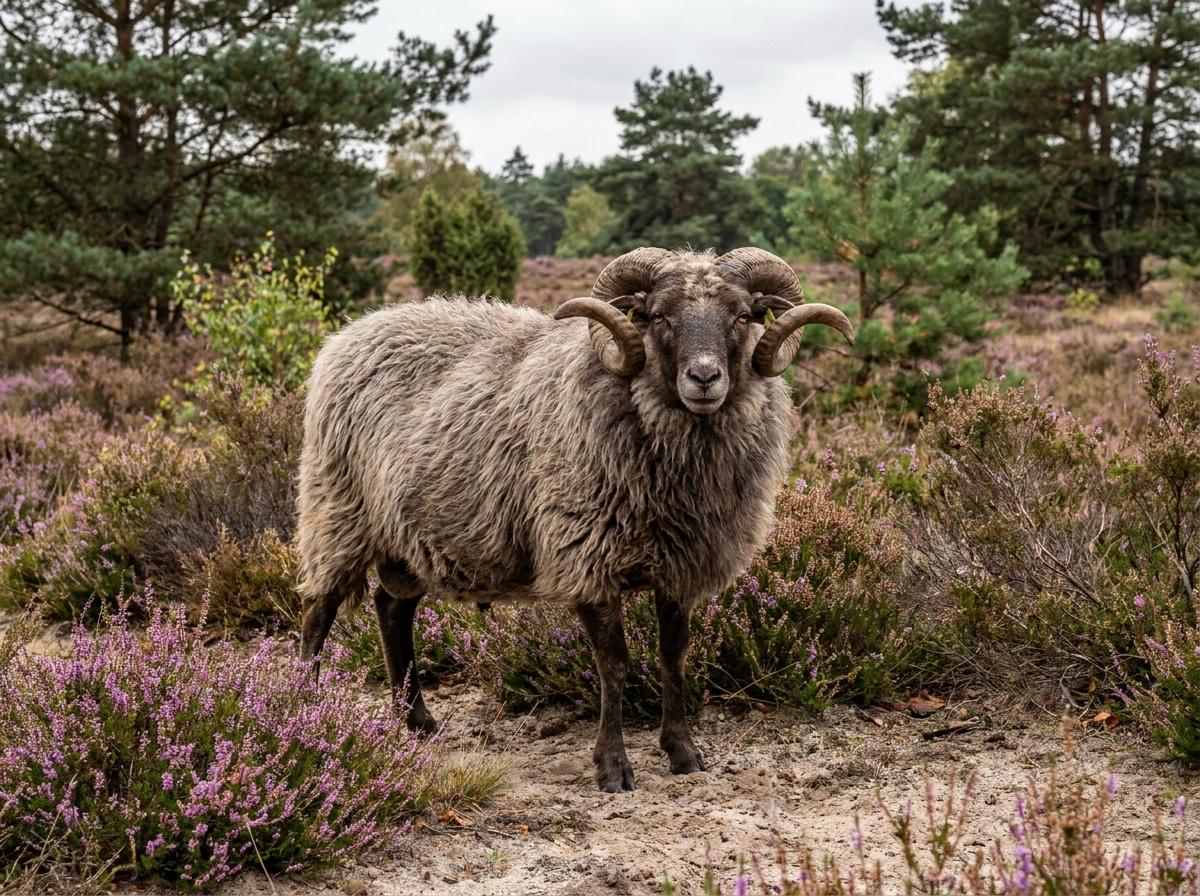
Polish heath sheep, known in Poland as Wrzosówka, are a small primitive sheep breed from the country's heath, forest-edge, and low-input grazing areas. They are part of the northern and eastern European tradition of hardy, unimproved sheep that can live on rough forage and cope with cold winters. Lambs are often born black and lighten with age to grey or silver fleece, usually with dark heads and legs; rams may carry horns while ewes are often polled or lightly horned. The wool is coarse compared with fine-wool breeds, but the skins, meat, and grazing ability have long been valued.
Modern flocks are used for native-breed conservation, landscape grazing, small-scale meat, and sometimes pelts or craft wool. They do not need heavy grain feeding in suitable pasture systems, but they still require mineral support, parasite checks, lambing supervision, and protection from dogs or wild predators. Their ability to browse and graze sparse vegetation makes them useful on conservation sites where heavier breeds would struggle. Breeders pay close attention to maintaining genetic diversity, since the breed declined sharply before recovery programs rebuilt numbers.
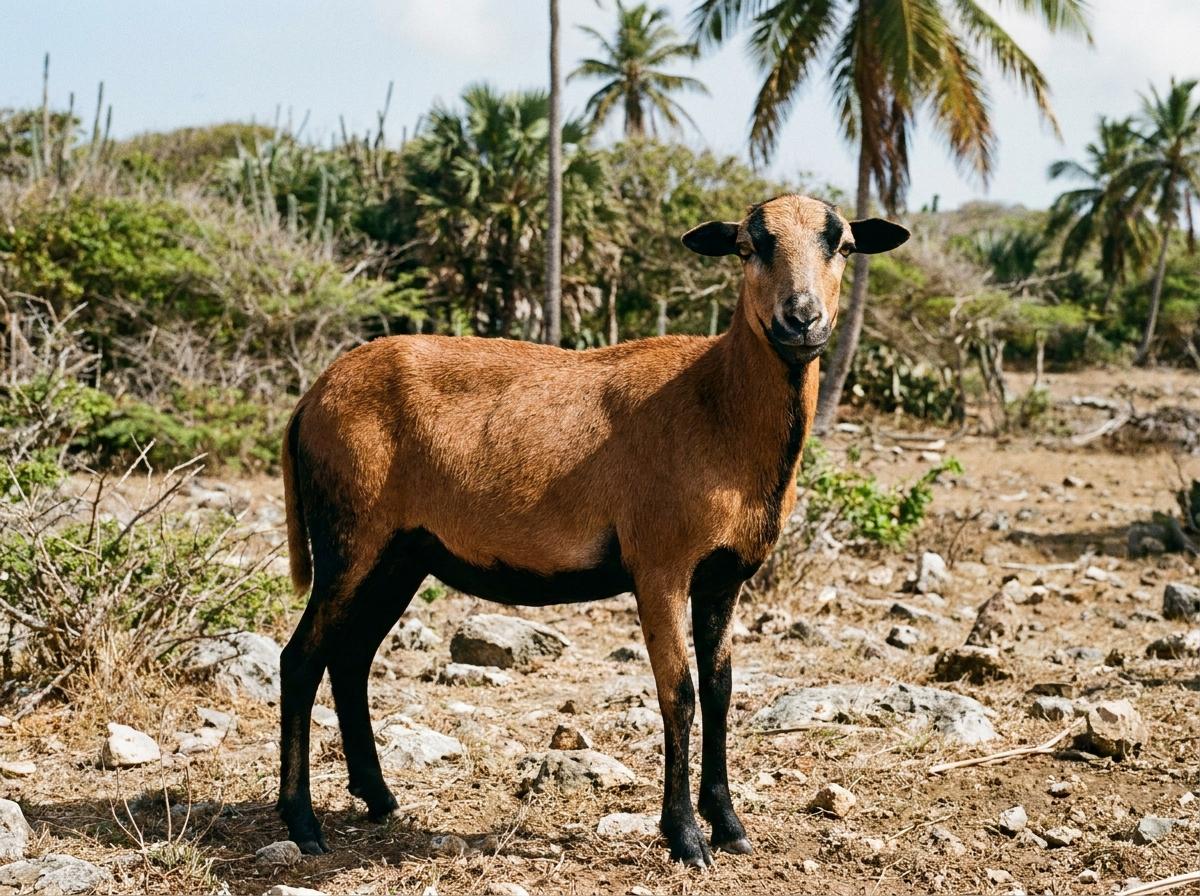
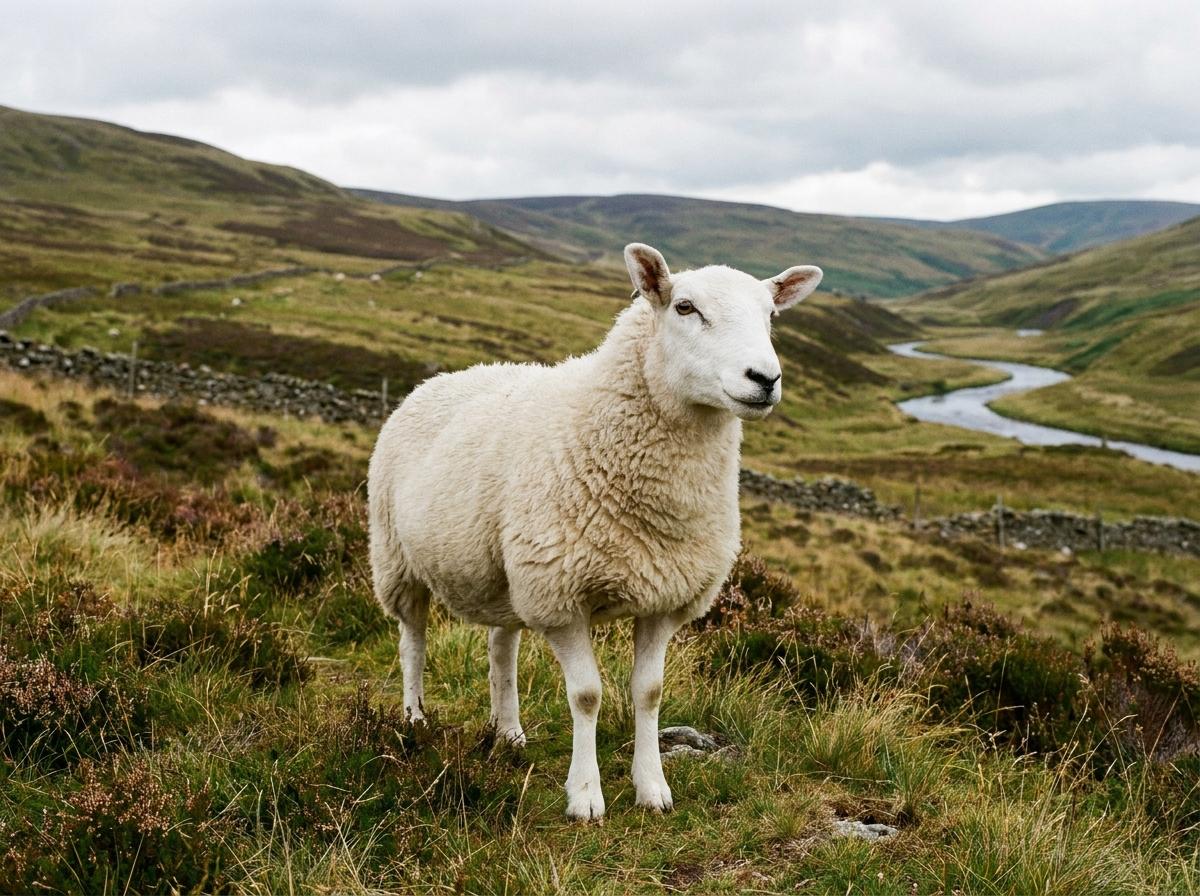
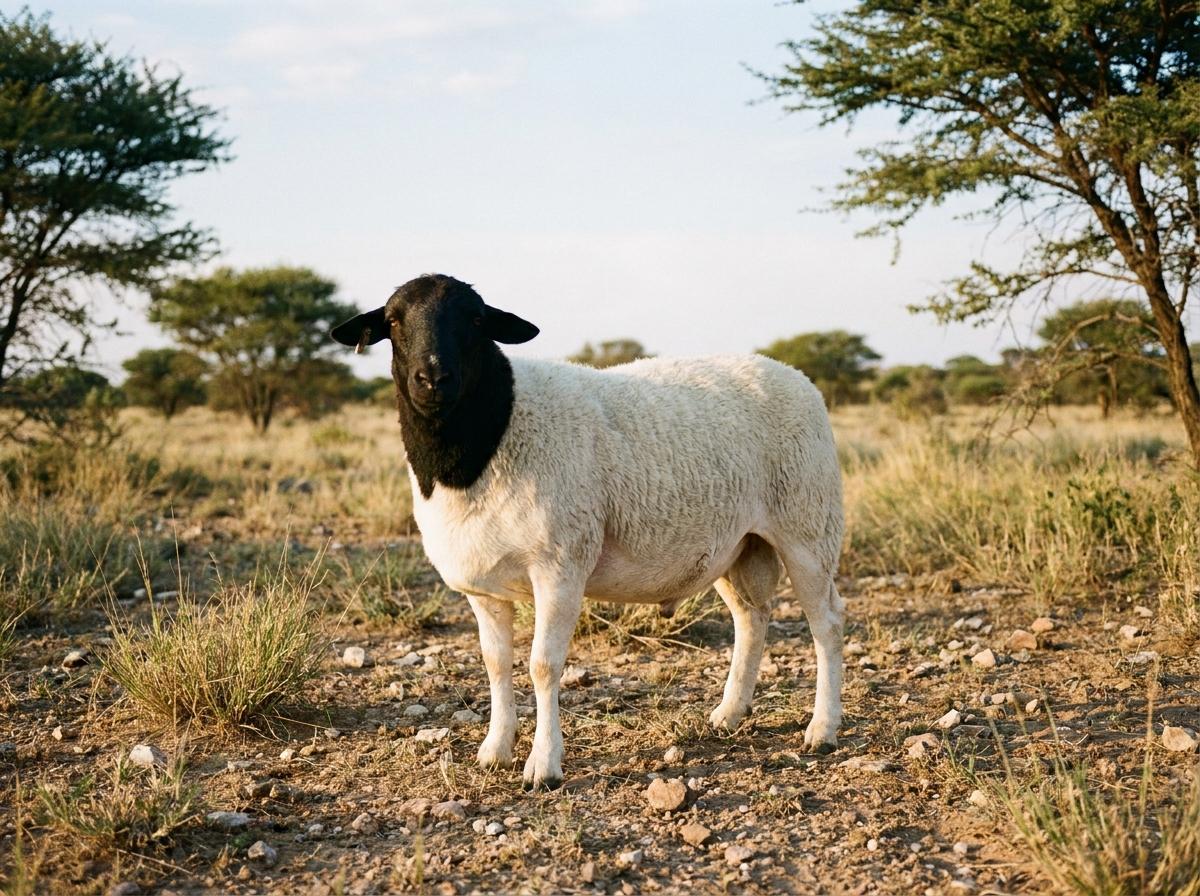
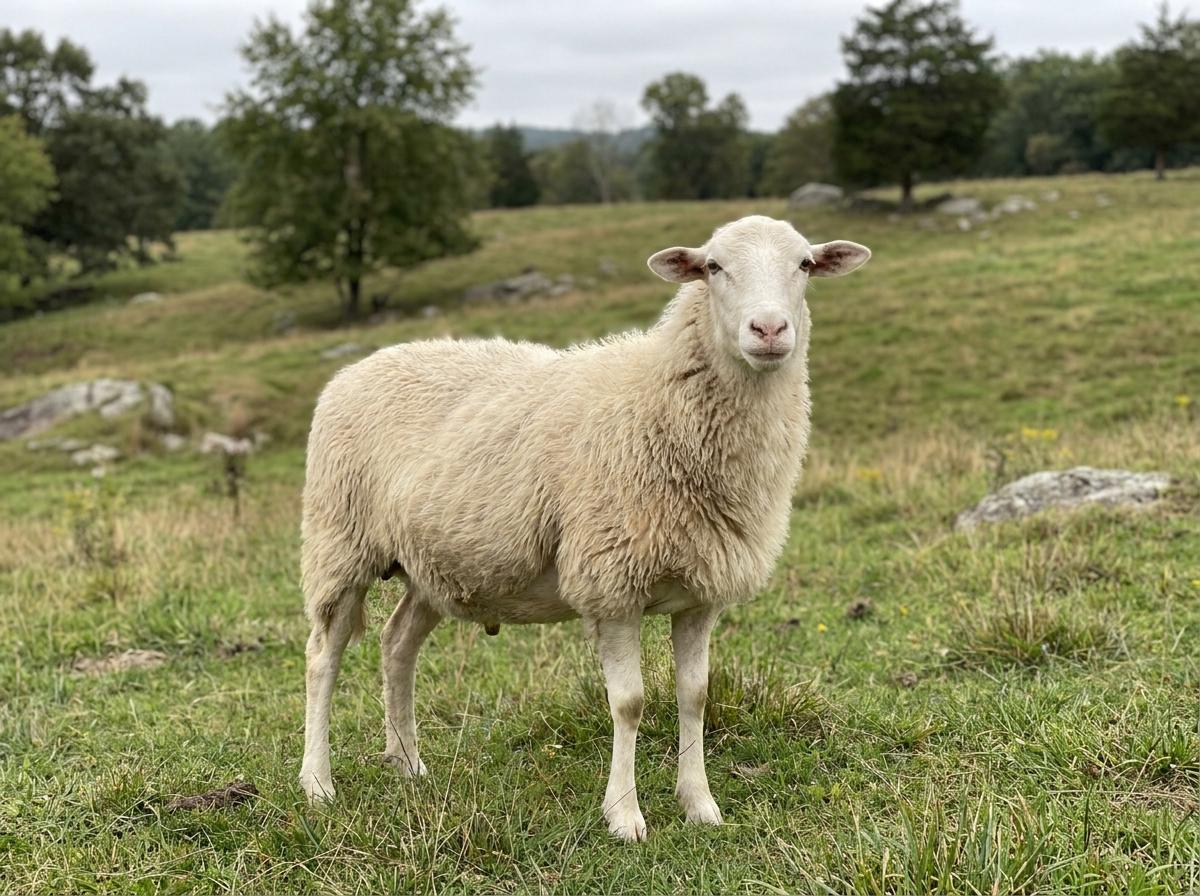
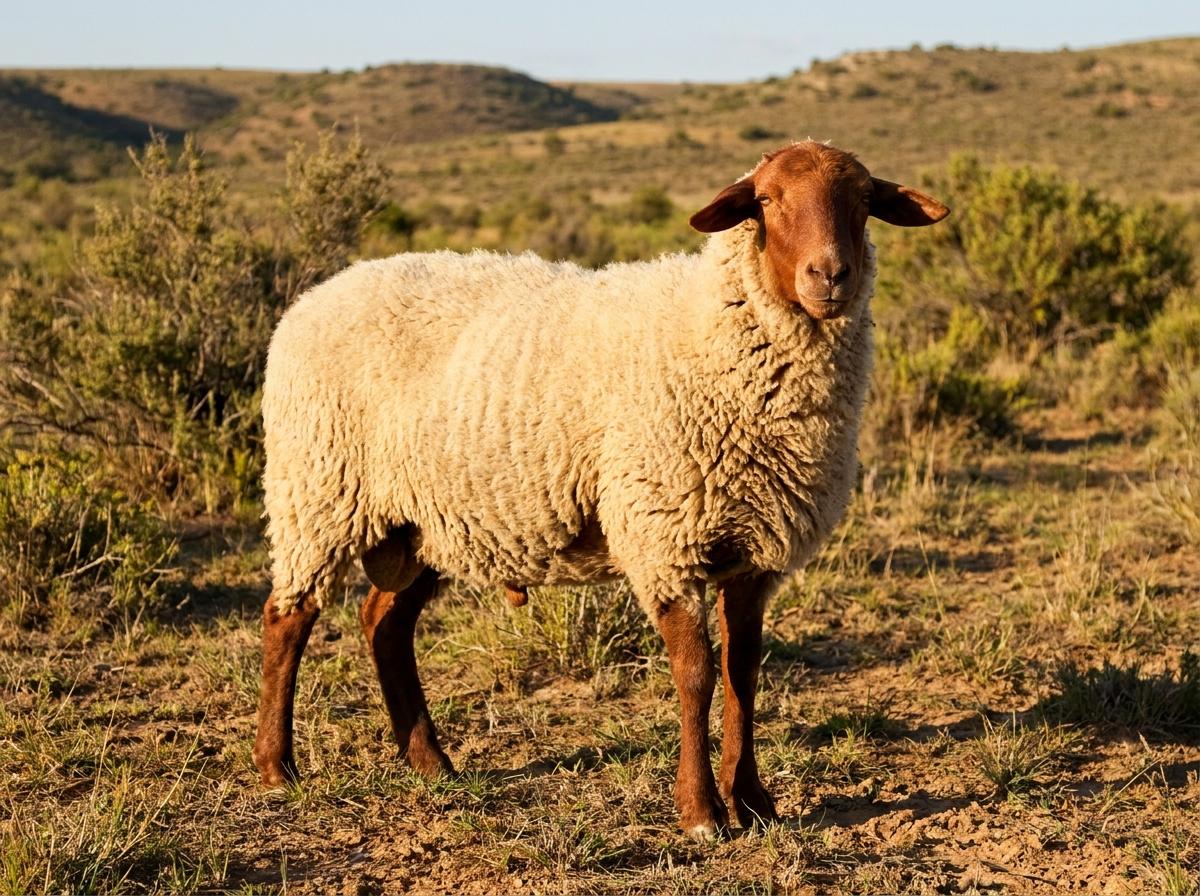
Colors: Badgerface, Black, Blackbelly, Broken, Brown, Gray, Grey, Gulmoget, Katmoget, Moorit, Piebald, Red, Roan, Silver, Solid, Spotted, Tan, White, White with Black Points, White with Brown Points