


Polwarth
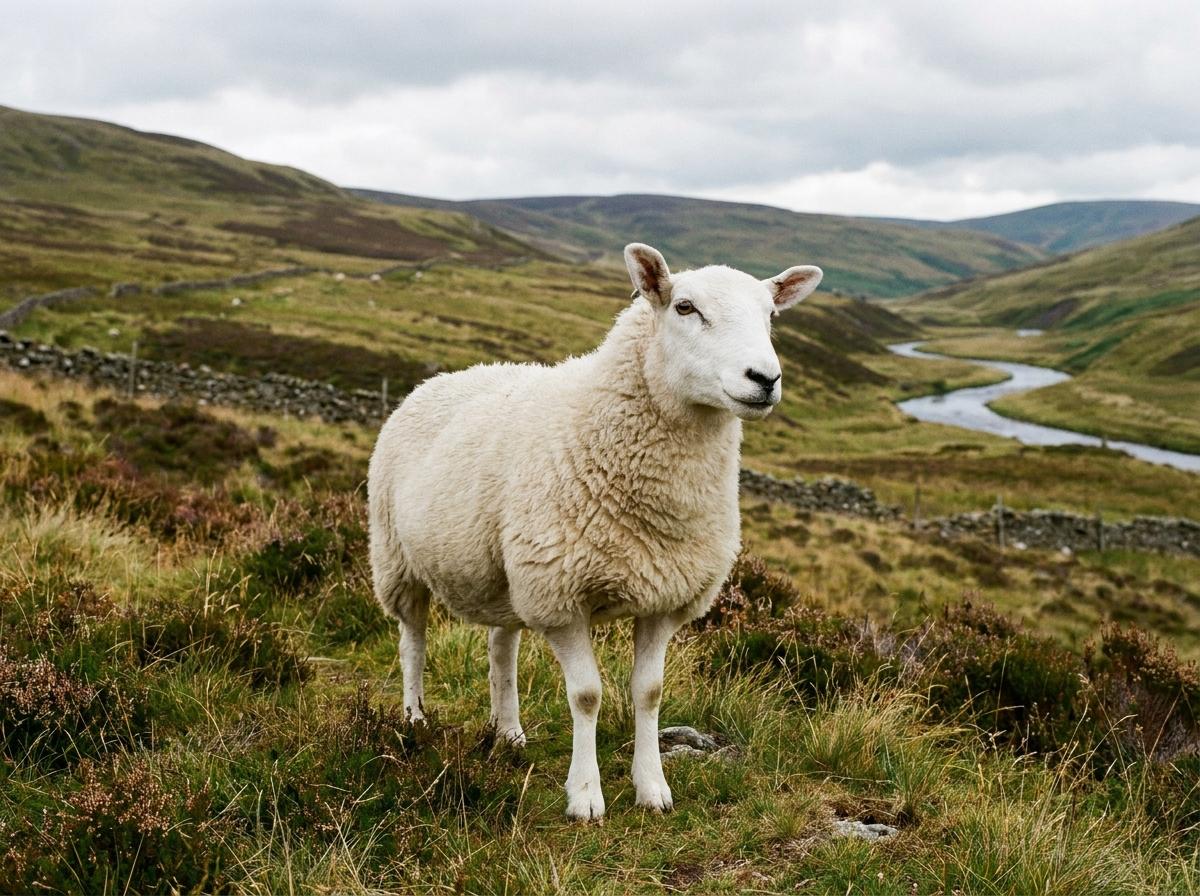
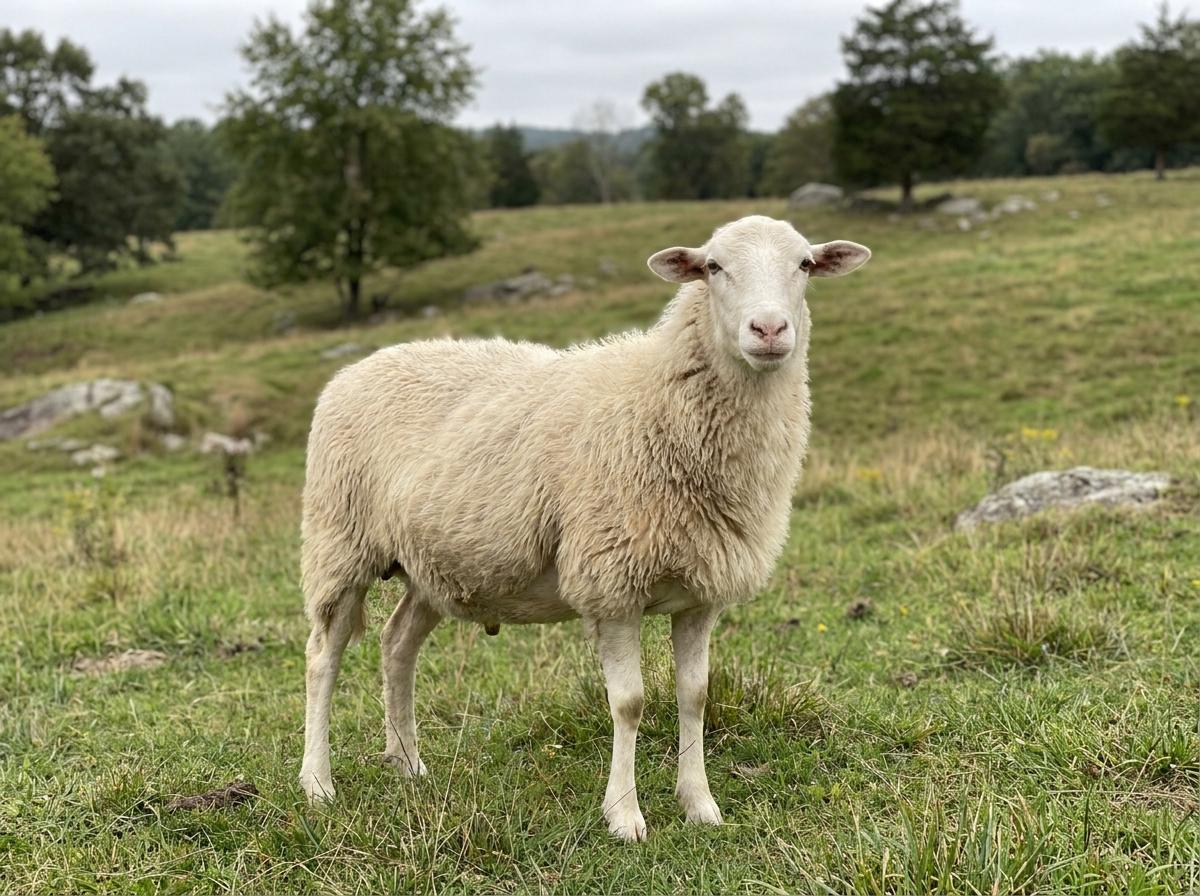
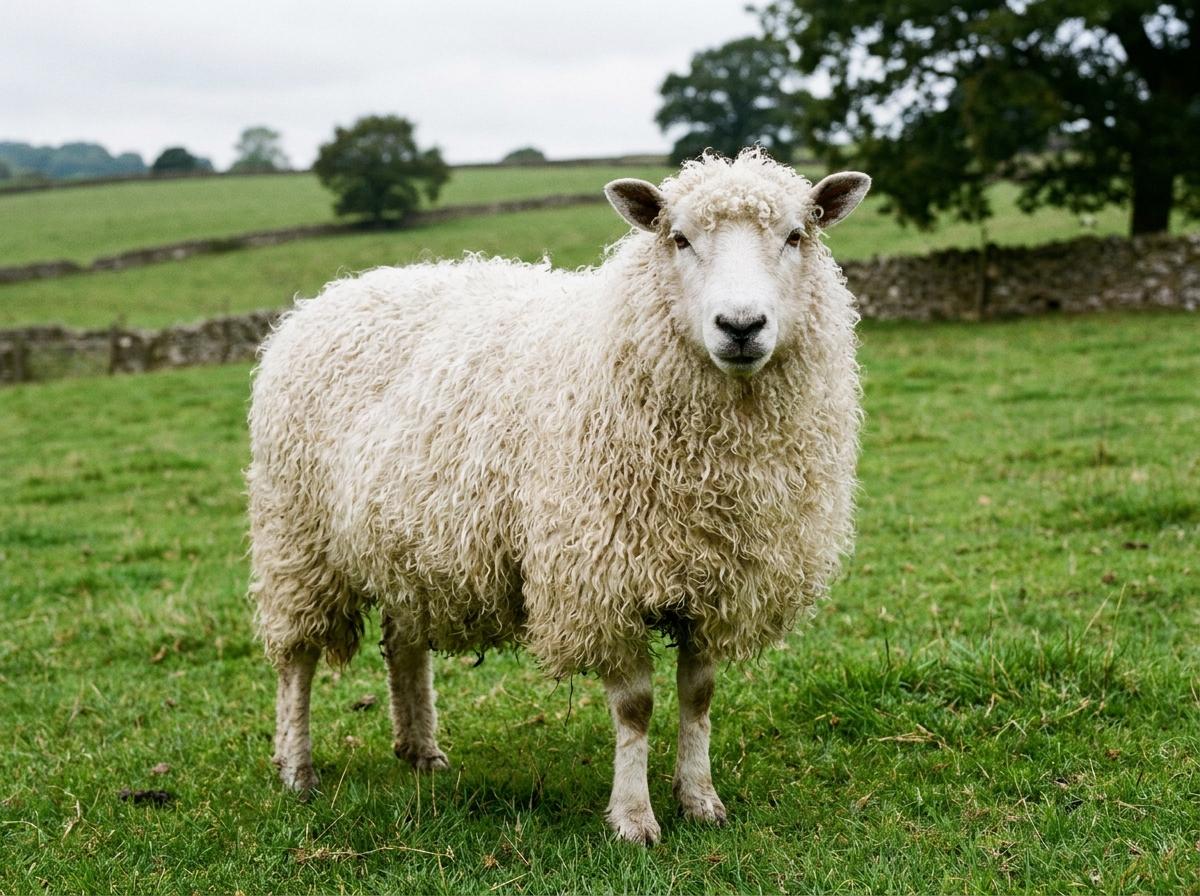
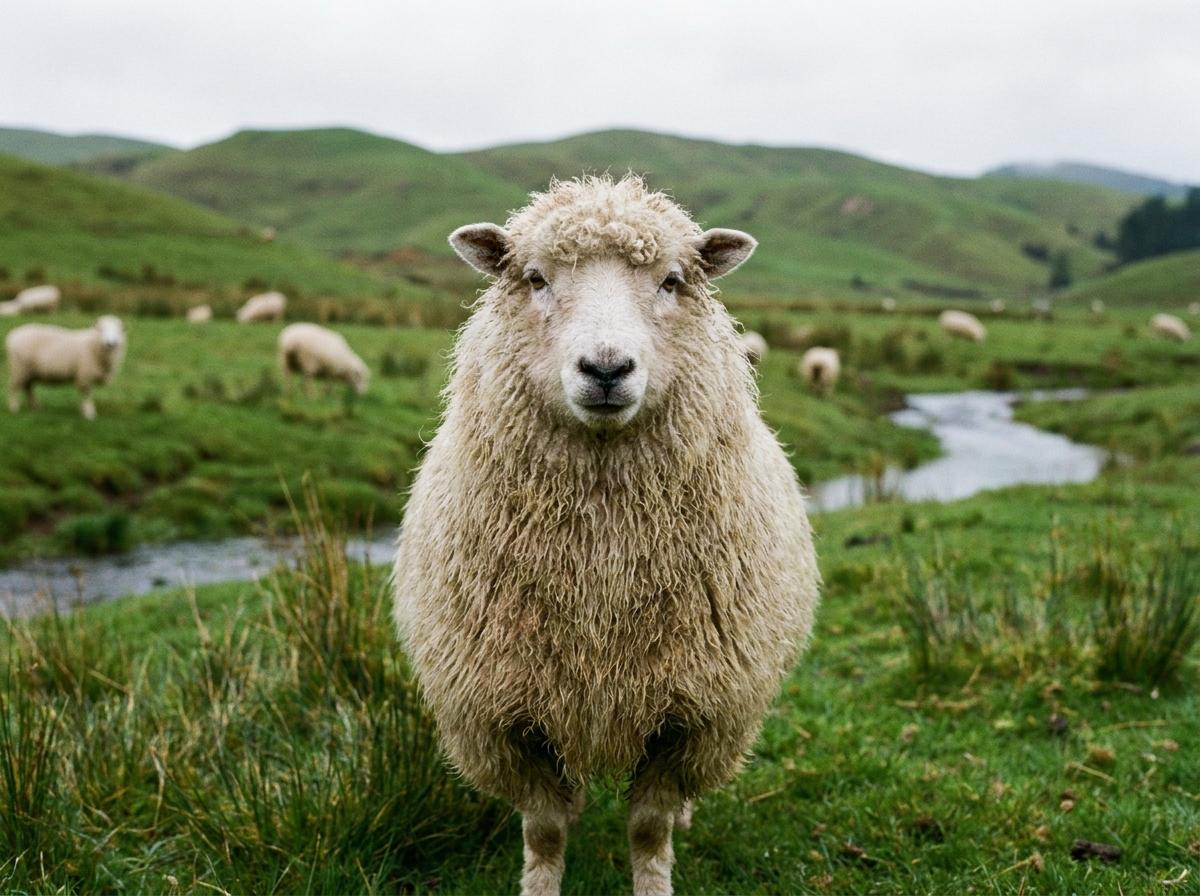
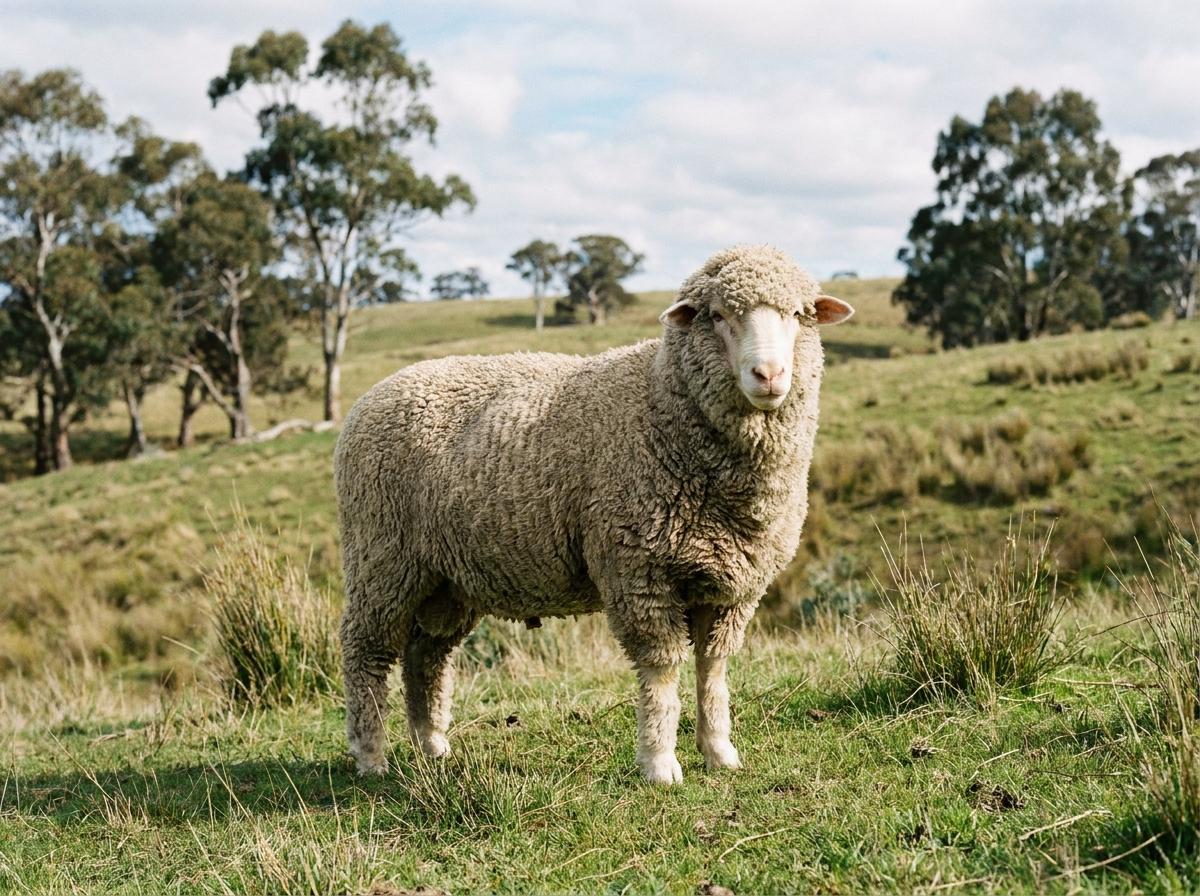
Polwarth sheep were developed in Victoria, Australia, in the late nineteenth century from Merino and Lincoln breeding, with the classic type described as about three-quarters Merino and one-quarter Lincoln. The cross produced a sheep with more frame and a longer staple than many Merinos while retaining a fine to medium-fine fleece. Polwarths are usually white, open-faced, and dual-purpose, giving both wool and lambs in high-rainfall or temperate grazing country. In parts of South America the breed or closely related lines may be known as Ideal sheep.
Farmers keep Polwarths where wool income still matters but a little more carcass size and mothering capacity are useful. They need regular shearing and wool preparation, and in damp districts foot care, internal parasites, and flystrike prevention deserve attention. Selection varies by flock: some breeders push finer fleece, while others favor plain bodies, lamb growth, and ewe fertility. Buyers comparing Polwarth sheep should look at fleece style, staple length, frame, and adaptation to the local climate, since the breed's value depends on balancing wool traits with practical paddock performance.
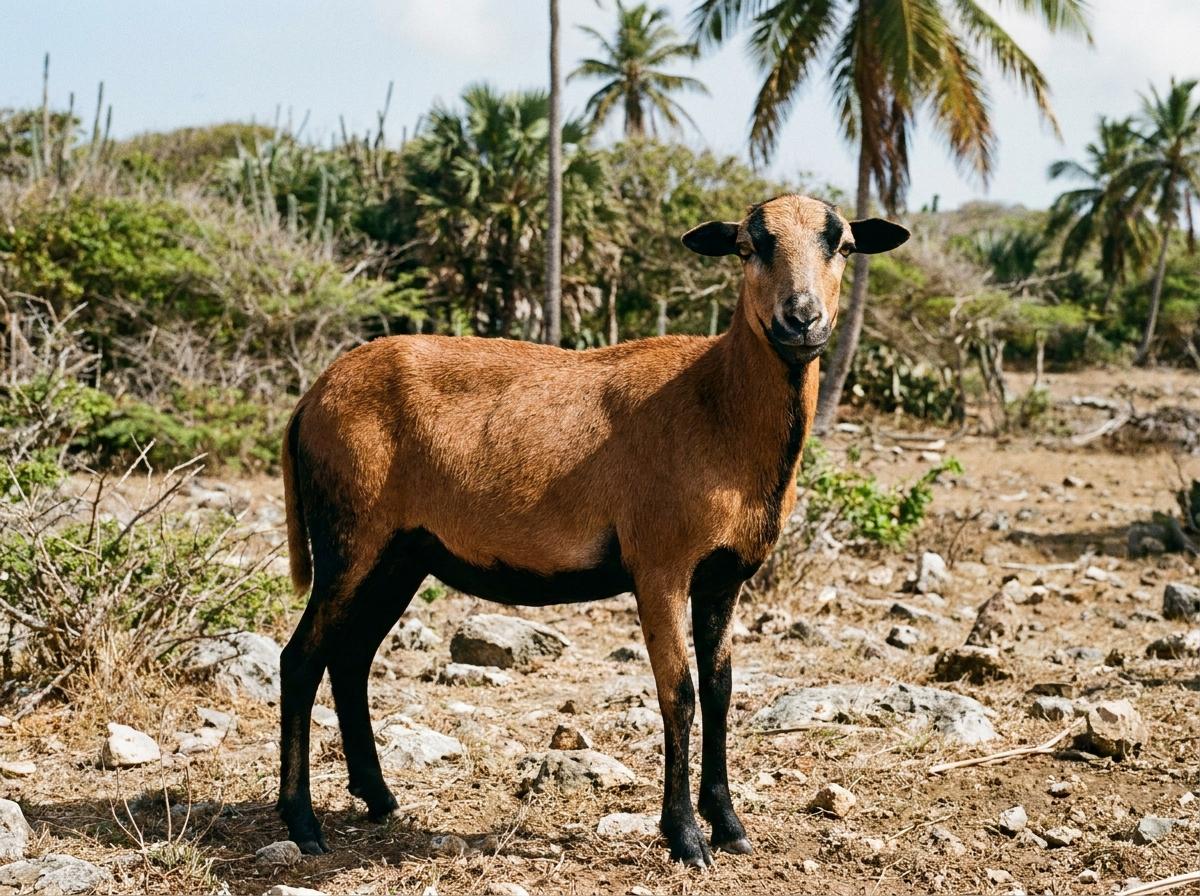
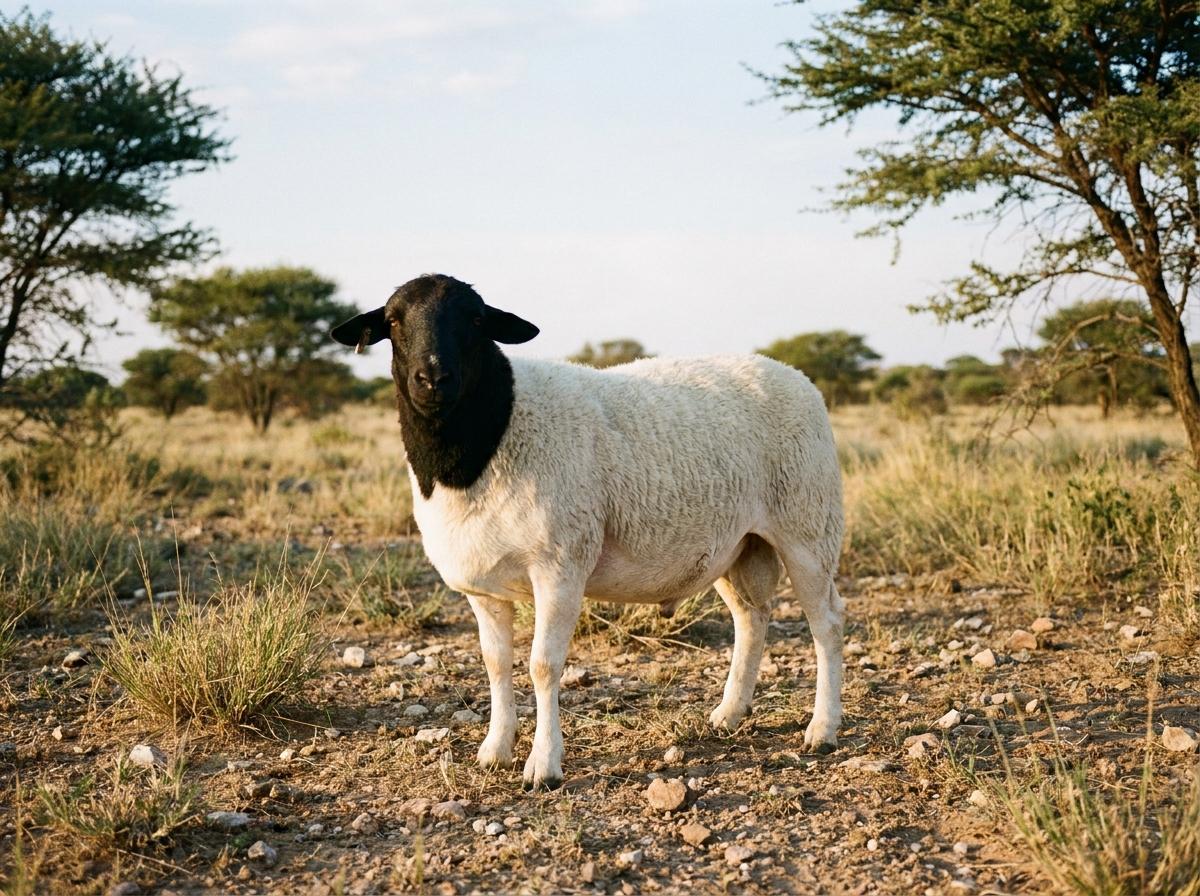
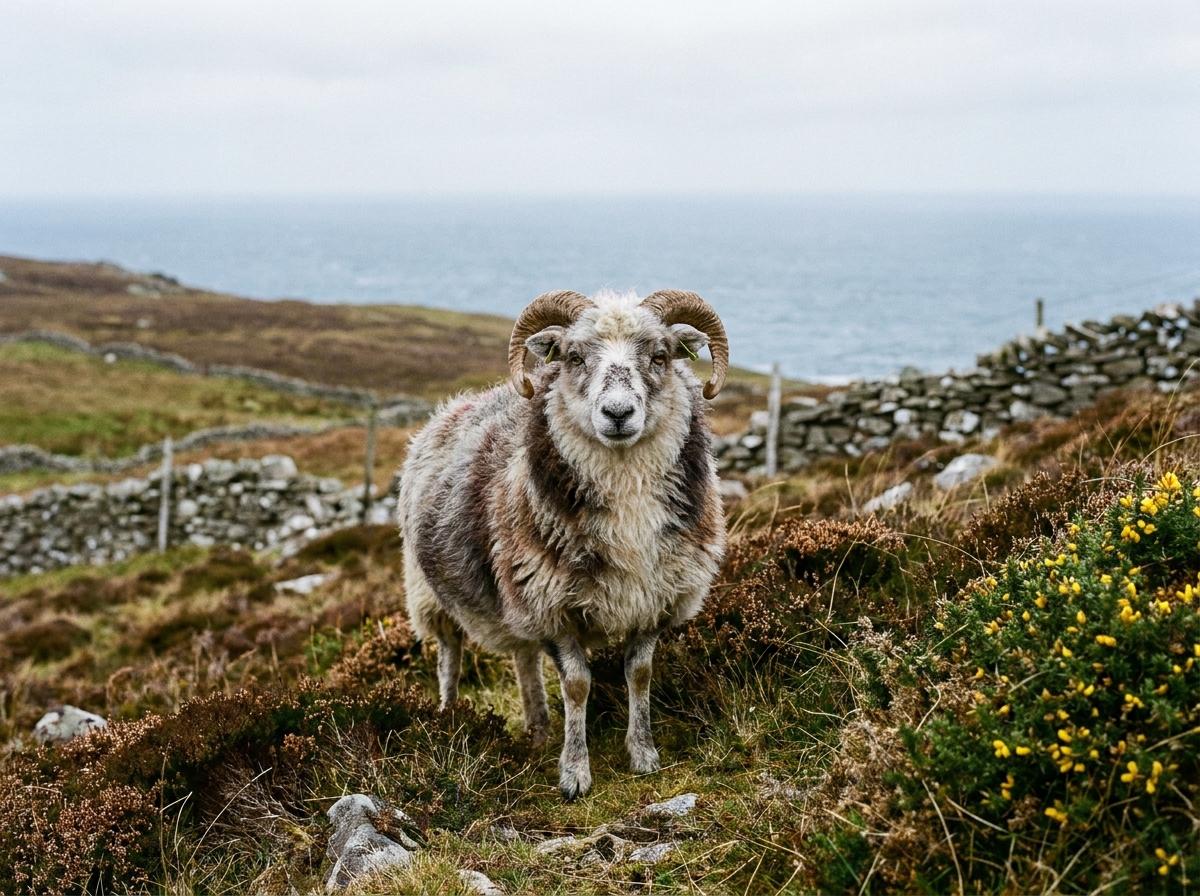
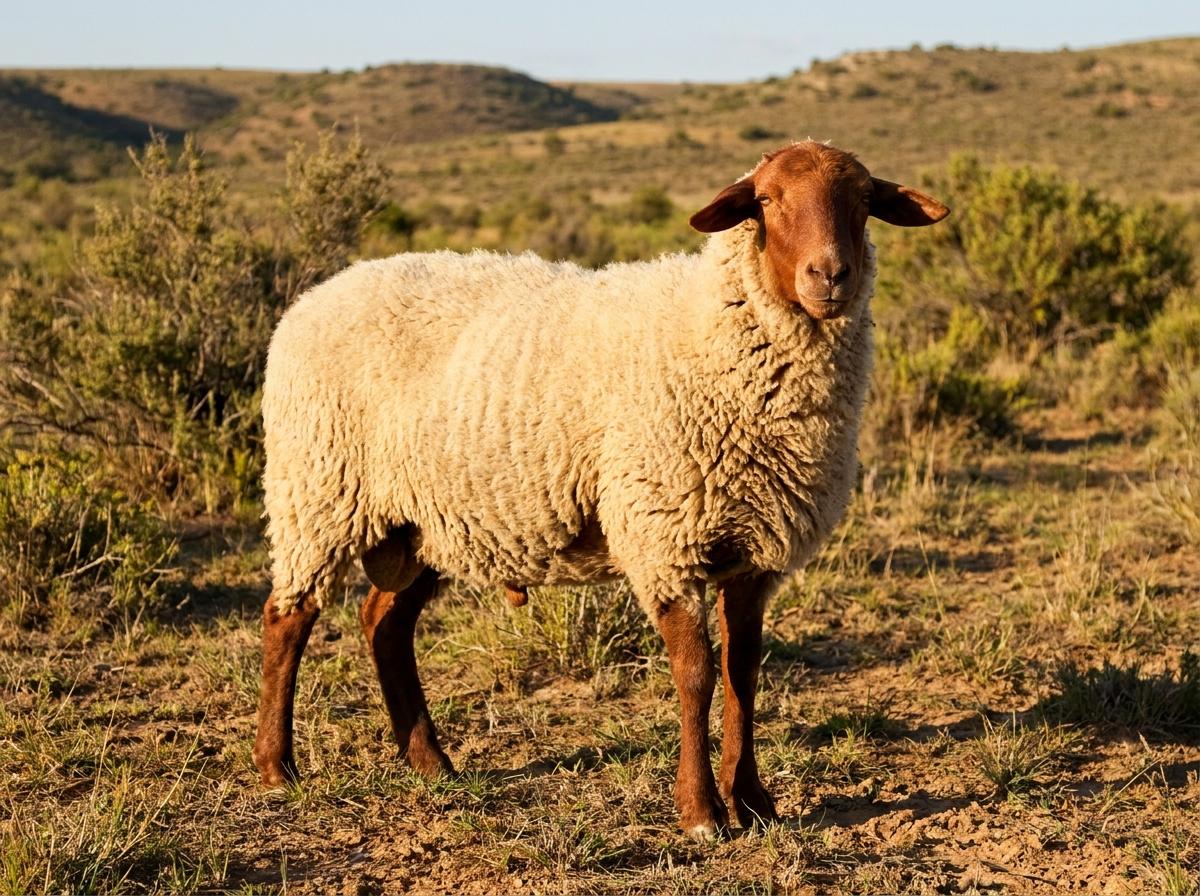
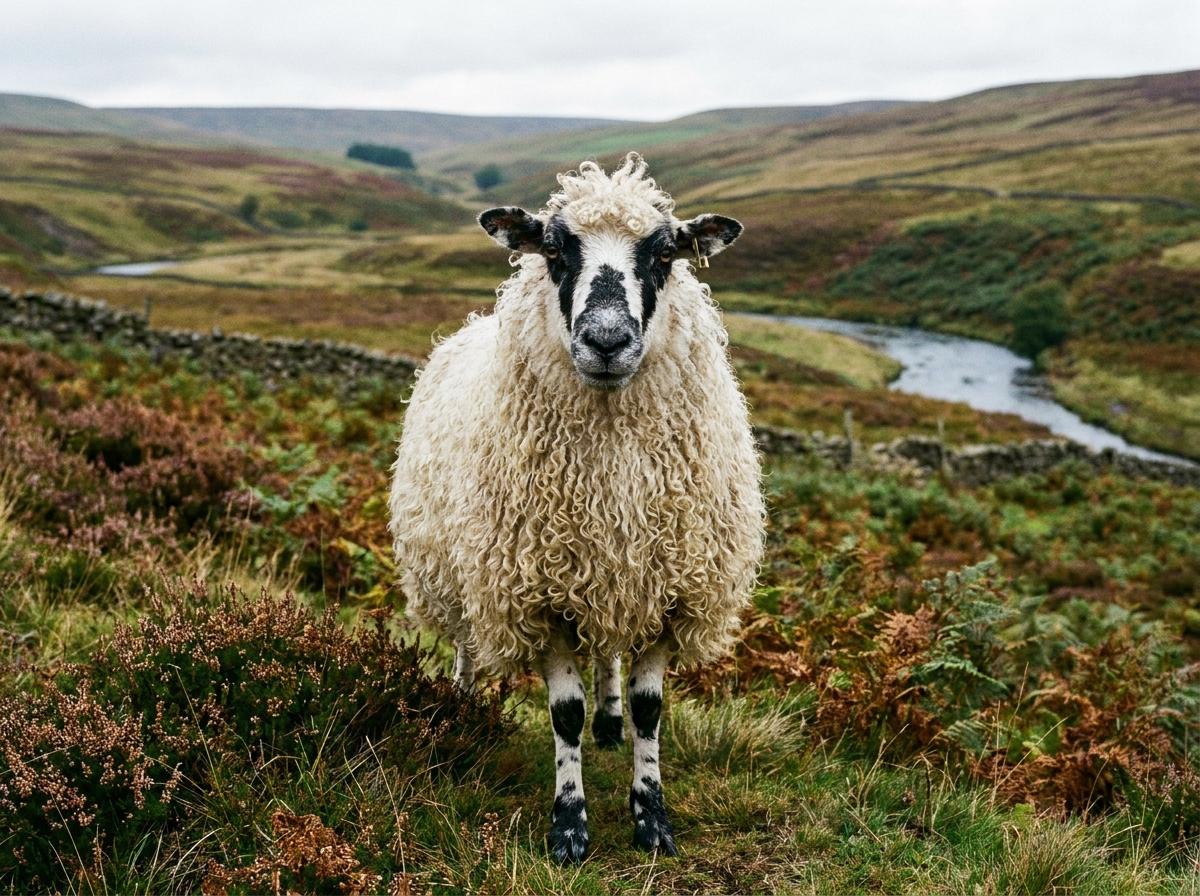
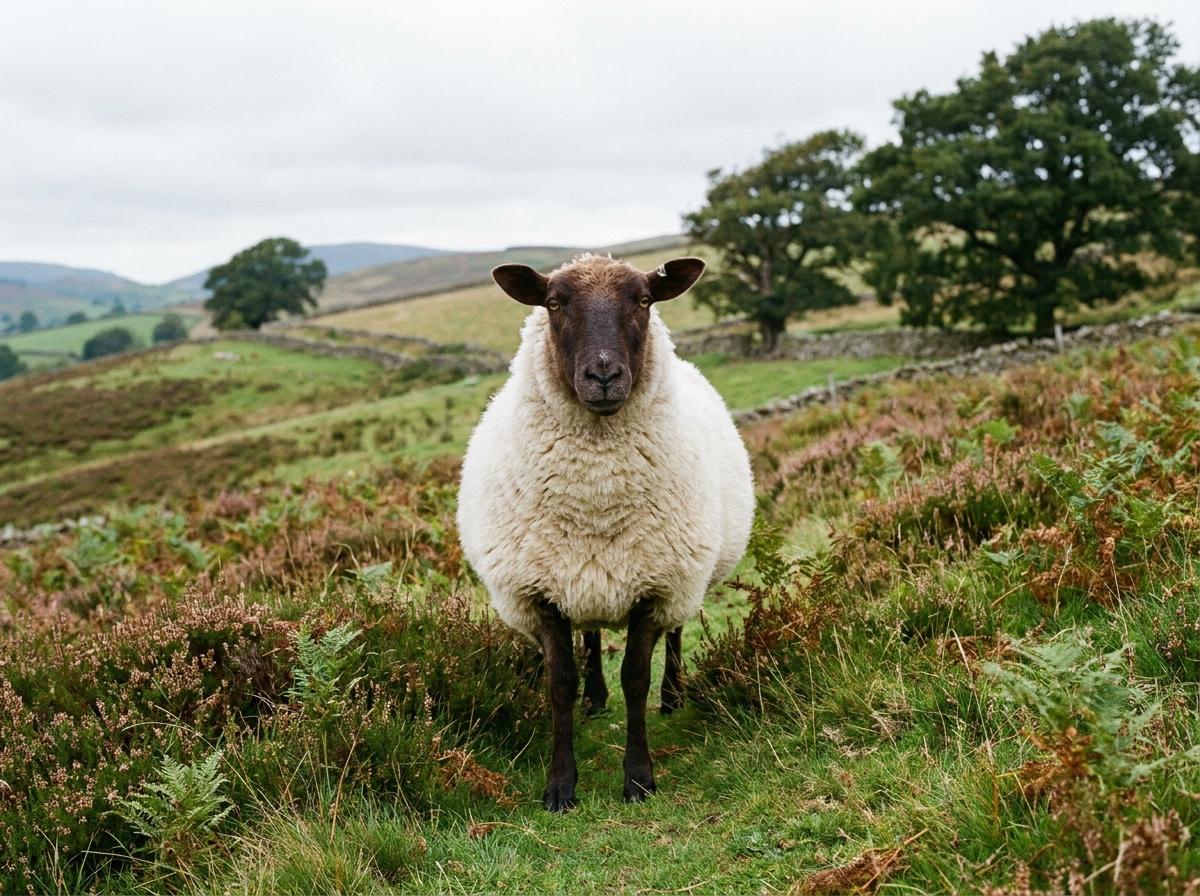
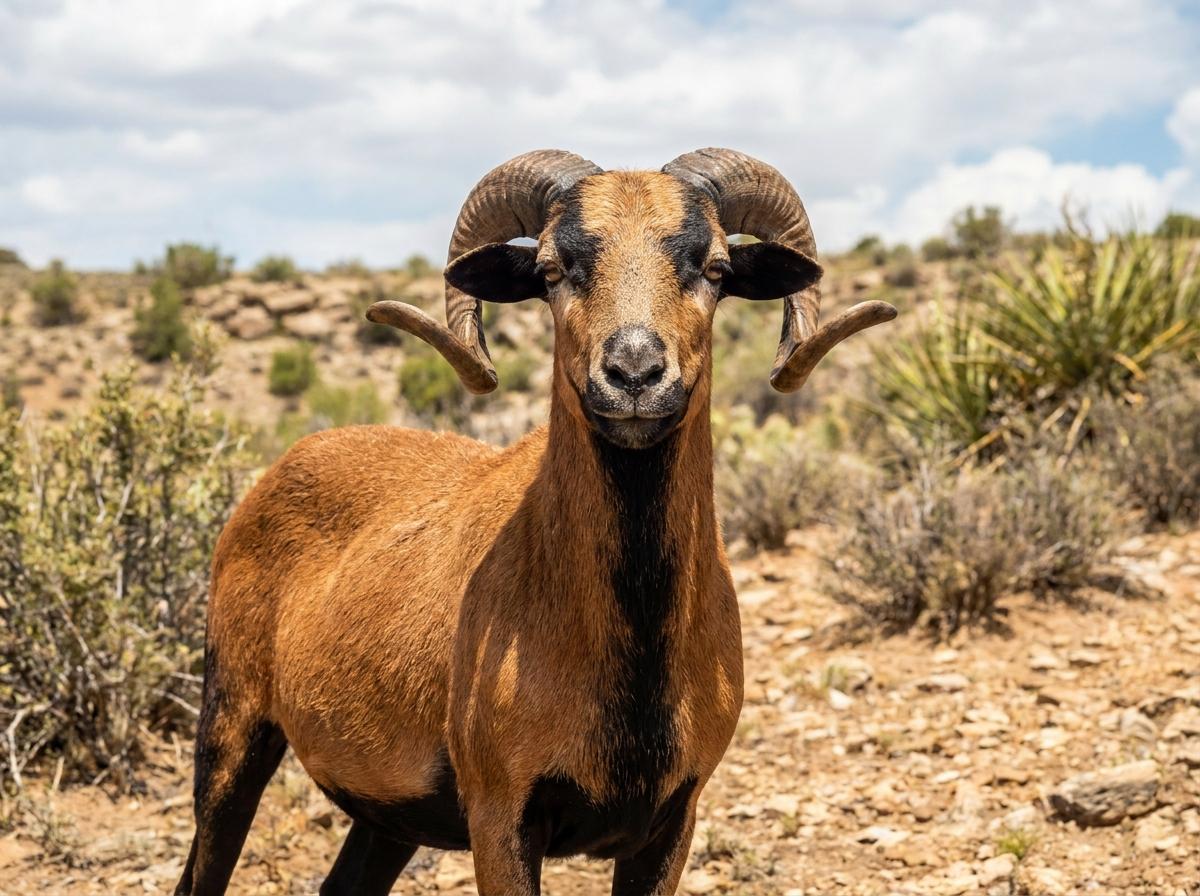
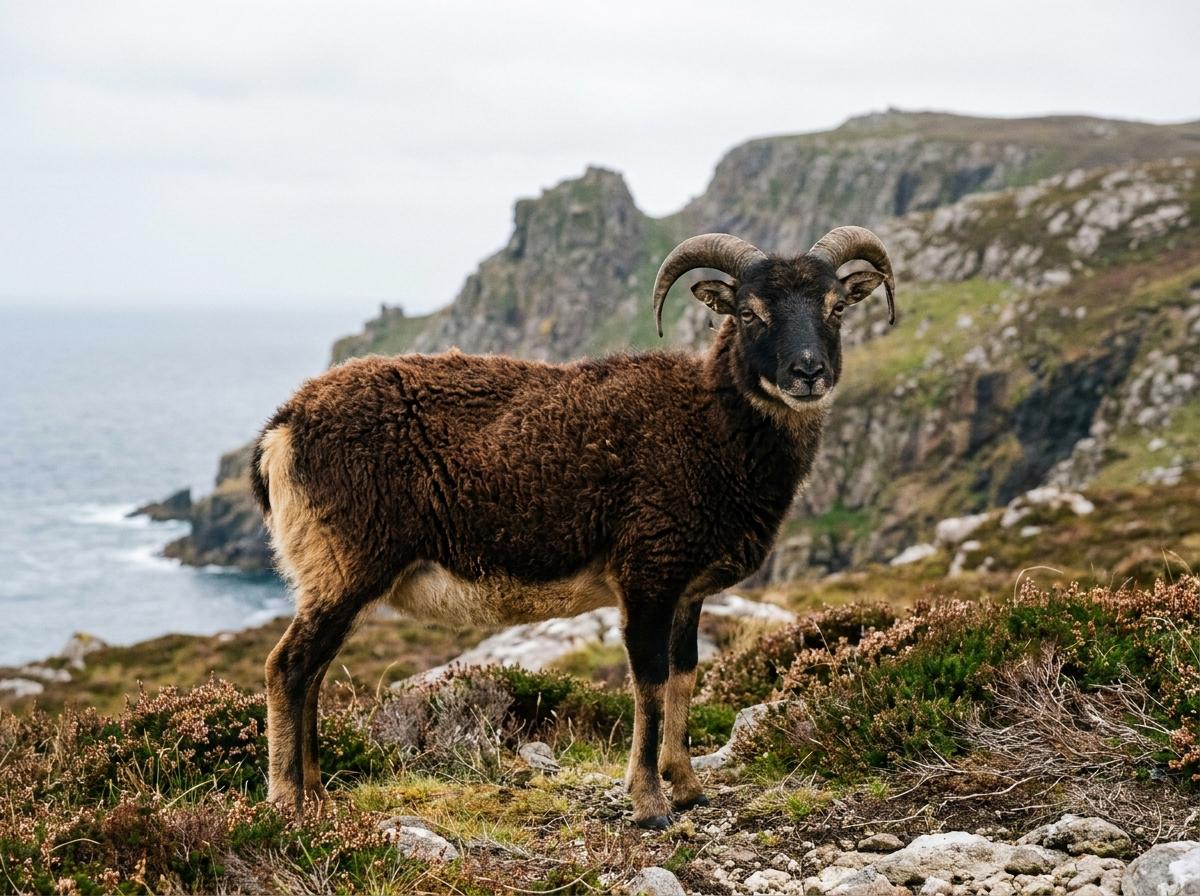
Colors: Badgerface, Black, Blackbelly, Brown, Gray, Gulmoget, Katmoget, Moorit, Piebald, Red, Silver, Spotted, Tan, White, White with Black Points, White with Brown Points