Pomeranian Coarsewool Sheep
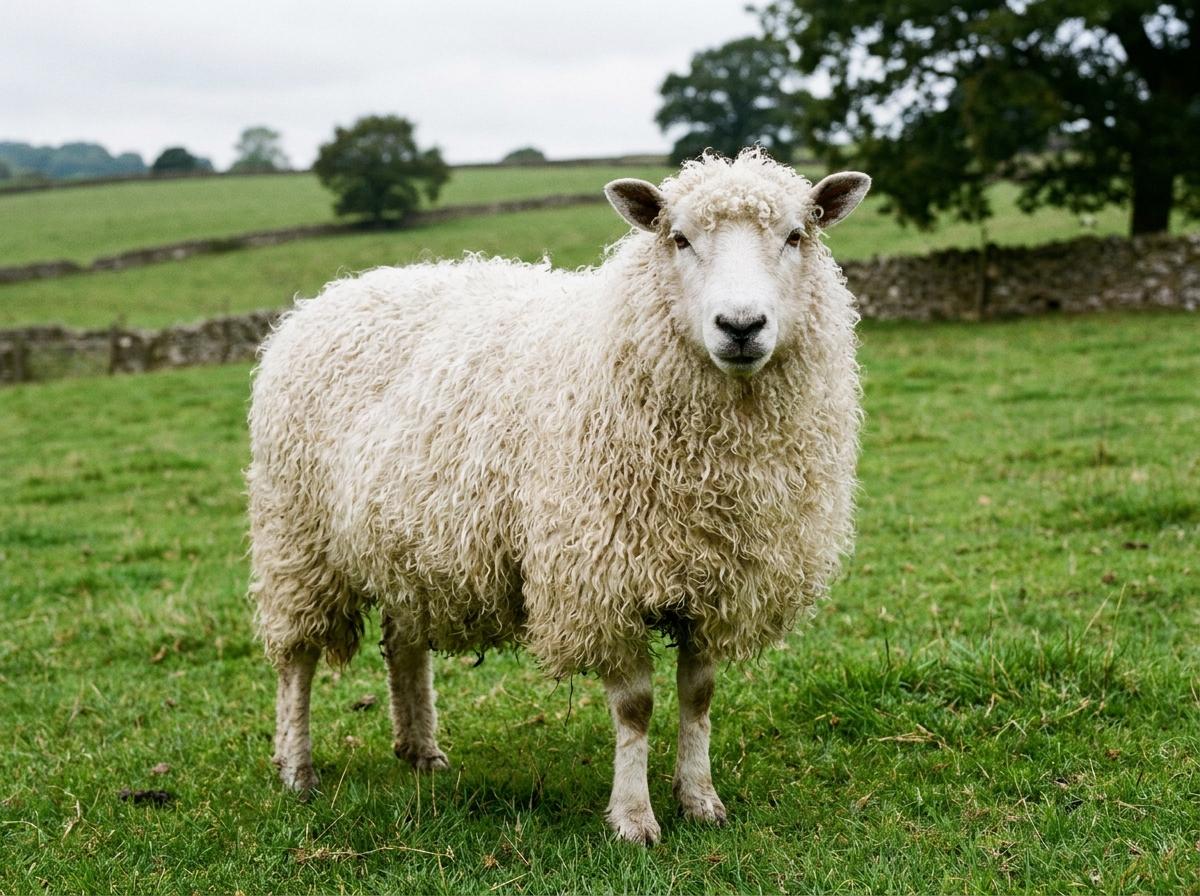
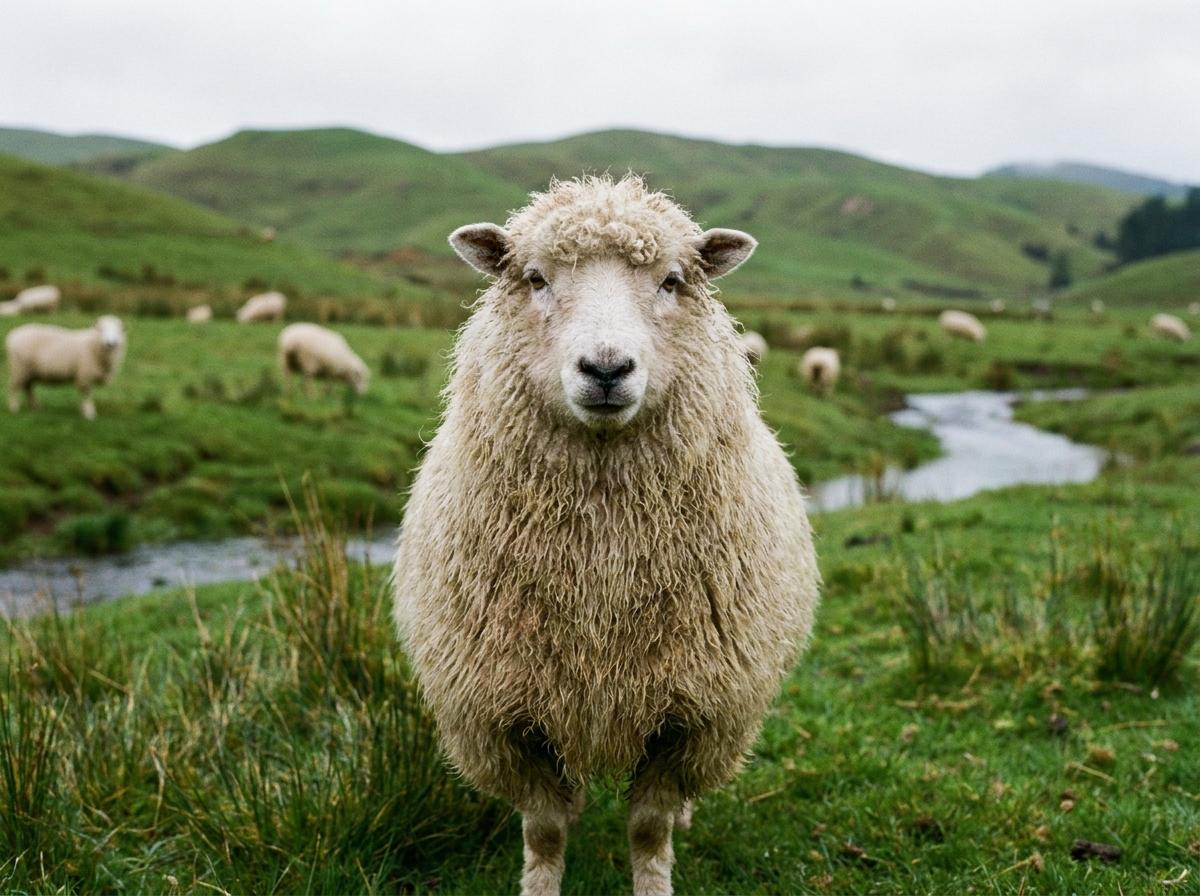
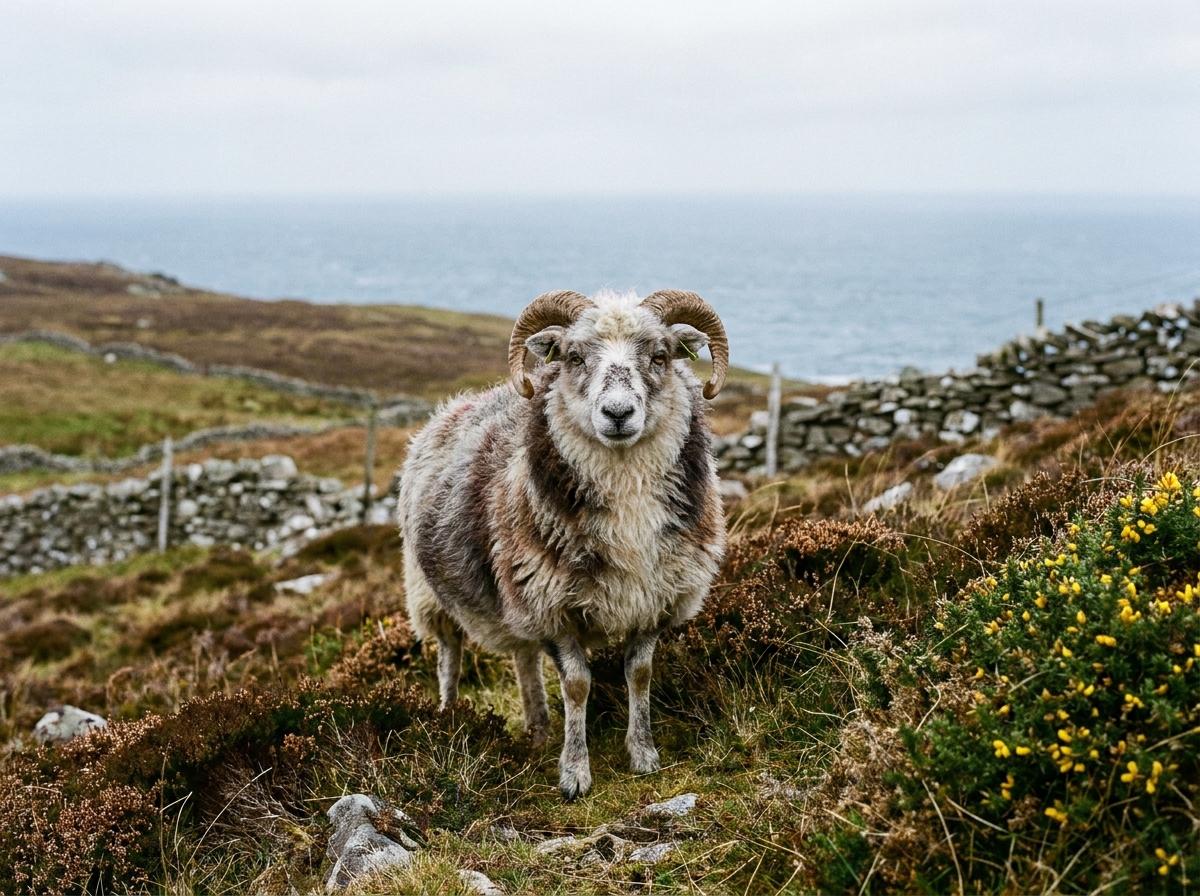
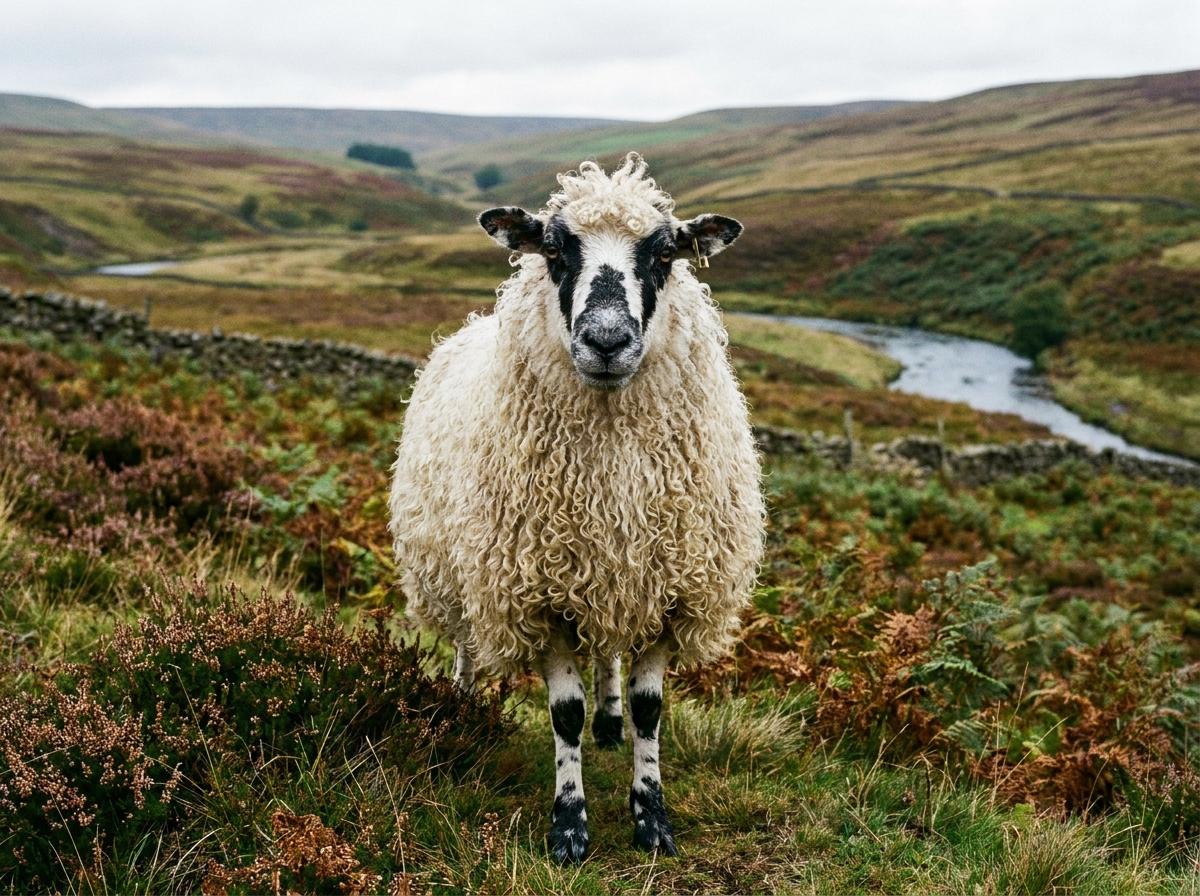
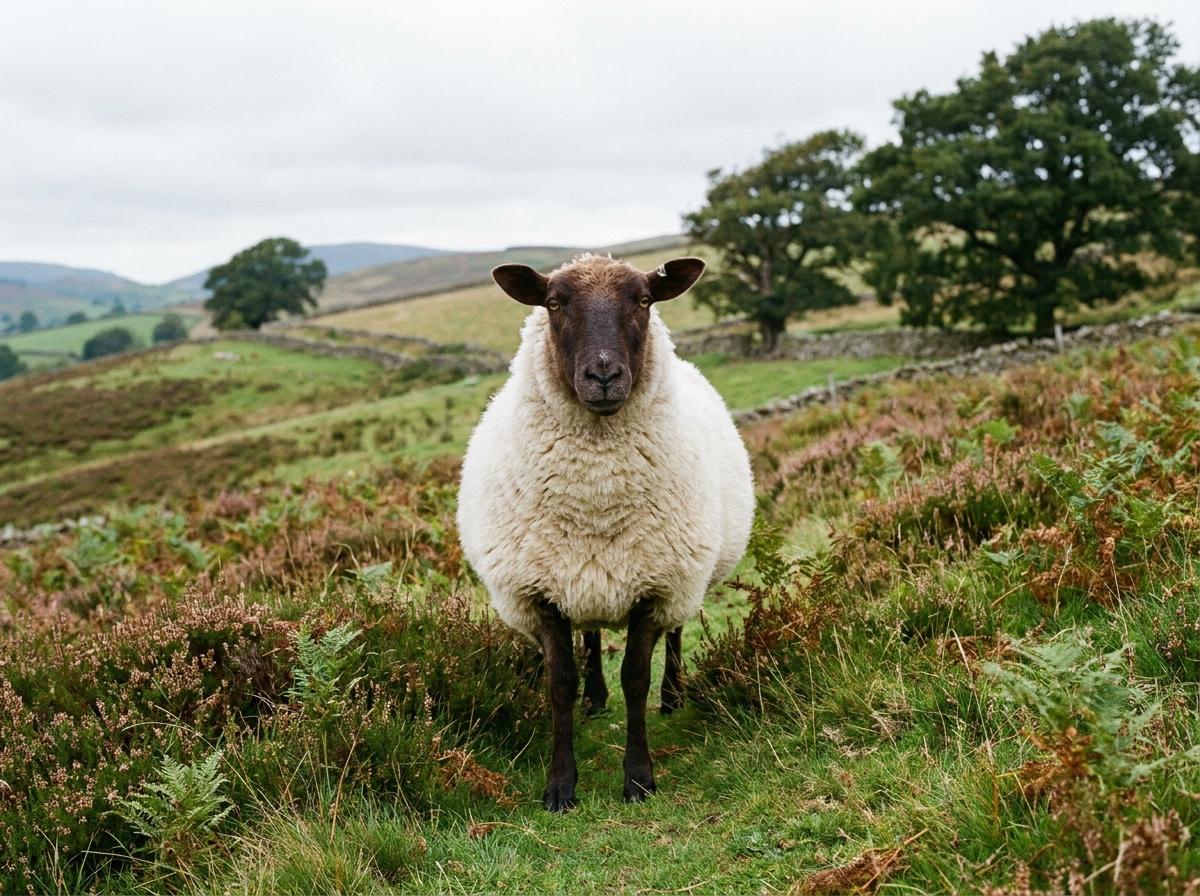
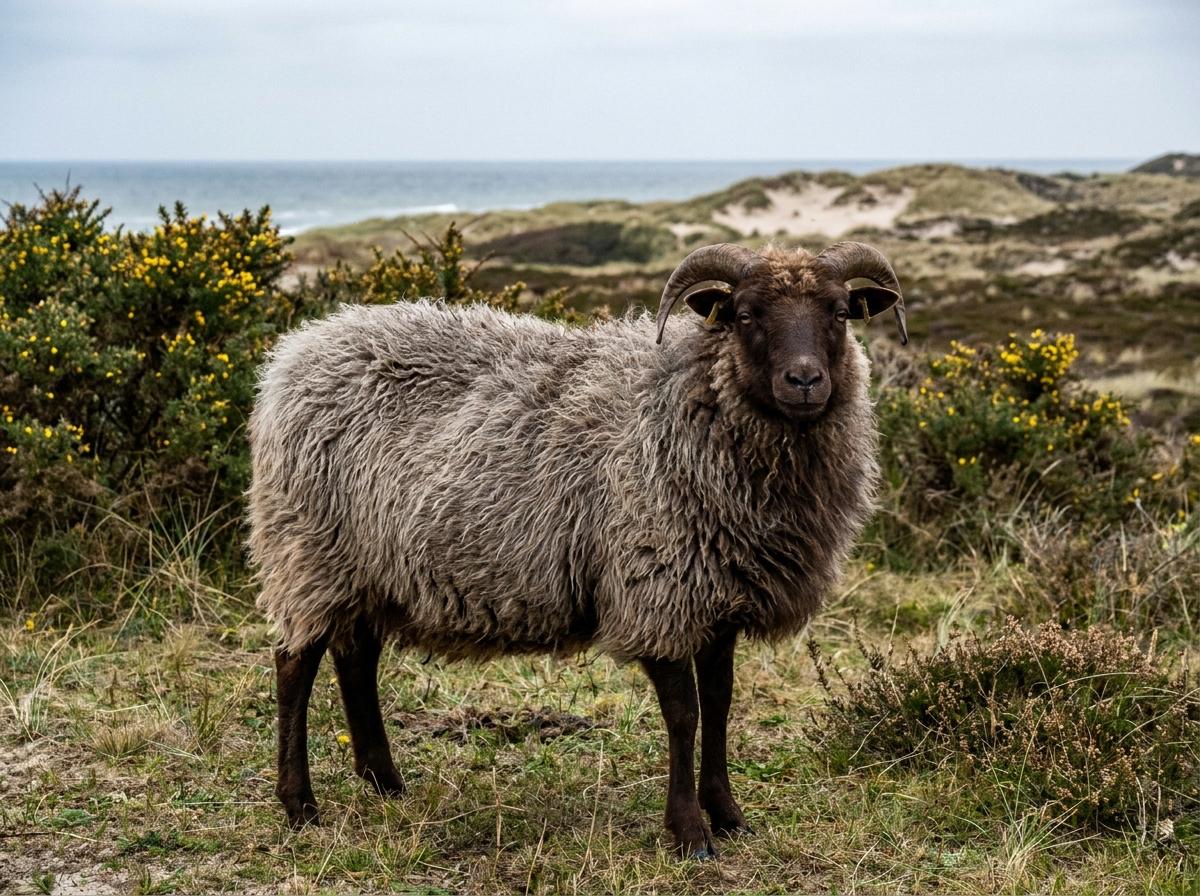
The Pomeranian coarsewool sheep, or Pommersches Rauhwolliges Landschaf, is an old landrace from the Baltic coastal region of Pomerania, now divided between northeastern Germany and northwestern Poland. It is a sturdy, medium-sized coarse-wool sheep with a dark head and legs and a blue-gray to slate fleece; lambs are typically born black and lighten as the fleece grows. Centuries on wet meadows, poor sandy soils, and windy coastal pasture produced a sheep useful for meat and long, weather-shedding wool.
Today it is kept by conservation breeders, smallholders, handspinners, and landscape-grazing projects, especially where rough pasture and damp climates suit a resilient sheep. The fleece is better for durable yarn, felting, rugs, or heritage textiles than for fine next-to-skin wool. Routine care centers on shearing, foot health on wet ground, and keeping ewes fit without pushing them like specialized meat breeds. Because population numbers have been reduced, sourcing animals through recognized conservation networks helps protect local lines and avoid treating the breed as a generic gray crossbred.
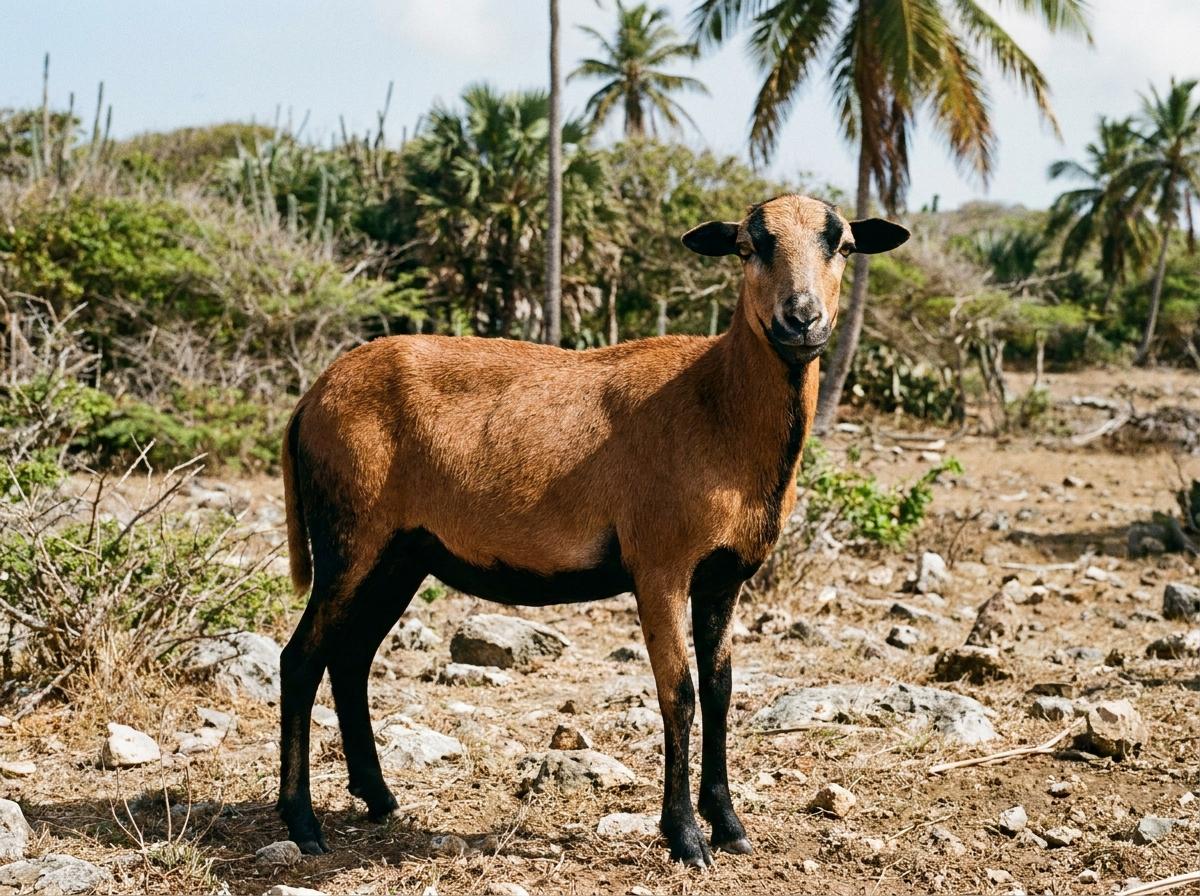
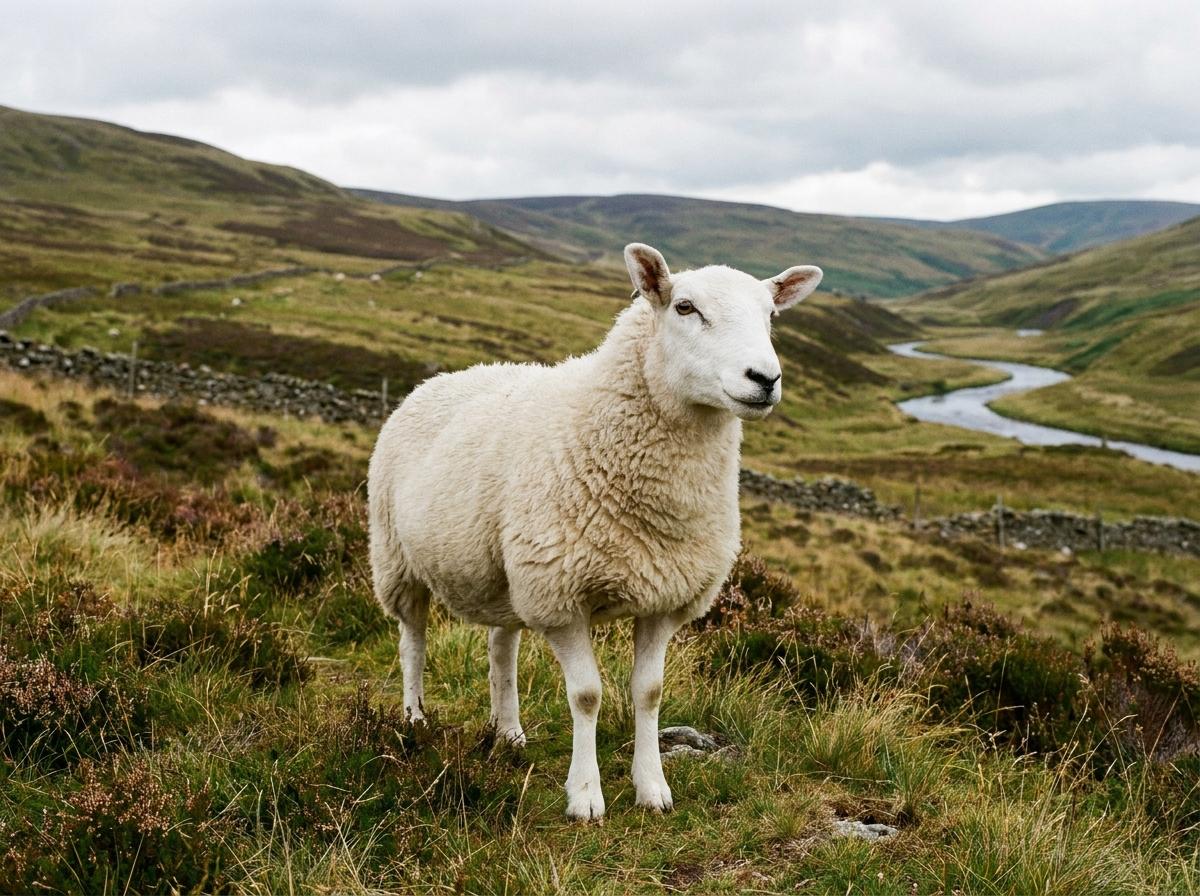
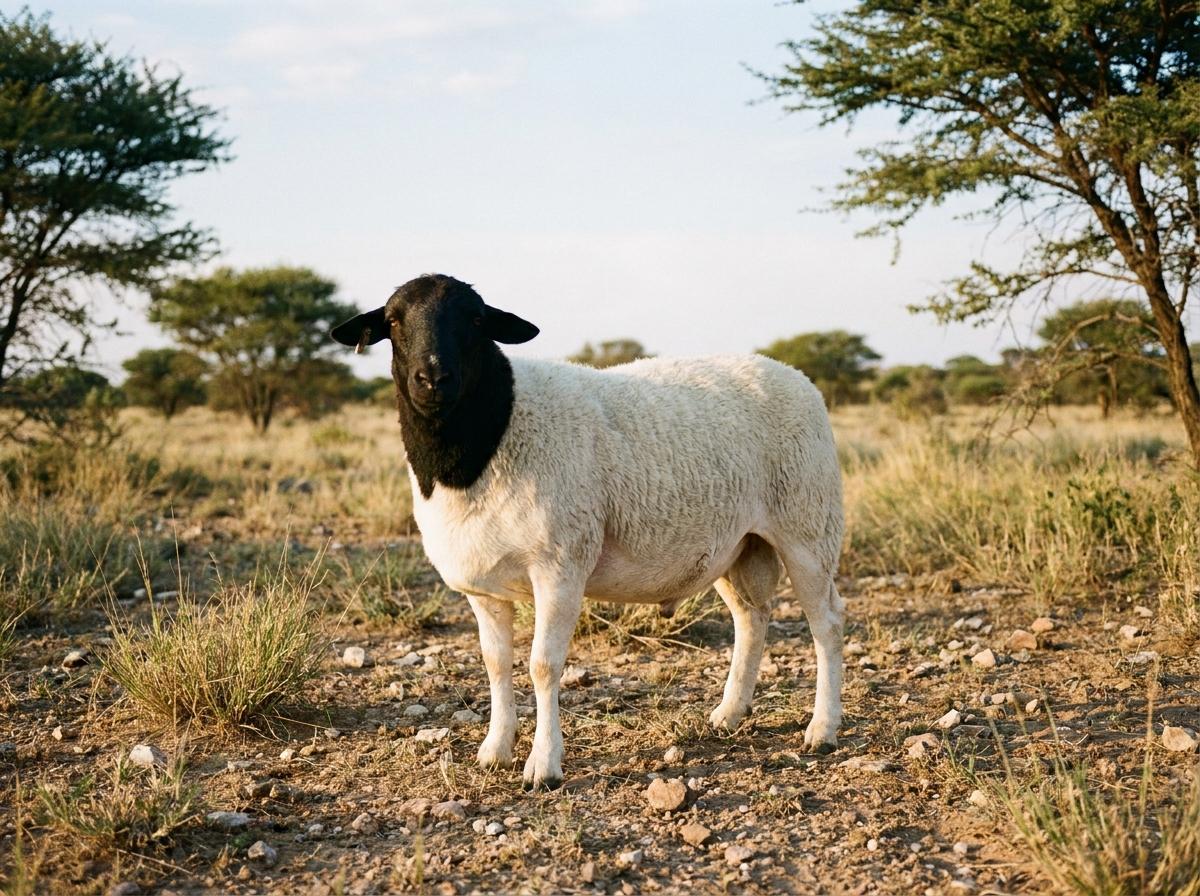
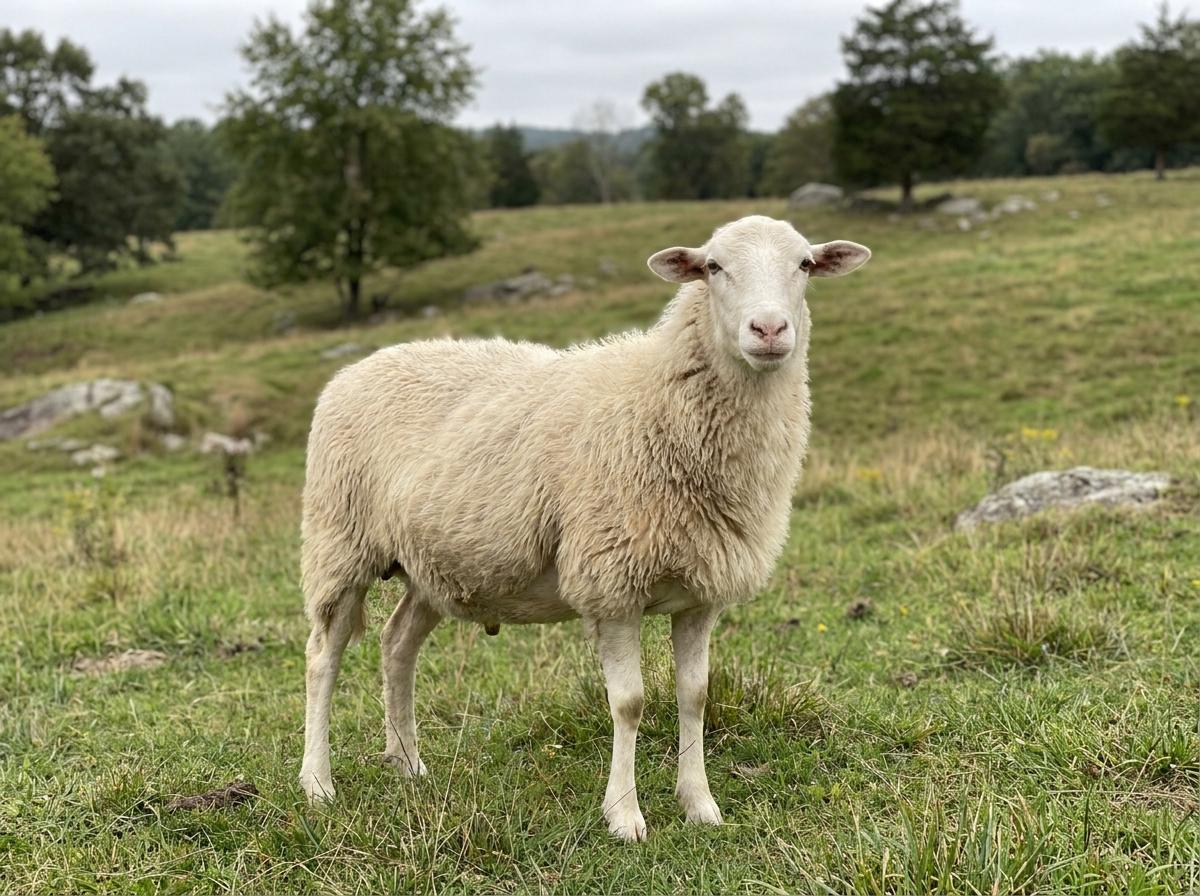
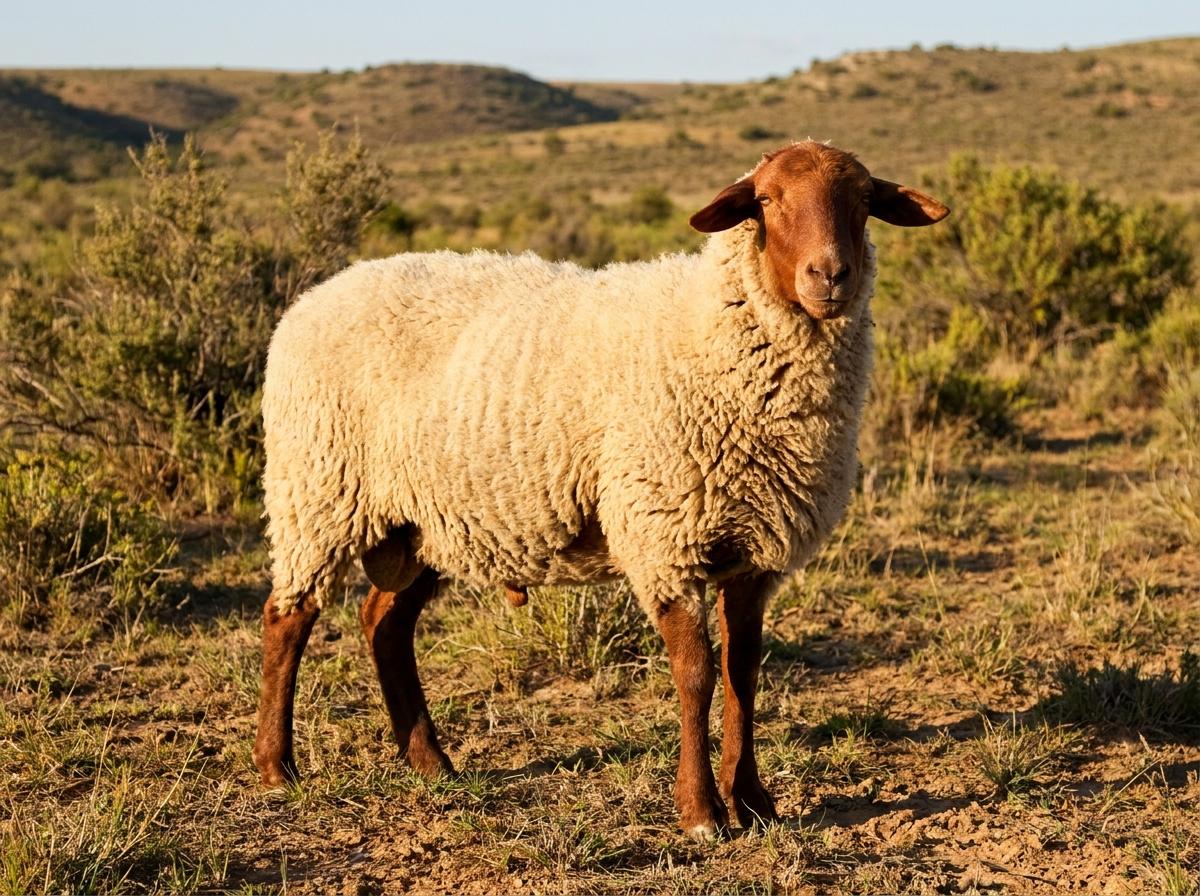
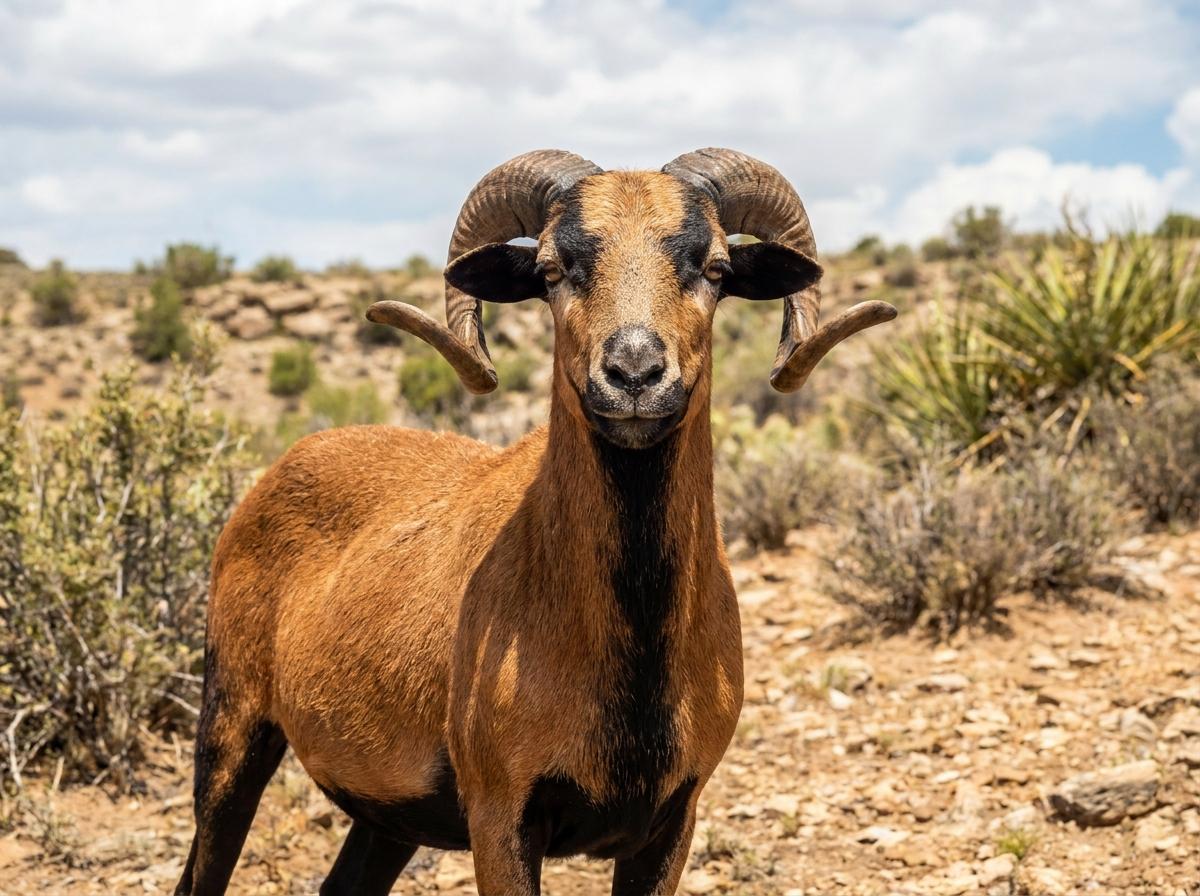
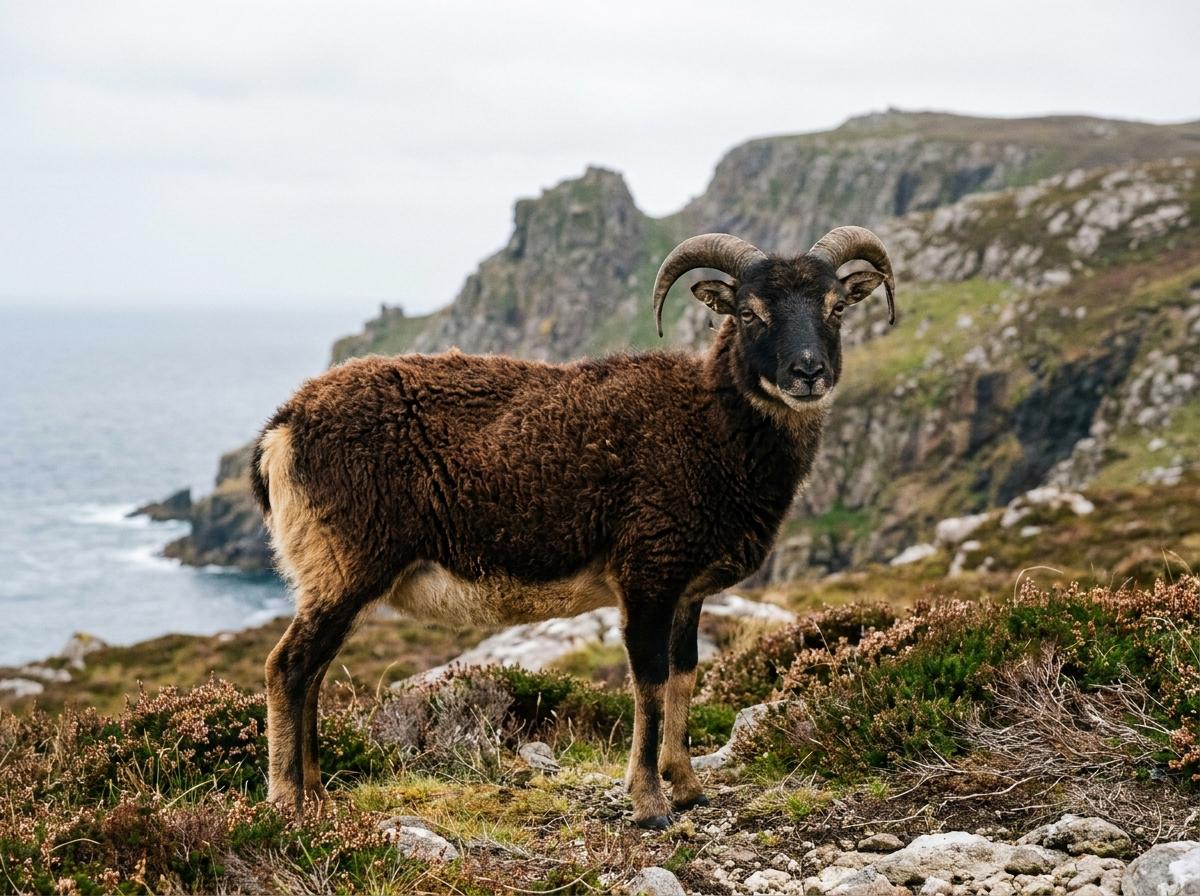
Colors: Badgerface, Black, Blackbelly, Broken, Brown, Gray, Grey, Gulmoget, Katmoget, Moorit, Piebald, Red, Roan, Silver, Solid, Spotted, Tan, White, White with Black Points, White with Brown Points