

Qashqai
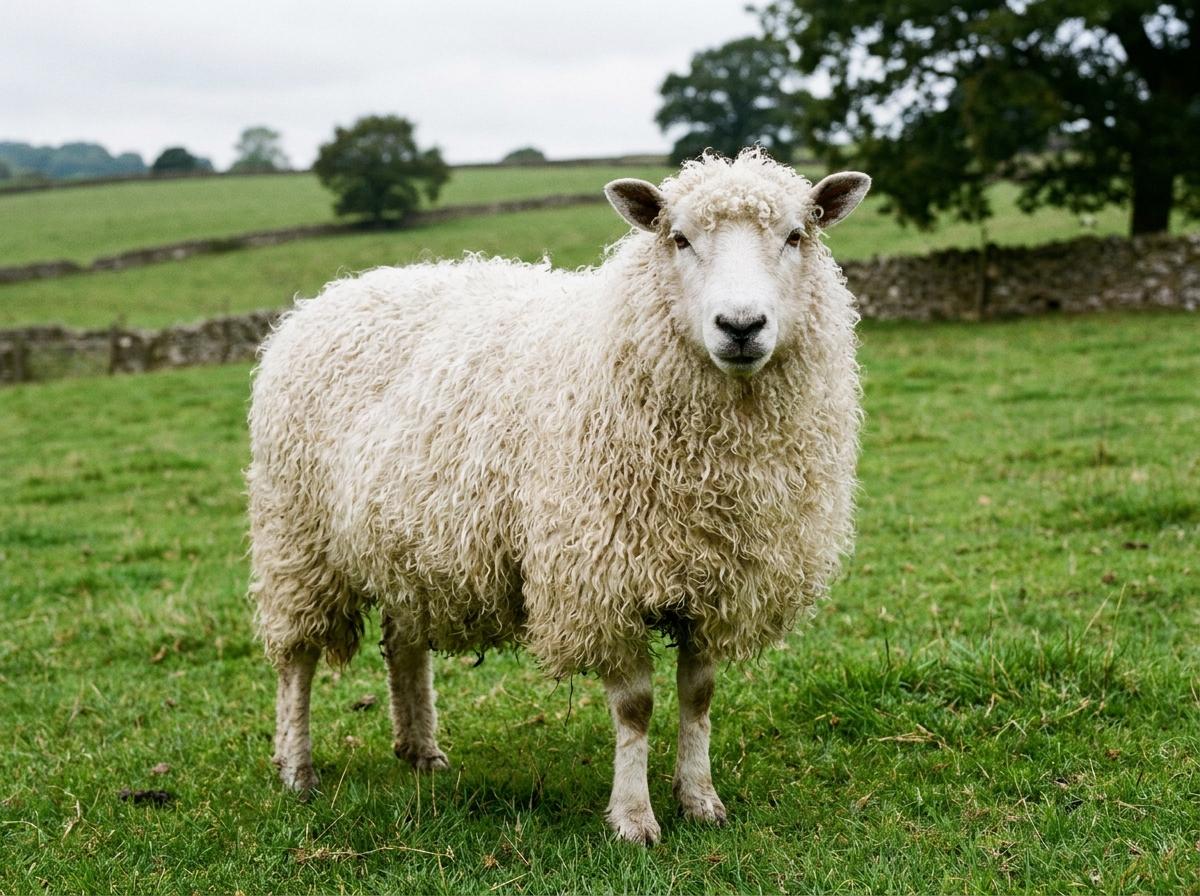
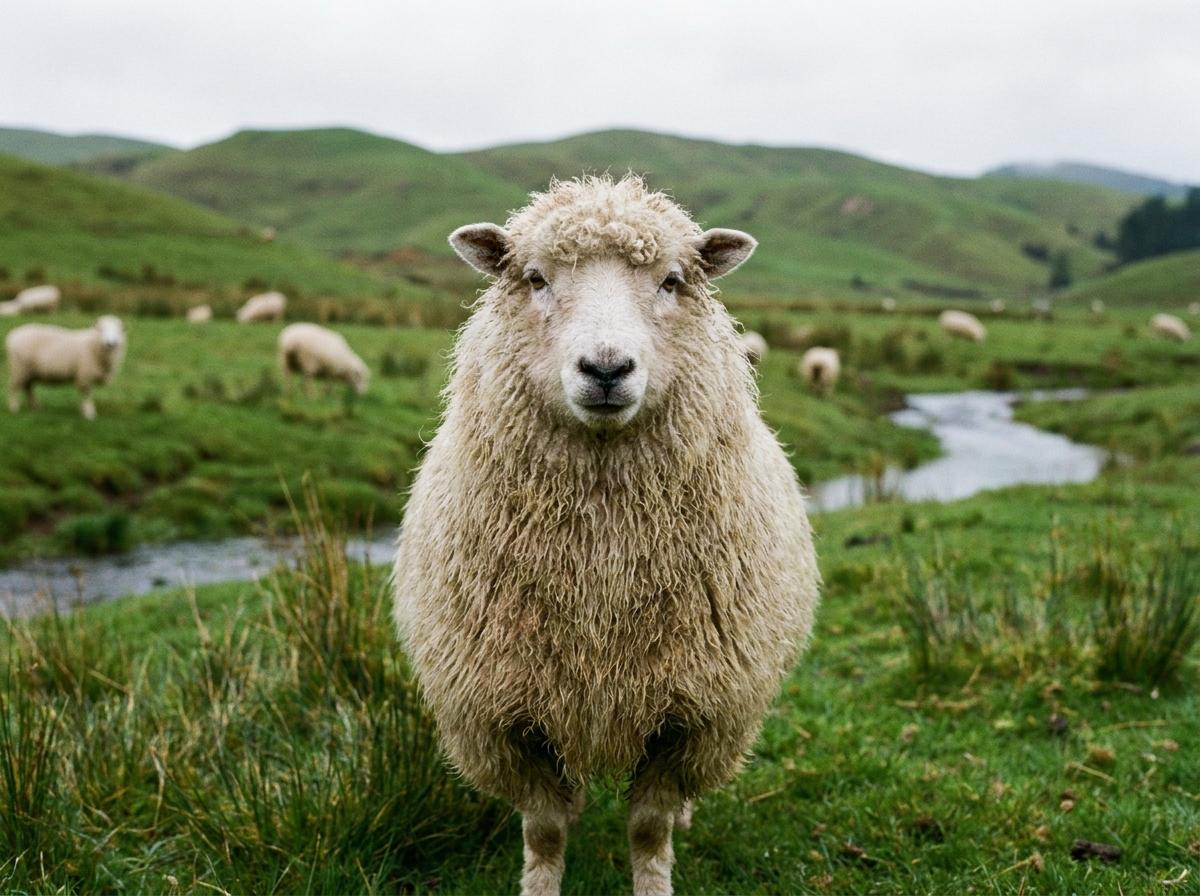
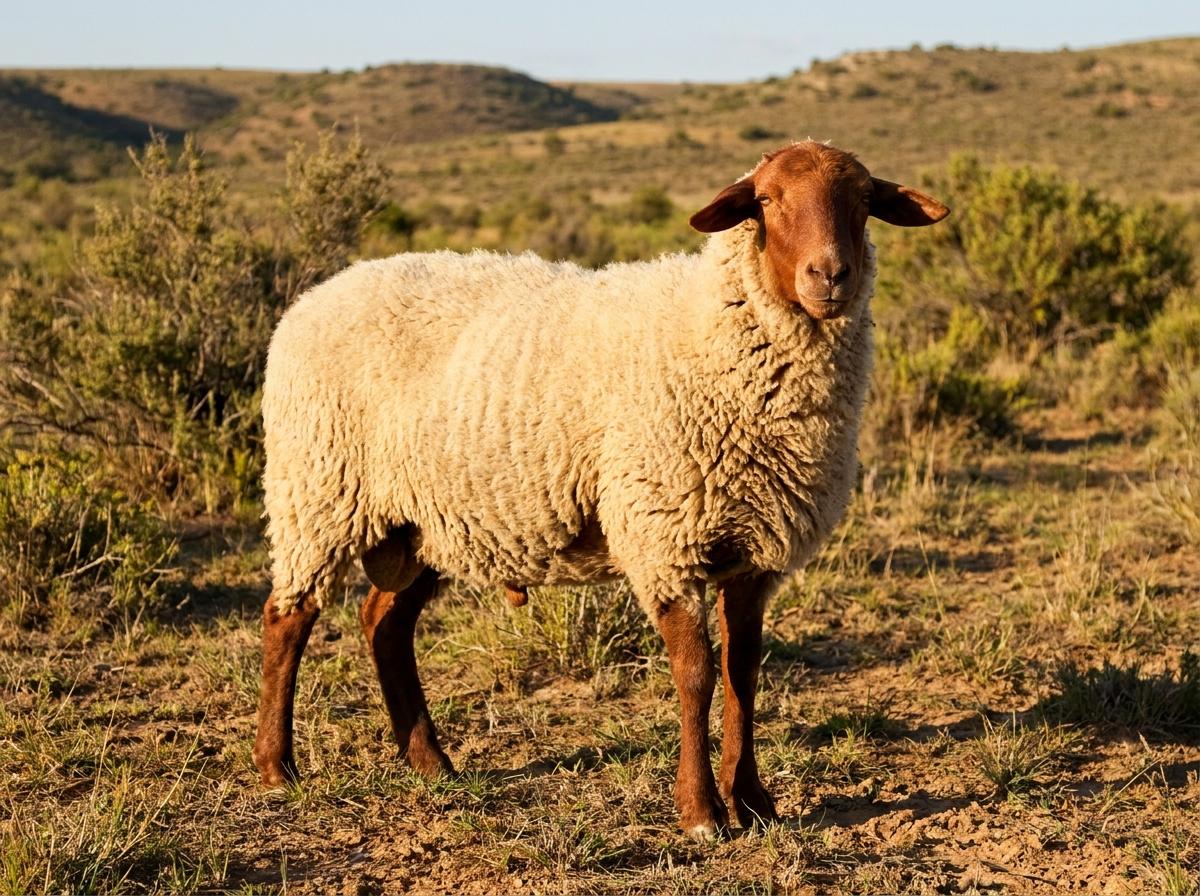
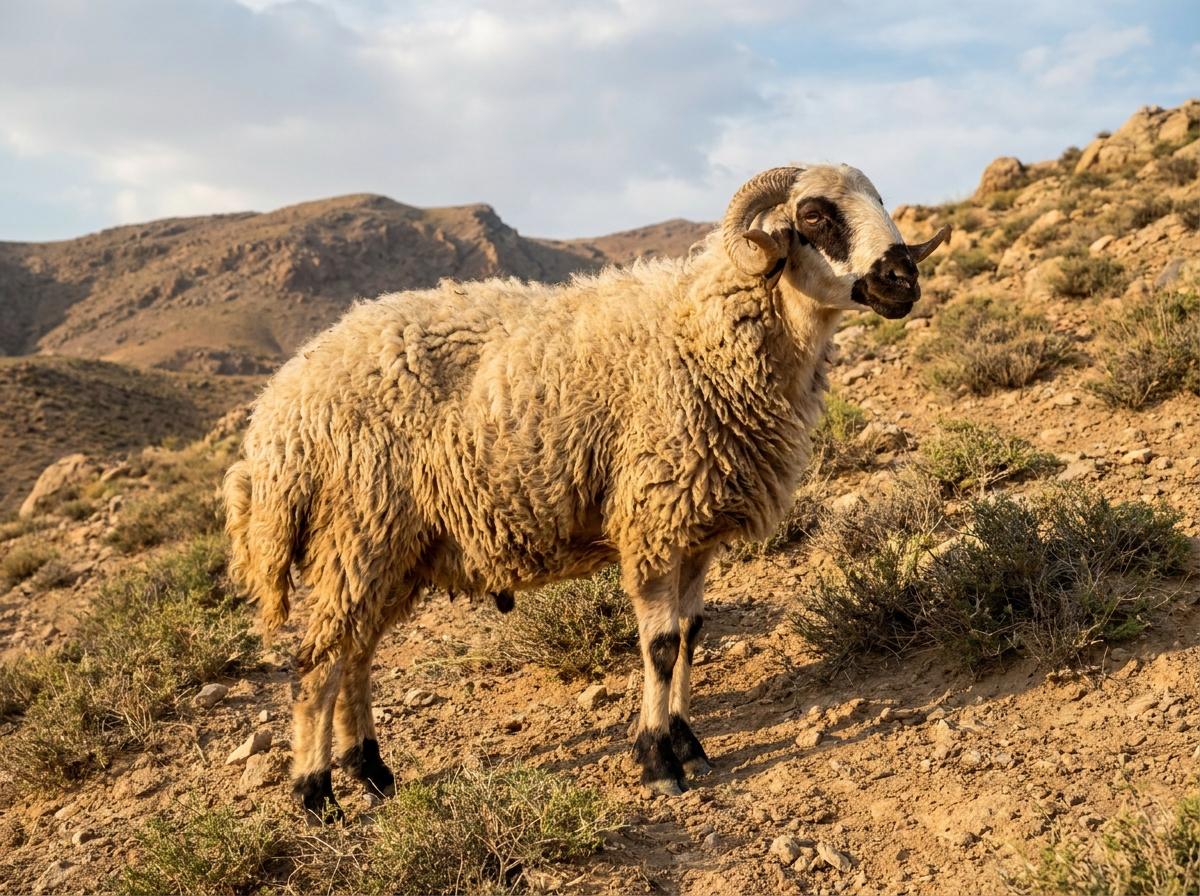
Qashqai sheep are a traditional Iranian fat-tailed sheep associated with the Qashqai pastoral people of Fars and the southern Zagros region. They are not a polished show breed; they are a working landrace developed under seasonal movement between winter lowlands and summer mountain pastures. Flocks provide lamb and mutton, milk for household use, and coarse to medium wool used in local weaving, including tribal textiles. Color and size can vary, but useful animals tend to have strong feet, efficient grazing habits, and enough fat reserve to handle gaps in forage.
Management of Qashqai sheep is tied to rangeland timing, water access, and the labor of moving and guarding flocks. Lambing is planned around pasture growth when possible, and replacements are chosen for walking ability, mothering, udder soundness, and survival under heat, cold, and sparse feed. In settled farms outside their home region, the breed may need more deliberate hoof care, parasite monitoring, and protection from overly rich diets that can upset fat-tailed sheep. Conservation of Qashqai animals also means respecting the herding knowledge and migration systems behind the breed.
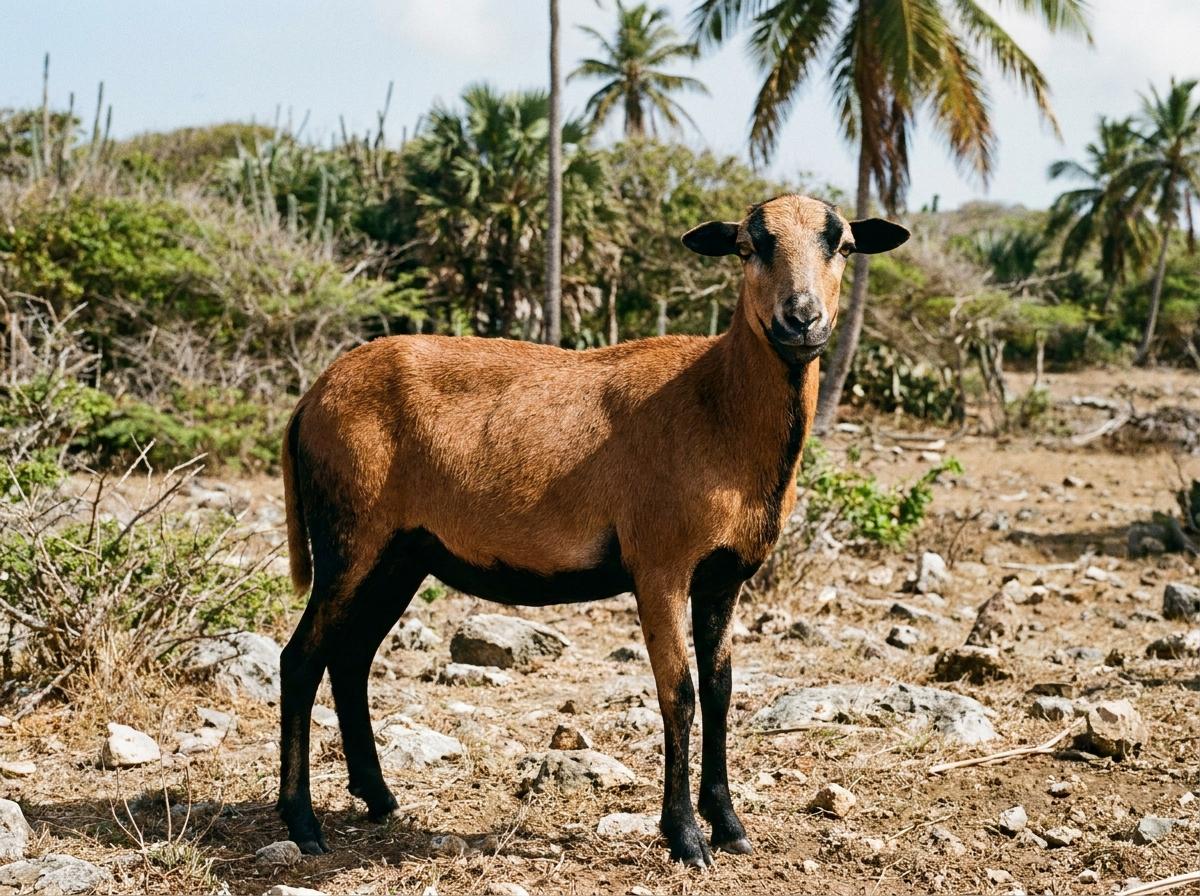
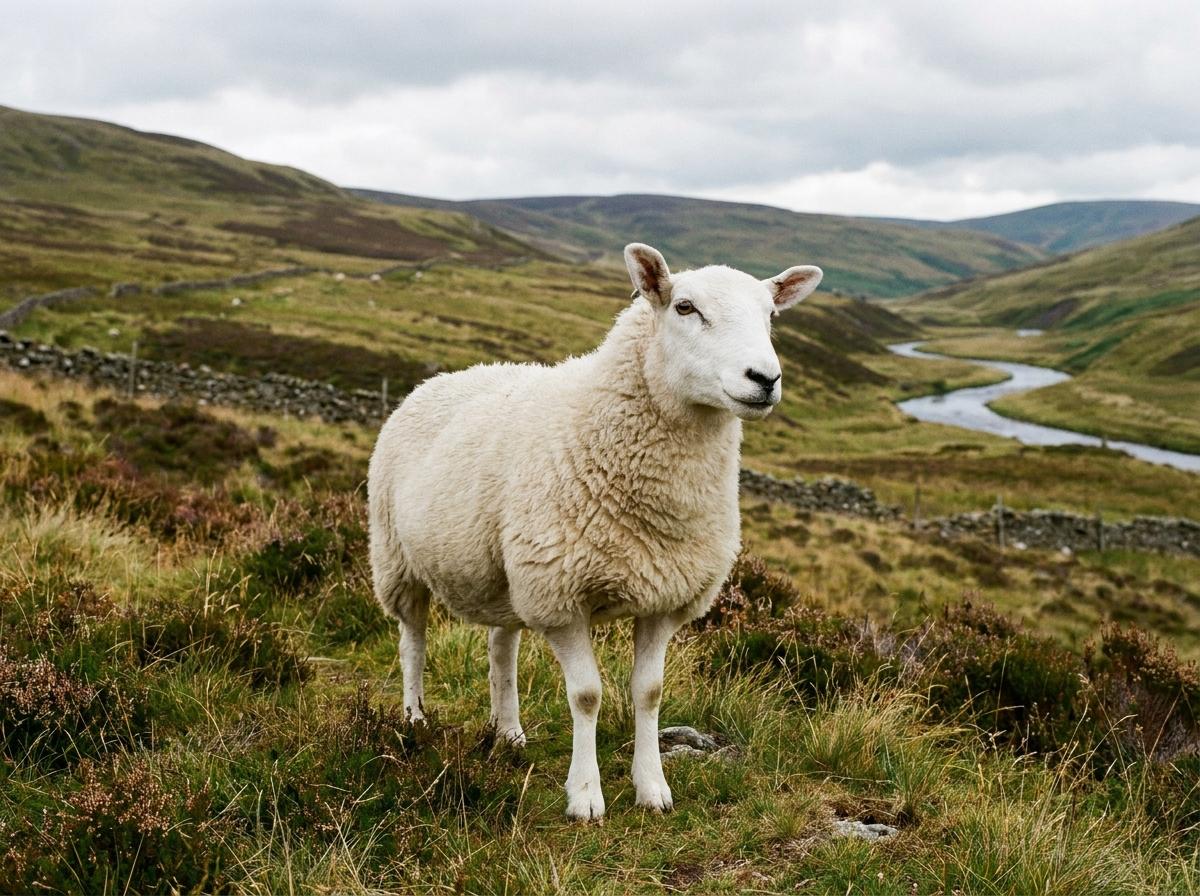
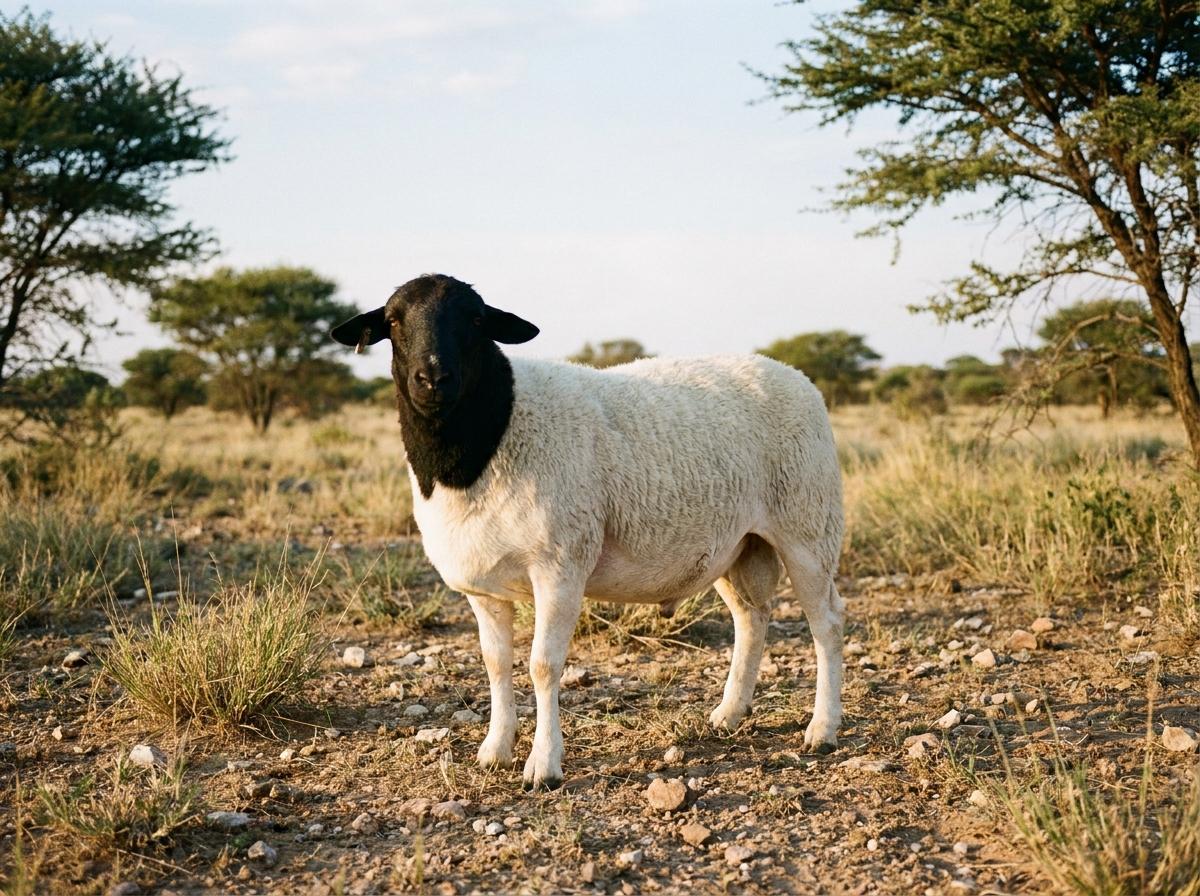
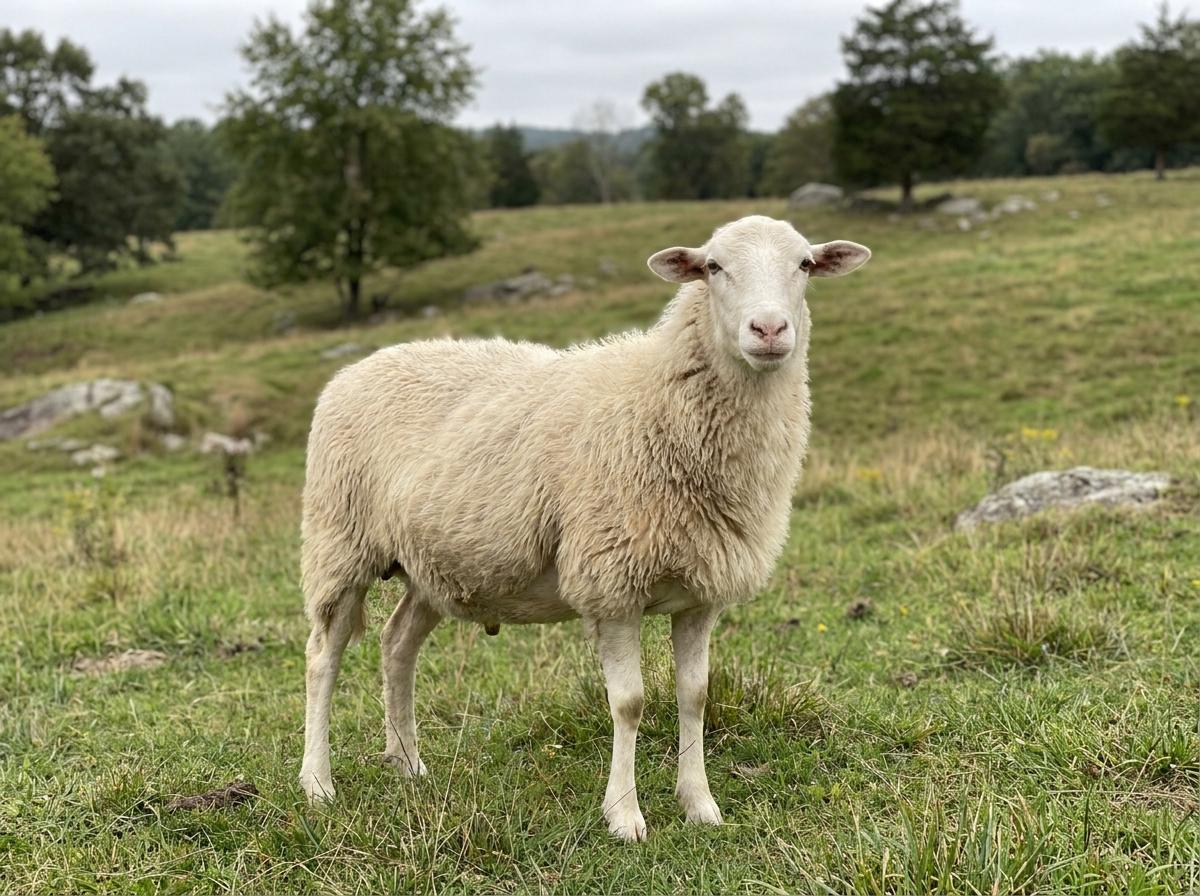
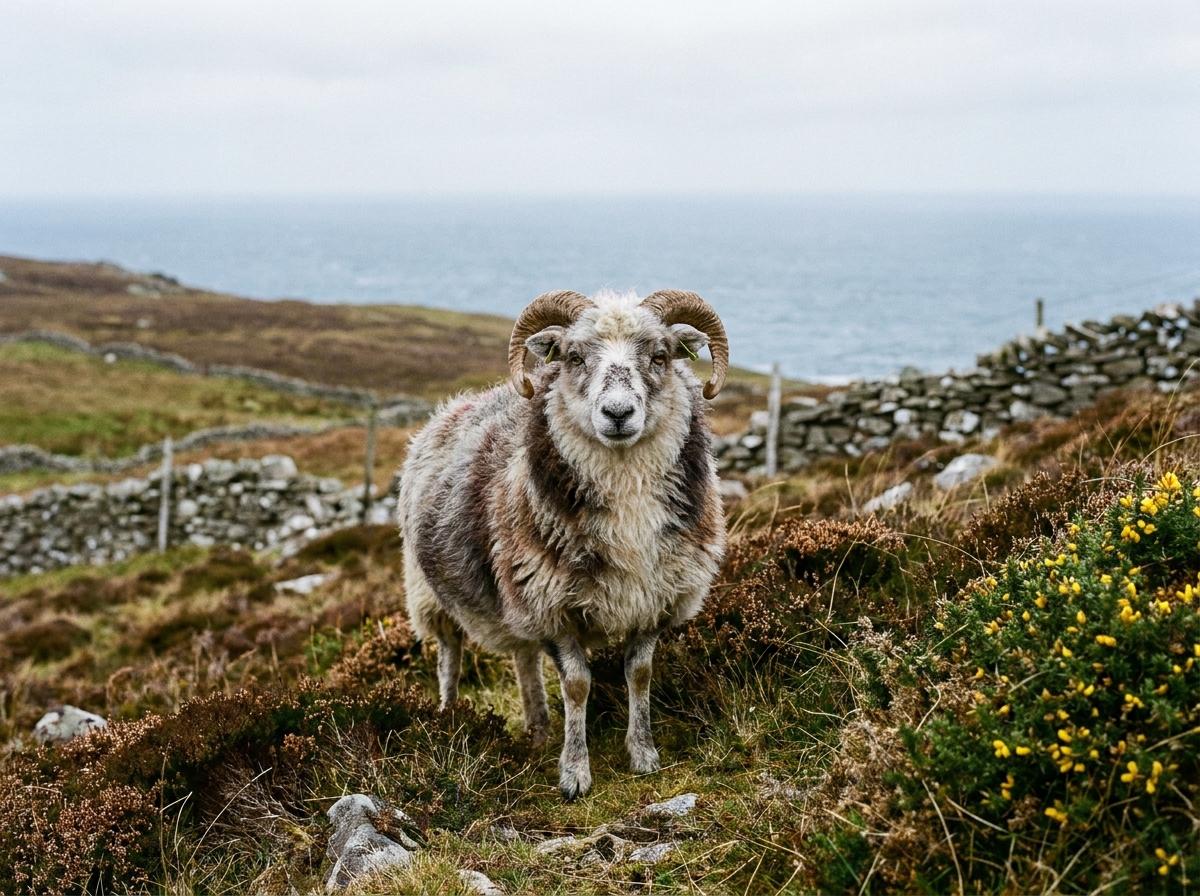
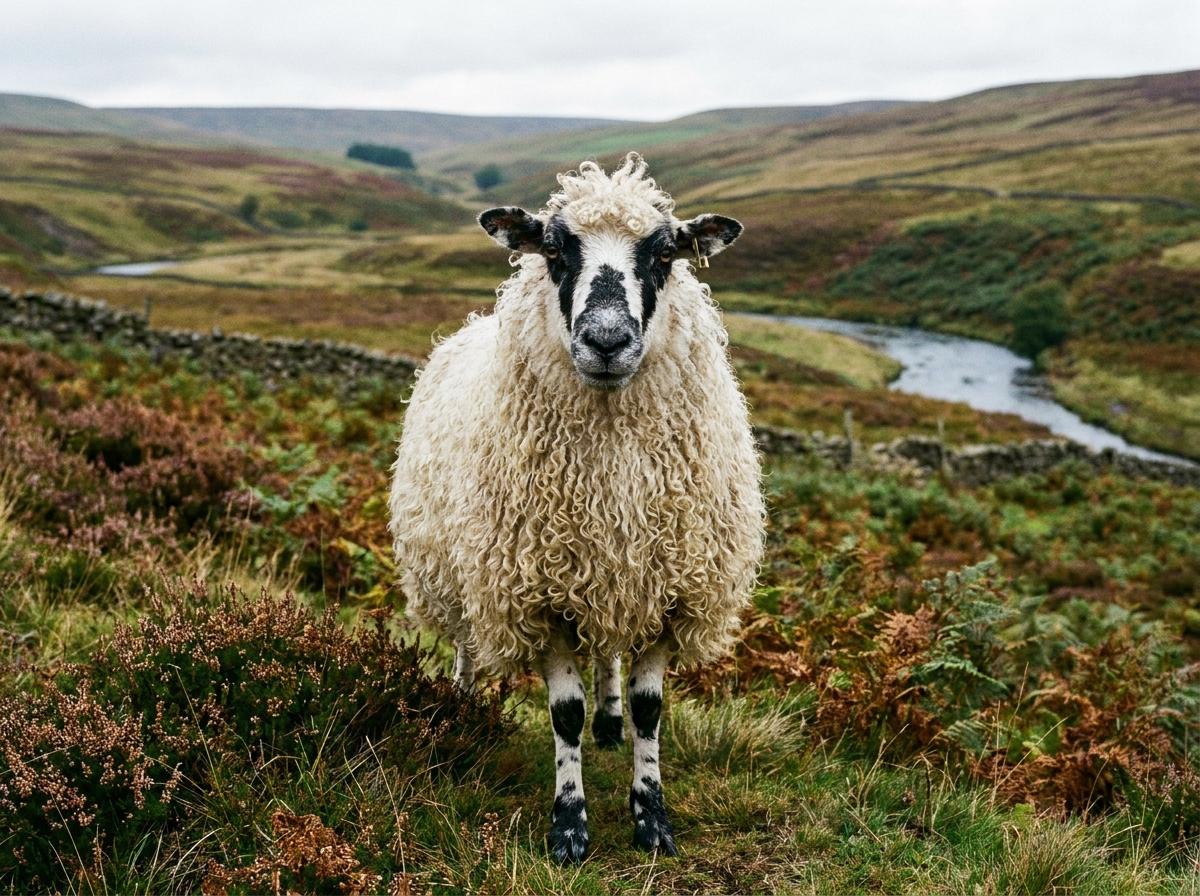
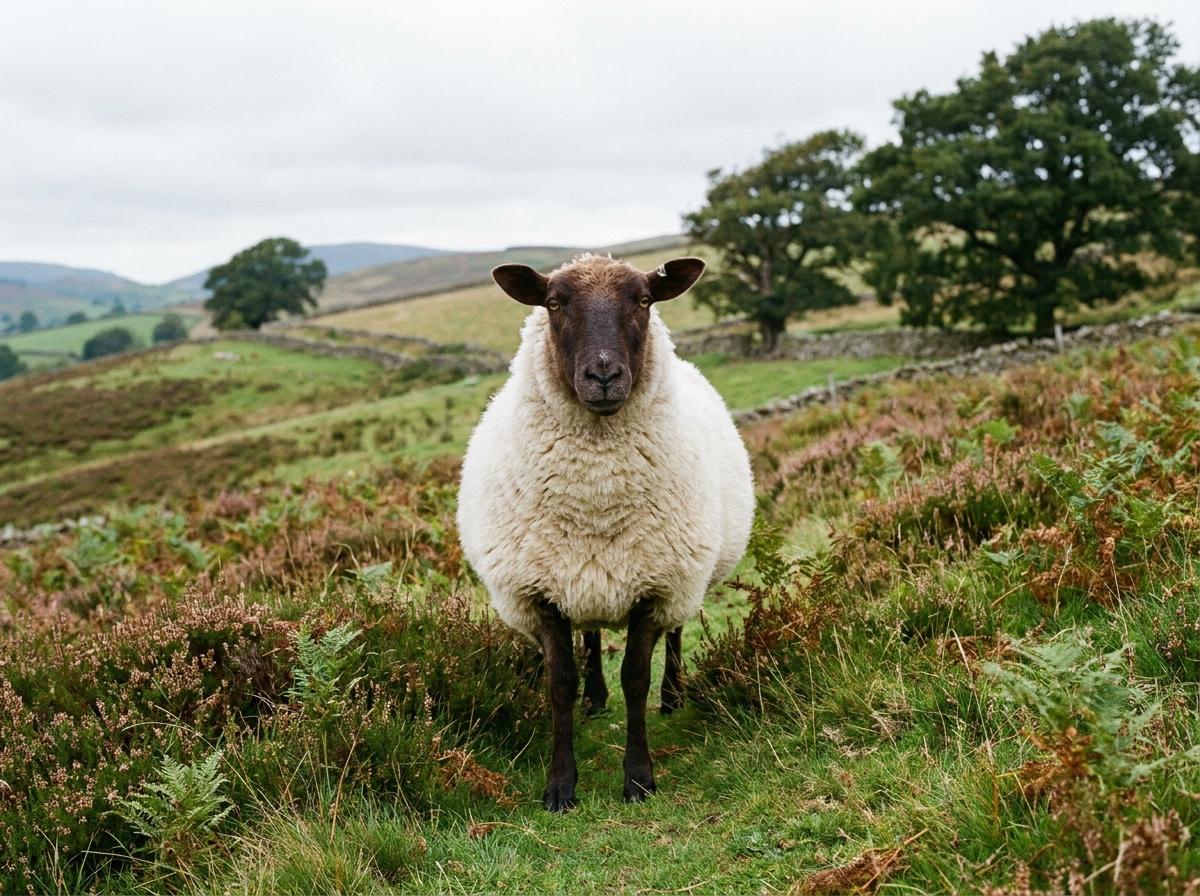
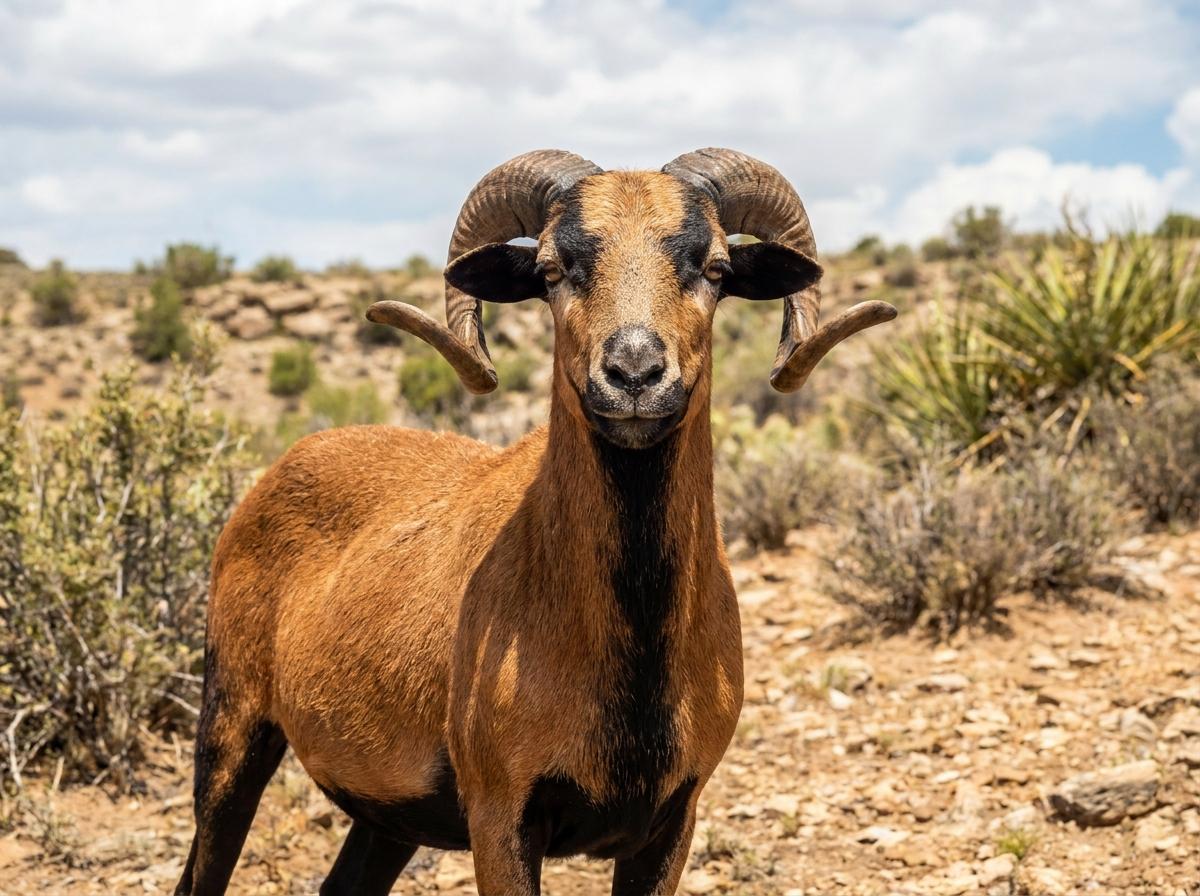
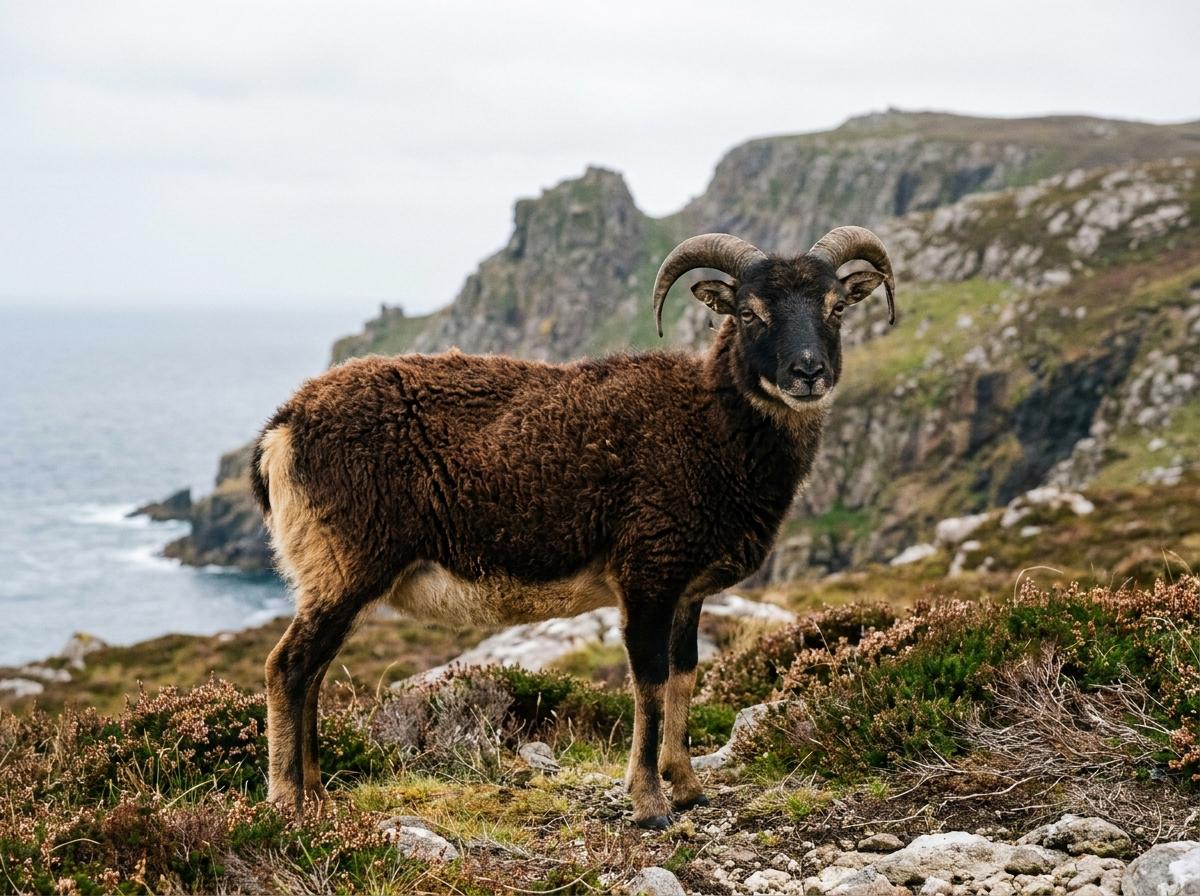
Colors: Badgerface, Black, Blackbelly, Broken, Brown, Gray, Grey, Gulmoget, Katmoget, Moorit, Piebald, Red, Roan, Silver, Solid, Spotted, Tan, White, White with Black Points, White with Brown Points