


Rhoen Sheep
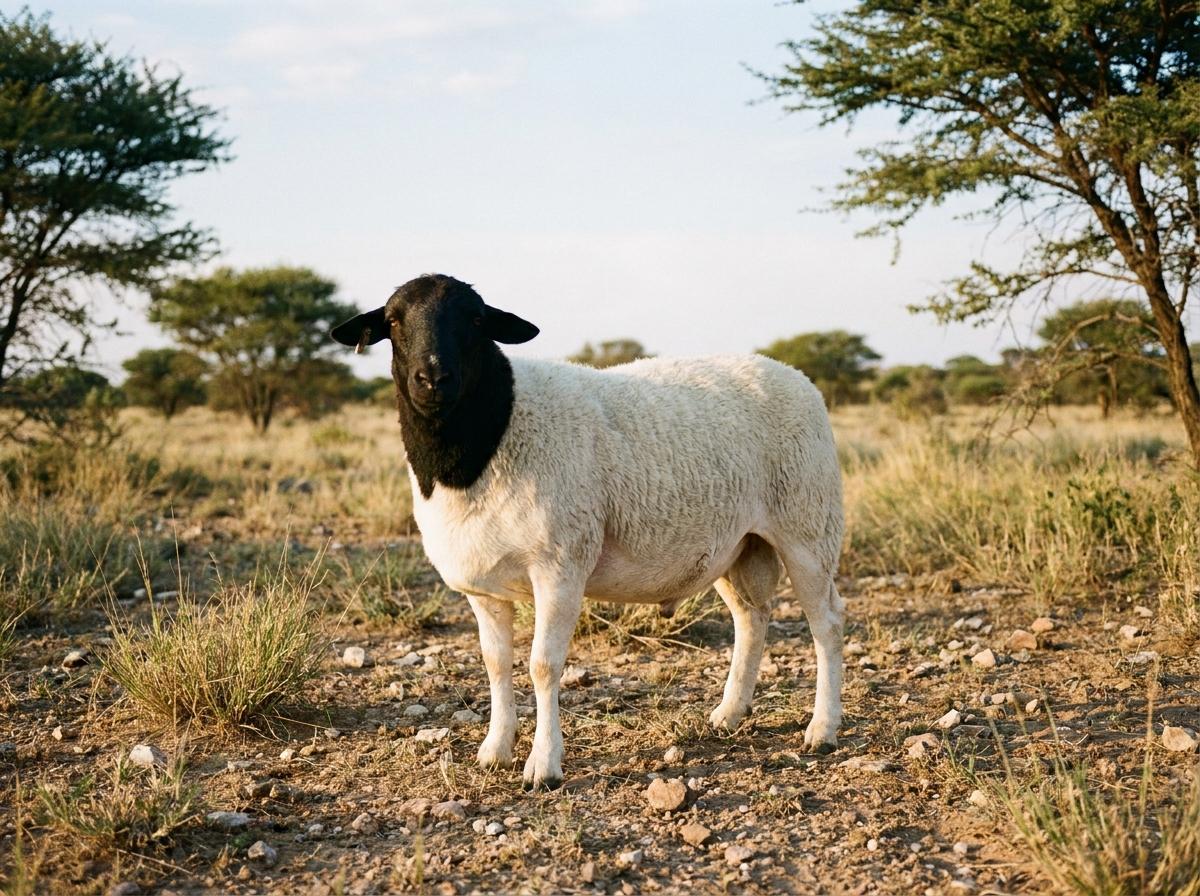
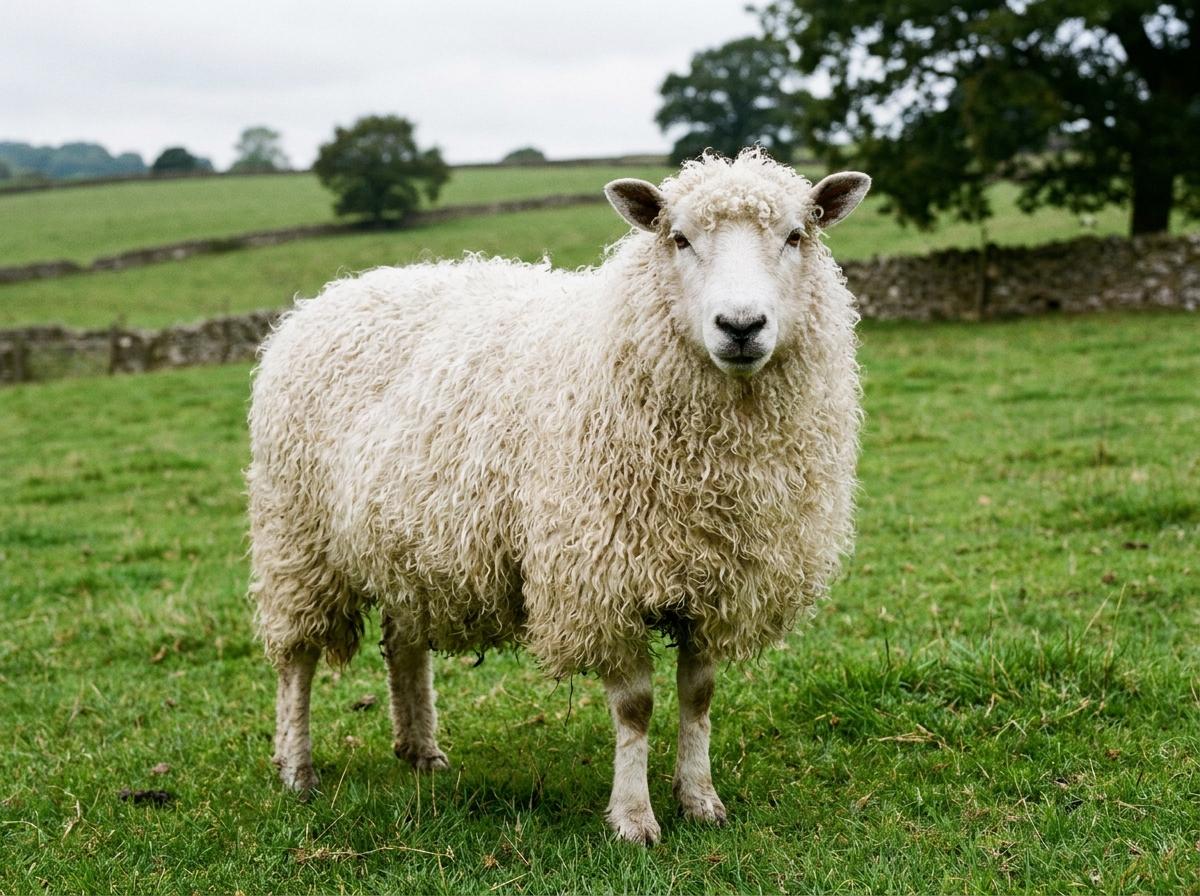
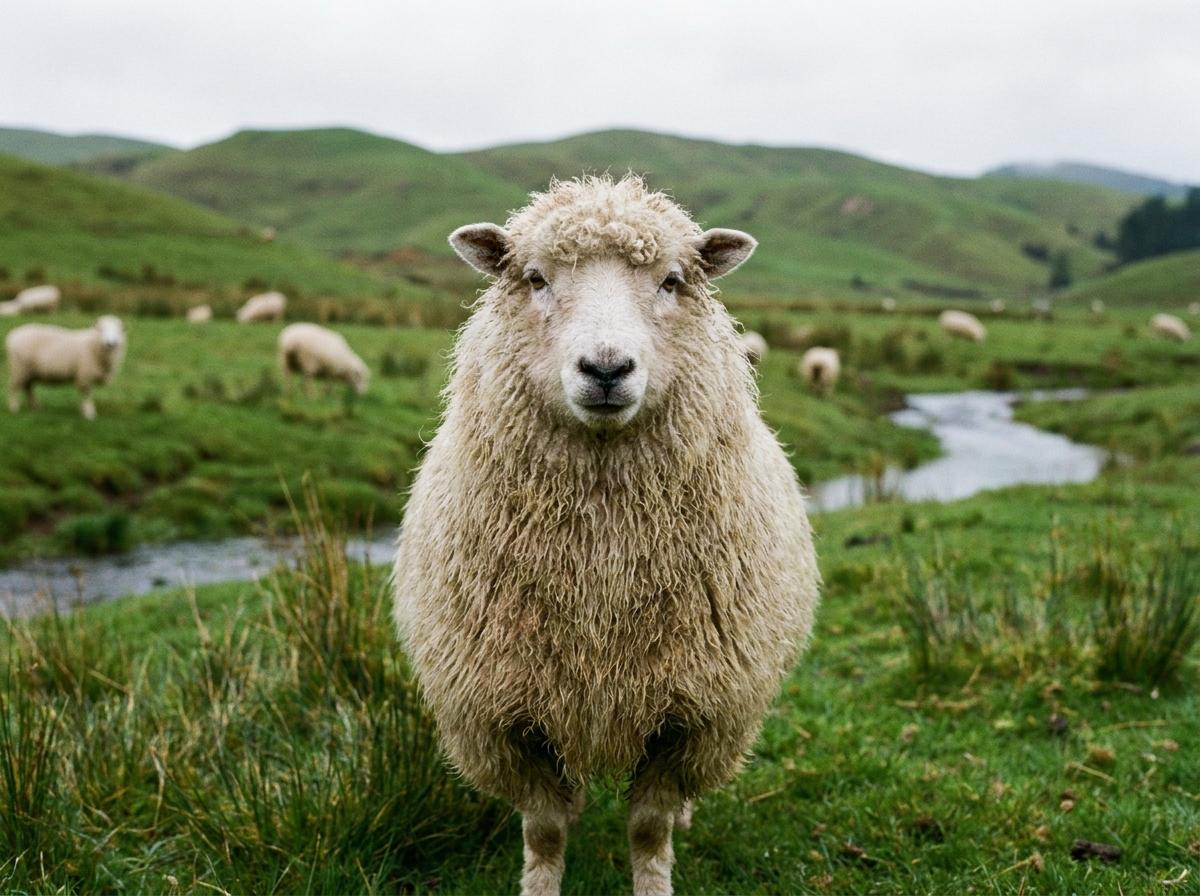
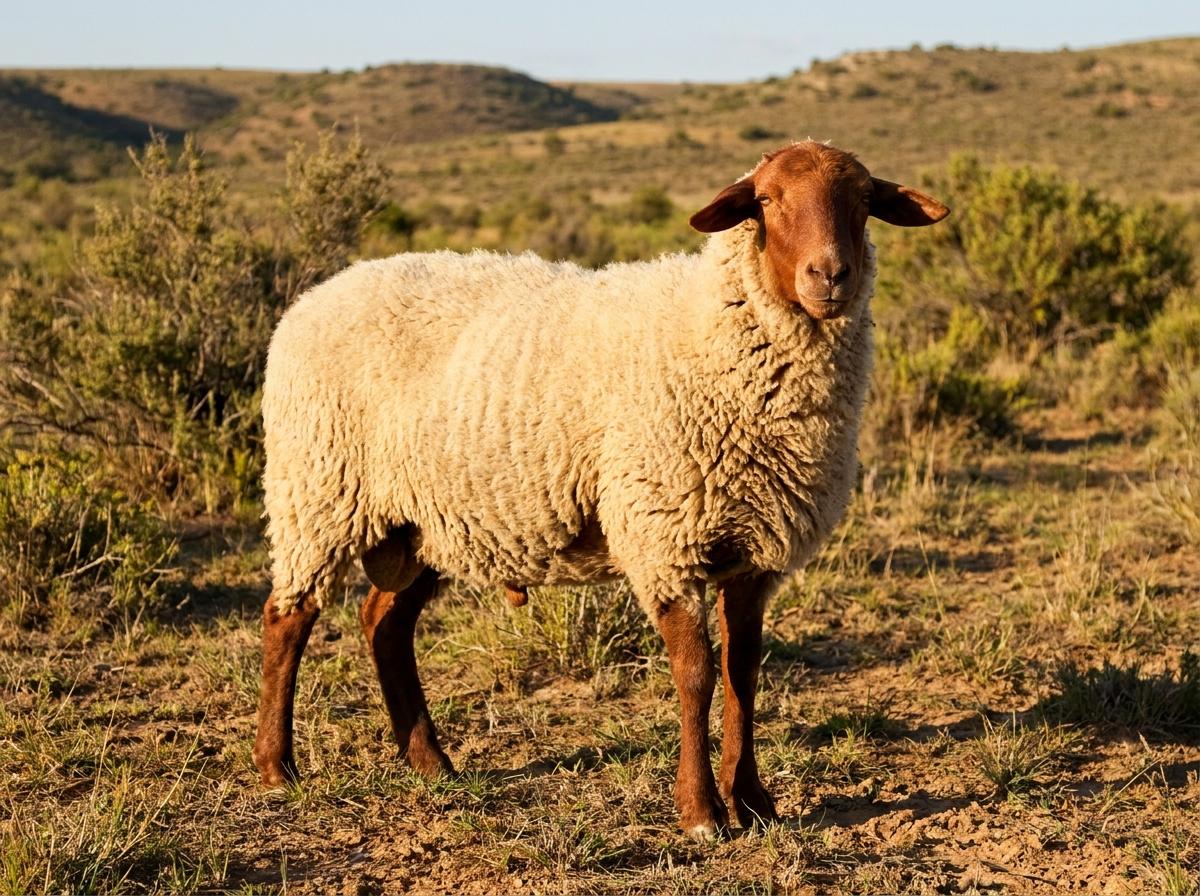
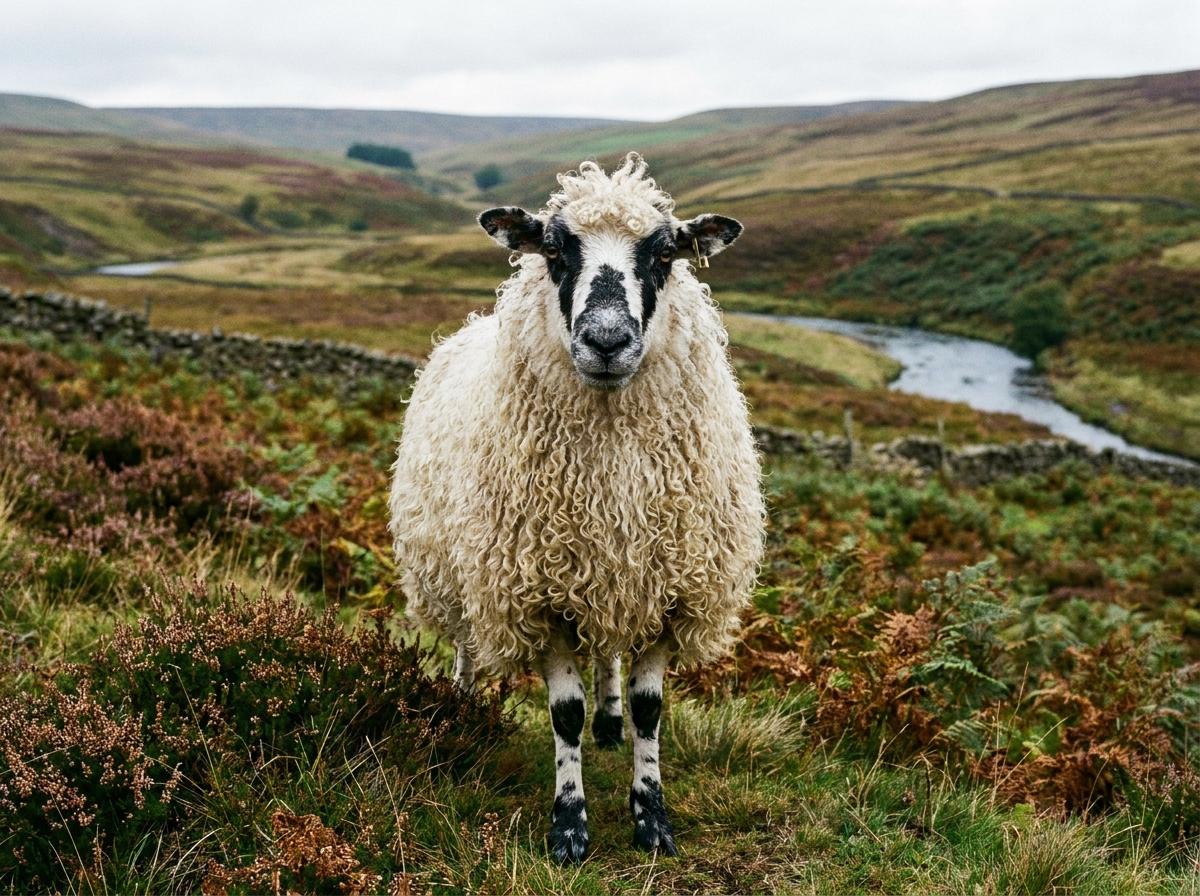
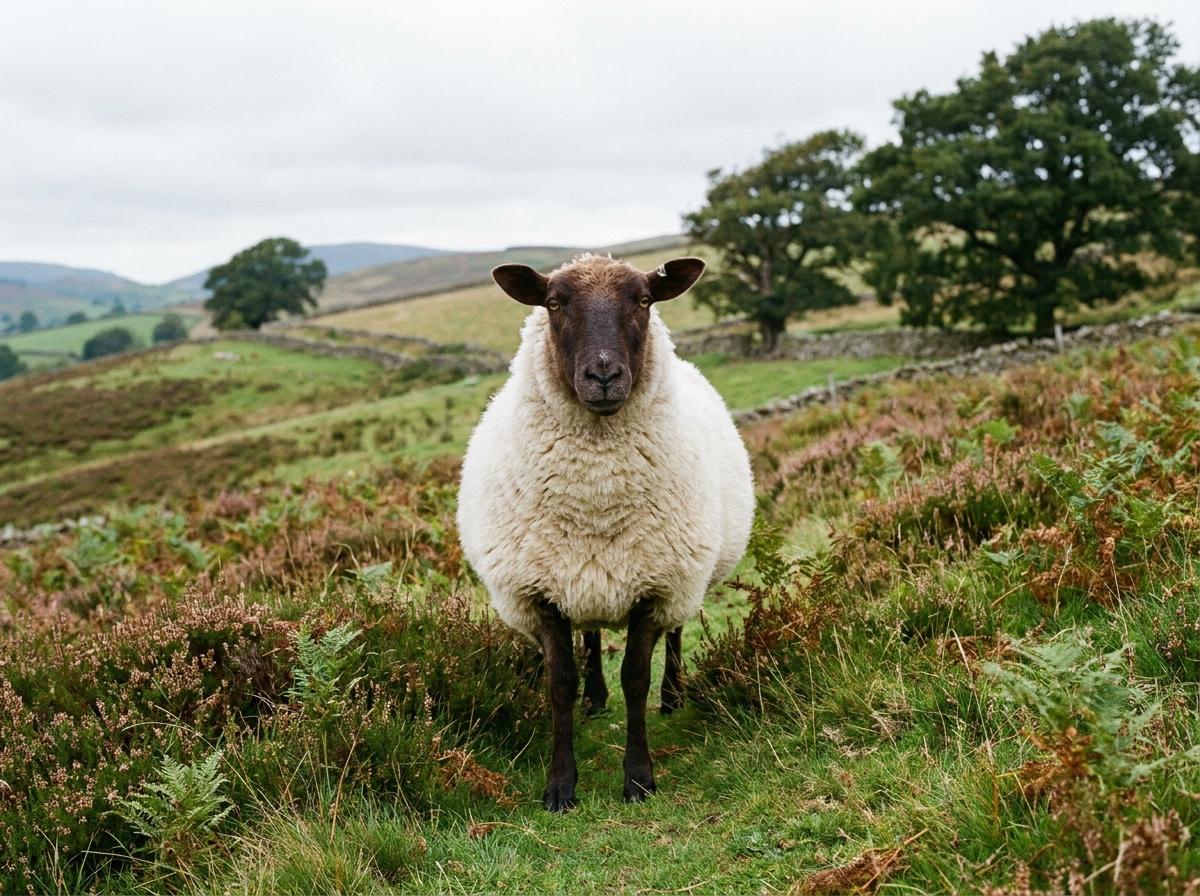
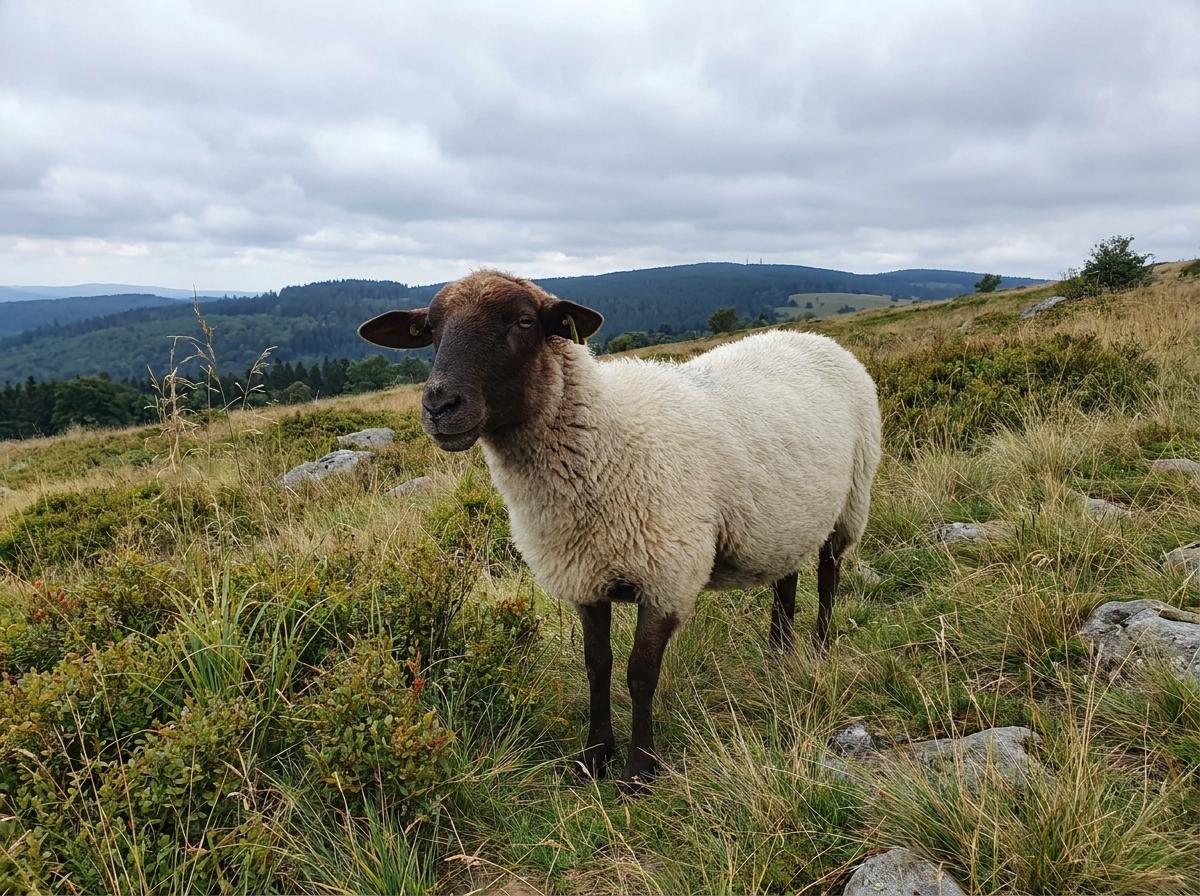
The Rhoen sheep, usually written Rhönschaf in Germany, is an old medium-sized breed from the Rhön uplands where Hesse, Bavaria, and Thuringia meet. It is easy to recognize: a clean black or dark head, mostly white fleece, and a plain, hornless frame built for walking rough grassland. The breed was kept historically for meat, wool, and manure on small farms, then declined as specialized meat sheep spread. Conservation grazing in the Rhön Biosphere Reserve helped bring it back to wider notice.
Modern flocks are most often managed as hardy pasture sheep for lamb, landscape maintenance, and breed conservation rather than intensive wool production. They suit extensive systems with varied forage, but winter hay, minerals, shearing, parasite control, and foot checks are still normal flock work. Breeders selecting Rhoen sheep usually pay close attention to the black-headed type, sound legs, maternal ability, and avoidance of close inbreeding, since the breed remains regionally important but not abundant outside central Europe.
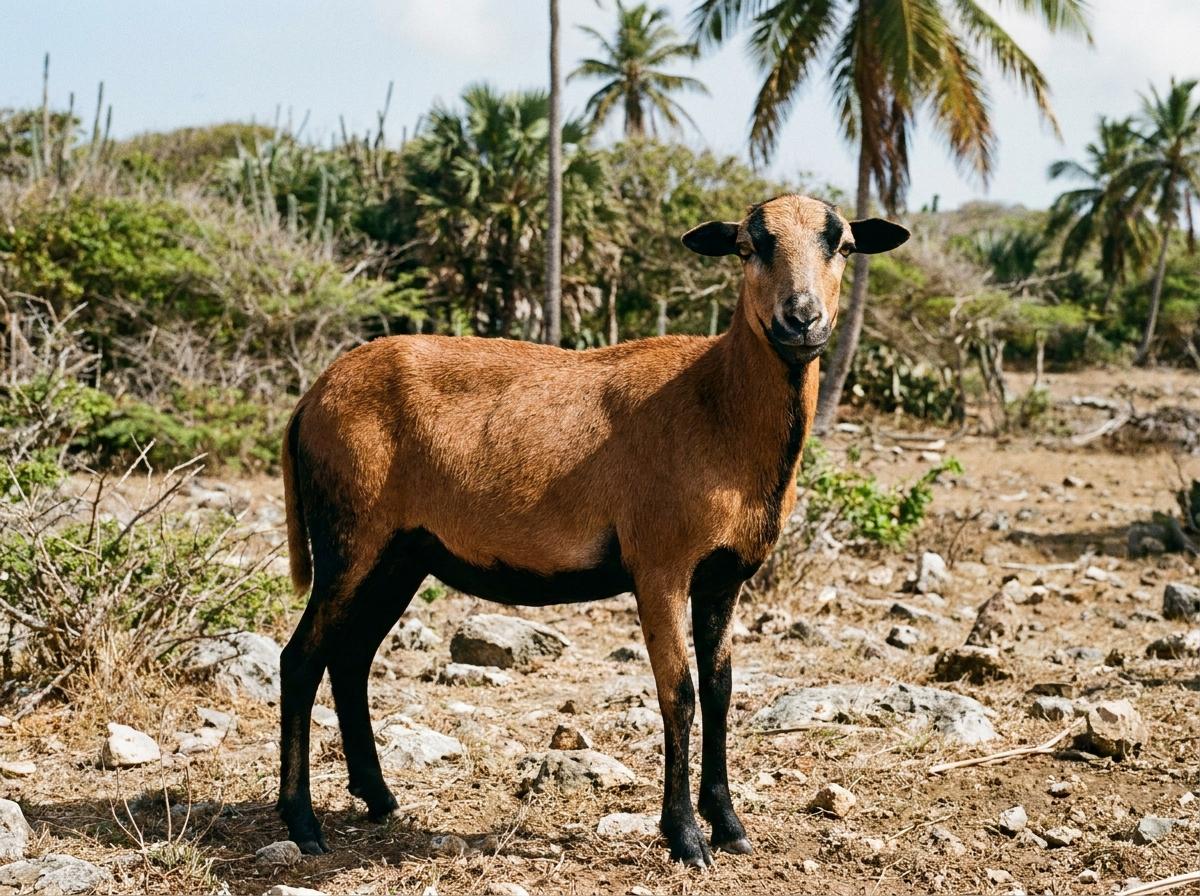
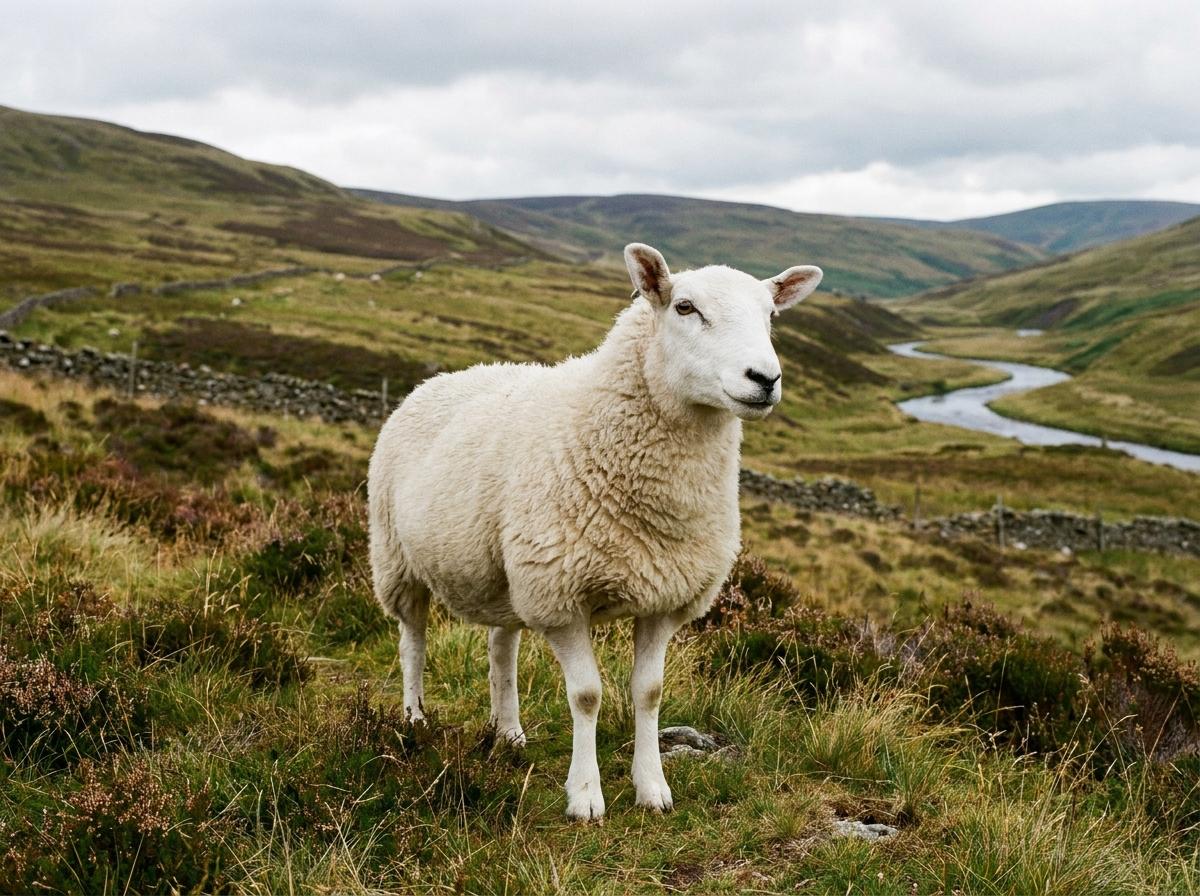
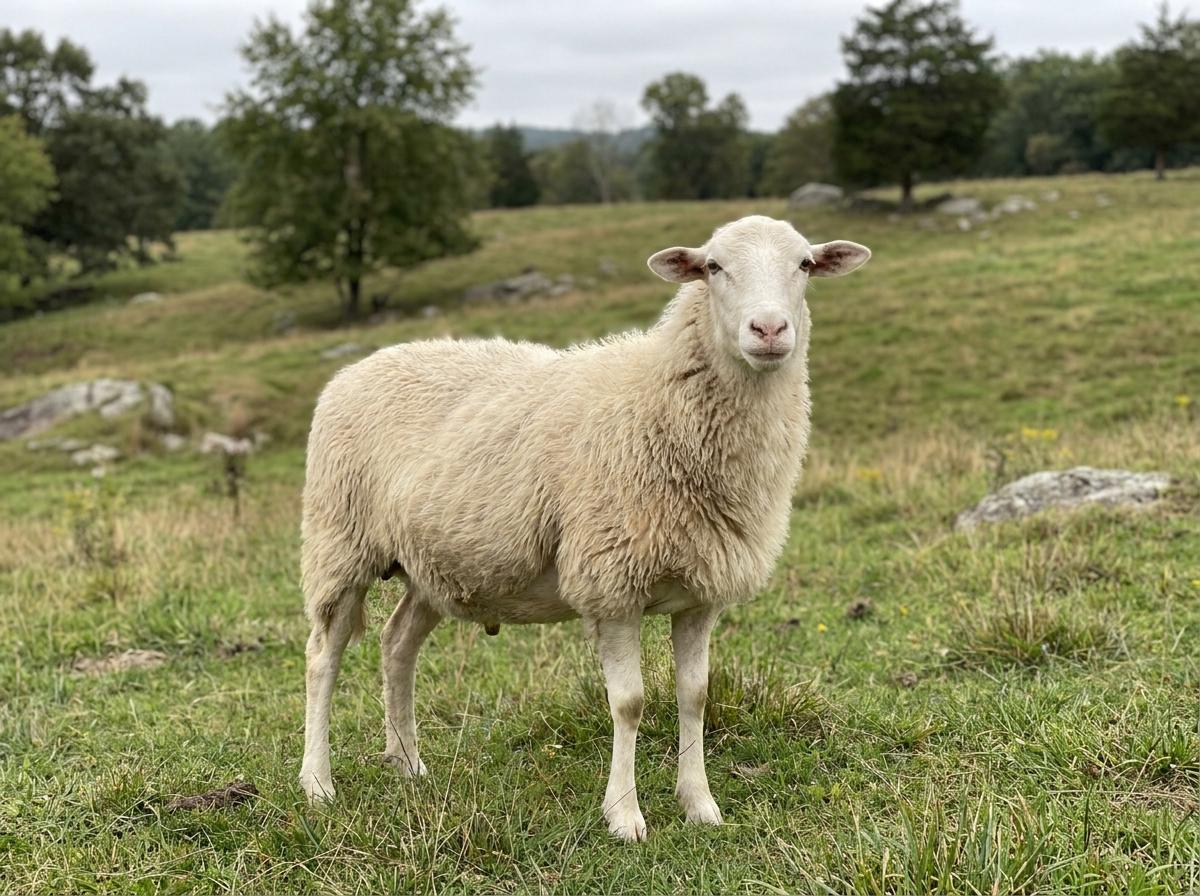
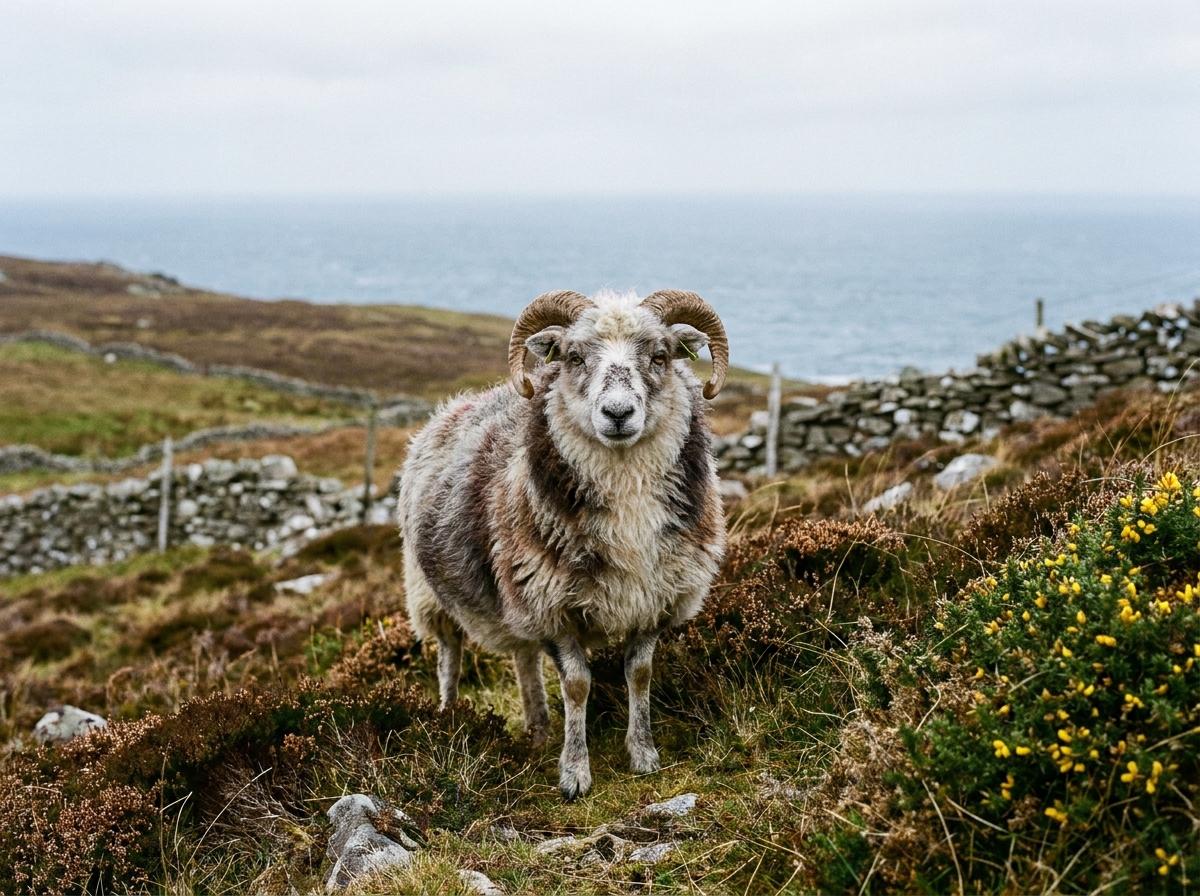
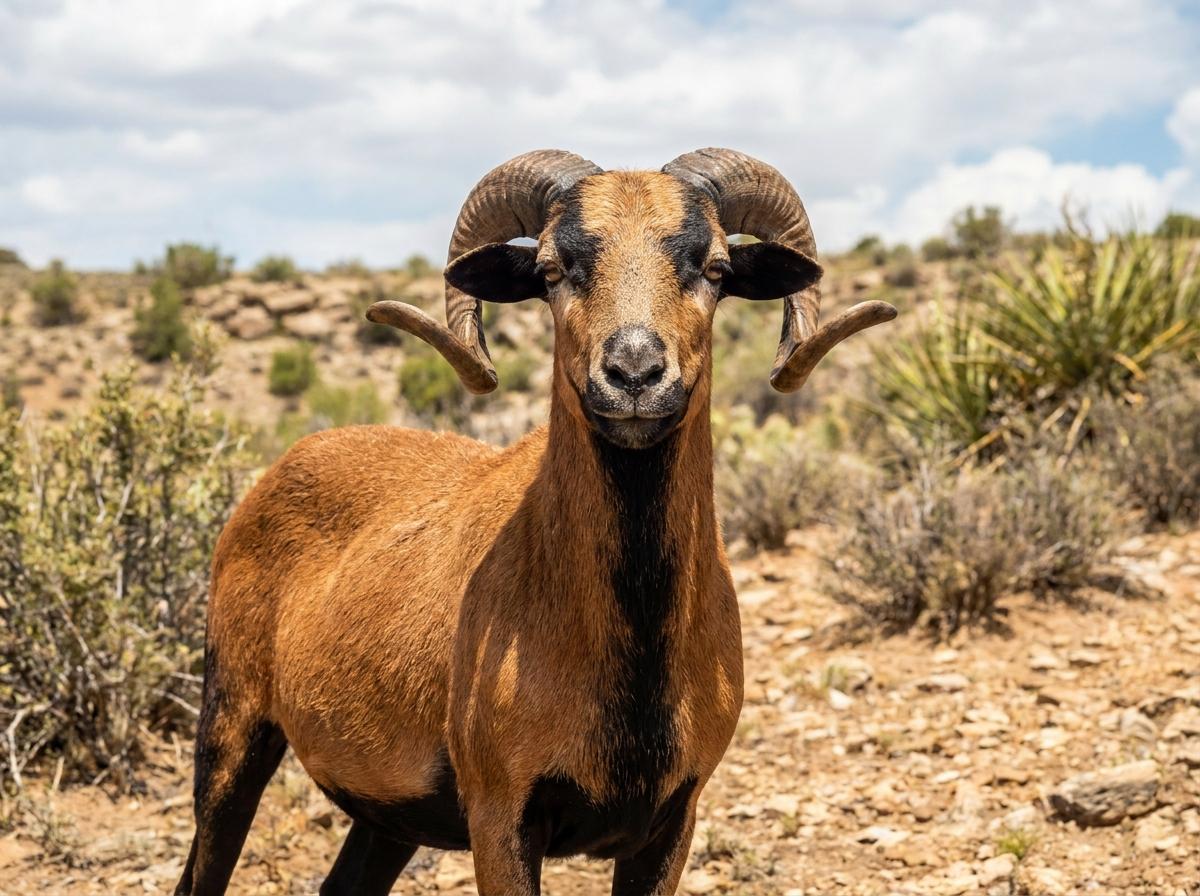
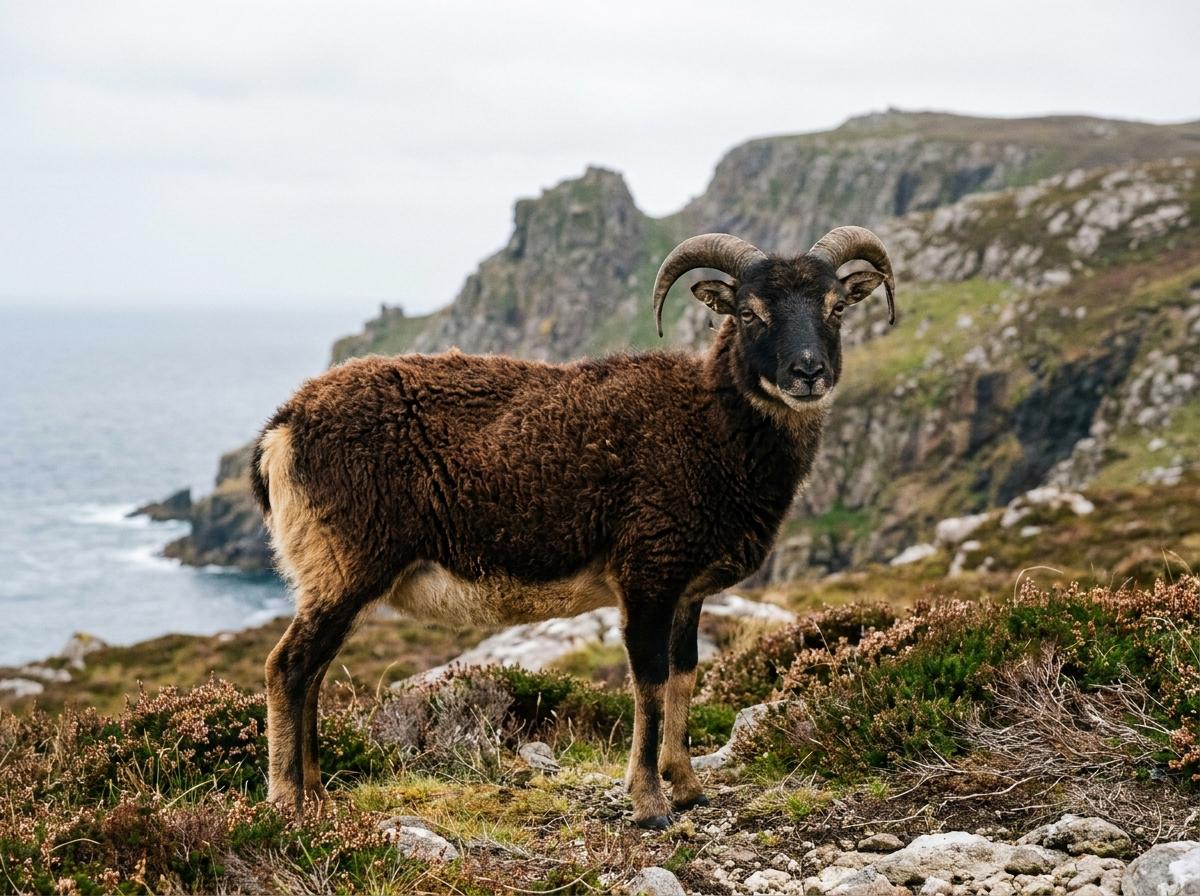
Colors: Badgerface, Black, Blackbelly, Broken, Brown, Gray, Grey, Gulmoget, Katmoget, Moorit, Piebald, Red, Roan, Silver, Solid, Spotted, Tan, White, White with Black Points, White with Brown Points