

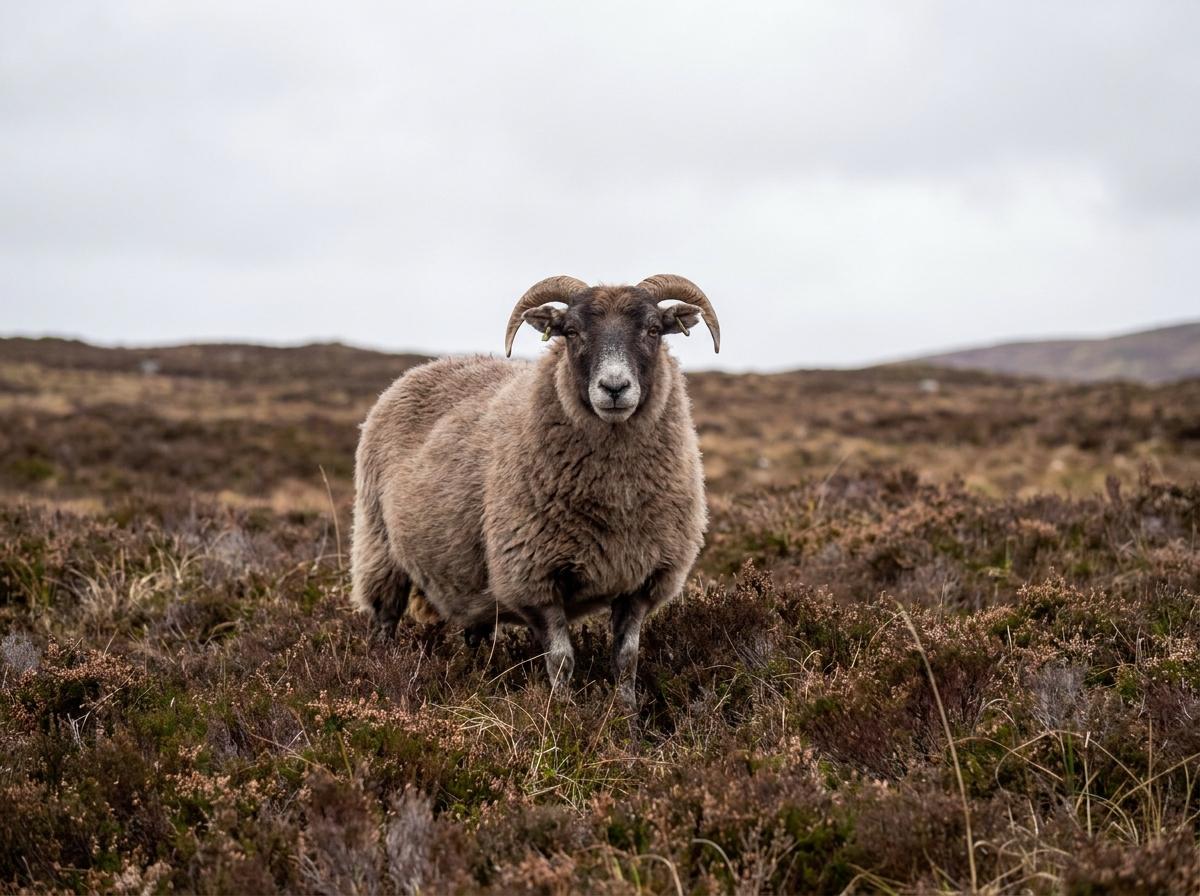
Scottish Dunface
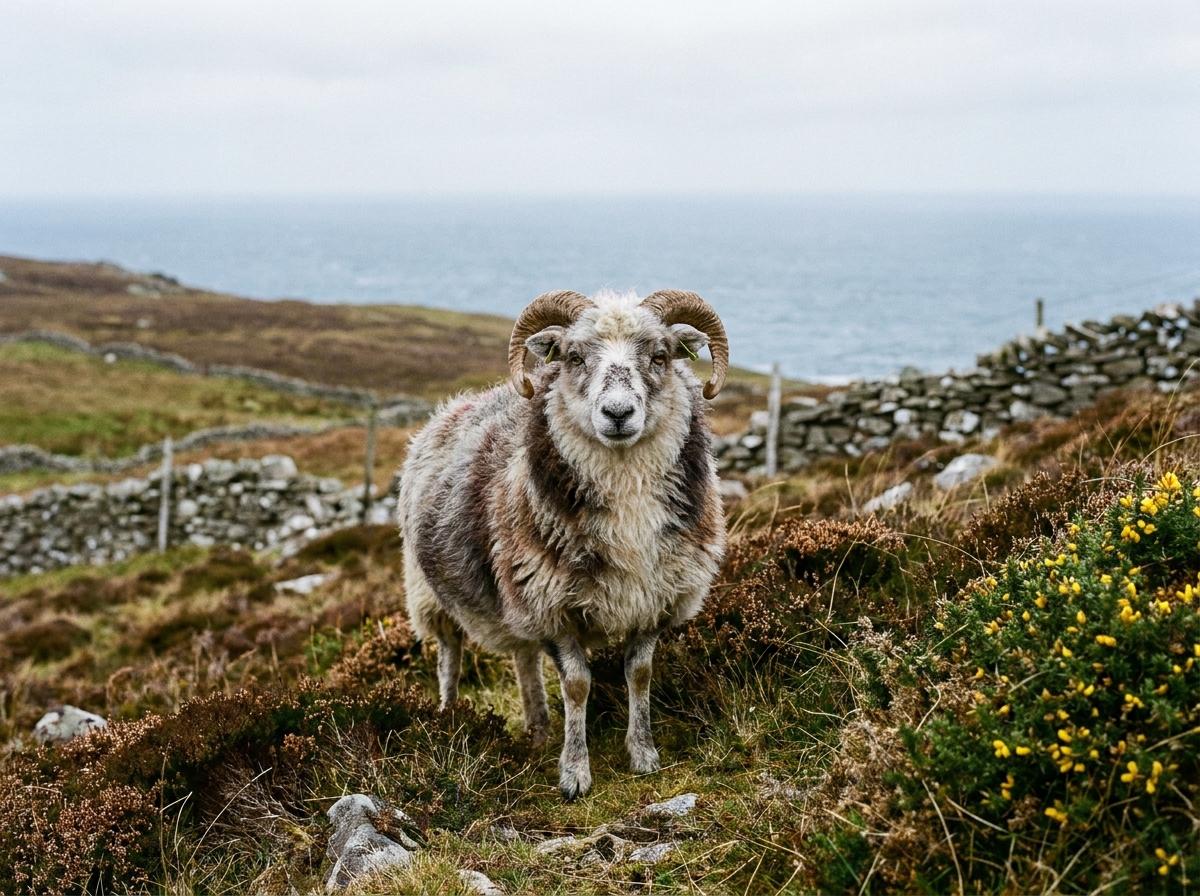
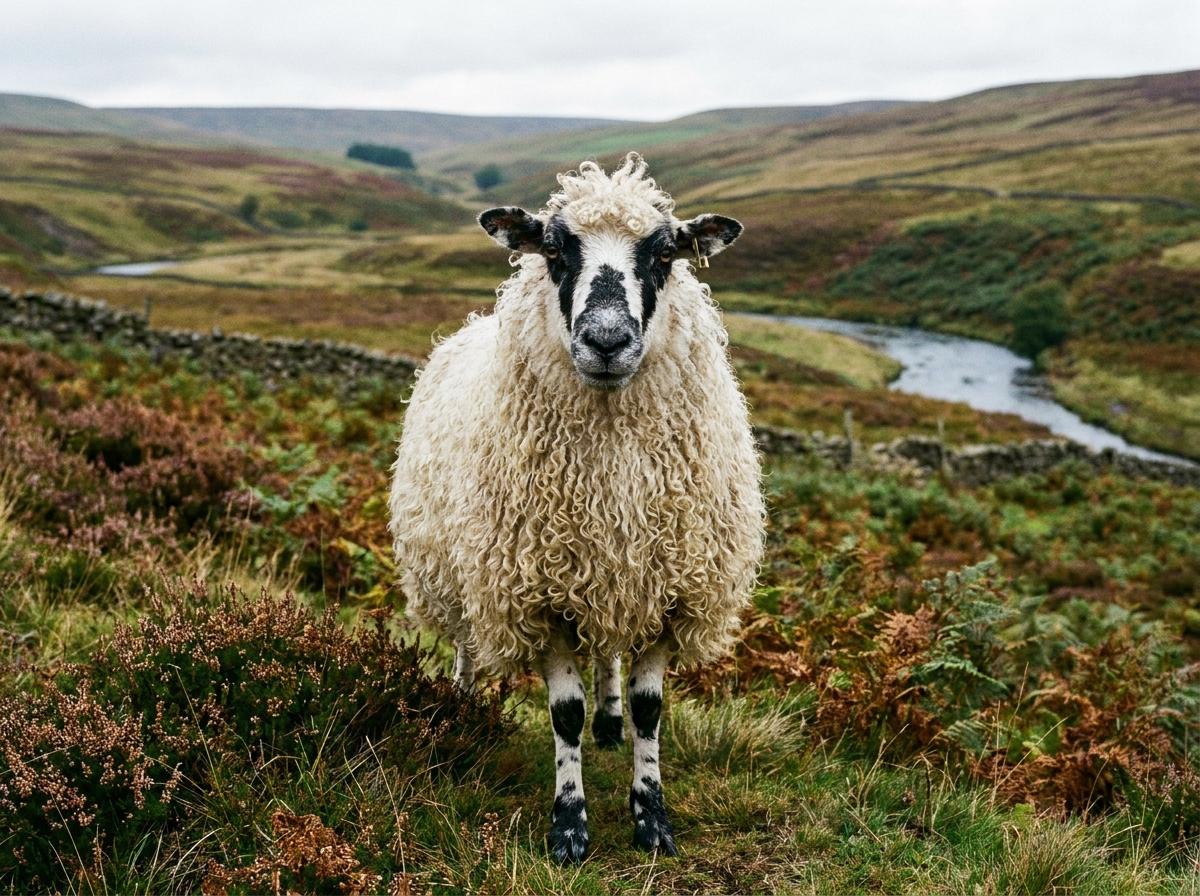
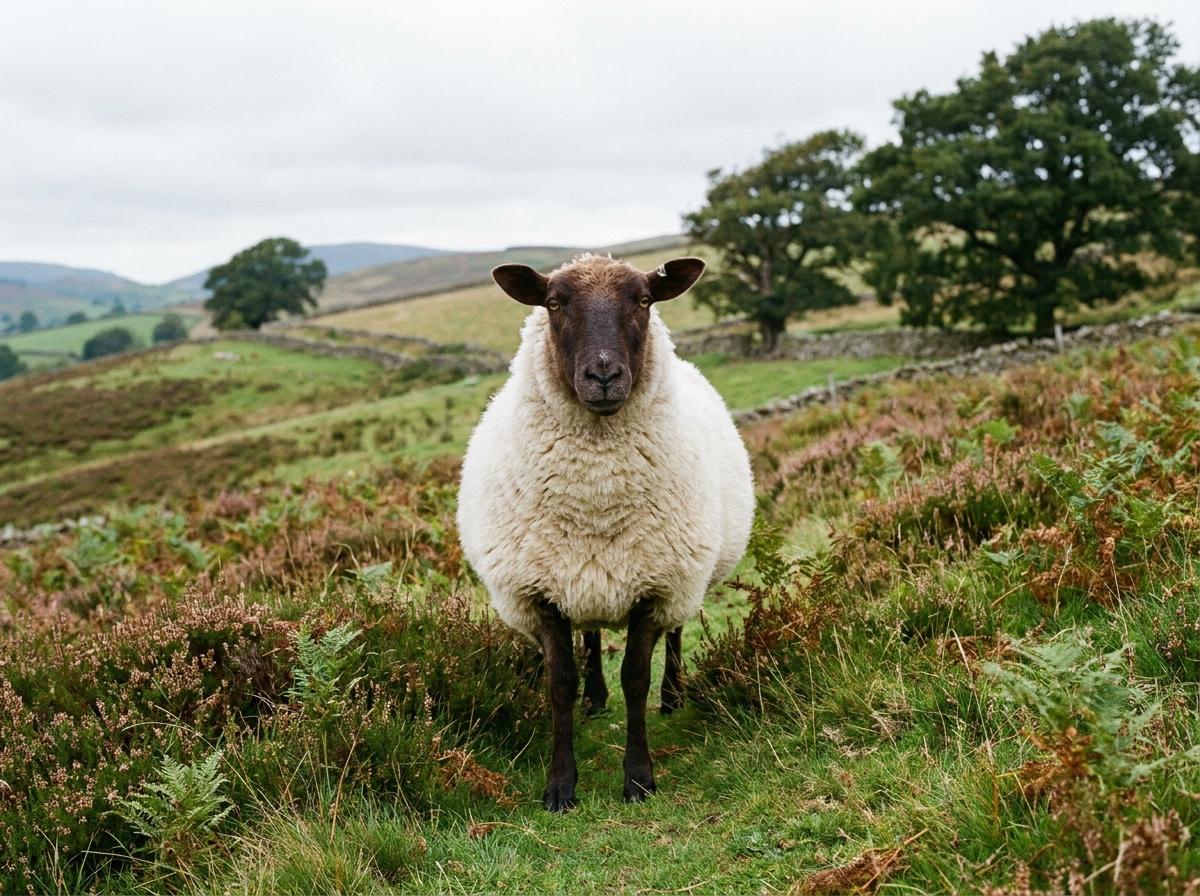
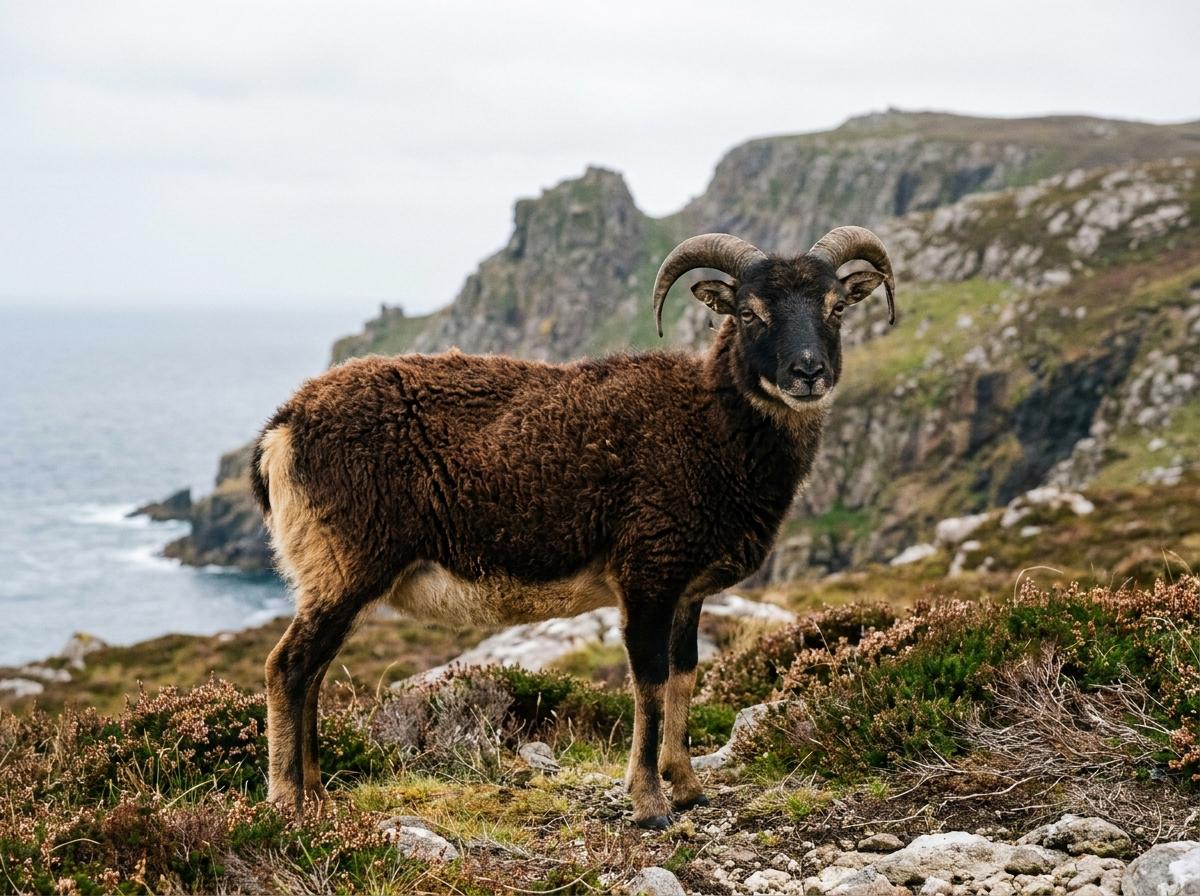
Scottish Dunface is a historical sheep type rather than a common modern commercial breed. It refers to the older dun-faced, short-tailed sheep once kept across parts of Scotland before being largely replaced by breeds such as the Scottish Blackface and Cheviot. Descendant or related island and northern sheep, including Boreray, Hebridean, Shetland, and other primitive types, help preserve pieces of that older genetic story.
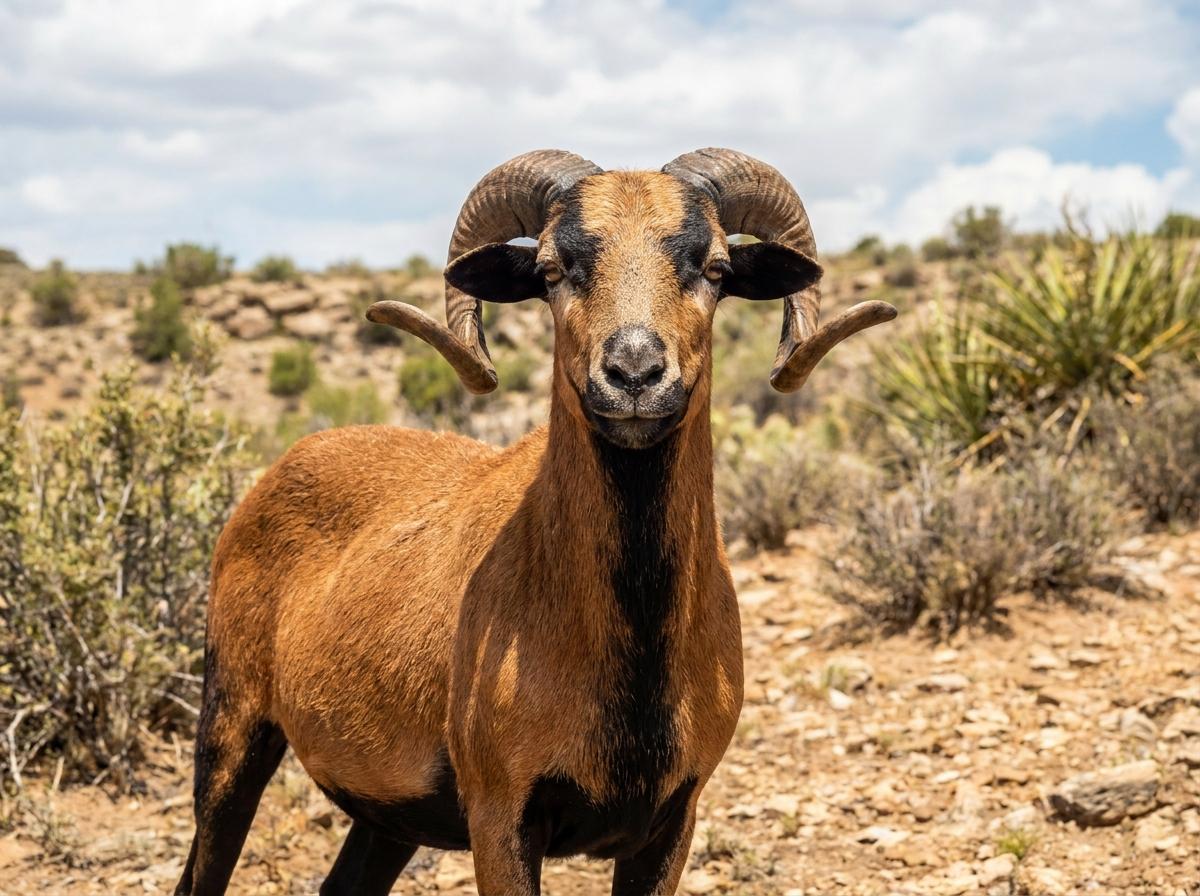
The name is most useful in conservation, history, and breed-background discussions. Anyone seeking living Scottish Dunface sheep should clarify whether they mean a reconstructed line, a descendant population, or a historical reference. Practical stewardship focuses on preserving rare northern traits: hardiness, small size, colored fleece, horns in some lines, easy lambing, and ability to use sparse grazing. Because the original type is not maintained like a mainstream registry breed, claims need careful source records. The value of the label is in tracing heritage without pretending that a vanished population is still unchanged.
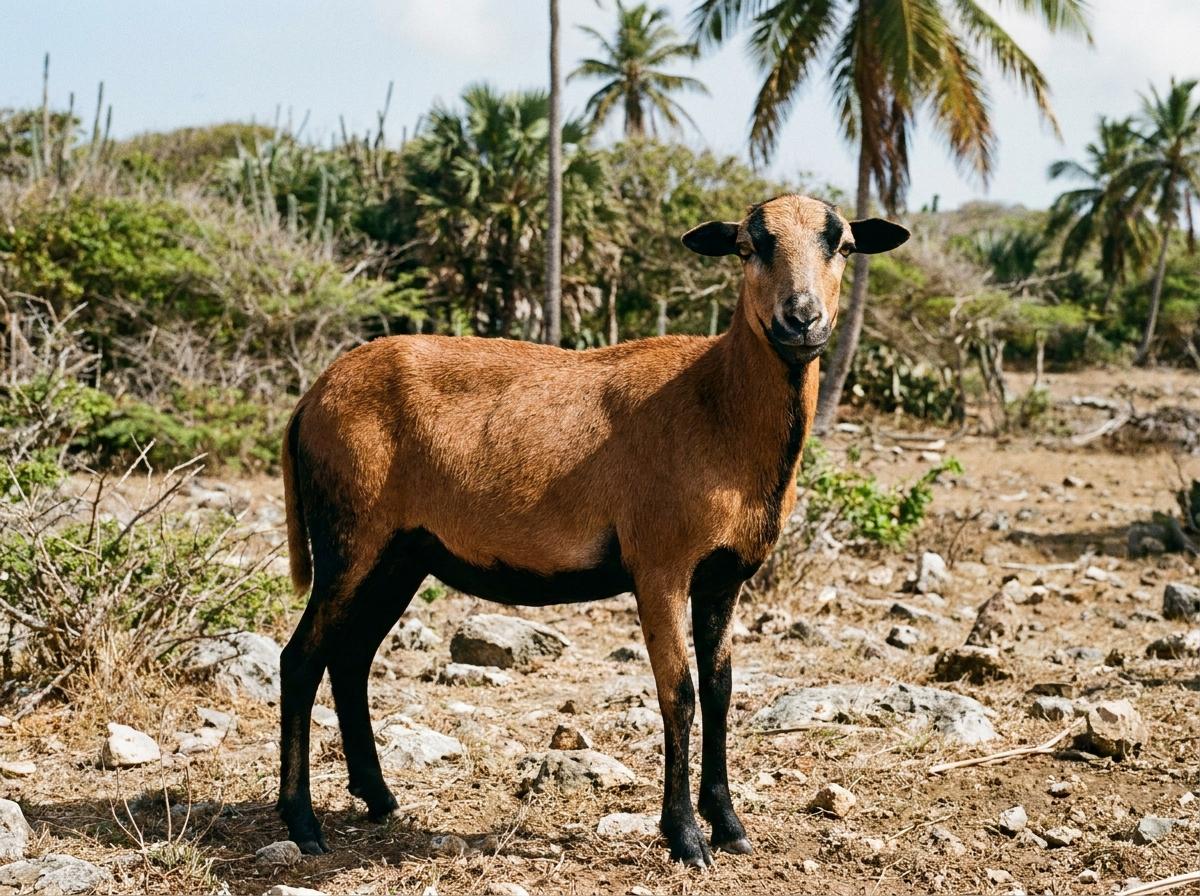
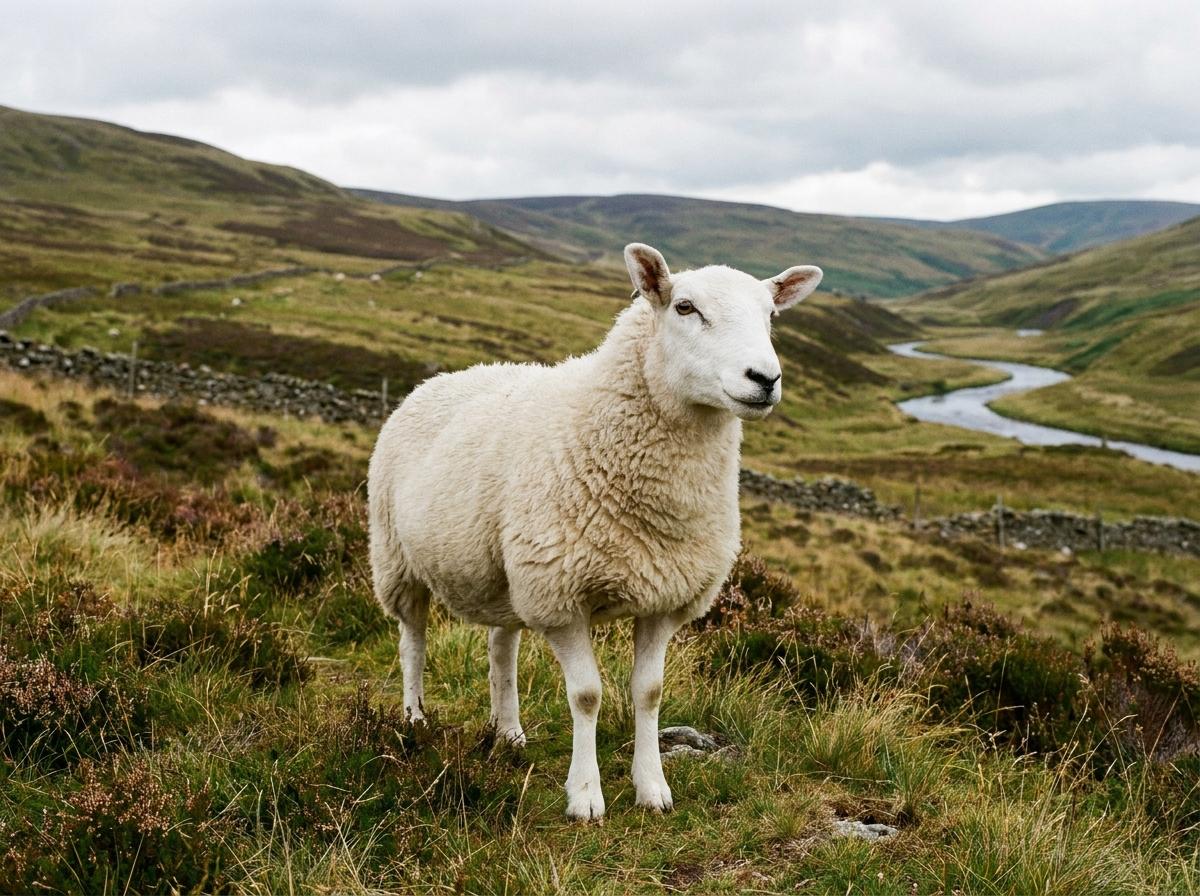
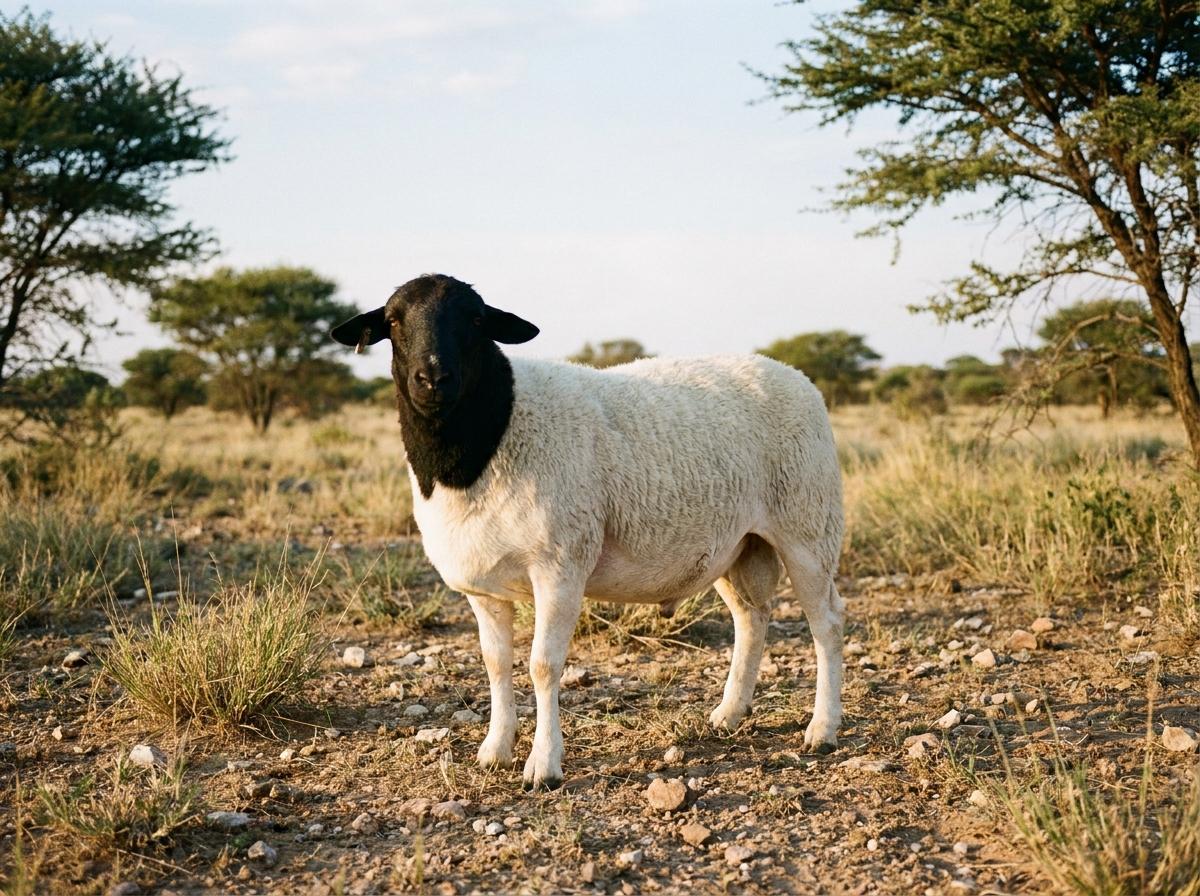
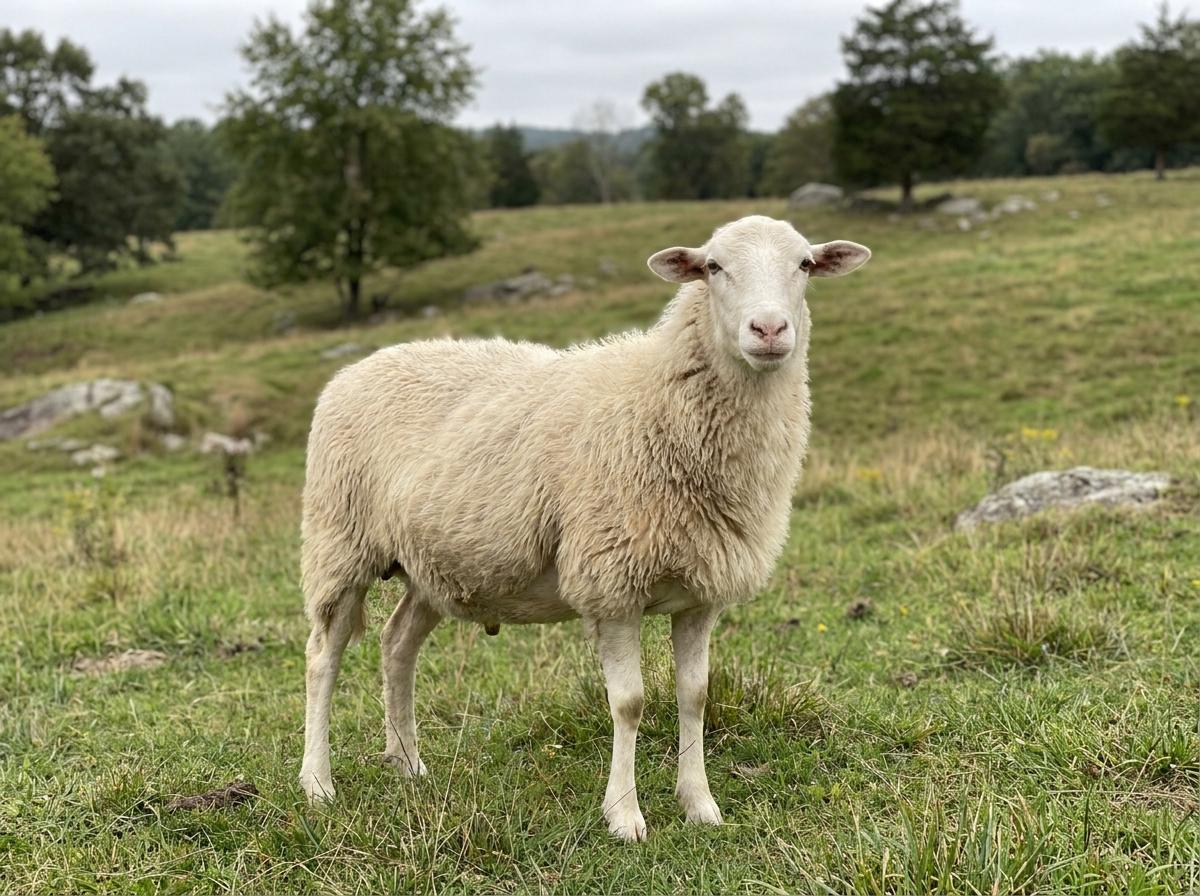
Colors: Badgerface, Black, Blackbelly, Broken, Brown, Gray, Grey, Gulmoget, Katmoget, Moorit, Piebald, Red, Roan, Silver, Solid, Spotted, Tan, White, White with Black Points, White with Brown Points