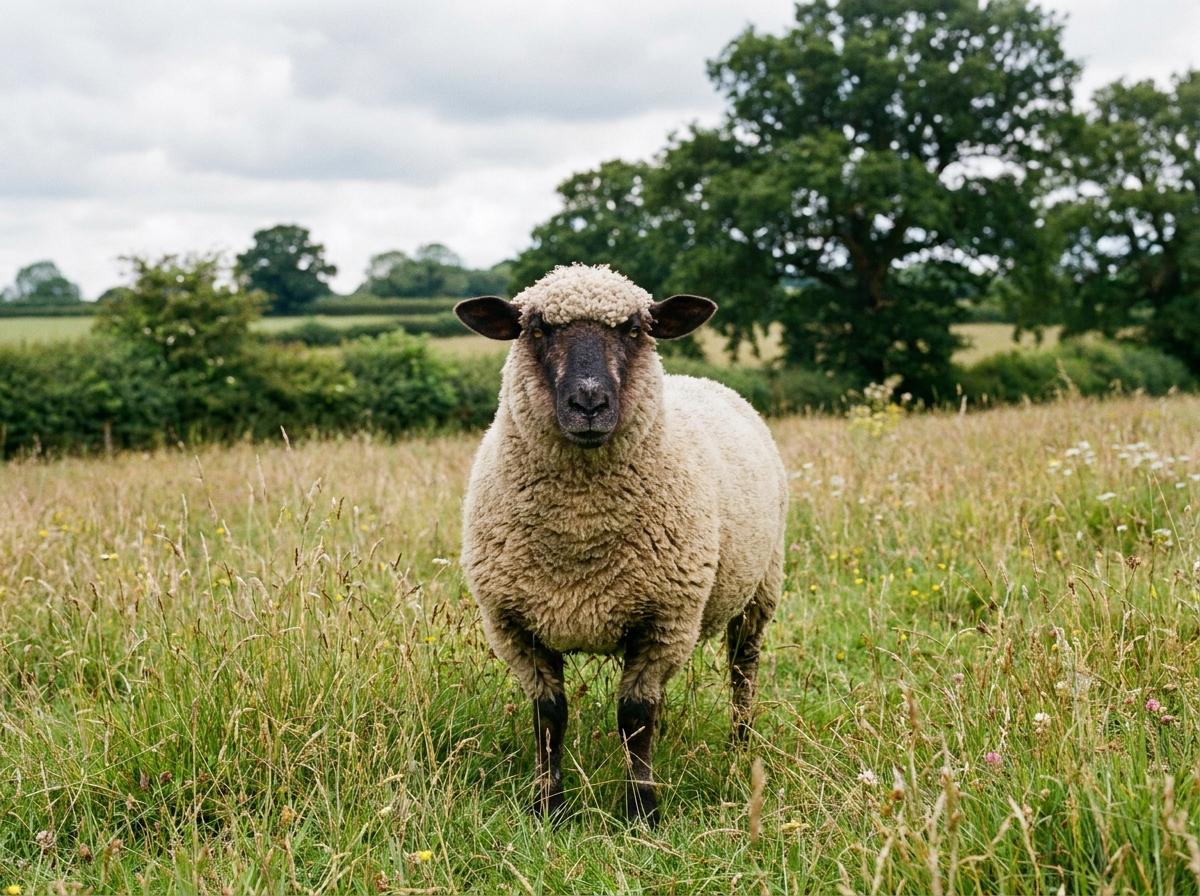
Shropshire
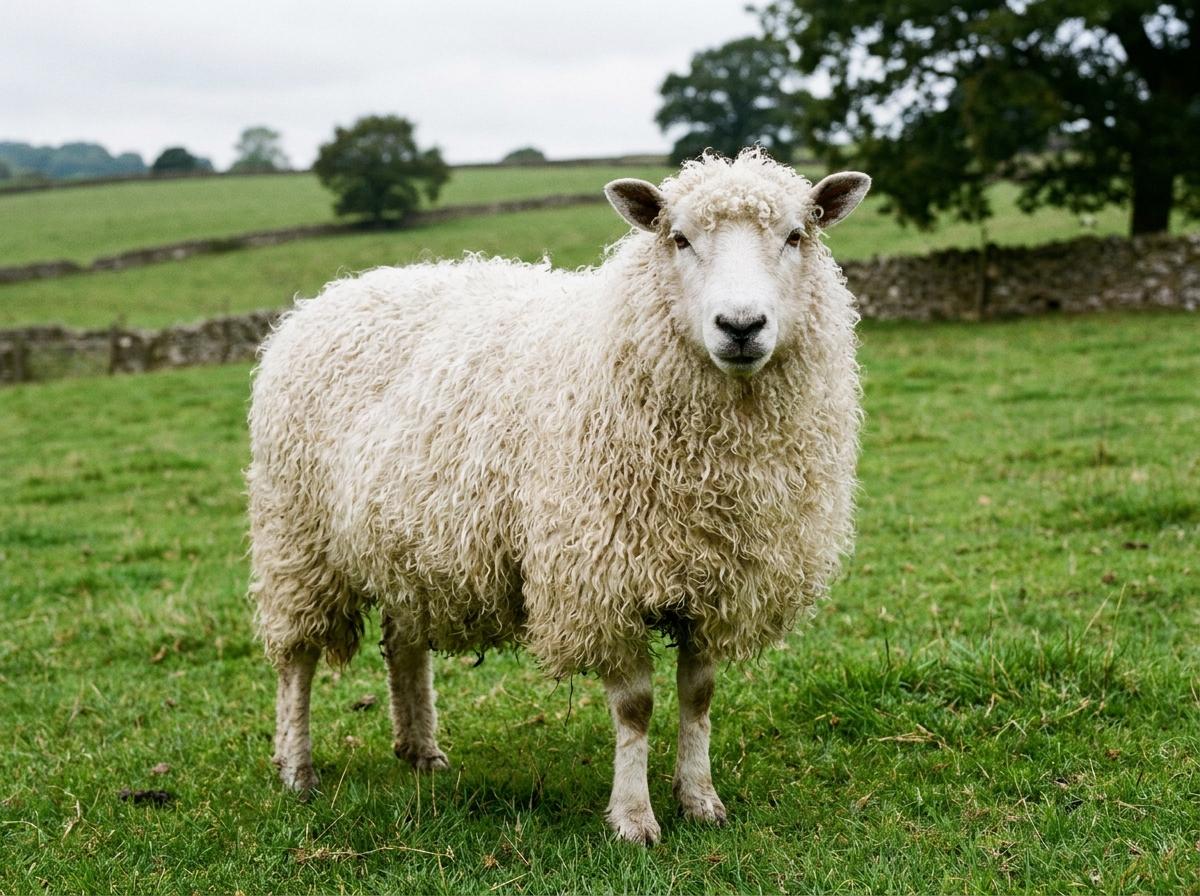
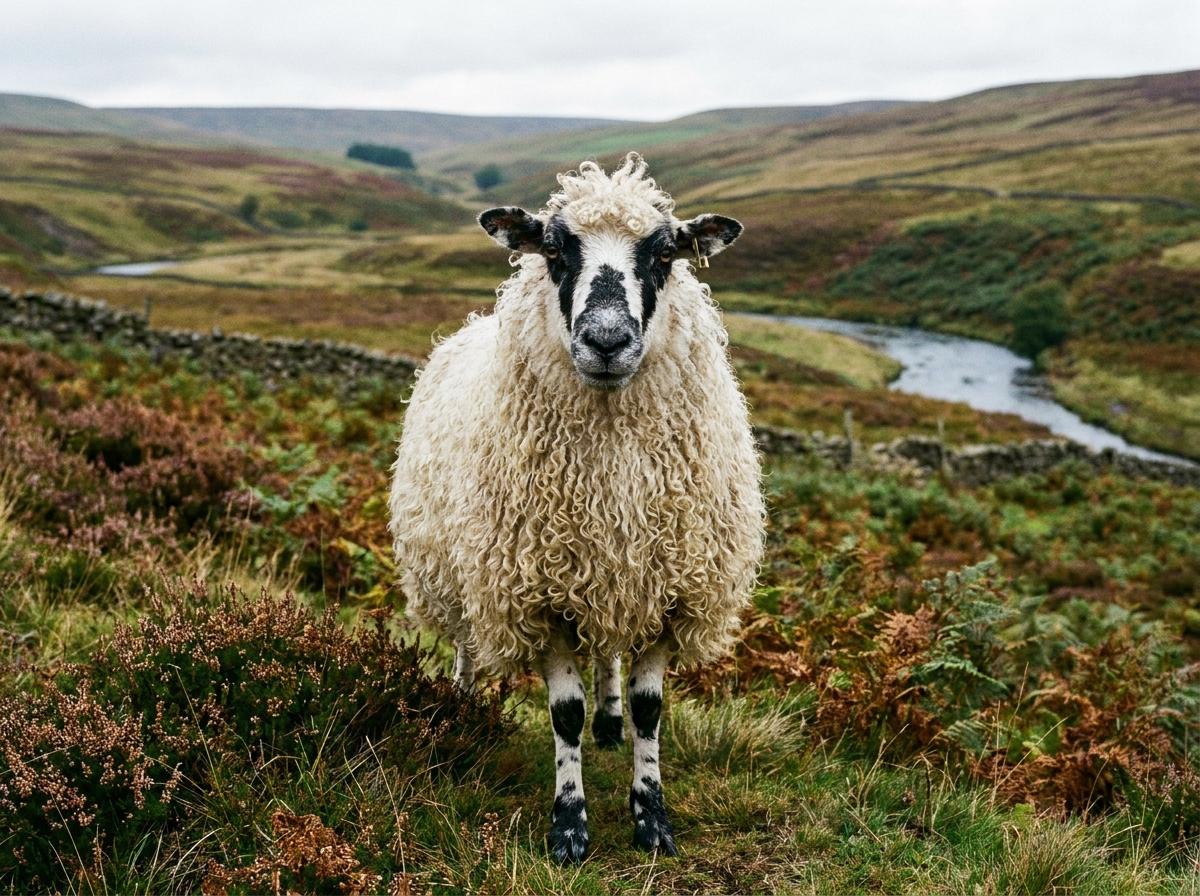
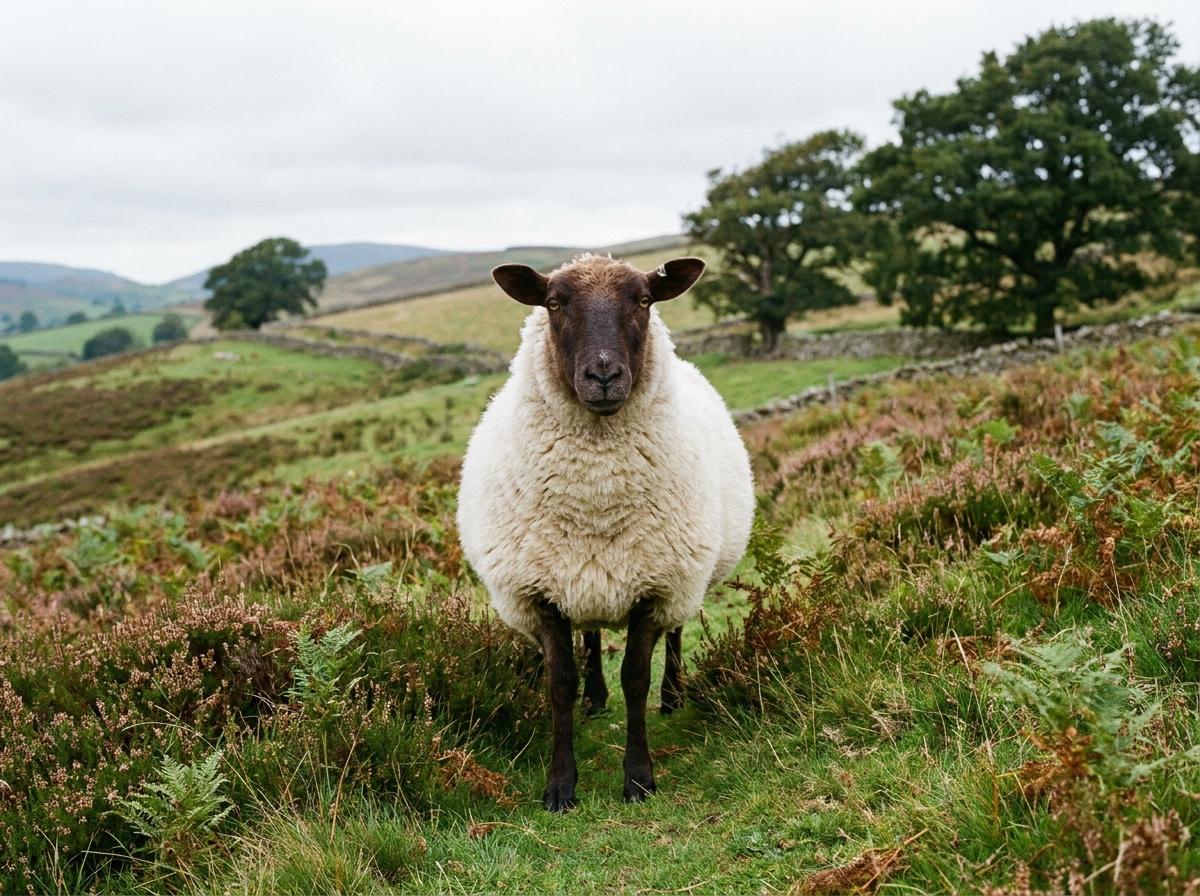
Shropshire sheep are a British Down breed developed in the nineteenth century from flocks around Shropshire and neighboring counties. They have a dense white fleece, dark face and legs, and a polled head, with a compact but meaty frame. The breed was once widely exported as a dual-purpose sheep for lamb and wool, and modern lines are still used where a moderate, easy-fleshing ewe is preferred over an extreme terminal sire type. Their close wool cap and dark points make them easy to distinguish from larger white-faced meat breeds.
On farms, Shropshires are valued for grass-based lamb production, manageable size, and calm flock behavior. In parts of Europe they are also used to graze orchards and Christmas tree plantations because selected flocks may be less inclined to strip bark or browse conifers, although stocking rate, forage supply, and training matter. They need the same basics as other medium-wool sheep: annual shearing, foot checks, parasite monitoring, and enough feed around lambing. Buyers interested in tree-grazing lines should ask for experience in that setting rather than relying on the breed name alone.
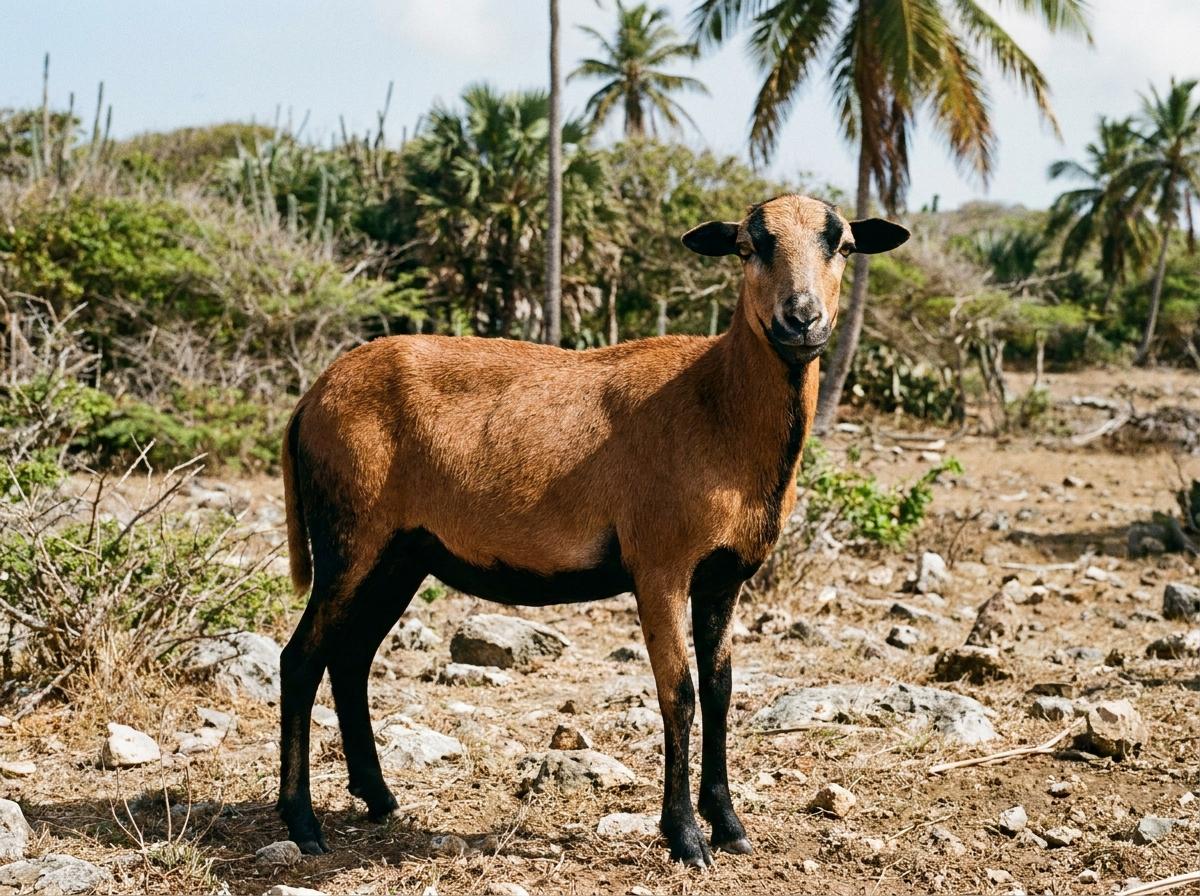
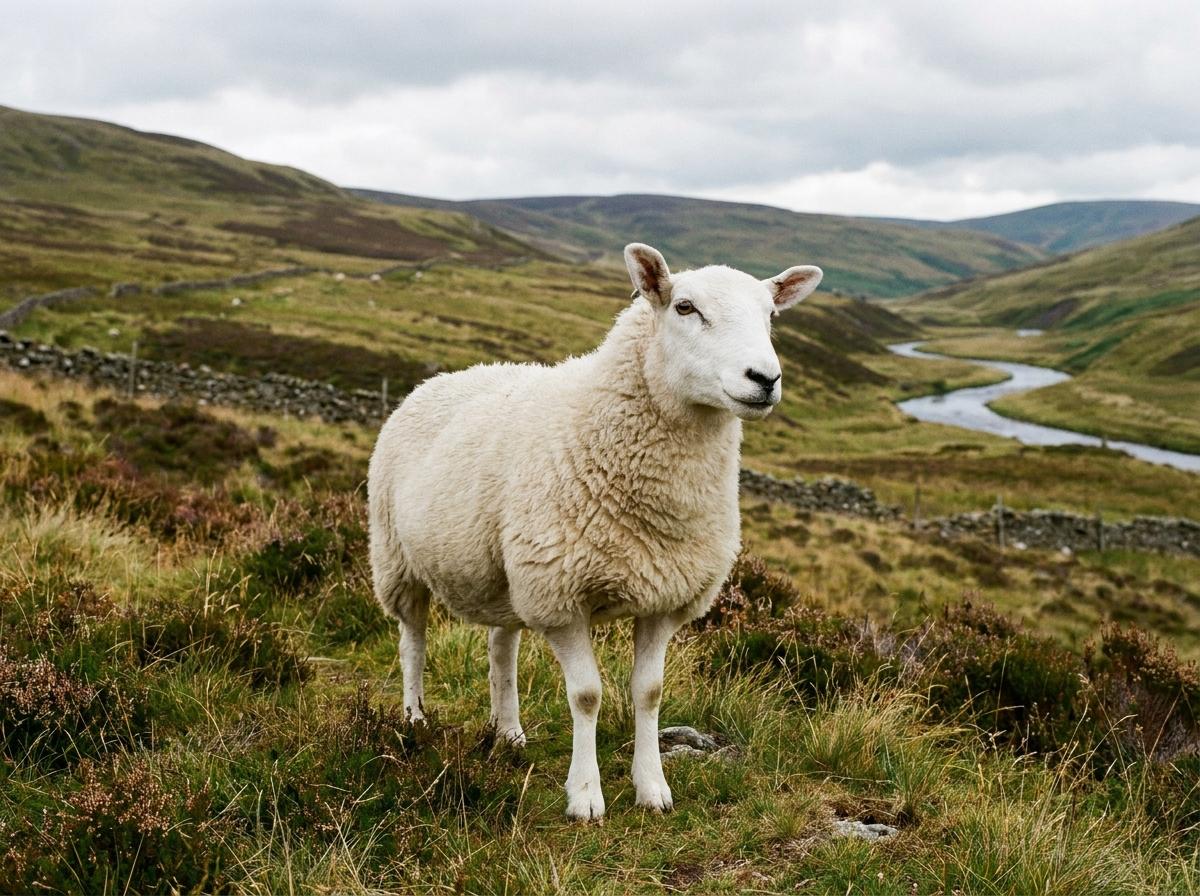
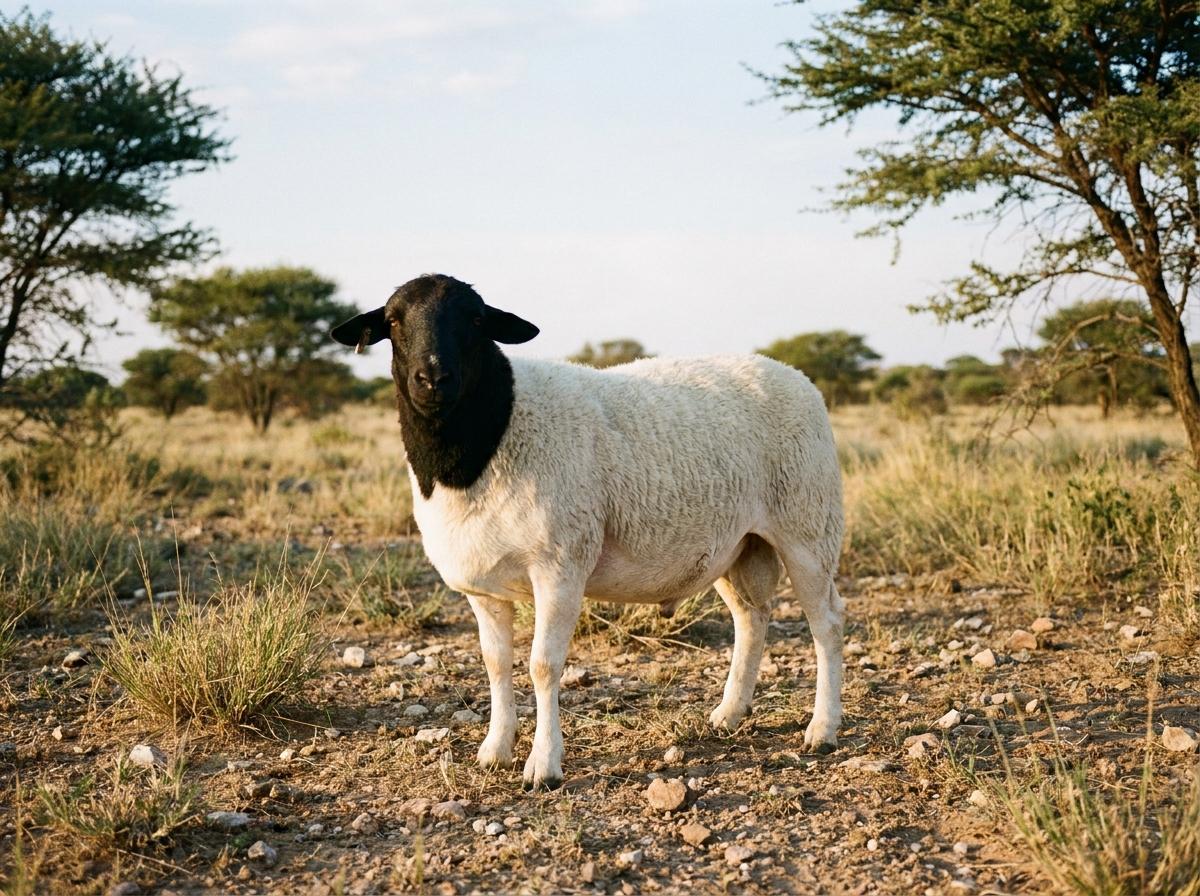
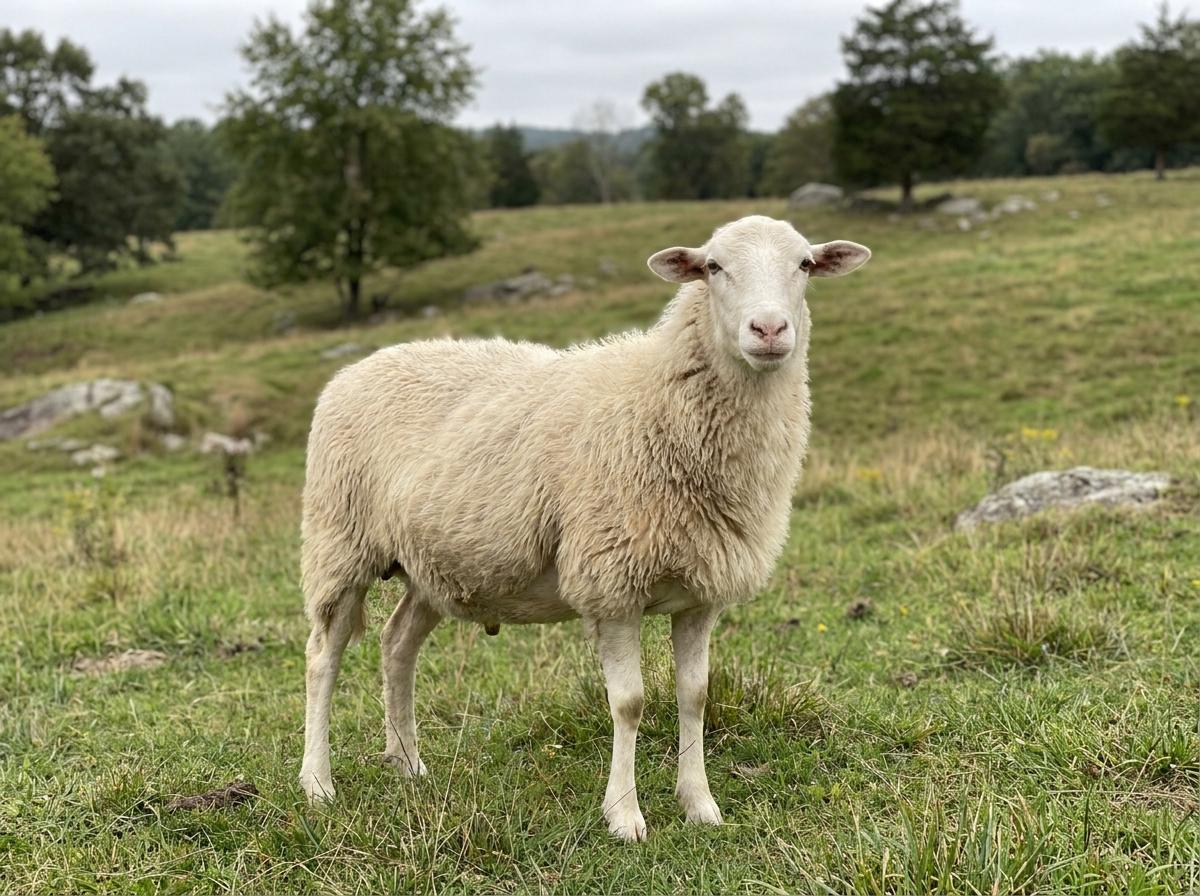
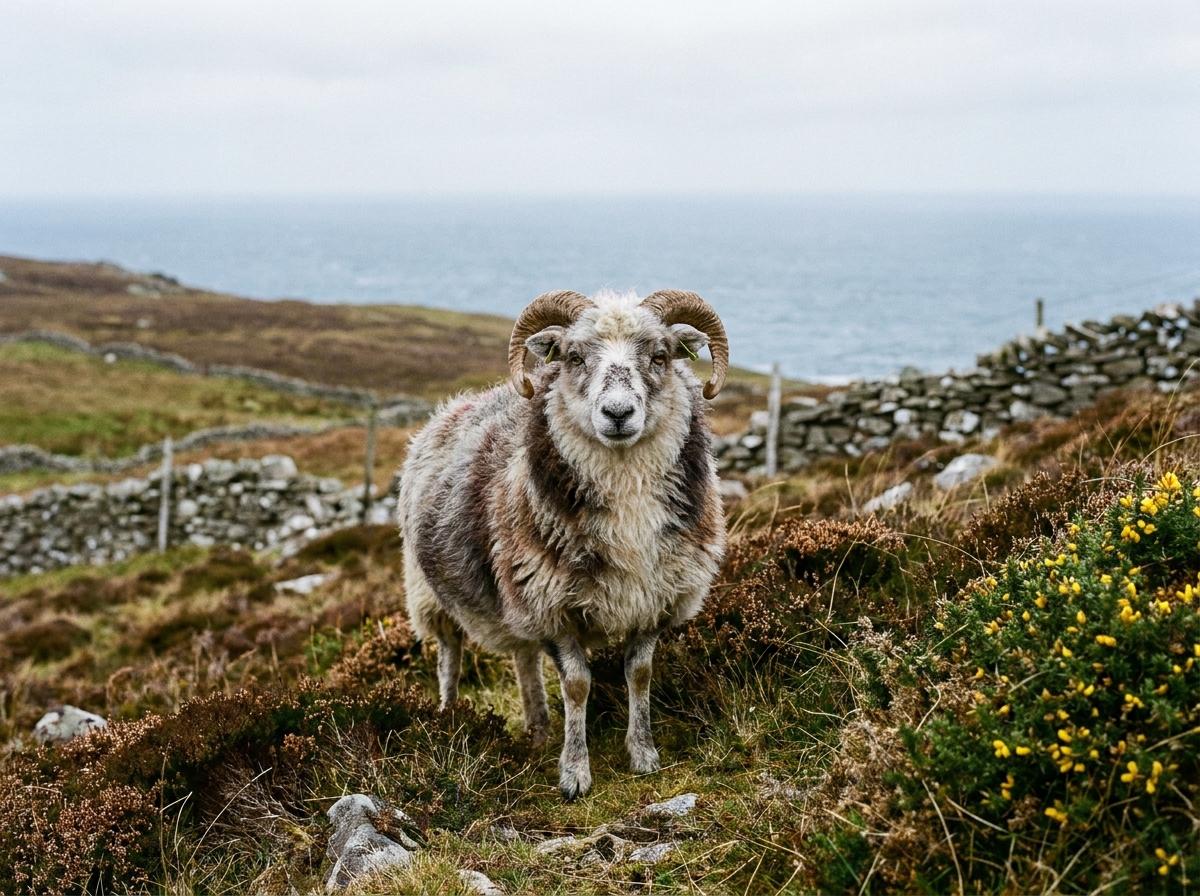
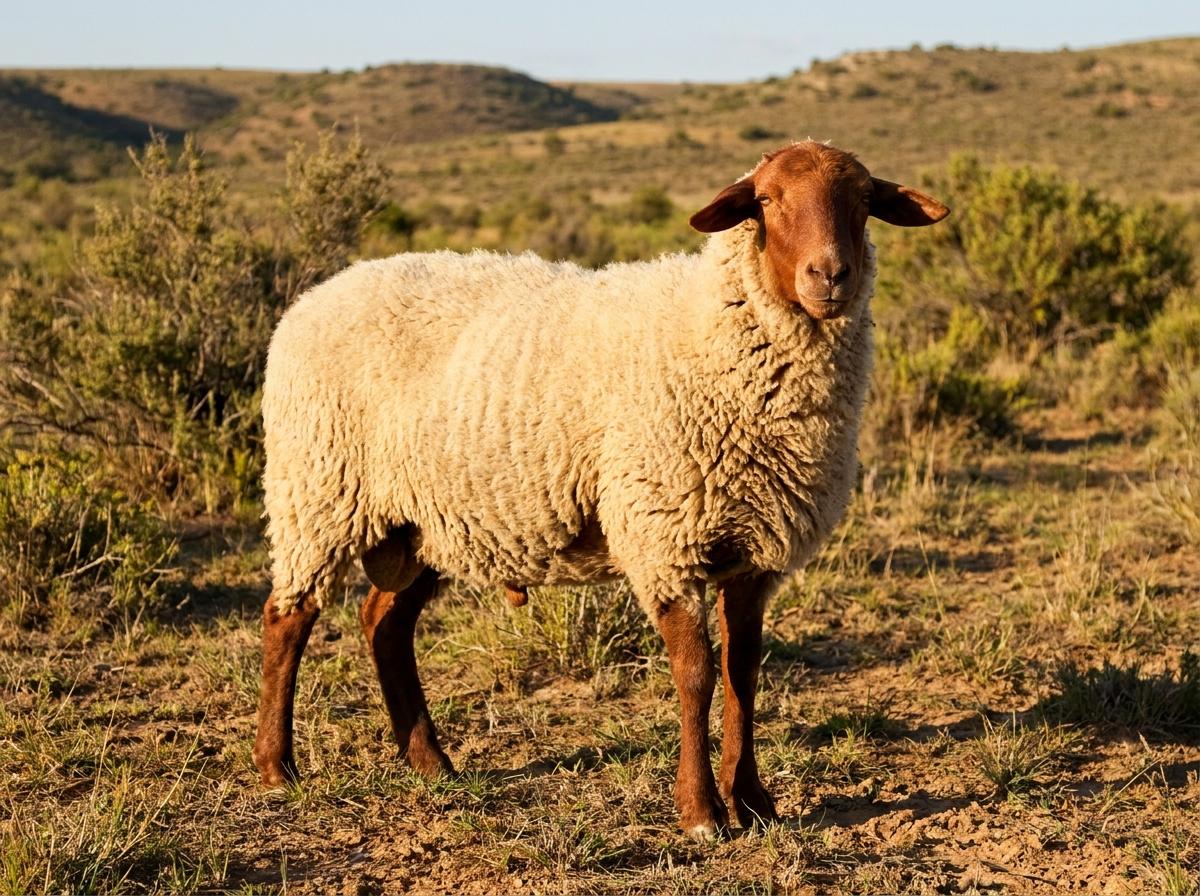
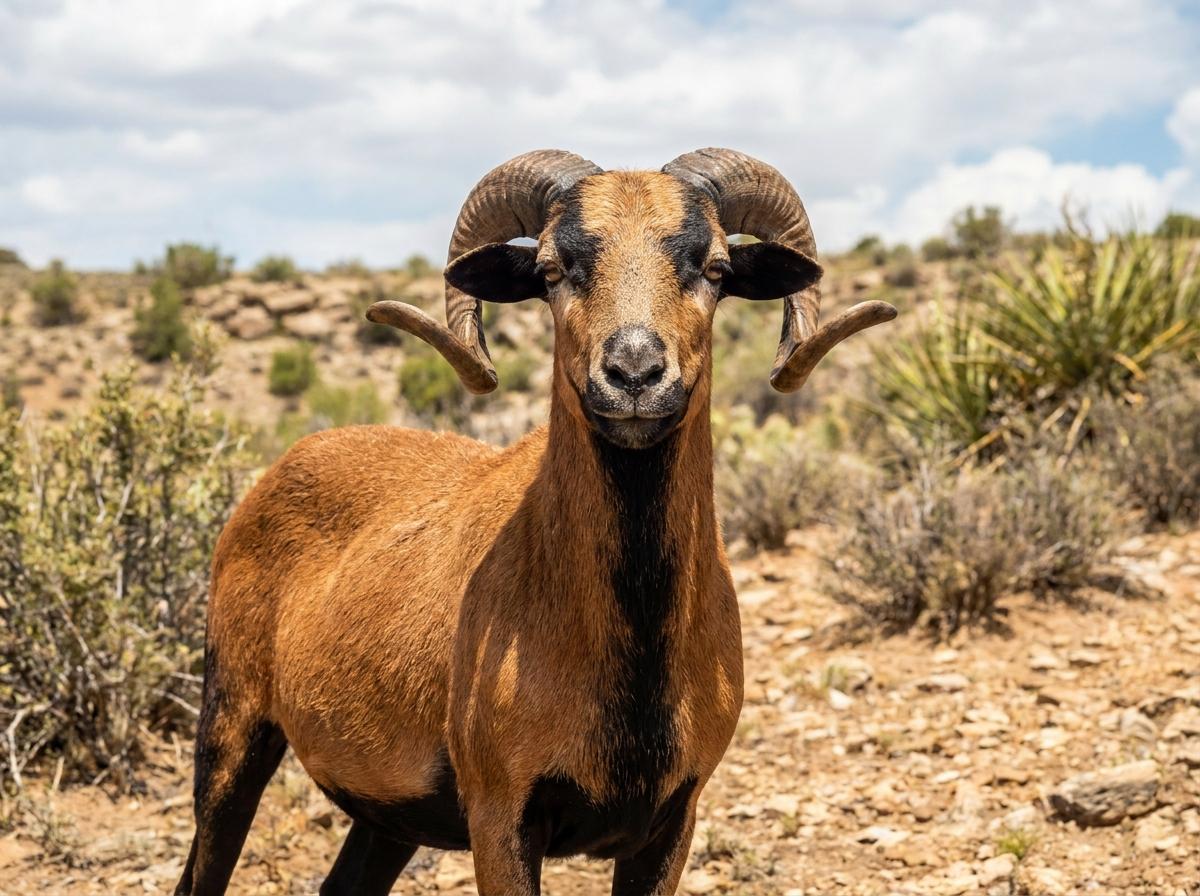
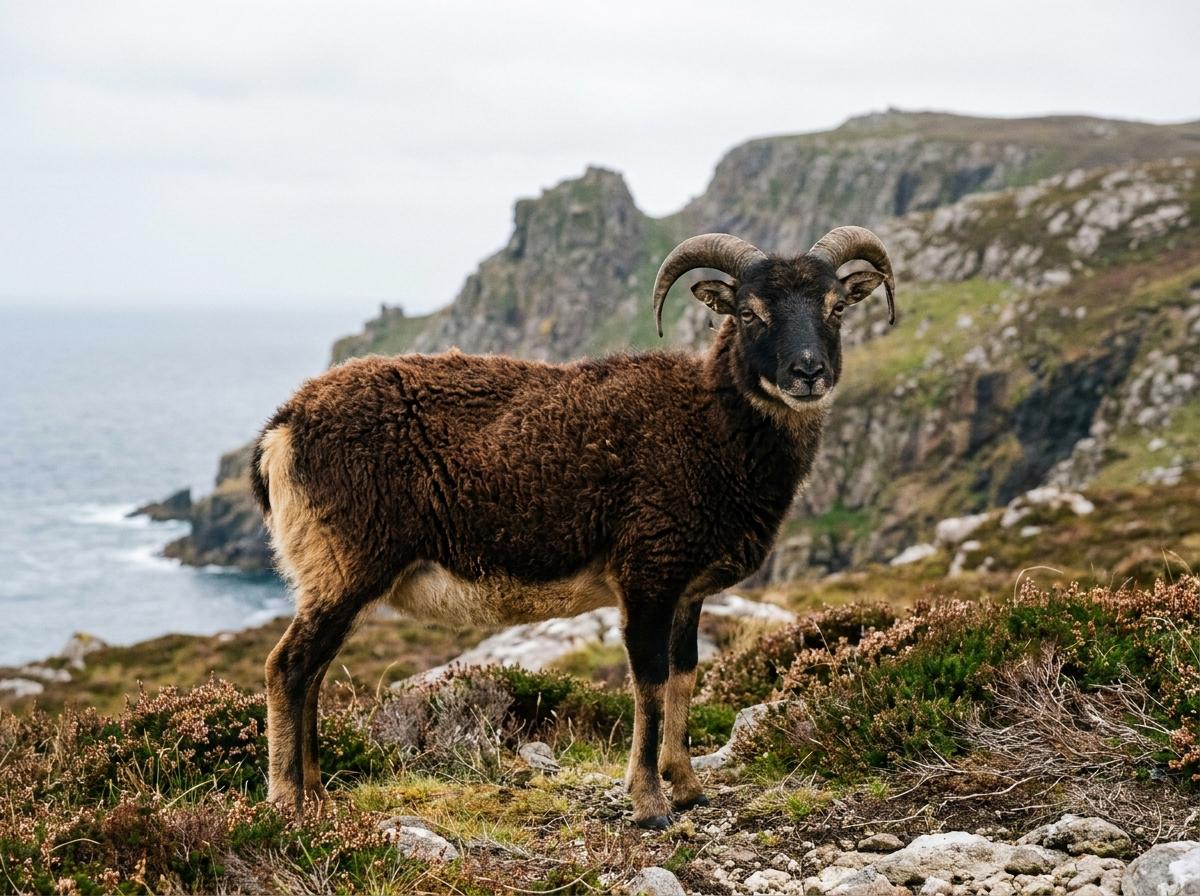
Colors: Badgerface, Black, Blackbelly, Brown, Dark Face, Gray, Gulmoget, Katmoget, Moorit, Piebald, Red, Silver, Spotted, Tan, White, White with Black Points, White with Brown Points, White Wool