


Tukidale
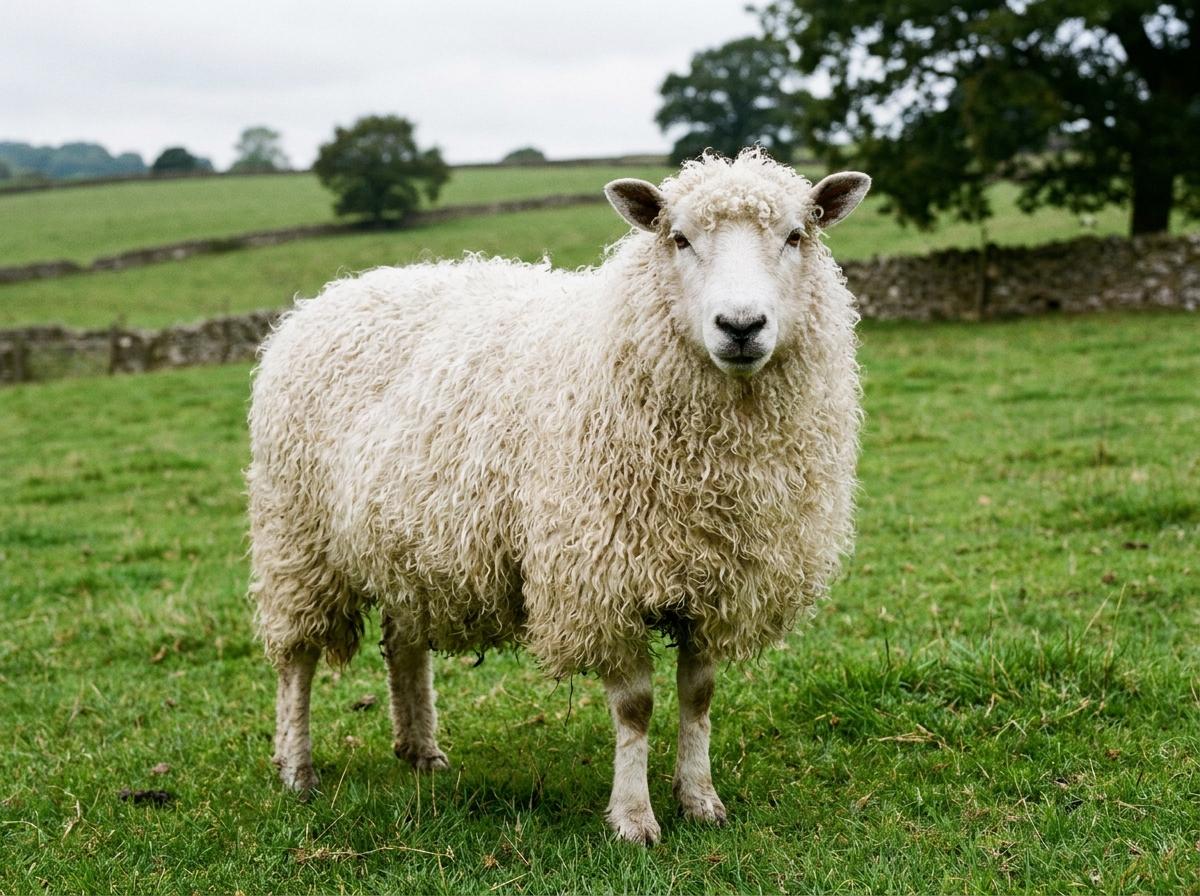
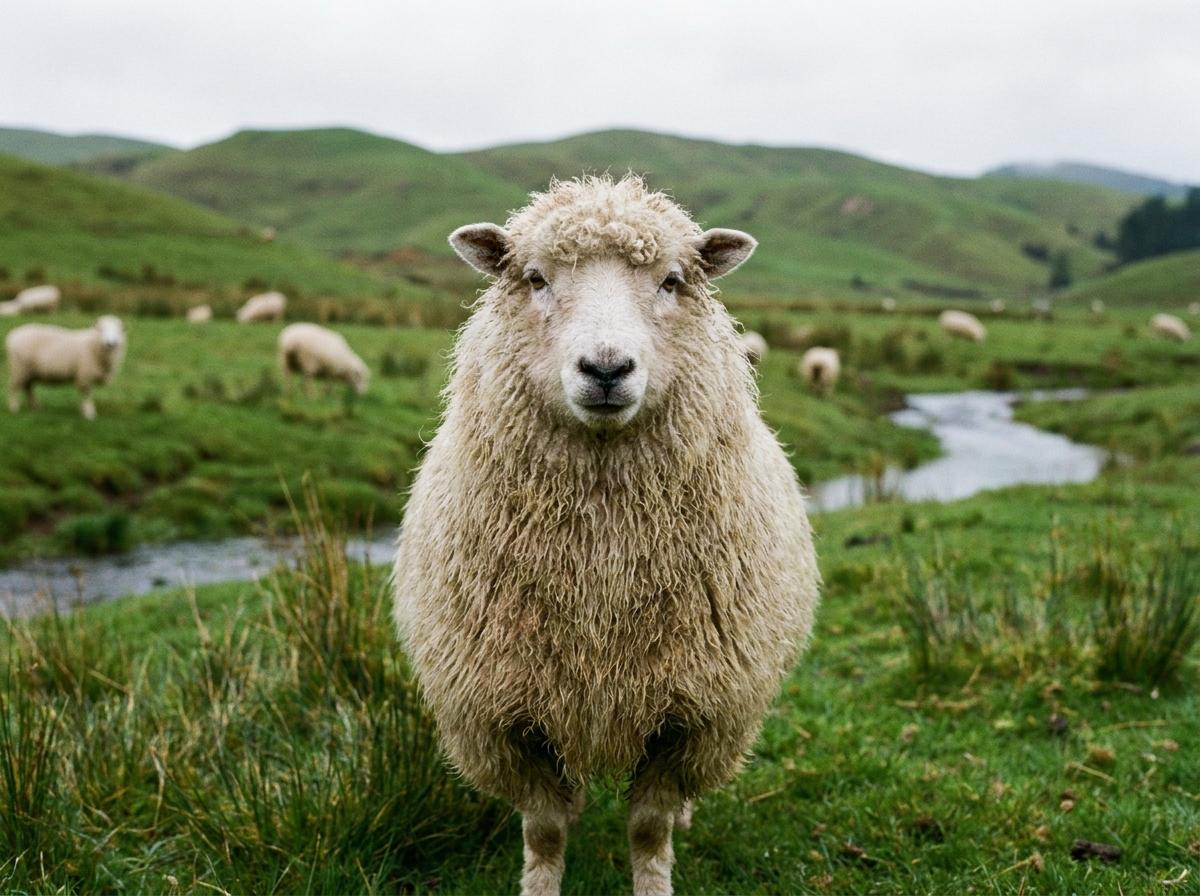
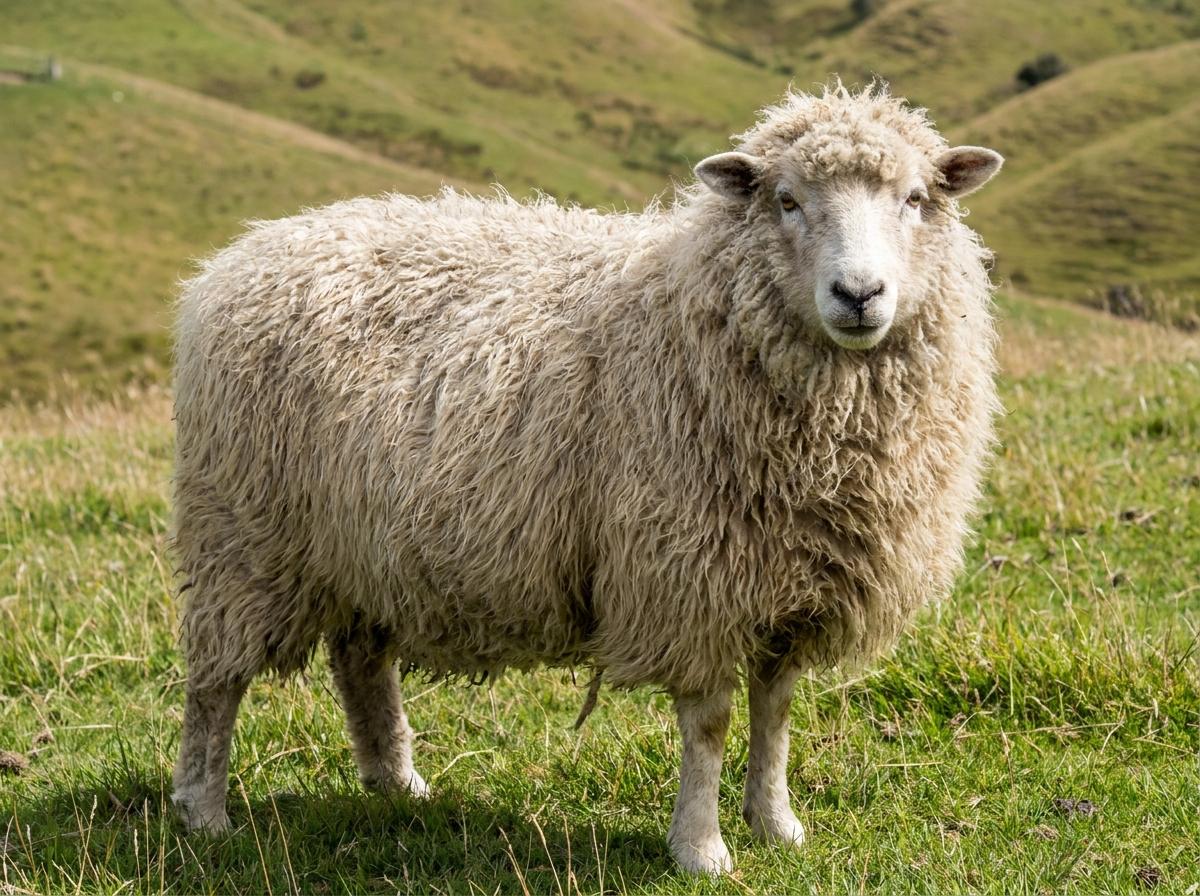
Tukidale sheep were developed in New Zealand from Romney-type stock after a naturally occurring fleece mutation appeared in the mid twentieth century. Their main distinction is not body shape or color but fiber: Tukidale fleeces contain a high proportion of coarse, medullated wool that is springy and hard-wearing. That made the breed useful for carpet, upholstery, and specialty wool markets at a time when New Zealand breeders were looking for sheep that could supply more than apparel fiber. In size and grazing style, Tukidales are generally comparable to other Romney-derived lowland sheep.
Keeping Tukidales is similar to managing other wool sheep on temperate pasture, with attention to shearing, flystrike prevention, feet, and lambing performance. The breed's value depends heavily on consistent fleece type, so breeding programs usually select with fiber testing and avoid mixing fleeces into finer wool clips. It remains a niche breed, and buyers should expect limited availability and variable documentation outside New Zealand. For small flocks, the practical question is whether there is a use or market for the carpet-wool clip as well as for lamb.
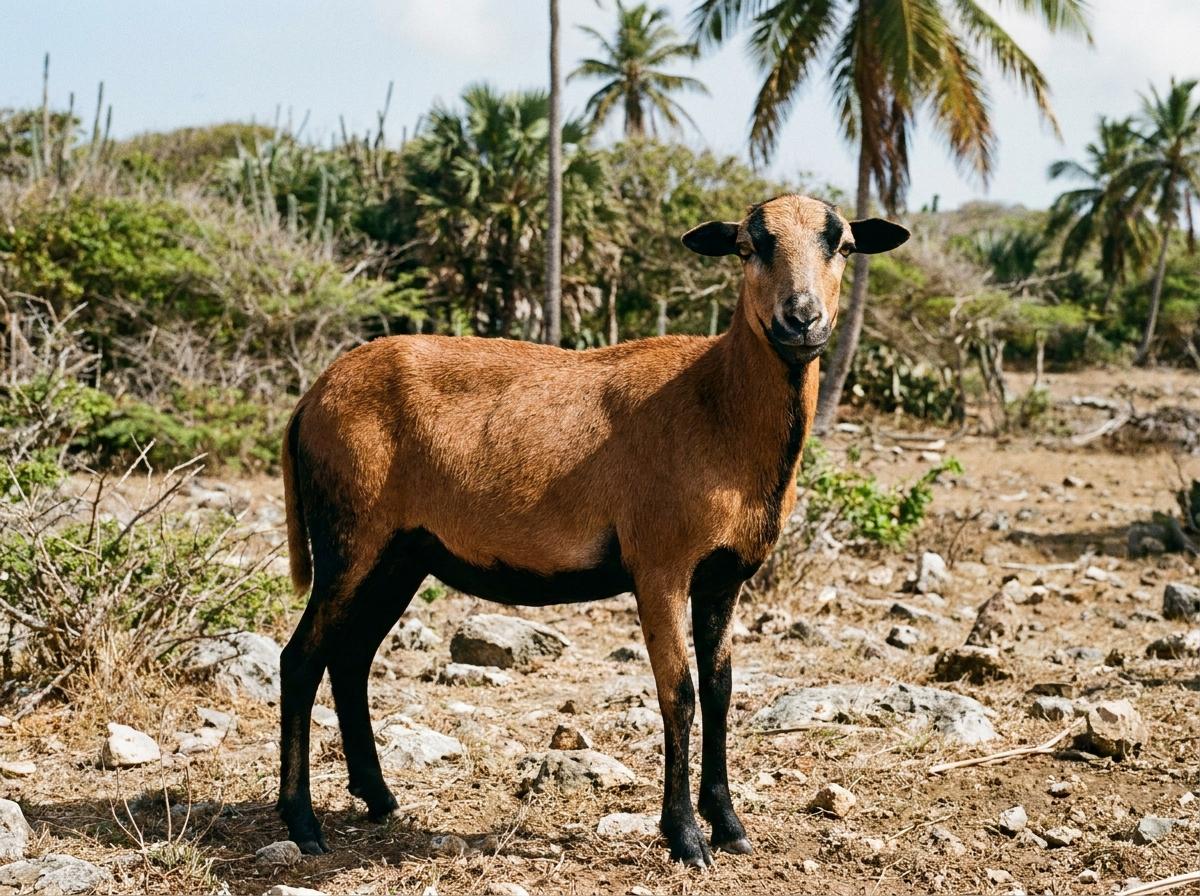
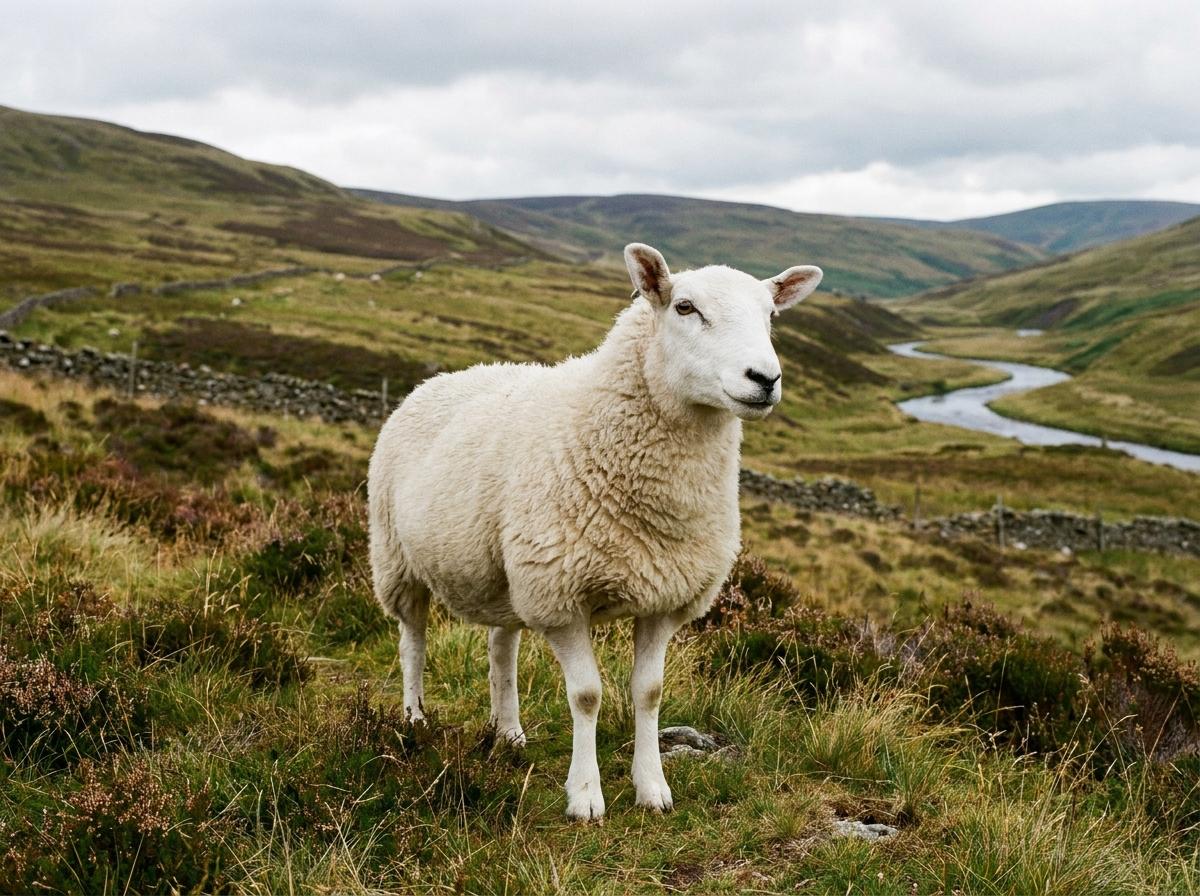
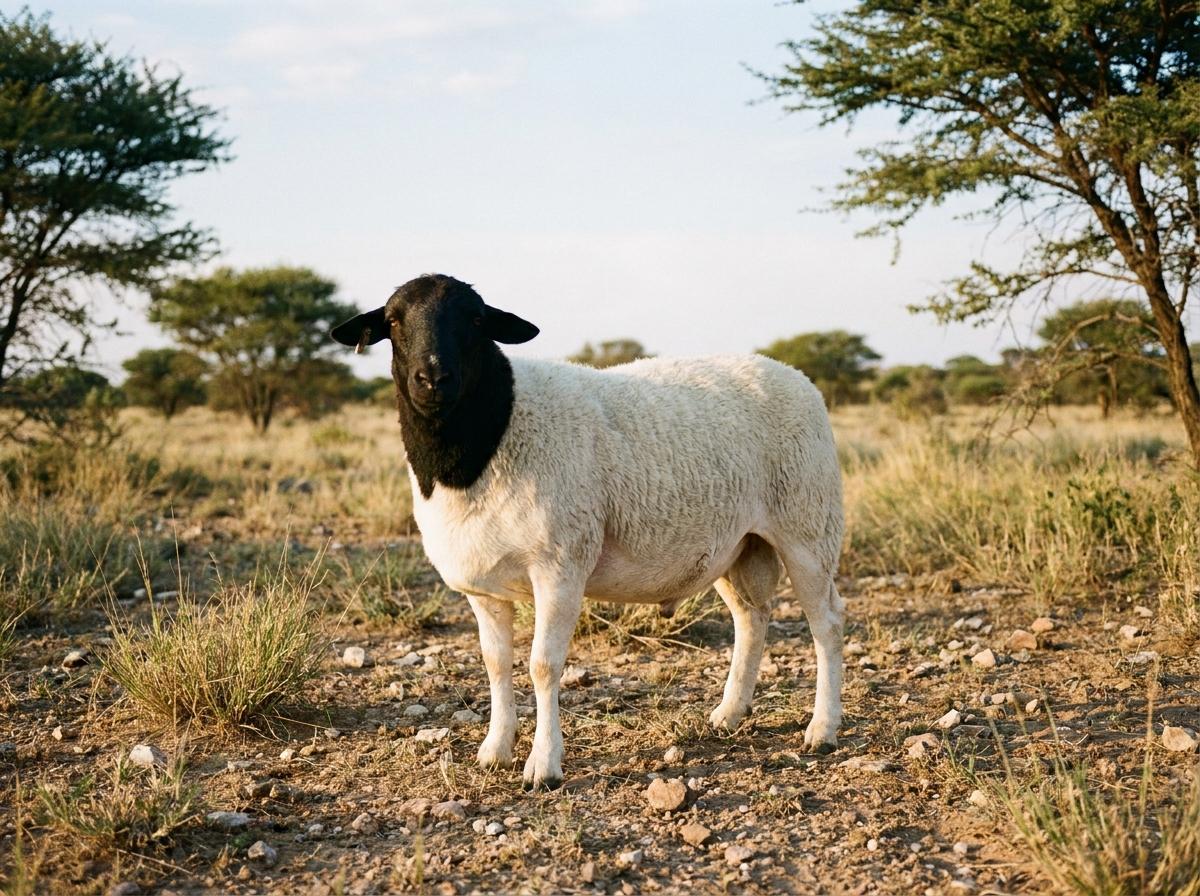
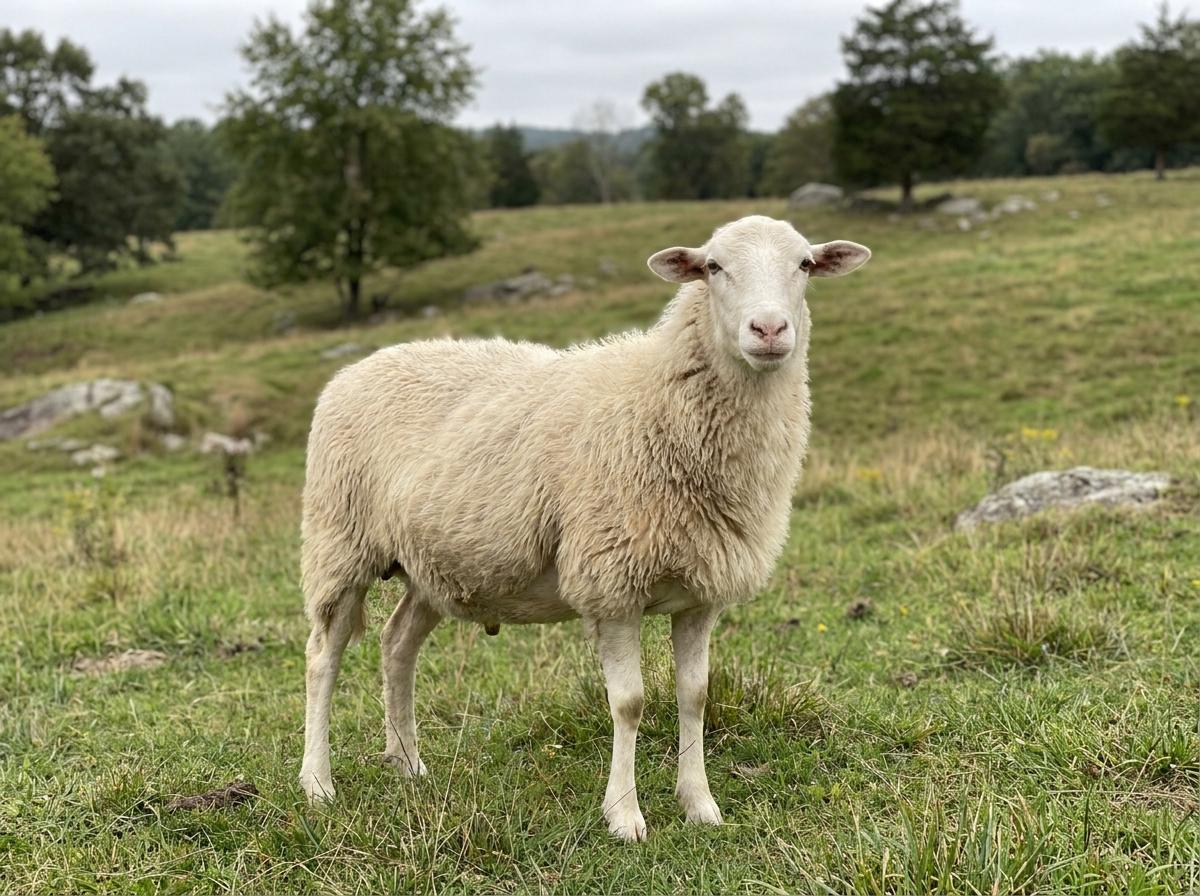
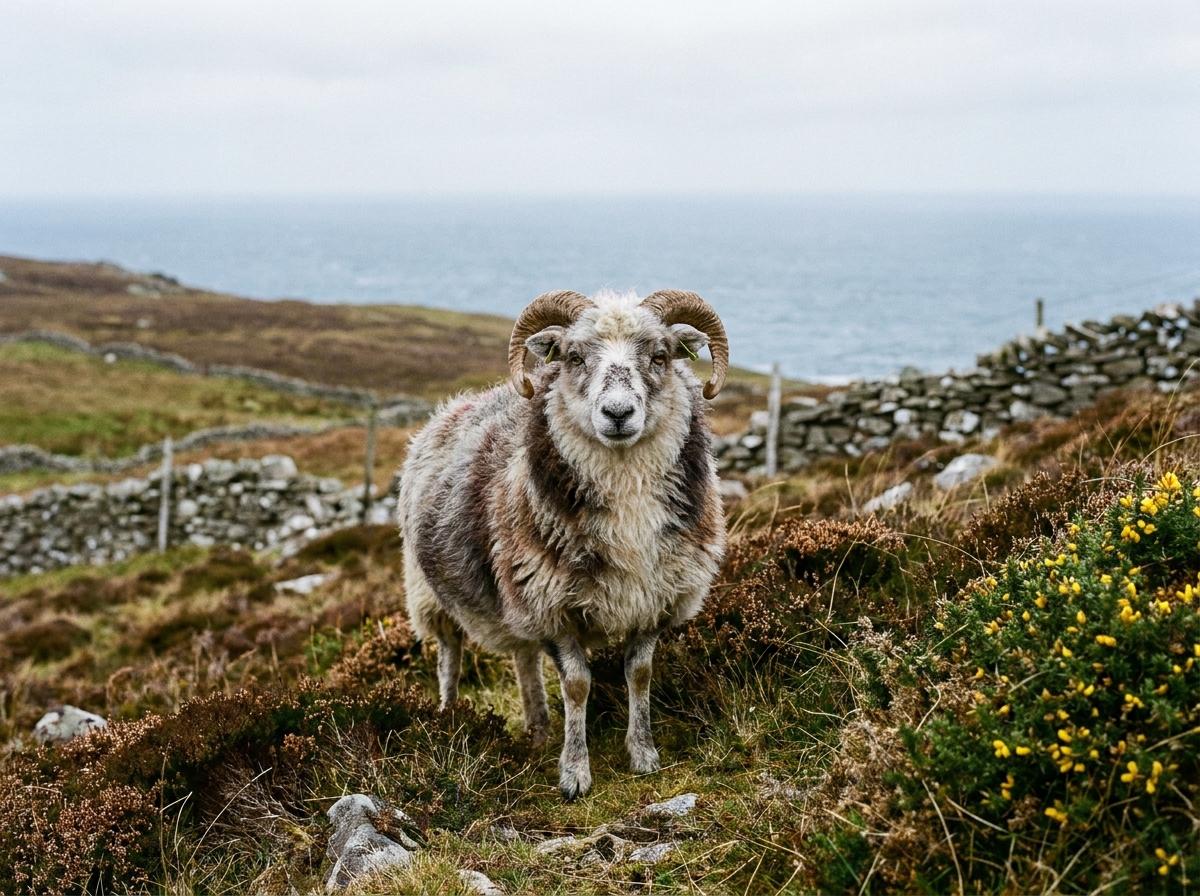
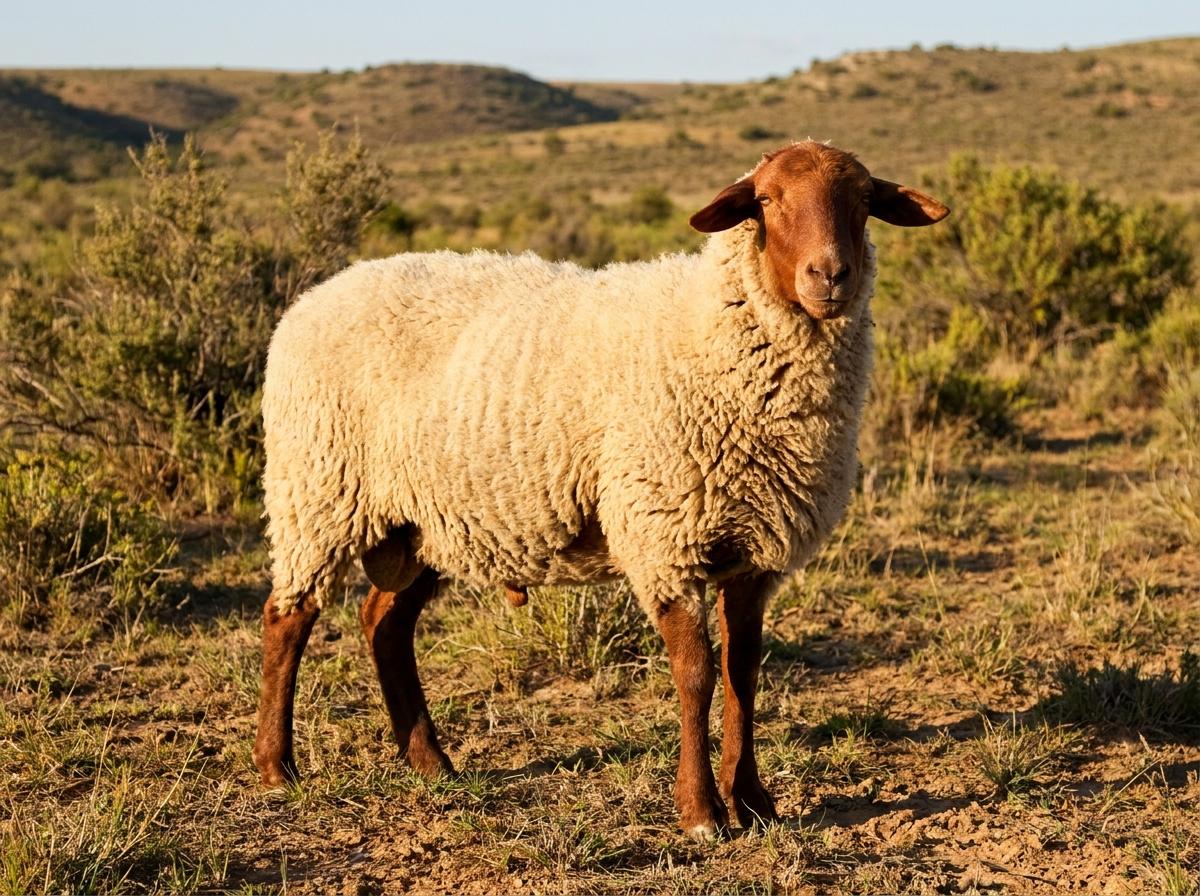
Colors: Badgerface, Black, Blackbelly, Broken, Brown, Gray, Grey, Gulmoget, Katmoget, Moorit, Piebald, Red, Roan, Silver, Solid, Spotted, Tan, White, White with Black Points, White with Brown Points