Turcana
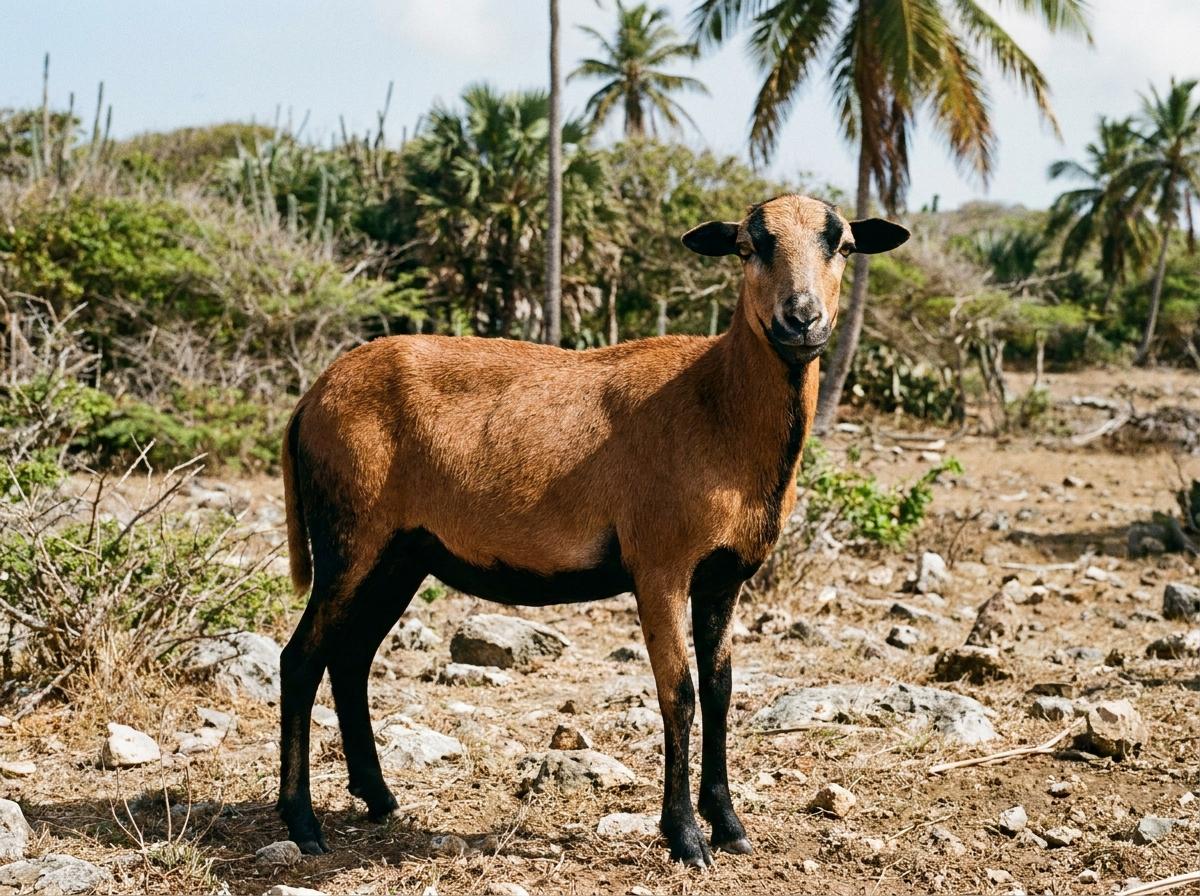
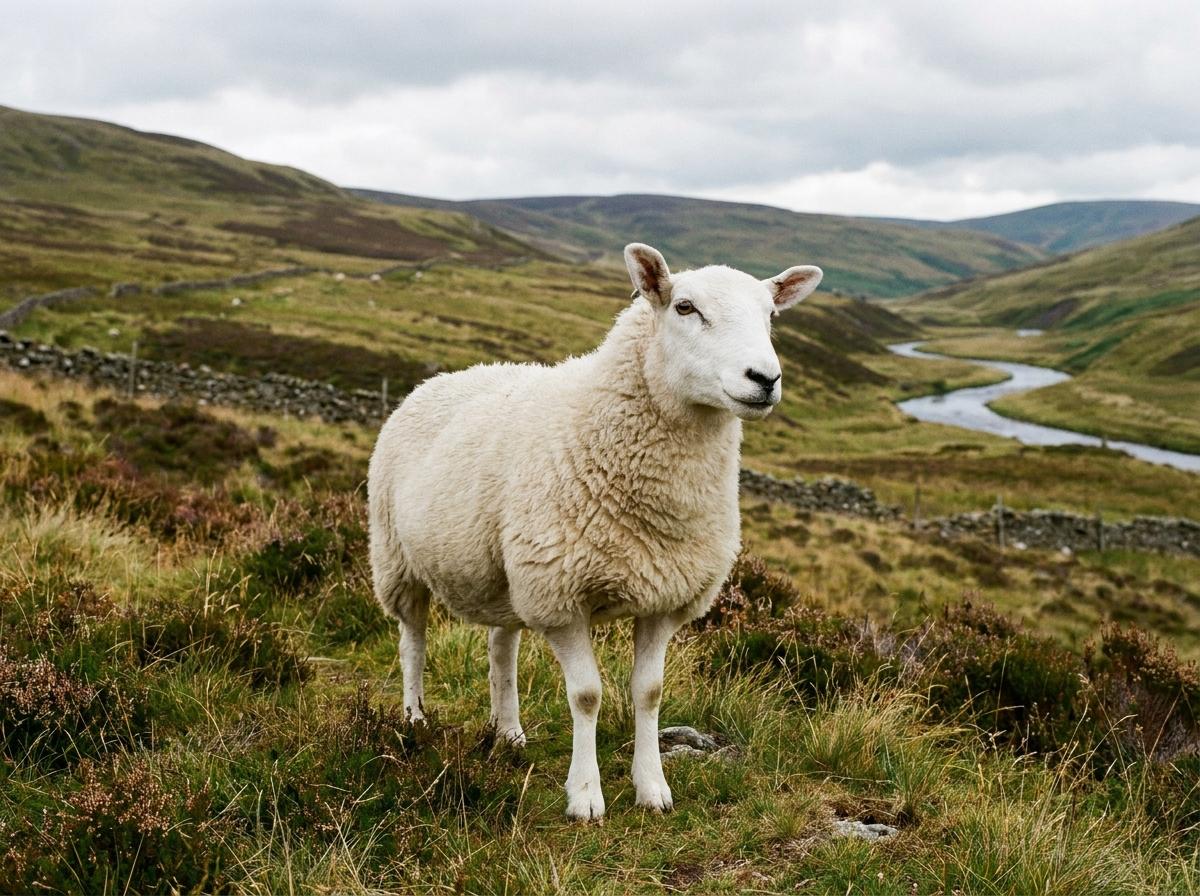
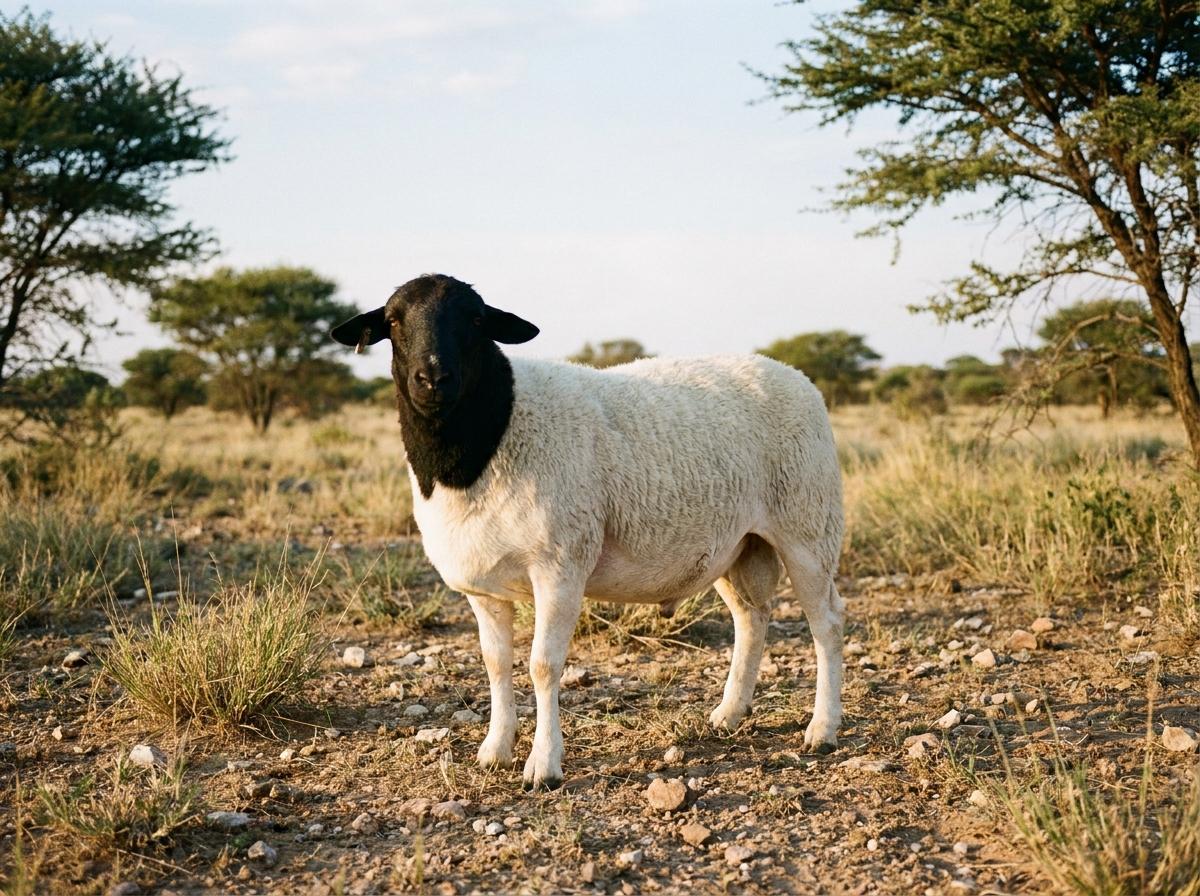
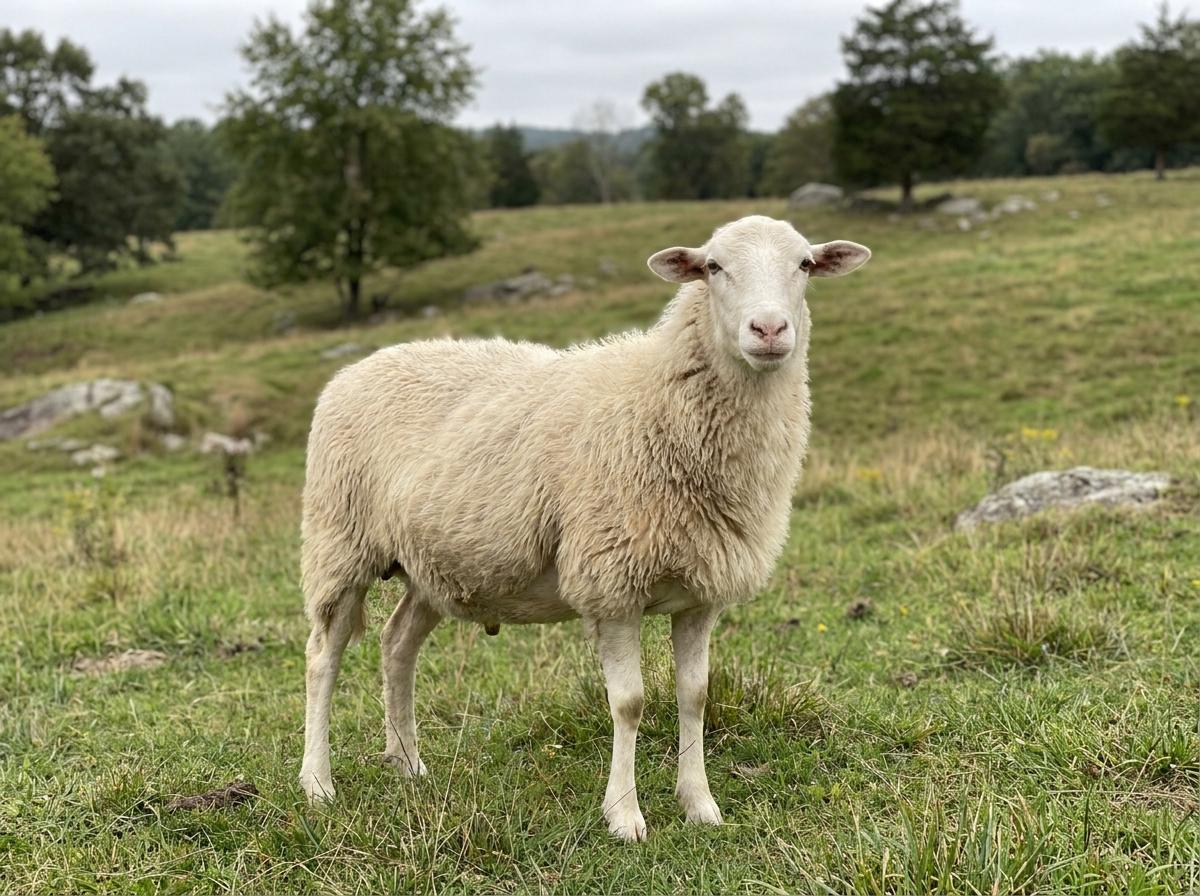
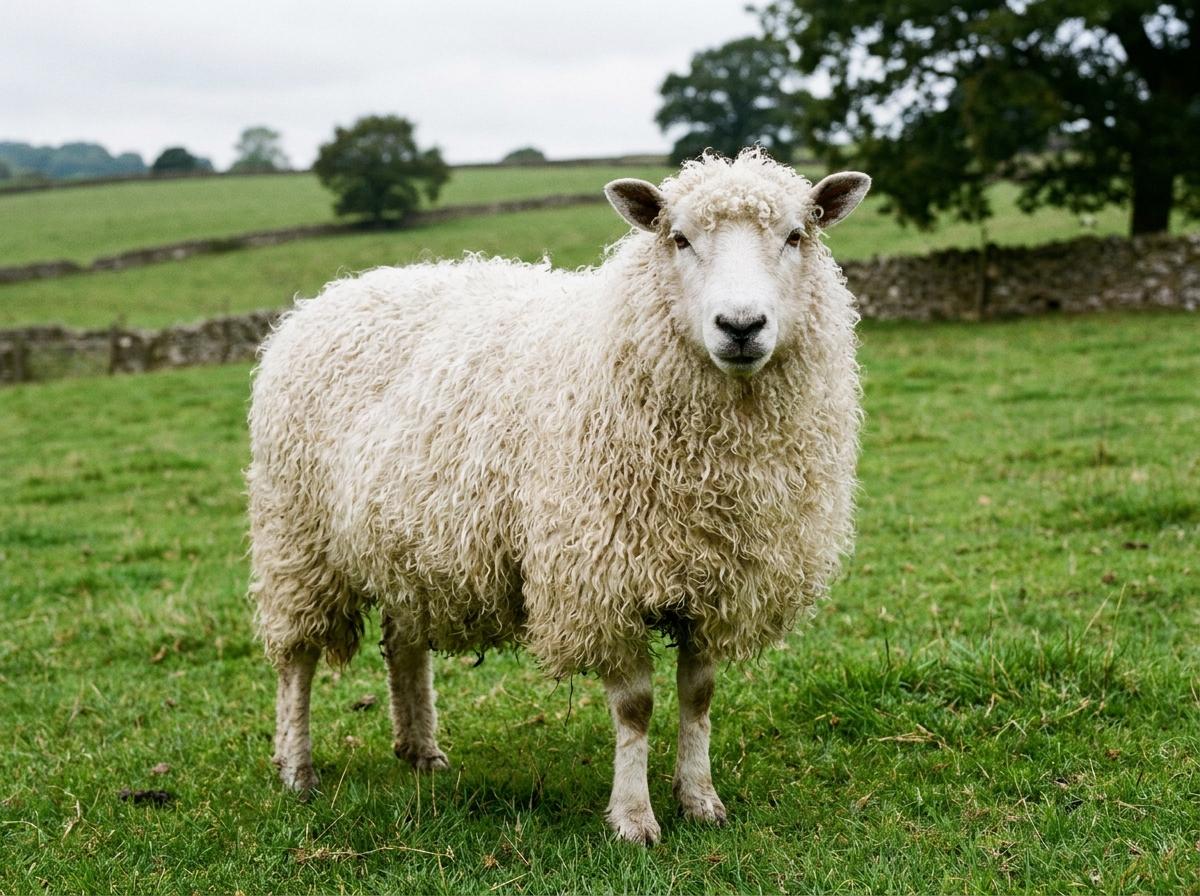
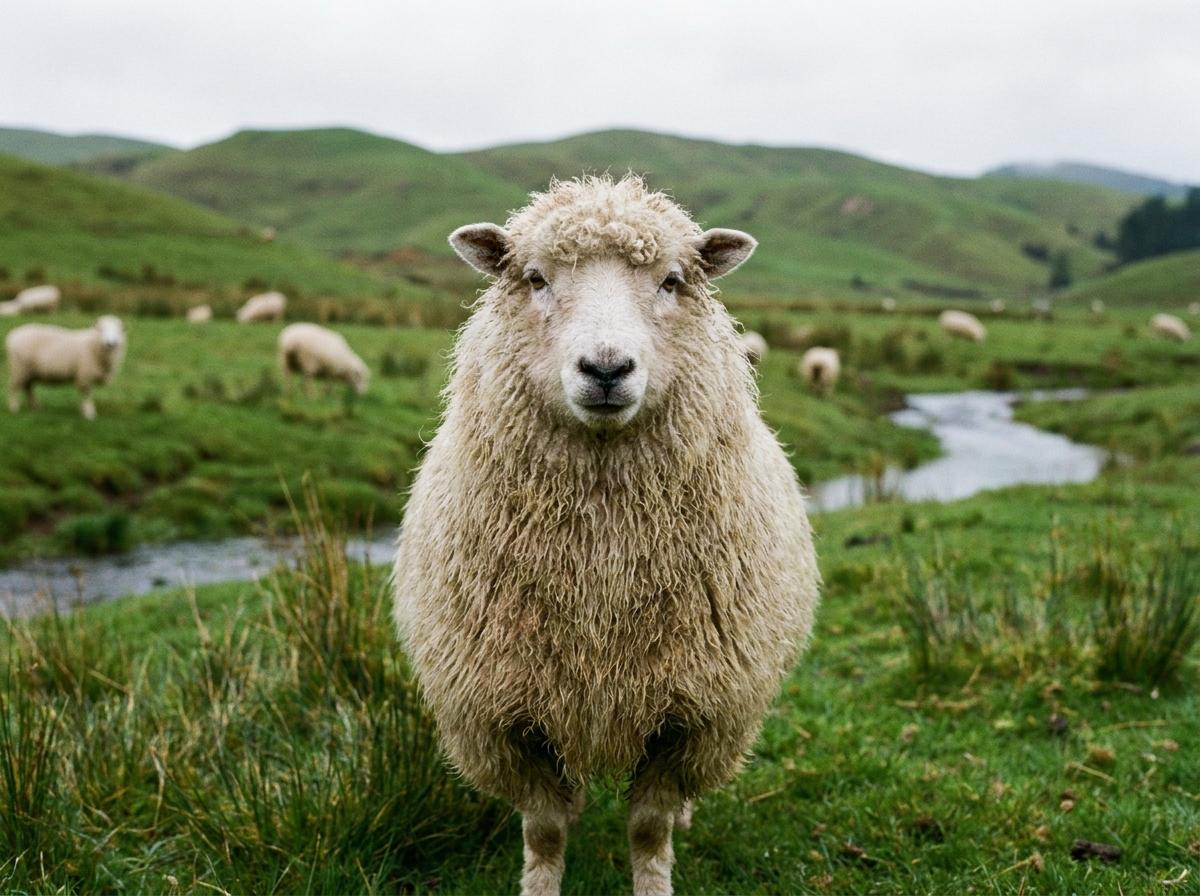
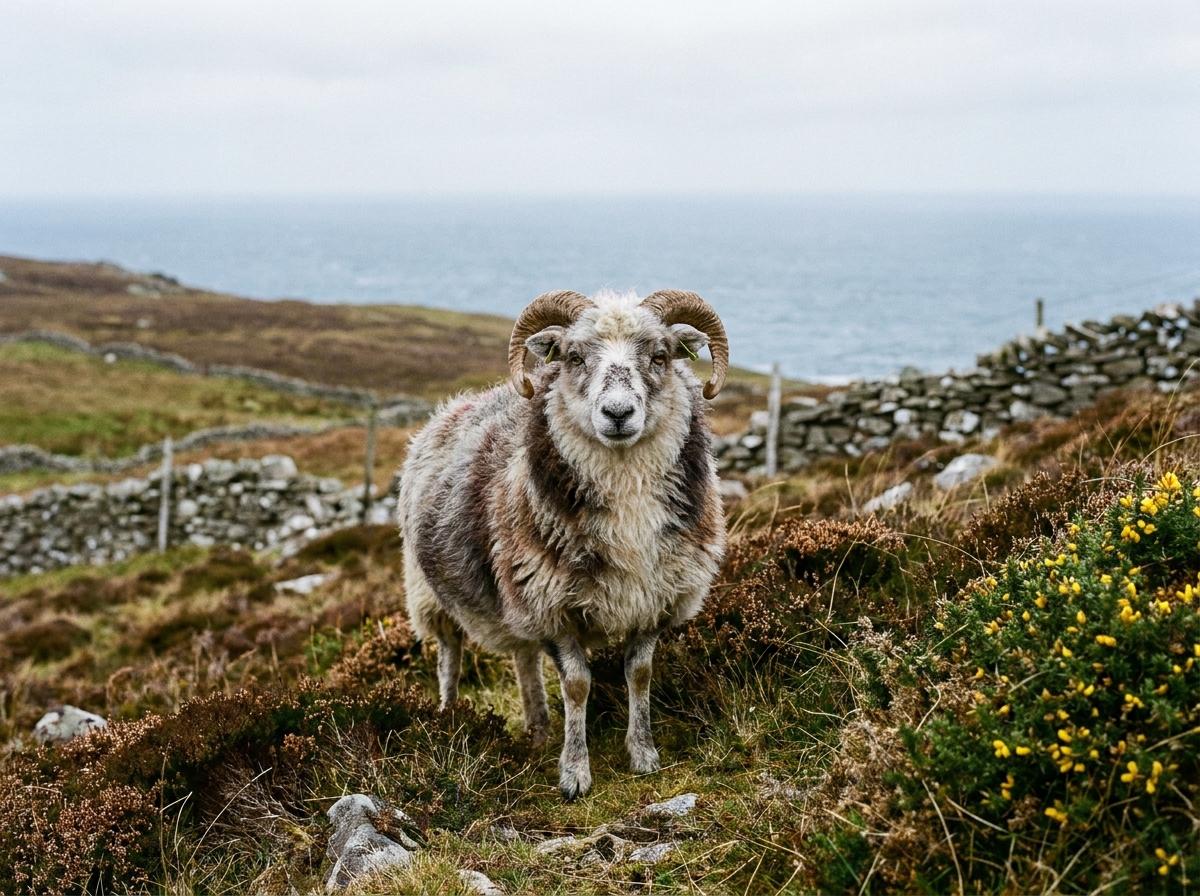
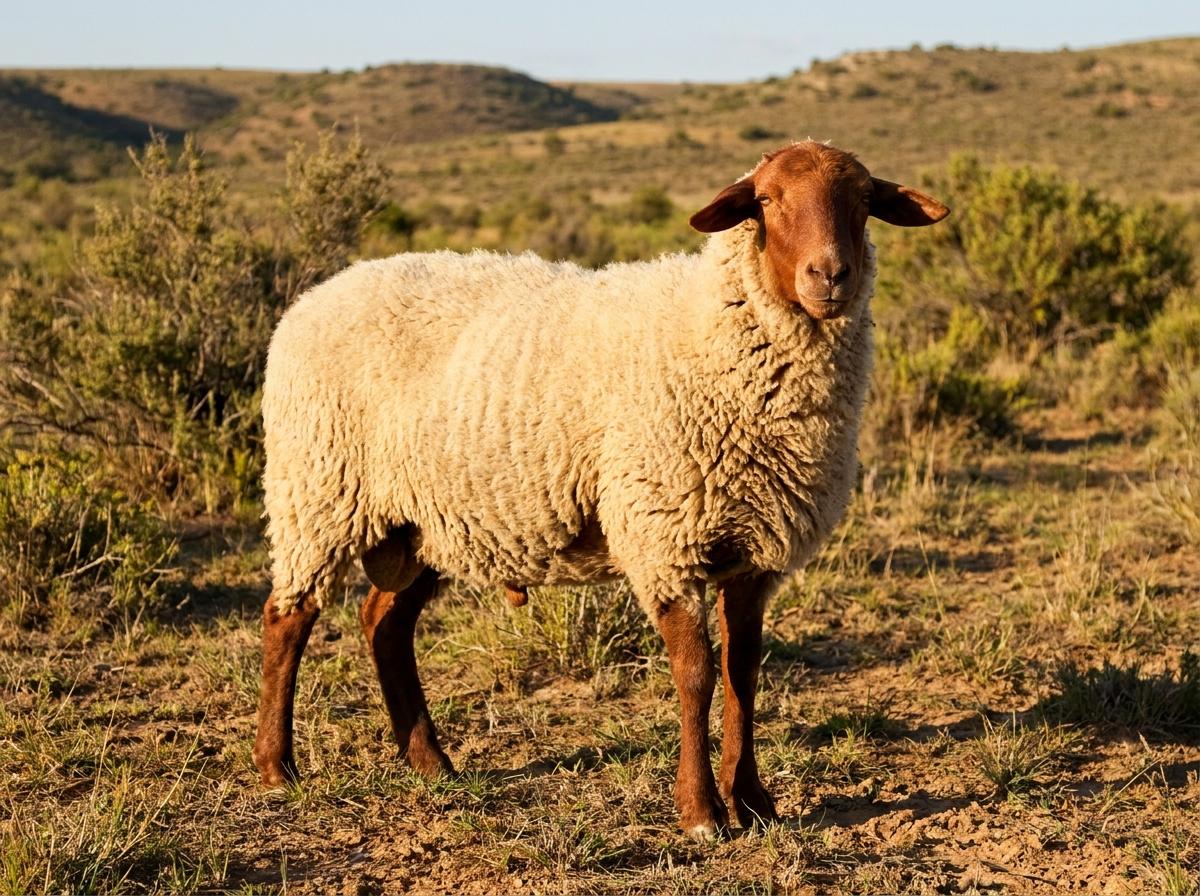
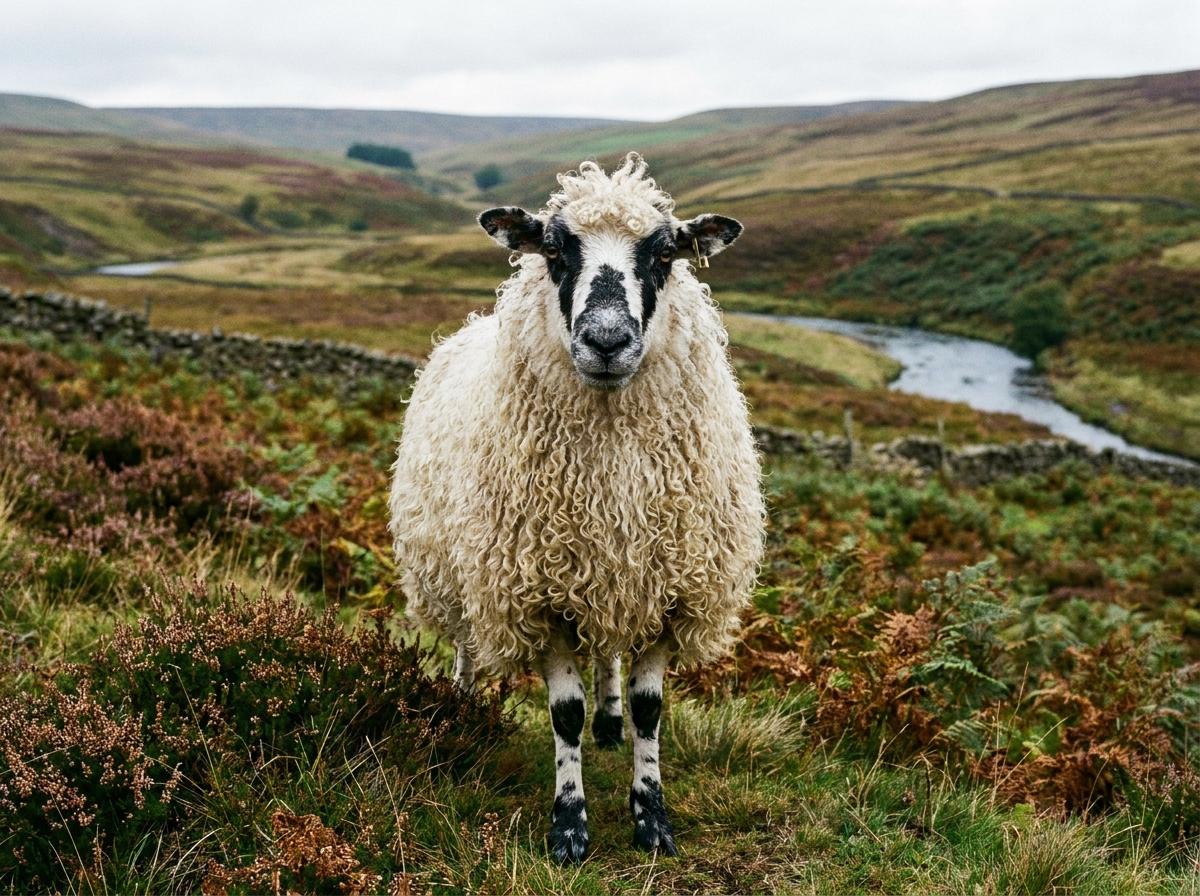
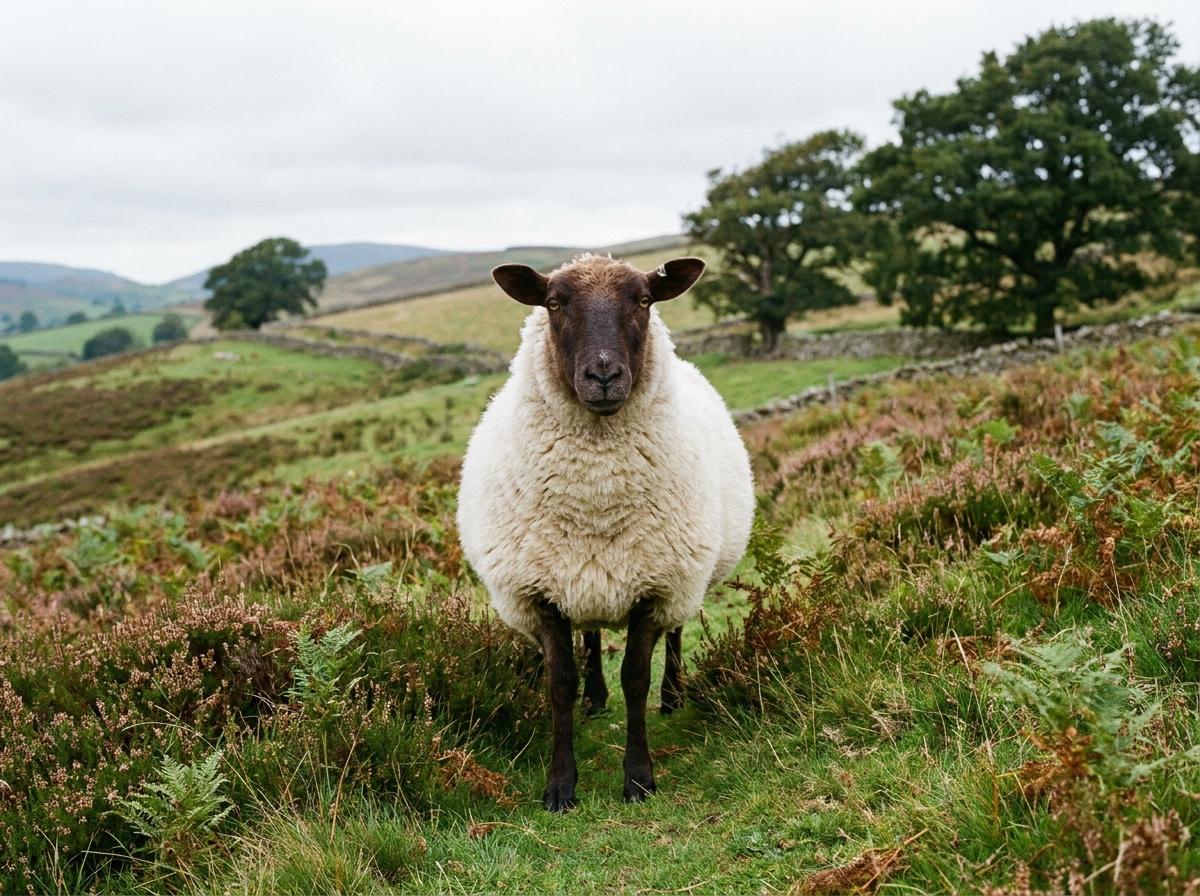
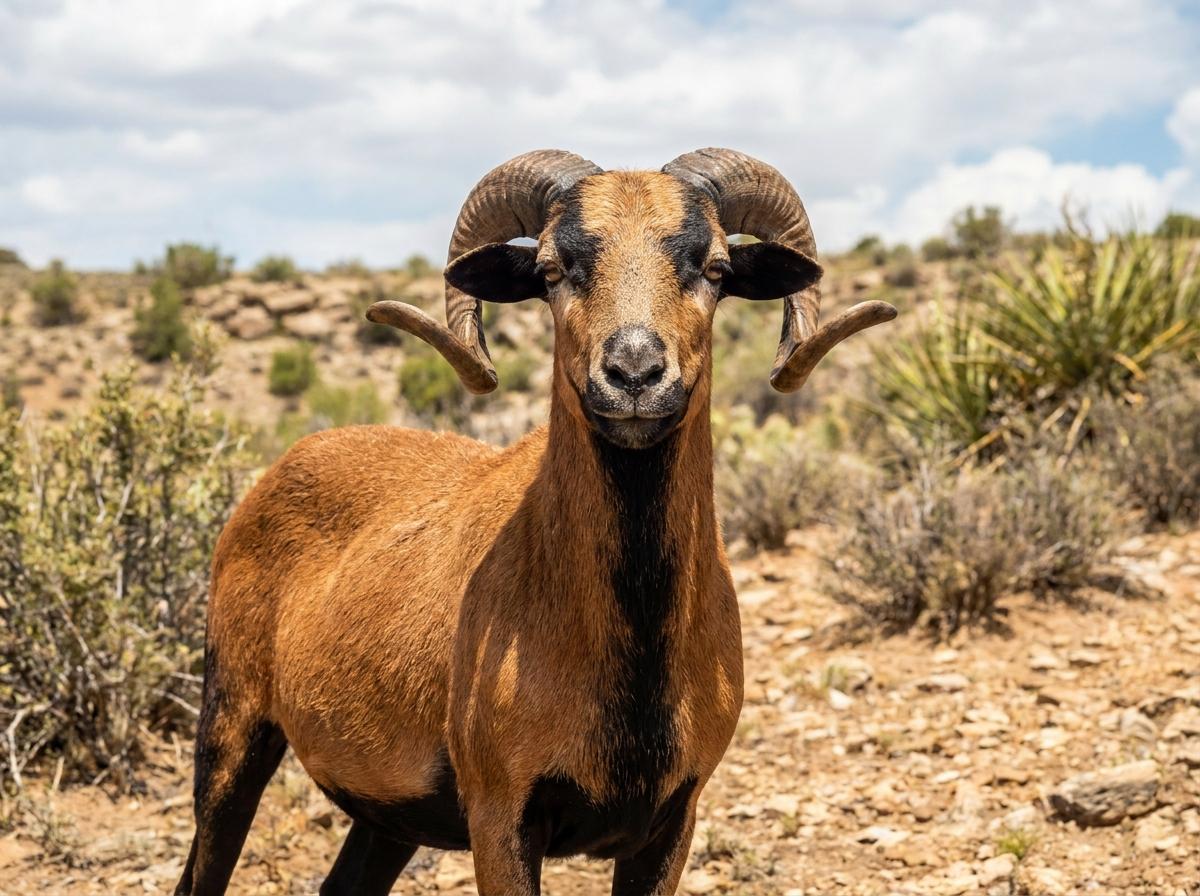
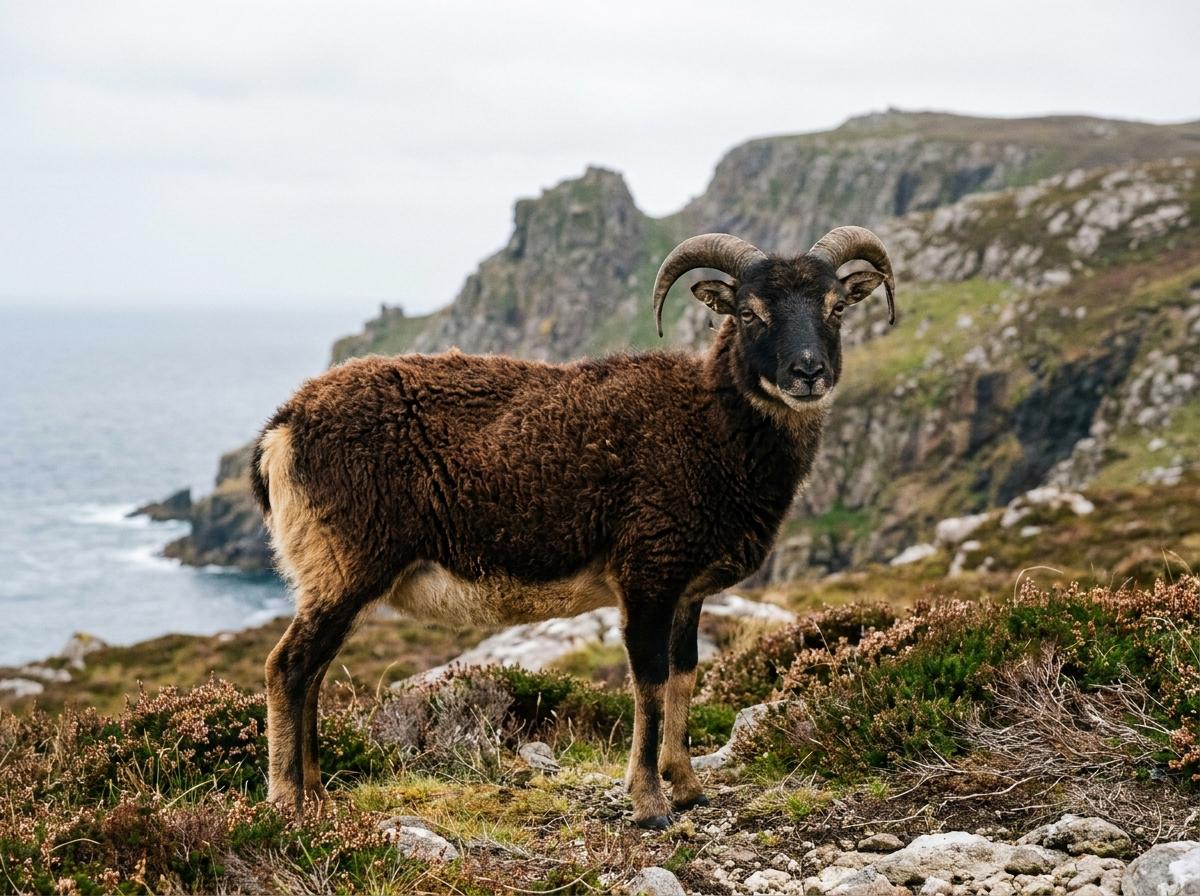
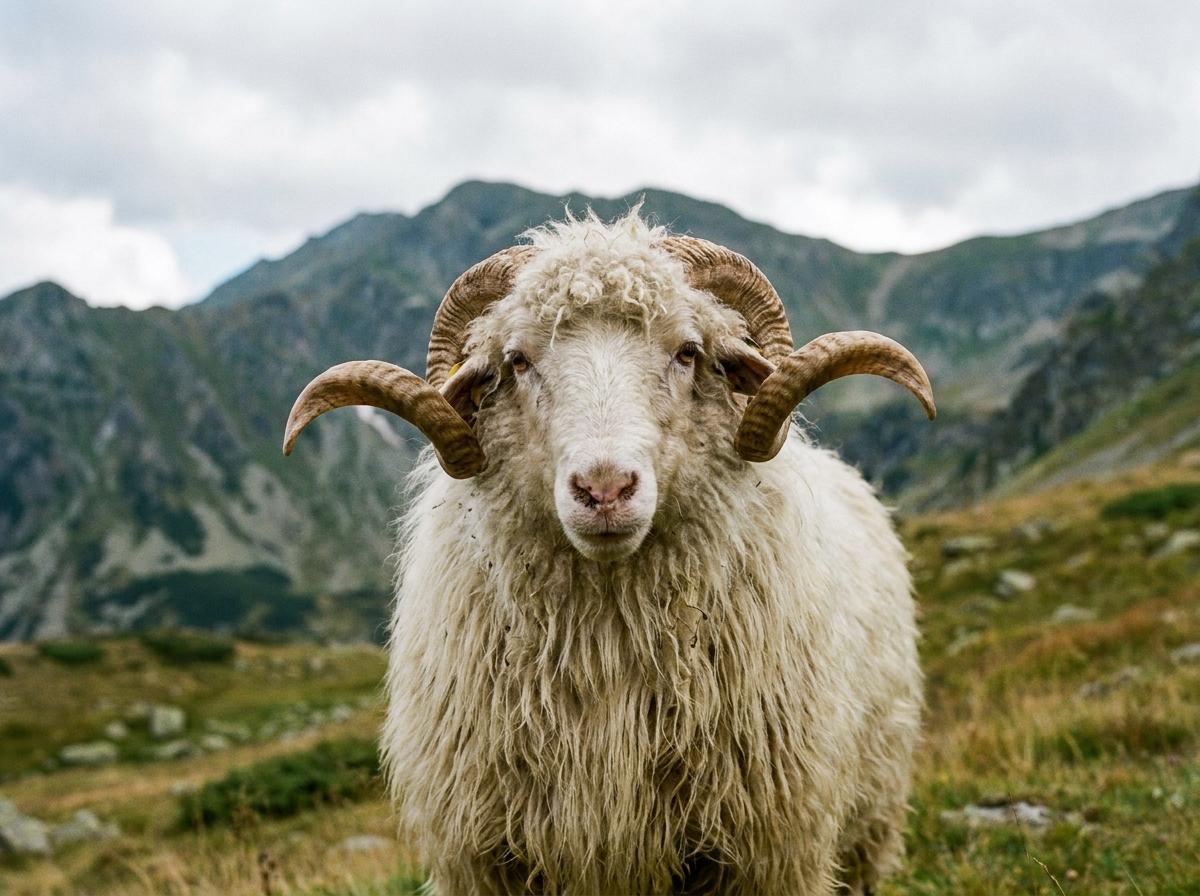
Turcana, more correctly written Țurcană and often rendered Tsurcana, is the widespread coarse-wool sheep of Romania and neighboring Carpathian regions. It belongs to the old Zackel-type mountain sheep, with a long body, strong legs, a narrow head, and a fleece made for weather protection rather than fine cloth. Color and markings vary by local strain, from white-bodied sheep to animals with dark eye patches, brown faces, or mixed grey and black patterns. Rams commonly have horns, sometimes widely spiraled, while ewes may be horned or polled.
The breed is tied to transhumant and village shepherding, where ewes are milked for traditional cheeses and lambs supply meat from rough grazing. Turcana sheep cope well with steep pasture, long walks, and modest feed, but productive flocks still depend on planned grazing, predator control, foot care, and clean milking routines. The wool is usually coarse and suited to carpets, blankets, or local crafts. Conservation and breeding programs often track regional varieties separately, so buyers should ask which strain a flock represents and whether the animals were selected primarily for milk, hardiness, or lamb production.
Colors: Badgerface, Black, Blackbelly, Brown, Gray, Gulmoget, Katmoget, Moorit, Or Mixed, Piebald, Red, Silver, Spotted, Tan, White, White with Black Points, White with Brown Points