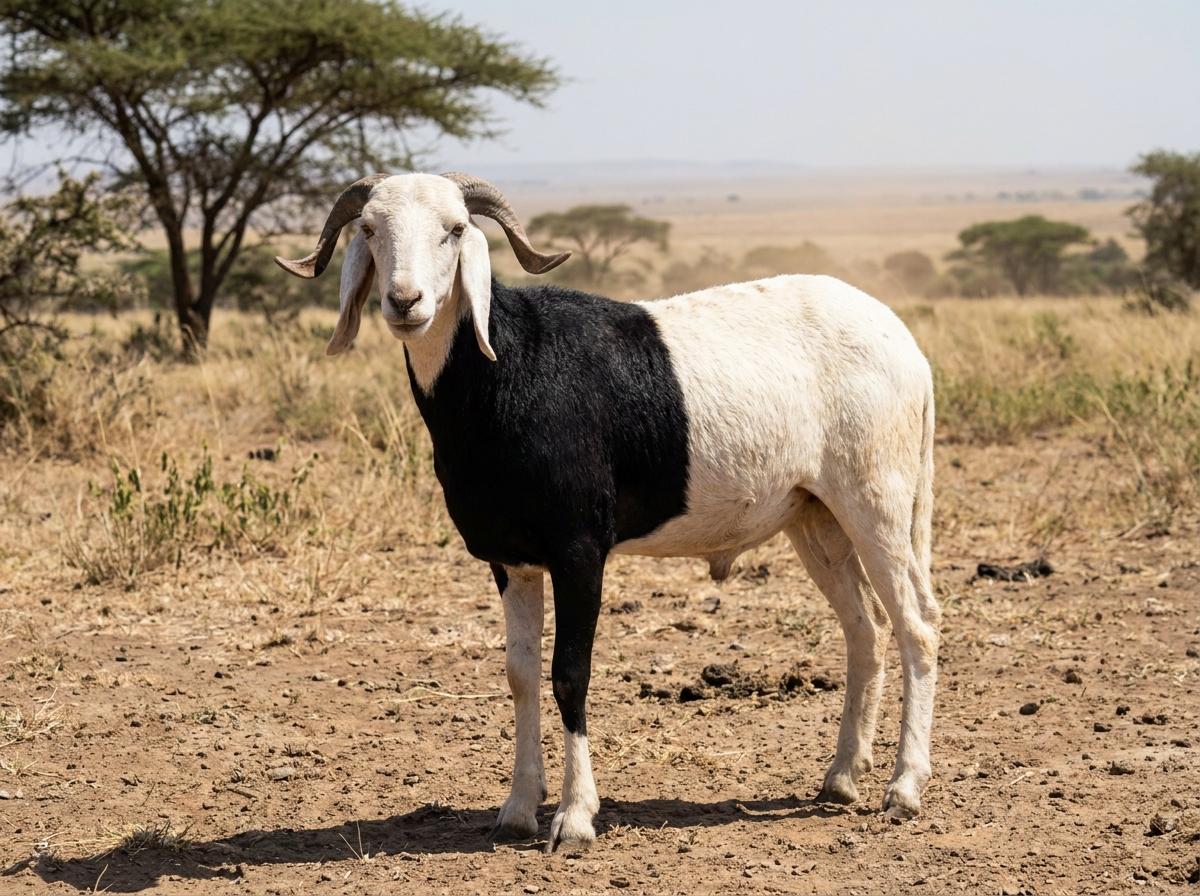
Uda
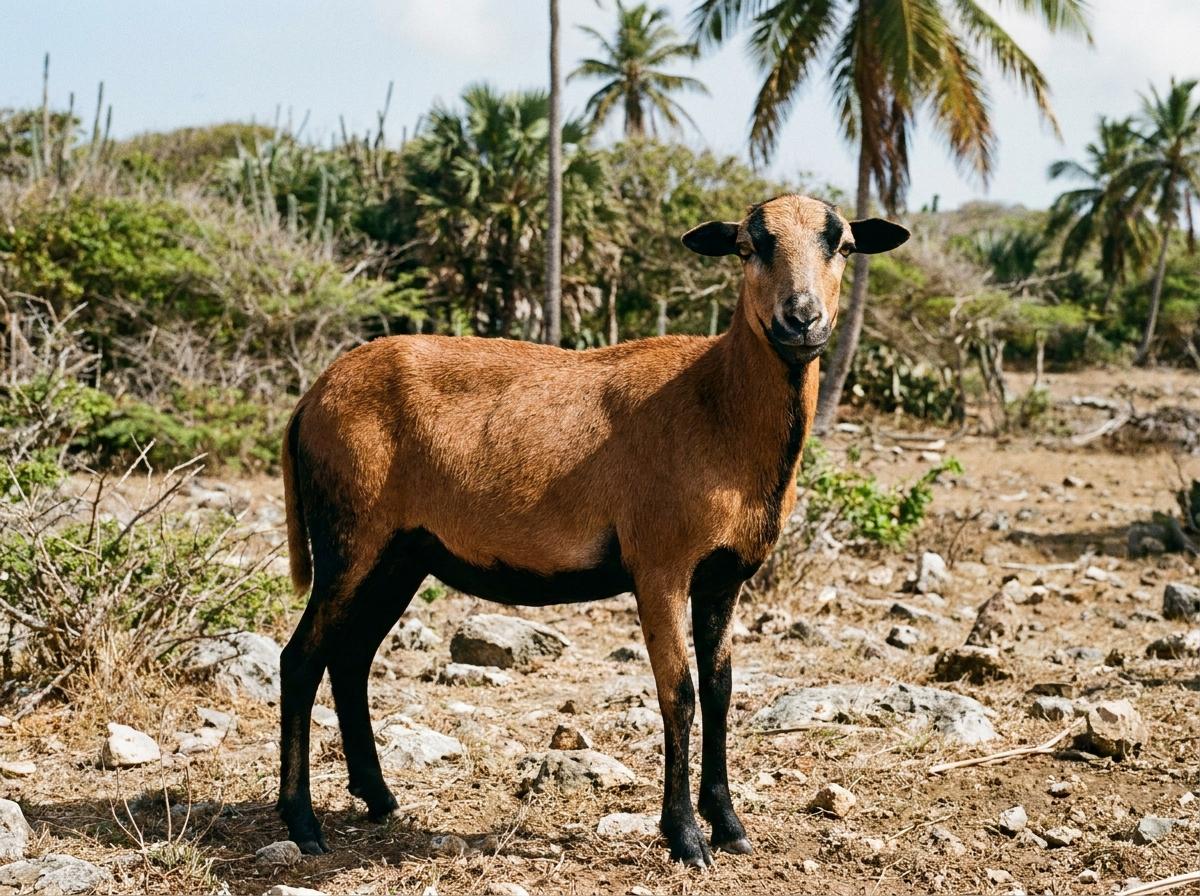
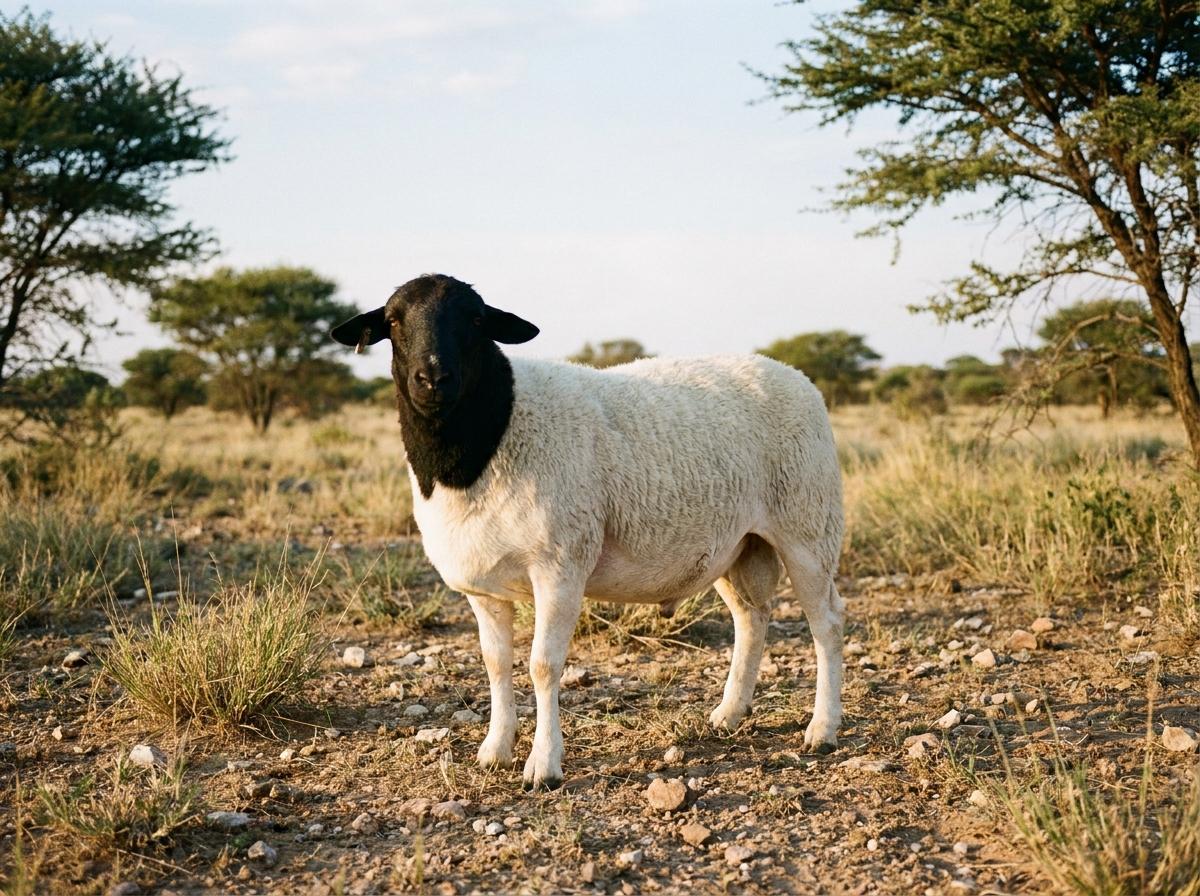
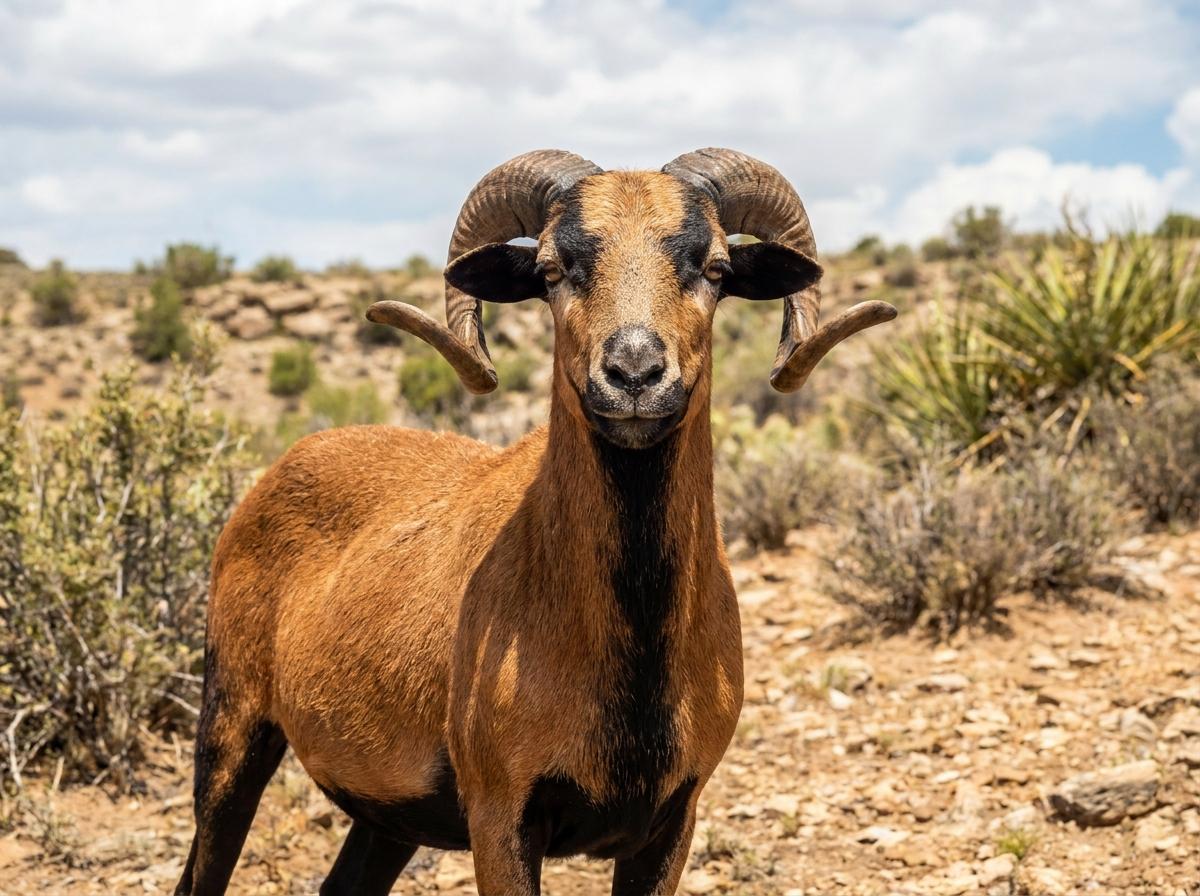
Across the Sahel and savanna zones of northern Nigeria, Niger, Chad, and nearby countries, the Uda is one of the most recognizable West African hair sheep. Its usual pattern is sharply bicolored: the front part of the body is black or brown, while the hindquarters are white. Uda sheep are tall, long-legged, and narrow-bodied, with a convex facial profile and often pendulous ears; rams commonly carry horns. As a hair sheep, it does not produce a spinnable fleece, and its main value is meat, hides, and live-animal trade.
Uda flocks are managed in pastoral, agropastoral, and market-oriented village systems where animals must walk, browse, and cope with heat and seasonal feed shortages. They need shade, reliable water, mineral supplementation where soils are deficient, and protection from heavy rain or cold when kept outside their native climate. Selection usually favors size, thriftiness, reproductive soundness, and the divided color pattern that buyers recognize. In more humid regions, parasites and foot problems can quickly reduce performance, so quarantine and local adaptation matter when bringing Uda genetics into a new flock.
Colors: Badgerface, Black, Blackbelly, Broken, Brown, Gray, Grey, Gulmoget, Katmoget, Moorit, Piebald, Red, Roan, Silver, Solid, Spotted, Tan, White, White with Black Points, White with Brown Points