


Valachian Sheep
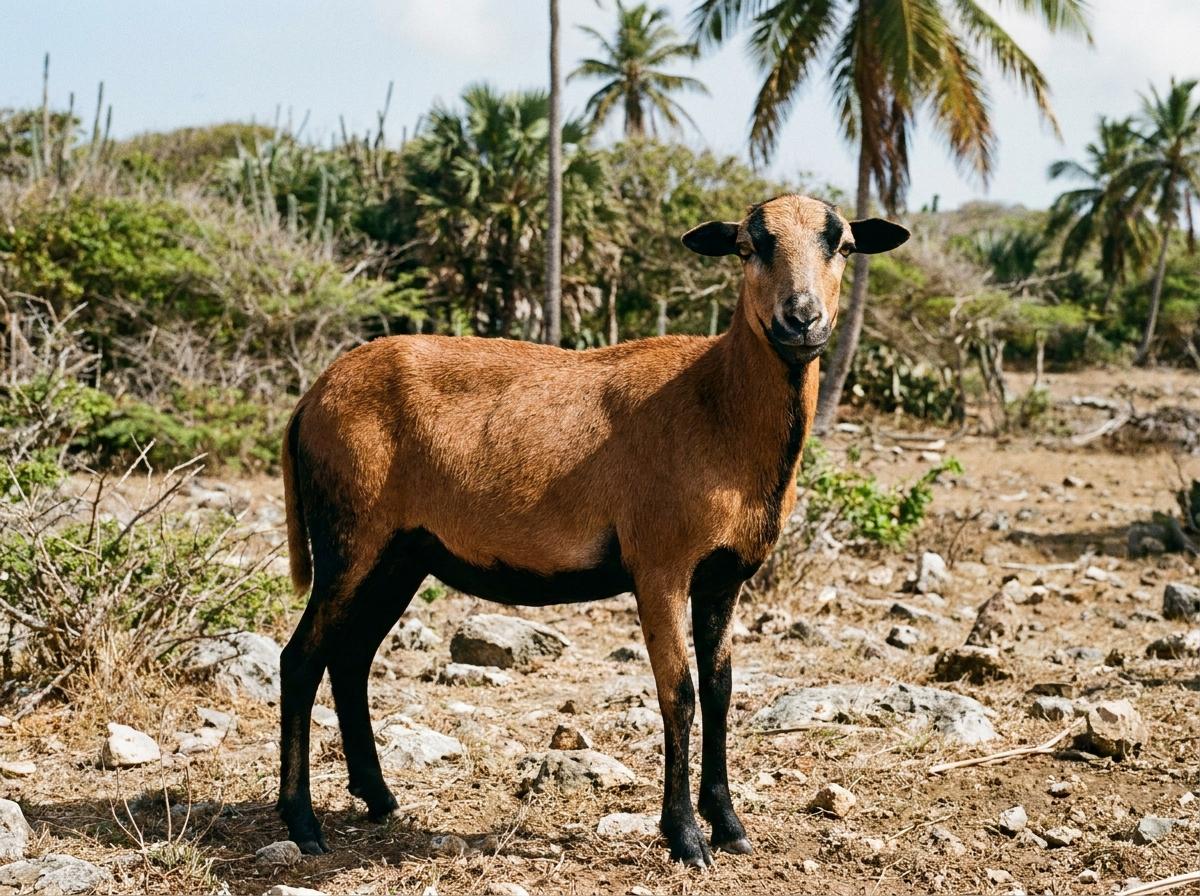
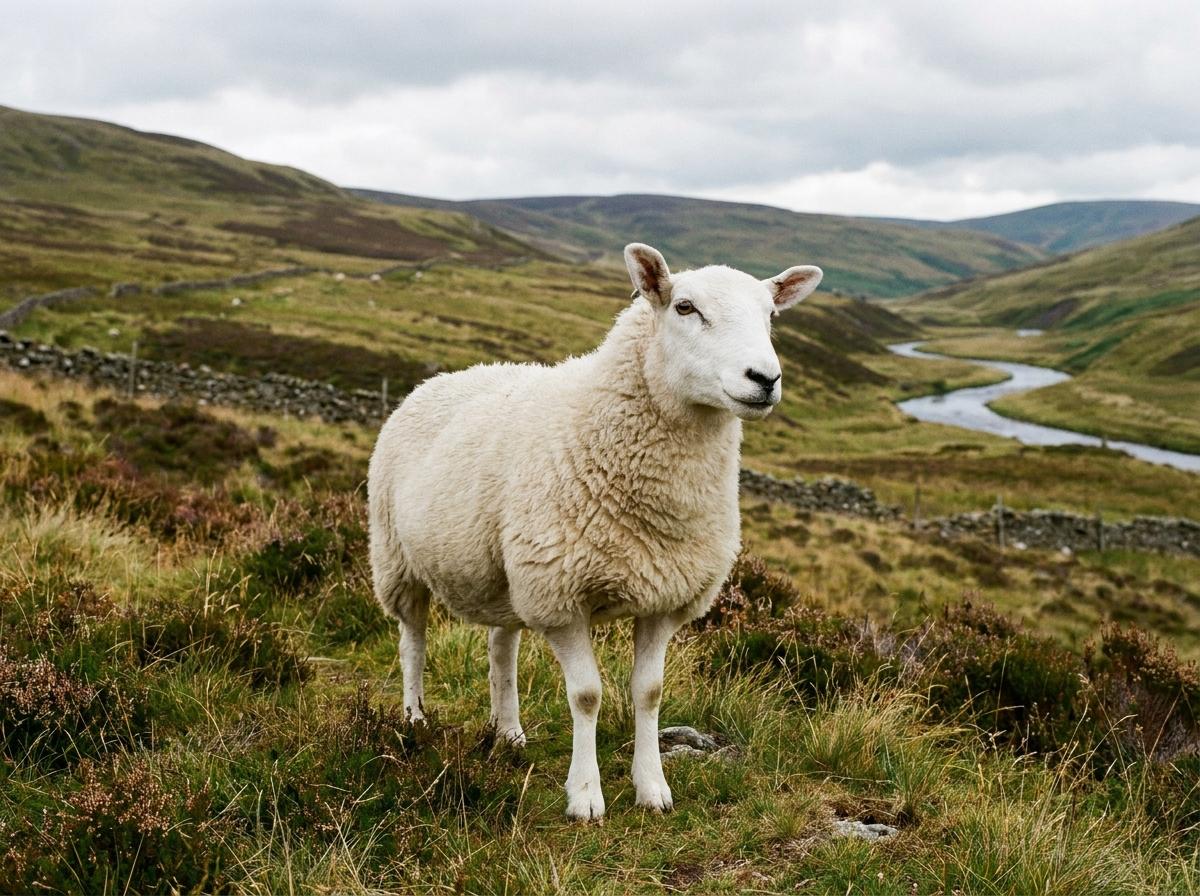
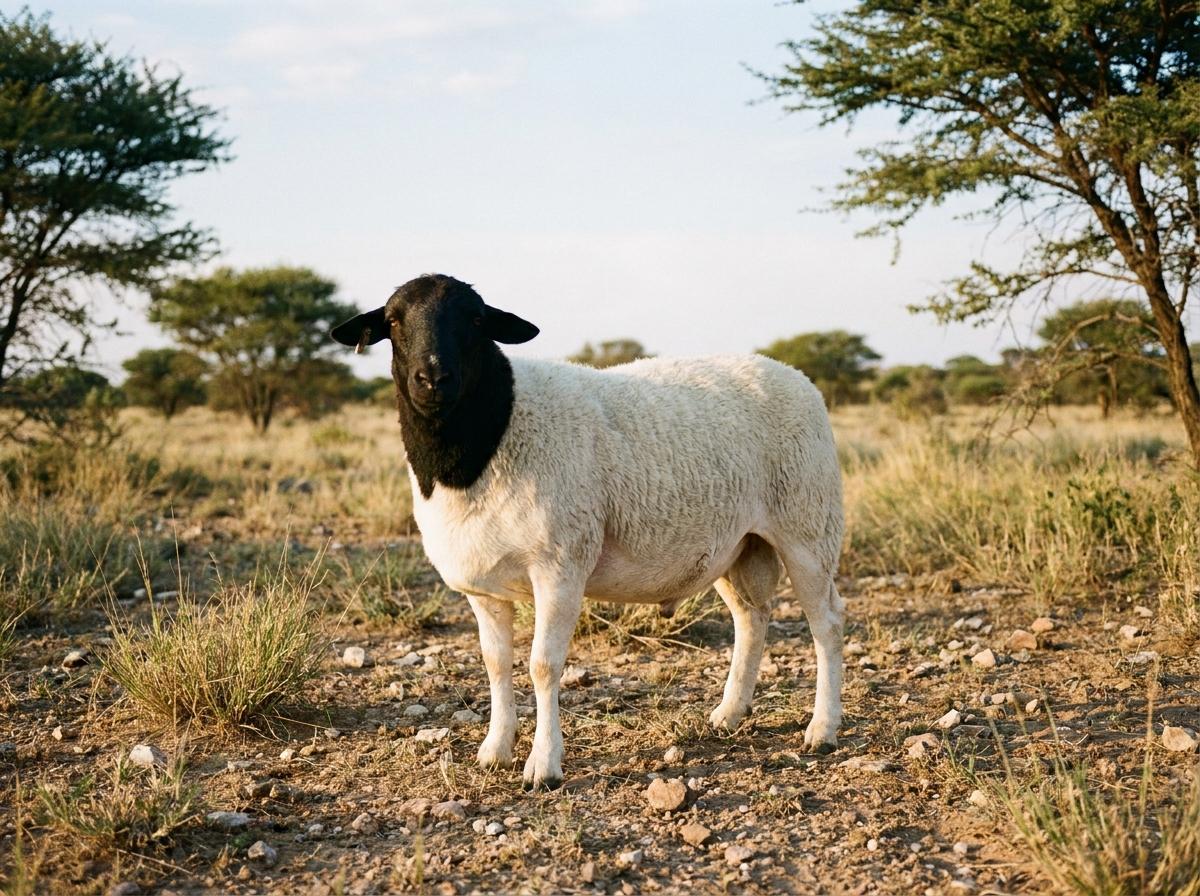
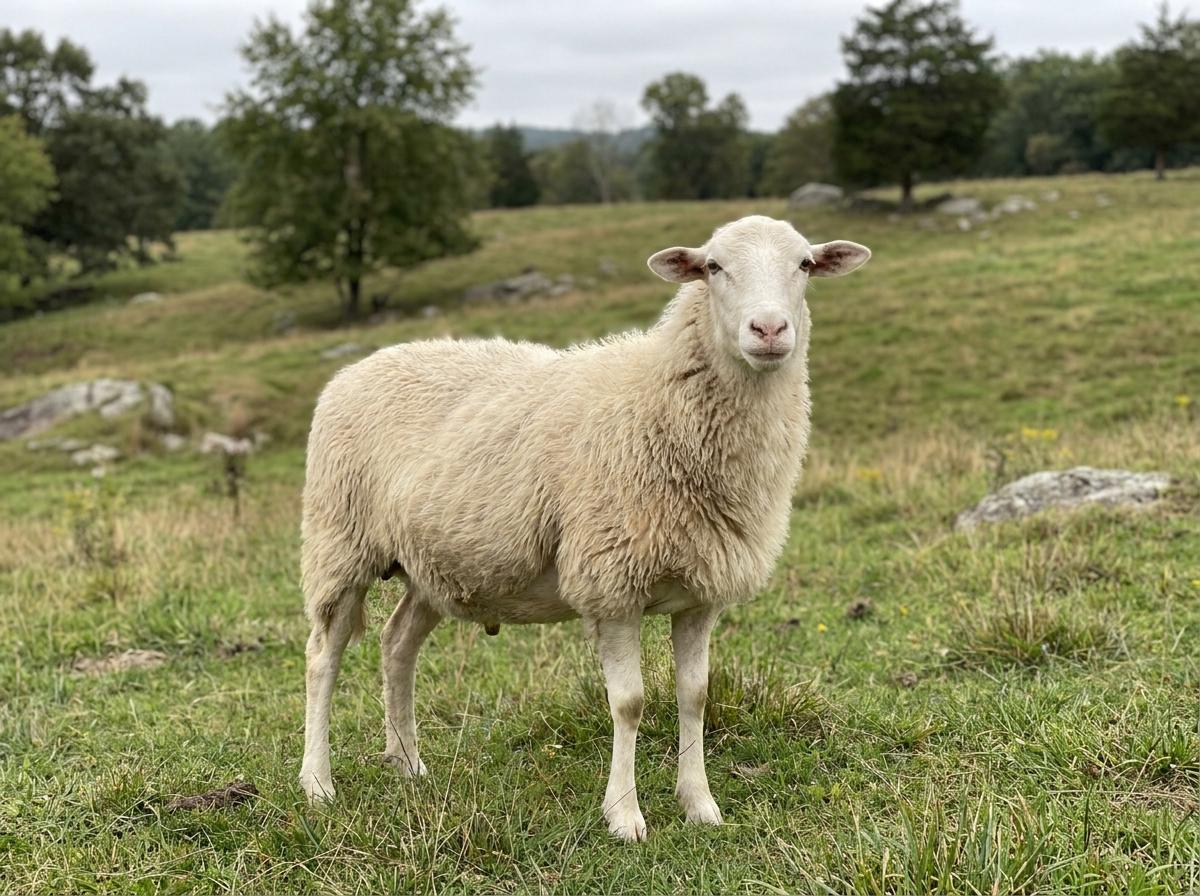
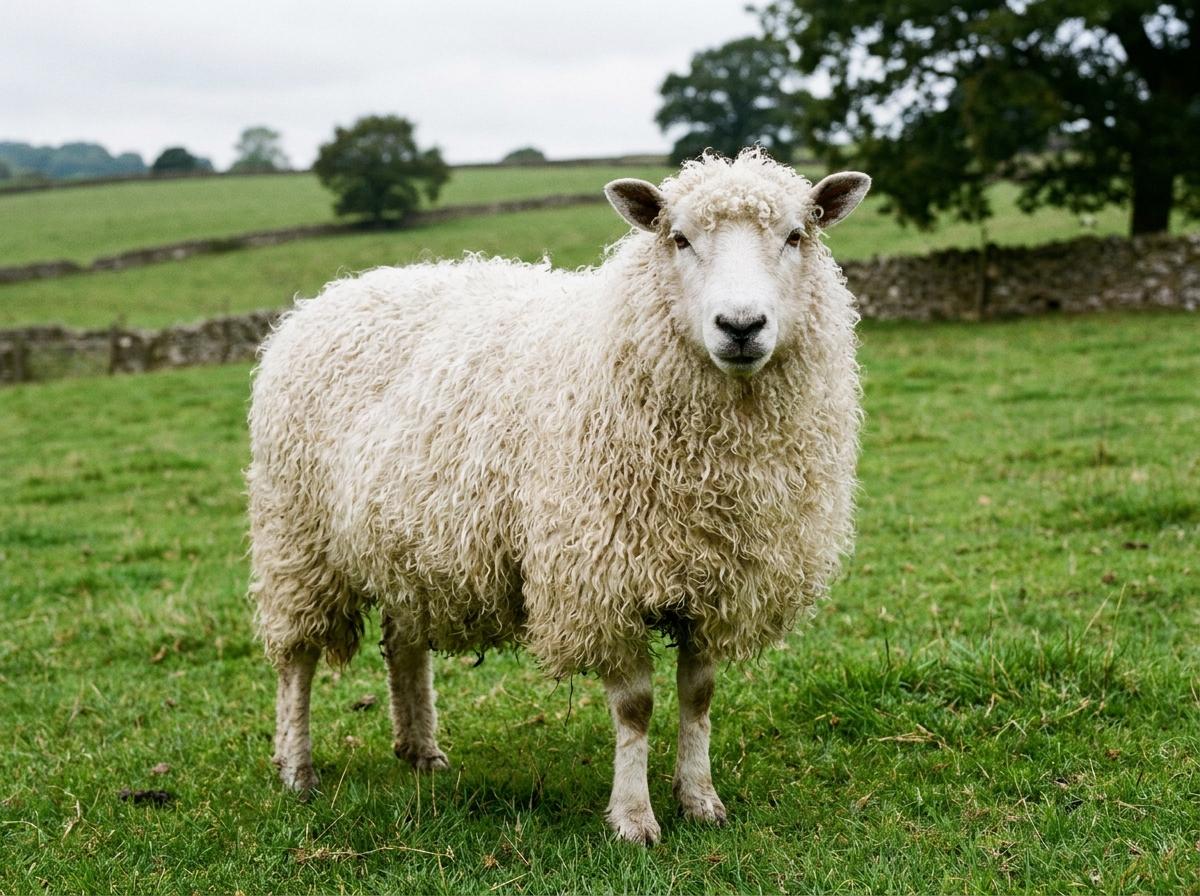
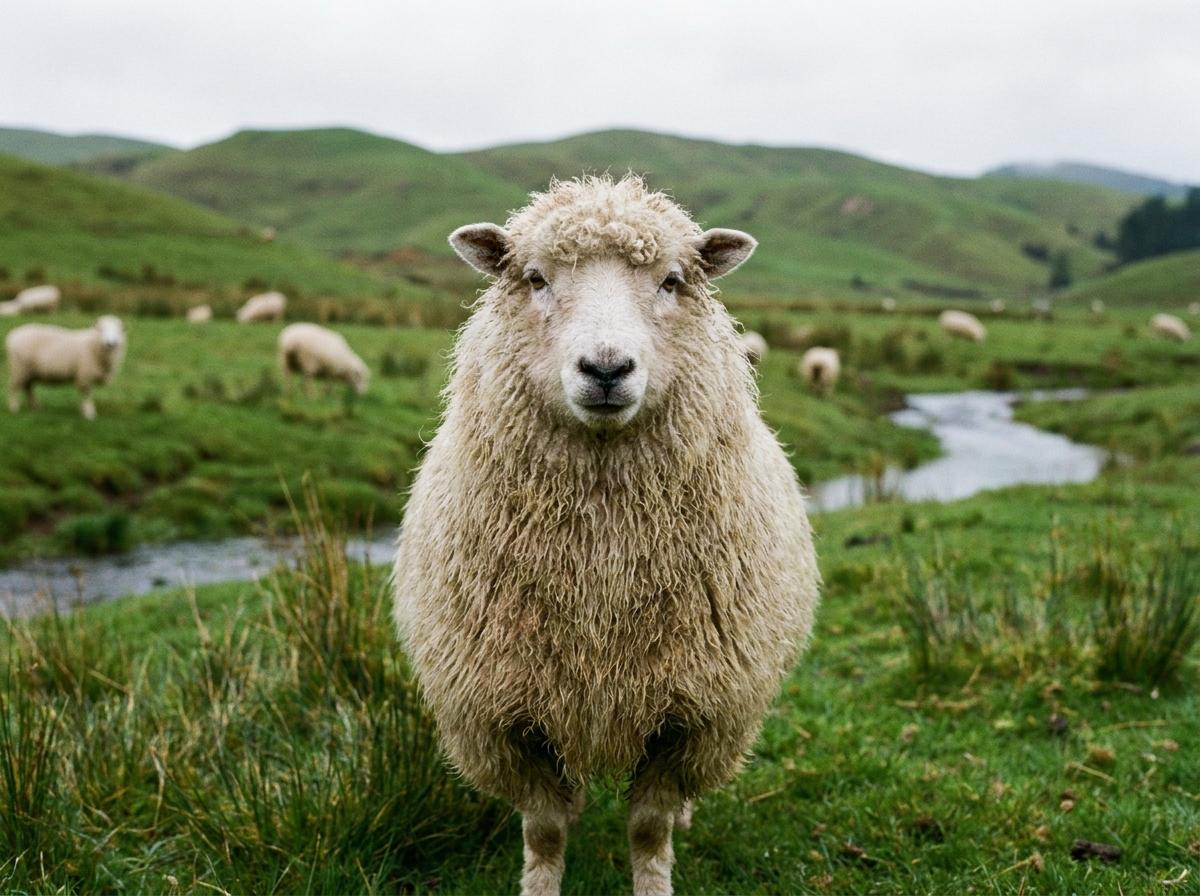
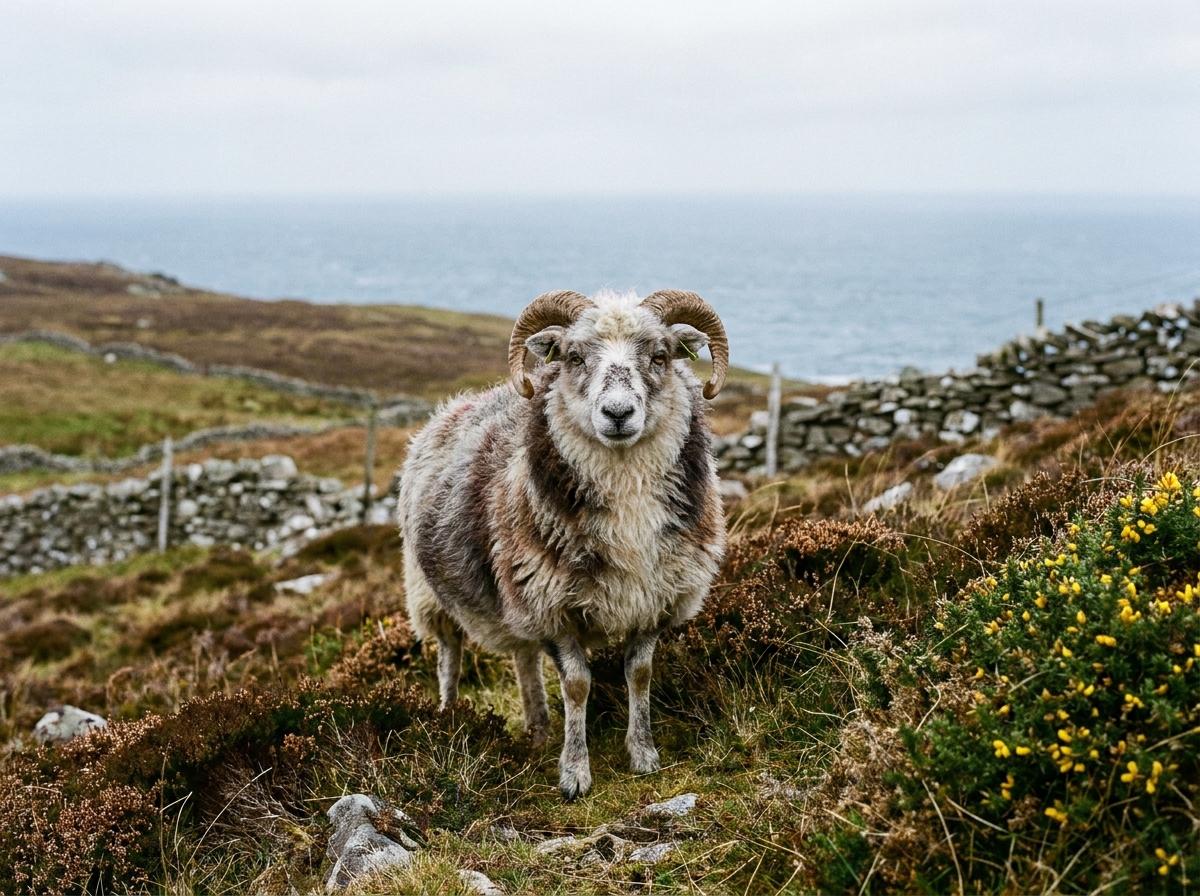
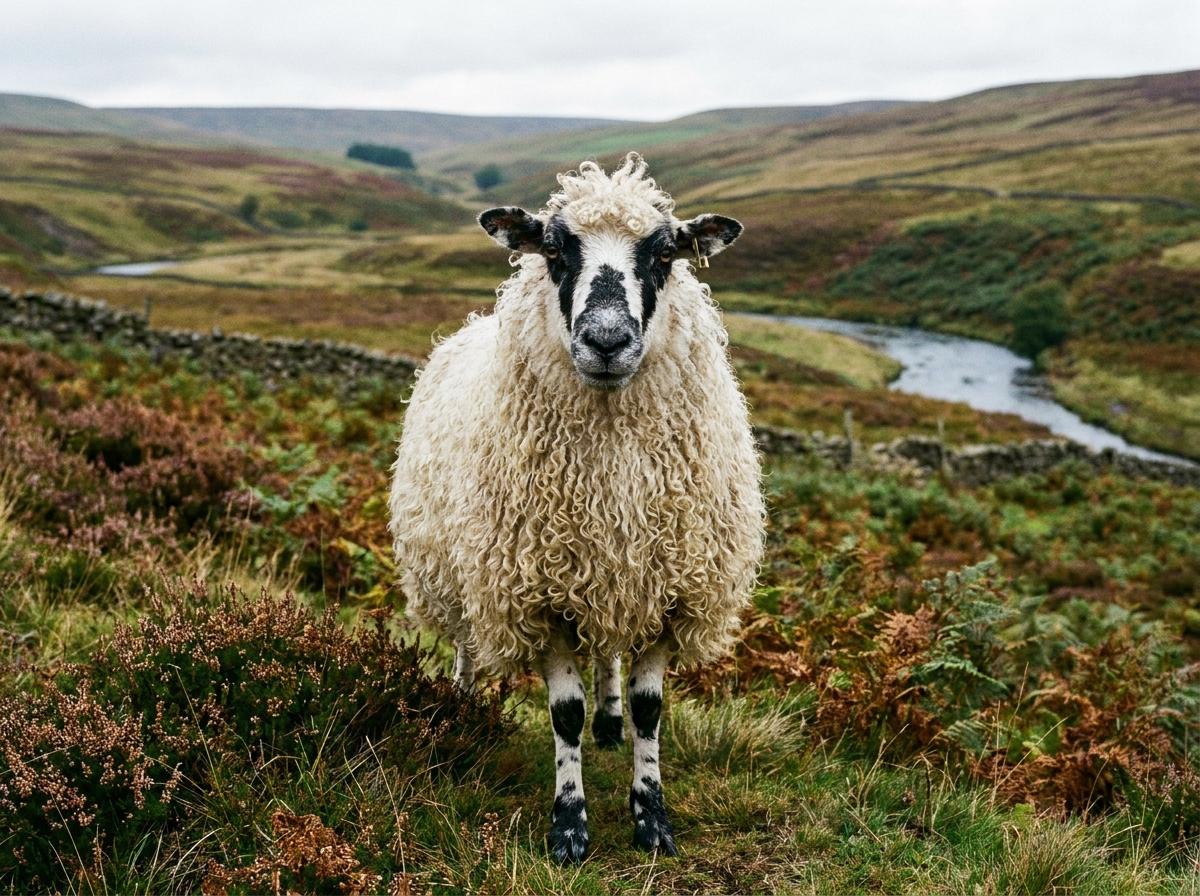
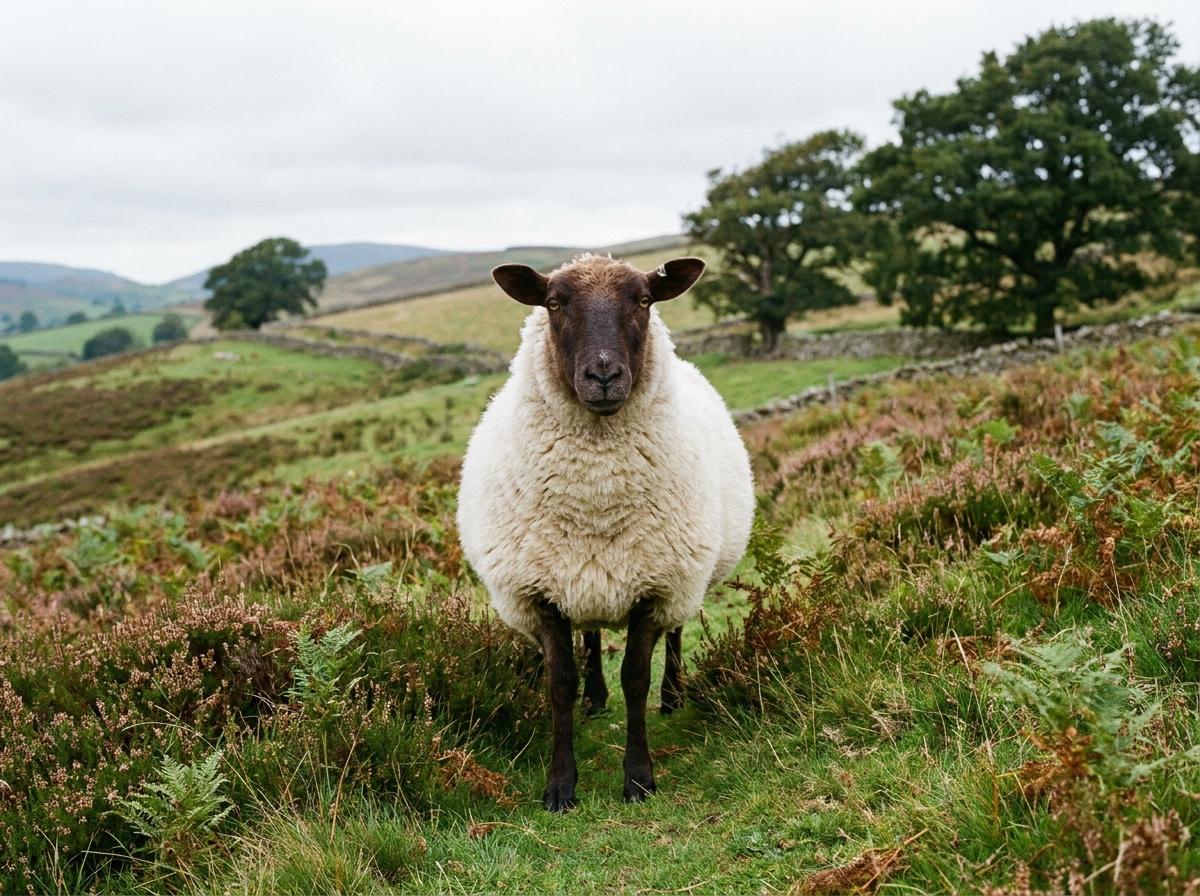
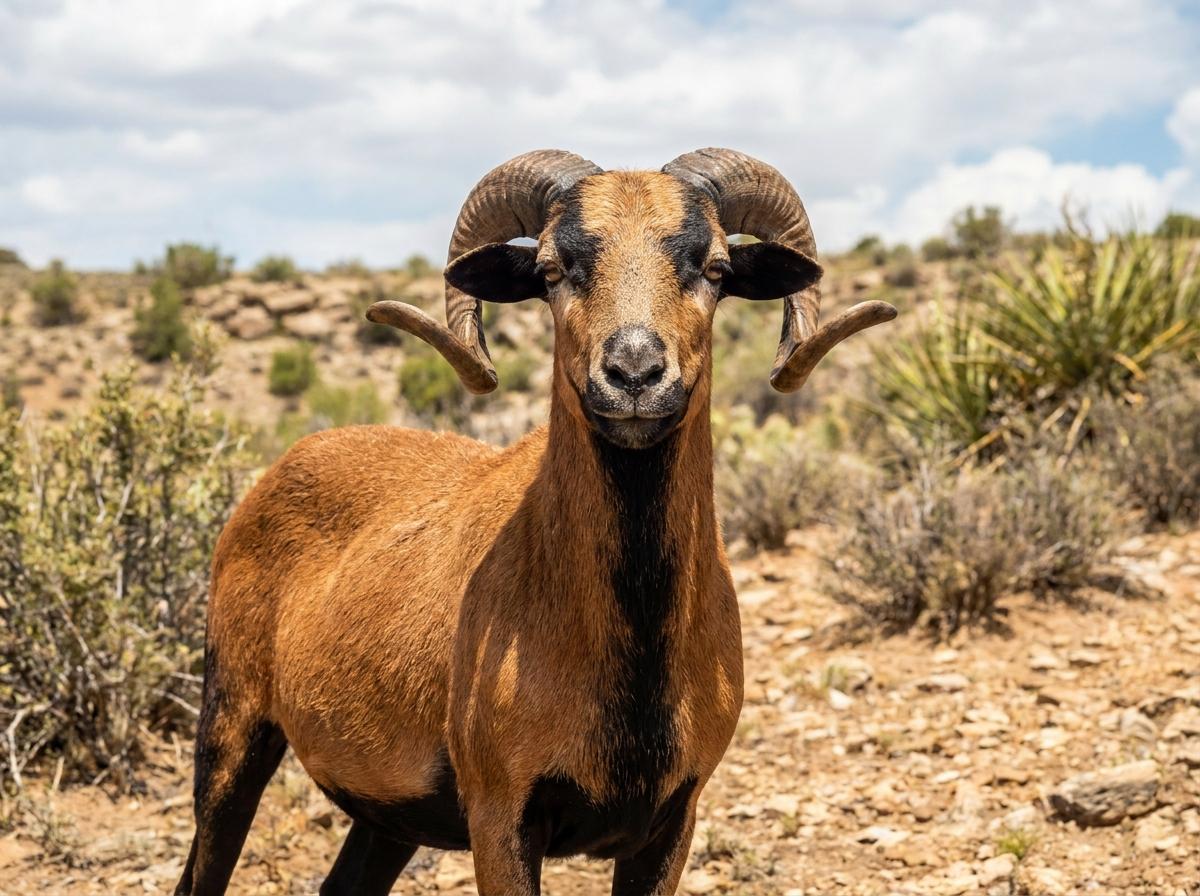
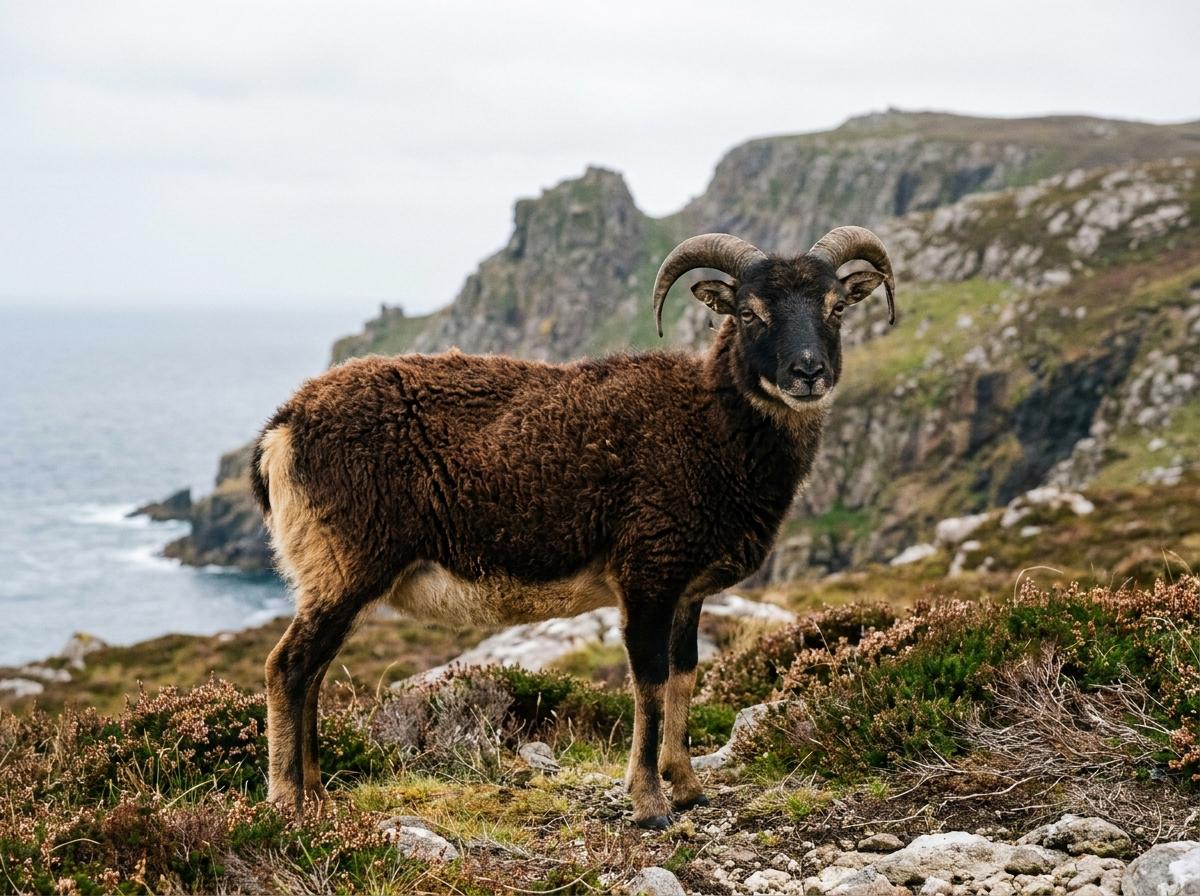
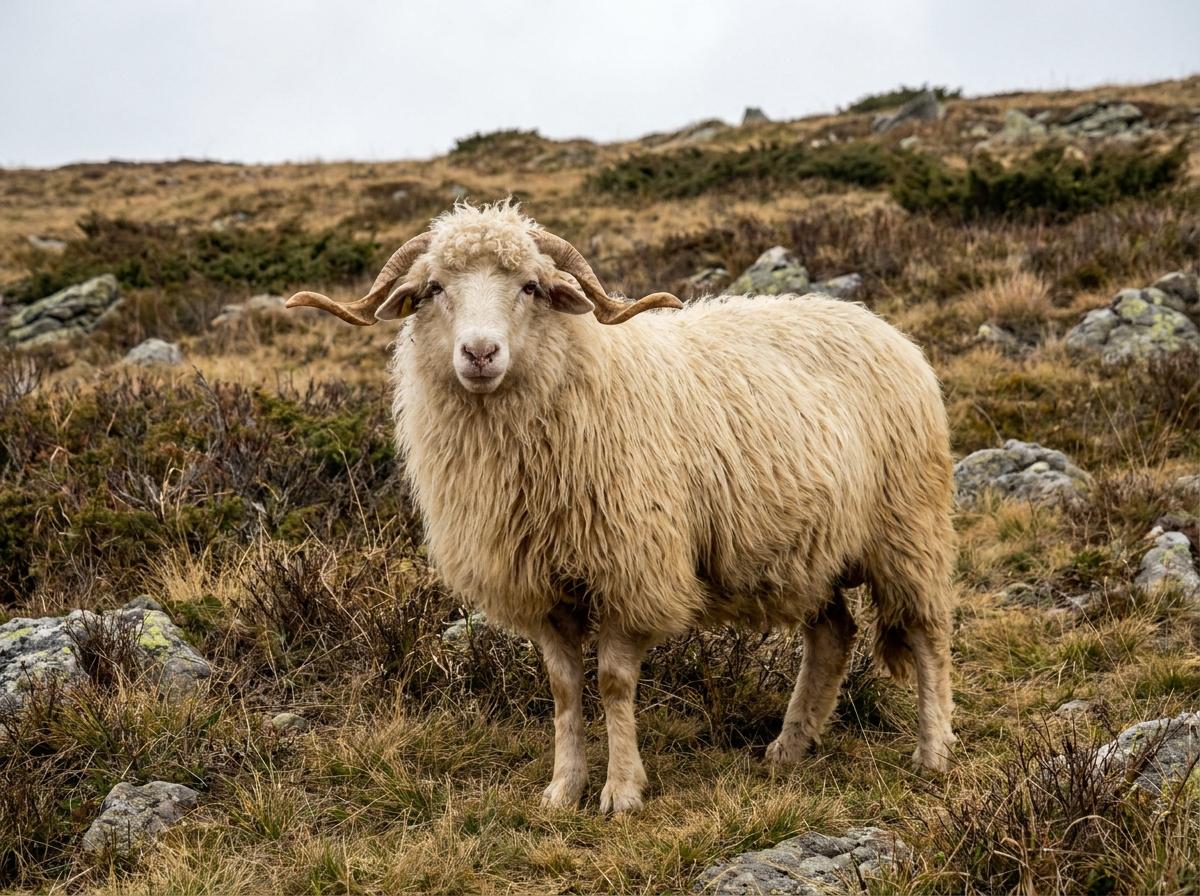
The Valachian sheep, also known as Valaška or Wallachian sheep, is an old Carpathian landrace linked to the pastoral movements of Vlach shepherds through what are now Slovakia, the Czech Republic, Poland, and neighboring mountain regions. It is a hardy, relatively small Zackel-type sheep with coarse, weather-resistant wool, a lean frame, and strong legs for rough grazing. Rams often carry impressive spiral horns, and ewes may be horned or polled. White is common, but colored and patterned animals occur in traditional flocks.
Historically the breed supplied milk for cheeses, lamb for household and local markets, and wool for rugs, felt, or coarse cloth. Today it is often kept in conservation, heritage-farm, and low-input grazing projects because it preserves traits that were reduced in more specialized sheep. Management should not assume high-output dairy or meat performance; the advantage is endurance on sparse pasture, good mothering, and adaptation to mountain weather. Conservation breeders usually avoid excessive crossing with Improved Valachian or other breeds, and they pay close attention to horn type, fleece character, and flock origin.
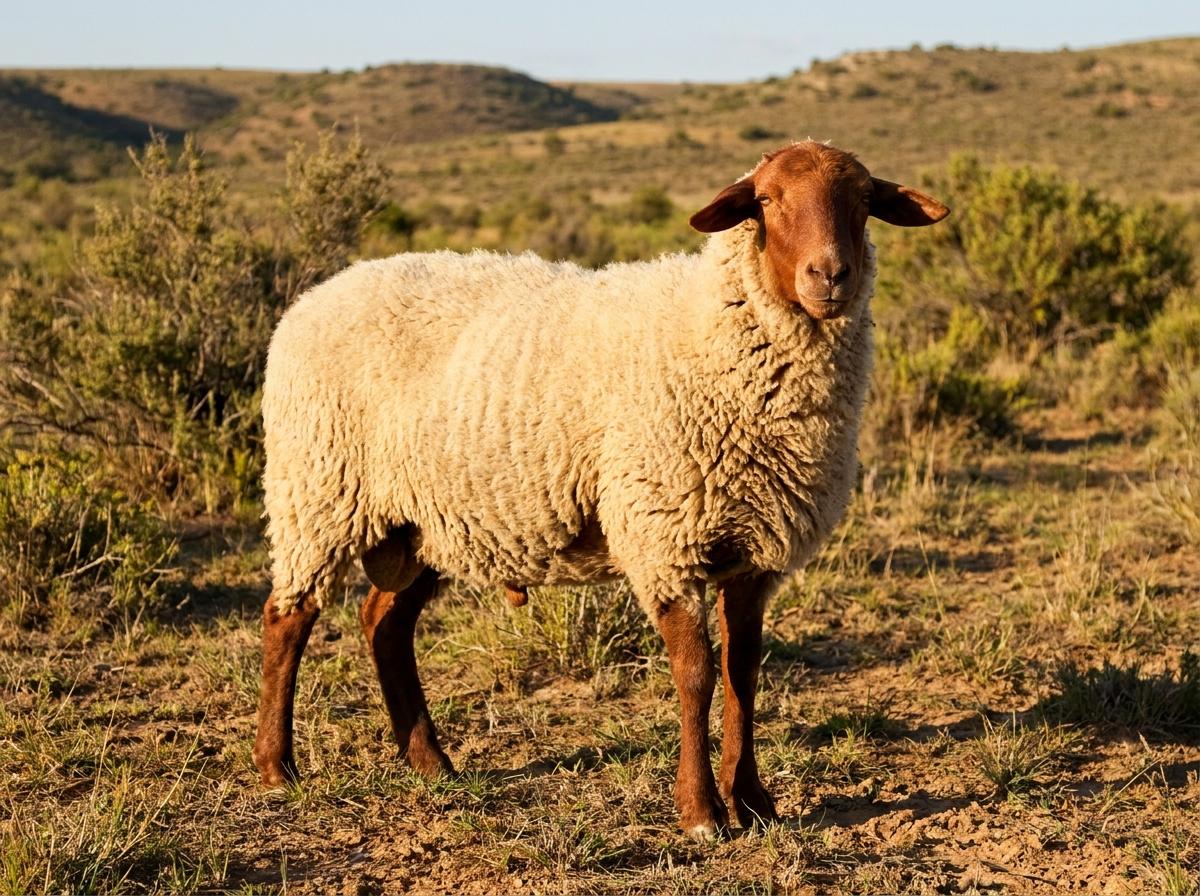
Colors: Badgerface, Black, Blackbelly, Broken, Brown, Gray, Grey, Gulmoget, Katmoget, Moorit, Piebald, Red, Roan, Silver, Solid, Spotted, Tan, White, White with Black Points, White with Brown Points