West African Dwarf
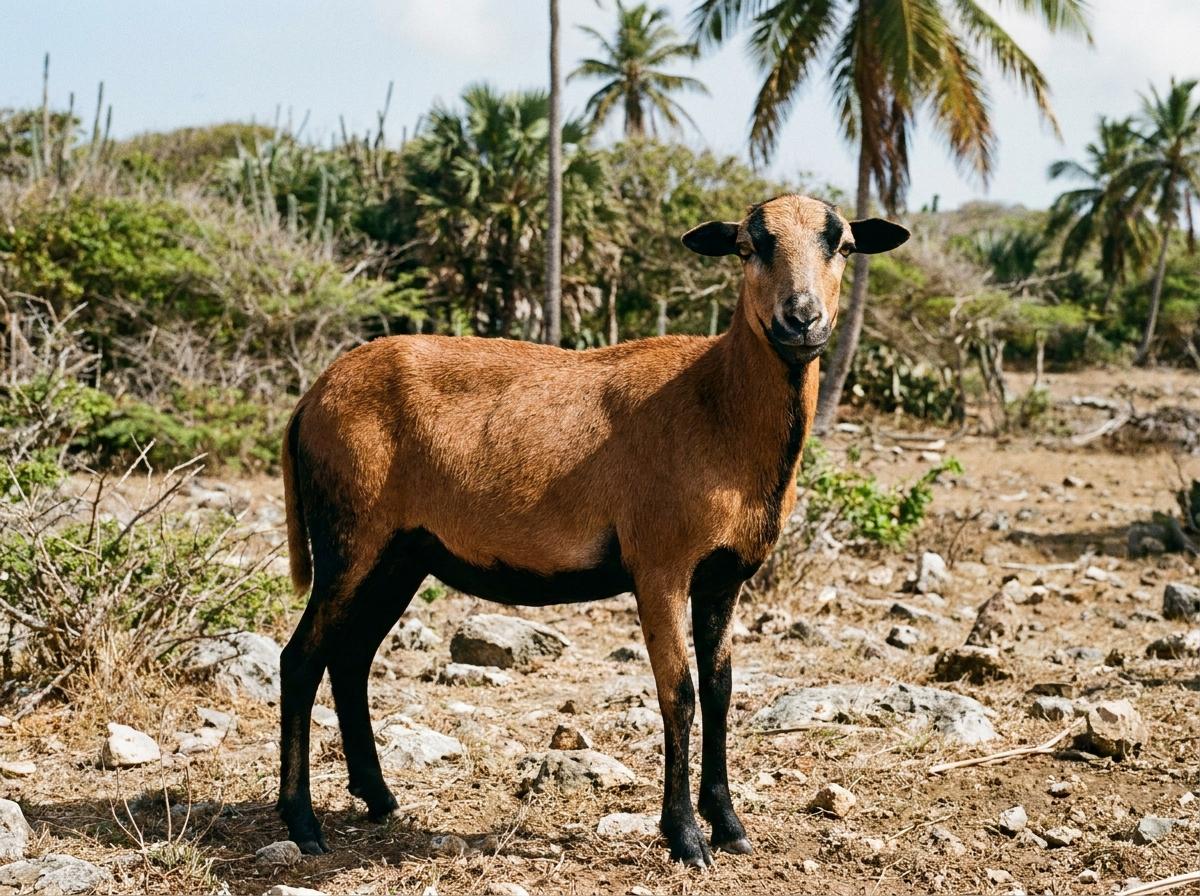
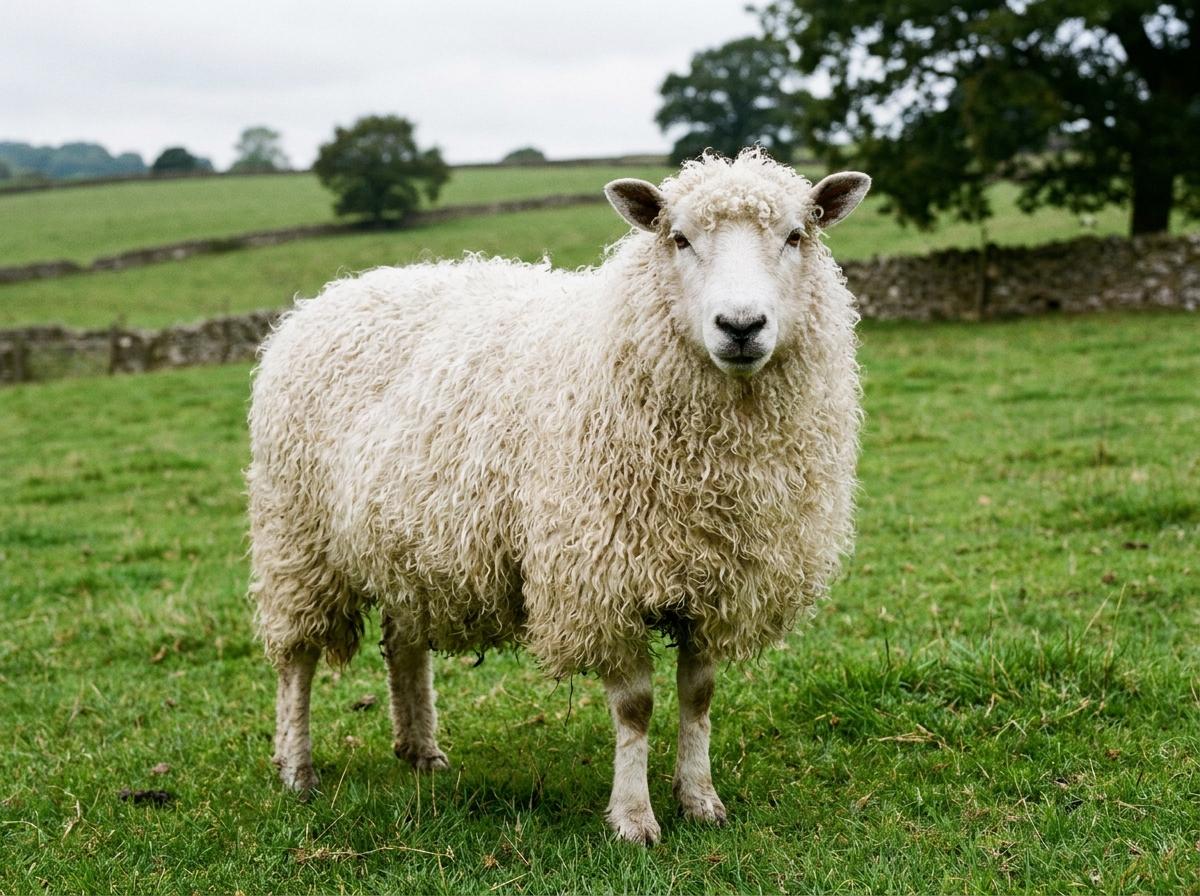
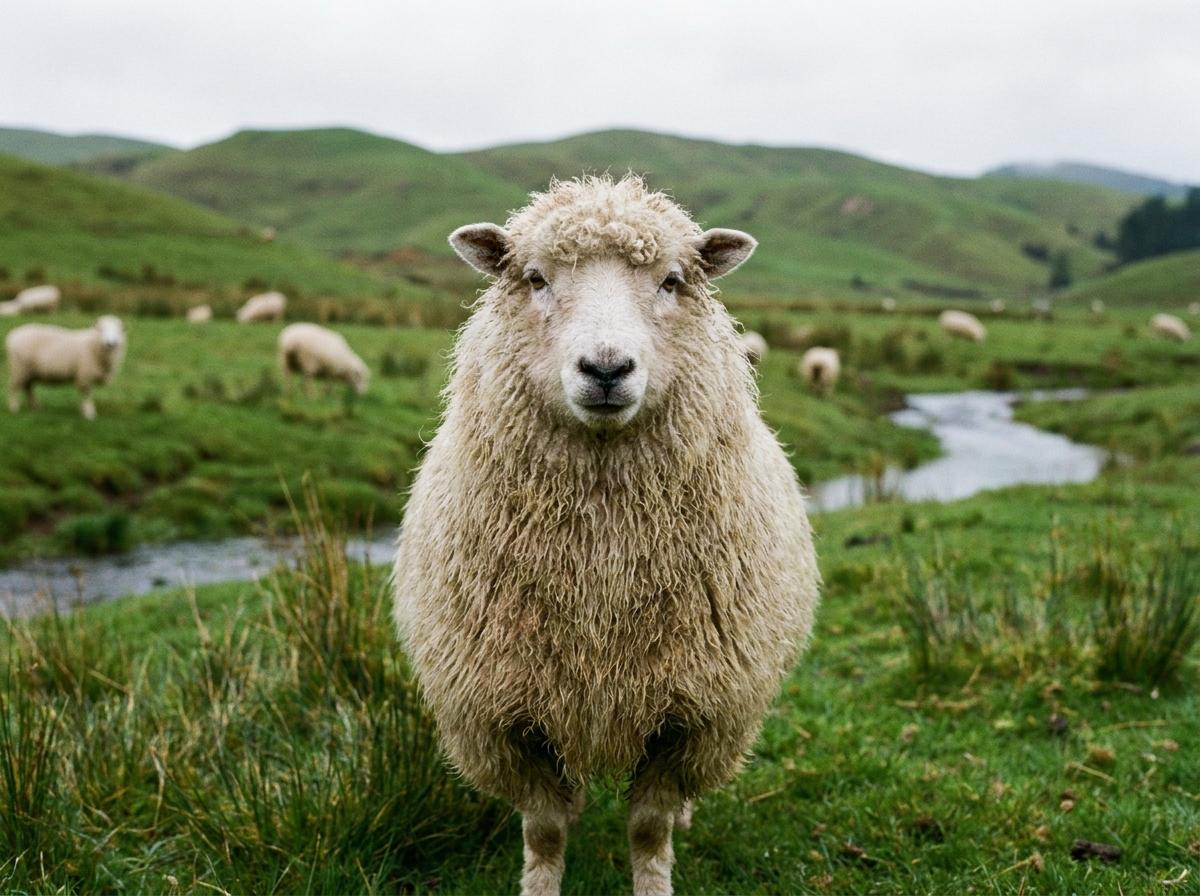
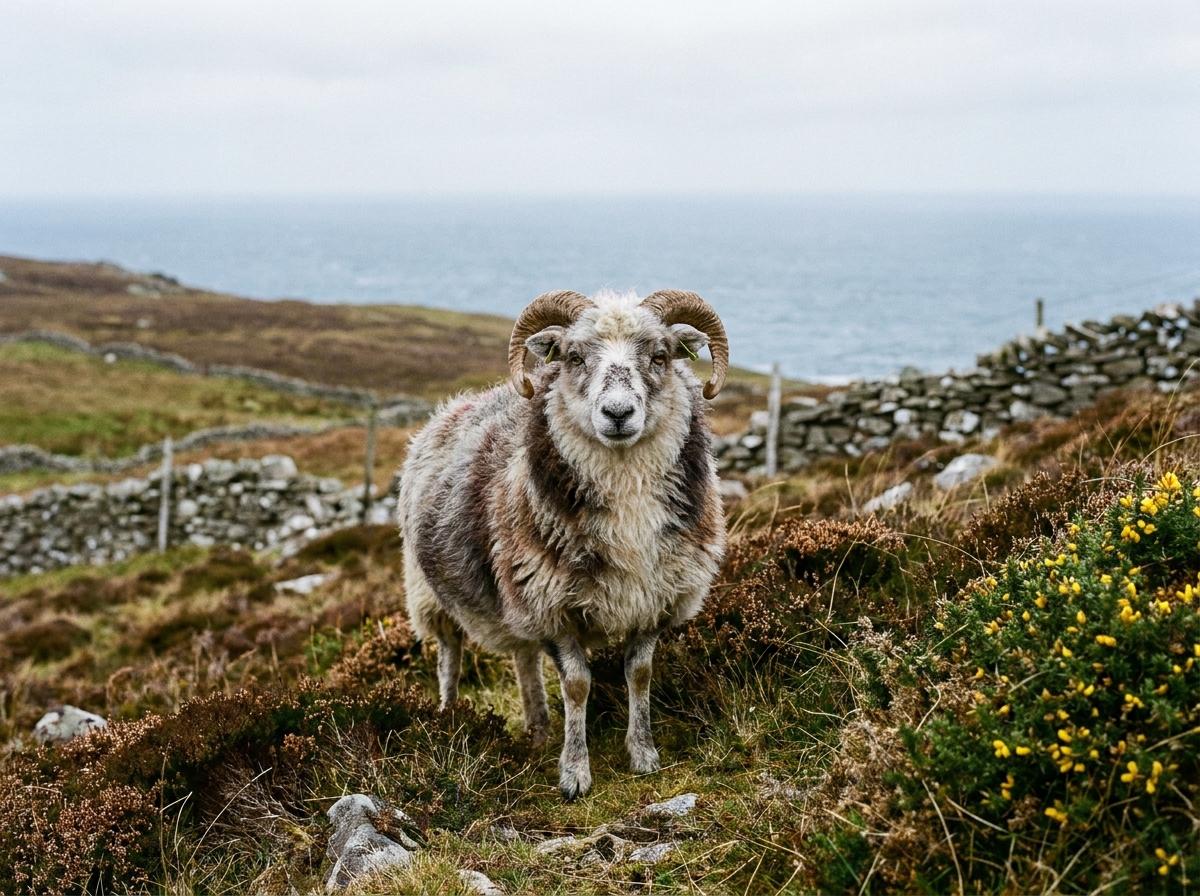
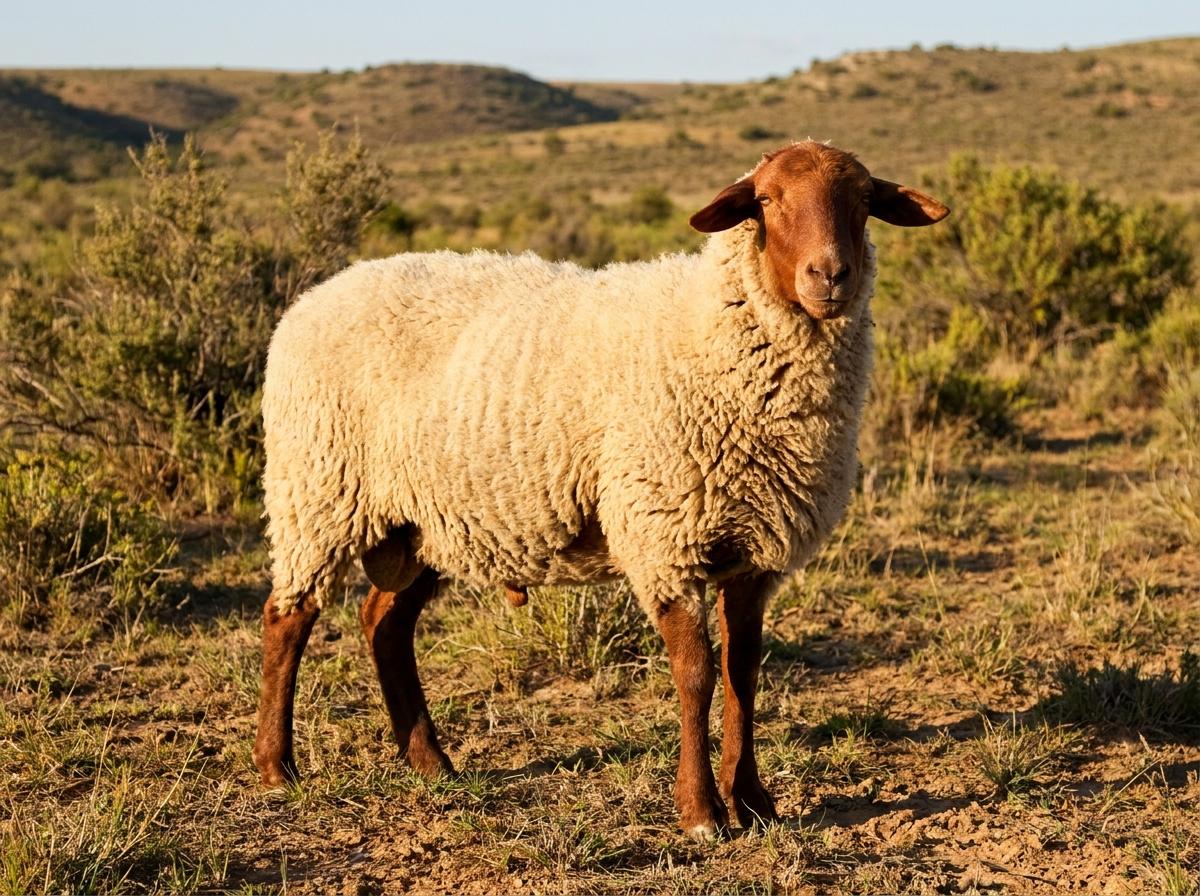
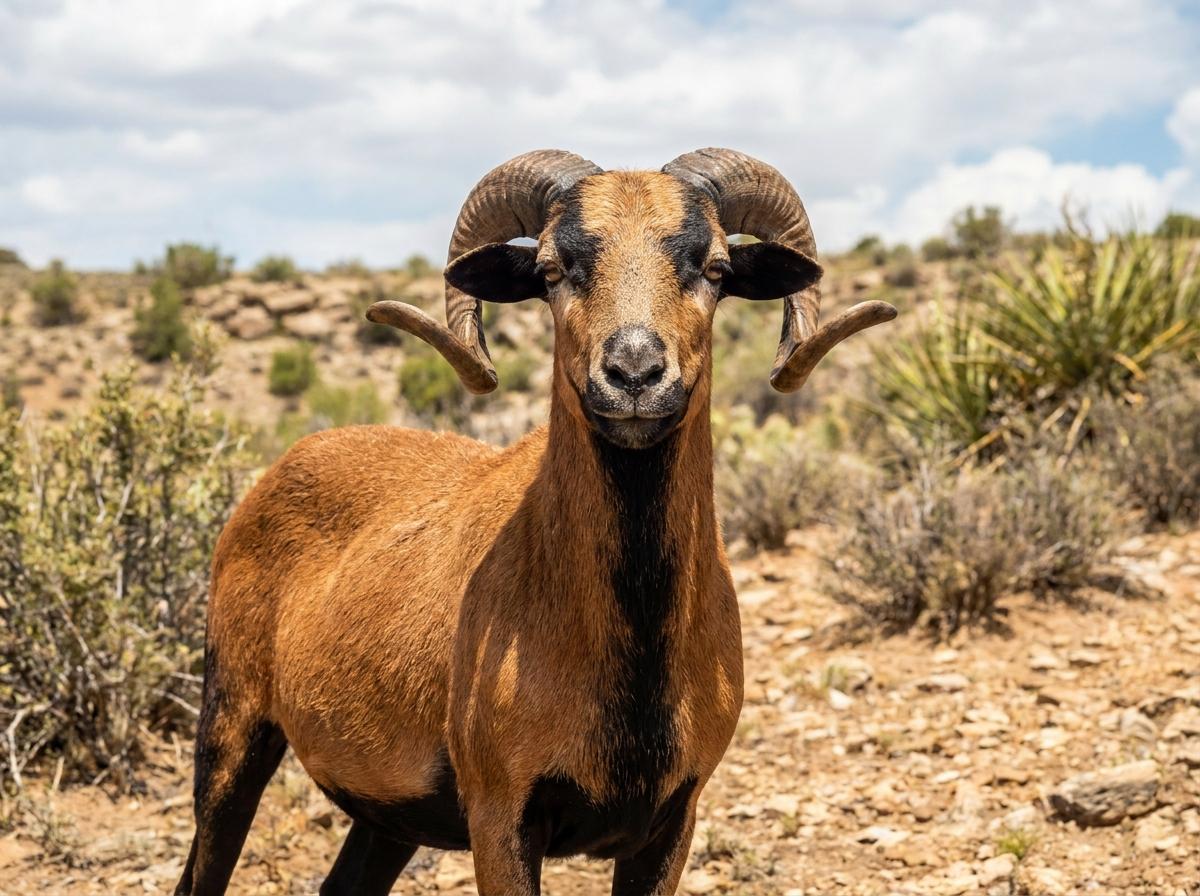
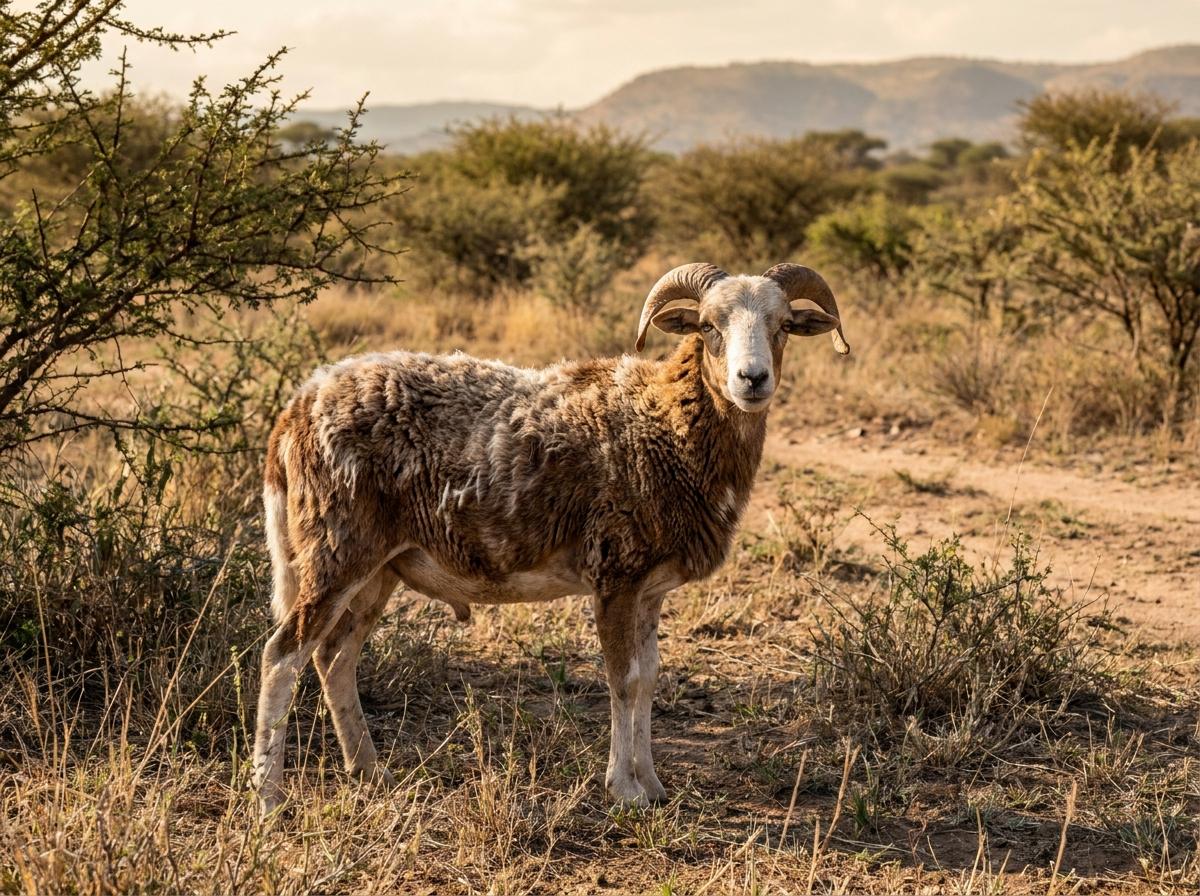
The West African dwarf is a small hair sheep of the humid and subhumid zones of West and Central Africa. It is also known in many areas as the Djallonke or forest sheep, though local names and types vary widely. These compact sheep are usually short-legged, fine-boned, and variable in color, with white, brown, black, red, and pied coats all seen. Rams may carry small horns and a throat ruff, while ewes are often polled. The breed is valued for its tolerance of local disease pressure, including trypanosomiasis, though it is not immune to illness or parasites.
In villages it is commonly kept for meat, ceremonies, household savings, and small-scale trade. Flocks may graze roadsides, fallow land, and crop residues by day, then return to simple night housing for protection from theft and predators. Good care still depends on shade, clean water, parasite control, and dry shelter during heavy rains. For development and conservation work, the West African dwarf is important because crossbreeding can quickly dilute the very adaptation that makes it useful in low-input tropical systems.
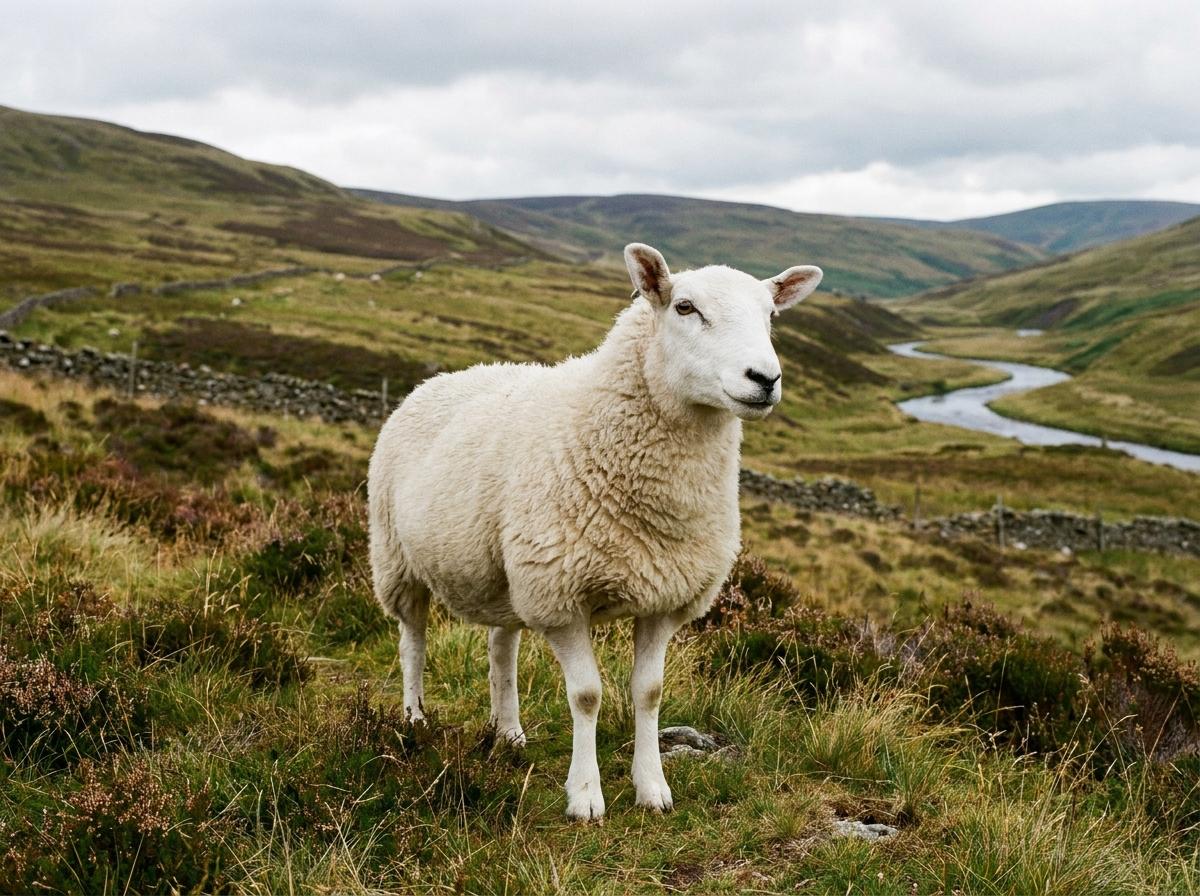
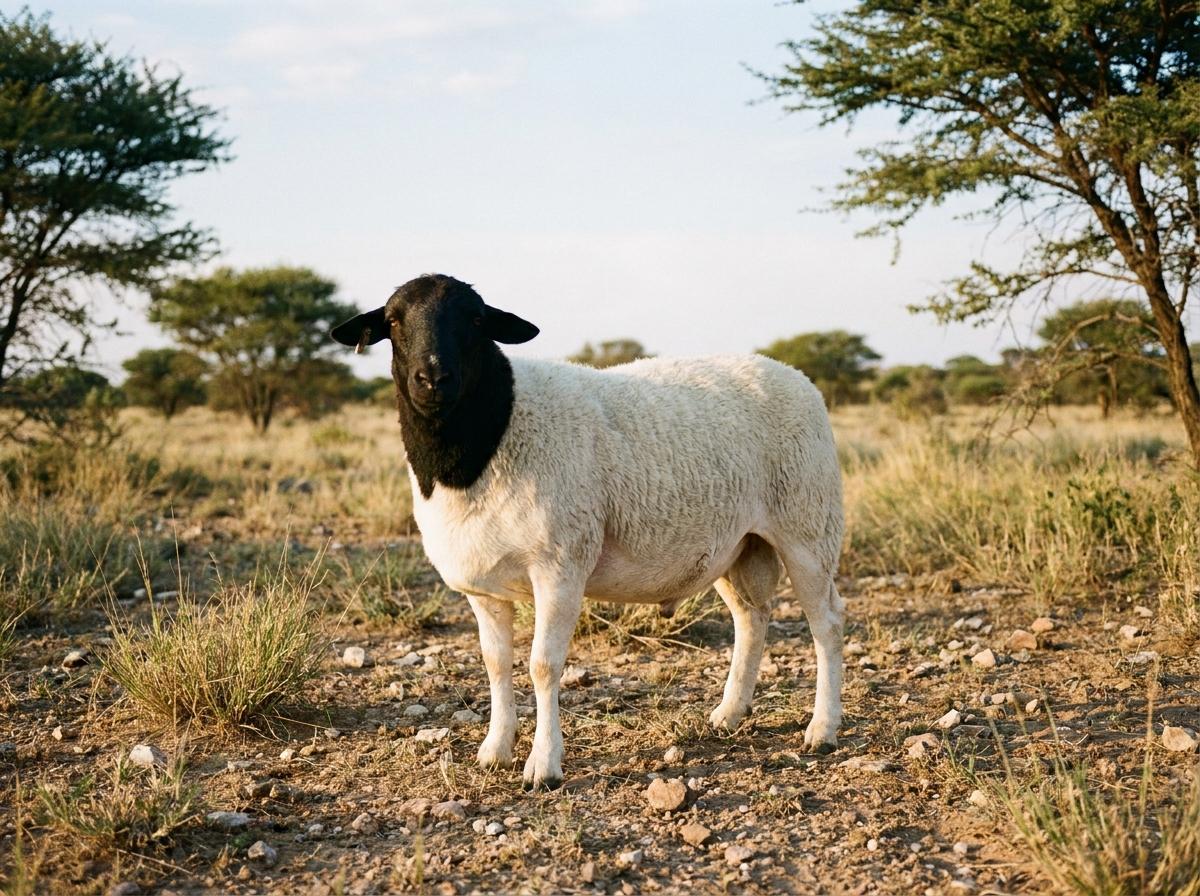
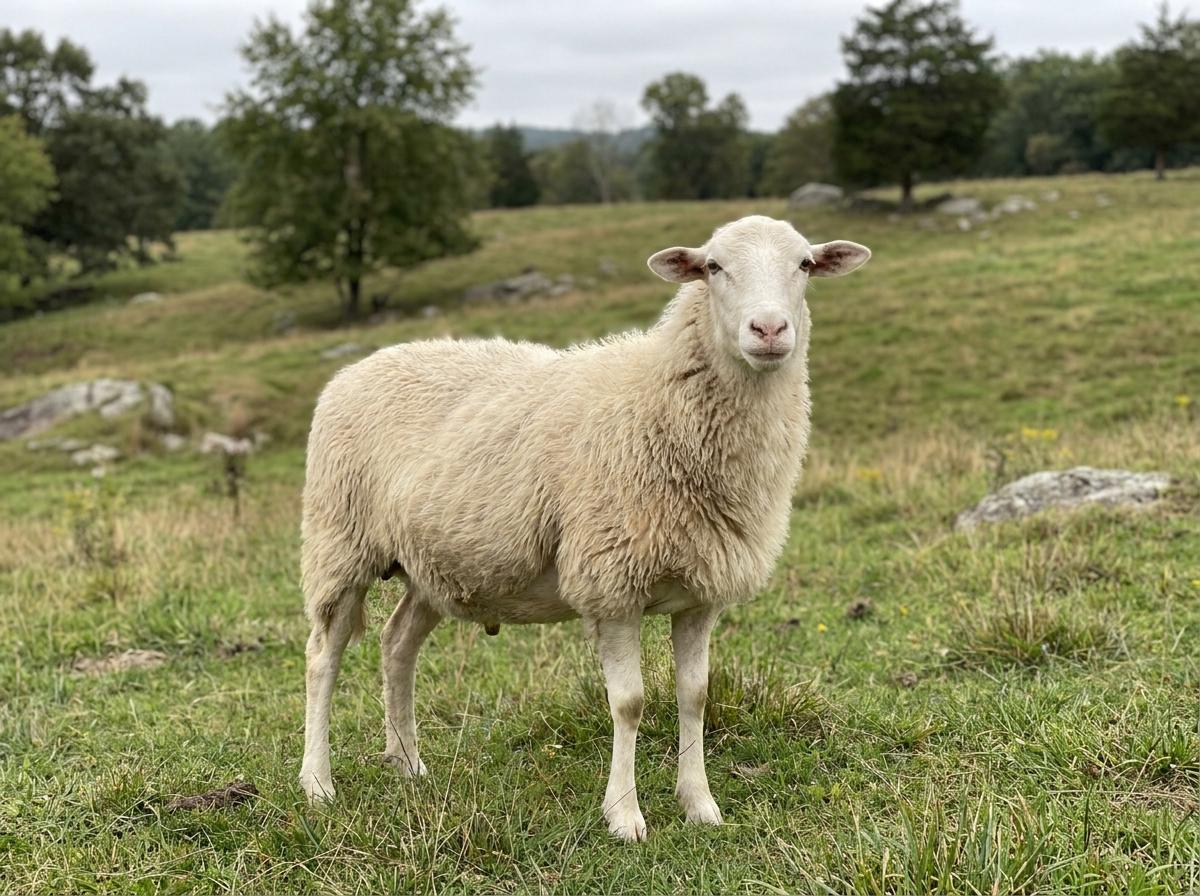
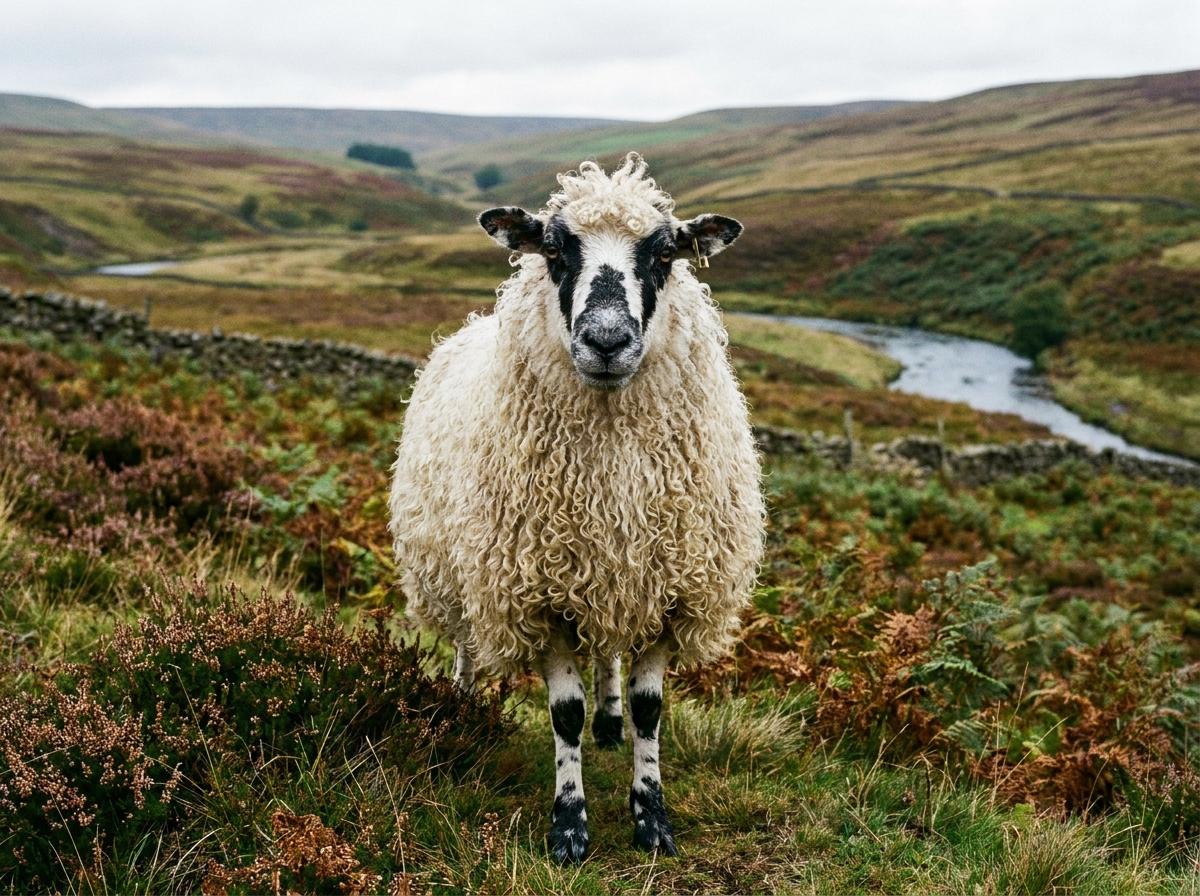
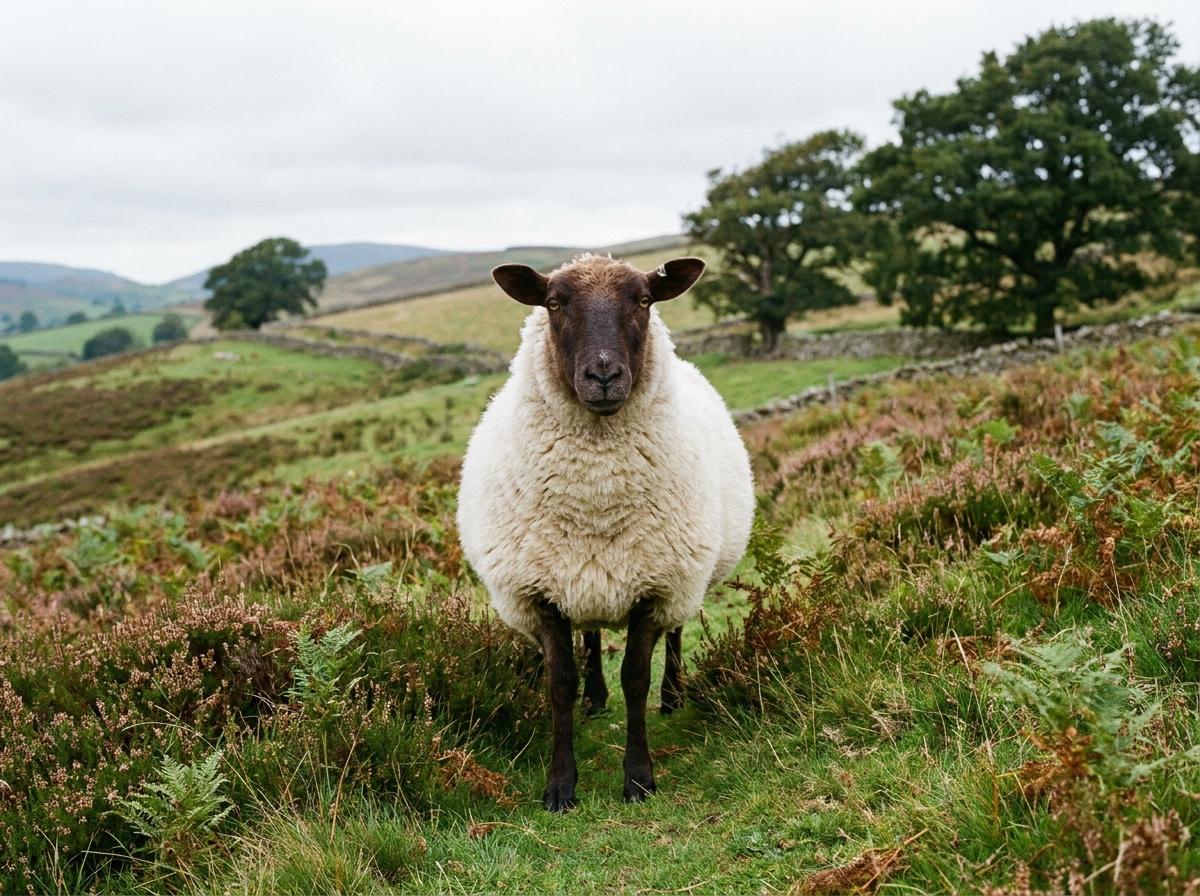
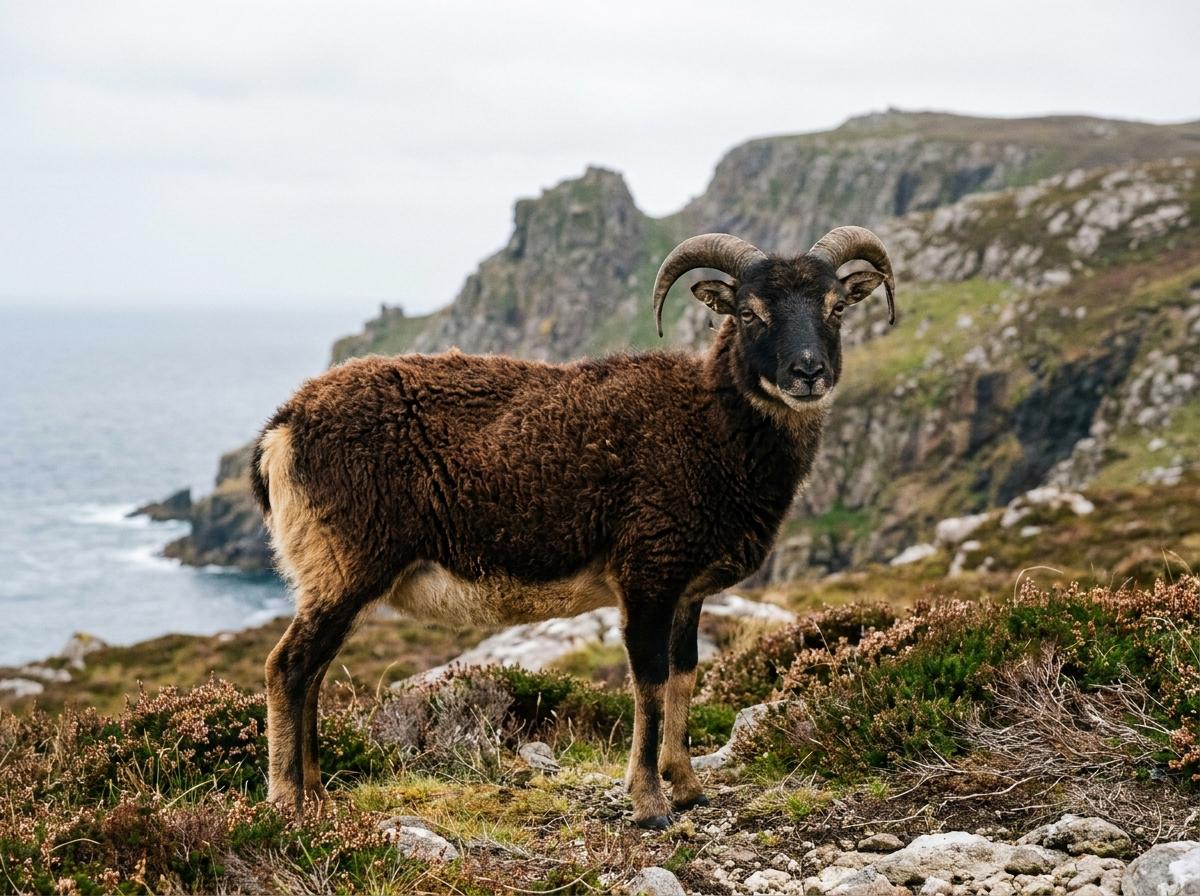
Colors: Badgerface, Black, Blackbelly, Broken, Brown, Gray, Grey, Gulmoget, Katmoget, Moorit, Piebald, Red, Roan, Silver, Solid, Spotted, Tan, White, White with Black Points, White with Brown Points